Beginner guides
? Lurkaia Blog ?
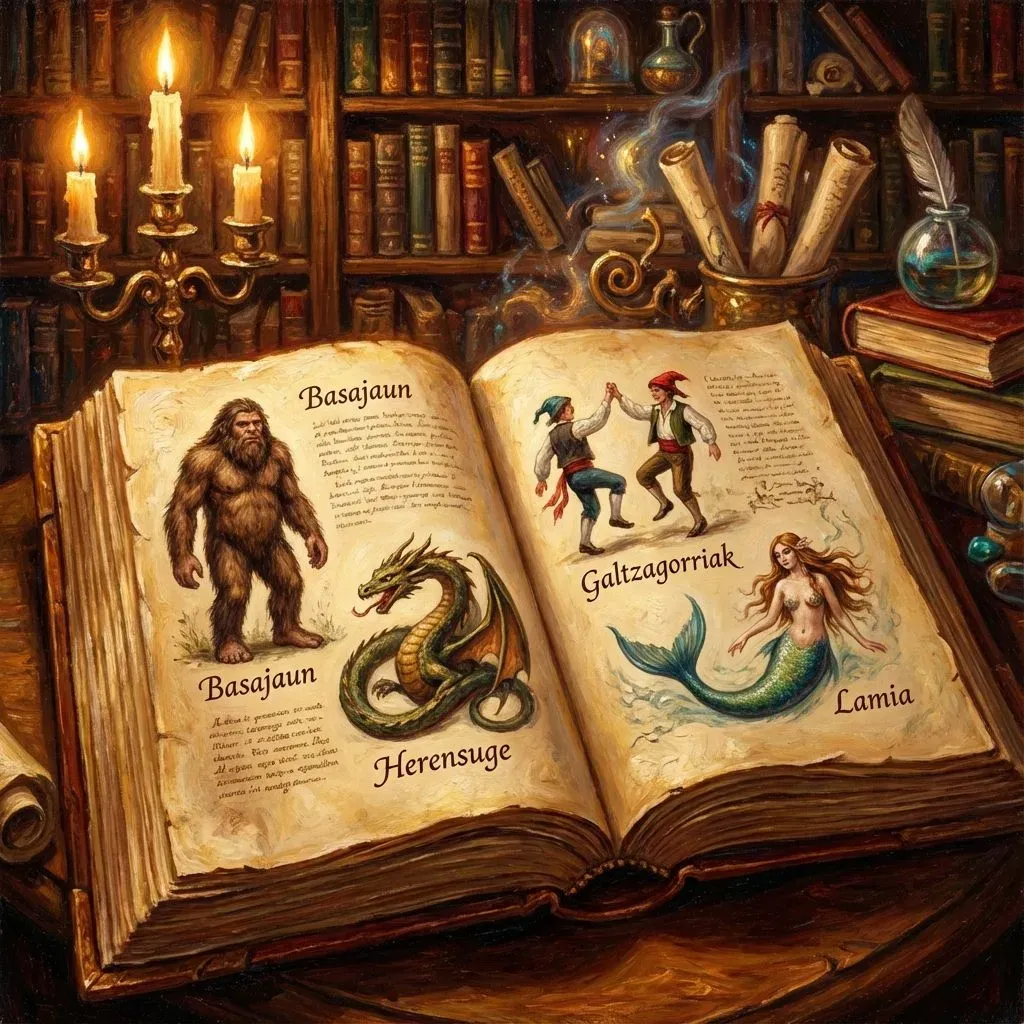
About this section
- • Main focus:Core structure of Basque mythology
- • What you will find:Conceptual routes, creature families and reading paths
- • Formats:Books, films, documentaries and articles
- • Ideal for:Readers beginning to explore the Basque mythical world
Your gateway into myth
Entering Basque mythology for the first time can feel overwhelming: ancestral beings, legends woven over millennia and a worldview unlike any other in Europe. Lurkaia's beginner guides are designed to accompany that first approach and give readers the tools they need to enjoy the mythical heritage of Euskal Herria with confidence.
A good starting point is the basic structure of the Basque mythical universe: the central role of Mari as lady of the powers of nature, the distinction between underworld and celestial beings, and the close bond between myth and real landscape. Caves, mountains, rivers and dolmens all serve as bridges between visible geography and invisible meaning.
In this section you will find conceptual paths that explain how the main beings relate to one another, which creatures share habitats and what each figure symbolises in the collective imagination. The aim is not only to recount legends but to help readers understand the moral lessons, social taboos and pre-scientific explanations of the world that those stories contain.
For readers who prefer other formats, we also gather books, documentaries, films, television series and music connected to the Basque mythical universe. From classic authors such as Barandiaran or Caro Baroja to more recent works, these recommendations offer several ways into the same cultural landscape.
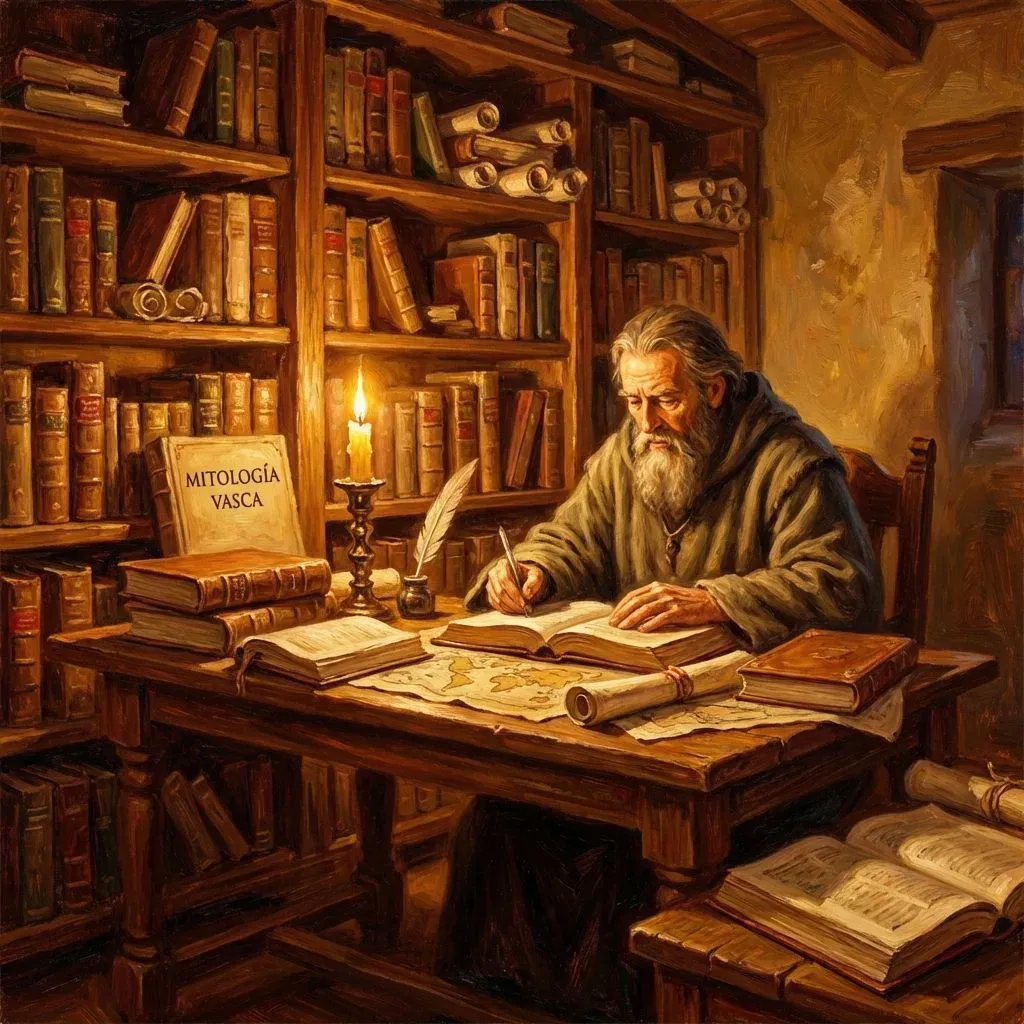
The guides are written for different levels. Newcomers can begin with broad introductions to the main beings and symbolic families, while more experienced readers can move on to specific articles about recurring motifs, mythic lineages or comparisons with other traditions.
We also suggest thematic reading routes such as forest beings, feminine powers, water creatures or domestic spirits. Each itinerary groups legends and creature profiles that speak to one another, making the vast Basque mythical territory easier to explore in a meaningful order.
Finally, the section answers recurring questions: is Basque mythology pre-Christian, how does it connect to other European traditions, where can material traces of these beliefs still be seen, and which rituals survive today' That context helps every legend open into a wider cultural understanding.