Behind the legend
? Lurkaia Blog ?
About this section
- • Main focus:The survival of myth in the present
- • What it explores:Festivals, symbols, identity and reinterpretation
- • Examples:Olentzero, eguzkilore, rural carnivals and living rituals
- • Goal:Understanding how old legends still shape current culture
The myth that still lives
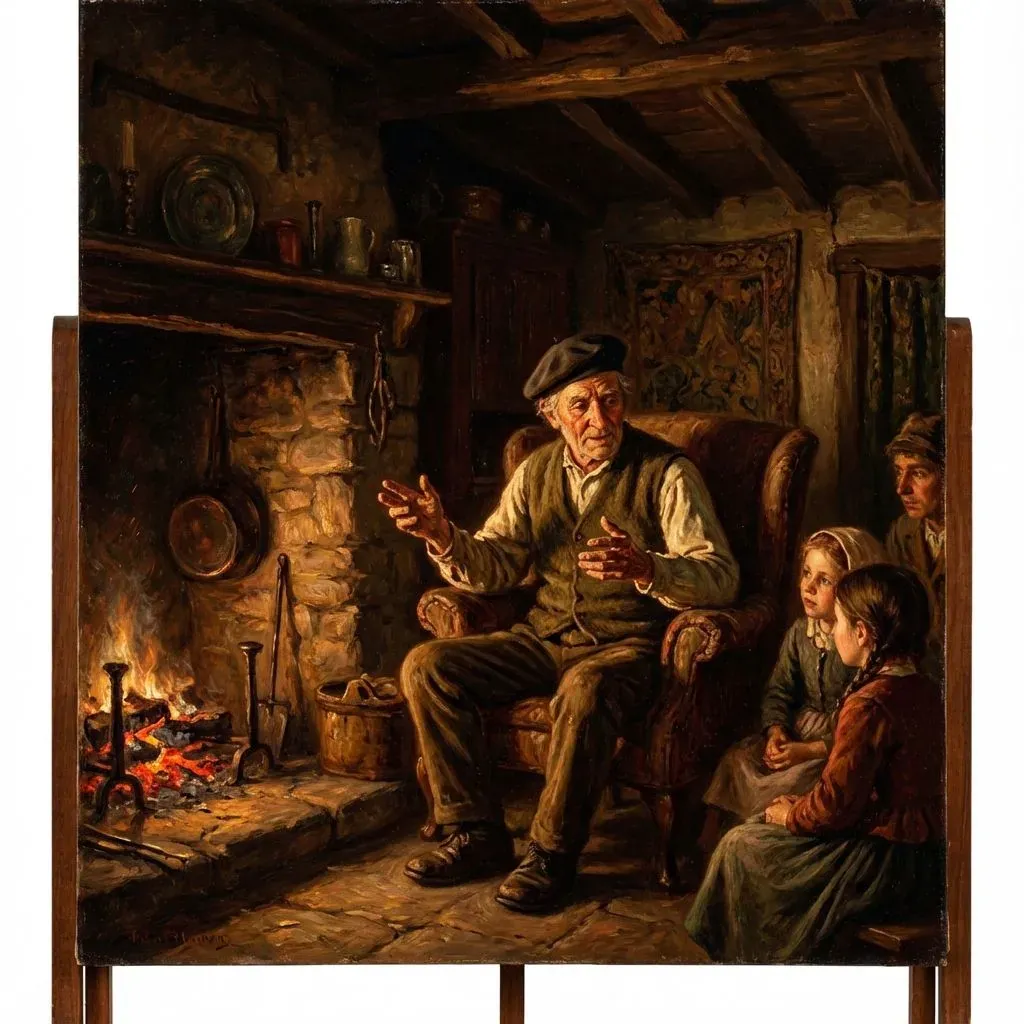
Basque mythology is not a fossil preserved in dusty books. It remains a living heritage that still pulses through festivals, beliefs and cultural practices today. Behind the legend explores those continuities and asks how old narratives still give meaning to present-day Basque life.
Olentzero, for example, is more than a friendly Christmas figure. He preserves echoes of older solstice rituals centred on fire, renewal and the return of light. Looking behind the legend reveals layers of pre-Christian imagination that survived by adapting to new contexts.
The eguzkilore hanging from so many doors, or the rural carnivals of Ituren, Lantz and Altsasu, show how mythical symbols continue to live inside festive practice. What looks like decoration or local costume often carries deeper ideas about protection, seasonal change and the tension between order and chaos.
This section also examines how myth is reinvented in contemporary culture. Why do musicians, illustrators or filmmakers return to Mari, Basajaun or the lamias How are near-forgotten traditions revived and transformed for modern audiences Myth survives because it continues to evolve.
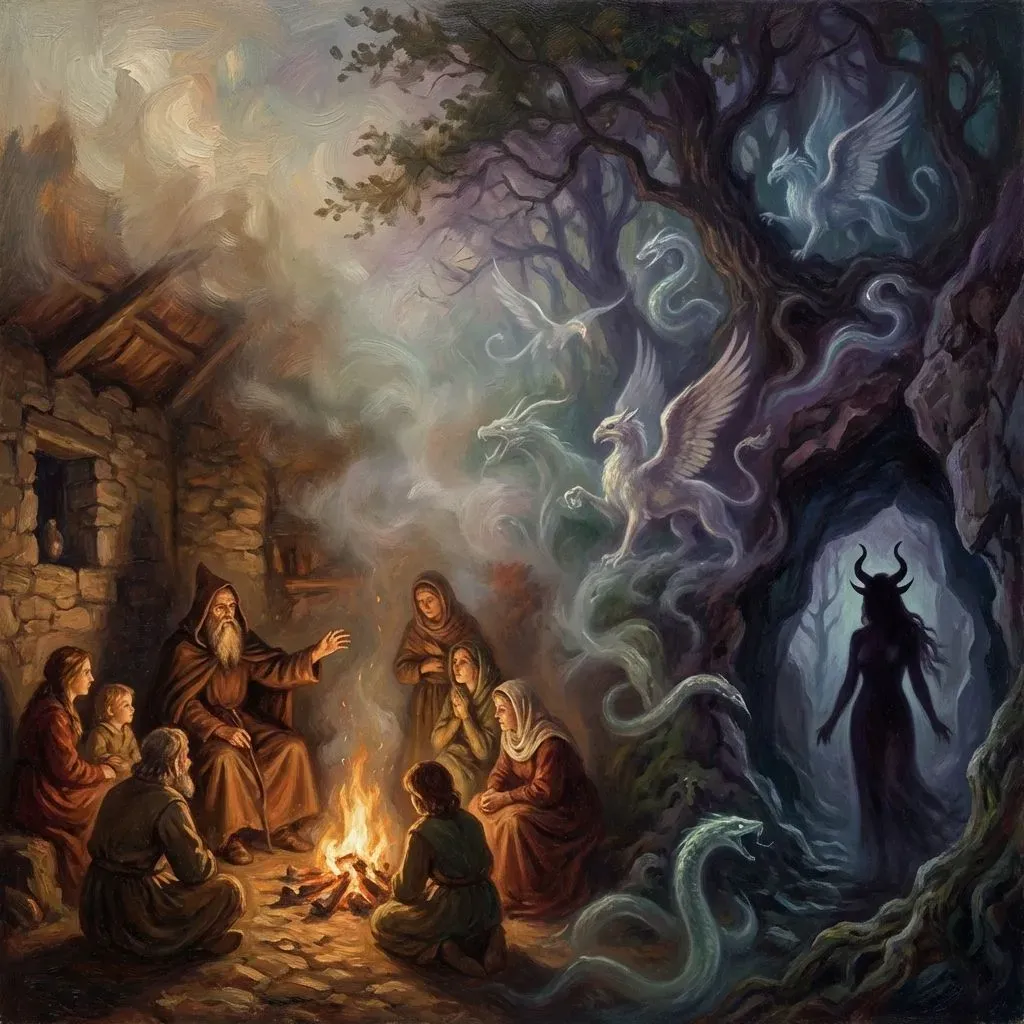
We are also interested in the social work legends have done over time. Stories about lamias punishing broken promises, jentilak explaining megalithic landscapes or Mari regulating storms all helped communities interpret rules, dangers and uncertainties. Understanding those functions helps explain why the stories endured.
Each article combines storytelling with cultural analysis, historical references and comparisons with other traditions. The goal is not just to retell attractive legends, but to understand what they reveal about Basque worldviews, landscape and inherited values.
Finally, the section opens questions about identity. Myth can create belonging, inspire creative work and sustain memory, but it can also be simplified or instrumentalised. We are interested in keeping the discussion thoughtful, generous and rooted in cultural understanding.