Music and dance
? Traditions of Euskal Herria ?
Key facts
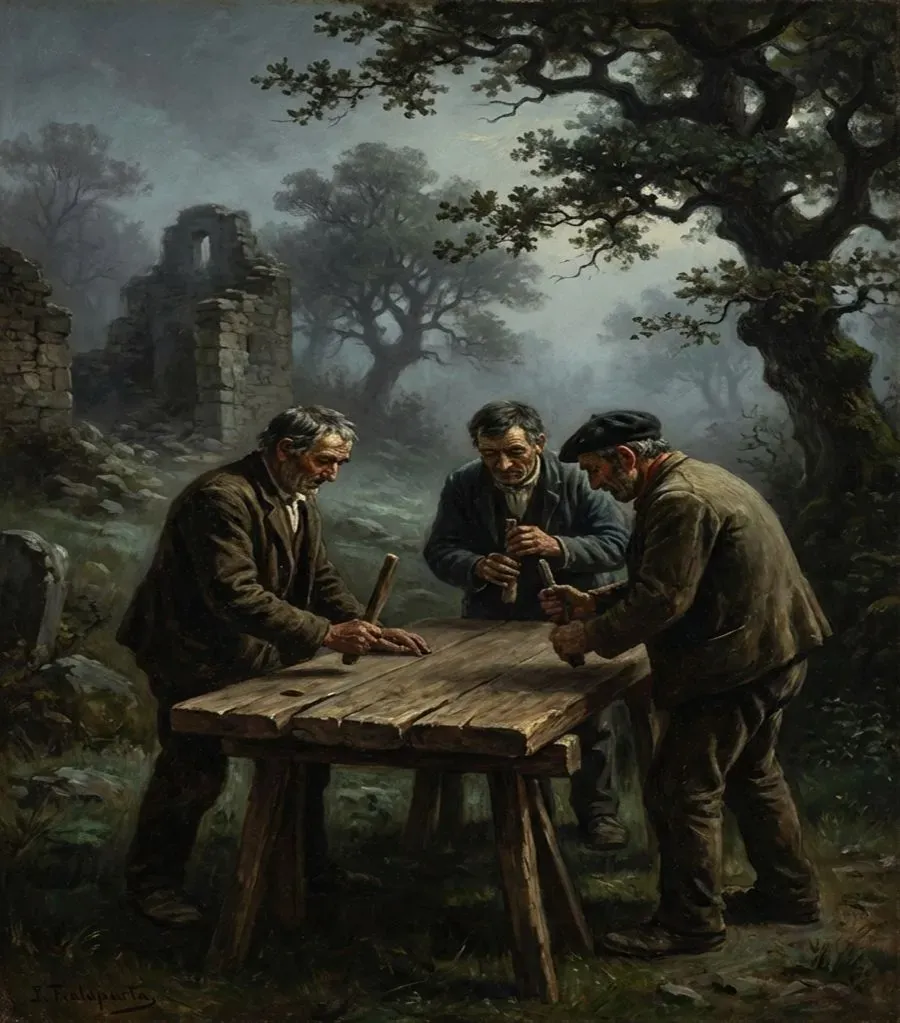
- • Traditional instruments:Txalaparta, trikitixa, txistu, alboka, dultzaina, tambourine
- • Emblematic dances:Aurresku, ezpatadantza, fandango, Basque jota, soka-dantza
- • Performance settings:Patron saint festivals, pilgrimages, weddings, official celebrations
- • Recognition:Intangible cultural heritage, international festivals
The rhythm of the Basque people
Music and dance are the heartbeat of Basque culture, artistic expressions that have accompanied celebrations, rituals and communal gatherings for centuries. From the ancestral percussion of the txalaparta to the melodies of the txistu heard in village squares, Basque musical tradition remains a living heritage that continues to evolve while honouring its roots.
The aurresku, the dance of honour par excellence, marks some of the most solemn moments of Basque ceremonial life. Traditionally performed to honour authorities or newlyweds, it conveys respect and dignity, while other dances such as the ezpatadantza evoke a more martial inheritance and collective memory.
The trikitixa, the diatonic accordion accompanied by tambourine, transformed popular music from the late nineteenth century onward and still animates festivals and romerias. Alongside the txistu, the alboka and the dultzaina, it forms part of a musical landscape that connects village celebration to long historical continuity.
Dance groups in every town act as guardians of this heritage, transmitting choreographies, music and performance practices from one generation to the next. Schools, competitions and gatherings ensure that these forms continue to vibrate in public life rather than surviving only as staged folklore.
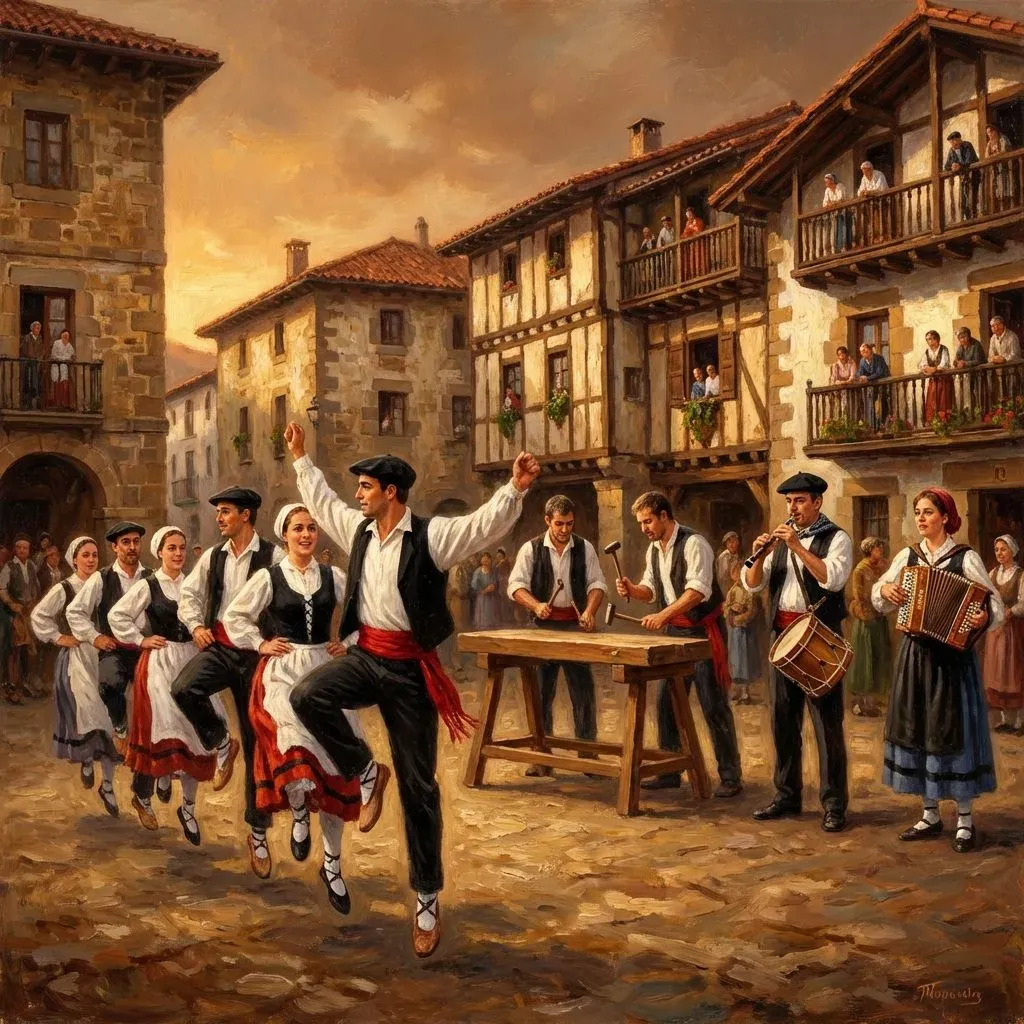
The soka-dantza is another emblematic form, built around a chain of dancers whose figures express collective cohesion. In rural settings these dances once passed naturally from parents to children in village squares and threshing grounds, creating a remarkably durable line of embodied transmission.
The twentieth century saw a renewed effort to document, recover and dignify Basque musical tradition. Researchers and cultural organisers helped rescue endangered instruments and choreographies, while institutions and associations created structures through which the tradition could keep growing.
Contemporary Basque music and dance often experiment with new forms, placing txalaparta next to electronic textures or blending traditional rhythms with rock and jazz. This capacity to reinvent itself without losing its essence may be one of the greatest strengths of the Basque artistic tradition.