Mountains
? Basque mountaineering and hiking ?
Key facts
- • Main focus:Mountains as sport, landscape and identity
- • Key peaks:Anboto, Aizkorri, Txindoki and Gorbeia
- • Includes:Hiking, clubs, alpine history and communal ascents
- • Meaning:Understanding the Basque relationship with high ground
The call of the summits
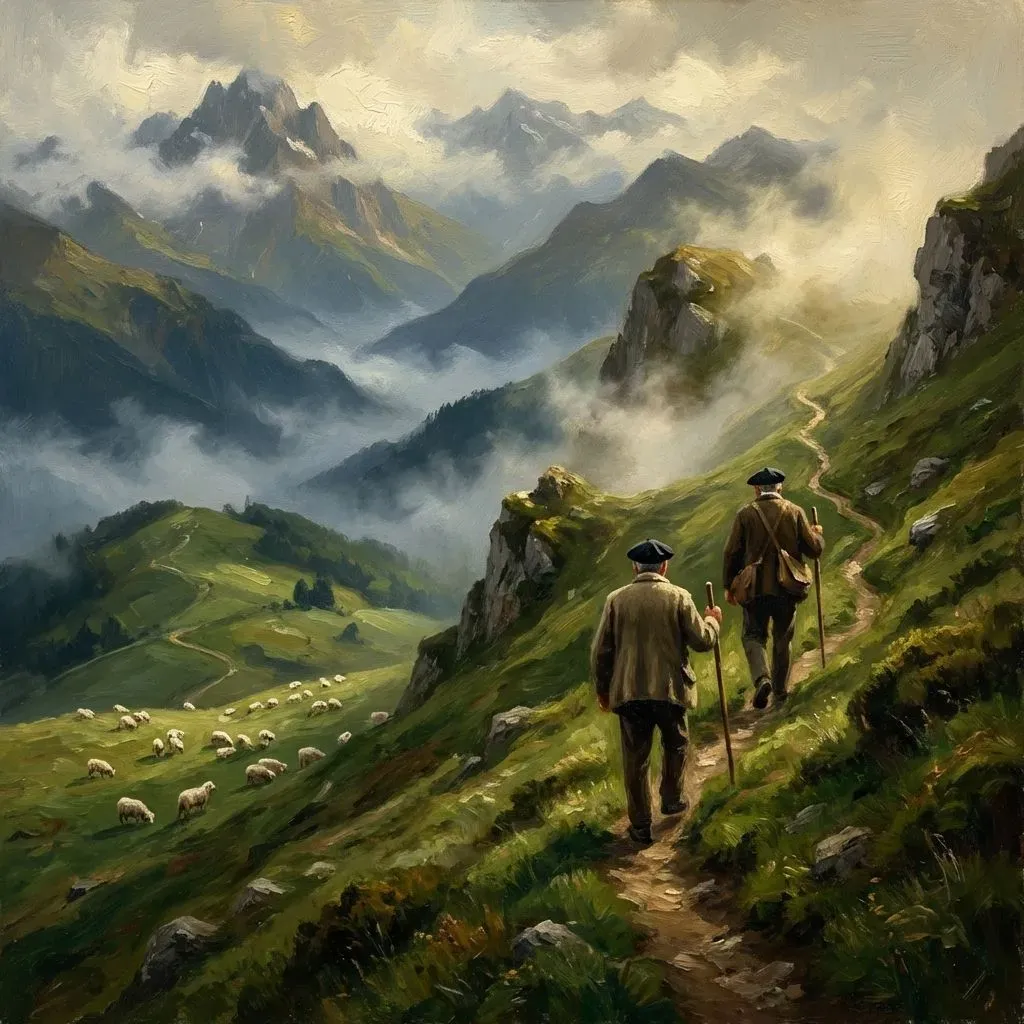
Basque mountaineering is much more than a sport: it is a way of relating to territory, understanding nature and connecting with the essence of Euskal Herria. From shepherds moving across high pastures to contemporary alpinists on Himalayan peaks, the Basque relationship with mountains has been both practical and deeply symbolic.
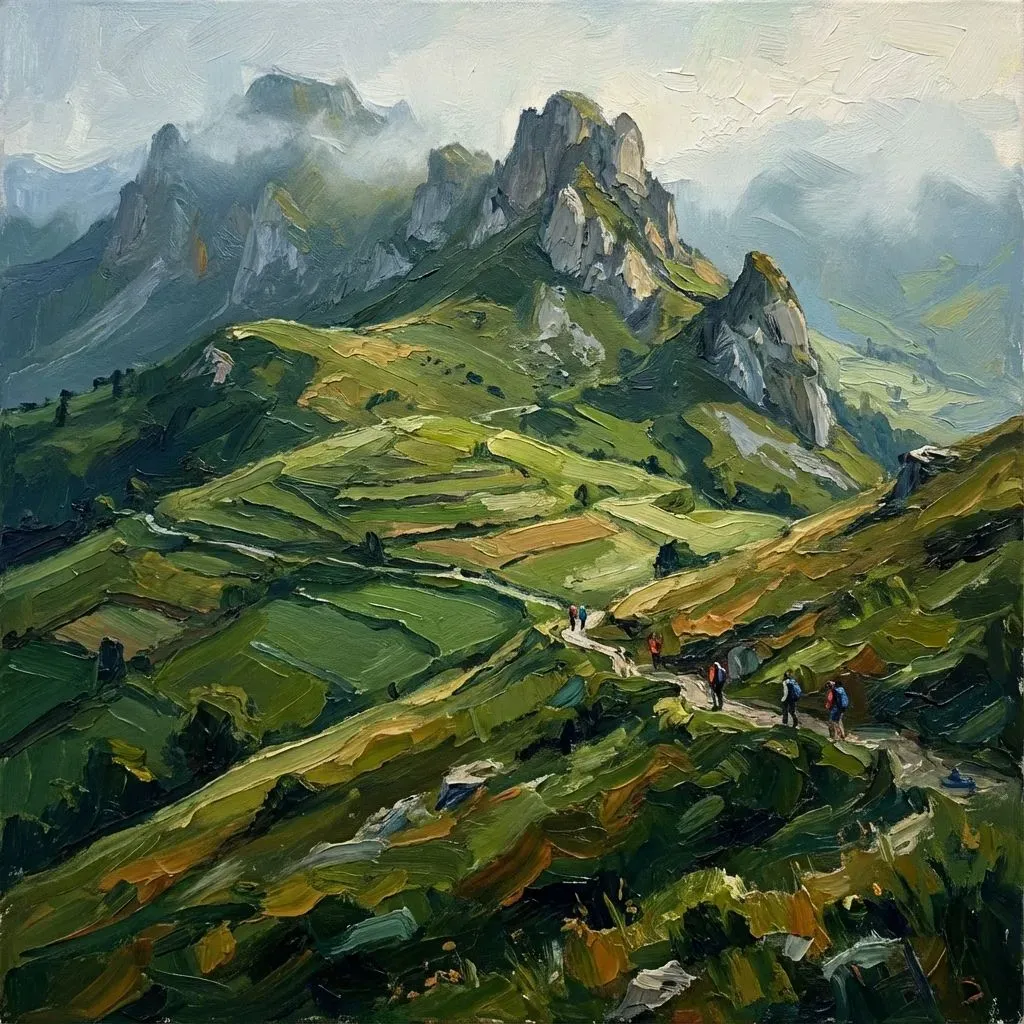
Basque summits offer a catalogue of challenges for all levels. Anboto, home of Mari in tradition, dominates Bizkaia with its limestone walls; Aizkorri rises as Gipuzkoa's roof; Txindoki has become one of the most recognisable silhouettes in the country; and Gorbeia, marked by its summit cross, stands as a symbolic meeting point between Araba and Bizkaia.
Organised Basque mountaineering has more than a century of history. Clubs such as Peña Juventus, Manuel Iradier or Tximist helped democratise collective excursions in the late nineteenth and early twentieth centuries, shaping a culture of the mendizale that values summit effort, companionship and respect for the natural environment.
Hiking has experienced enormous growth in recent decades. A dense network of marked trails allows walkers to explore every corner of the Basque territory, from local routes to longer historical paths such as the Camino de Santiago. Paths linking hermitages, villages and ridgelines keep alive older forms of movement across the landscape.
Basque alpinism has also produced internationally recognised figures. Juanito Oiarzabal, Alberto Iñurrategi, Edurne Pasaban and others placed Euskal Herria among the most respected mountaineering cultures in the world, proving that a small mountain country could speak with authority on the highest peaks of the planet.
Communal ascents of emblematic summits still form part of the Basque social calendar. Climbing Gorbeia, Ernio or other major peaks on significant dates combines sport, nature and ritualised gathering. On such days the summit becomes a place of encounter as much as achievement.
Basque mountaineering is sustained as much by everyday walkers as by elite climbers. The shared culture of routes, clubs, summit days and mountain memory gives the landscape a social life that is inseparable from sport.