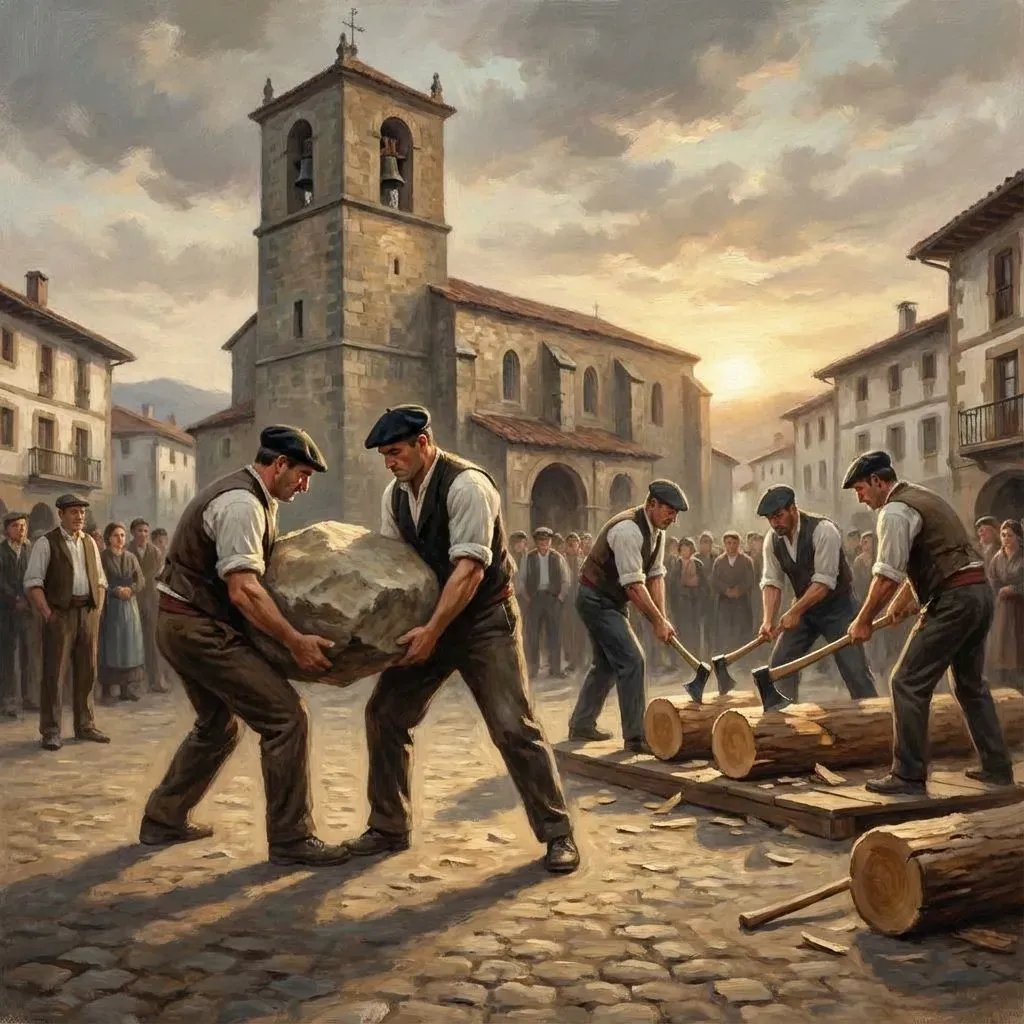
Herri kirolak
Basque rural sports born from field work: aizkolaritza, harrijasotzea, sokatira and ox-dragging trials.
Rural challenges, sea competitions and traditional games that became symbols of Basque identity.
The Basque sports, known as herri kirolak (people's sports), grew out of everyday rural work: chopping logs, lifting stones, cutting grass and dragging oxen. What began as a way of measuring endurance and technique among workers became a sporting tradition unlike any other, with its own federations, championships and fiercely loyal fans. Basque pelota, in its many forms such as hand pelota, pala, remonte and cesta punta, is the best-known discipline abroad and one of the fastest ball sports in the world.
Basque rural sports born from field work: aizkolaritza, harrijasotzea, sokatira and ox-dragging trials.
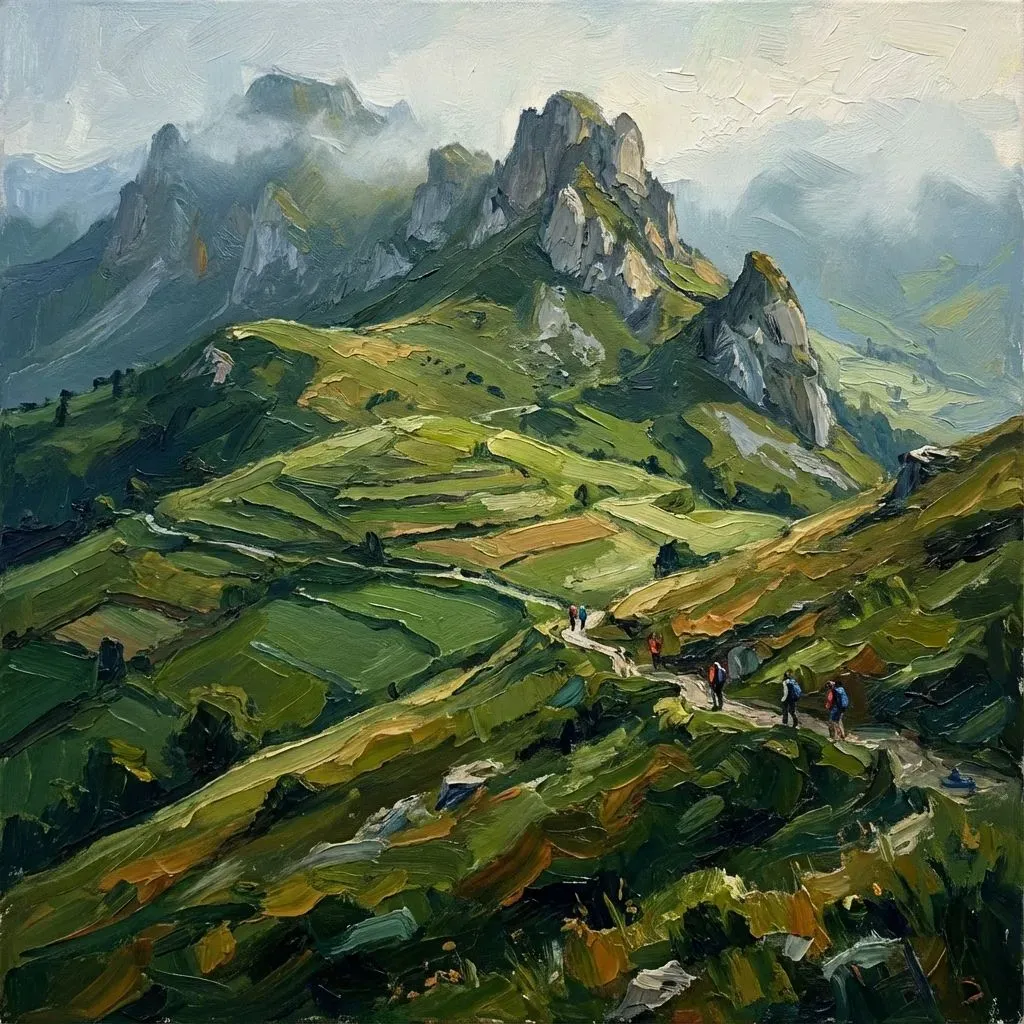
Mountaineering and hiking in Euskal Herria, from the summits of the Navarrese Pyrenees to the ranges of Bizkaia and Gipuzkoa.
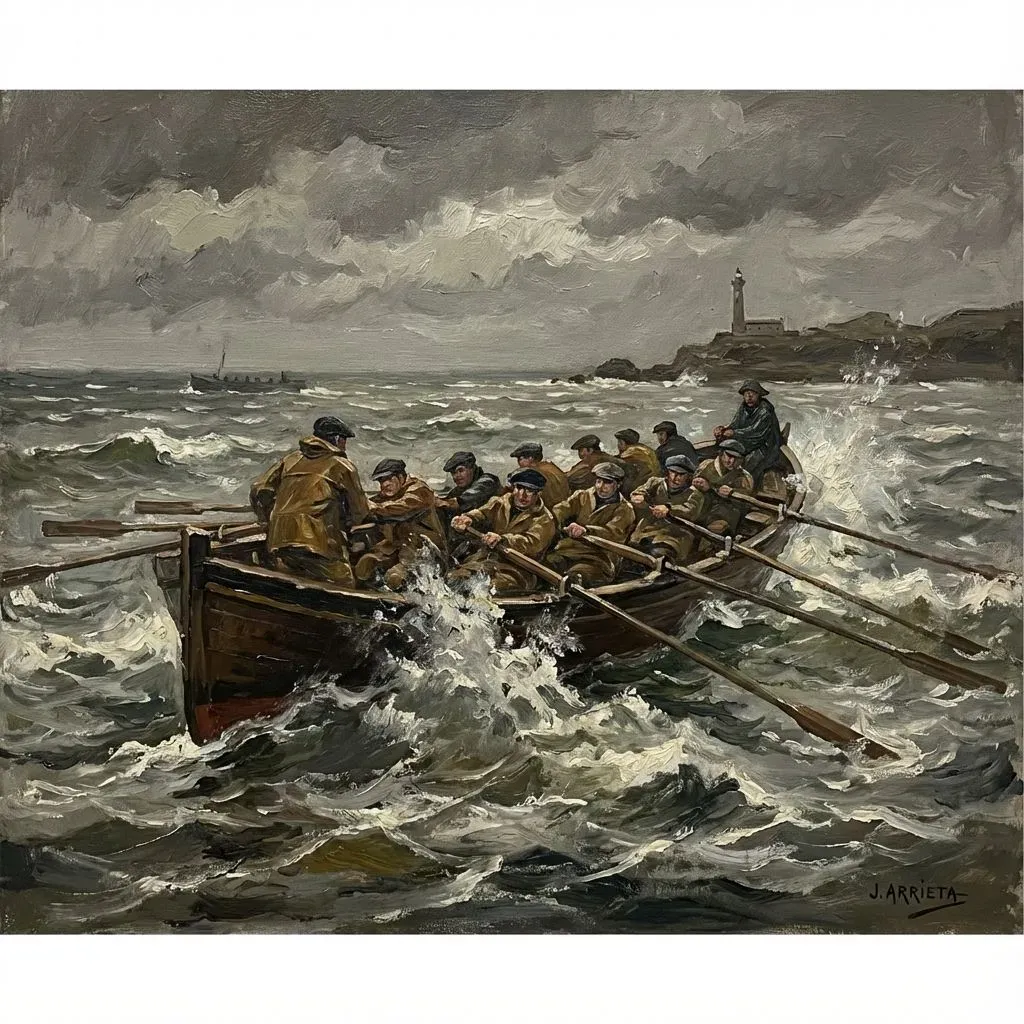
The epic trainera rowing regattas that animate the whole Cantabrian coast, crowned by the legendary La Concha Flag.
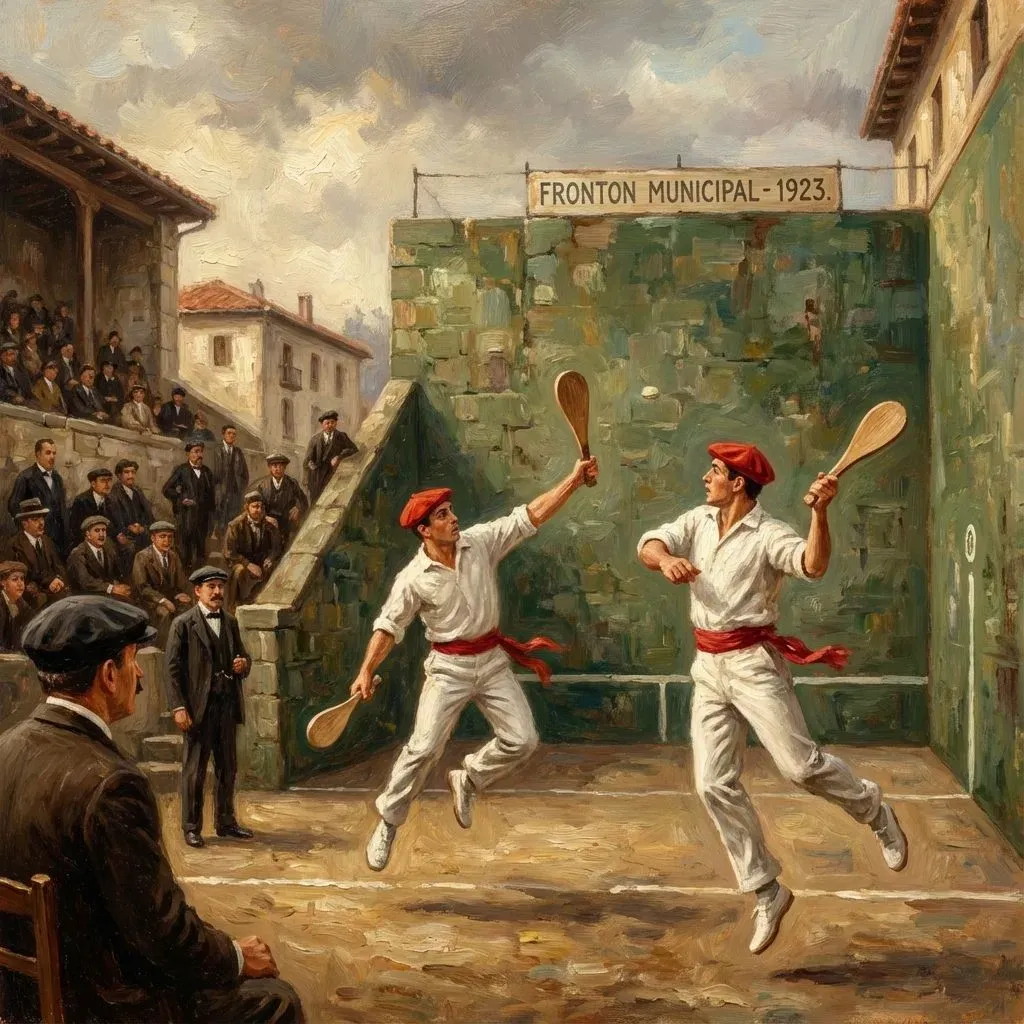
The Basque sport par excellence: hand pelota, pala, remonte and cesta punta, played in frontons around the world.
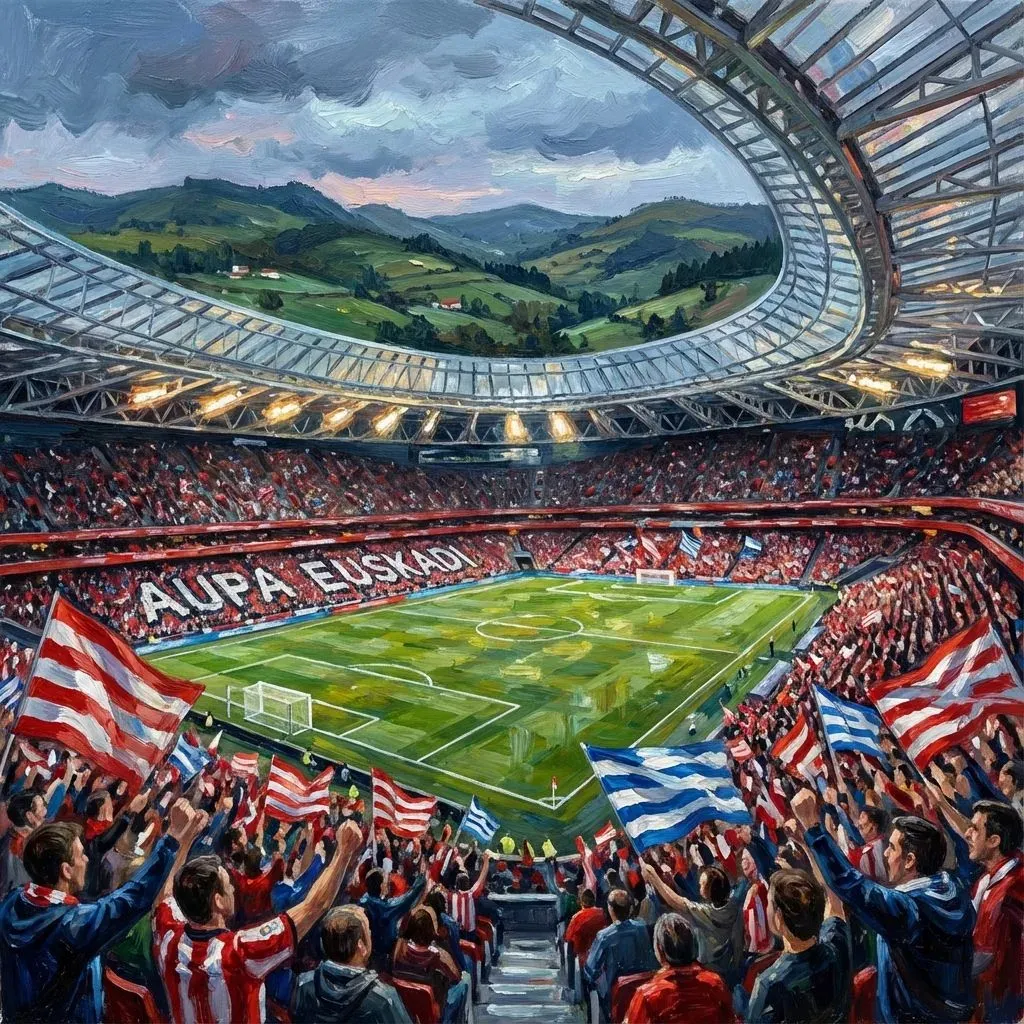
High-mountain cycling, surfing on Cantabrian waves and football with historic clubs such as Athletic Club and Real Sociedad.
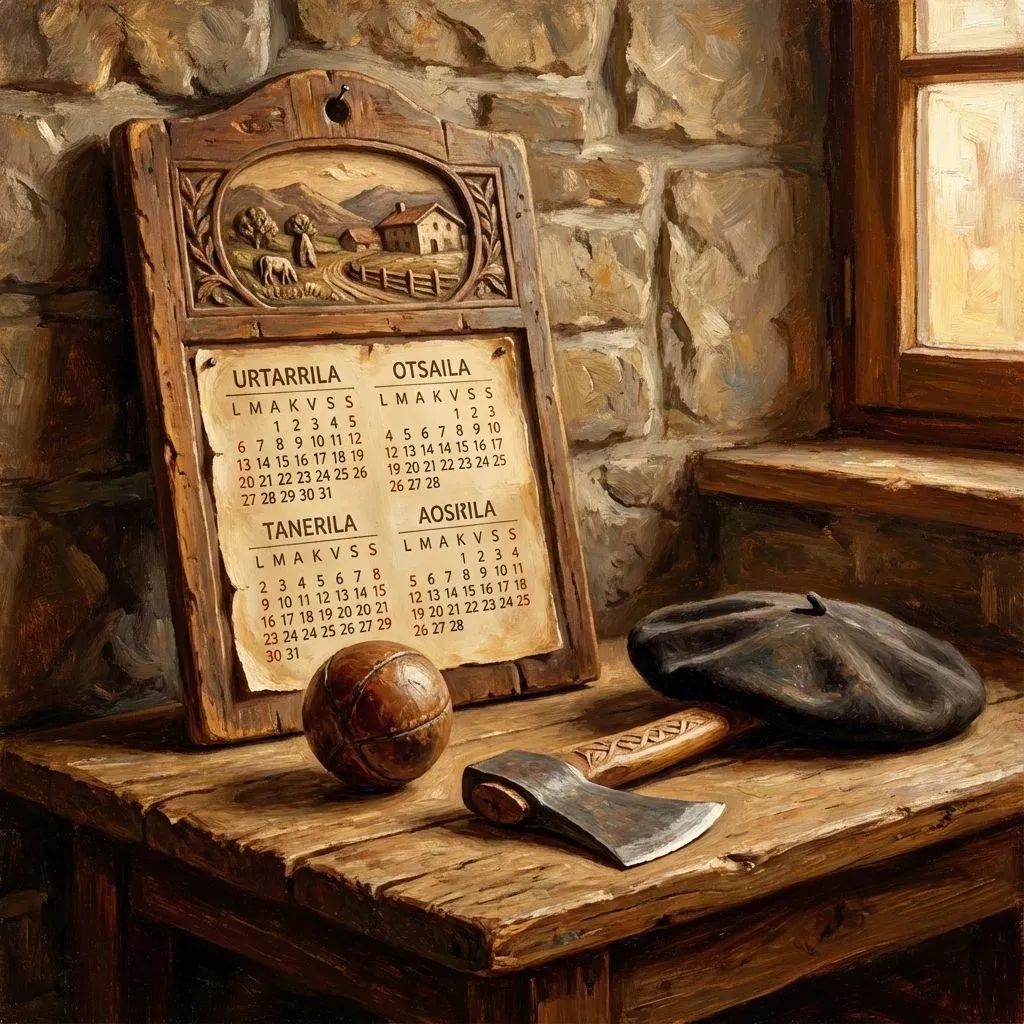
The major dates of the Basque sporting year: herri kirolak championships, regattas and pelota tournaments.
The aizkolaritza (wood chopping contests) and harrijasotzea (stone lifting) are among the most striking Basque disciplines. Aizkolaris race to split logs of different sizes in the shortest time possible, while harrijasotzailes lift stones of up to 300 kilos with refined technique and raw power. Sokatira (tug of war), trainera regattas on the Cantabrian coast, and events such as txinga erute (weight carrying) or gizon proba (stone dragging by one man) complete an exceptionally rich sporting landscape.
Attending a herri kirolak event means experiencing Basque culture in one of its most visceral forms: the sound of axes hitting timber, the groan of the stone lifter, the cheers of a crowd that understands every technical gesture. The trainera regattas, especially La Concha in Donostia, generate a passion comparable to any major international sporting event. These disciplines are not relics of the past: they still have young athletes, television coverage, sponsors and professional organization. To discover Basque rural sports is to understand a key dimension of Basque identity: pride in physical work, respect for tradition and joy in fair competition.