Traineras
? Basque rowing regattas ?
Key facts
- • Main competition:La Concha and the ACT League
- • Setting:Cantabrian coast and Basque ports
- • Key clubs:Orio, Hondarribia, Zierbena, Kaiku and Getaria
- • Meaning:Rowing as sport born from the fishing world
The epic of the sea
Trainera regattas are among the most thrilling and deeply rooted sporting spectacles in Euskal Herria. Born from the working life of the Cantabrian fishing world, they became a popular passion capable of rivaling football in emotion and identification along the Basque coast.
The Flag of La Concha, raced on the first two Sundays of September in Donostia Bay, is the most prestigious regatta of the calendar and one of the oldest sporting events in Spain. Winning La Concha remains the dream of every Basque rowing club.
The trainera itself is a twelve-metre boat crewed by thirteen rowers and a coxswain. Basque rowing technique, developed by generations of fishermen, differs from Olympic rowing and gives the regattas their own rhythm and style. Modern traineras use advanced materials while preserving traditional proportions.
Clubs such as Orio, Hondarribia, Zierbena, San Juan, Kaiku or Getaria stand for whole towns that live the regatta season with extraordinary passion. Rivalries may divide villages for a weekend, only to be followed by shared celebration once the race is over.
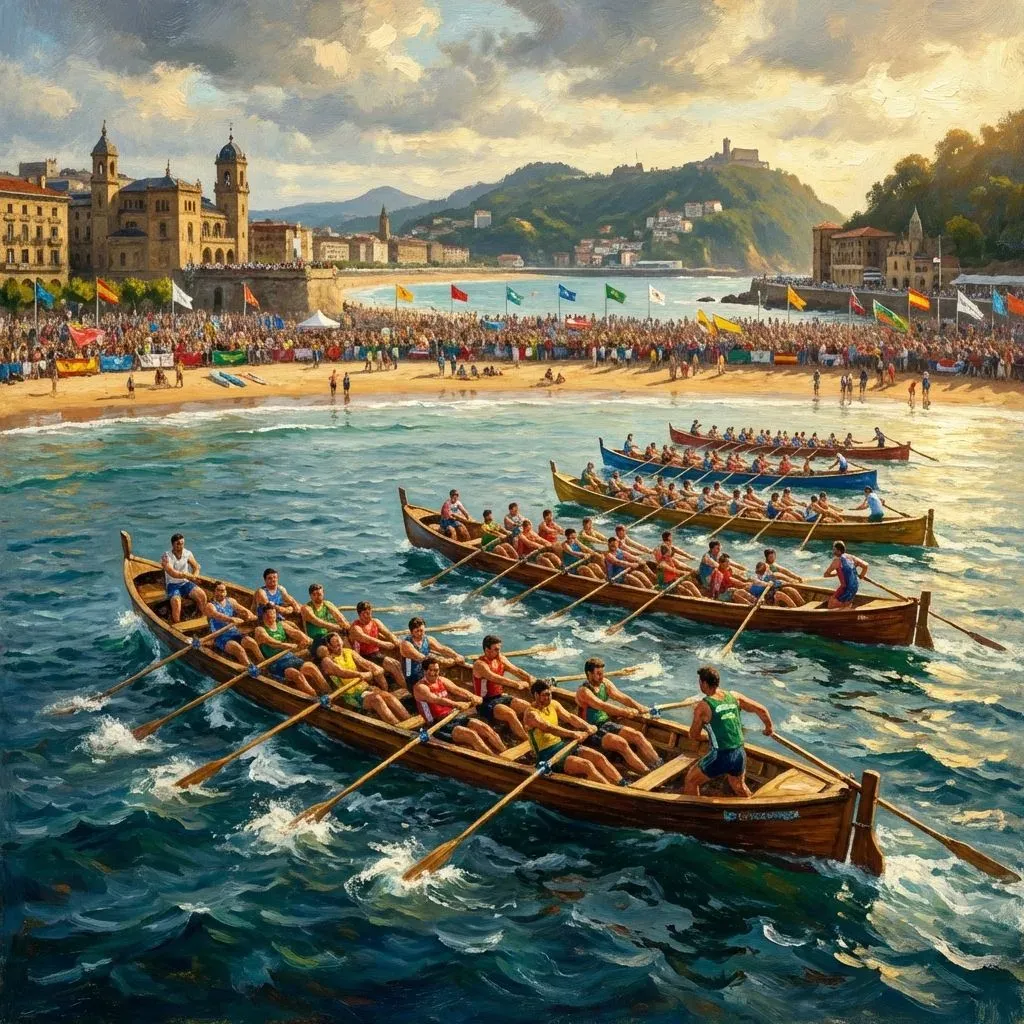
The ACT League organises the annual championship with regattas along the Cantabrian coast throughout the summer. Each port contributes its own flag, history and atmosphere, creating a mosaic of competitions that keeps the maritime sporting calendar intensely alive.
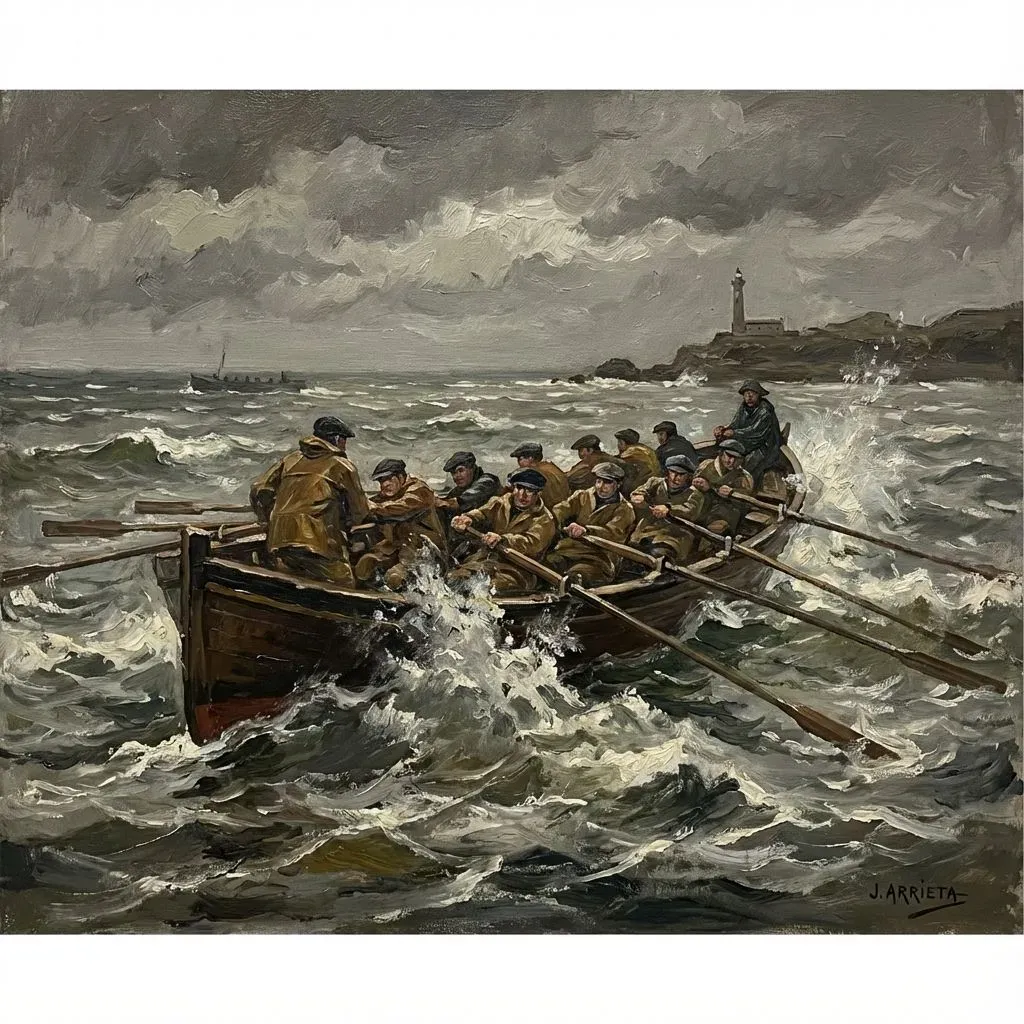
The fishing origin of the trainera still sits at the heart of the sport. What began as a race to reach port first with the catch gradually became a codified competition once industrial fishing changed the old economic context. Today the rowers are elite athletes, but the bond with the sea and with maritime identity remains intact.
Trainera rowing also survives through the extraordinary transmission of maritime memory. Even when the boats became purely sporting, each stroke continued to echo fishing labour, coastal rivalry and the collective pride of communities shaped by the sea.