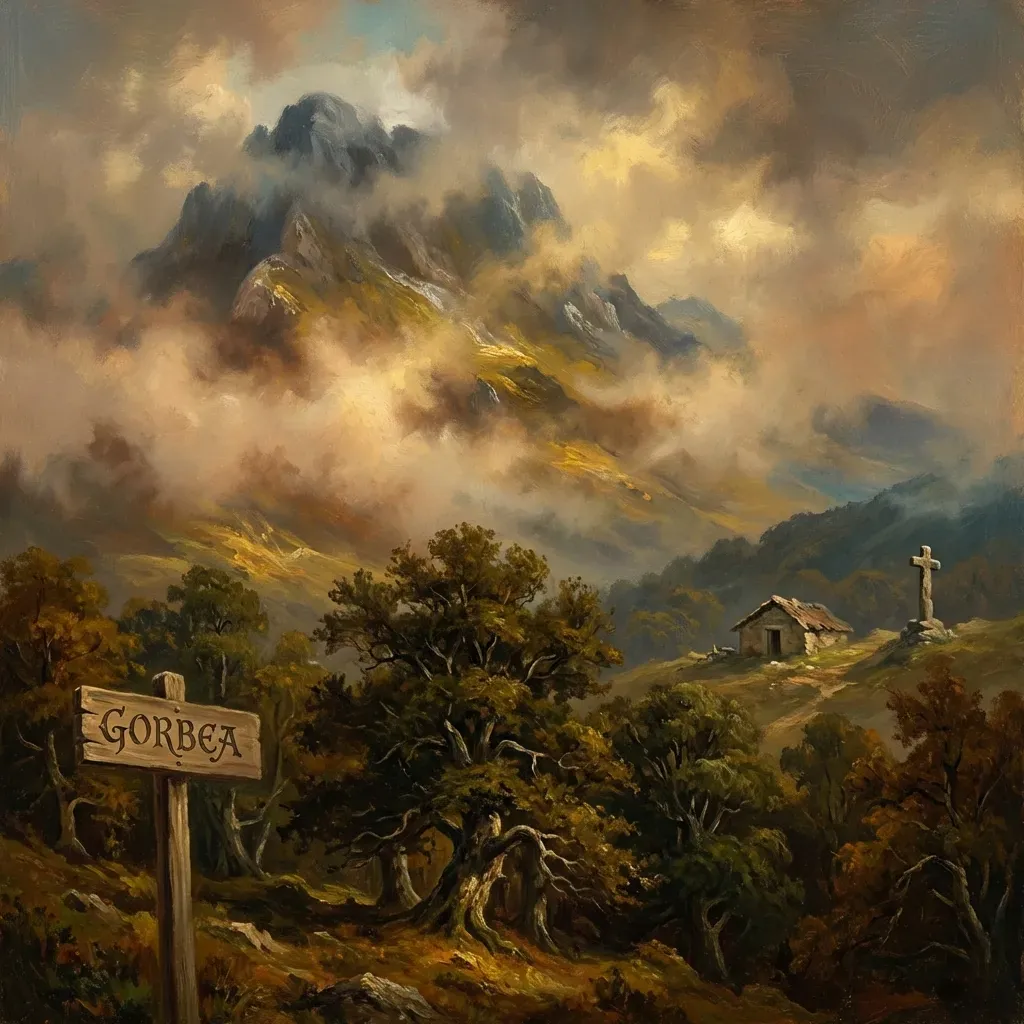
Megalithic monuments
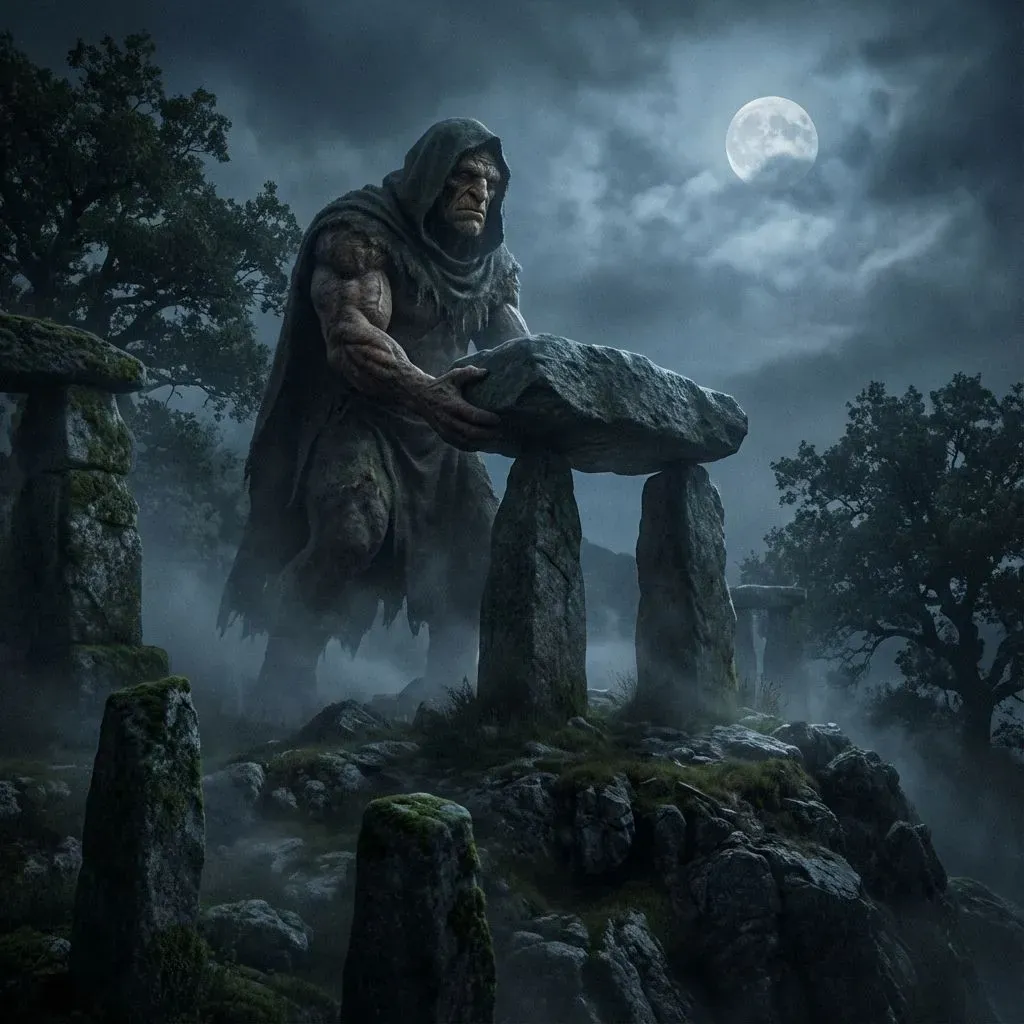
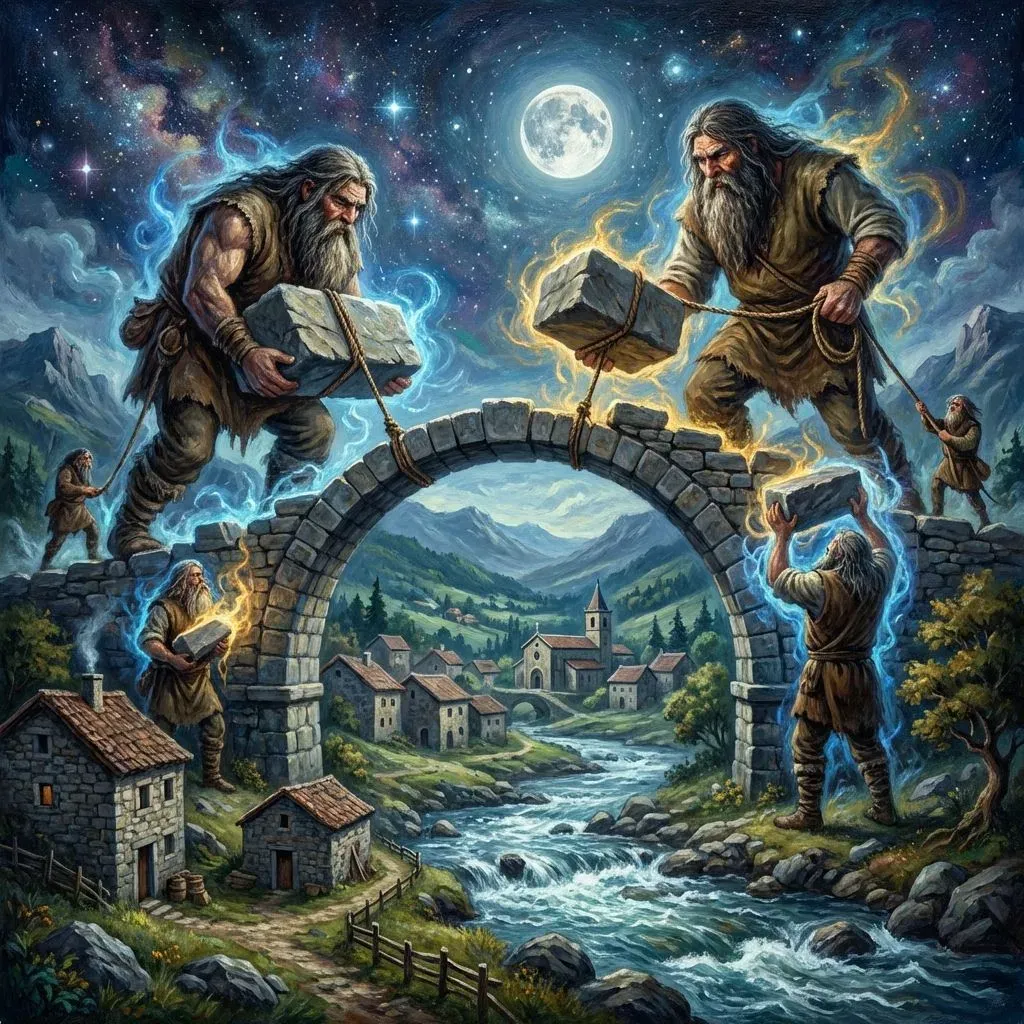
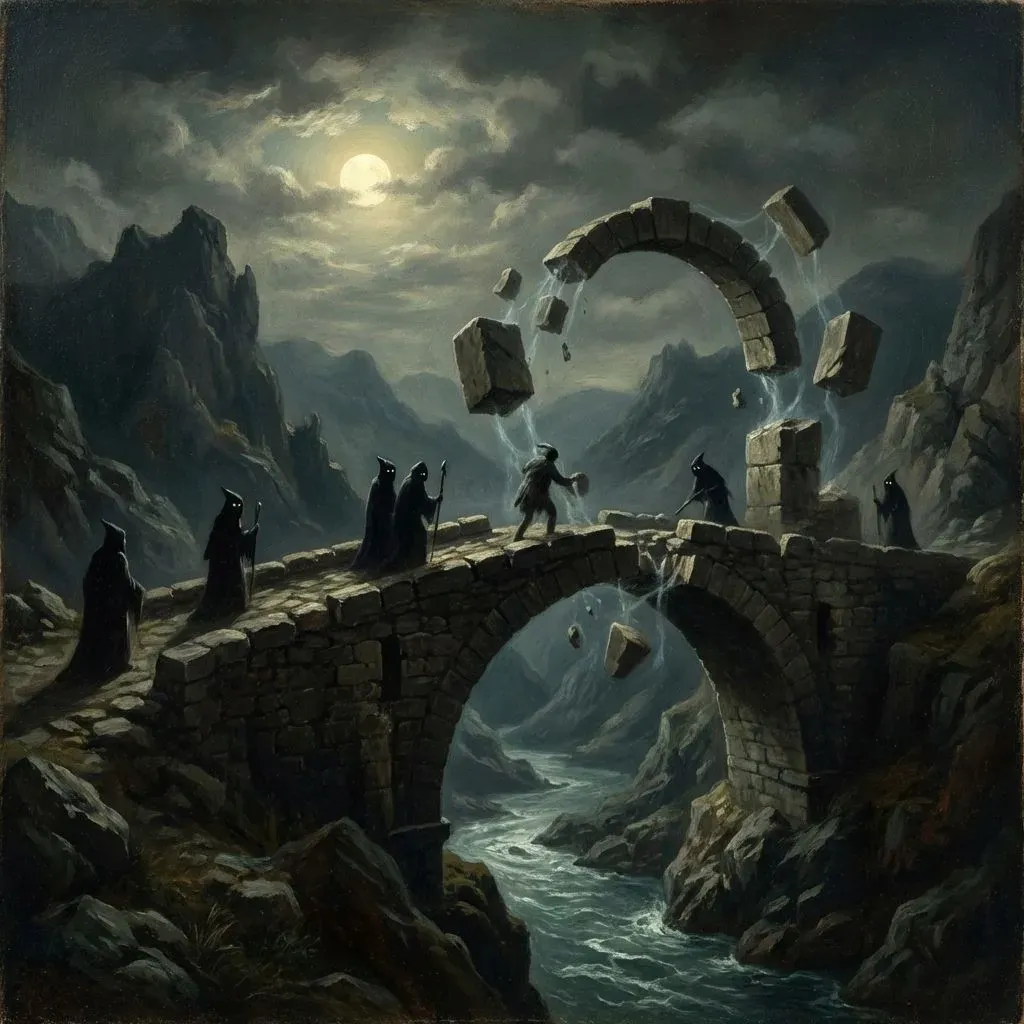
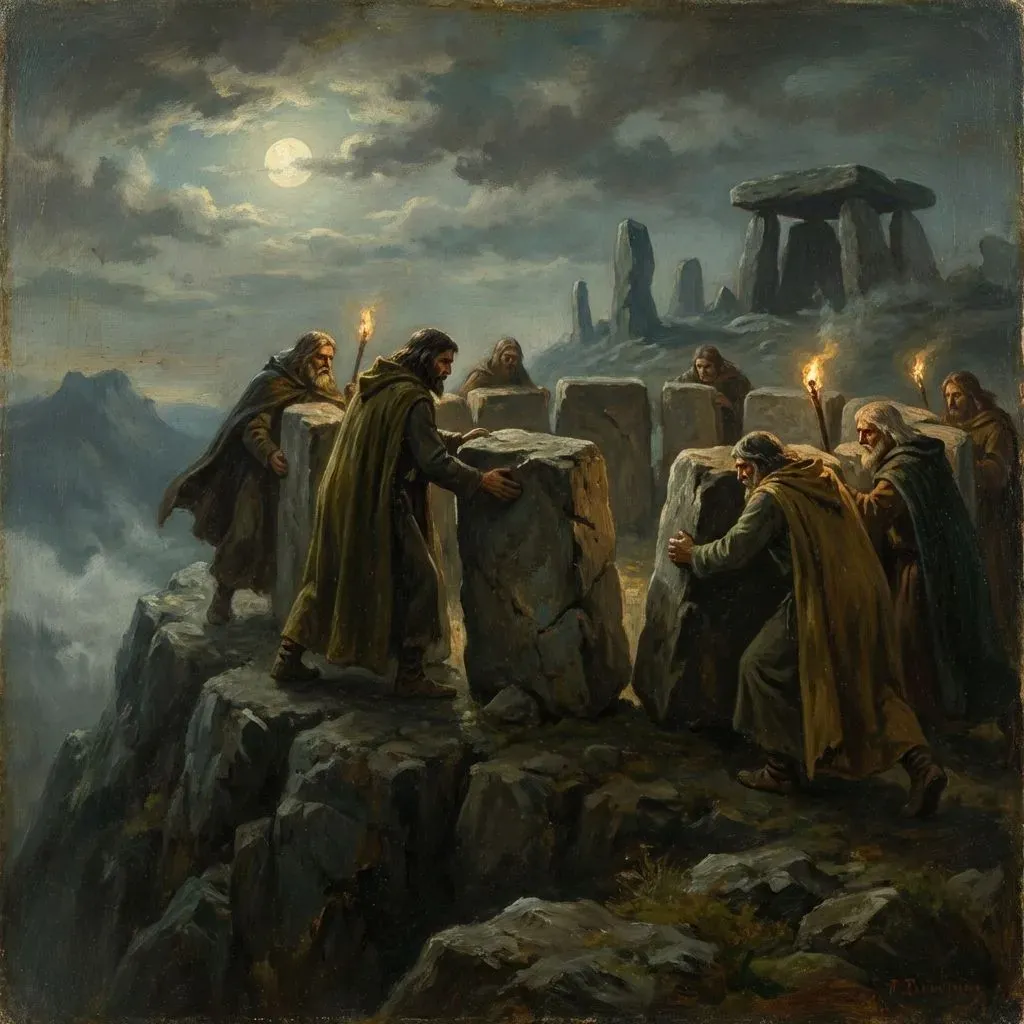
Structures attributed to the Mairuak.
? The primeval people who lived before humankind ?
The name Mairu or Moor has confused many scholars, leading them to think it refers to the Arabs who occupied the Iberian Peninsula centuries ago. But the Mairuak are far older: they are the ?moors? from before written history, the primeval inhabitants of these lands.
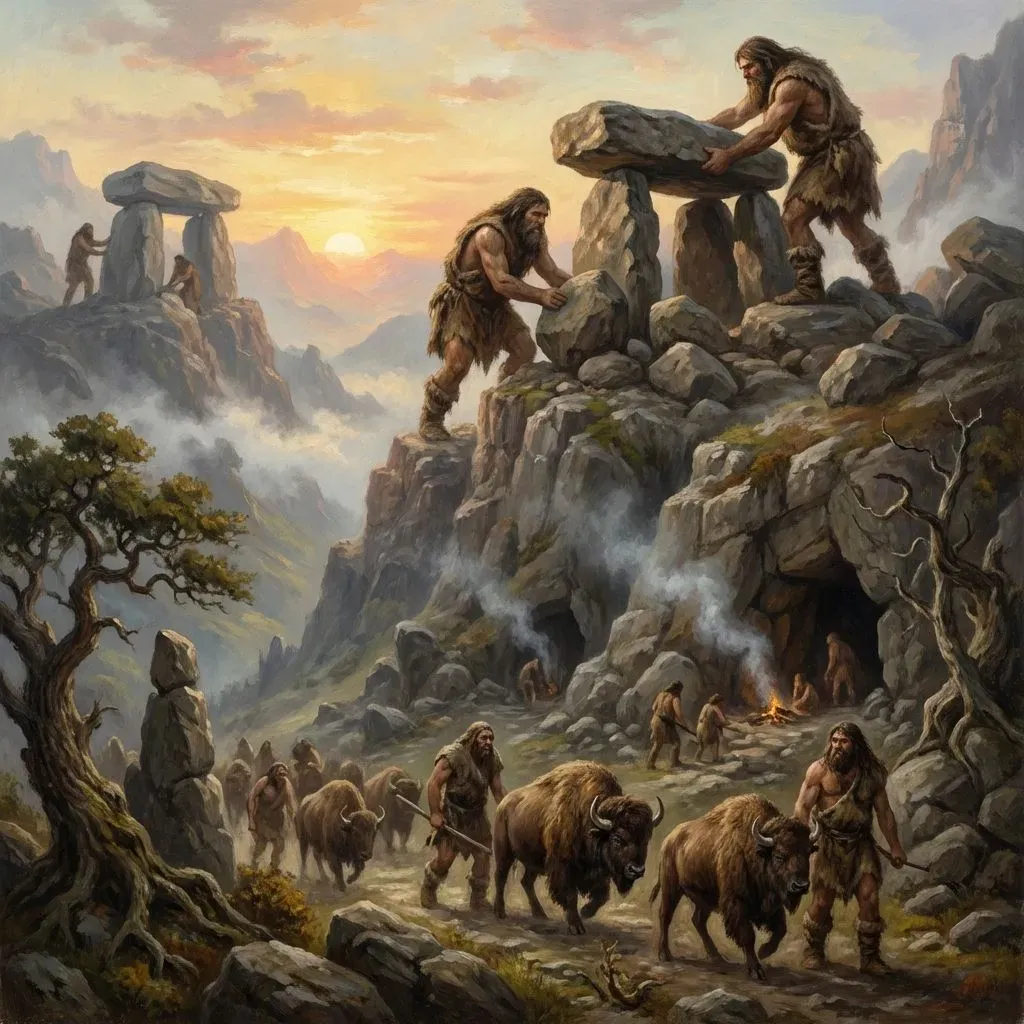
The elders said that the Mairuak were the first settlers of Euskal Herria, a mysterious people of builders and sages who lived on the surface before the arrival of today's humans. When the new inhabitants reached these mountains, the Mairuak withdrew underground, into caves and deep chasms.
From those subterranean depths they continued watching the upper world with infinite patience. They were the guardians of ancient secrets that no human could yet understand.
At night, while people slept in their farmhouses, the Mairuak came out to build: bridges spanning impossible rivers, dolmens made of gigantic stones, and roads crossing the mountains. They left their mark on the landscape as a reminder that they were here first, and that they still remained, even if no one could see them anymore.
Structures attributed to the Mairuak.
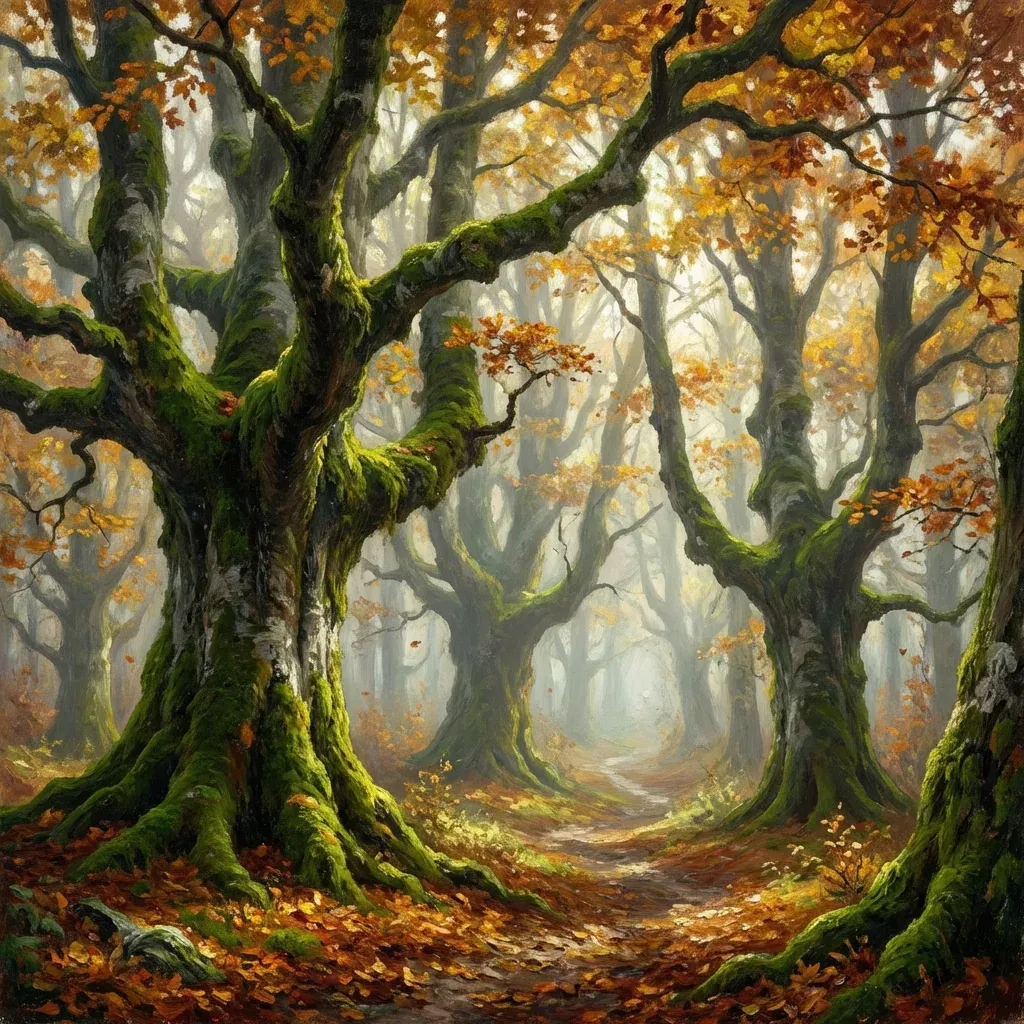
Places to which the Mairuak withdrew.
In Basque popular tradition, the term mairu does not function as a simple historical reference. It names a shadowy people of deep antiquity, beings associated with an age before present society, whose memory survived in stories tied to monuments, caves and unexplained traces in the landscape.
This helps explain why dolmens, ancient roads, impossible bridges and hidden treasures are so often linked to them. The Mairuak become a narrative answer to the question of who built what ordinary humans can no longer account for. In that sense, they are builders, ancestors and vanished others at once.
Their withdrawal beneath the earth is equally significant. Rather than disappearing entirely, they continue to exist below, guarding knowledge and wealth that cannot be reached without risk, luck or some special moral worth. The underground world remains inhabited, not empty.
The legend of the ancient moors thus preserves a memory of alterity: of a people both before and beneath the current world. It gives megaliths and hidden places an older human meaning, while turning the landscape into a living archive of forgotten presences.