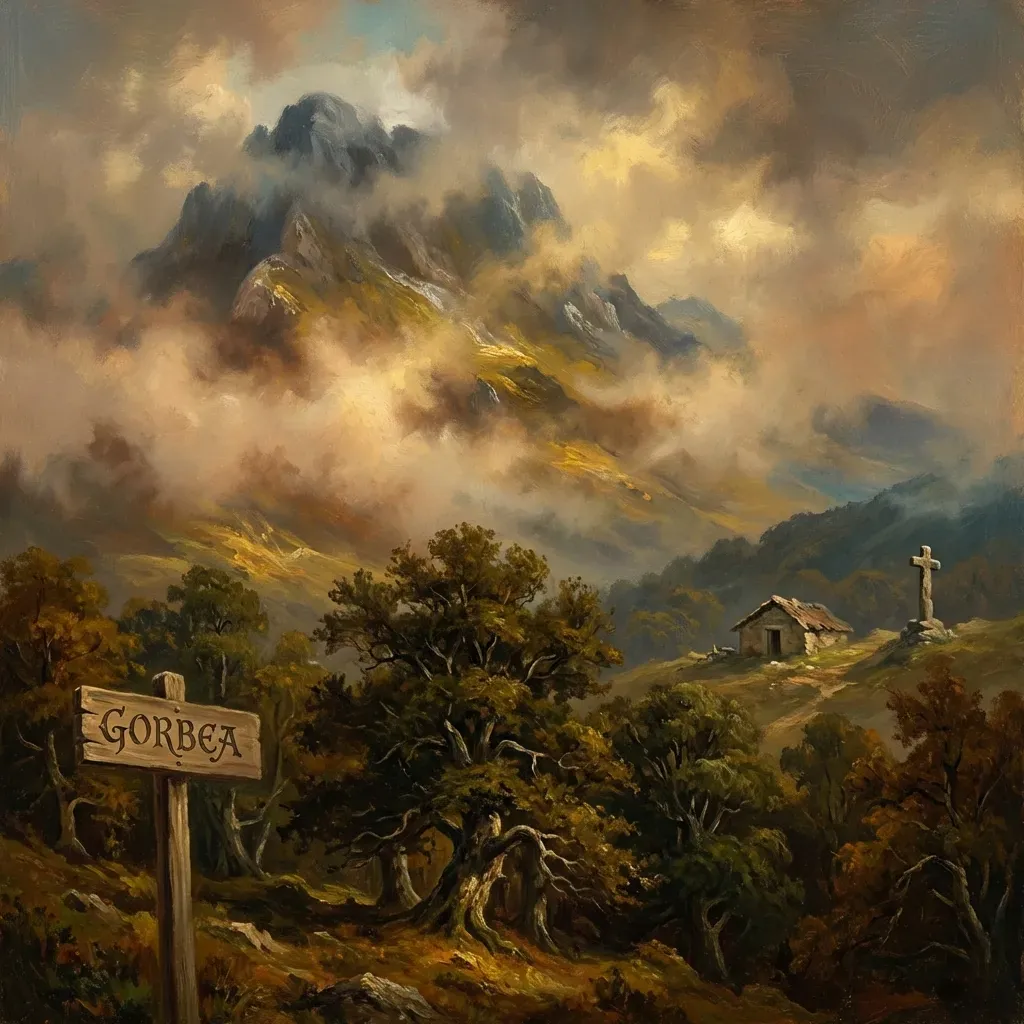
All Euskal Herria
The whole territory understood as once shared with beings of giant scale.
The twilight decline of the vast Herculean age
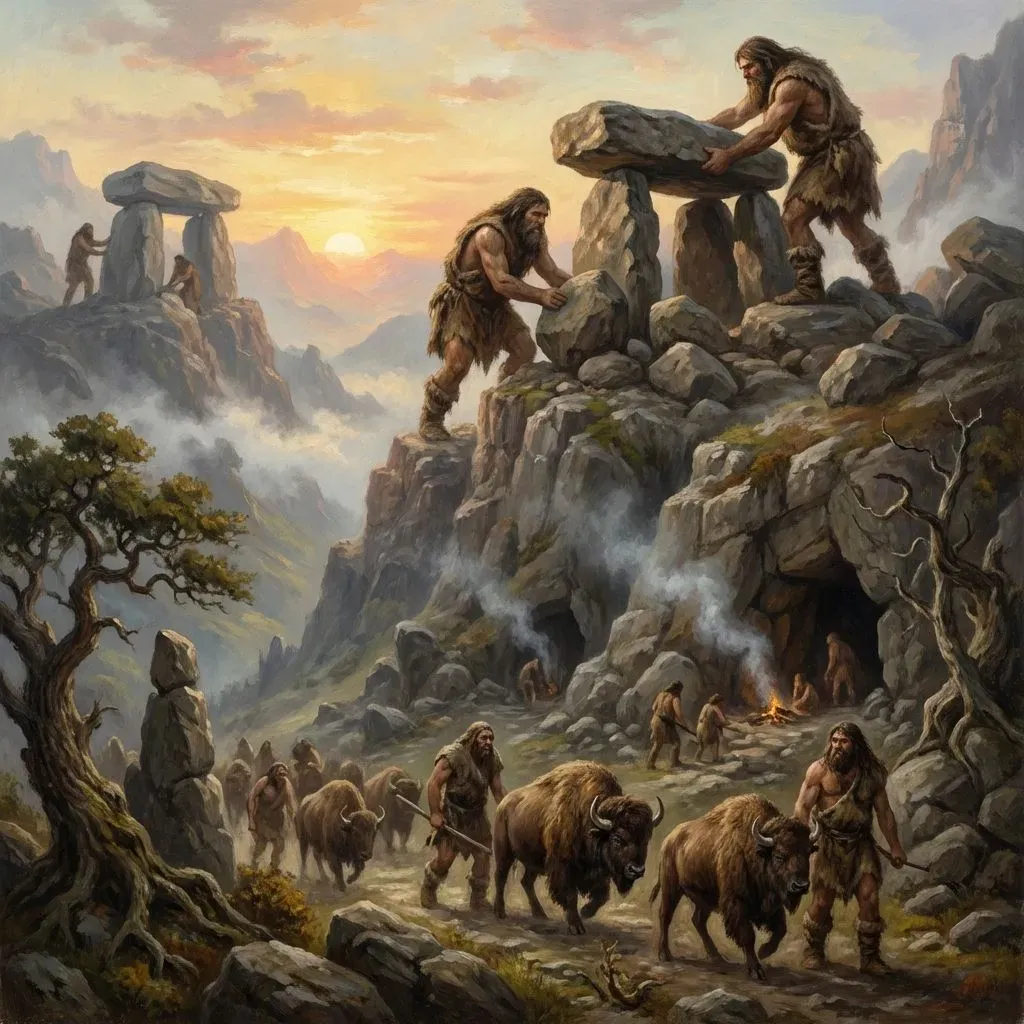
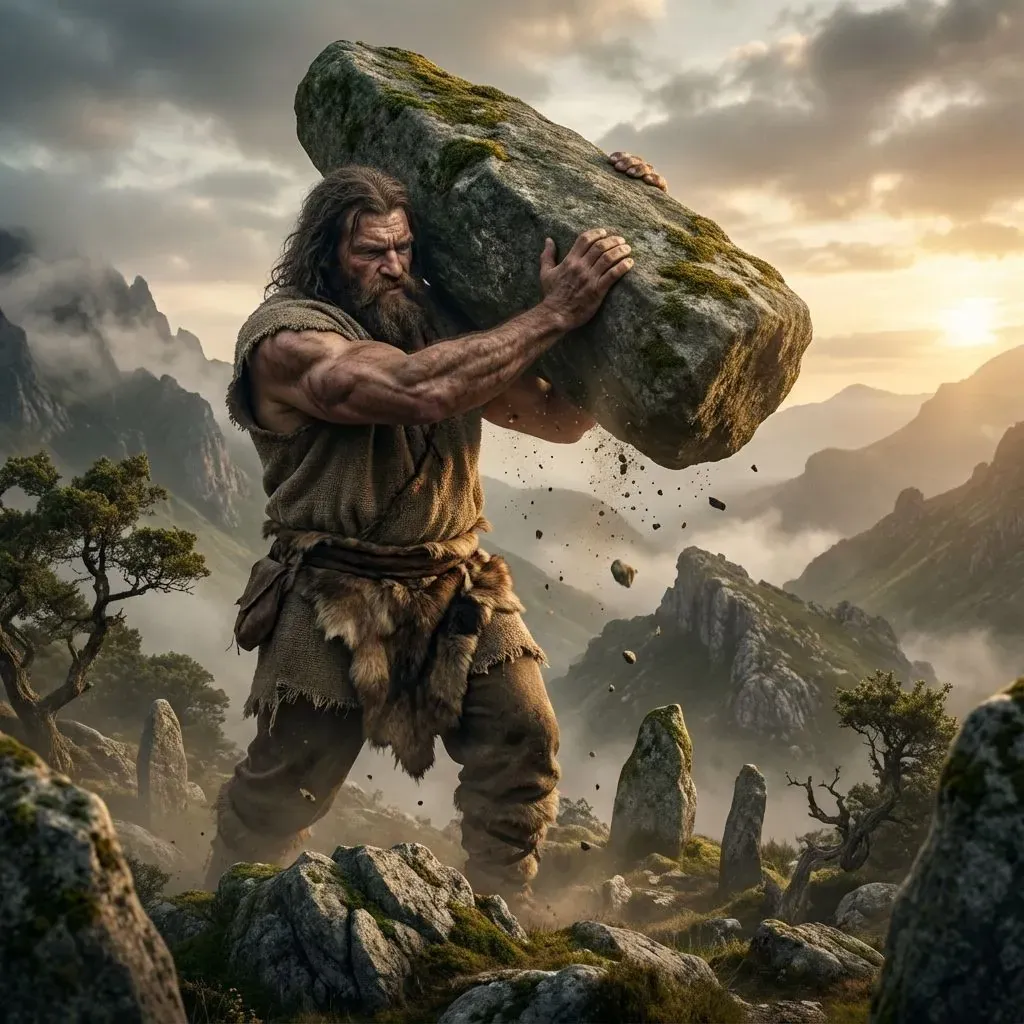
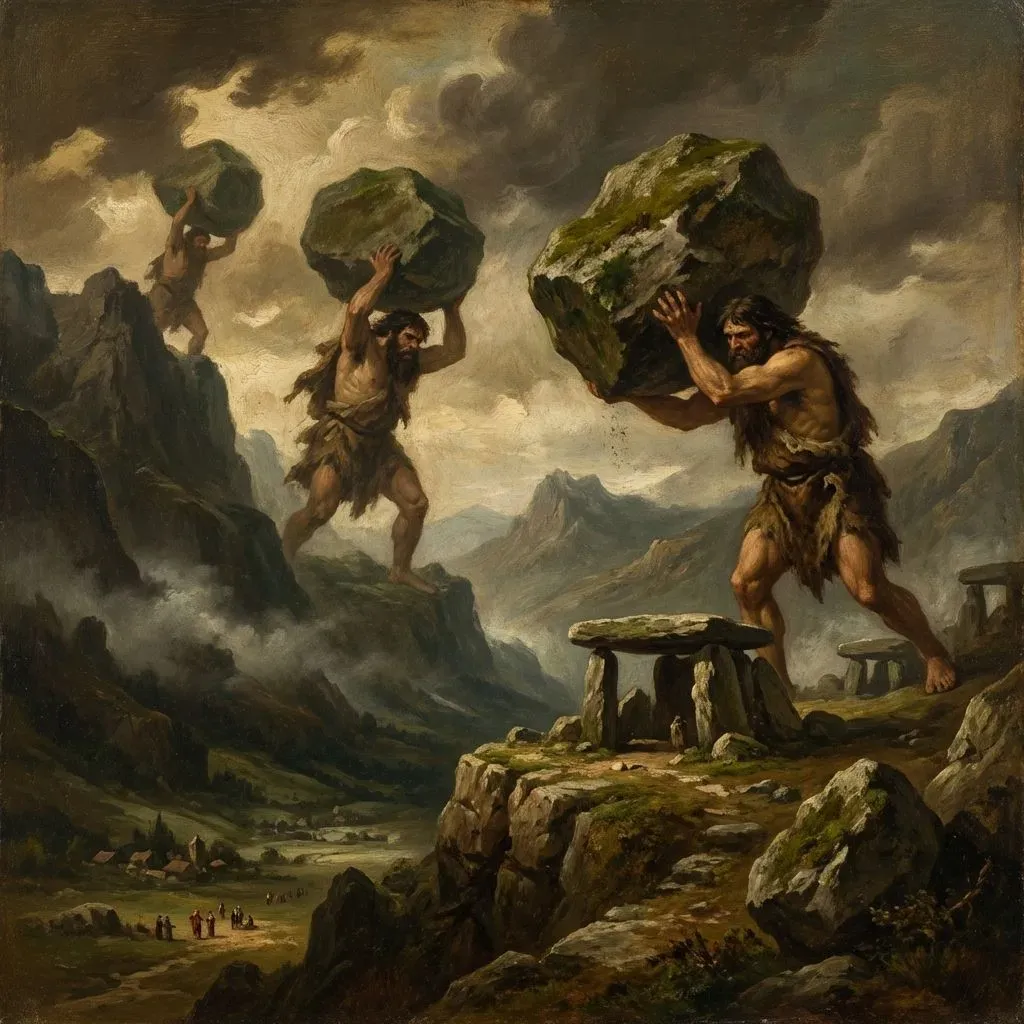
Before the age of ordinary humanity, tradition places a time when giants shaped the land itself. This was the age of the Jentilak, great beings of strength, knowledge, and megalithic labor.
They moved stones, raised monuments, and inhabited a world in which the boundary between myth and landscape had not yet hardened into ordinary history.
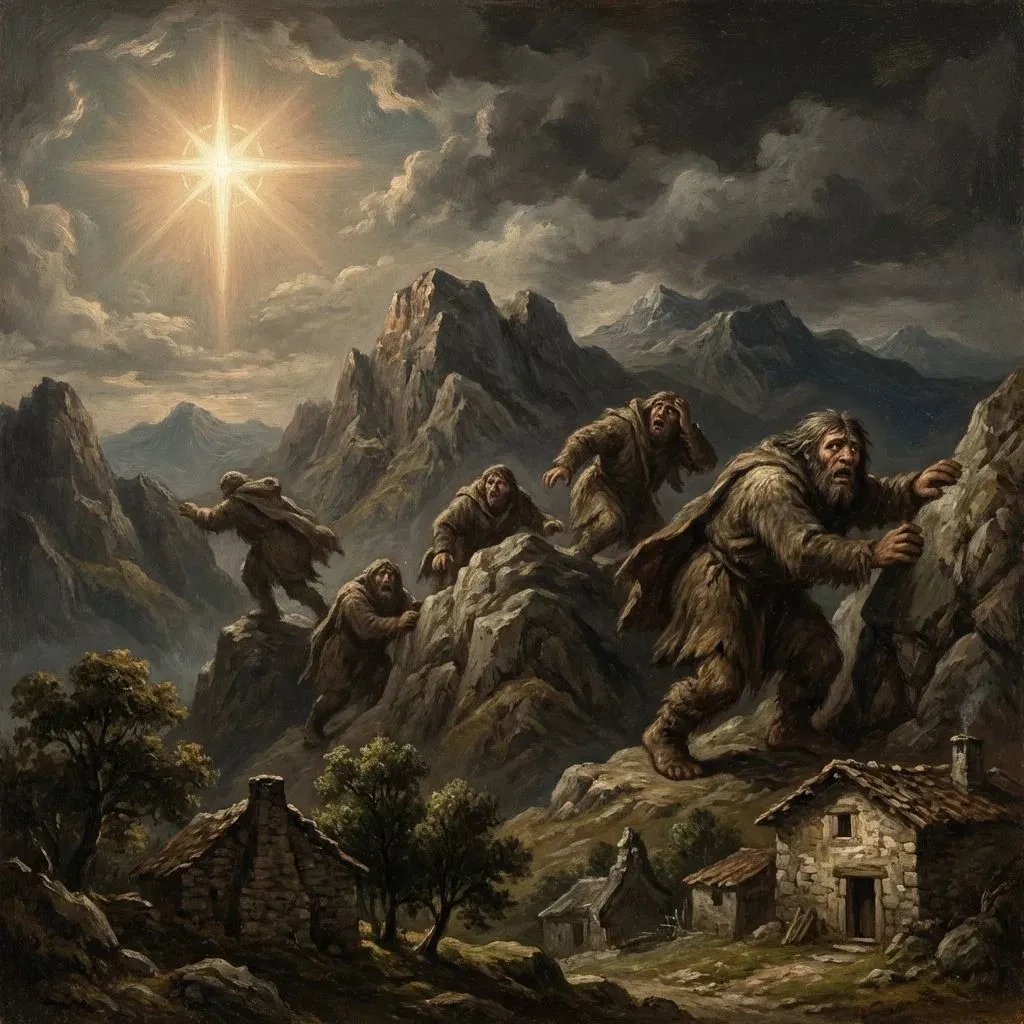
Their decline came not through gradual weakness but through the arrival of a different sacred order. The age of giants ended when the signs of another world began to appear in the sky and across the land.
The legend turns prehistory into memory. The stones remain, but the beings who raised them belong to a vanished era of larger scale and deeper silence.
The whole territory understood as once shared with beings of giant scale.
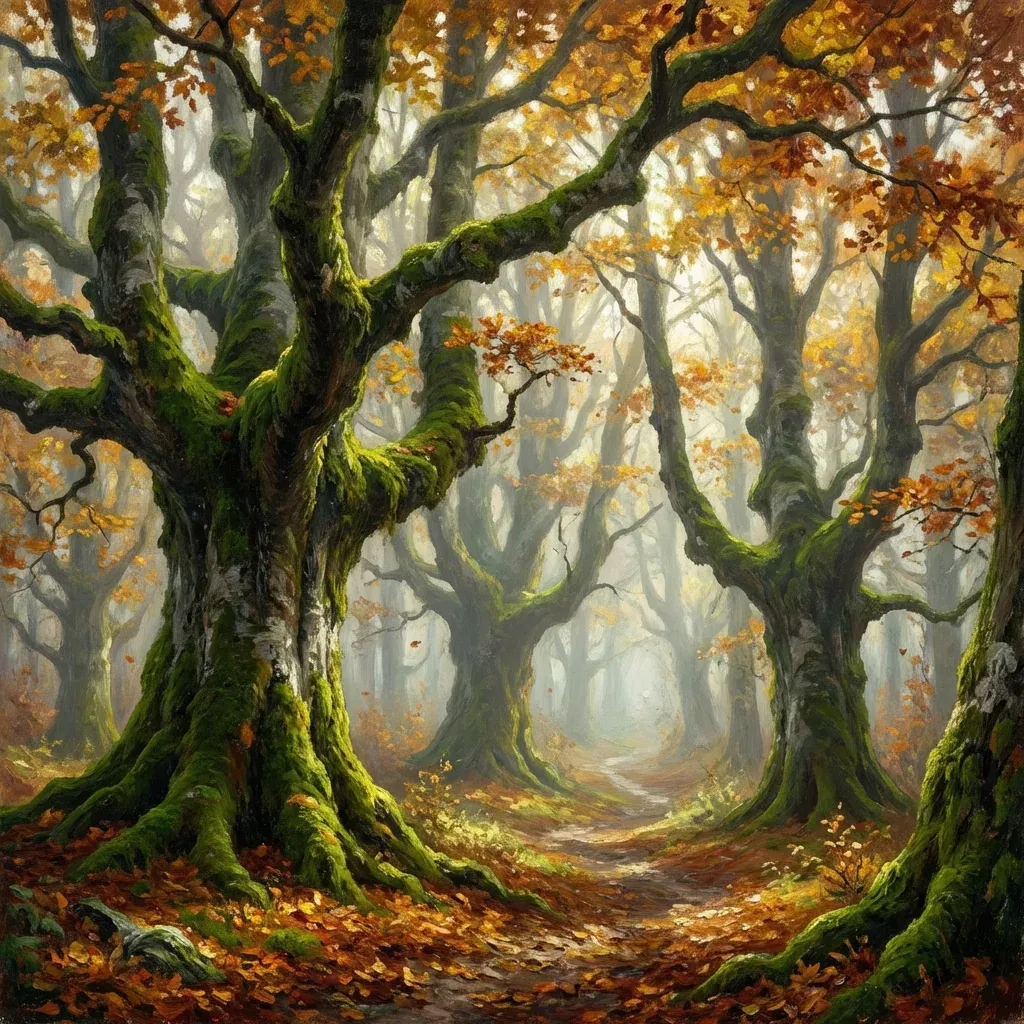
Stone landscapes preserved as signs of the giants' former world.
This legend is compelling because it imagines history not as a simple beginning, but as a succession of worlds. Humanity comes after something older, larger, and more mysterious.
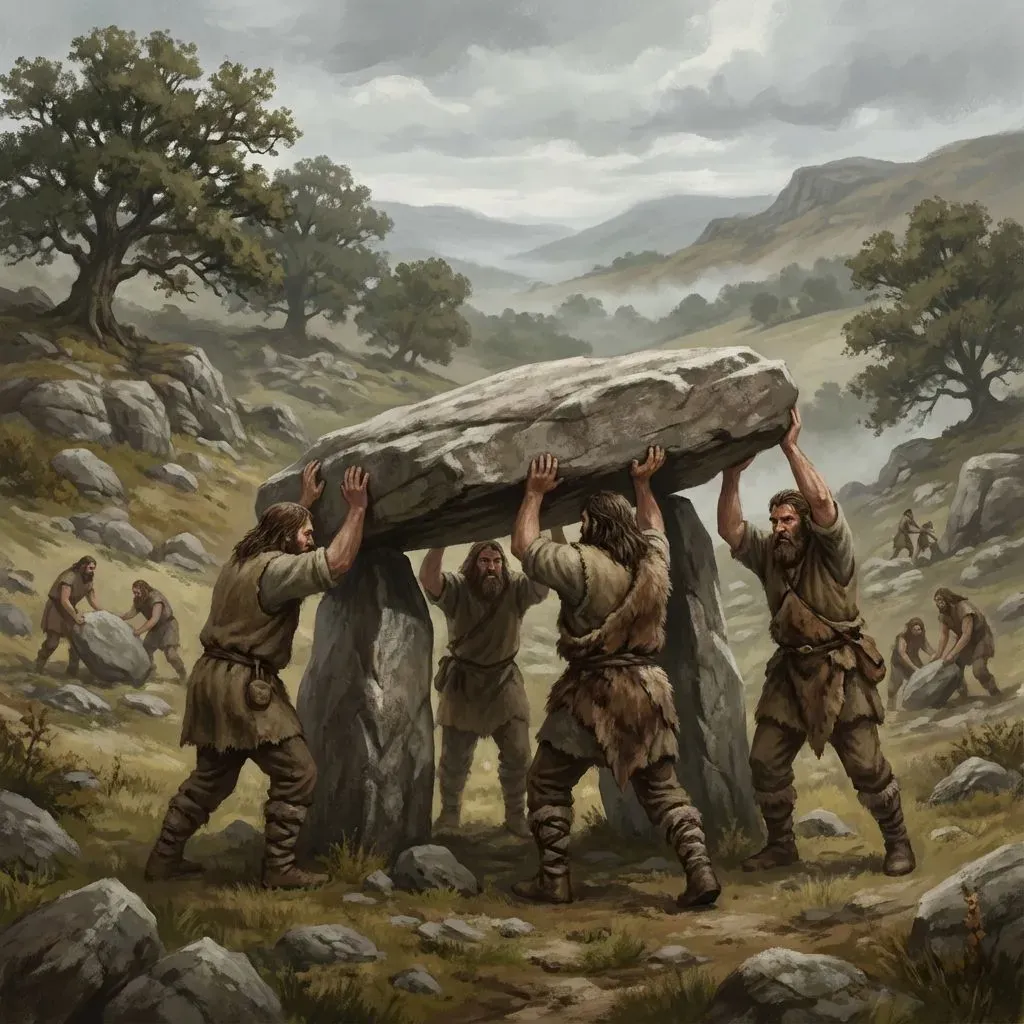
The age of giants gives emotional and symbolic weight to the megalithic remains scattered through the Basque landscape. They are not mere ruins, but traces of another scale of existence.
The Jentilak also stand for a kind of wisdom tied to earth, stone, and sacred labor. Their disappearance marks not only loss, but transition.
The tale endures because it lets the landscape speak of time far beyond recorded memory, while still keeping that time vividly alive in story.