Dolmens of Aralar
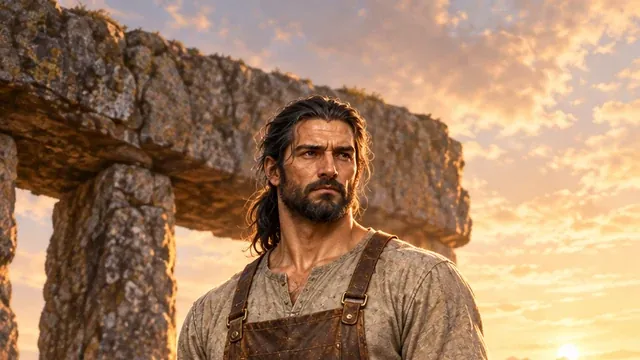
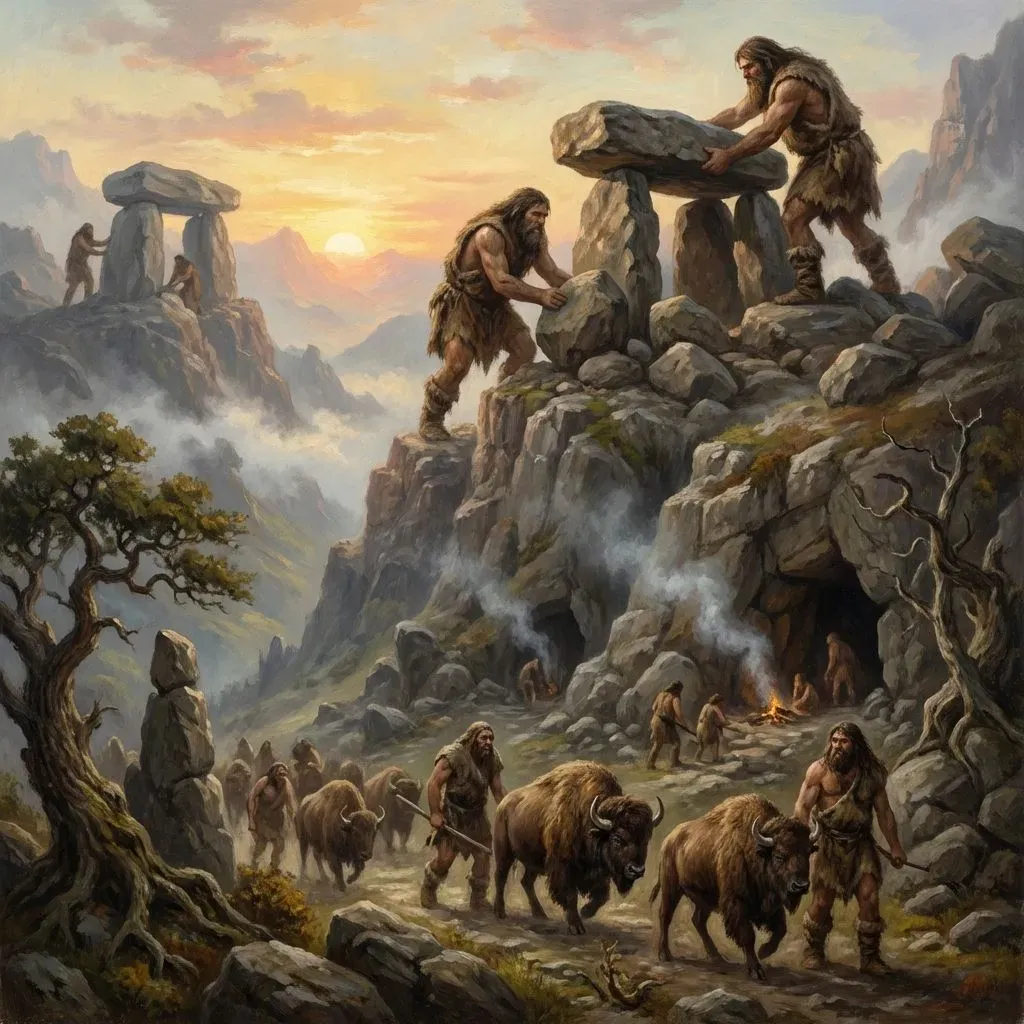
Megalithic monuments attributed to the strength of the Jentilak.
Pre Christian giants
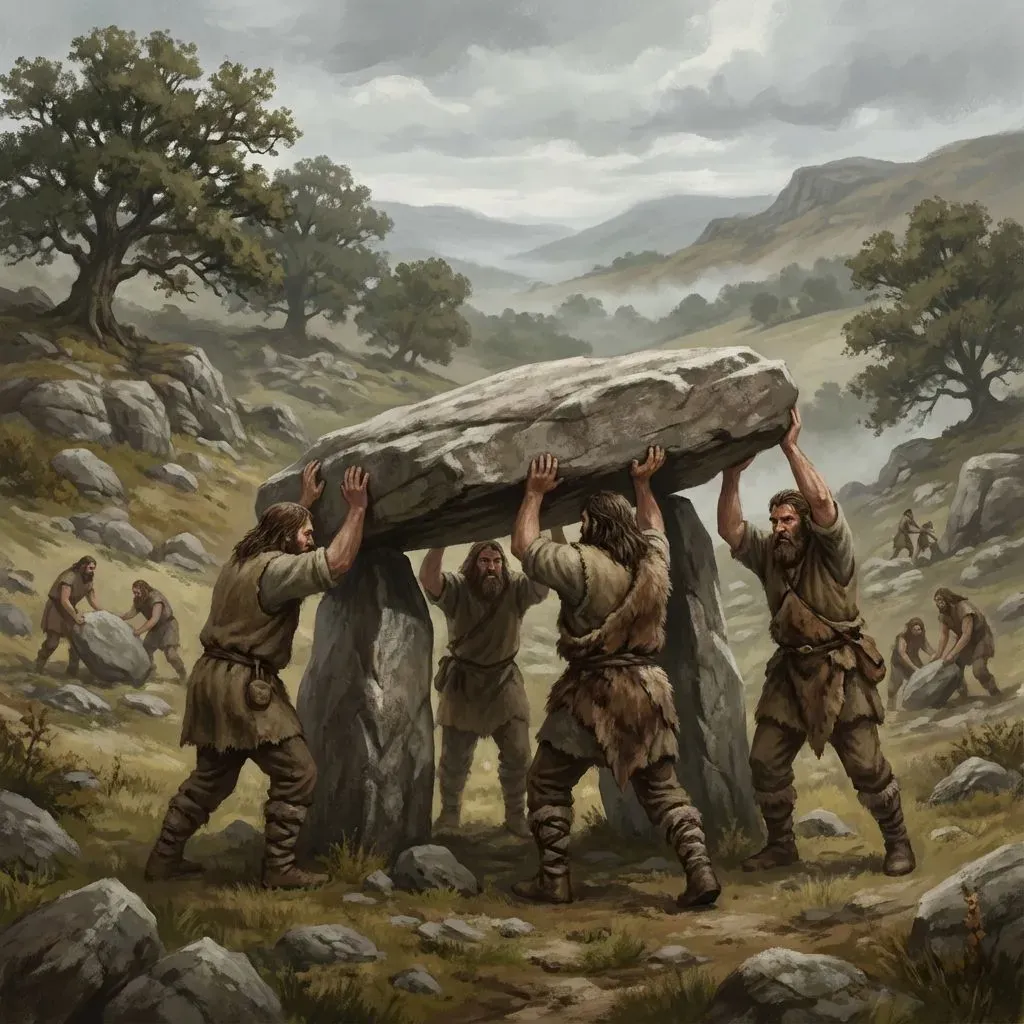
The Jentilak were a race of giants who inhabited these lands before the arrival of Christianity. They built dolmens, cromlechs and menhirs by hurling enormous stones between mountains as if they were pebbles. Their vast strength allowed them to shape the landscape itself.
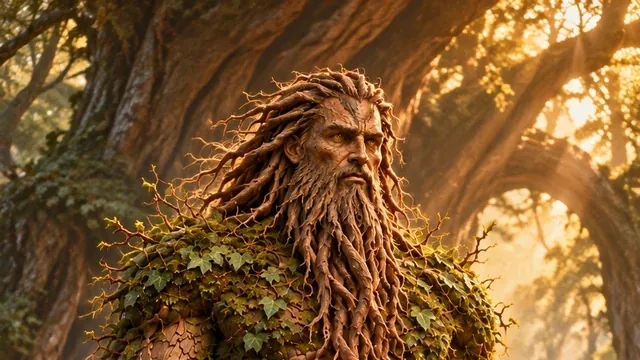
They fled in terror when they saw the star in the sky announcing Kixmi, Christ, and threw themselves beneath a dolmen in Aralar. Only the oldest of them all, Olentzero, remained to pass on the news of the new world that was beginning. The megalithic monuments preserved across the Basque landscape are often linked to their memory.
Megalithic monuments attributed to the strength of the Jentilak.
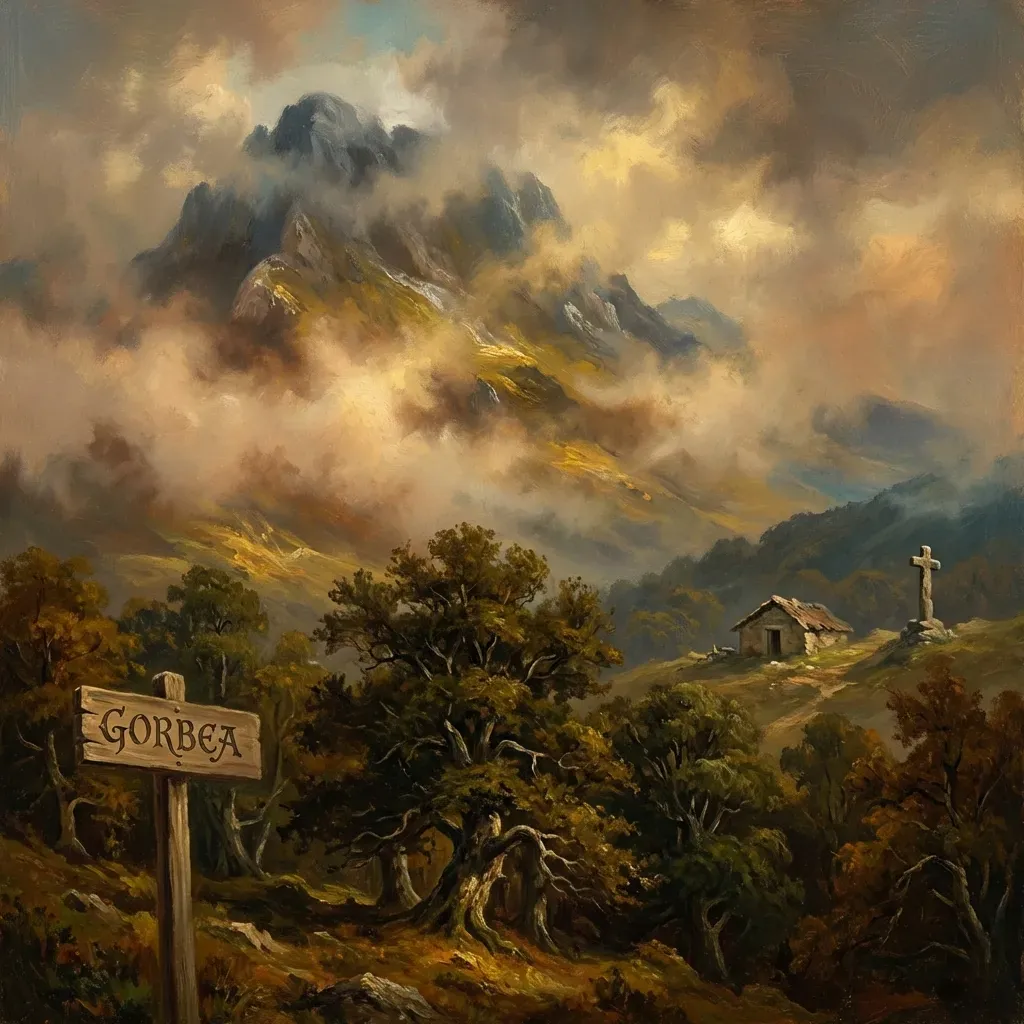
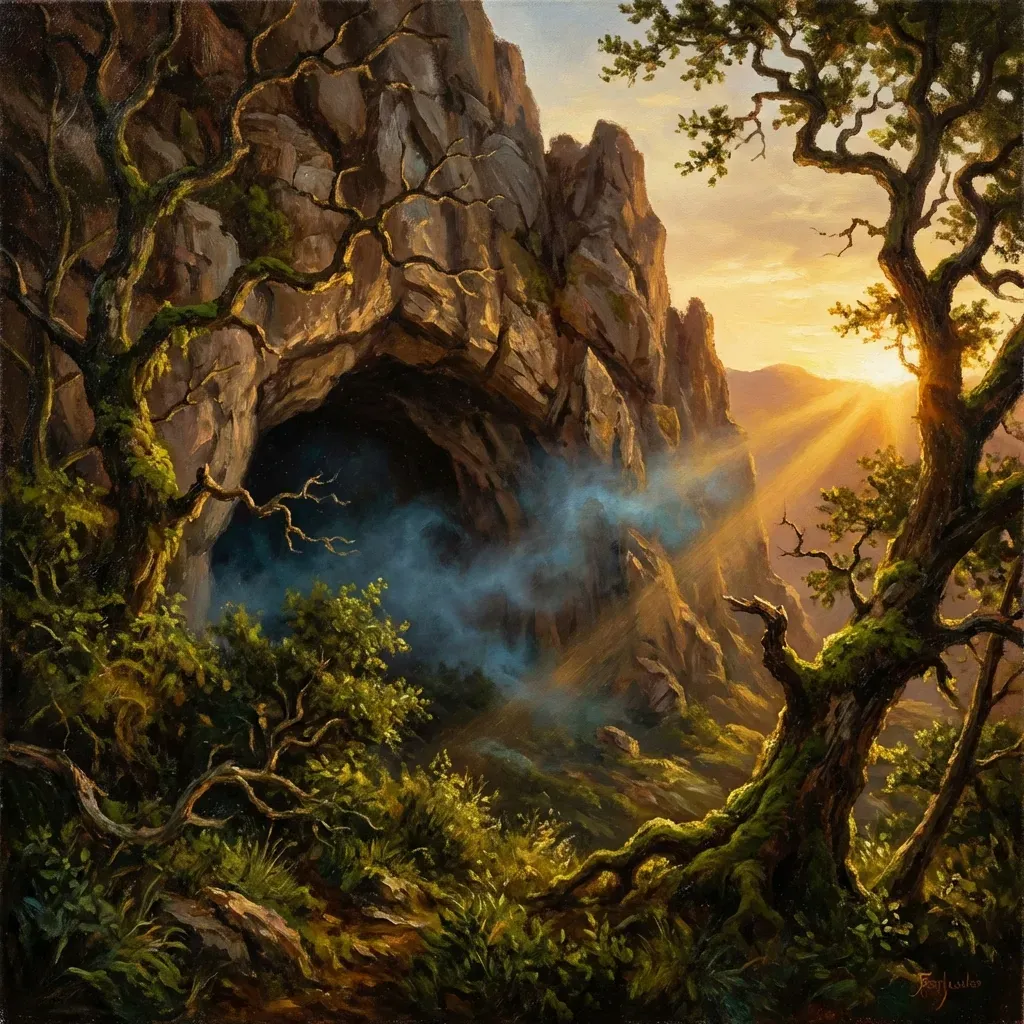
The mountains where the giants lived before Christianisation.
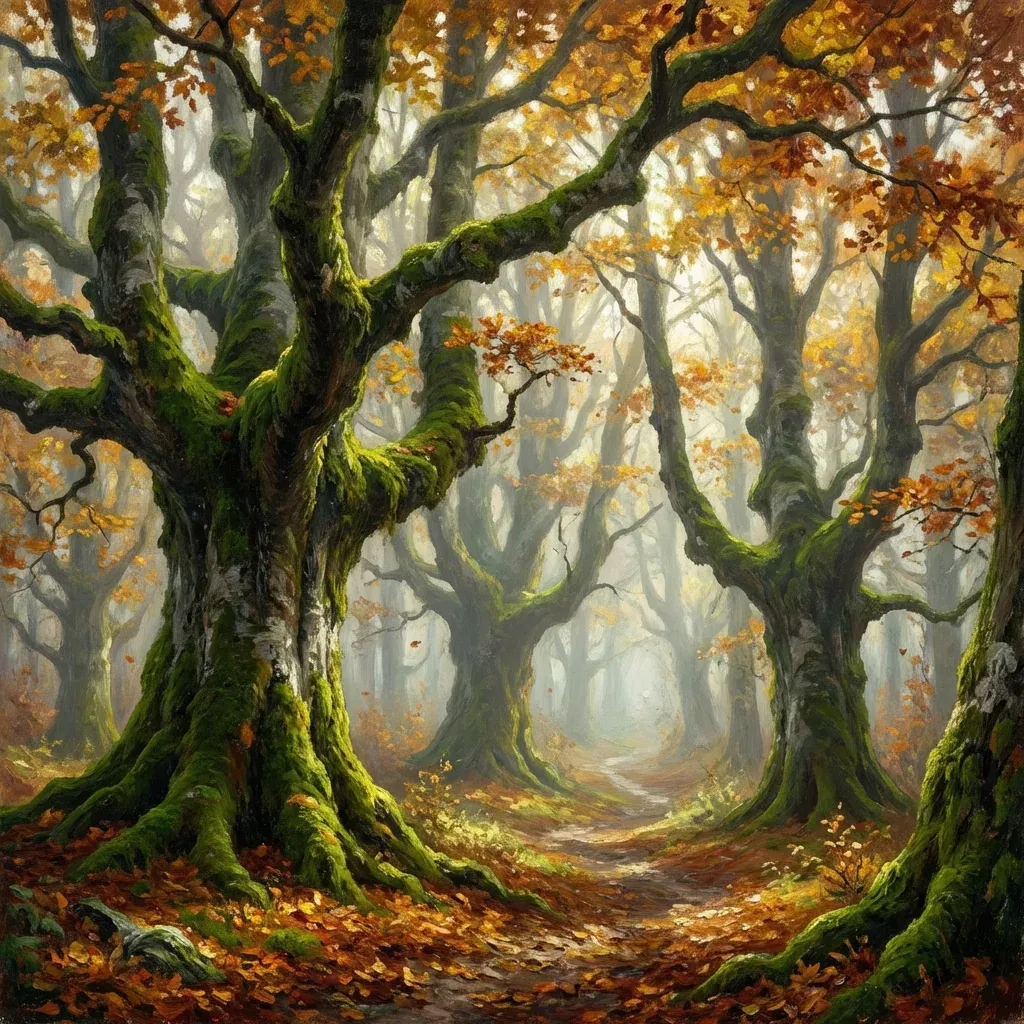
Stone circles that the Jentilak are said to have raised by throwing rocks.
The name Jentil comes from the Latin gentilis, meaning pagan or gentile. They embody the memory of pre-Christian peoples and their megalithic monuments scattered through the Basque landscape.
The Jentilak are the mythical explanation for dolmens, cromlechs and other prehistoric monuments. According to legend, they fled when they saw the luminous cloud that announced the birth of Kixmi, Christ.
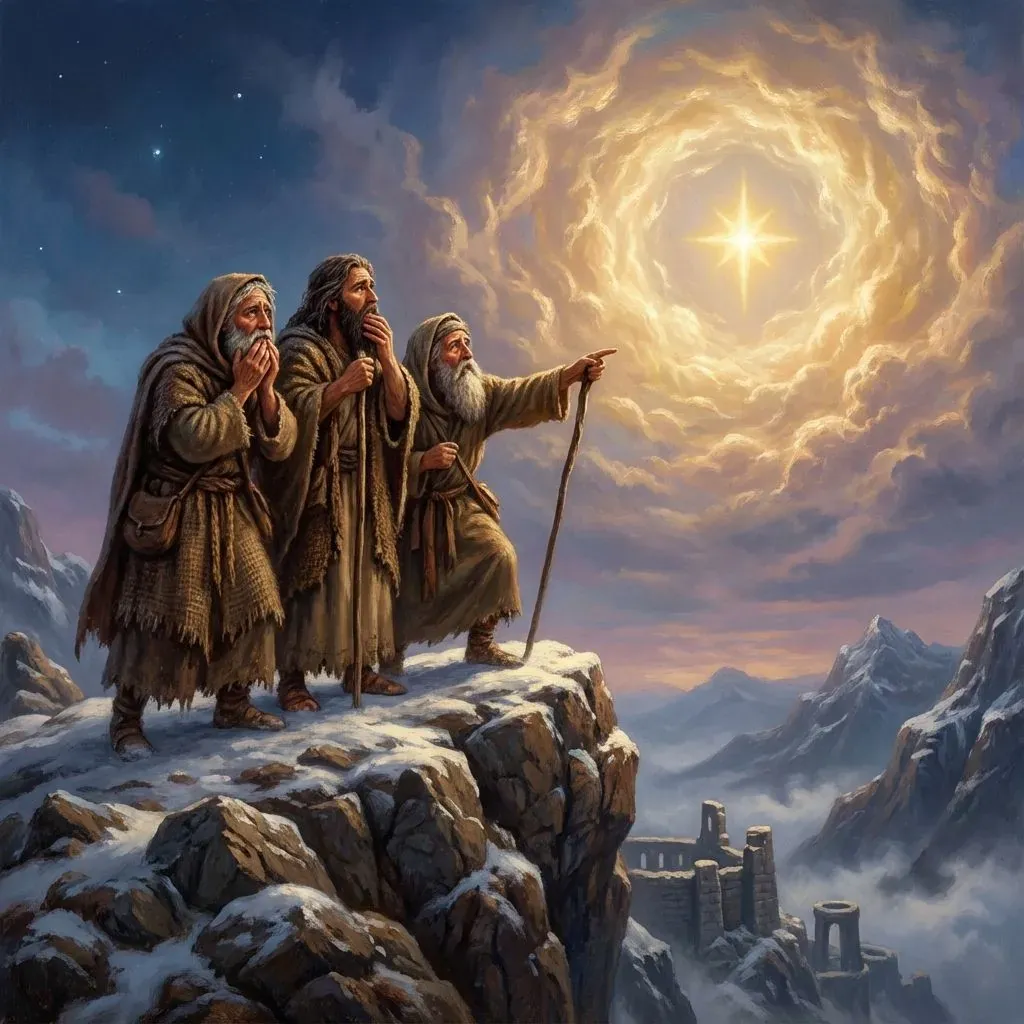
How the giants fled when they saw the star that announced Kixmi.
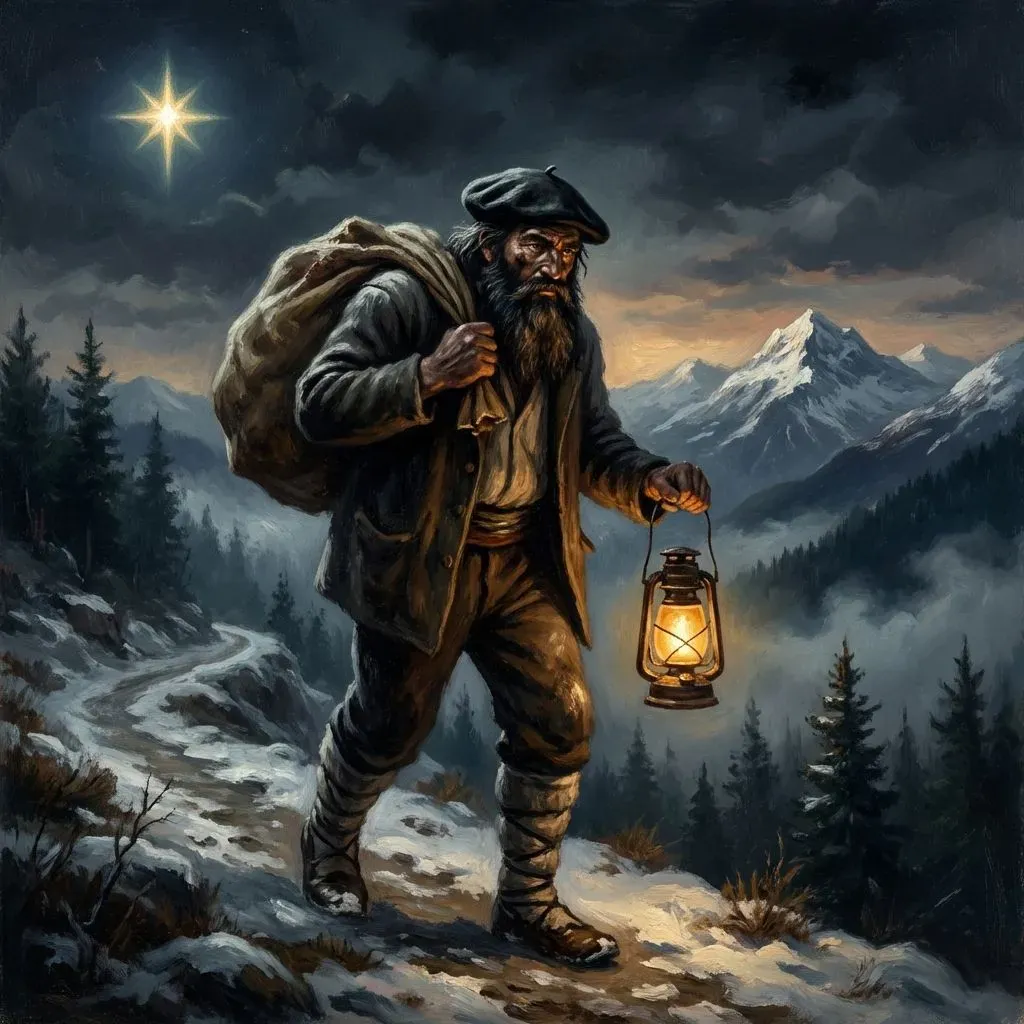
The only Jentil who remained to announce the birth of Christ.
Jentilak belongs to the oldest layer of Basque mythology and can be understood as the ancient giant people of the megalithic landscape.
Its stories are closely tied to dolmens, lost ages and the end of the pagan world.
Again and again the tradition returns to stones, strength, extinction and memory.
Rather than a decorative figure, Jentilak helps explain how the Basque world understood danger, order and sacred space.
In many versions, Jentilak marks a frontier between what belongs to human life and what must remain respected from a distance.
That is why the tales about Jentilak often combine fear, wonder and moral instruction in the same narrative movement.
The figure also preserves an older way of reading the landscape, where mountains, houses, storms or caves are never neutral settings.
Through Jentilak, myth gives shape to forces that cannot be seen directly but can still be felt in weather, place, memory and ritual.