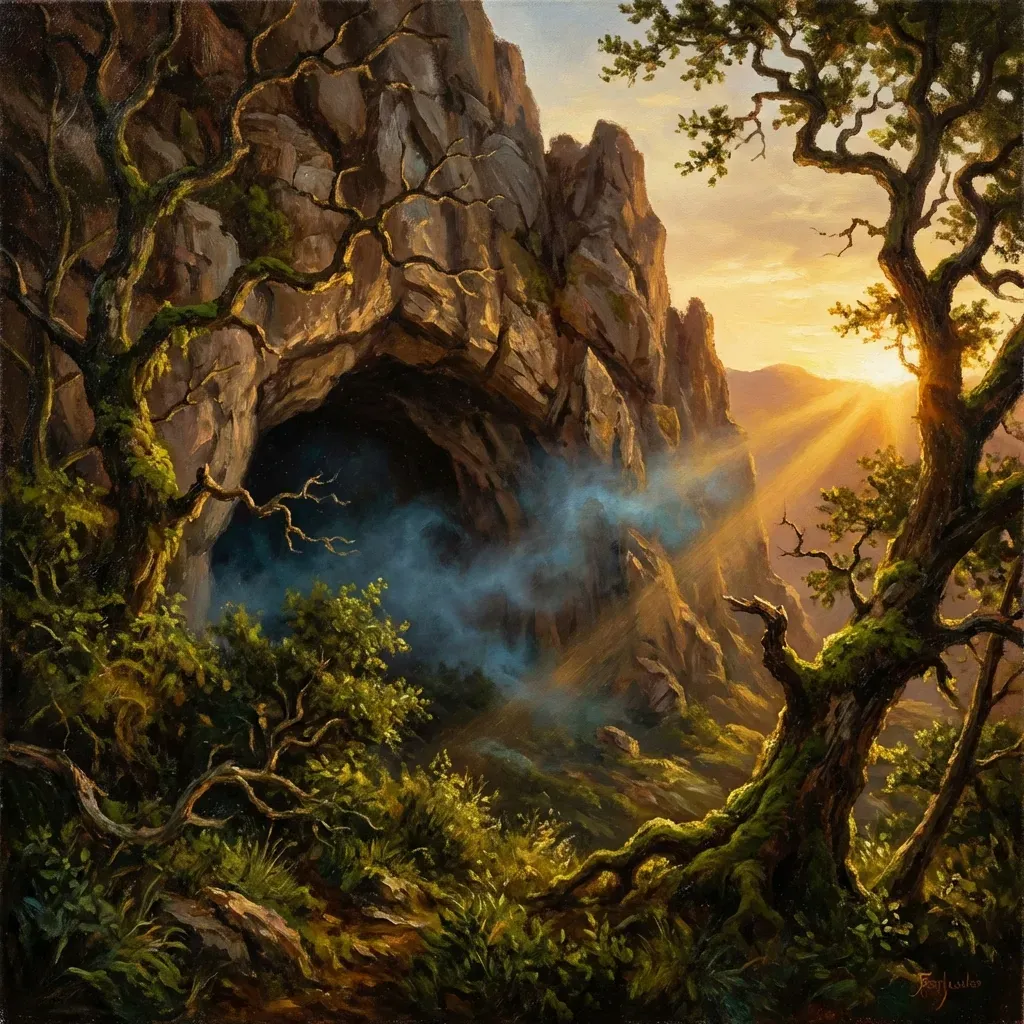
Cave of Isturitz
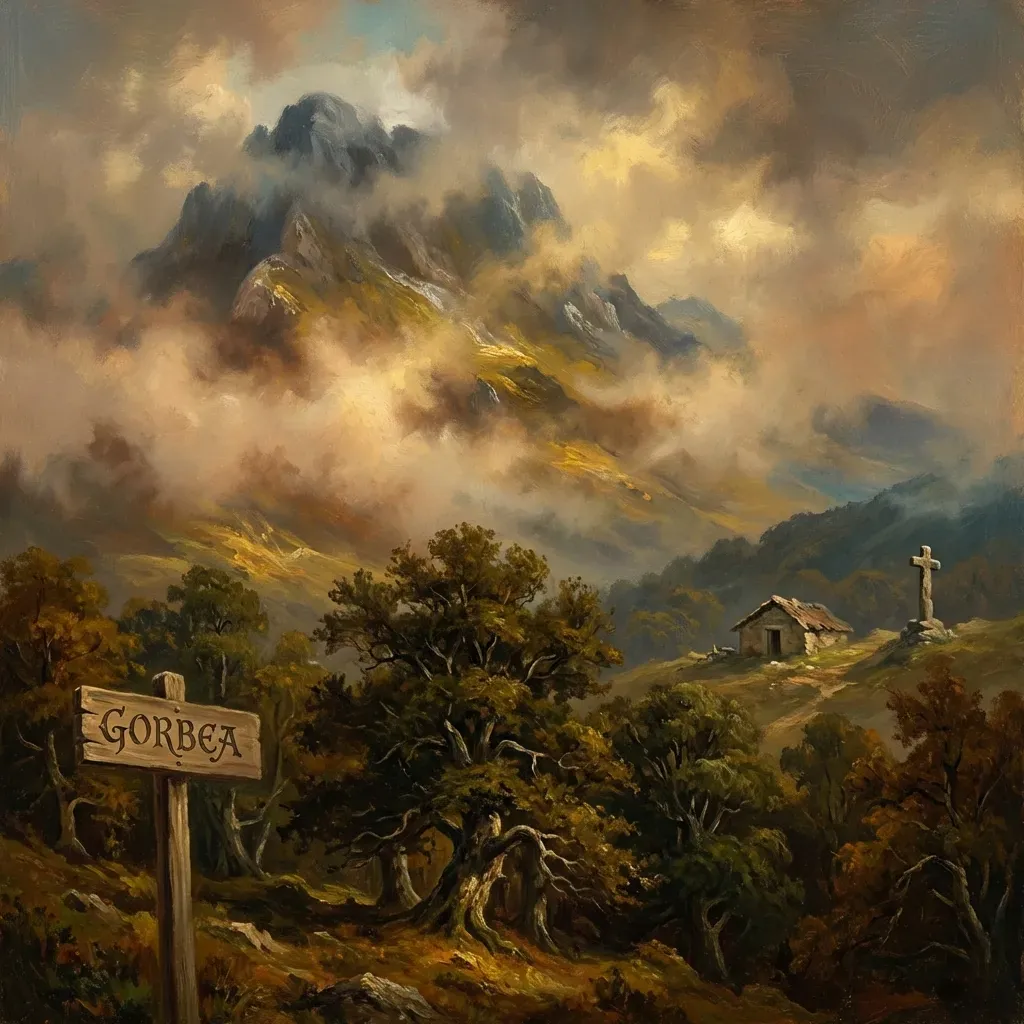
Prehistoric cave in the Basque Pyrenees linked to legends of Basajaun.
Wild lord of the forest
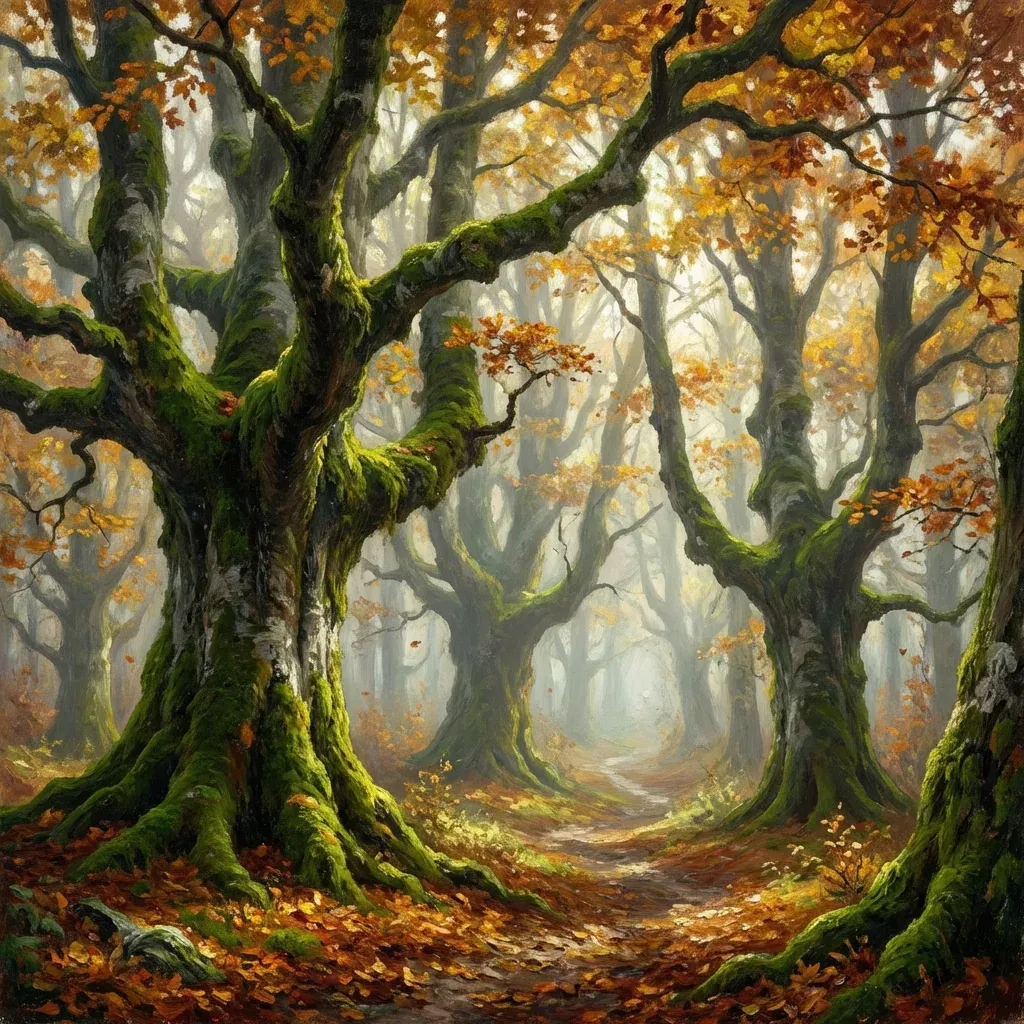
Basajaun means “lord of the forest”. In Basque mythology, he is a large, hairy, humanlike being who lives in forests and caves.
He protects flocks and warns shepherds of approaching storms. Legends also link him to ancient knowledge of wheat cultivation and toolmaking.
The name Basajaun comes from Basque: baso, forest, and jaun, lord. Its literal meaning is "Lord of the Forest" or "Wild Lord". Some dialectal variants include Basajauna in Navarrese valleys.
The earliest written references appear in nineteenth-century texts, though the oral tradition is far older. The term reflects the ancestral connection between Basque communities and mountain forests.
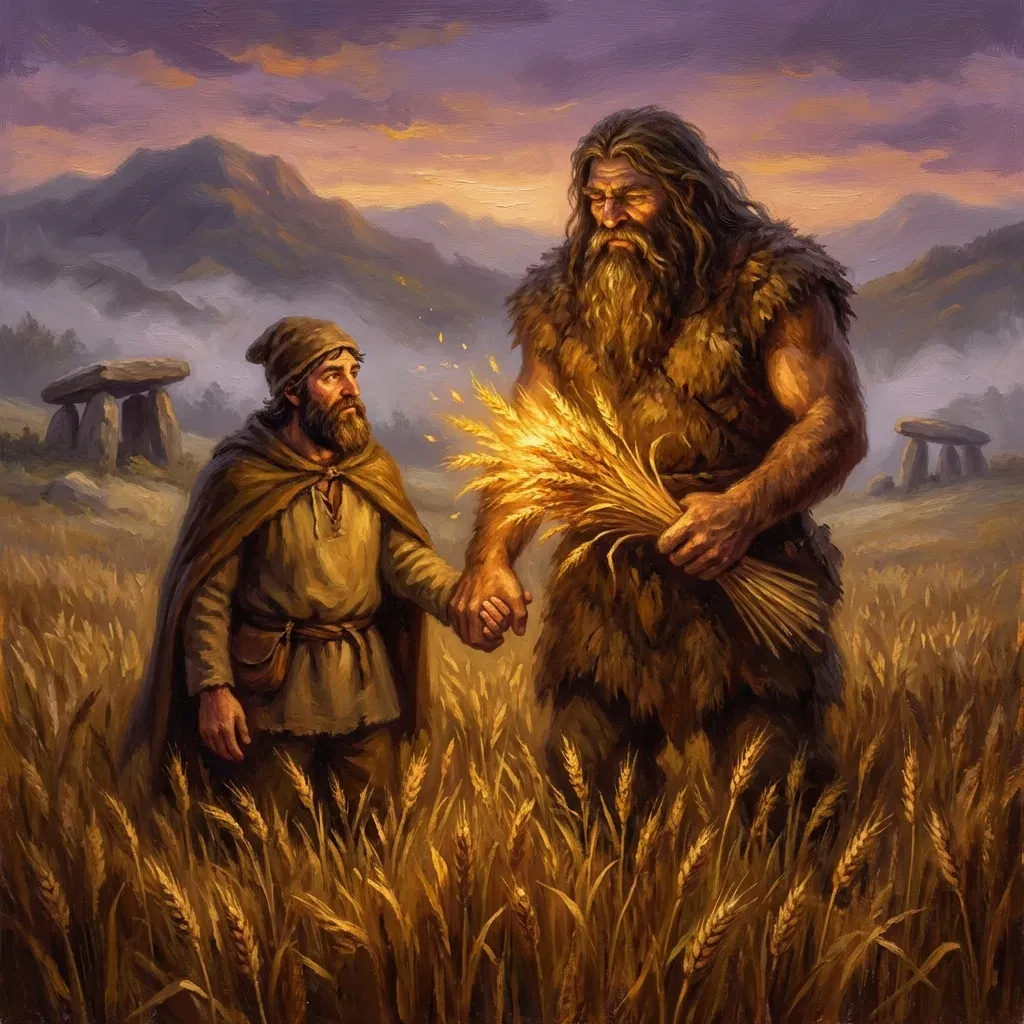
Basajaun: origins, legends and role in Basque mythology
In the depths of the forests of Euskal Herria, far from the reach of modern civilization, lives one of the most emblematic and fascinating figures of Basque mythology: Basajaun. His name, literally "Lord of the Forest", embodies the ancient respect of the old inhabitants for untamed nature.
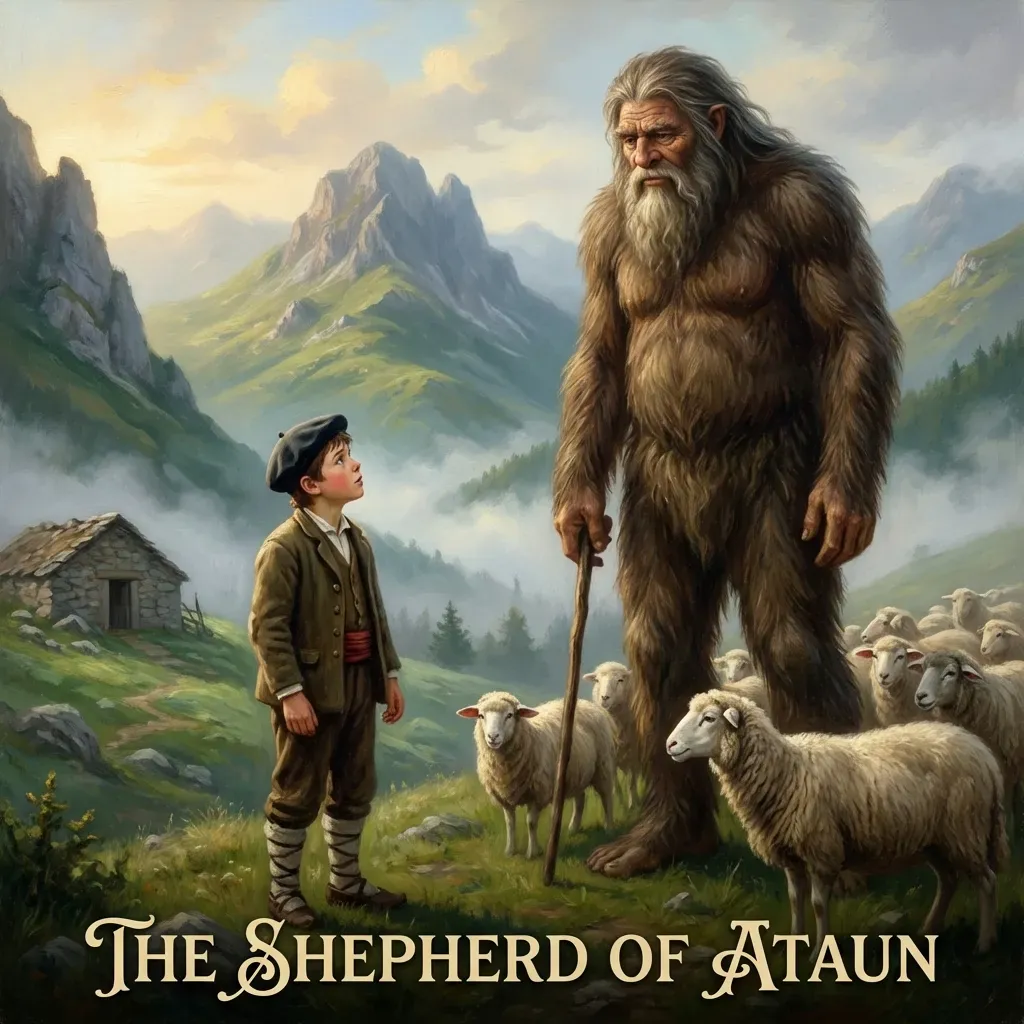
This gigantic creature, endowed with superhuman strength and covered in thick hair, has been revered and feared in equal measure across the centuries.
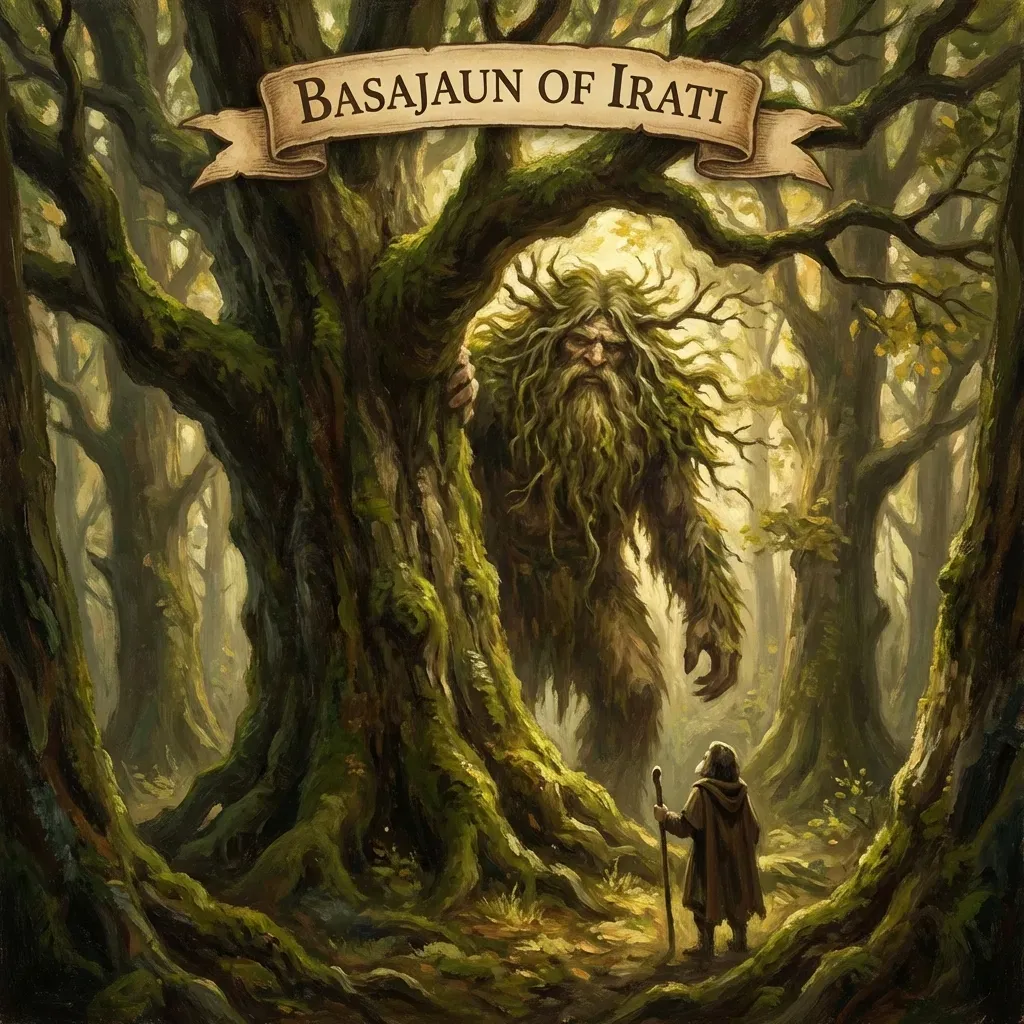
Physical appearance and nature of the wild lords
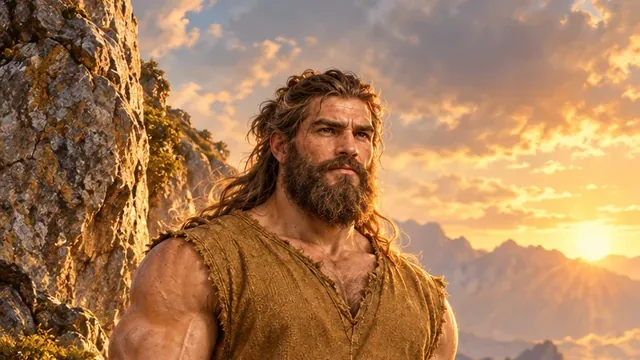
Basajaun is described in oral tradition with details that produce deep mythical awe. He appears as a colossal being of vaguely humanoid form, entirely covered in long thick hair. His locks often fall to the knees, concealing face, chest and belly.
A particularly striking trait in many legends is the strange form of his lower limbs: one foot is human, while the other ends in a great circular hoof. Although often mentioned in the singular, many narratives suggest a whole race of woodland beings, sometimes accompanied by their female counterparts, the Basandere.
Protector of flocks and terror of wolves
Unlike purely malevolent beings, Basajaun is above all the stern guardian of flocks. Traditional shepherds saw in him an invisible and formidable ally. When Basajaun moves near the flock, wolves do not dare approach.
Far from being terrified, the sheep are said to reveal his presence by sounding their bells in strange accord. This protective giant also howls from the rocks to warn shepherds of approaching storms.
The civilizing theft: smith-master and first farmer
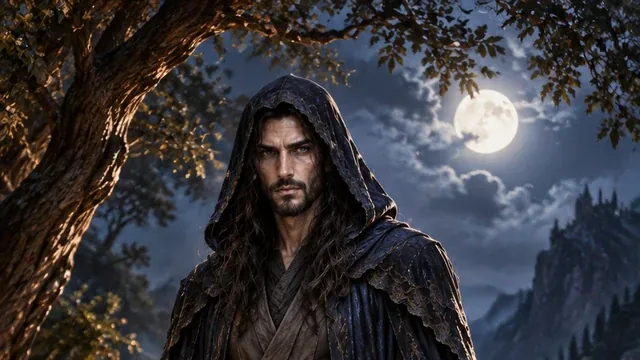
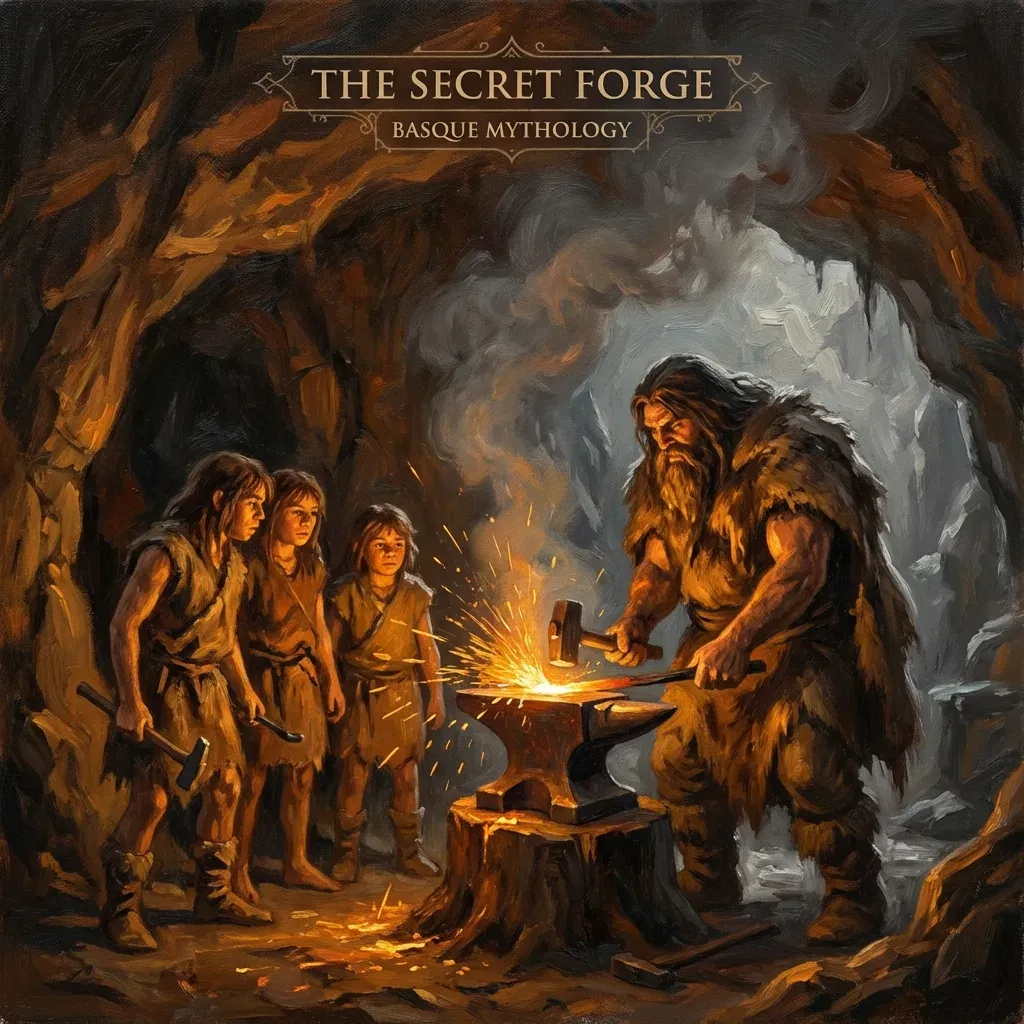
One of the most important dimensions of the myth is Basajaun's role as guardian of antiquity. In Basque mythology, these primordial beings are the first masters of wheat sowing, the forge, metalworking, the mill and other early technologies.
Many legends explain how particularly clever humans, especially San Martin Txiki, managed through tricks and stratagems to wrest these secrets from the Basajaun. This gives the Lord of the Forest a strongly Promethean shadow: he symbolizes nature's reluctance to surrender its resources without human ingenuity and struggle.
Basajaun belongs to the oldest layer of Basque mythology and can be understood as the lord of the forest and keeper of ancient knowledge.
Its stories are closely tied to mountains, flocks and the techniques first learned from nature.
Again and again the tradition returns to storms, agriculture, craft and wild intelligence.
Rather than a decorative figure, Basajaun helps explain how the Basque world understood danger, order and sacred space.