Night roads
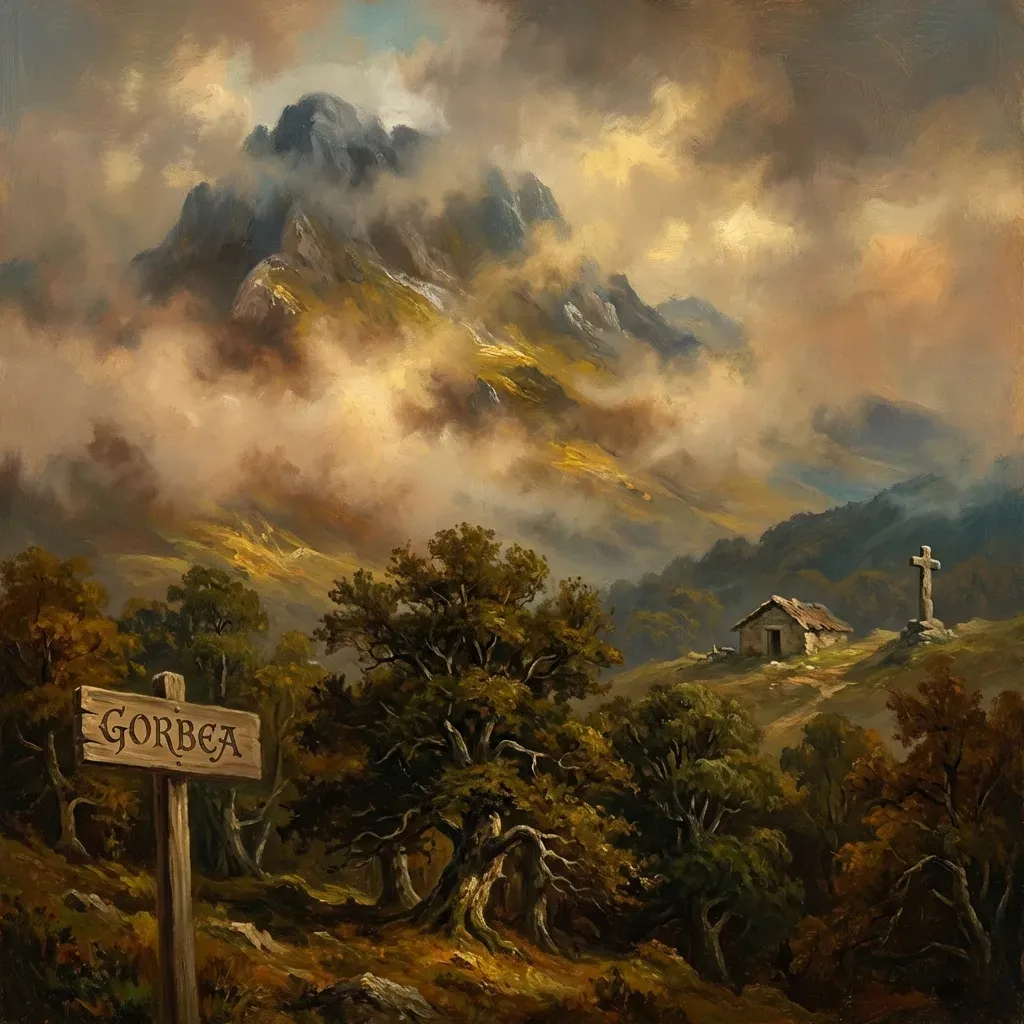
Routes that Gaueko watches to punish transgressors.
Lord of the Night
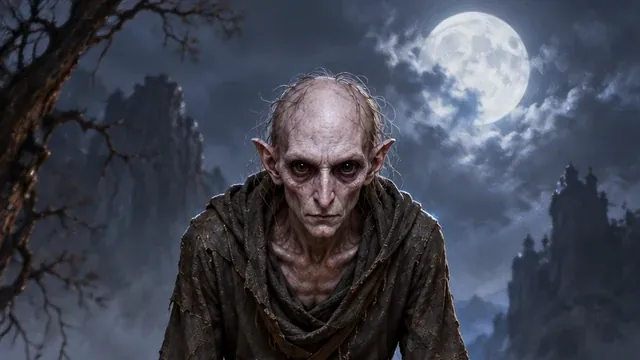
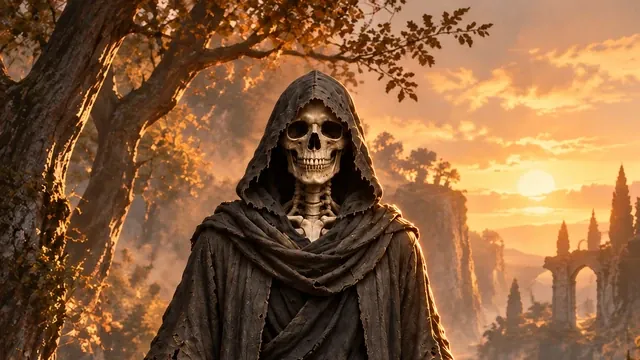
Gaueko is the lord of the night, master of the hours between sunset and dawn. His warning is famous, the night belongs to the night, and those who violate its order without respect may be punished.
His deep and threatening voice warns transgressors before attacking them on lonely paths. He embodies ancestral respect for natural rhythms and the fear provoked by darkness beyond the protection of the home.
Routes that Gaueko watches to punish transgressors.
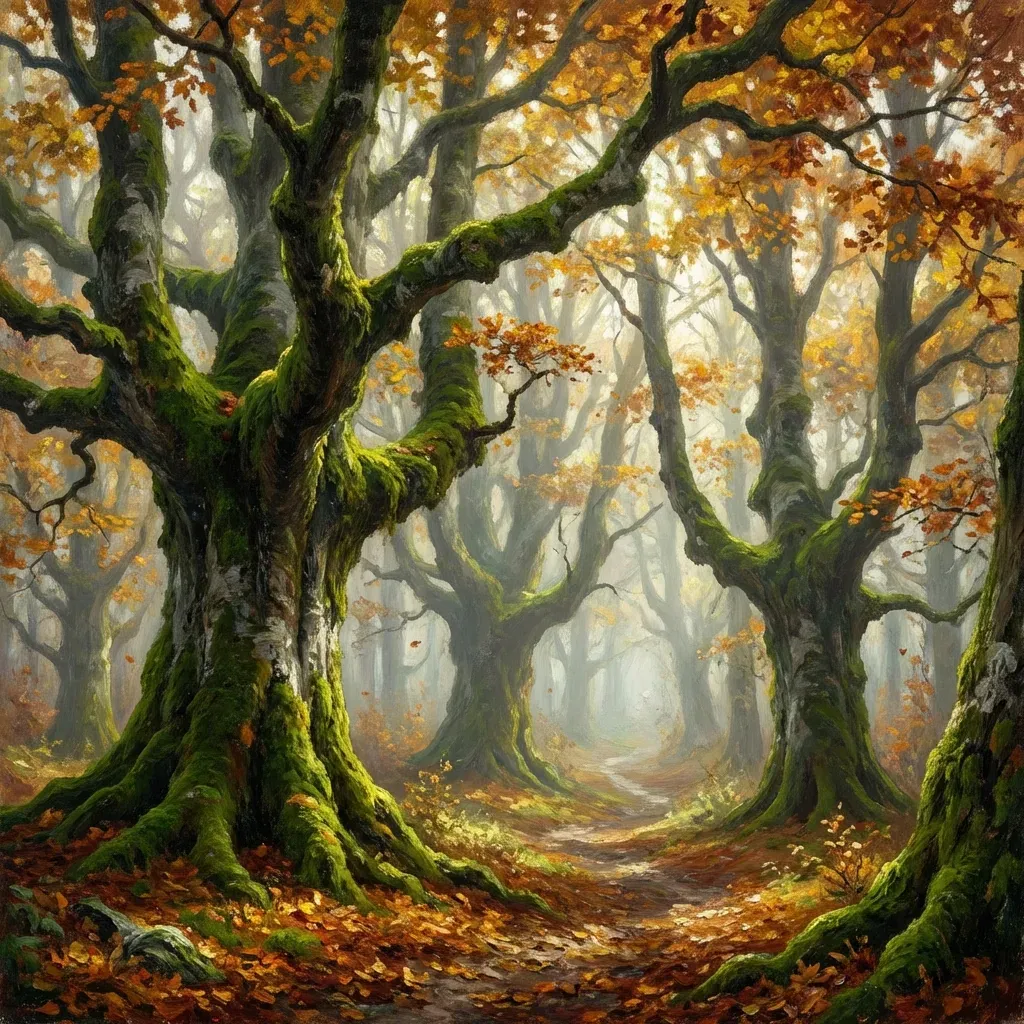
Places where Gaueko's nocturnal dominion is still remembered.
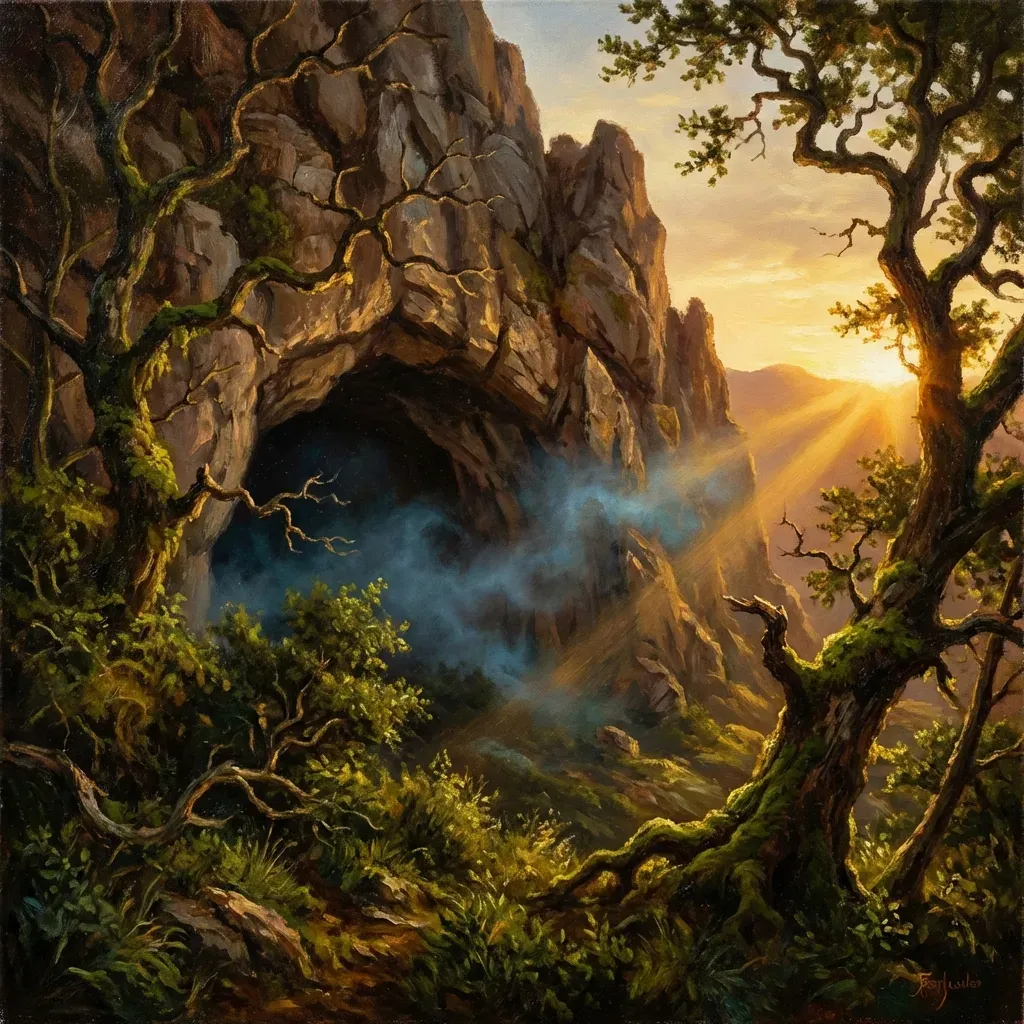
Crossroads where Gaueko warns late travellers.
The name Gaueko means "of the night" in Basque, from gau, night. It identifies him directly with nocturnal dominion and the order that belongs to darkness.
Gaueko belongs to the oldest layer of Basque mythology and can be understood as the force that rules the night.
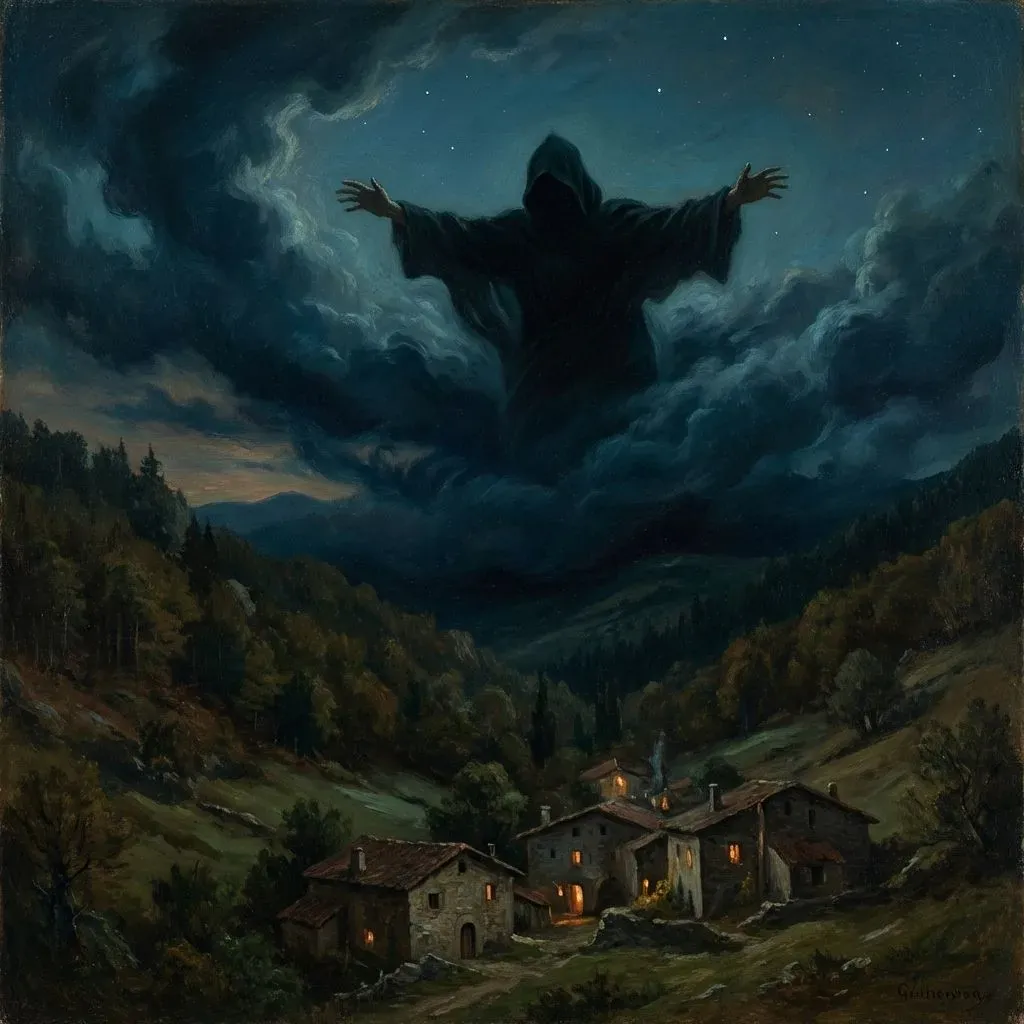
Gaueko warning to those who travel after the proper hour.
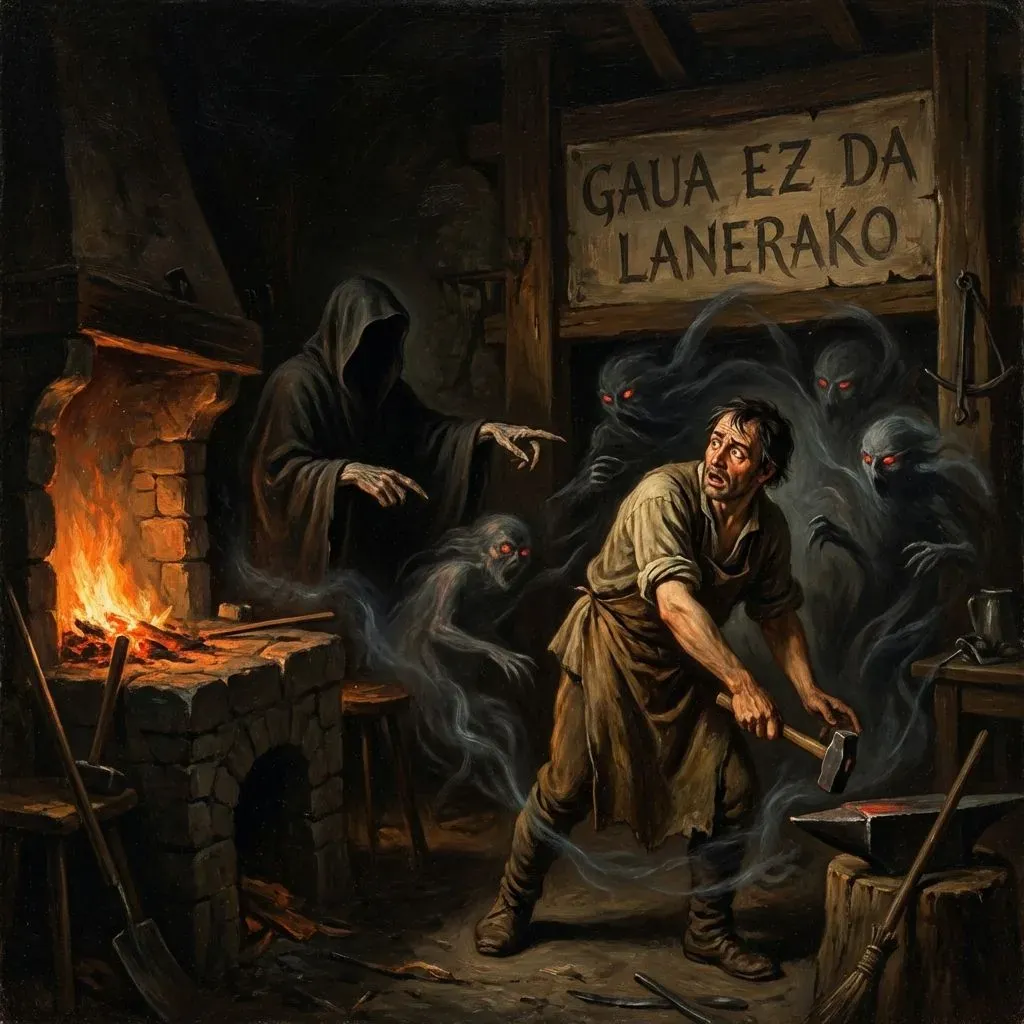
The fate of those who work when they should be resting.
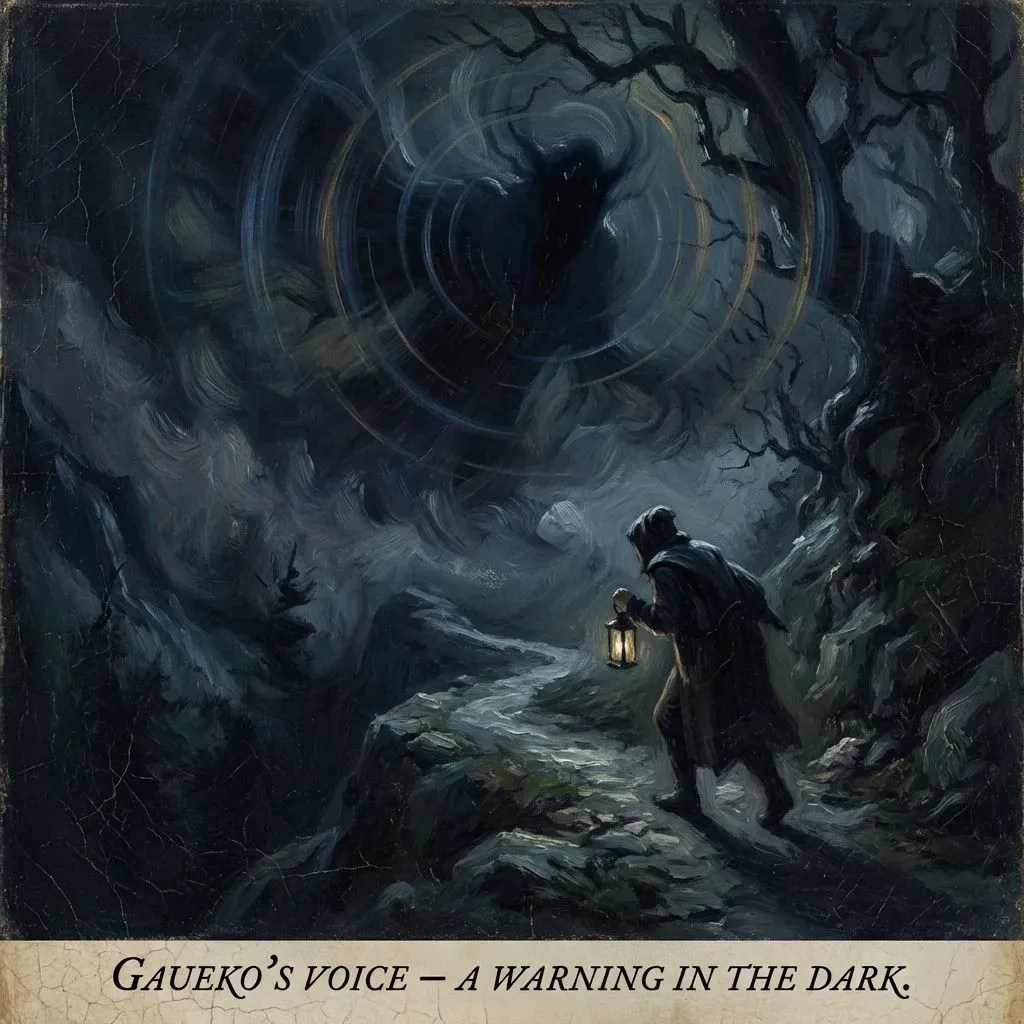
The deep warning voice that comes before Gaueko attacks.
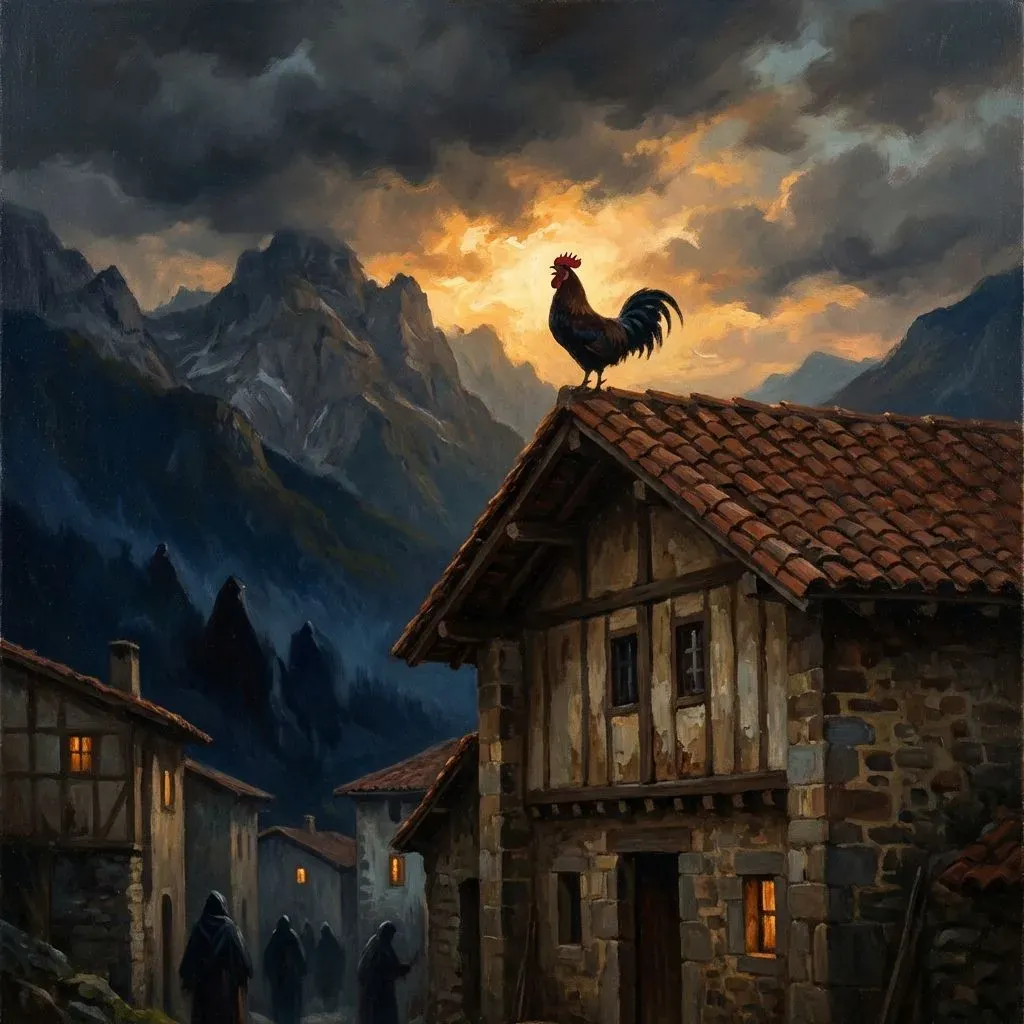
Its stories are closely tied to darkness, limits and the order of nocturnal time.
Again and again the tradition returns to taboo, fear, boundary and hidden authority.
The rule was strict. Work had to stop at dusk. No one should keep spinning, carry wood through darkened forests or shout in the high mountains once the realm of Gaueko began.
Rather than a decorative figure, Gaueko helps explain how the Basque world understood danger, order and sacred space.
In many versions, Gaueko marks a frontier between what belongs to human life and what must remain respected from a distance.
That is why the tales about Gaueko often combine fear, wonder and moral instruction in the same narrative movement.