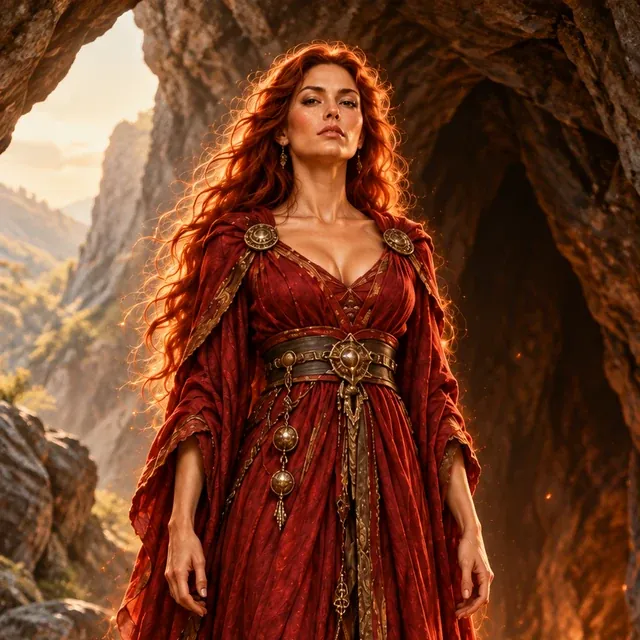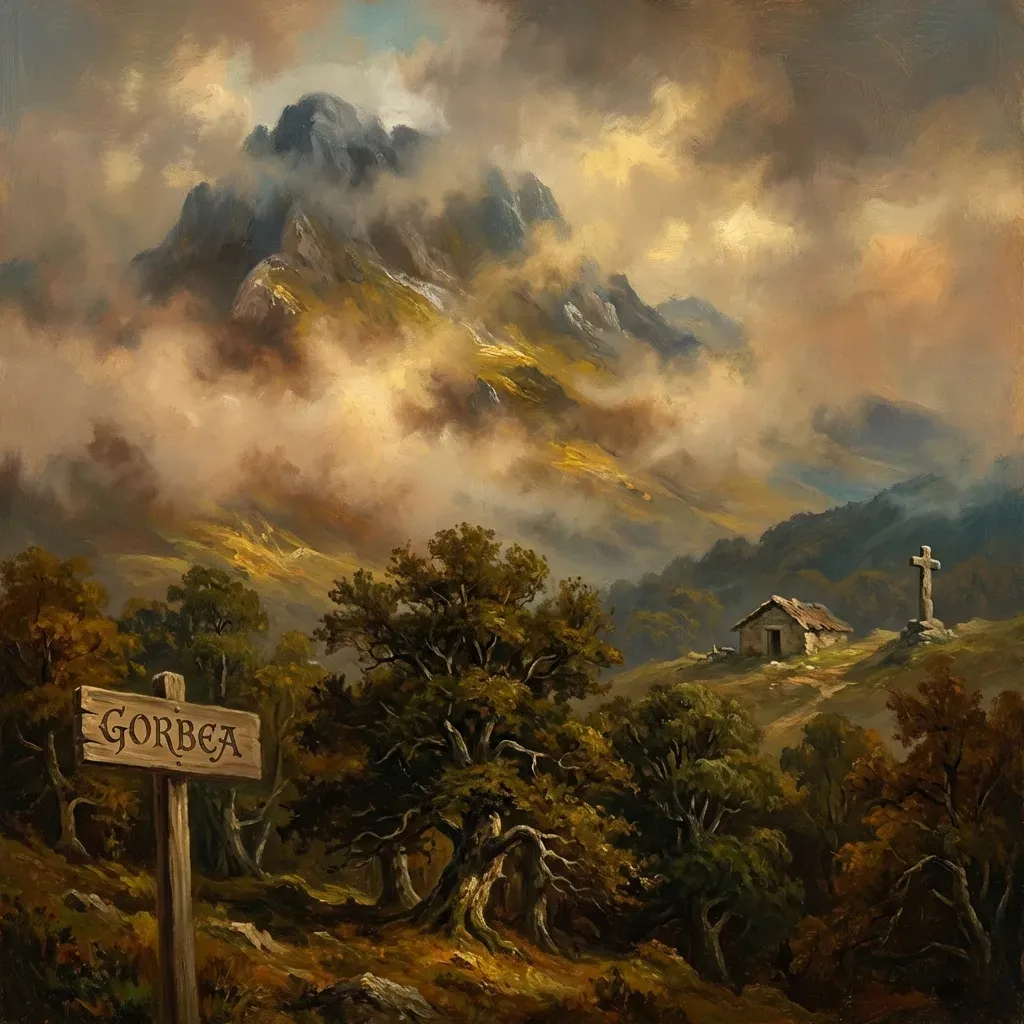
Cantabrian coast
The coast where Ilargi governs the sea tides through her cycles.
The moon that guides souls
Ilargi is the Moon, sister of the Sun and guide of the dead toward the beyond. She rules the cycles of sowing, harvest and the tides of the Cantabrian Sea. Her name means "light of the dead" in Basque, revealing her deep connection with funerary belief and the nocturnal world.
Her silver light illuminates the path of wandering souls during dark nights. She is the nocturnal companion who watches over the living while her brother Eguzki rests in the womb of Amalur. Her phases mark the right moments for agricultural work and ritual action.
The coast where Ilargi governs the sea tides through her cycles.
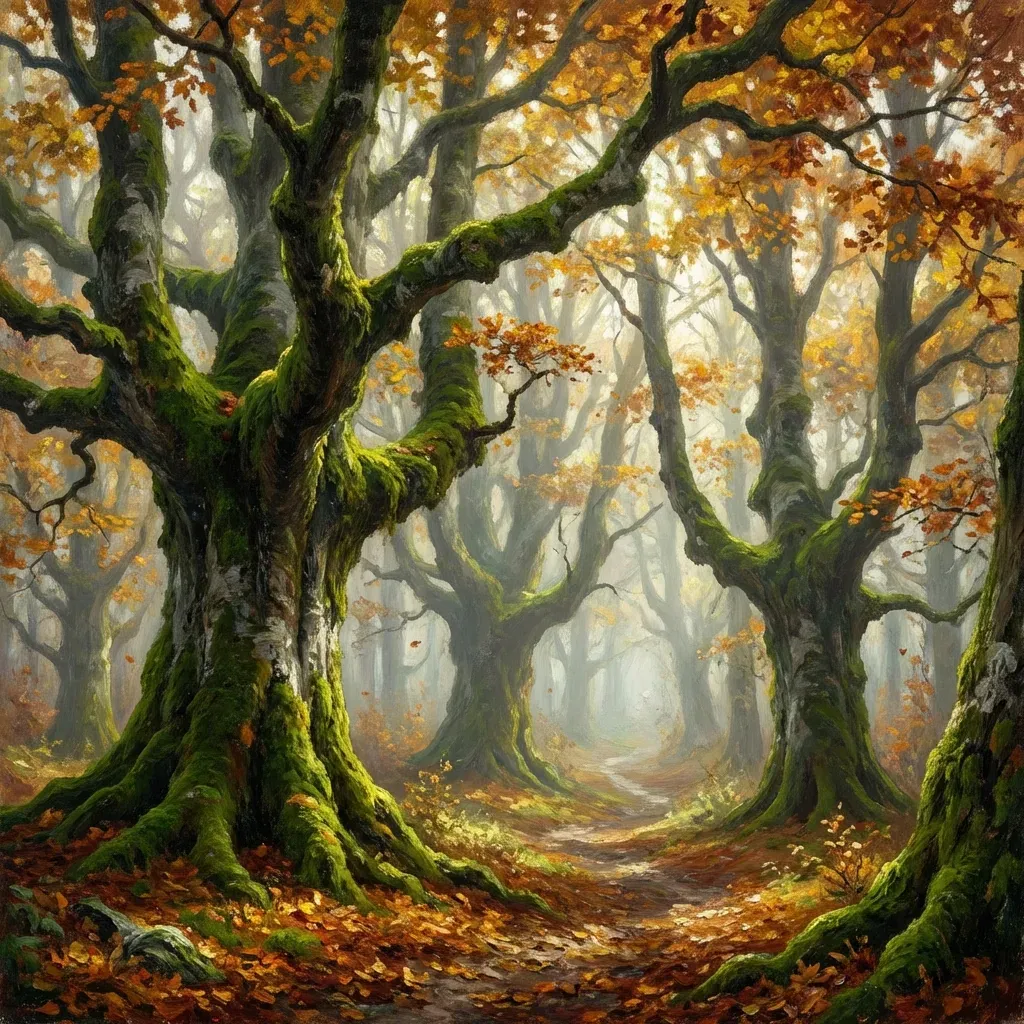
Places where Ilargi illuminates the path of the departed.
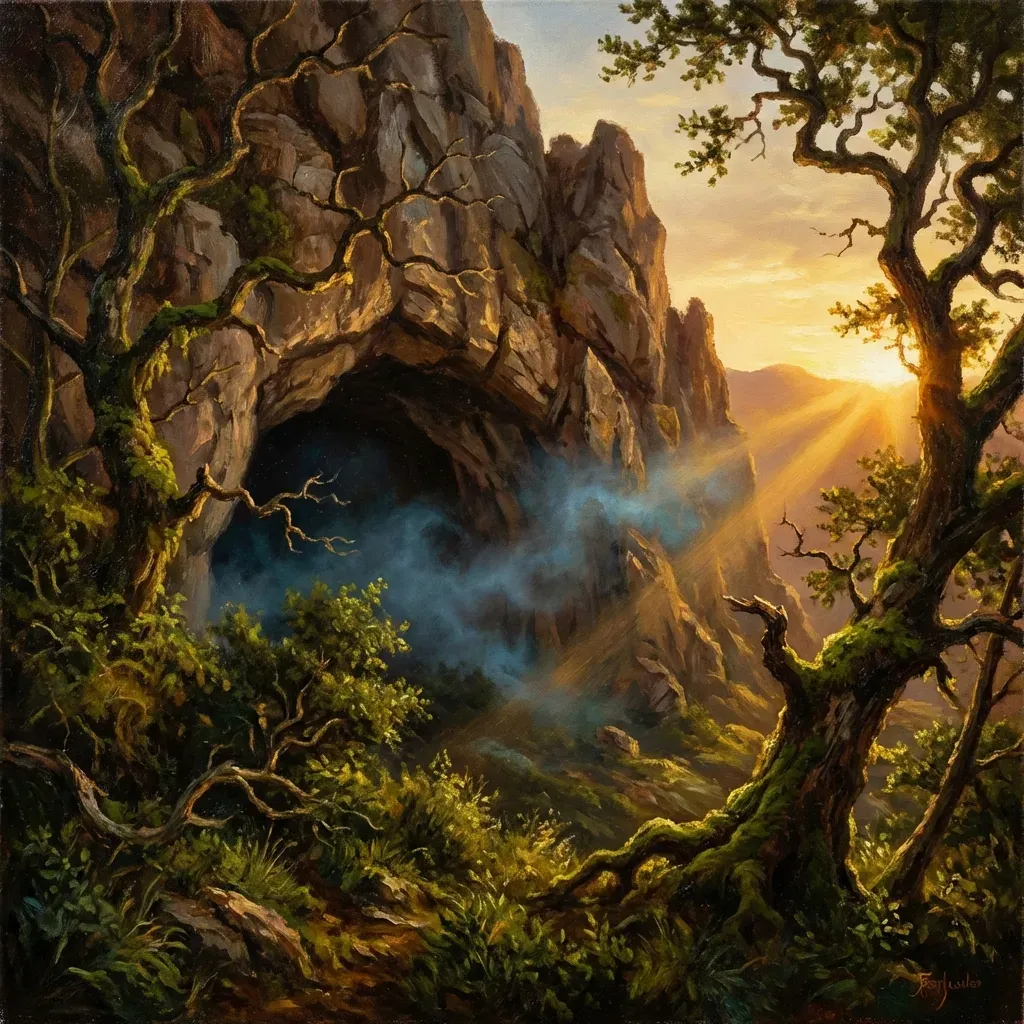
Fields where farmers follow lunar cycles for sowing and harvest.
The name Ilargi means "light of the dead" in Basque: hil, dead, plus argi, light. She is considered the daughter of Amalur and the sister of Eguzki, the Sun.
Ilargi guides the souls of the dead on their night journey. Her phases mark the cycles of sowing and harvest, and her light was regarded as sacred in Basque funerary rites.
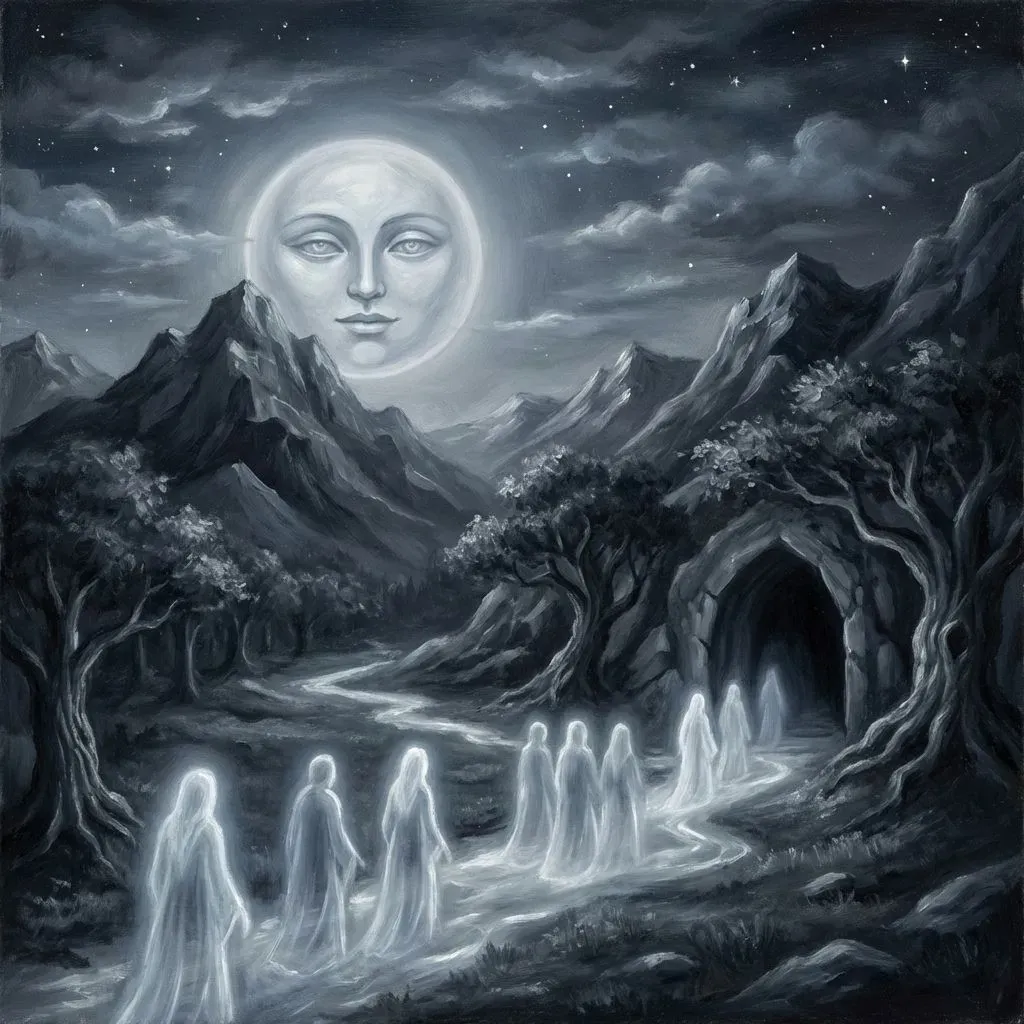
Why souls follow Ilargi’s light on their journey to the afterlife.
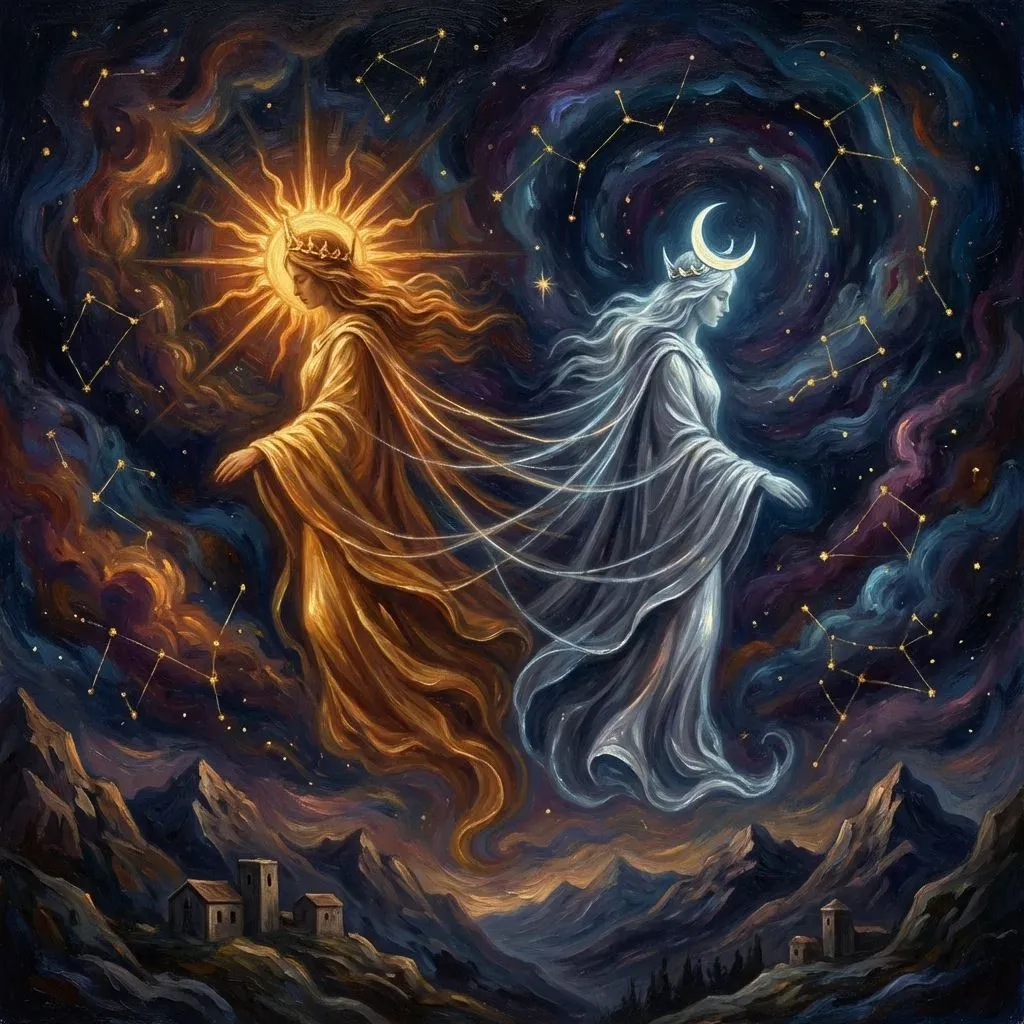
The relationship between Eguzki and Ilargi, Amalur’s twin daughters.
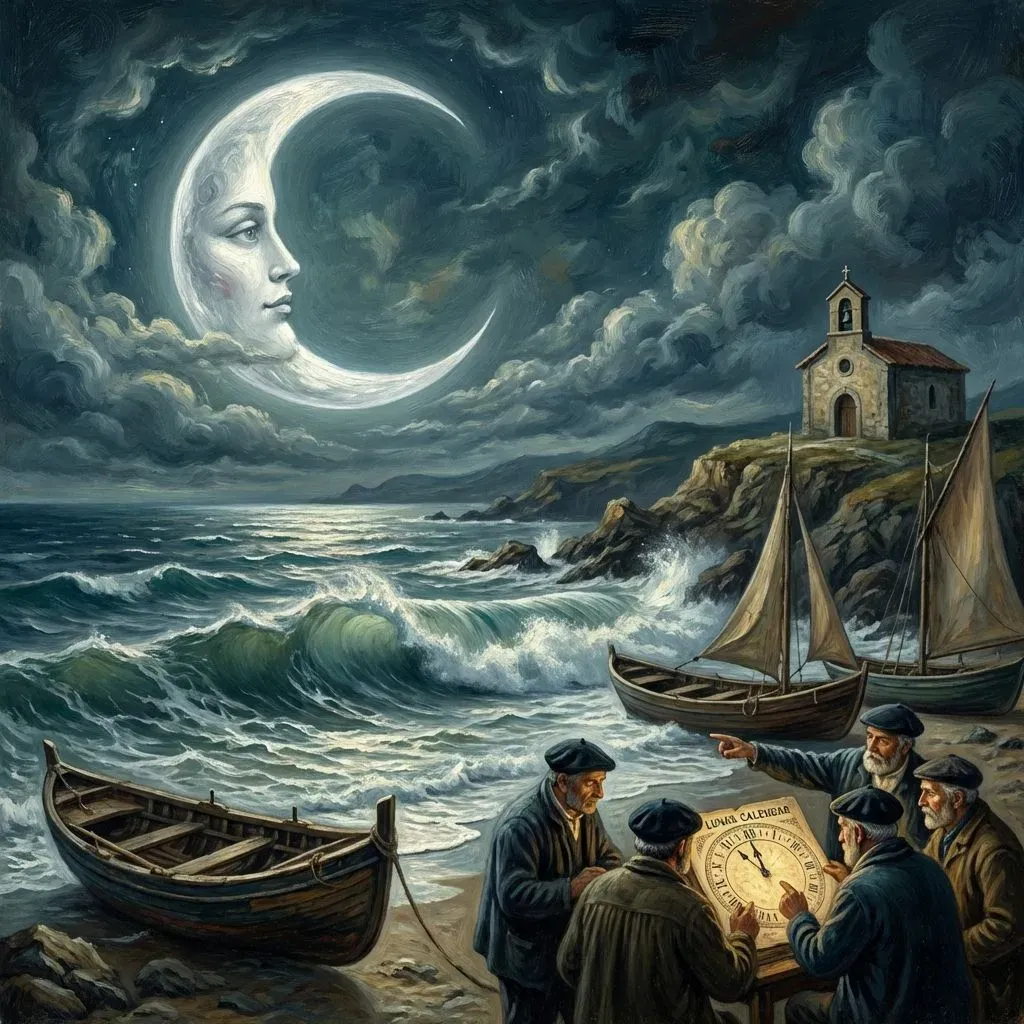
How Basque fishermen learned to read Ilargi’s movements.
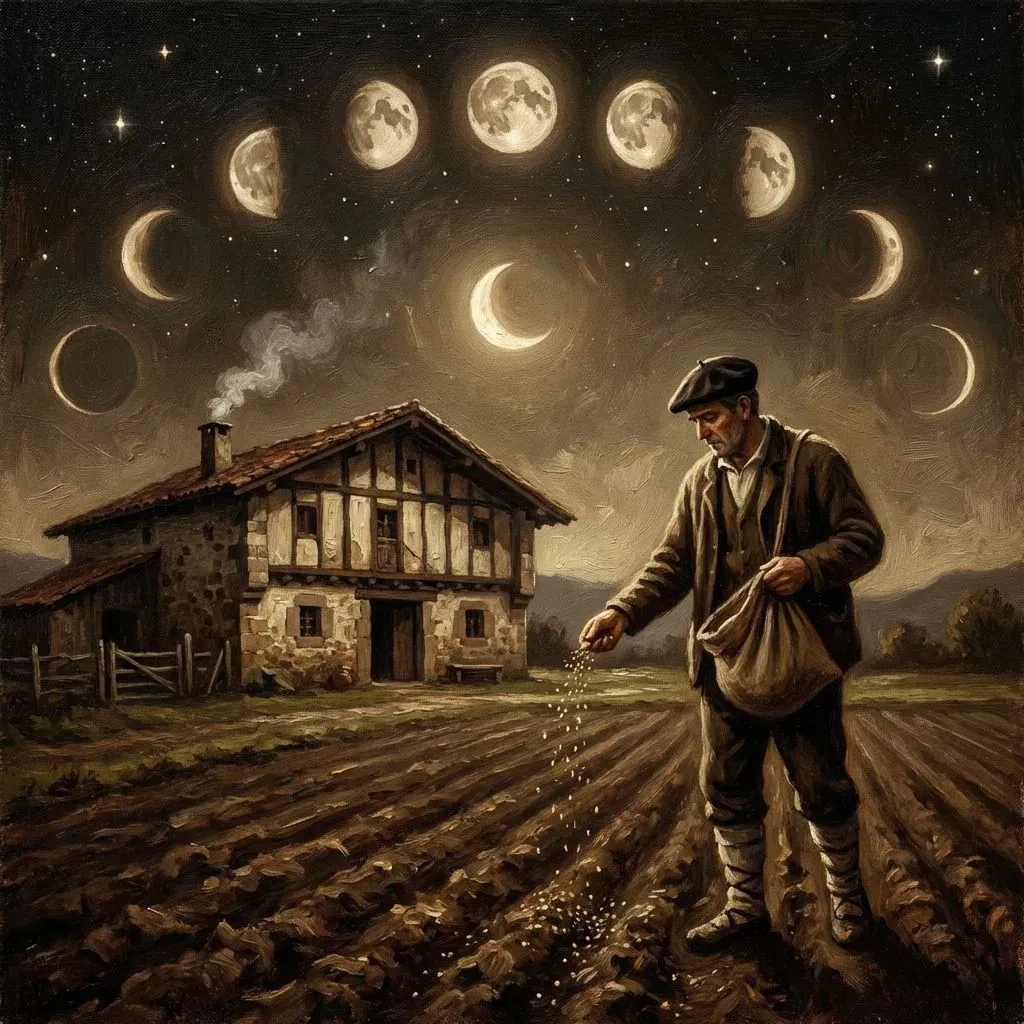
Farming traditions based on Ilargi’s lunar cycles.
Ilargi belongs to the oldest layer of Basque mythology and can be understood as the moon as the light of the night and of the dead.
Its stories are closely tied to souls, time, tides and the agricultural calendar.
Again and again the tradition returns to night, phases, memory and transition.
Rather than a decorative figure, Ilargi helps explain how the Basque world understood danger, order and sacred space.