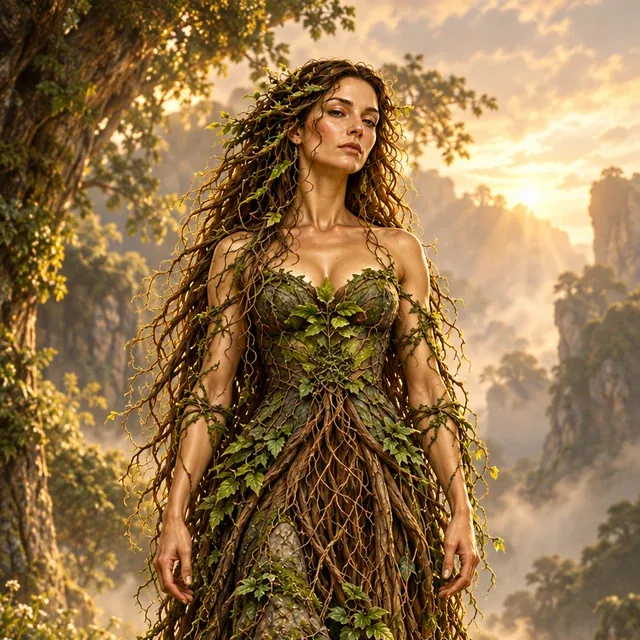
Amalur
Mother Earth, the primal source of life in Euskal Herria. All beings are born from her and return to her at death. She embodies the sacred bond between the Basque people and their land.
Ancient deities who govern the elements, nature and destiny in the worldview of Euskal Herria.
The Basque pantheon represents one of the oldest religious traditions in Europe, predating Christianity and rooted in beliefs that reach back to prehistory. Unlike many other mythologies, the Basque system revolves around a supreme female divinity: Mari, the mother goddess who dwells in mountain caves and governs storms and the forces of nature. Her consort, Sugaar, the serpentine spirit of fire and thunder, embodies the complementary masculine principle.
Important note: Unlike the closed pantheons of classical mythology, Basque mythology does not have a fixed hierarchy of gods. The sources are diverse, ranging from oral tradition and local legends to ethnographic studies, and they often vary by valley, village or author. For that reason, we will keep expanding and refining these pages as new research and testimonies are added.
Alongside these major divinities, the Basque pantheon also includes Urtzi or Ortzi, a possible sky god; Eki (the Sun) and Ilargi (the Moon), often understood as children of the Earth; and Amalur, Mother Earth herself, from whom all beings emerge. These deities did not require temples or organized priesthoods: the mountain, the cave and the hearth were their sacred spaces.
Mother Earth, the primal source of life in Euskal Herria. All beings are born from her and return to her at death. She embodies the sacred bond between the Basque people and their land.
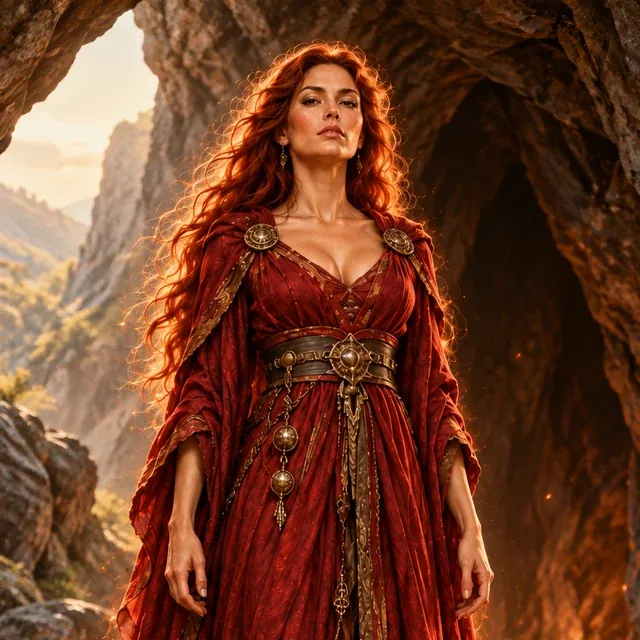
Supreme lady of caves and peaks, ruler of storms and justice. She dwells in Anboto, Txindoki and Aizkorri according to the season. She punishes lies, theft and broken promises.
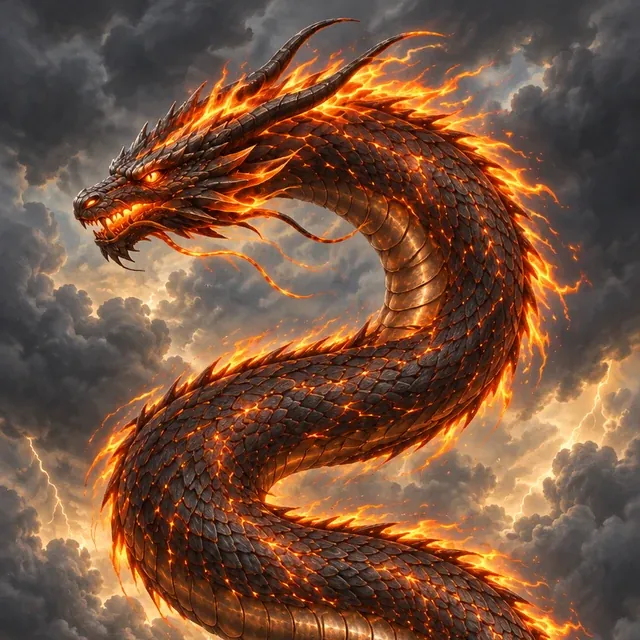
Serpentine spirit of fire and the celestial consort of Mari. When the two meet in the heights, storms break loose. He crosses the sky like a dragon of fire announcing tempests.
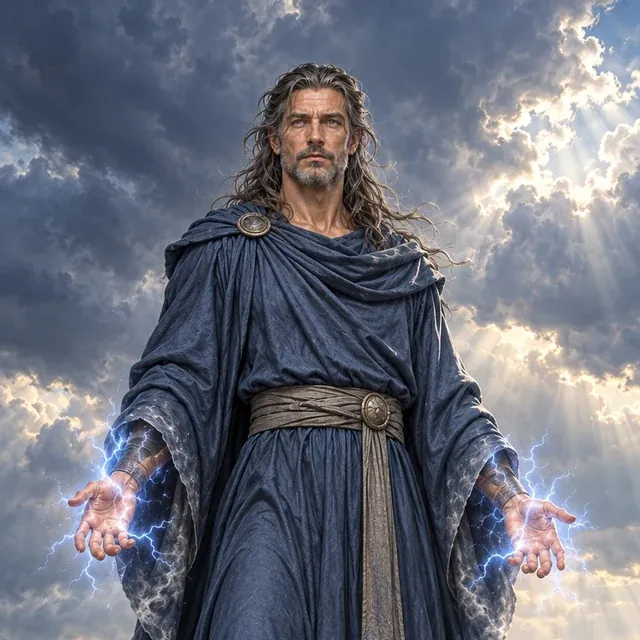
Ancient god of the sky whose name survives in words such as "ostirala" (Friday). His voice is the thunder that rolls across Basque valleys. He represents the celestial vault and atmospheric power.
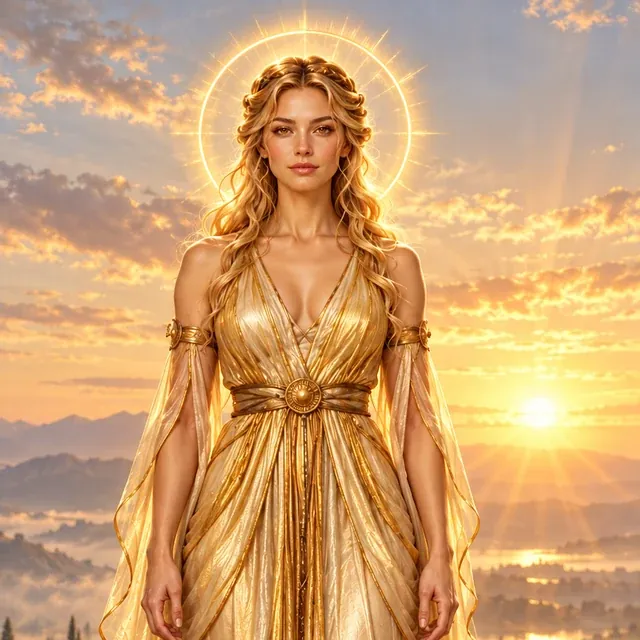
The Sun, child of Amalur and protector against the beings of the night. Its flower, the eguzkilore, is placed on doors to ward off evil. It marks the boundary between the living world and the shadows.
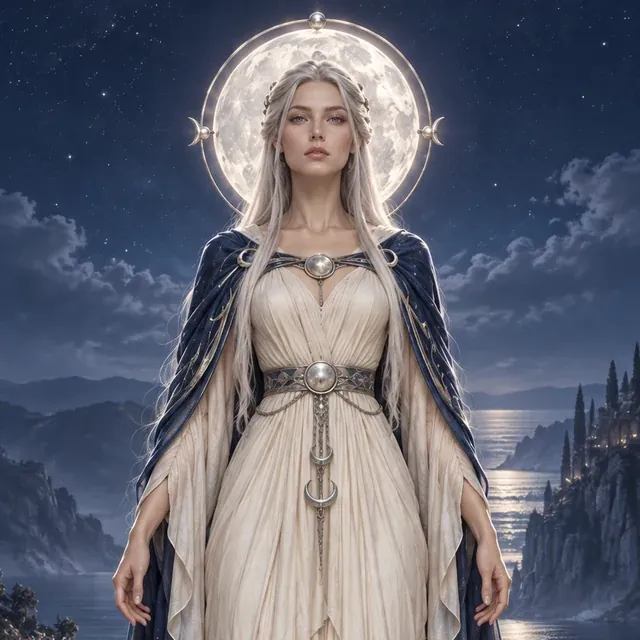
The Moon, sister of the Sun, guide of the dead on their path to the beyond. She governs sowing cycles, harvests and Cantabrian tides. Her silver light illuminates wandering souls.
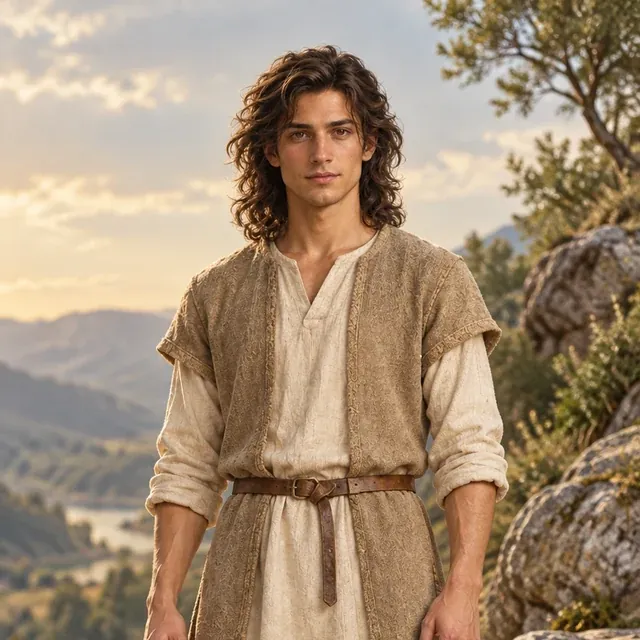
Radiant son of Mari, embodying goodness and ancestral wisdom. He escaped his mother's cave through wit and intelligence. He represents moral order and harmony with nature.
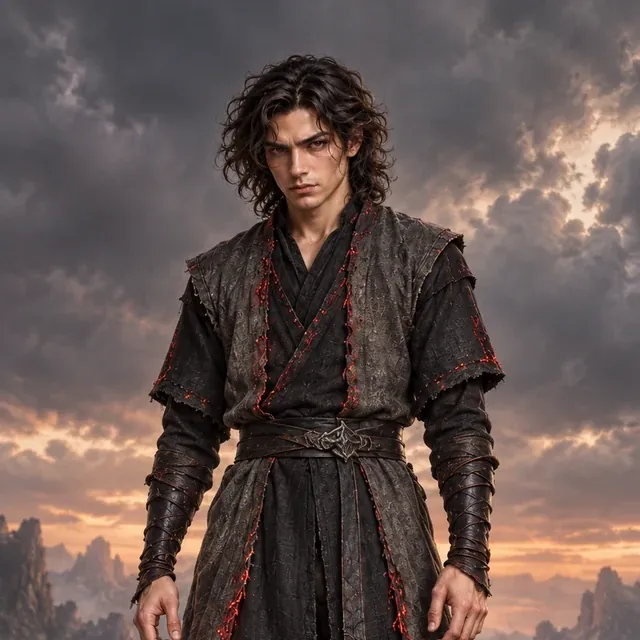
Dark brother of Atarrabi, embodying chaos and transgression. He remained trapped in Mari's cave because of his perverse nature. He symbolizes destructive forces that threaten balance.
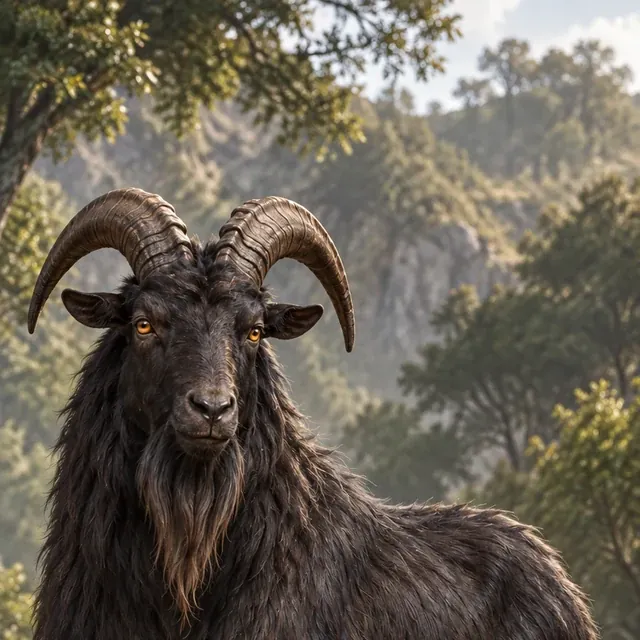
The black he-goat, protector of livestock in Basque farmsteads. His presence in the stable wards off disease and malevolent forces. He stands between protective numen and sabbath symbol.