Mari's cave
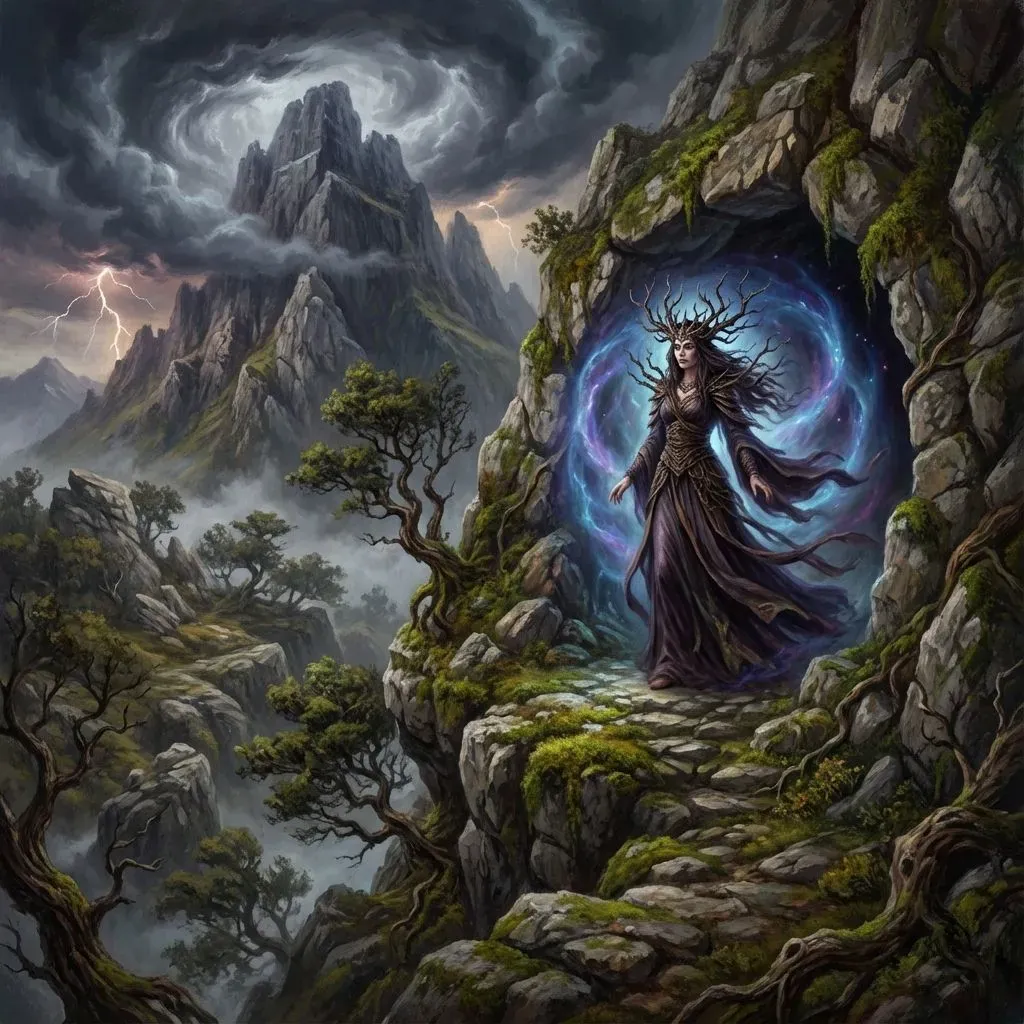
The eternal prison of Mikelats, where he remains chained by his mother.
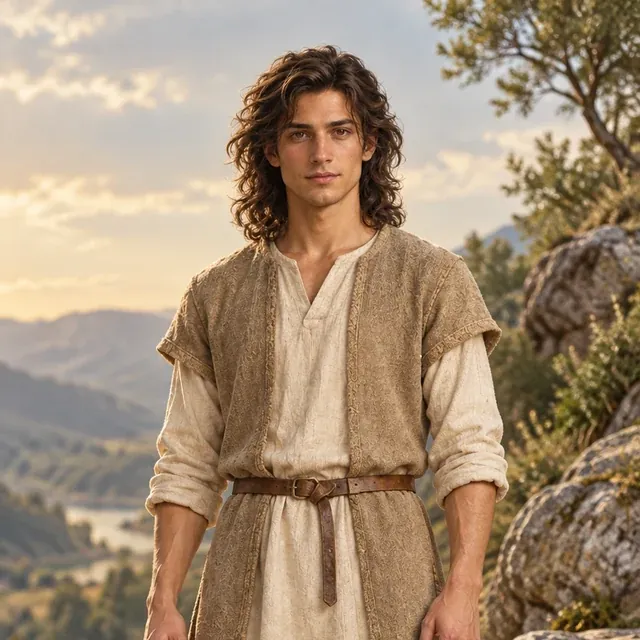
Dark brother of Atarrabi
Mikelats is the dark brother of Atarrabi, son of Mari and Sugaar, and represents chaos and transgression within the Basque pantheon. He remained trapped forever in his mother's cave, bound to the subterranean side of the world.
He symbolises the destructive forces that threaten the natural balance of the cosmos. Yet his existence is necessary to maintain cosmic duality, where order only makes sense because disorder is also possible.
The eternal prison of Mikelats, where he remains chained by his mother.
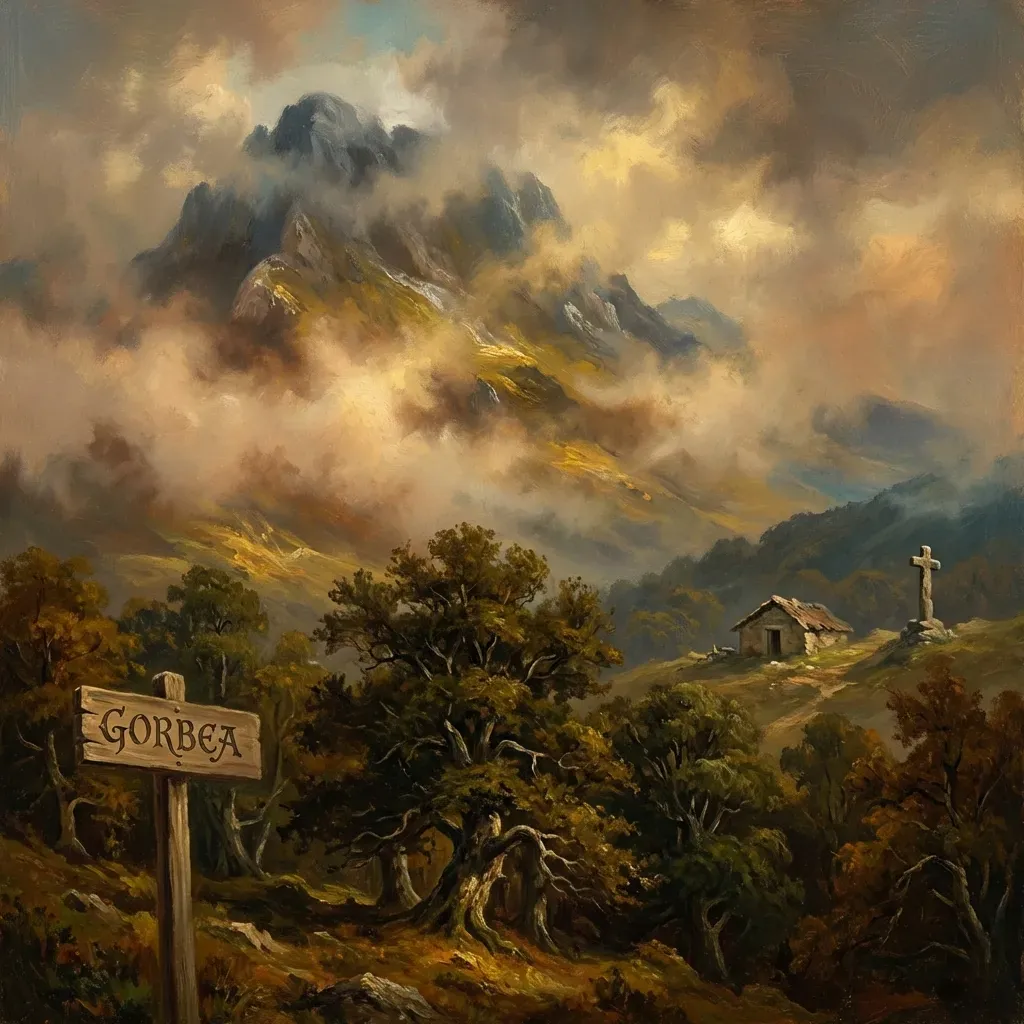
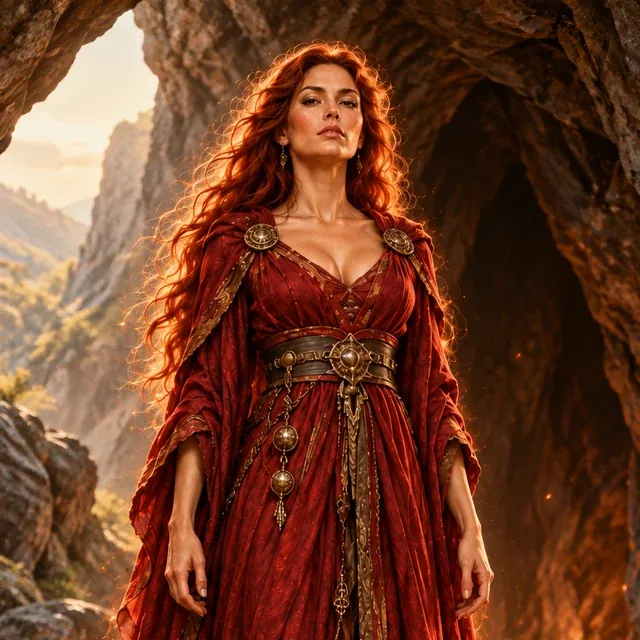
Mari's dwelling, where the separation of the twins took place.
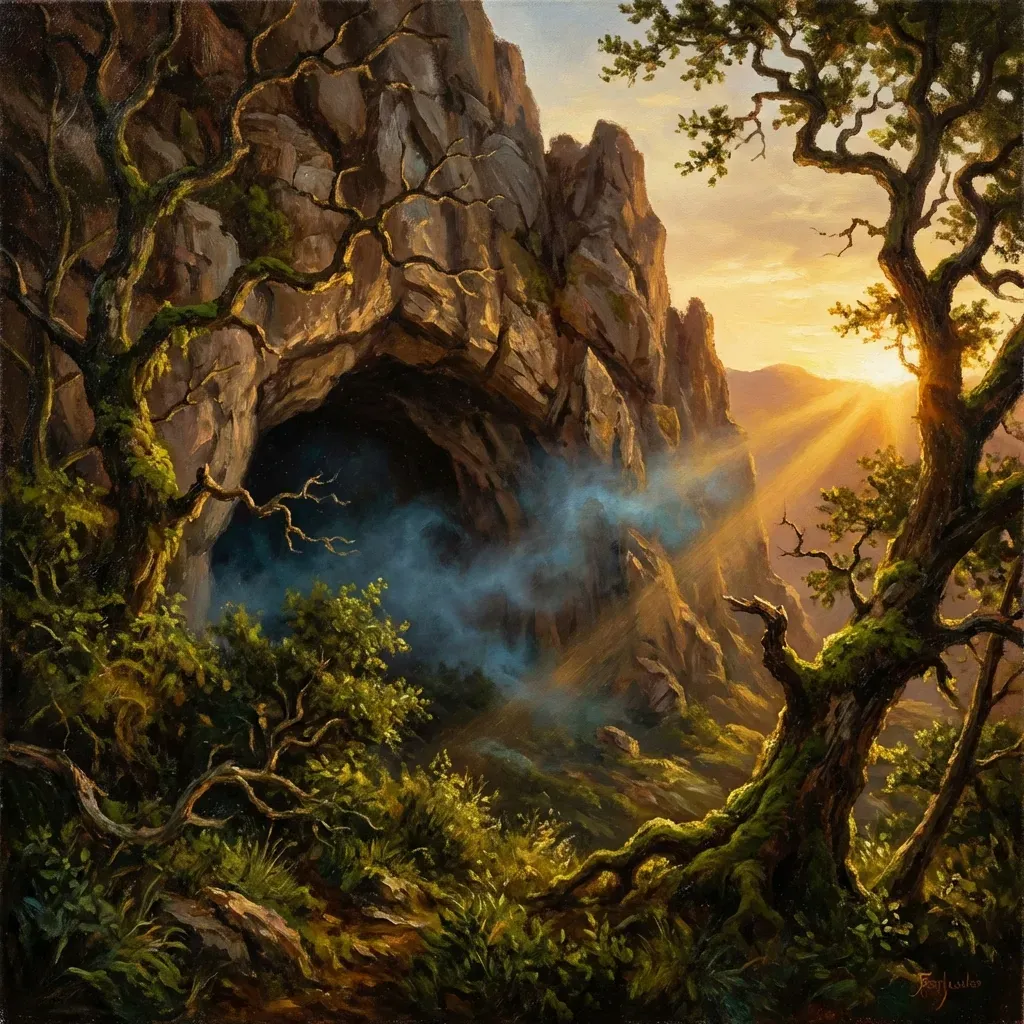
Caves where Mikelats exerts his dark influence on the world.
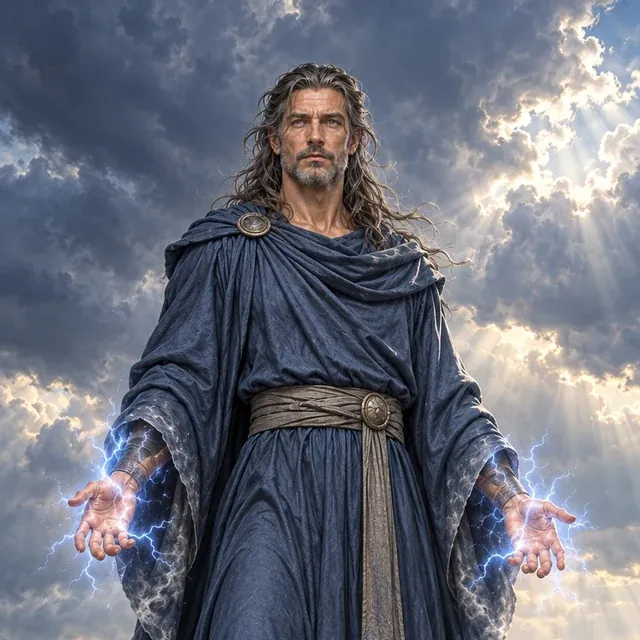
The name Mikelats survives in the myth of the twin sons of Mari and Sugaar. He represents the disturbing and destructive side of the cosmic order.
Mikelats belongs to the oldest layer of Basque mythology and can be understood as the dark twin of chaos and destructive weather.
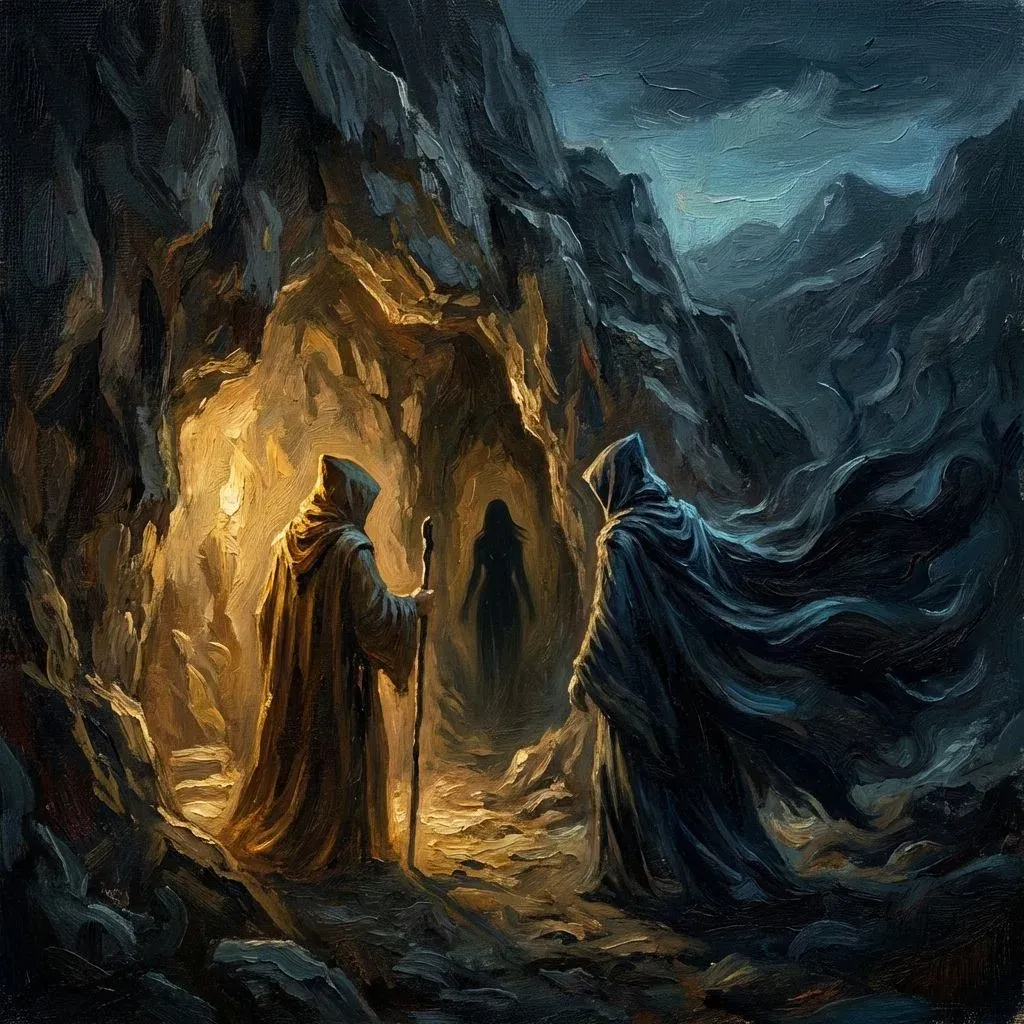
Why Mikelats remained in the cave while Atarrabi escaped.
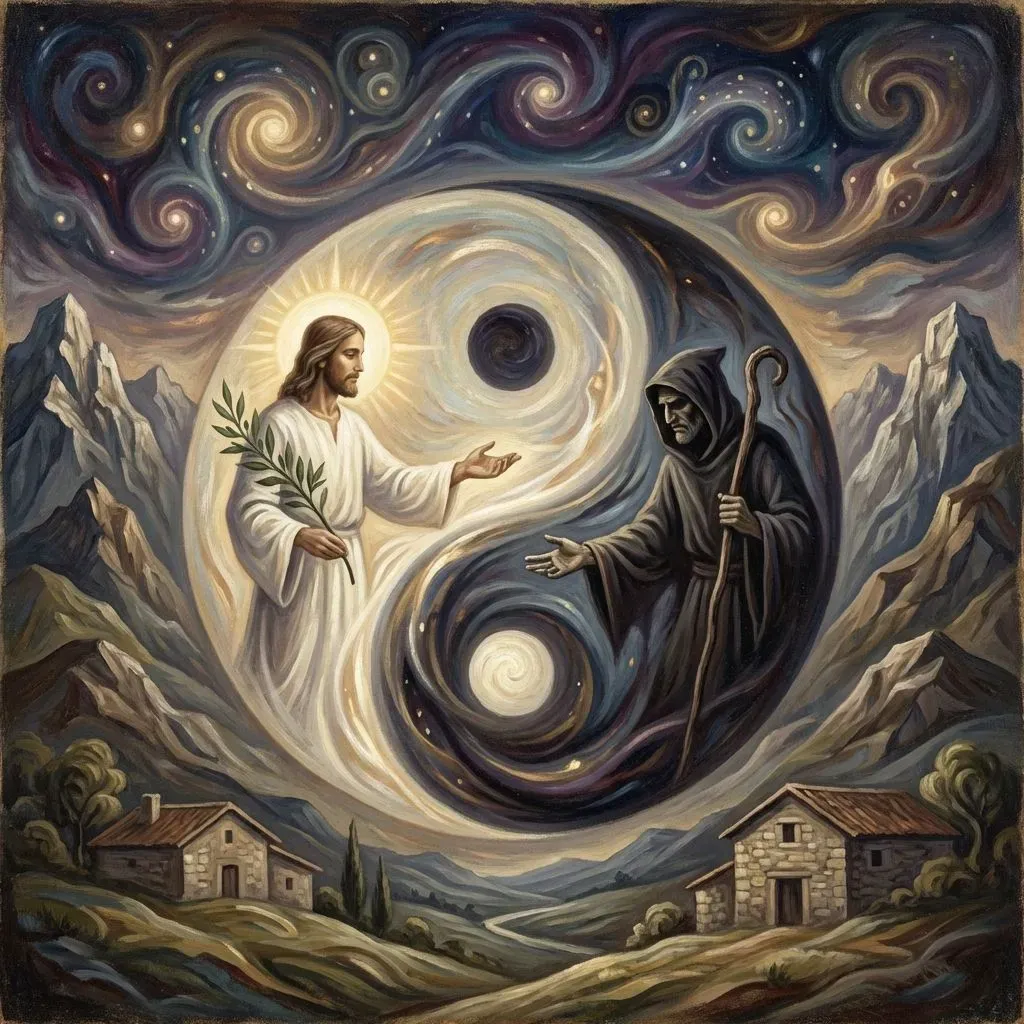
Its stories are closely tied to storms, hostility and the dangerous side of hidden knowledge.
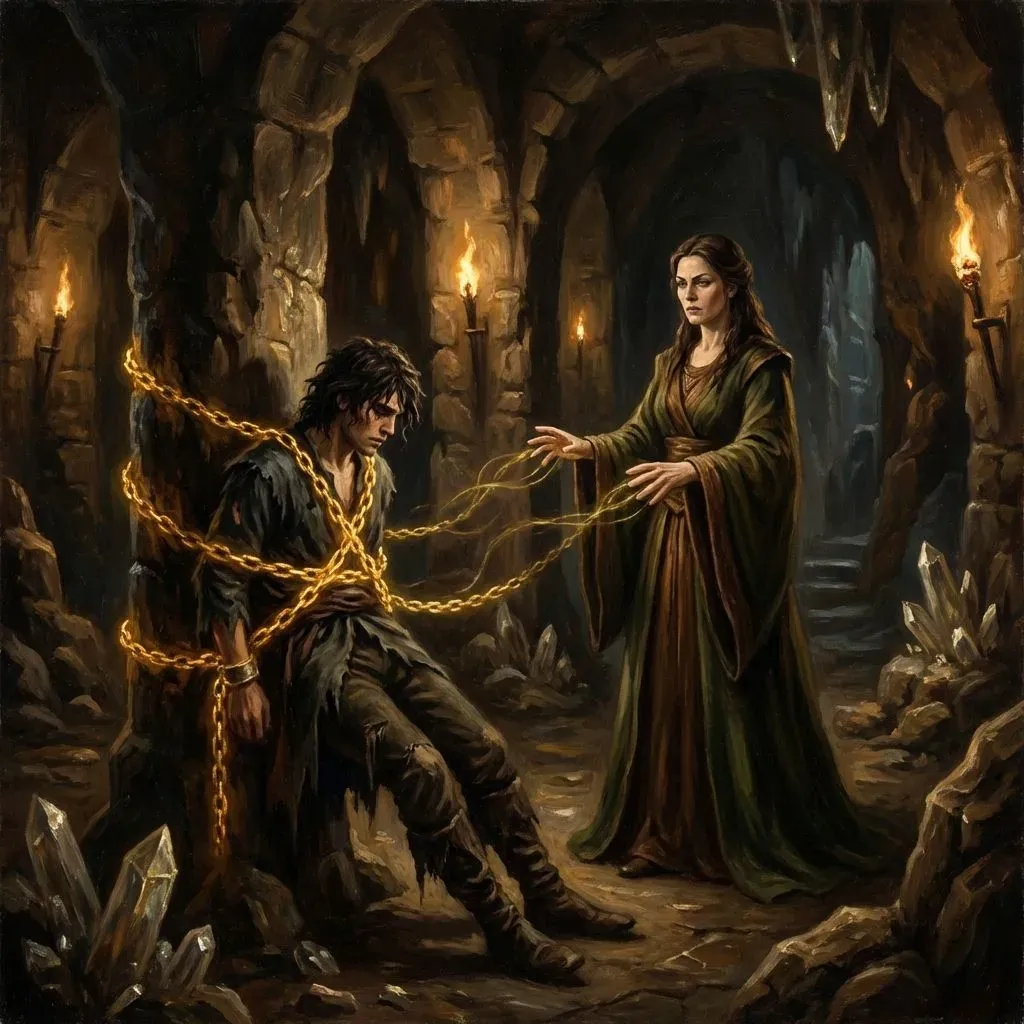
Again and again the tradition returns to duality, captivity, hatred and imbalance.
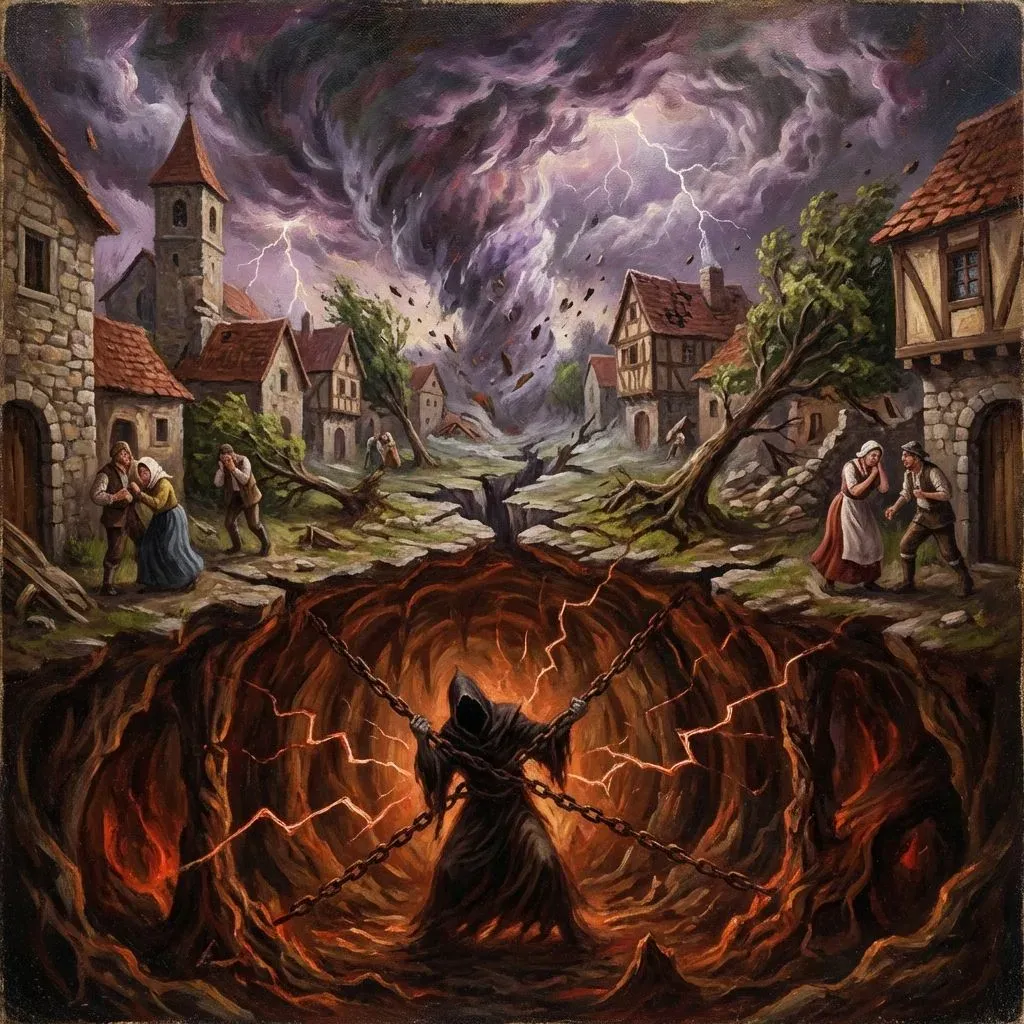
Natural phenomena attributed to Mikelats’s anger from his prison.
Rather than a decorative figure, Mikelats helps explain how the Basque world understood danger, order and sacred space.
In many versions, Mikelats marks a frontier between what belongs to human life and what must remain respected from a distance.
That is why the tales about Mikelats often combine fear, wonder and moral instruction in the same narrative movement.
The figure also preserves an older way of reading the landscape, where mountains, houses, storms or caves are never neutral settings.
Through Mikelats, myth gives shape to forces that cannot be seen directly but can still be felt in weather, place, memory and ritual.