Teodosius of Goñi
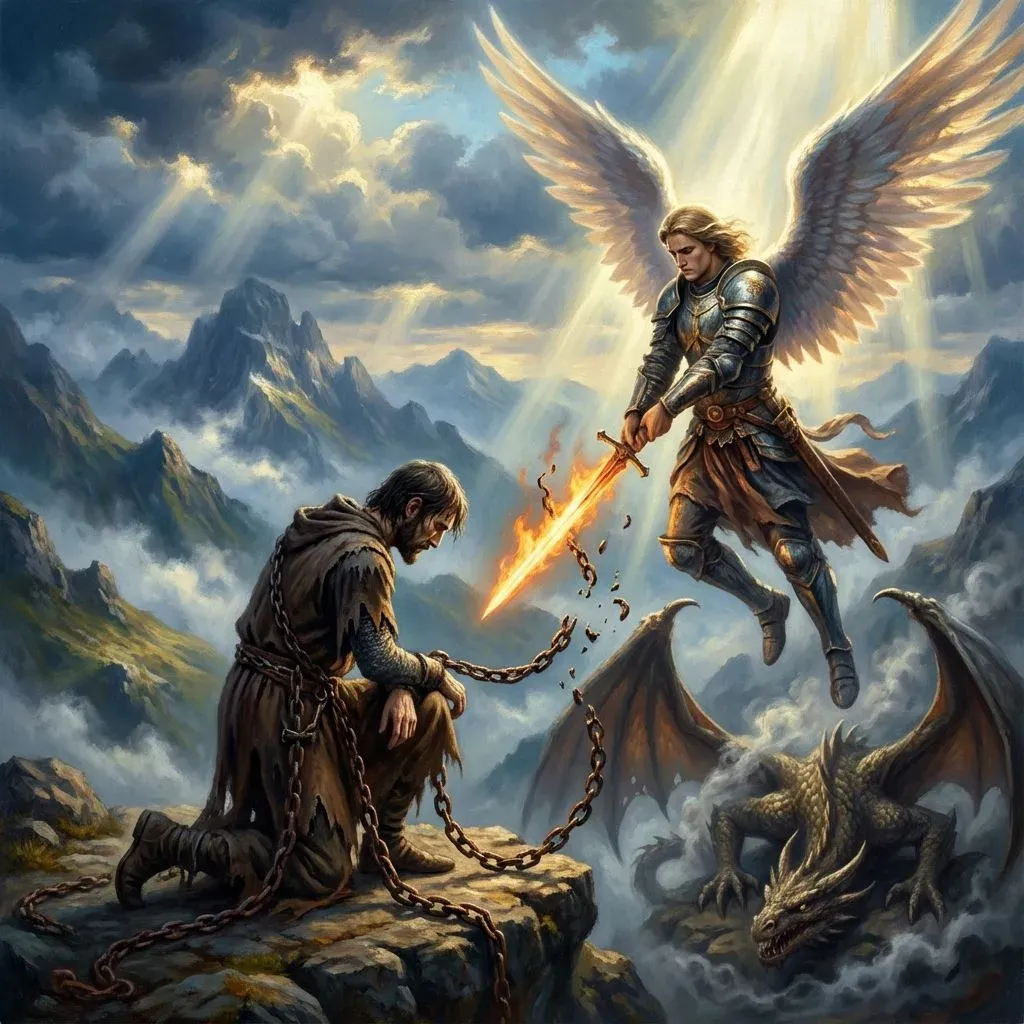
The Navarrese knight who, deceived by the devil, committed parricide and wandered in chains until Saint Michael freed him at Aralar.
— Bizkaia —
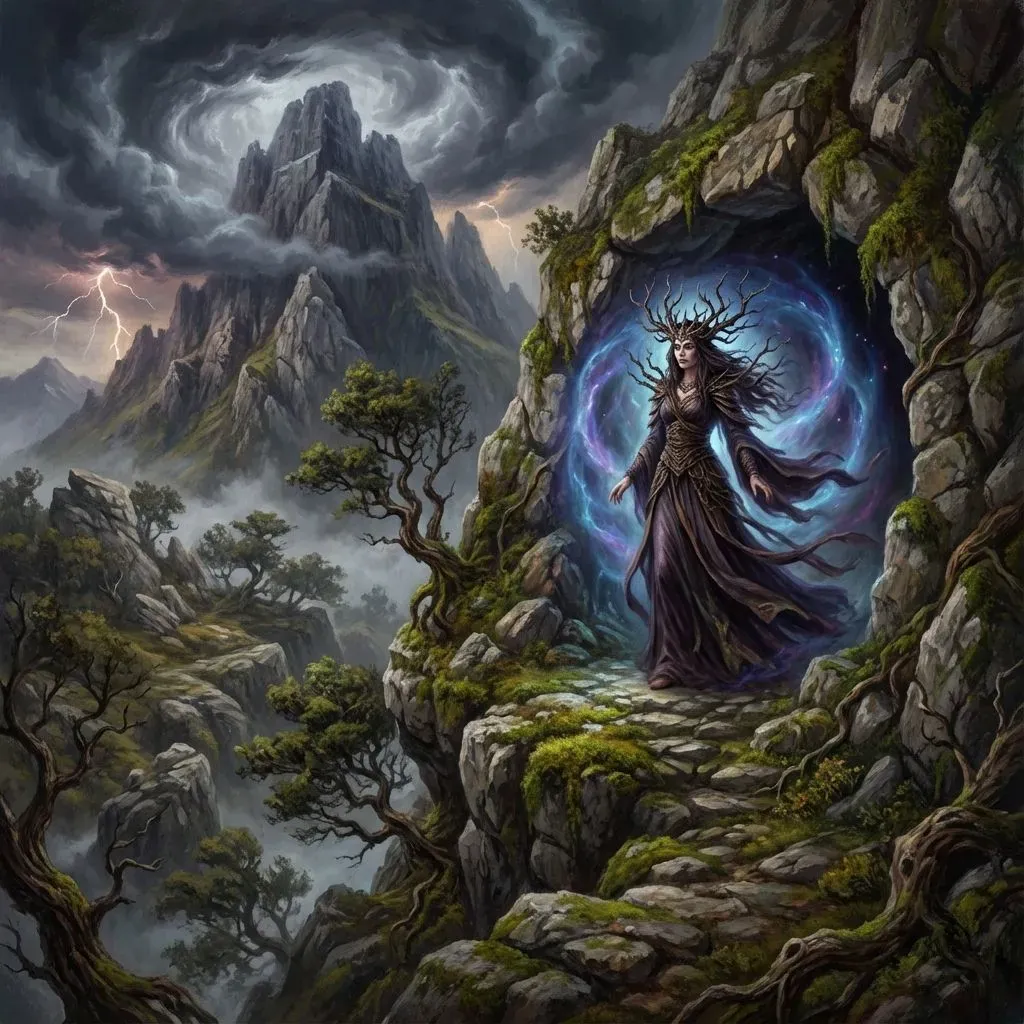
Anboto is the most sacred mountain in Basque mythology and the legendary dwelling of Mari, the mother goddess who rules the forces of nature. Its rocky silhouette dominates the Urkiola range and turns the summit into one of the great symbolic landscapes of the Basque world.
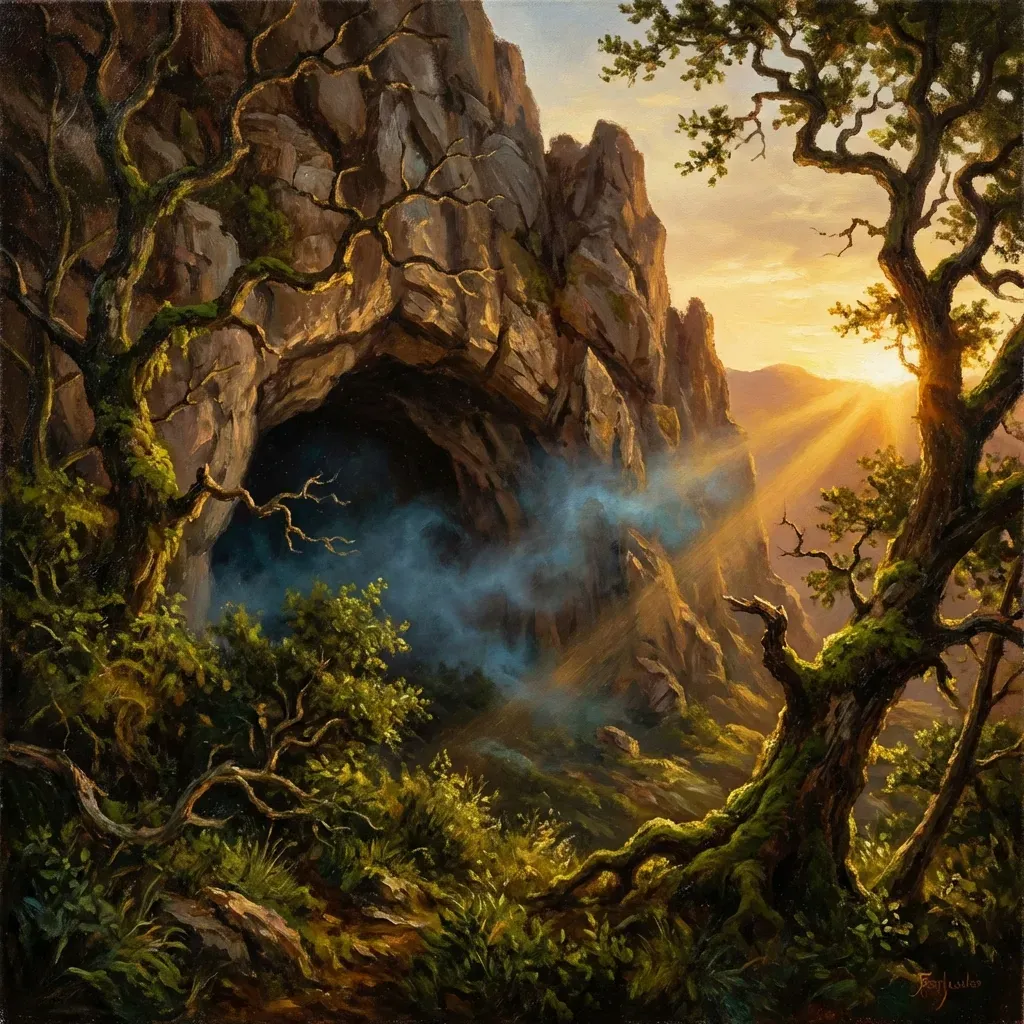
According to tradition, Mari lives in a cave near the summit, from where she governs storms, winds and changes in the weather. When the goddess leaves her dwelling to travel to other mountains, popular belief says the sky darkens and rain announces her passage.
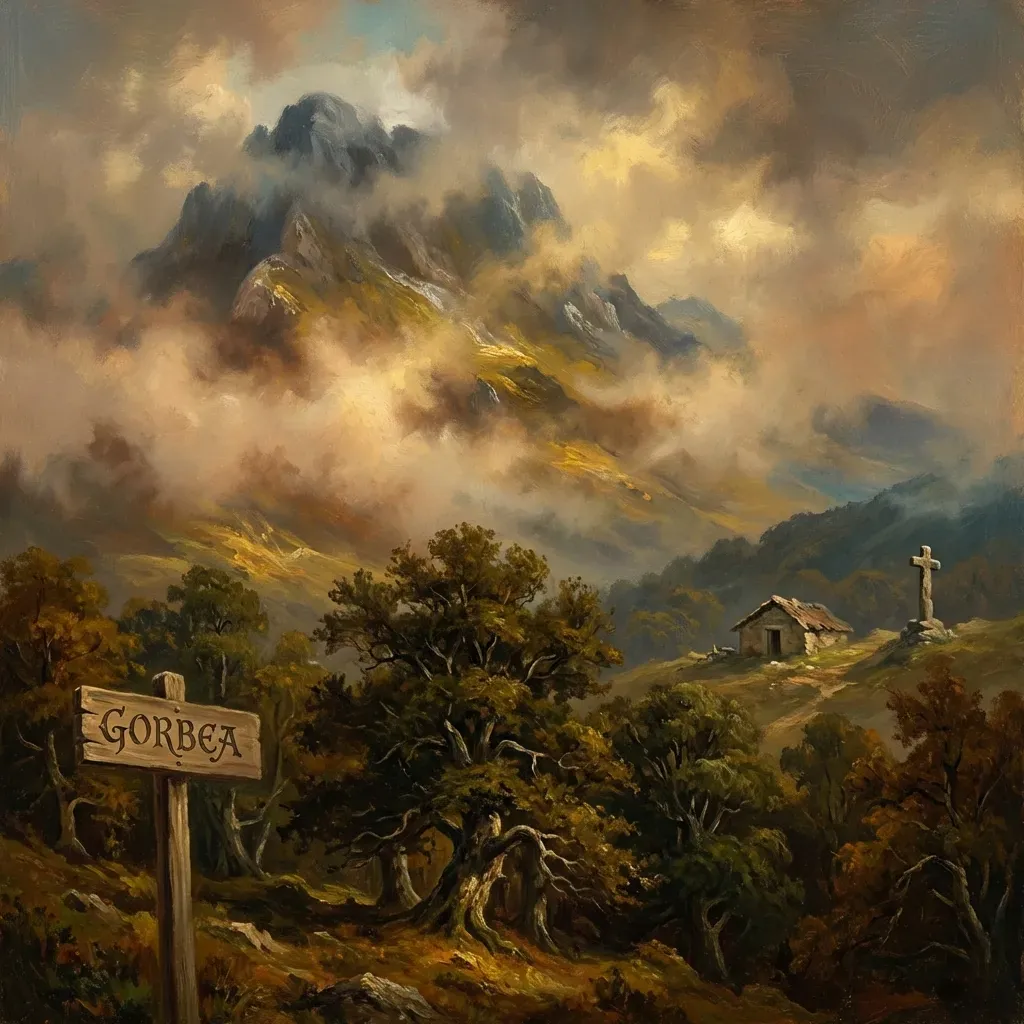
The ascent to Anboto is one of the most iconic mountain routes in the Basque Country. The trail crosses beech forests, limestone ridges and high meadows, combining dramatic scenery with the powerful feeling of walking through a place charged with myth.
The mountain still preserves an aura of mystery that goes far beyond landscape alone. The names of its sites ? Supelegor, Jentilzubi, Atxulo ? evoke legends of giants, witches and mythical beings that continue to shape the imagination of the massif.
The Navarrese knight who, deceived by the devil, committed parricide and wandered in chains until Saint Michael freed him at Aralar.
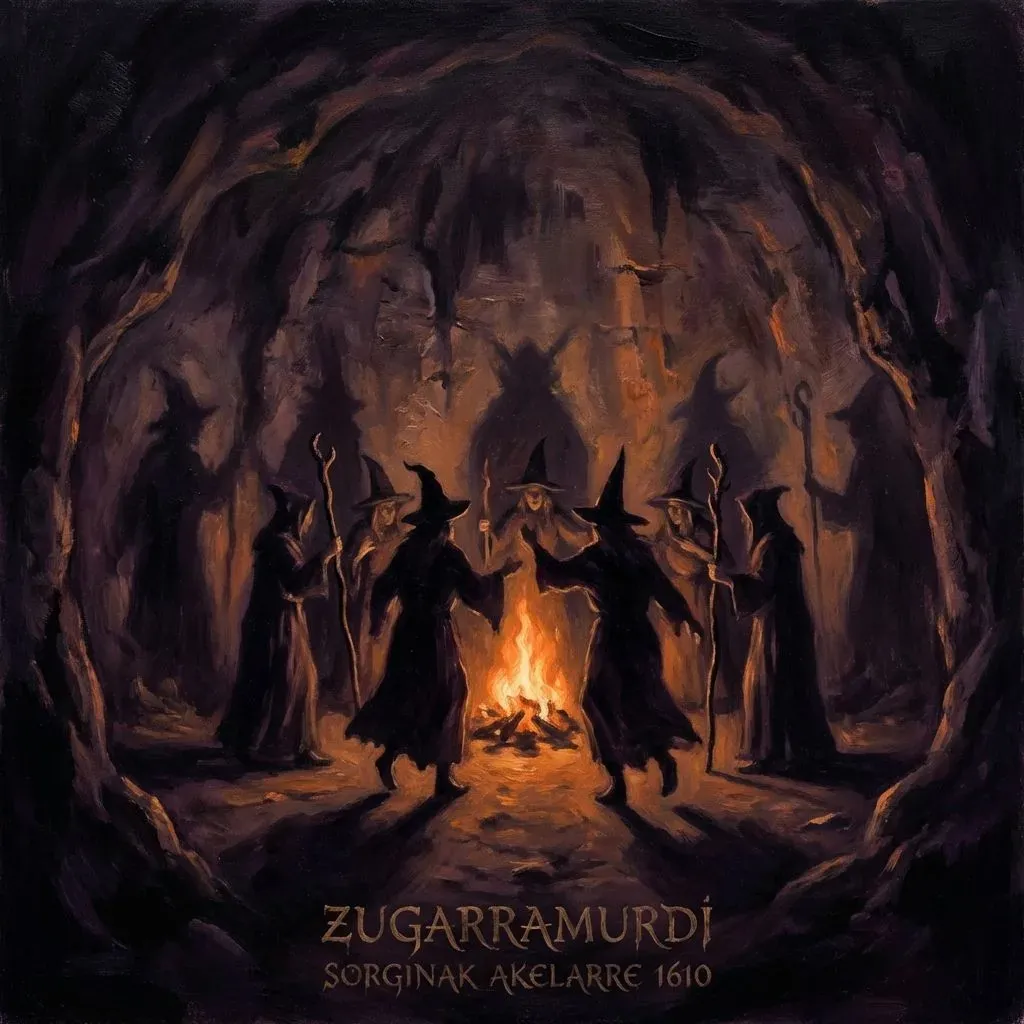
The famous inquisitorial trial of 1610 against the Navarrese witches who held akelarres in the sacred cave.
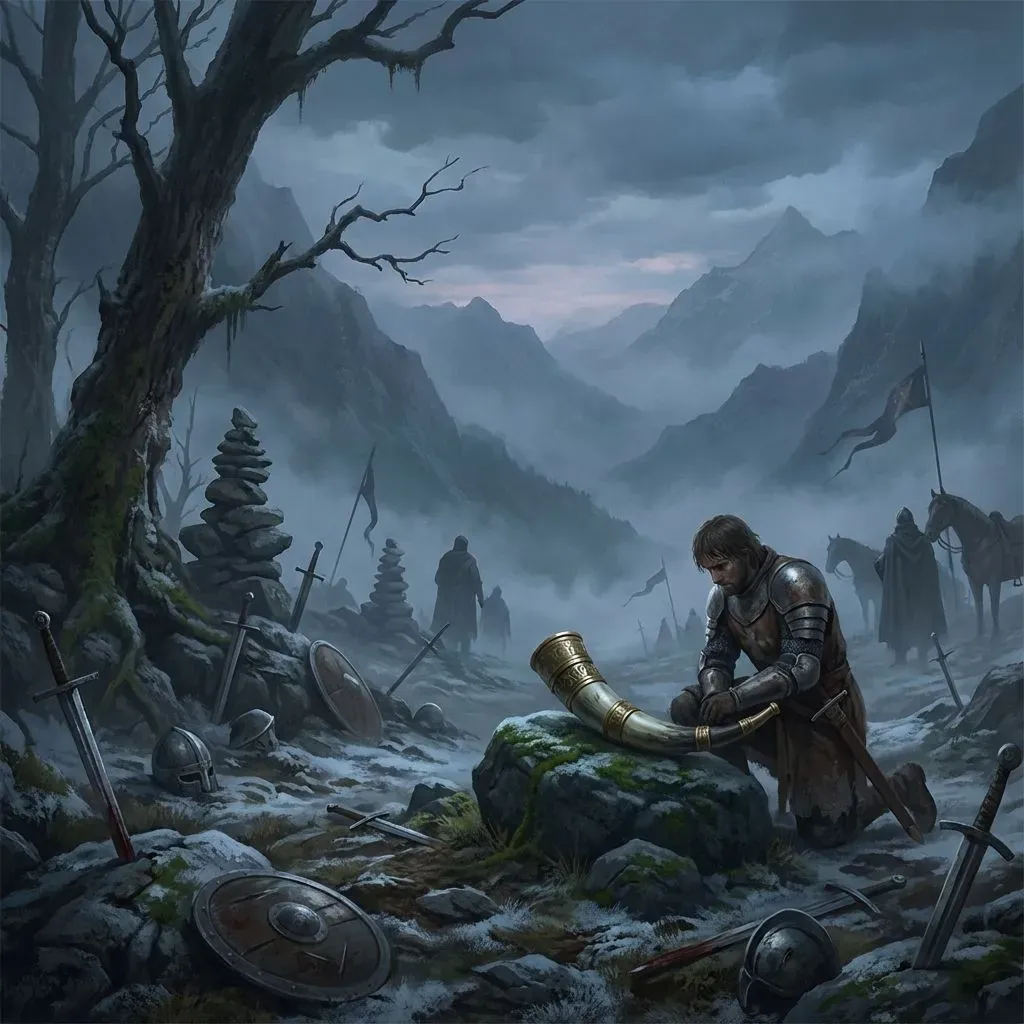
The Basque ambush against Charlemagne's army in the Pyrenean pass where the legendary Roland fell.
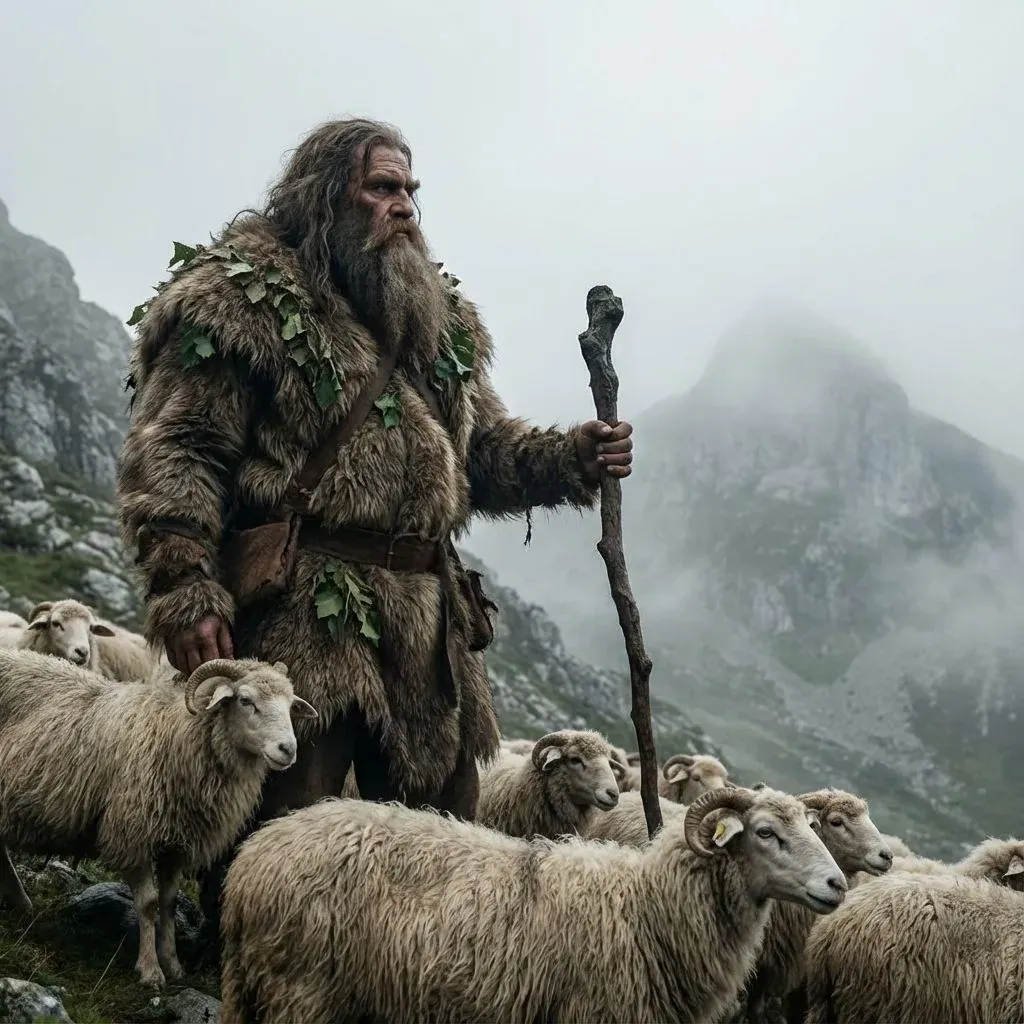
The shaggy giant who lives in the forests, protector of flocks and guardian of the secrets of agriculture and the forge.
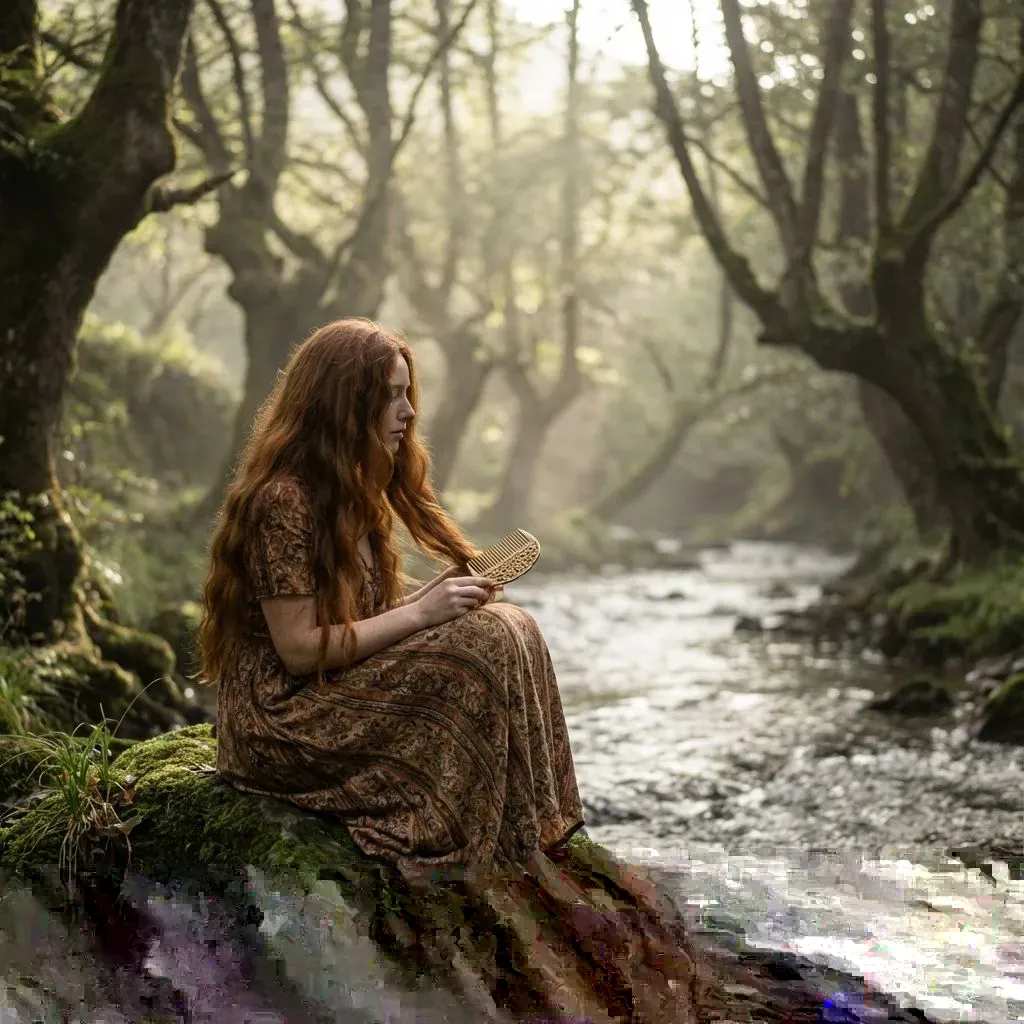
Seductive nymphs who dwell in rivers and springs, recognisable by bird feet or fish tails, combing their hair with golden combs.
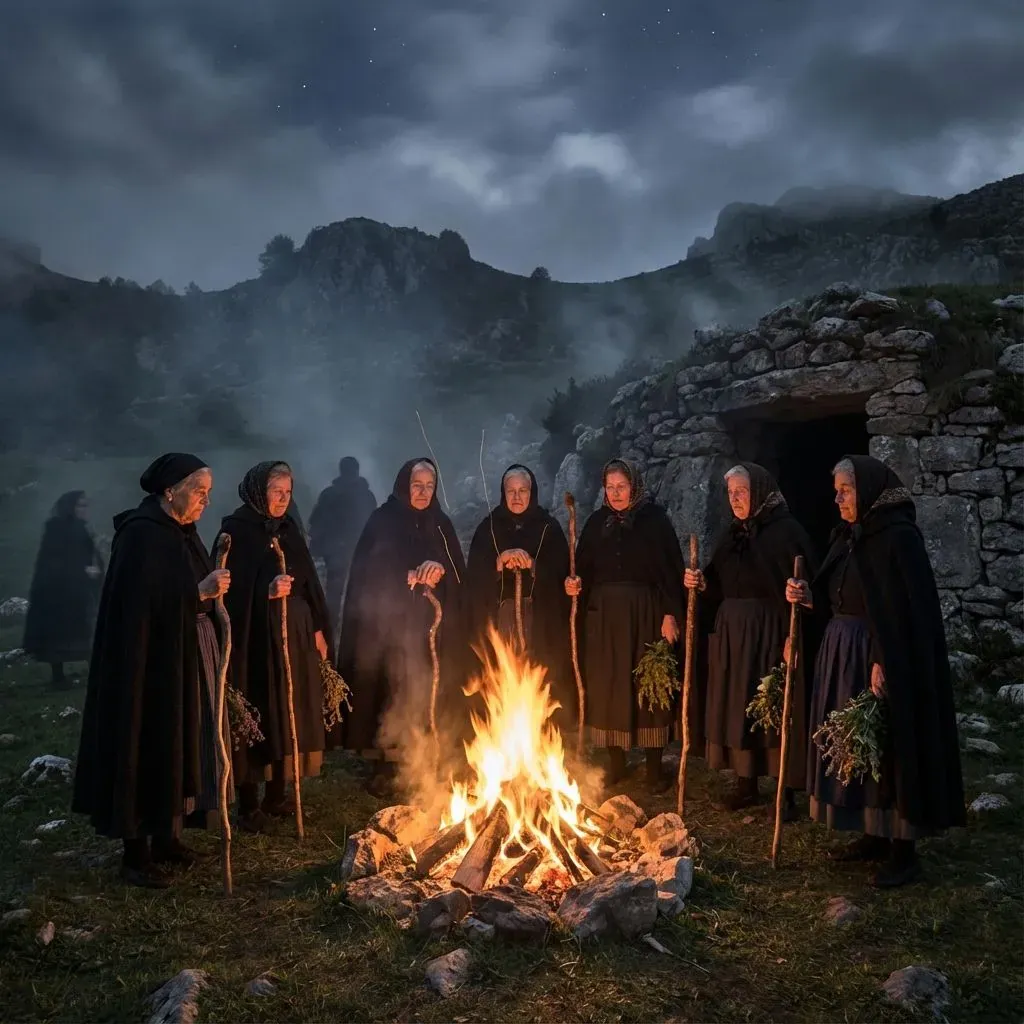
The Basque witches and wise women, priestesses of Mari who mastered potions, curses and the art of flying through the night sky.
Anboto is more than the highest mountain in Urkiola Natural Park or a popular weekend hiking destination. It is the geographical centre around which much of Basque mythology is organised: the spiritual point from which Mari governs the weather, and through which oral tradition has explained the lightning, storms and droughts shaping the territory’s agricultural life for centuries.
Over generations, shepherds in the surrounding upland pastures developed ways of reading the weather by watching clouds around the summit. When mist wrapped Anboto’s western flanks, rain would arrive within hours. When the goddess crossed the sky as a ball of fire, a change in the weather was imminent. These readings were empirical meteorology expressed in mythical language.
Supelegor, the cave described here on Anboto’s northern slope, is frequently cited as Mari’s dwelling in ethnographic accounts collected by Barandiarán and his colleagues. Older informants described a cave whose appearance changed according to visitors and their intentions: spacious and bright for honest people, dark and bewildering for intruders.
The ascent of Anboto via the Urkiola refuge is one of the Basque Country’s most varied mountain routes, combining dense beech woods, limestone ridges and views that, on clear days, reach the Bay of Biscay to the north and the Iberian System’s peaks to the south. Reaching the summit, where a cross marks the high point, also means reaching a place where geography and myth have spoken to each other for centuries.