Teodosius of Goñi
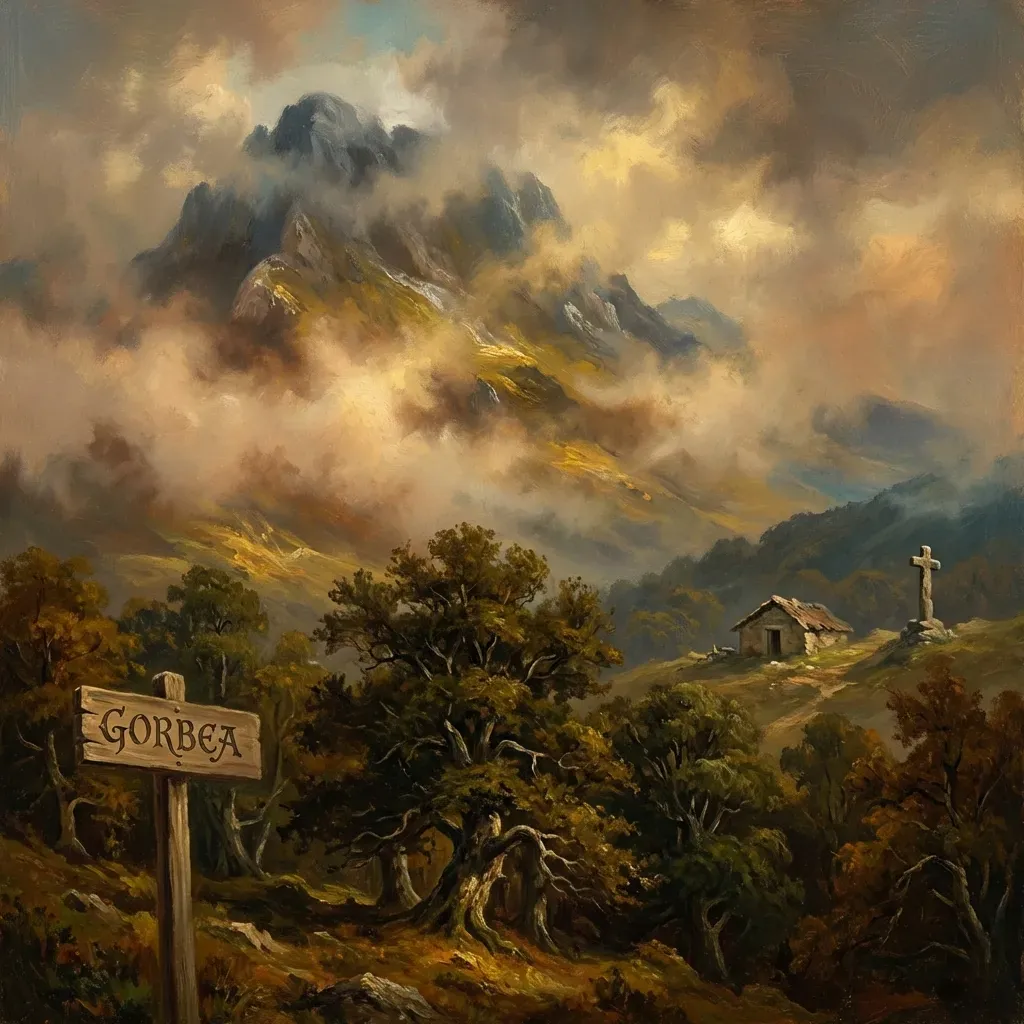
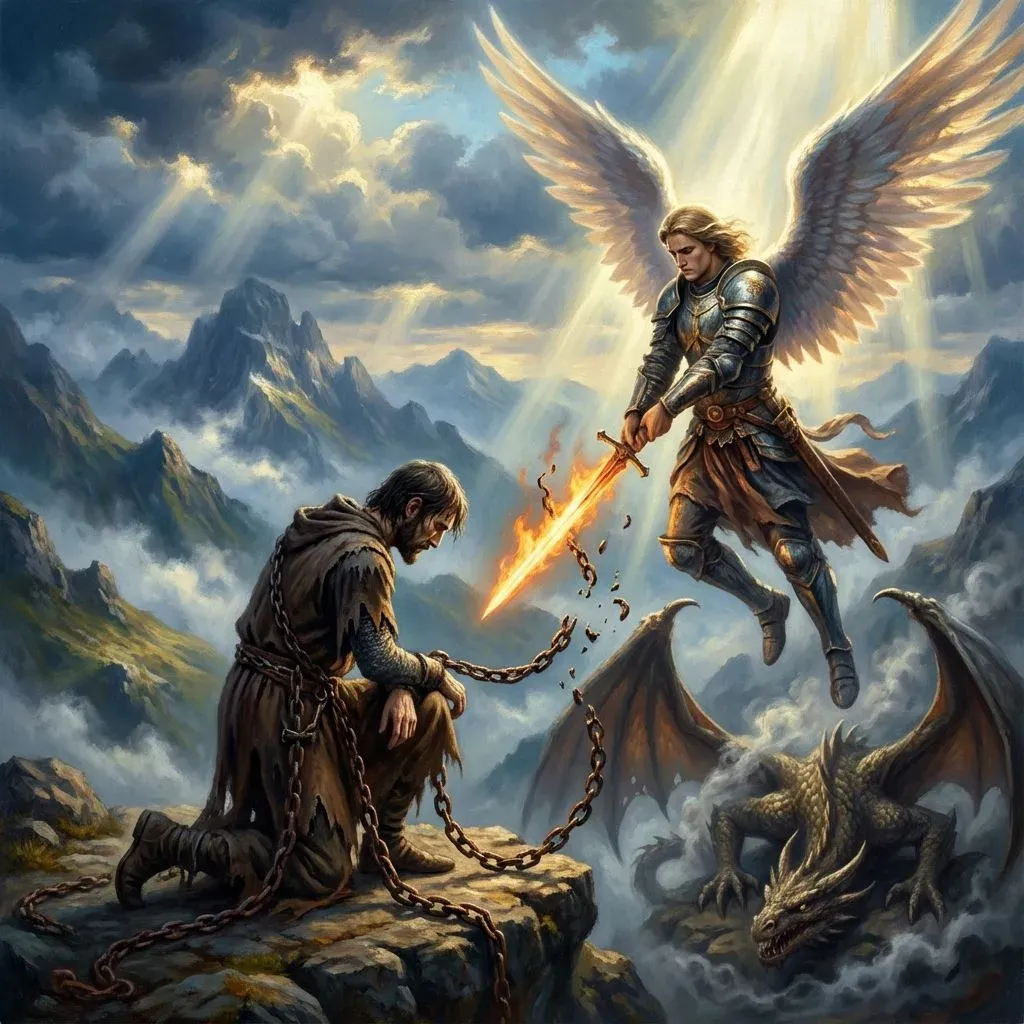
The Navarrese knight who, deceived by the devil, committed parricide and wandered in chains until Saint Michael freed him at Aralar.
— Bizkaia —
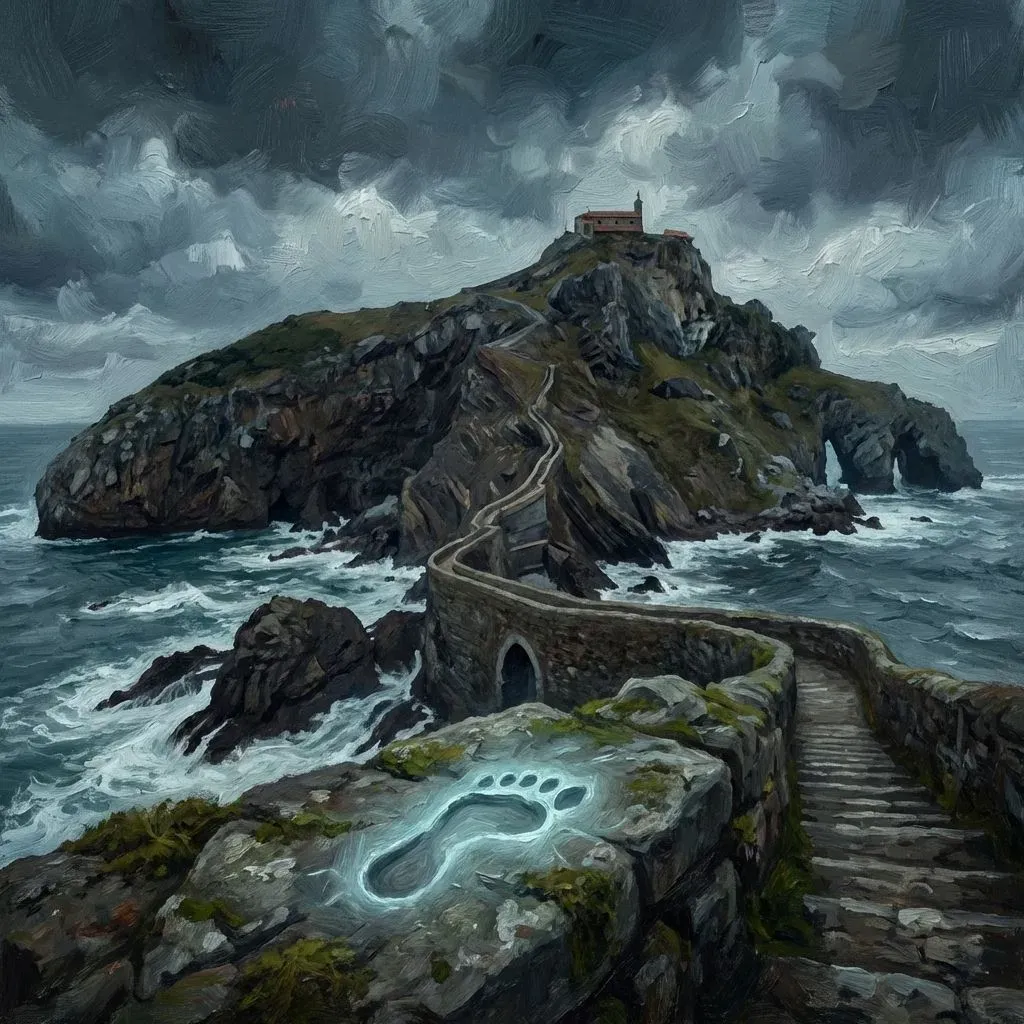
San Juan de Gaztelugatxe is one of the most iconic and most photographed landscapes in the Basque Country. This small hermitage, perched on a rocky islet linked to the coast by a long stone bridge and its stairway, has become a place where the sea, devotion and legend meet.
The history of the site goes back at least to the 10th century, when there was already an eremitic community in this rugged coastal setting. The name Gaztelugatxe is usually interpreted as "castle rock", a fitting image for this dramatic natural bastion rising above the Cantabrian Sea.
Tradition says the bell of the hermitage must be rung three times to make wishes come true. On the feast of Saint John, pilgrims and visitors climb the steps seeking protection, gratitude or simply the unique experience of reaching one of the best-loved sanctuaries on the Basque coast.
The surroundings of Gaztelugatxe are just as spectacular. The cliffs of the Urdaibai Biosphere Reserve, the waves of the Cantabrian Sea crashing against the rocks and the Atlantic vegetation covering the slopes create one of the most powerful coastal landscapes in all Euskadi.
The Navarrese knight who, deceived by the devil, committed parricide and wandered in chains until Saint Michael freed him at Aralar.
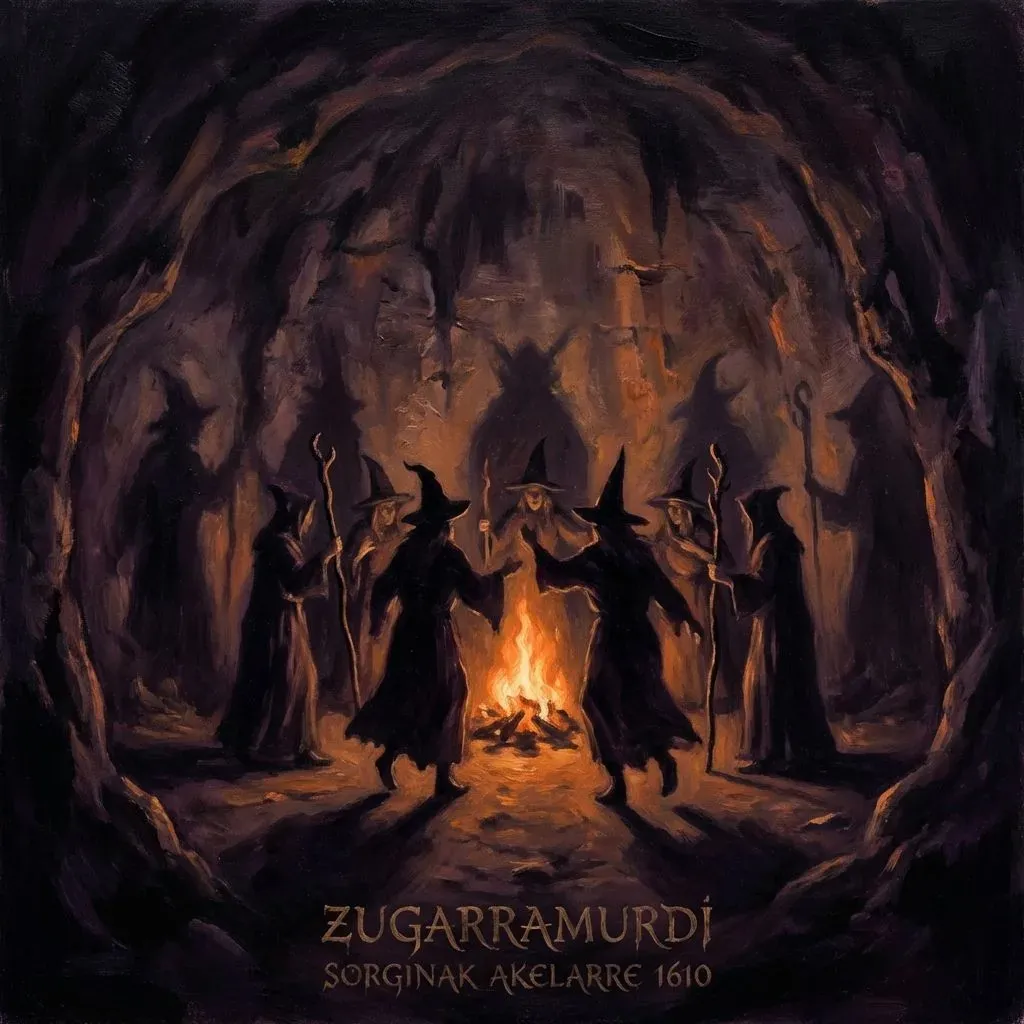
The famous inquisitorial trial of 1610 against the Navarrese witches who held akelarres in the sacred cave.
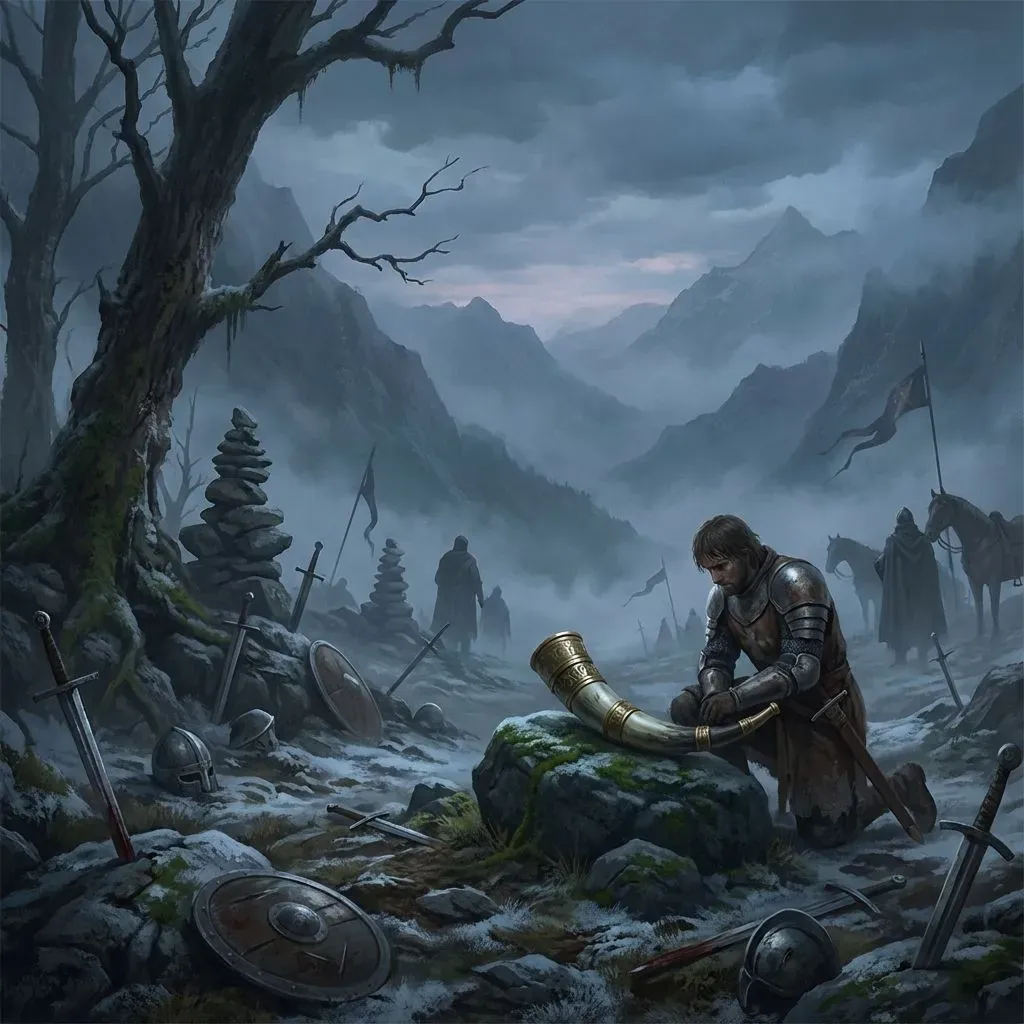
The Basque ambush against Charlemagne's army in the Pyrenean pass where the legendary Roland fell.
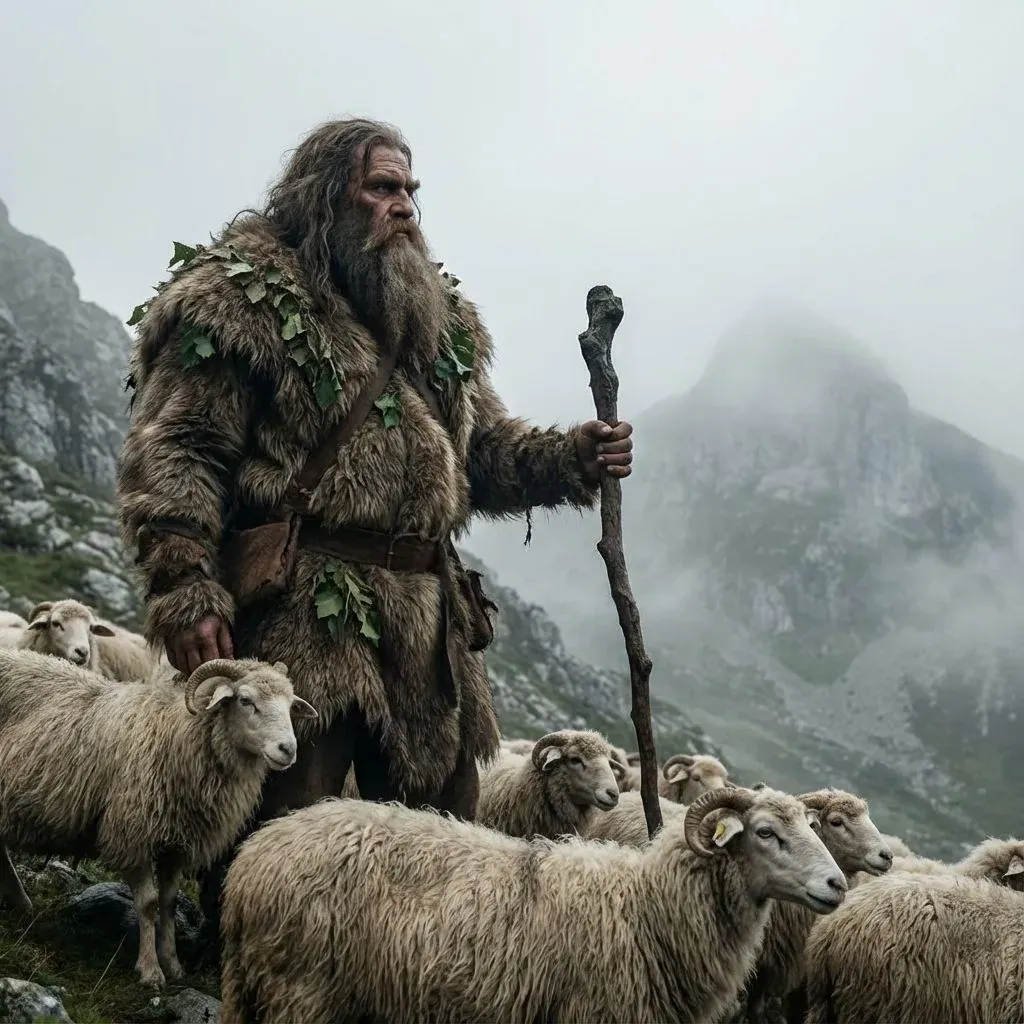
The shaggy giant who lives in the forests, protector of flocks and guardian of the secrets of agriculture and the forge.
Seductive nymphs who dwell in rivers and springs, recognisable by bird feet or fish tails, combing their hair with golden combs.
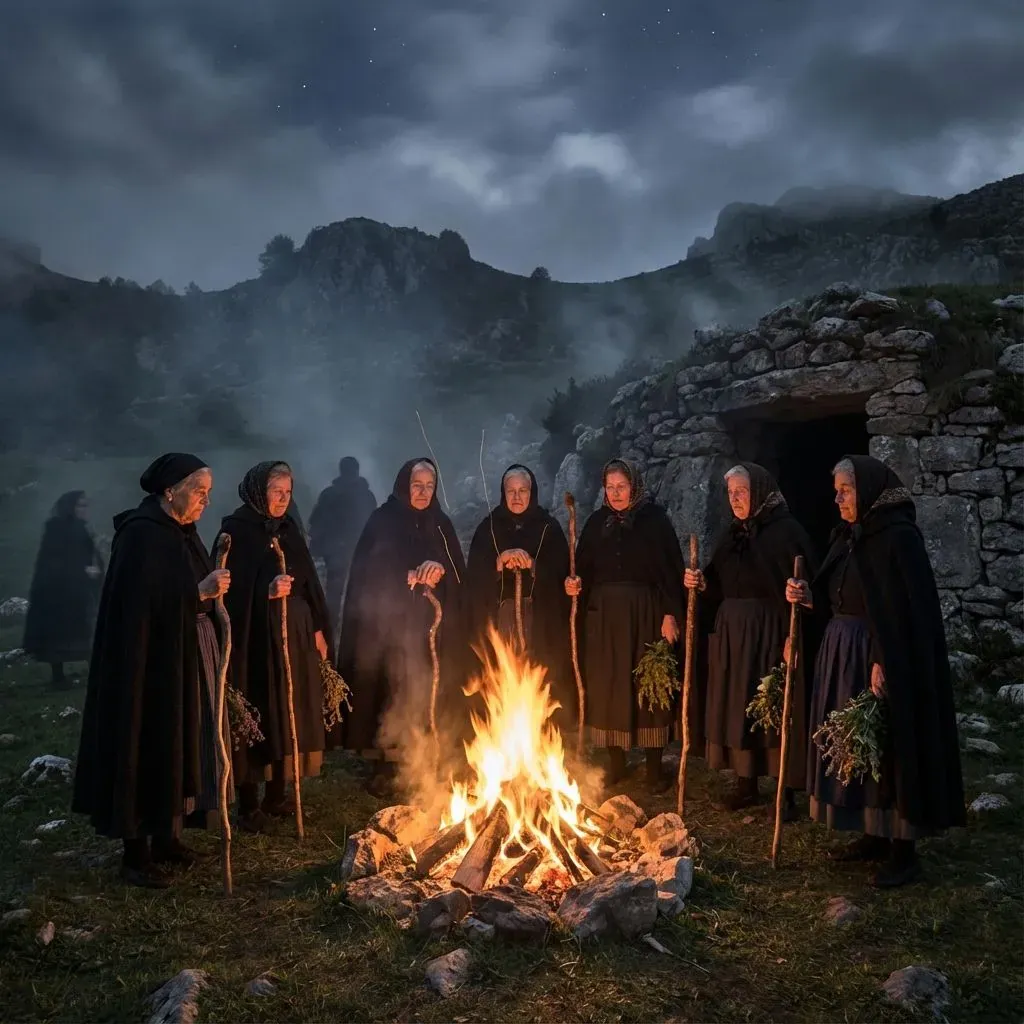
The Basque witches and wise women, priestesses of Mari who mastered potions, curses and the art of flying through the night sky.
Gaztelugatxe is probably the Basque Country’s most photographed coastal site and one of the Cantabrian coast’s most recognisable landscapes. The small rocky islet, connected to Bermeo’s shore by a stone bridge and 241 steps, holds a summit hermitage dedicated to Saint John, which has existed in successive forms since at least the tenth century.
Beyond its spectacular appearance, Gaztelugatxe has strategic and symbolic importance. It guided Cantabrian sailors for centuries, became a target in conflicts between the fourteenth and eighteenth centuries, and attracted pilgrims combining devotion to Saint John with a journey to a place where sea and land confront each other with unusual intensity.
Climbing the steps and ringing the hermitage bell three times to make a wish or fulfil a promise remains a living ritual on the Basque Cantabrian coast. Sounding the bell where the land ends and the ocean begins carries a sense of crossing a threshold that long predates its official Christian devotion.
Gaztelugatxe’s popularity grew sharply after it appeared as Dragonstone in Game of Thrones. This new fame brought access controls to protect the site, while introducing international visitors to a place whose own reasons for being known are far older and deeper than any television production.