Teodosius of Goñi
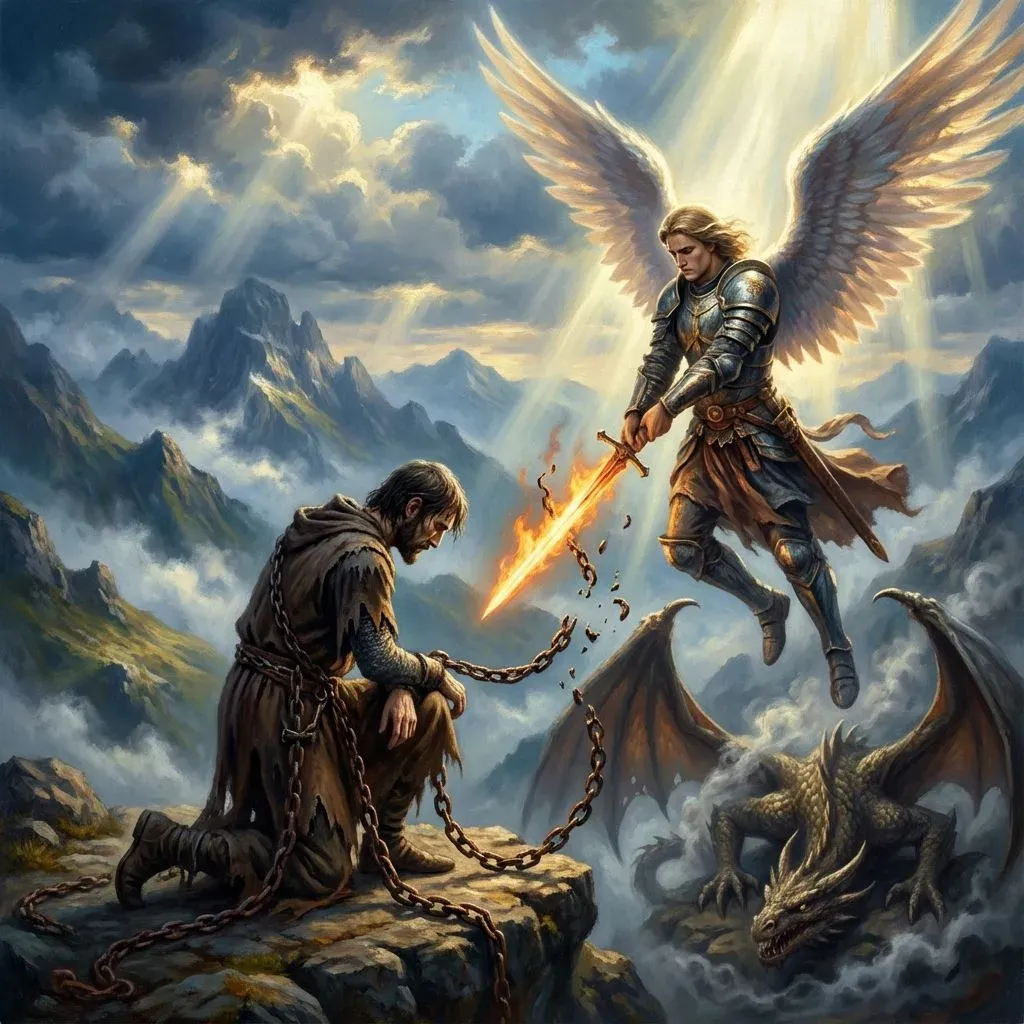
The Navarrese knight who, deceived by the devil, committed parricide and wandered in chains until Saint Michael freed him at Aralar.
— Lapurdi —
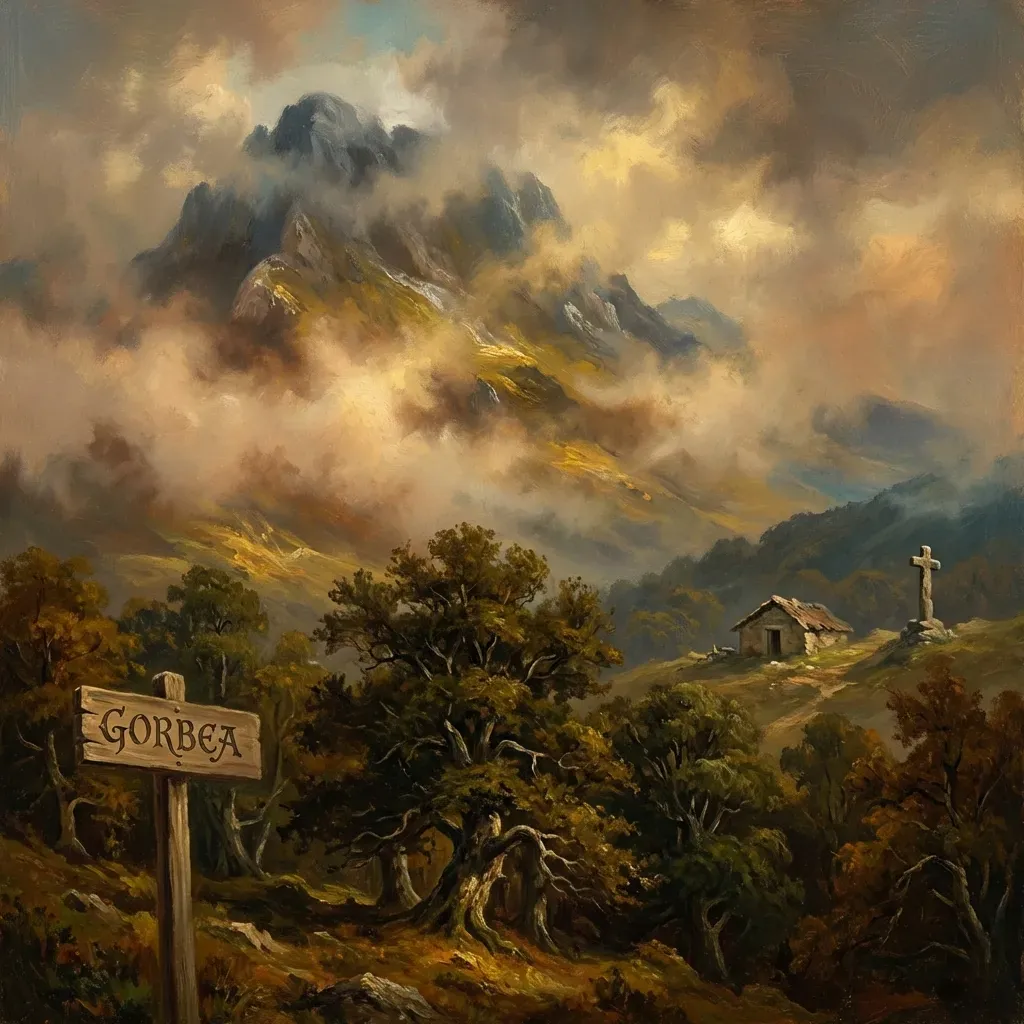
Larrun, known in French as La Rhune, is one of the most visited and beloved mountains in the Basque Country, rising to 905 metres on the frontier between Spain and France. Its broad profile dominates the landscape of Lapurdi and inland Navarre, making it one of the clearest visual landmarks of the western Pyrenees.
The mountain is deeply rooted in Basque mythology and folklore. According to tradition, Larrun was a gathering place for witches and the setting of akelarres in which nocturnal beings, storms and forbidden rites were imagined to meet on the heights.
The surroundings of Larrun form a mosaic of meadows, heathland and small woodlands where the famous pottoka ponies and latxa sheep still graze freely. This living pastoral landscape keeps the mountain tied to a sense of ancient continuity between territory, legend and everyday life.
Besides the rack railway, numerous trails reach the summit from villages such as Sara, Zugarramurdi and Biriatou. Whichever route you choose, Larrun combines nature, history and outstanding views of the Atlantic Basque Country.
The Navarrese knight who, deceived by the devil, committed parricide and wandered in chains until Saint Michael freed him at Aralar.
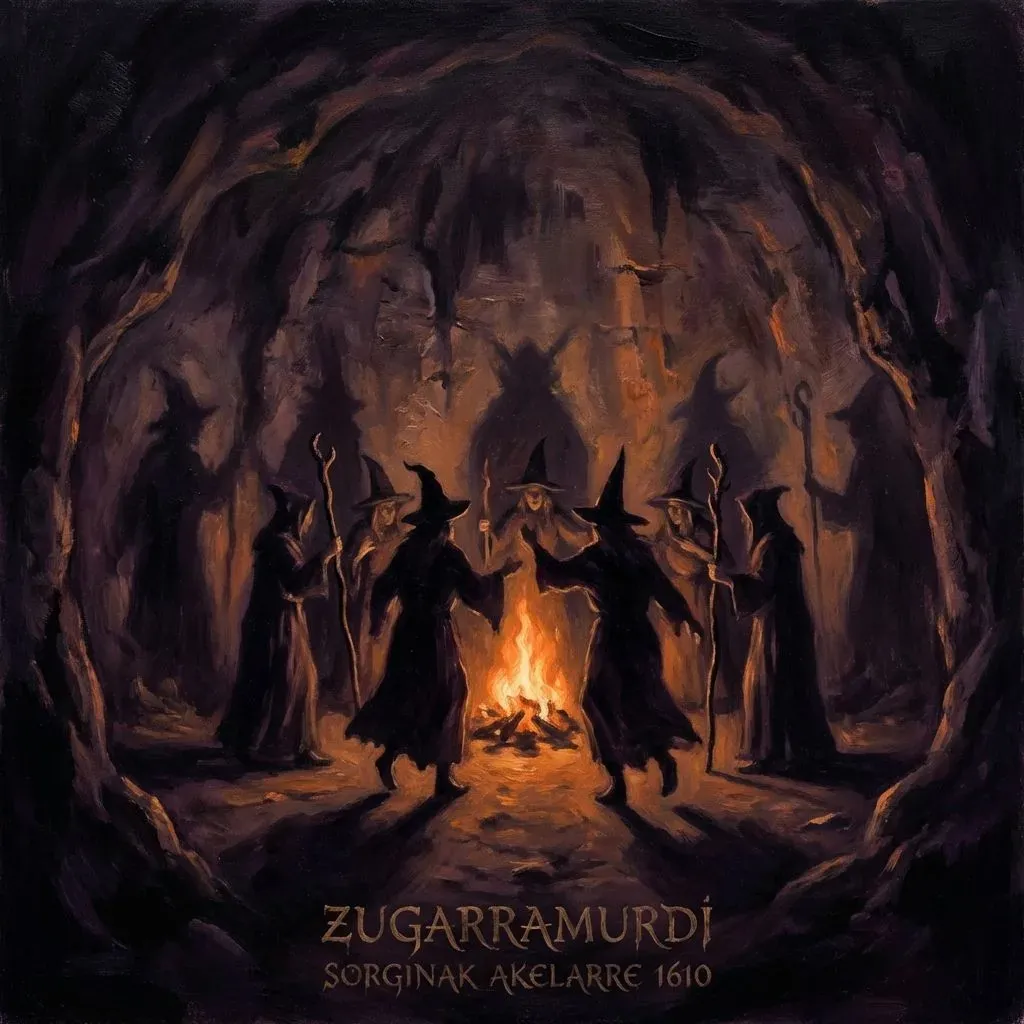
The famous inquisitorial trial of 1610 against the Navarrese witches who held akelarres in the sacred cave.
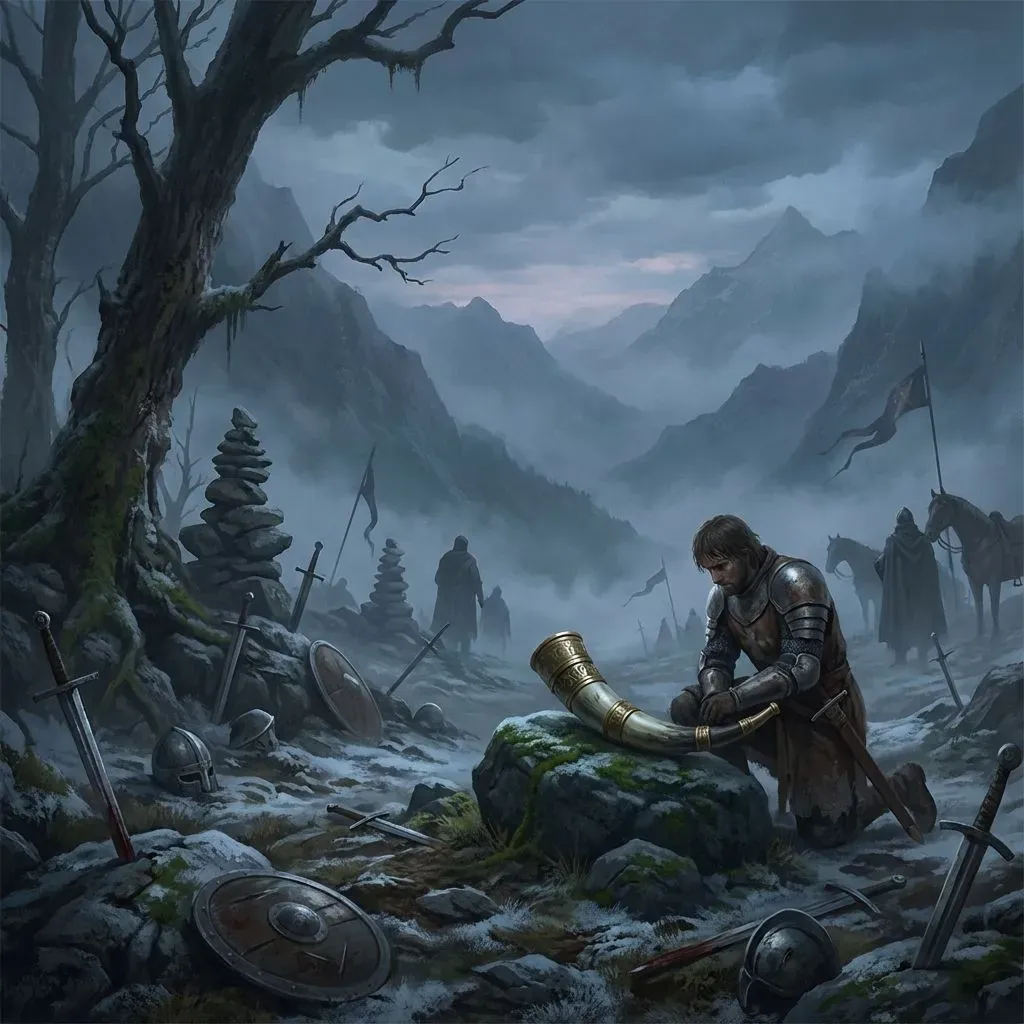
The Basque ambush against Charlemagne's army in the Pyrenean pass where the legendary Roland fell.
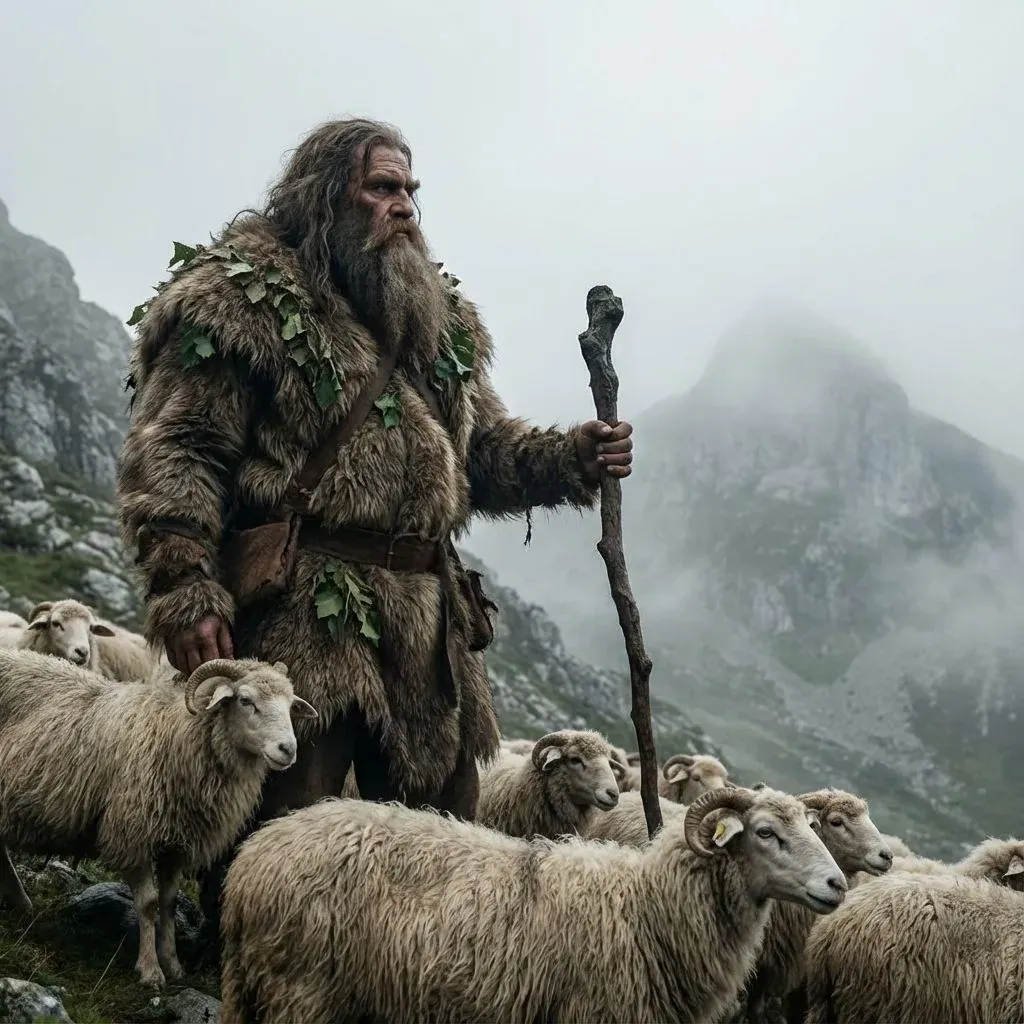
The shaggy giant who lives in the forests, protector of flocks and guardian of the secrets of agriculture and the forge.

Seductive nymphs who dwell in rivers and springs, recognisable by bird feet or fish tails, combing their hair with golden combs.
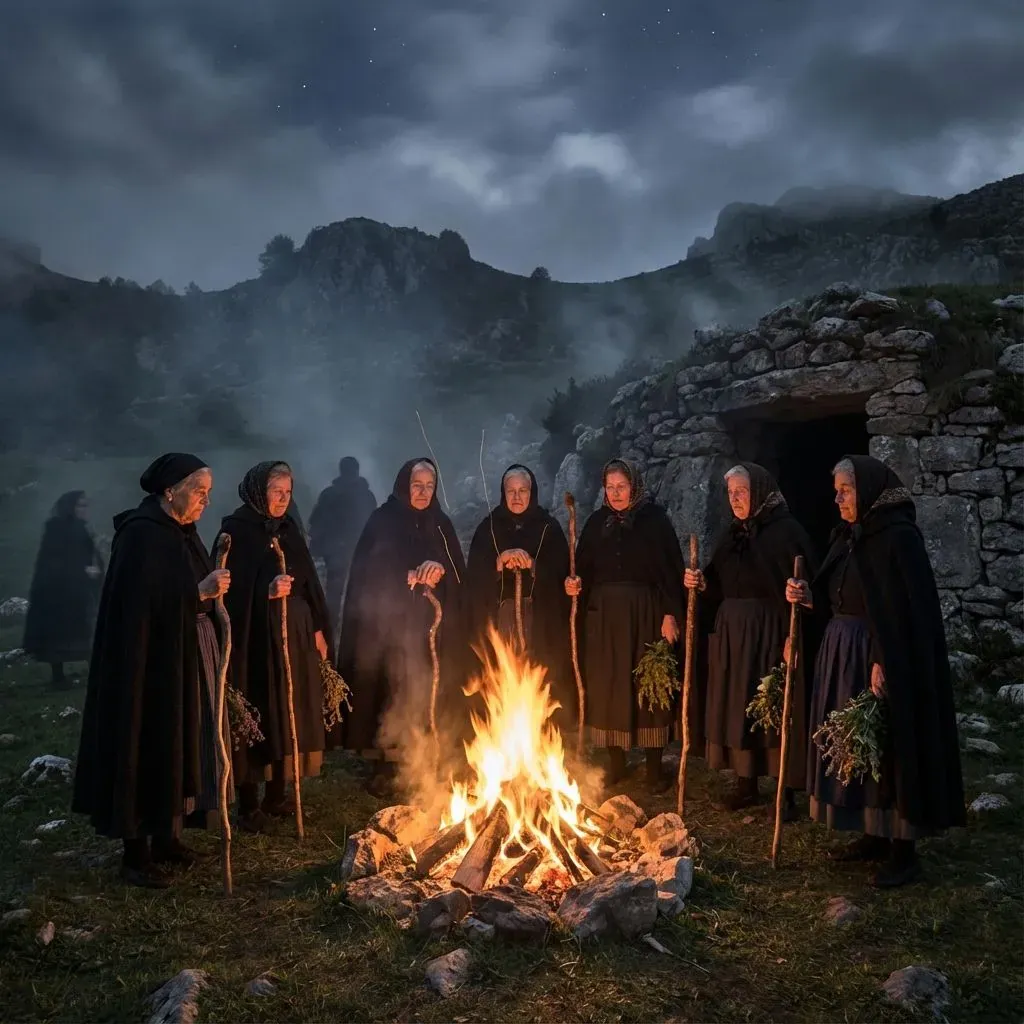
The Basque witches and wise women, priestesses of Mari who mastered potions, curses and the art of flying through the night sky.
At around 900 metres, Larrun is a prominent natural frontier between Gipuzkoa and French Basque Labourd, and much more besides. One of the Basque Country’s most visited natural sites, its summit is accessible by the famous rack railway operating since the early twentieth century. Here, Basque mythology, history and geopolitics are closely intertwined.
Oral tradition associates Larrun’s slopes with the sorginak, whose nocturnal gatherings appear in early seventeenth-century inquisitorial proceedings. The summit’s proximity to the sea and visibility from both sides made it a landmark for sailors and transhumant shepherds moving flocks across the Pyrenees regardless of political borders.
The rack railway up Larrun is a distinctive piece of French Basque industrial and landscape heritage, built in 1924 and still using its original carriages. The twenty-minute ascent offers increasingly spectacular views over the Labourd coast, Biarritz and the Bay of Biscay.
On clear days, Larrun’s panorama stretches from the Pyrenees to the Bay of Biscay and from Donostia to Bayonne. It reveals at a glance the geographical and cultural continuity of a territory divided between two modern states, although its mountains, sea and shared language have felt no need to adapt to that division.