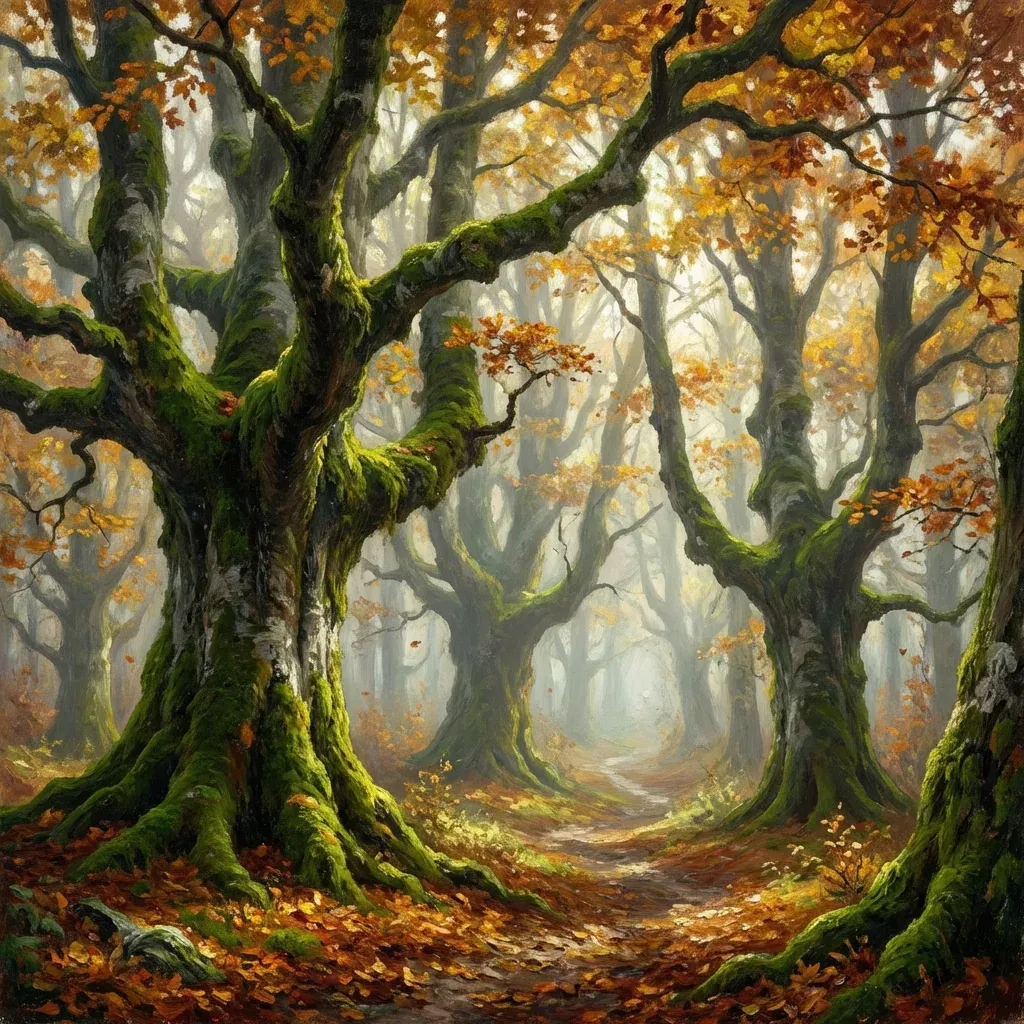
Teodosius of Goñi
The Navarrese knight who, deceived by the devil, committed parricide and wandered in chains until Saint Michael freed him at Aralar.
— Gipuzkoa —
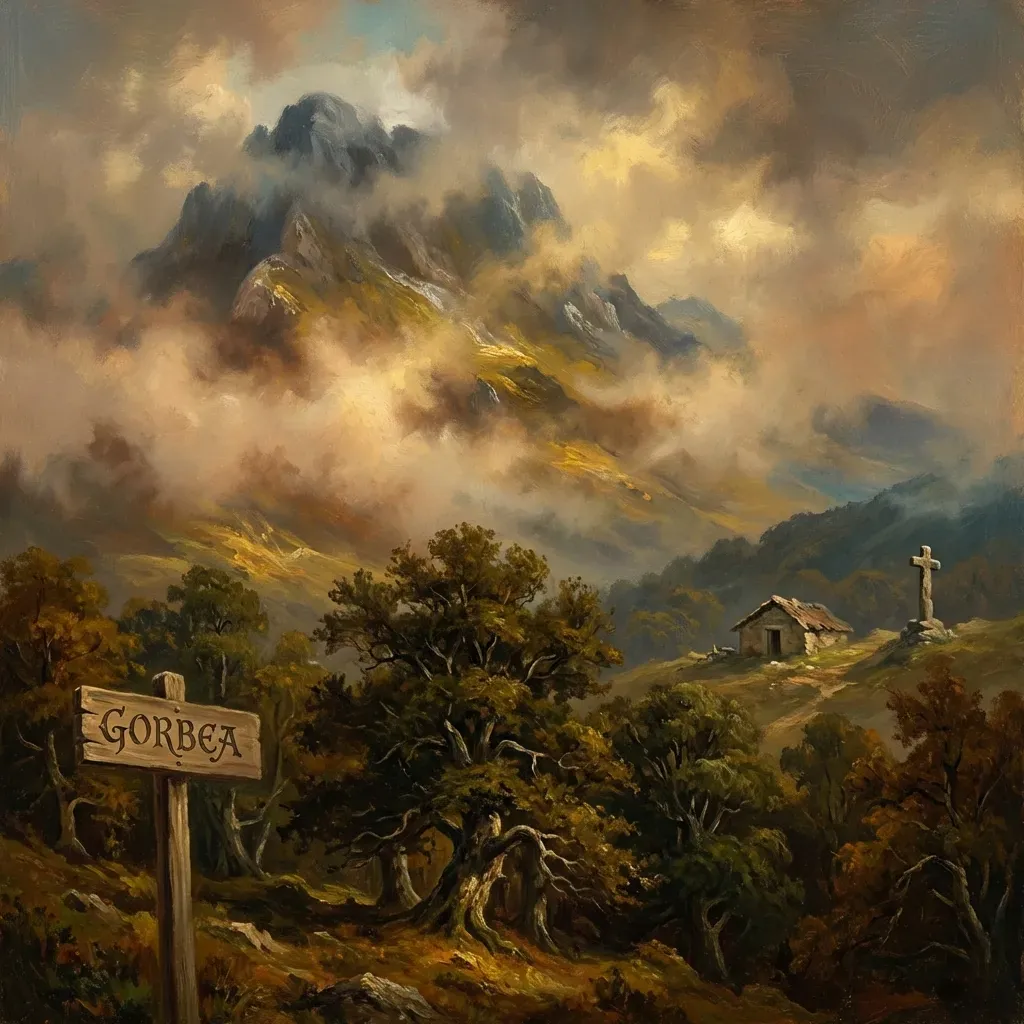
Ernio is a magical mountain rising between the Gipuzkoan municipalities of Errezil, Asteasu and Alkiza, reaching 1,075 metres. Though not the highest summit in the province, its prominent shape and wide views have made it one of the most respected and symbolically charged peaks in the region.
Popular tradition attributes healing and magical powers to Ernio. On its summit, rituals linked to fertility and health were once celebrated, and even today many people climb carrying iron rings and crosses associated with the old belief in the mountain?s protective force.
Ernio is also an extraordinary natural viewpoint. From its summit one can see panoramas stretching from the coast of Zarautz to the heights of Aralar, passing over interior valleys and forests, which reinforces its image as a guardian mountain between the sea and the uplands.
The usual ascent starts in Errezil, following a pleasant trail through meadows and small woods. The summit, crowned by a hermitage dedicated to Saint Peter, invites quiet contemplation and helps explain why generations of Basque people have seen Ernio as more than a mountain.
The Navarrese knight who, deceived by the devil, committed parricide and wandered in chains until Saint Michael freed him at Aralar.
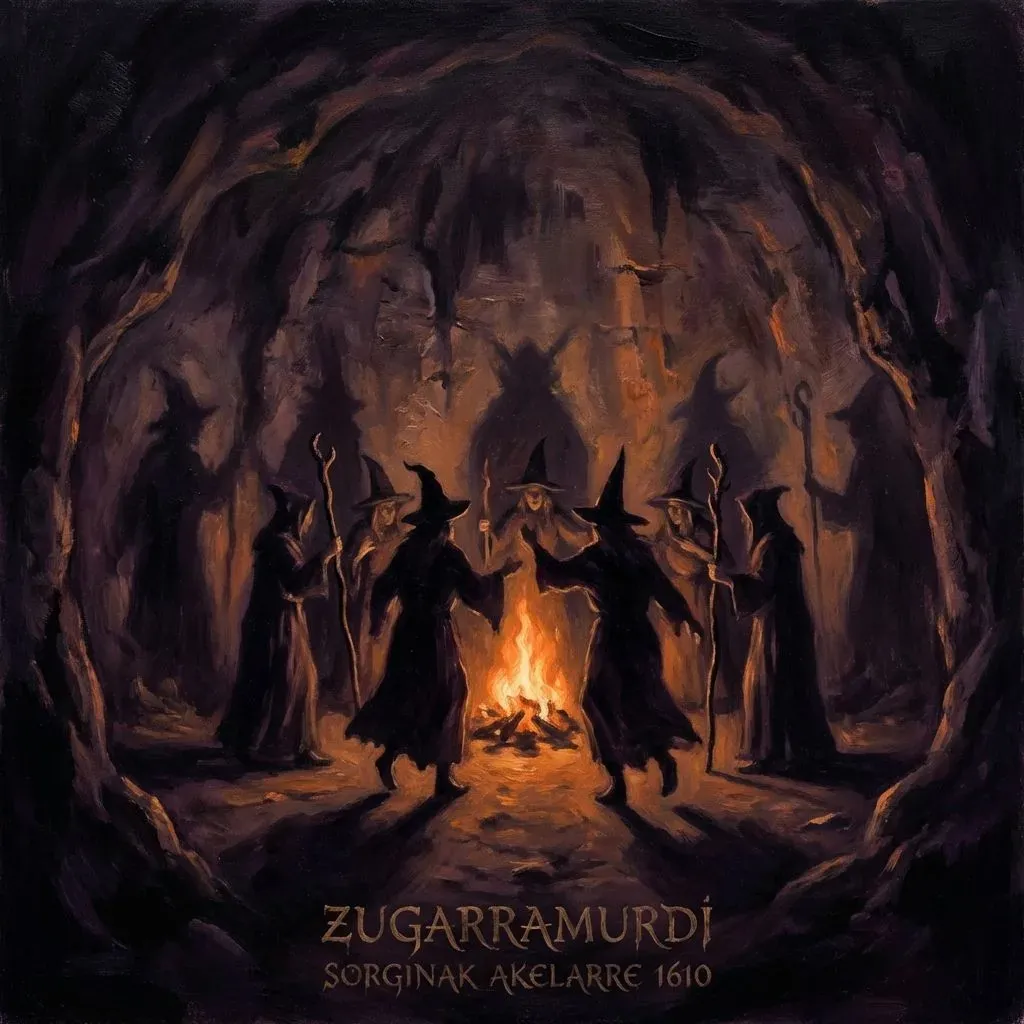
The famous inquisitorial trial of 1610 against the Navarrese witches who held akelarres in the sacred cave.
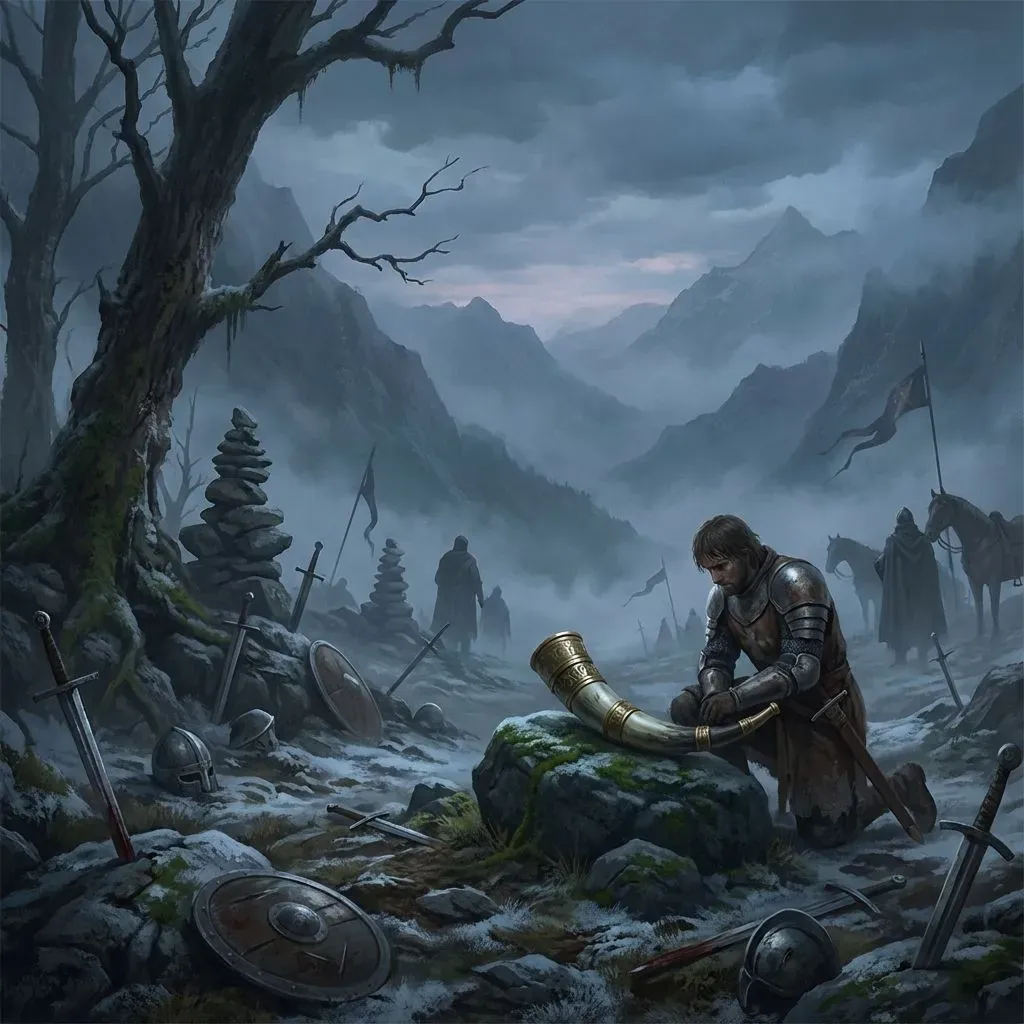
The Basque ambush against Charlemagne's army in the Pyrenean pass where the legendary Roland fell.
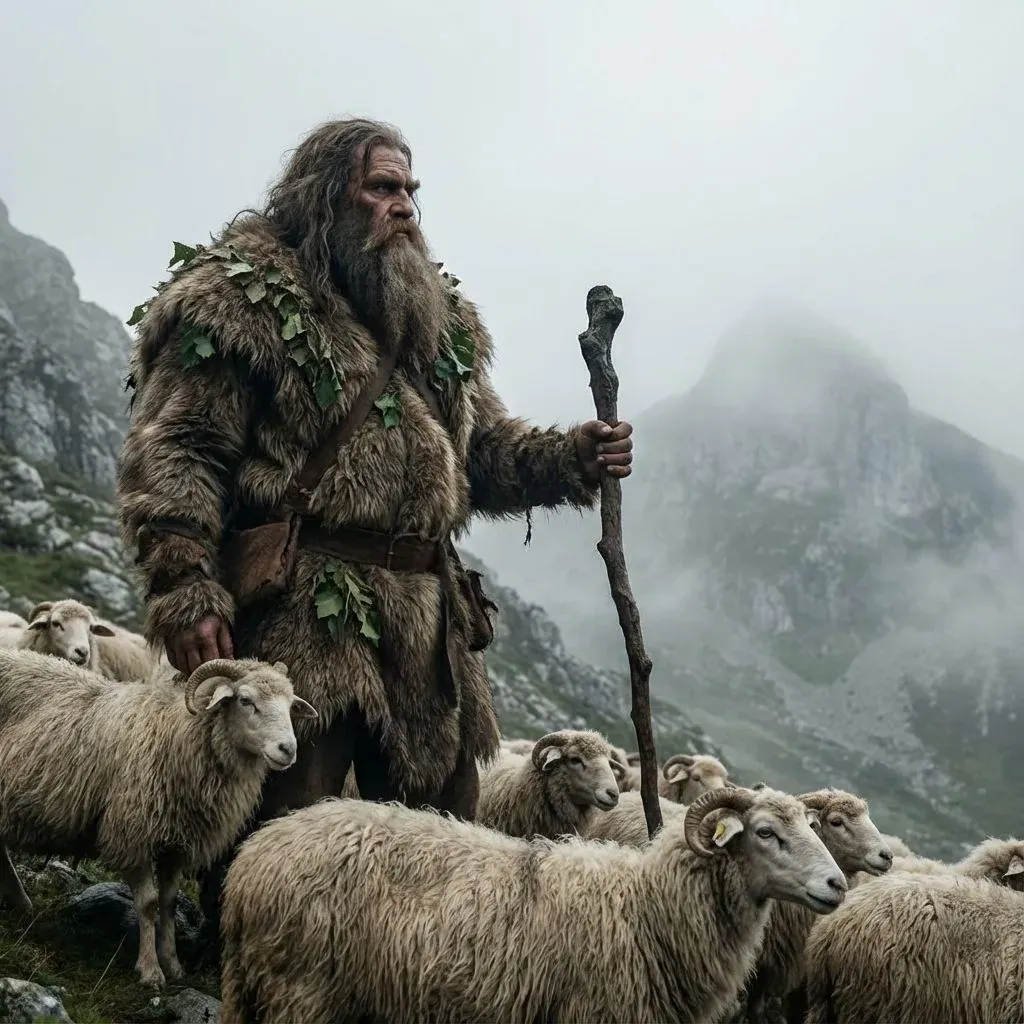
The shaggy giant who lives in the forests, protector of flocks and guardian of the secrets of agriculture and the forge.

Seductive nymphs who dwell in rivers and springs, recognisable by bird feet or fish tails, combing their hair with golden combs.
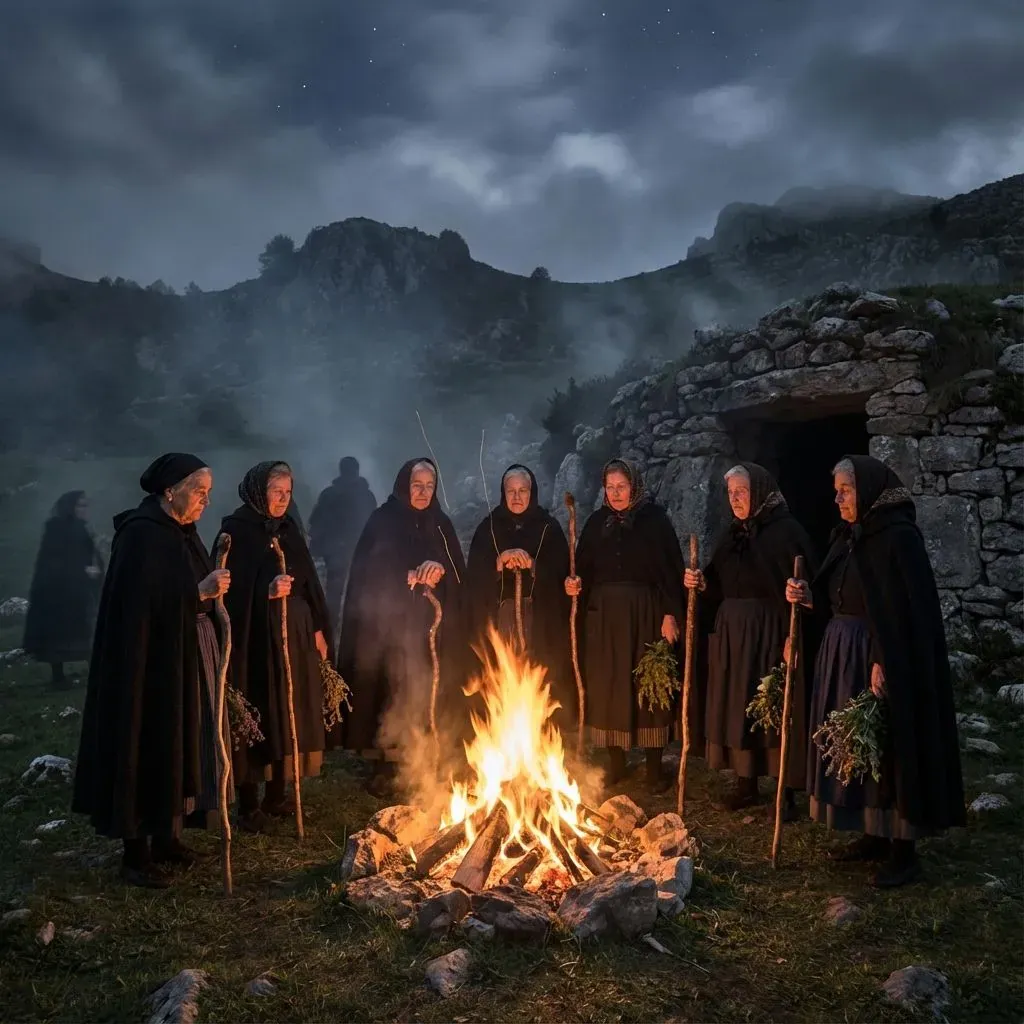
The Basque witches and wise women, priestesses of Mari who mastered potions, curses and the art of flying through the night sky.
At 1,073 metres, Ernio occupies a commanding position in central Gipuzkoa, making it a major visual landmark. On clear days its summit offers simultaneous views of the Bay of Biscay to the north, Álava’s mountains to the south, Aralar to the east and Anboto to the west, encompassing almost the whole Gipuzkoan landscape.
This central, dominant position made Ernio a landmark for surrounding communities from prehistoric times. Dolmens and stone circles in its upland pastures testify to occupation since the Neolithic. The summit hermitage of Saint Martin of Tours represents the latest layer of religious buildings placed on a site always felt to be special.
Ernio’s pilgrimage, held on Whit Monday, is among Gipuzkoa’s largest festive gatherings, bringing people from dozens of nearby villages to the summit. Religious devotion, celebration and contact with a beautiful upland landscape combine to give it a distinctive character.
Ernio’s ascent is relatively accessible to intermediate hikers, with routes through beech woods and pastures from several starting points. The summit’s simple, solid hermitage quietly provides a setting for a ritual whose most convincing expression is the surrounding landscape.