Sanctuary of Saint Michael of Aralar
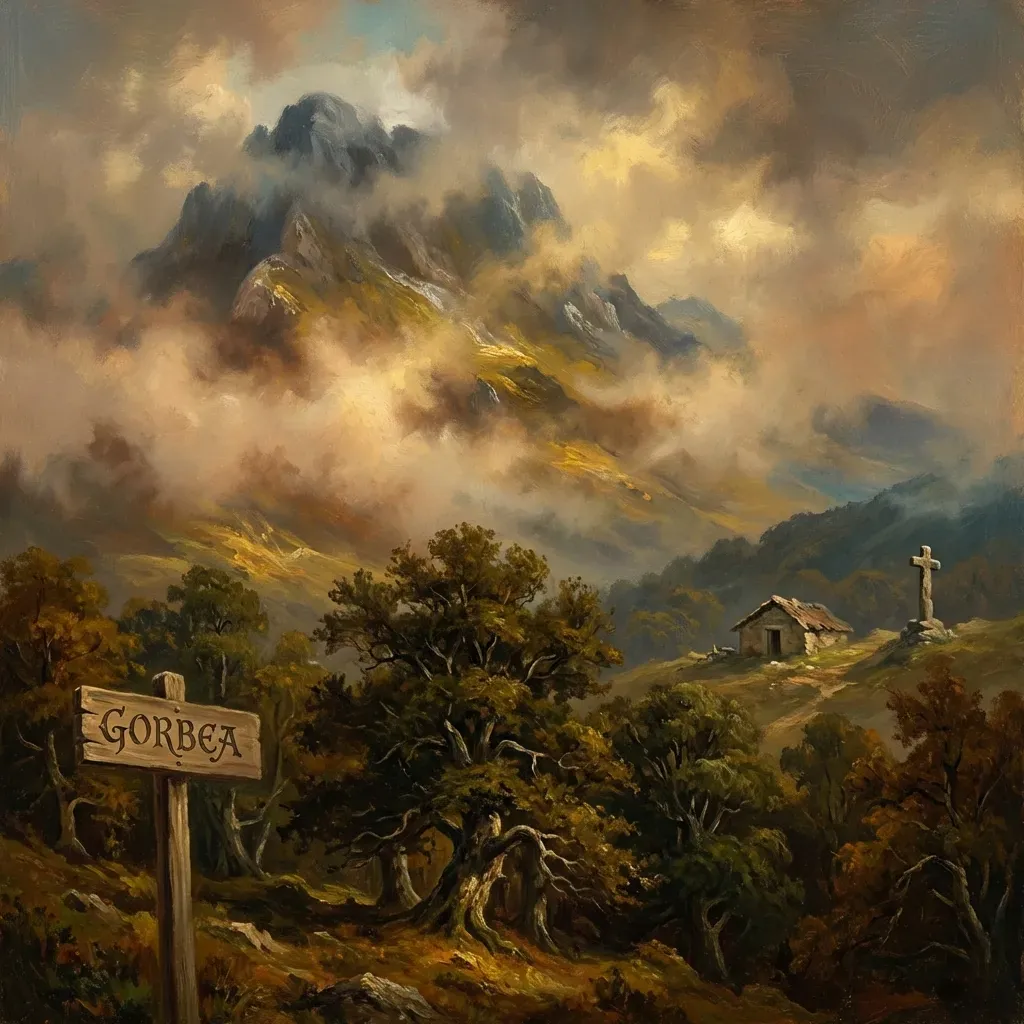
The shrine traditionally linked to Teodosius?s deliverance and act of thanks.
The penitent redeemed at the shrine of Saint Michael
Teodosius of Go?i returned from war and, deceived by the devil, believed his wife had betrayed him. Blinded by jealousy, he killed the sleeping couple in his home, only to discover that they were his own parents.
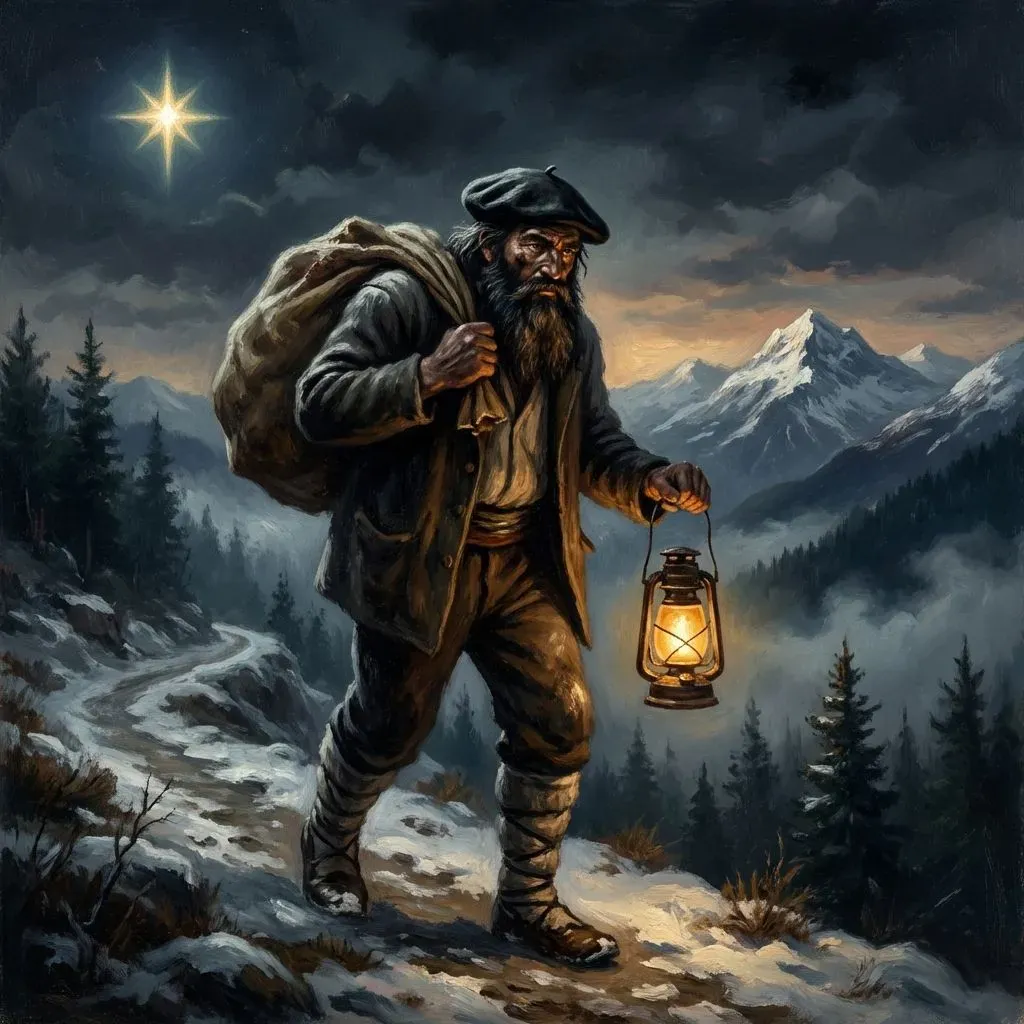
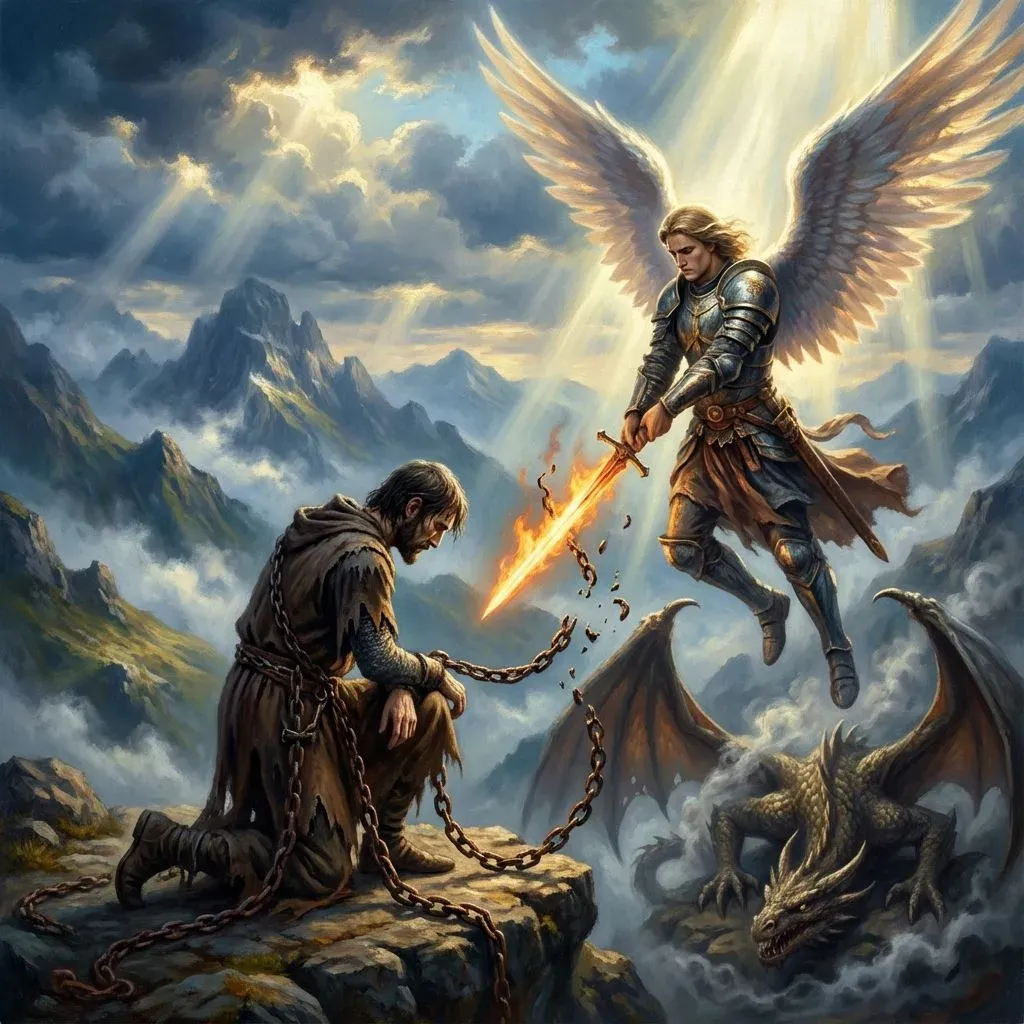
Crushed by remorse, he travelled to Rome and received a terrible penance: he was to wander in chains until divine mercy broke them. For years he roamed the mountains of Navarre in suffering and prayer.
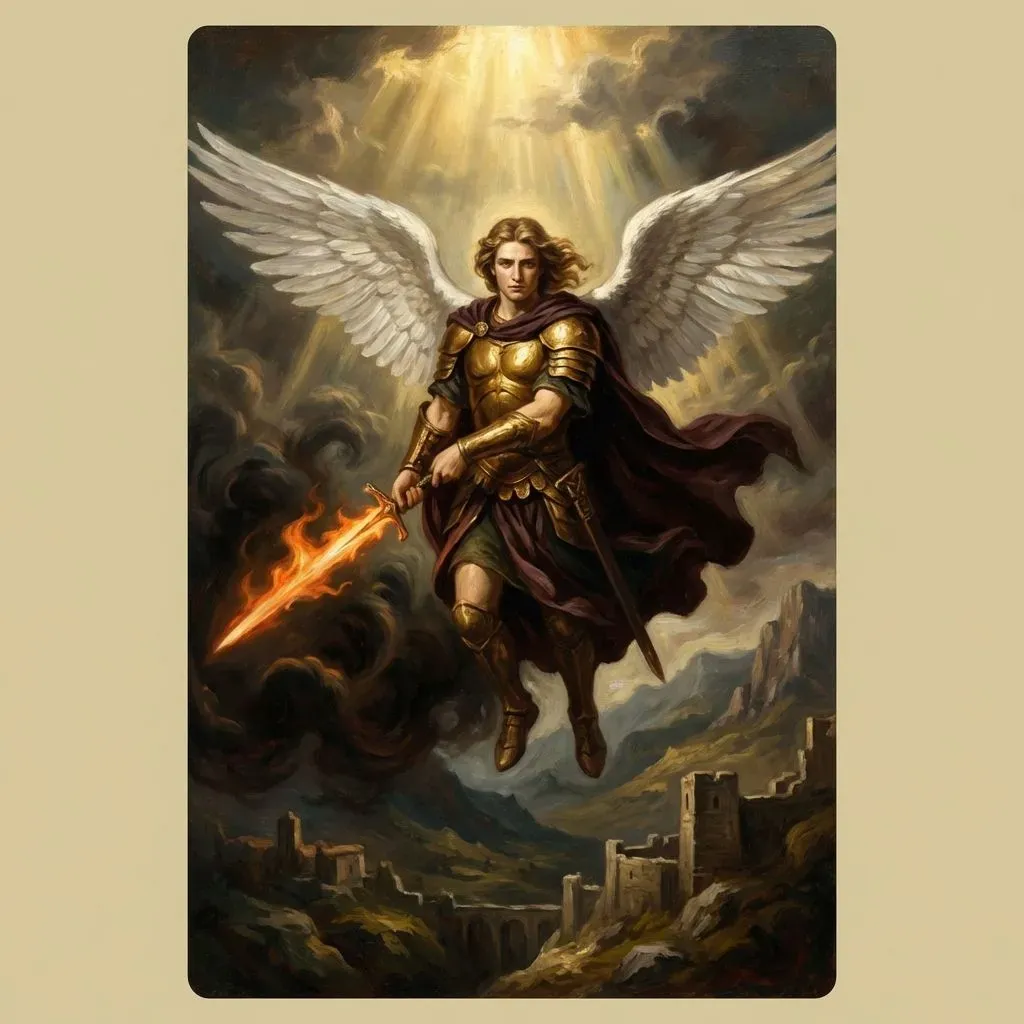
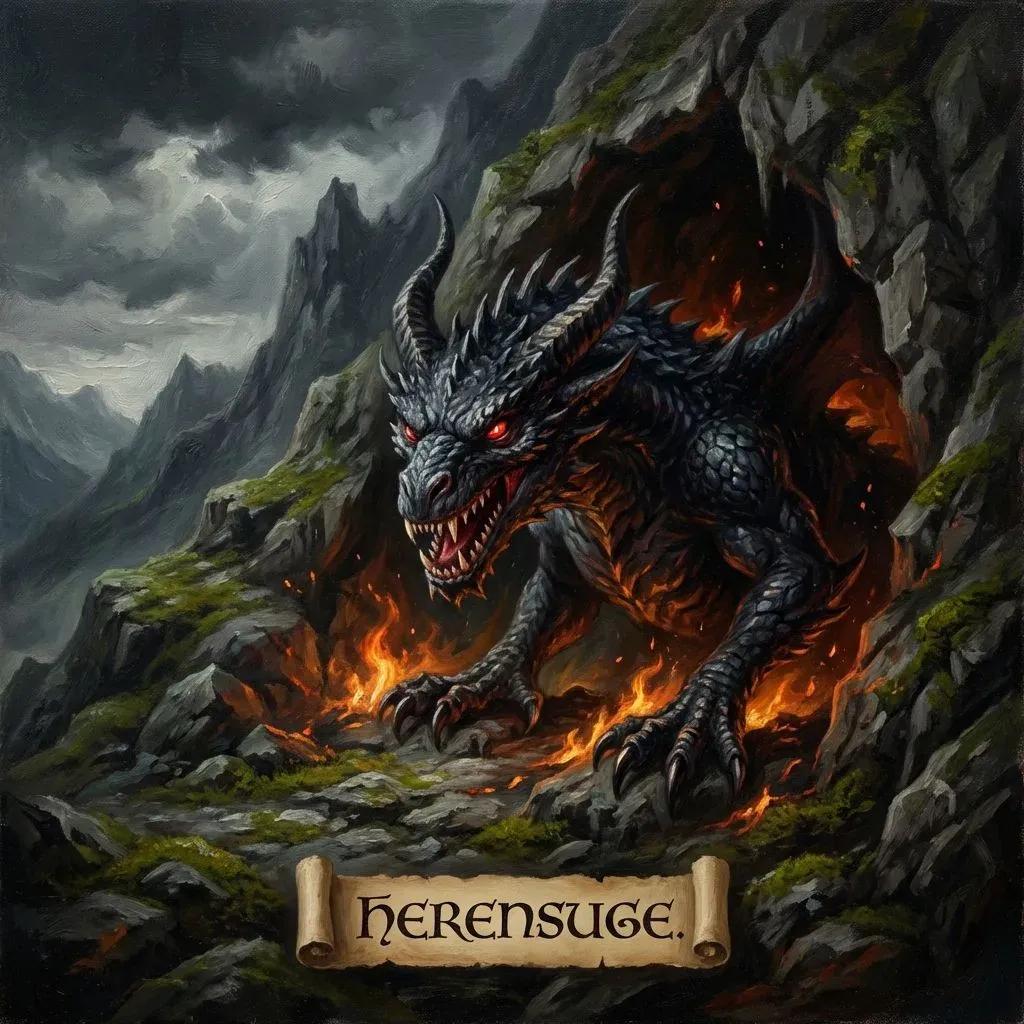
While resting in a cave in the Aralar range, he was attacked by a dragon. Unable to flee under the weight of his chains, he invoked Saint Michael, who descended and defeated the beast.
At that moment the chains broke, signalling forgiveness. In gratitude, Teodosius founded a shrine that became one of the most important sanctuaries in the Basque and Navarrese religious landscape.
The legend of Teodosius fuses noble biography, moral drama and miracle into one of the strongest Christian narratives in the Basque tradition.
Its lasting power comes from the way it joins human guilt to sacred geography. The mountains are not background scenery but the very landscape in which punishment and redemption are played out.
The story insists that grace arrives only after endurance, confession and the acceptance of suffering. That is why the chains became the central image of Teodosius?s memory.
The dragon episode then raises the tale beyond penance alone: it turns Aralar into a place where the spiritual struggle becomes visible in the form of a literal beast.