Stories and oral traditions that have travelled through time, keeping the imagination and wisdom of Euskal Herria alive.
The Basque legends form an extraordinary oral heritage that has survived for centuries through the tradition of telling stories around the hearth. These tales combine fantastic elements with moral teachings and explanations of natural phenomena, reflecting the distinctive worldview of the Basque people. From the valleys of Navarre to the coasts of Bizkaia, each region preserves its own stories: shepherds meeting magical beings in the heights, fishermen hearing the songs of sirens and villagers learning to respect the limits between the human and supernatural worlds.
Combine filters to find legends that share characters and places.
No legends match these filters.
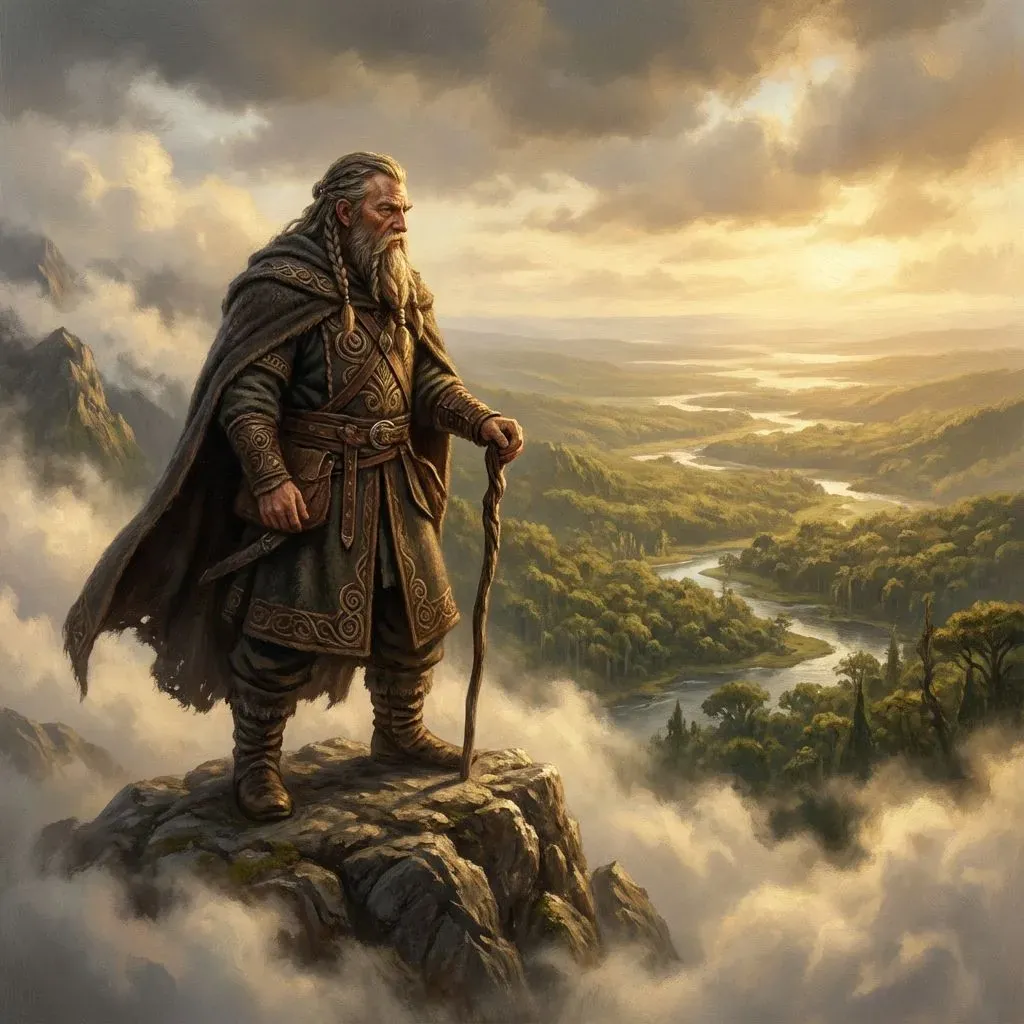
Aitor (a modern origin myth)
Aitor is a legendary patriarch created by nineteenth-century Romantic literature. Although he does not appear in old oral traditions, he helped shape modern Basque identity. His figure symbolizes the shared origin and cultural unity of Euskal Herria.
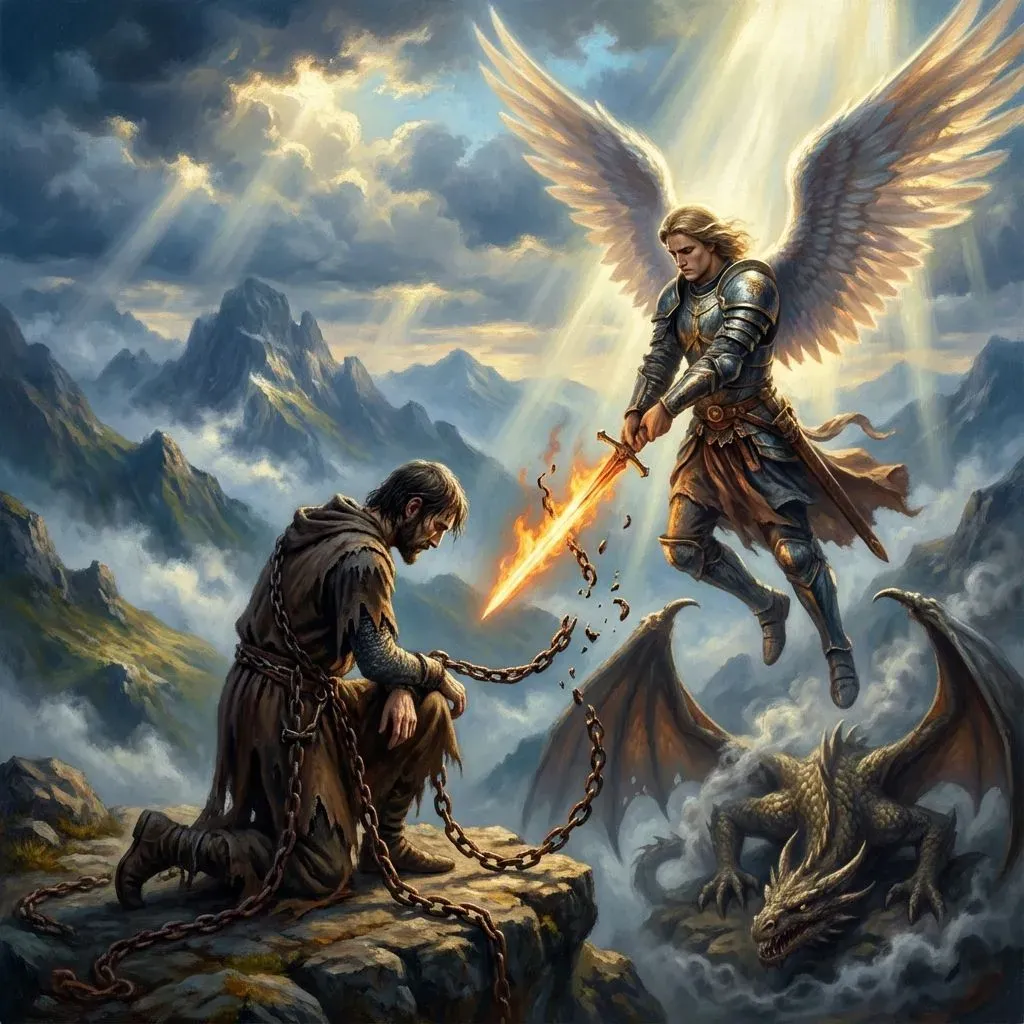
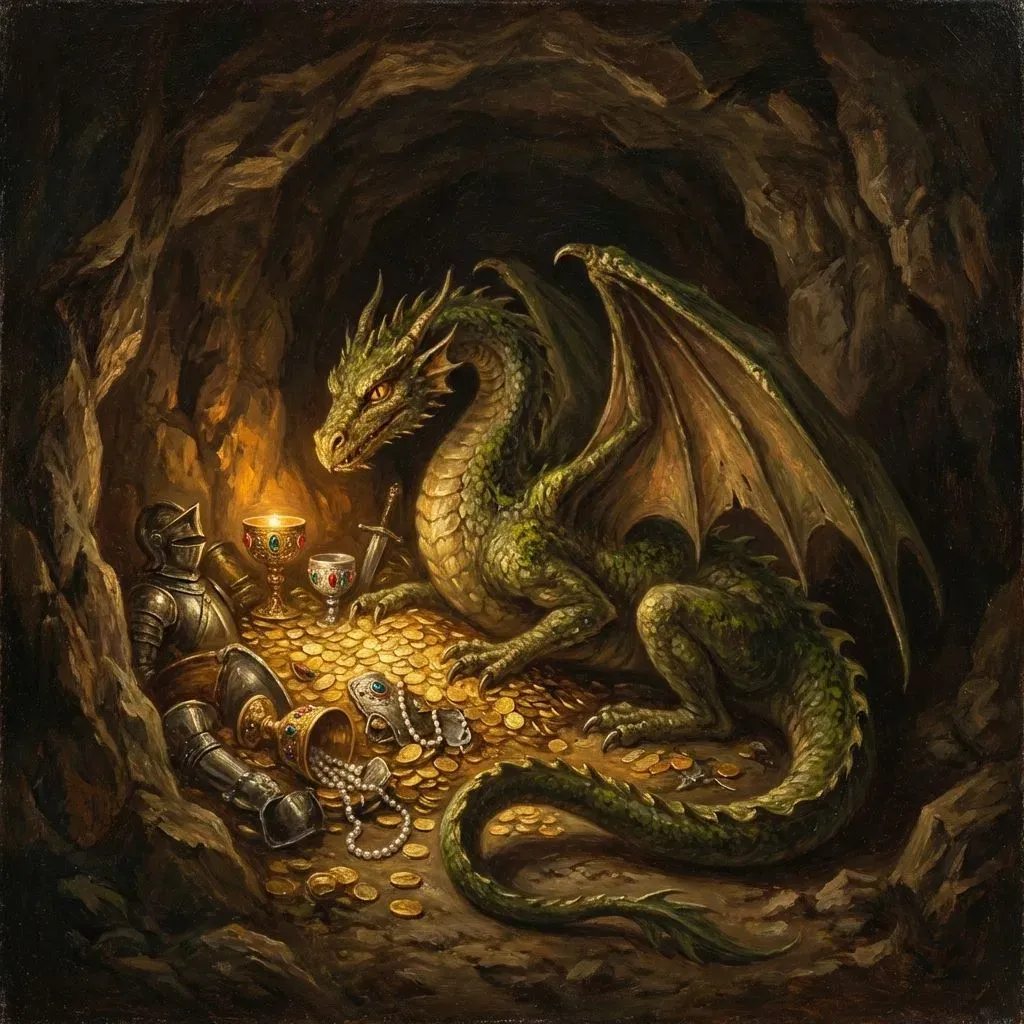
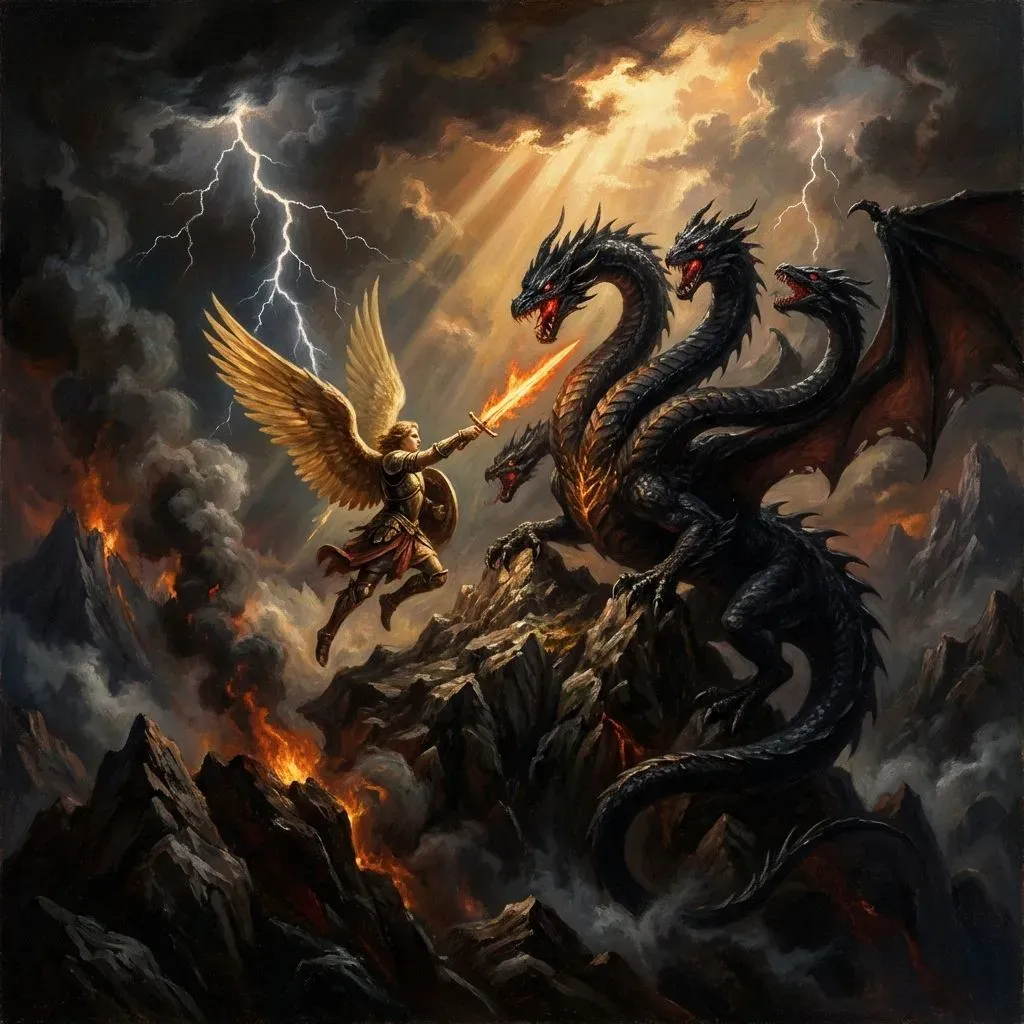
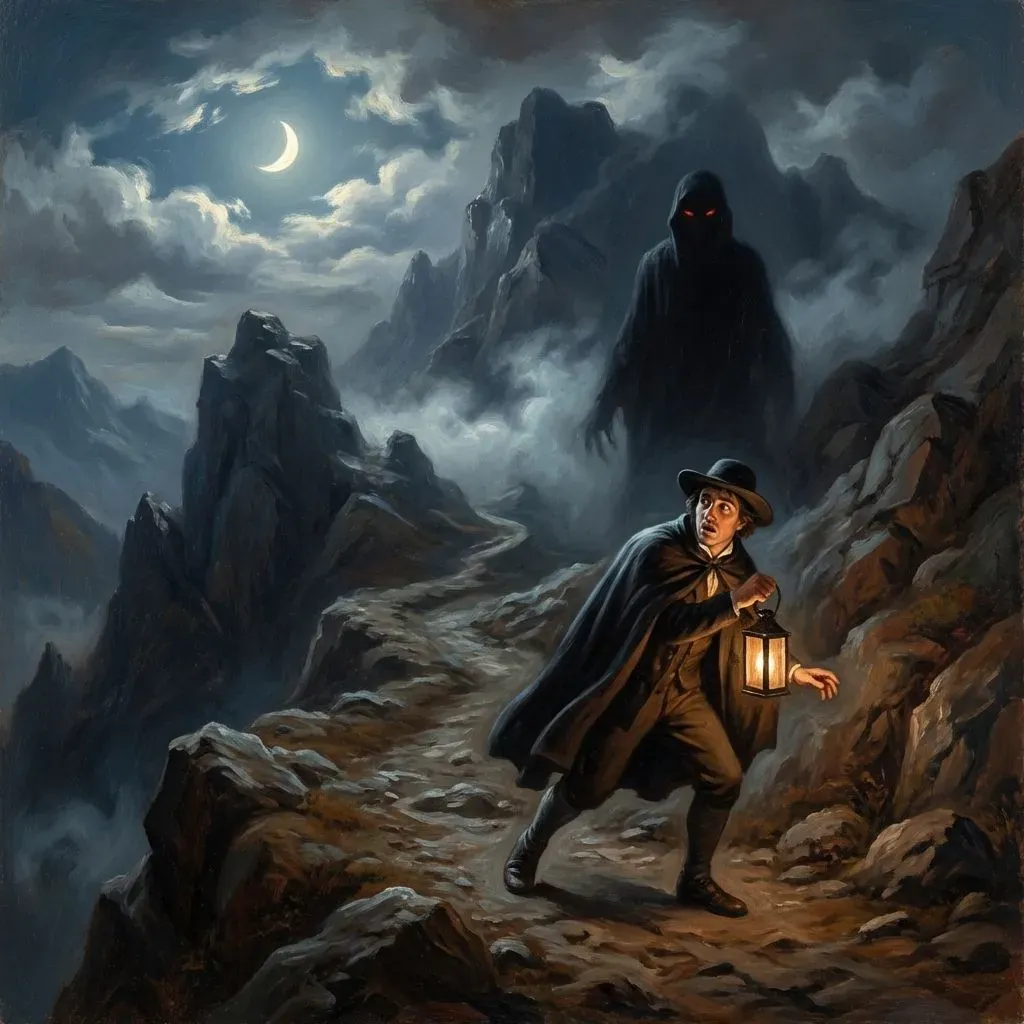
Teodosio, a Navarrese knight, kills his parents after being deceived by the devil. Chained as a penitent, he wanders through the mountains until a dragon attacks him. Saint Michael descends, defeats the monster and breaks his chains on Mount Aralar.
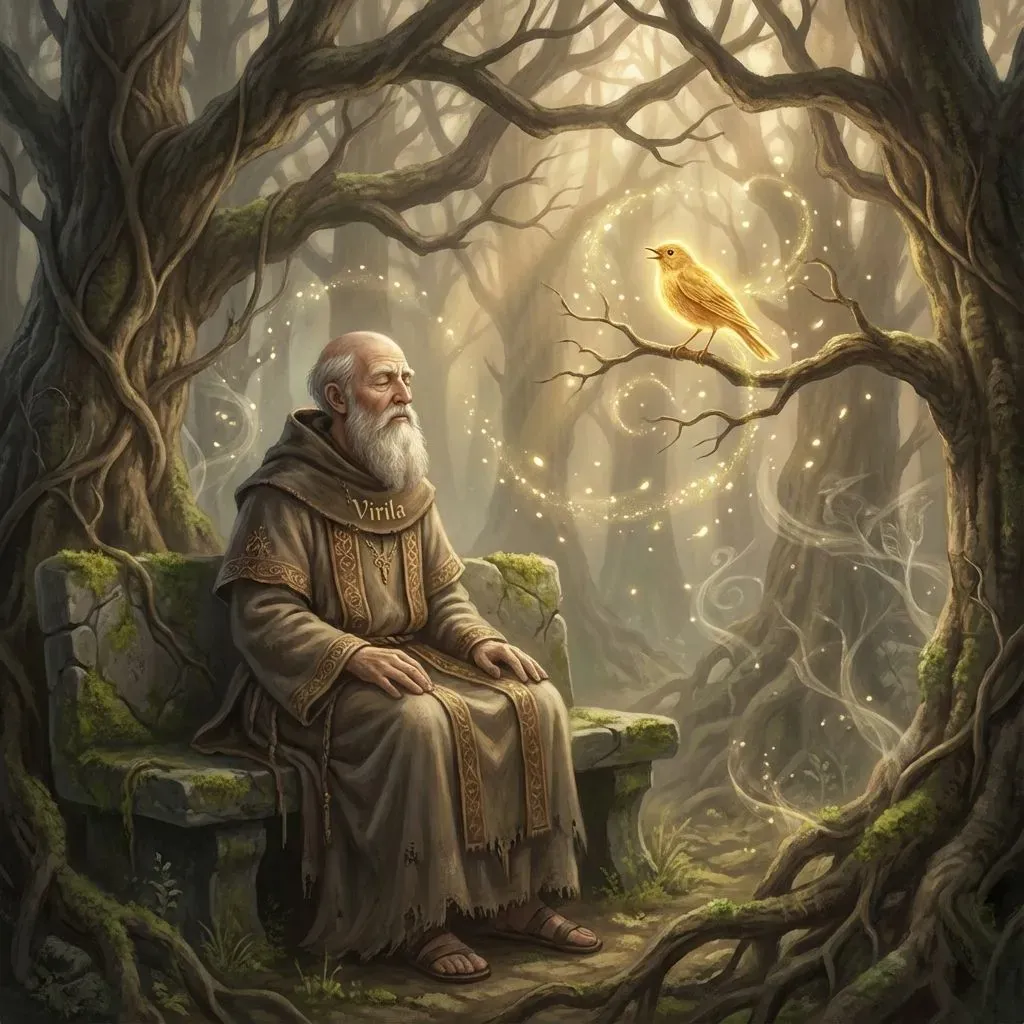
Abbot Virila leaves the monastery of Leyre to meditate on eternity. A nightingale sings, and the monk listens in rapture for what seems like a single instant. When he returns, he discovers that three hundred years have passed and no one recognizes him.
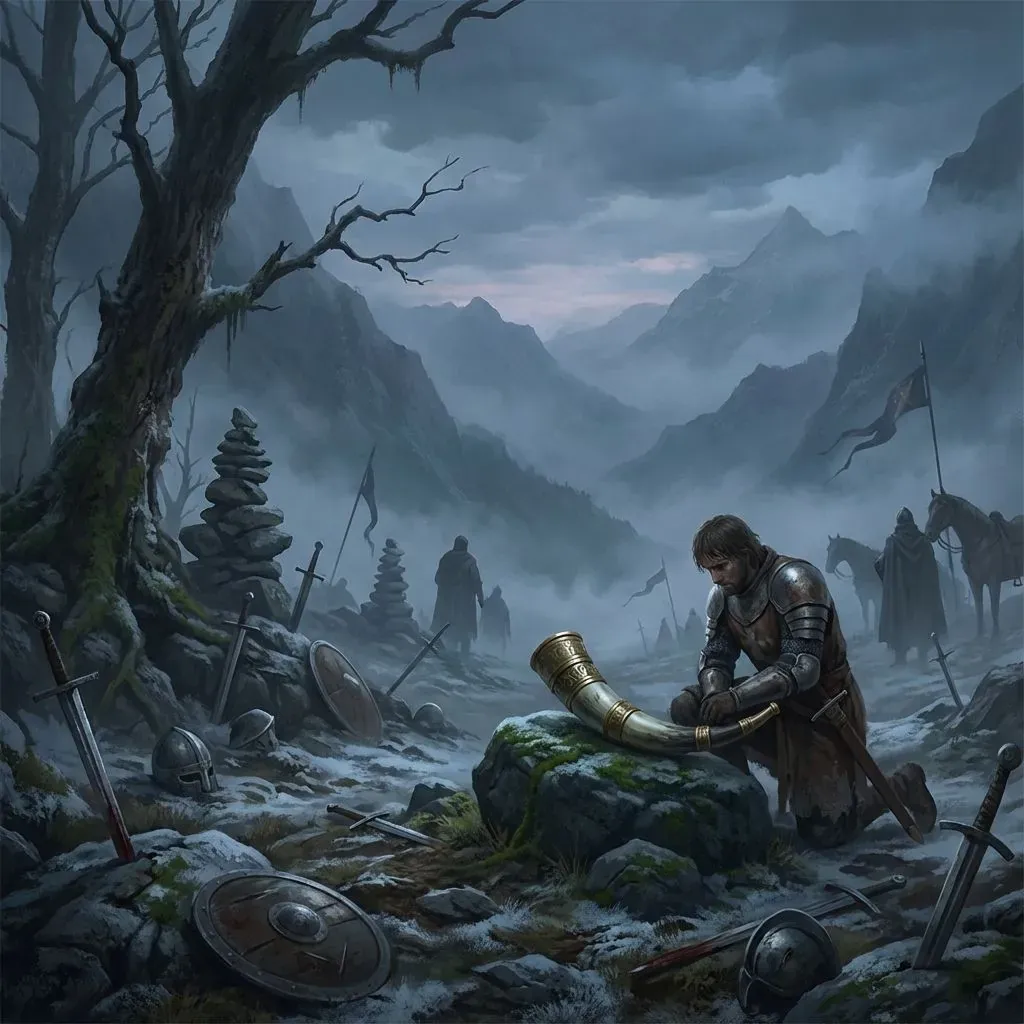
The pass of Roncesvalles was the setting for the ambush on Charlemagne's rearguard. Epic tradition turned the defeat into the heroic deed of Roland and the Twelve Peers. Today the place still echoes with battles, pilgrims and medieval songs.
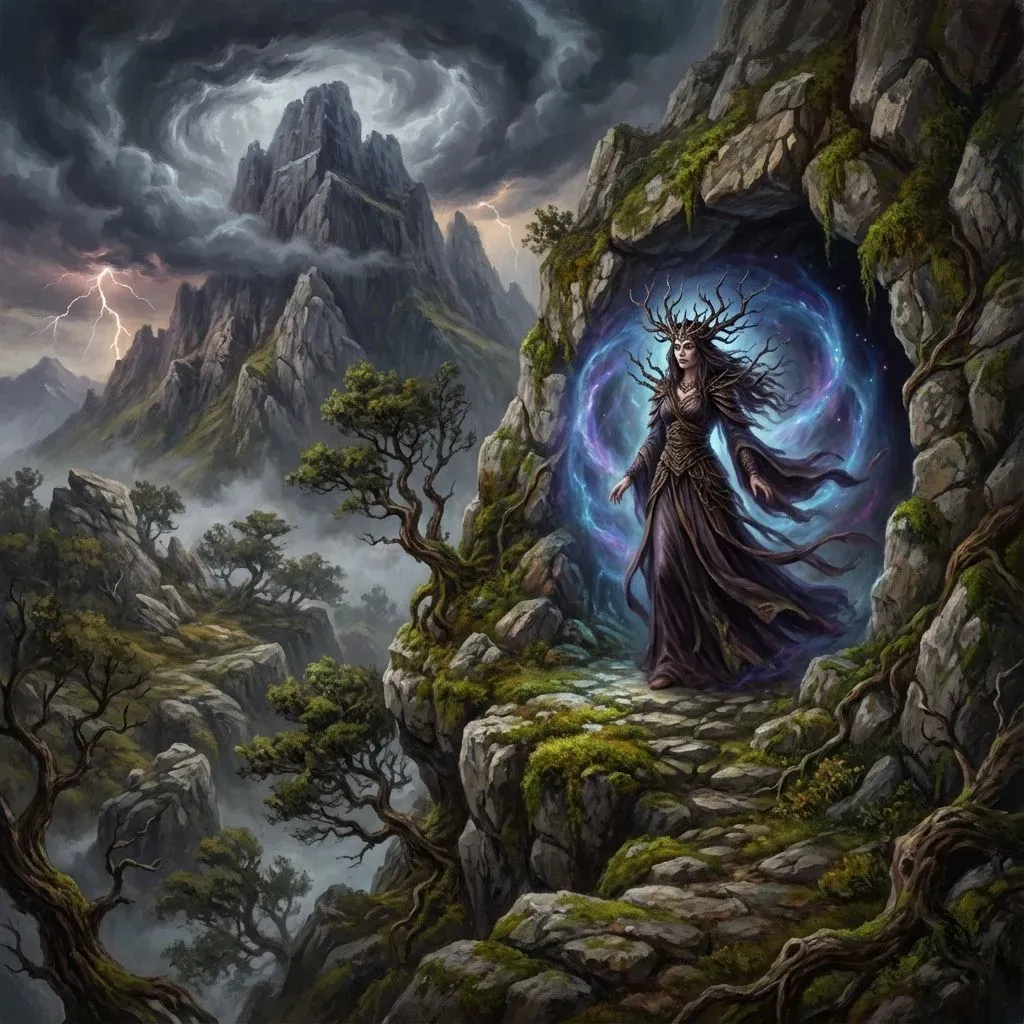
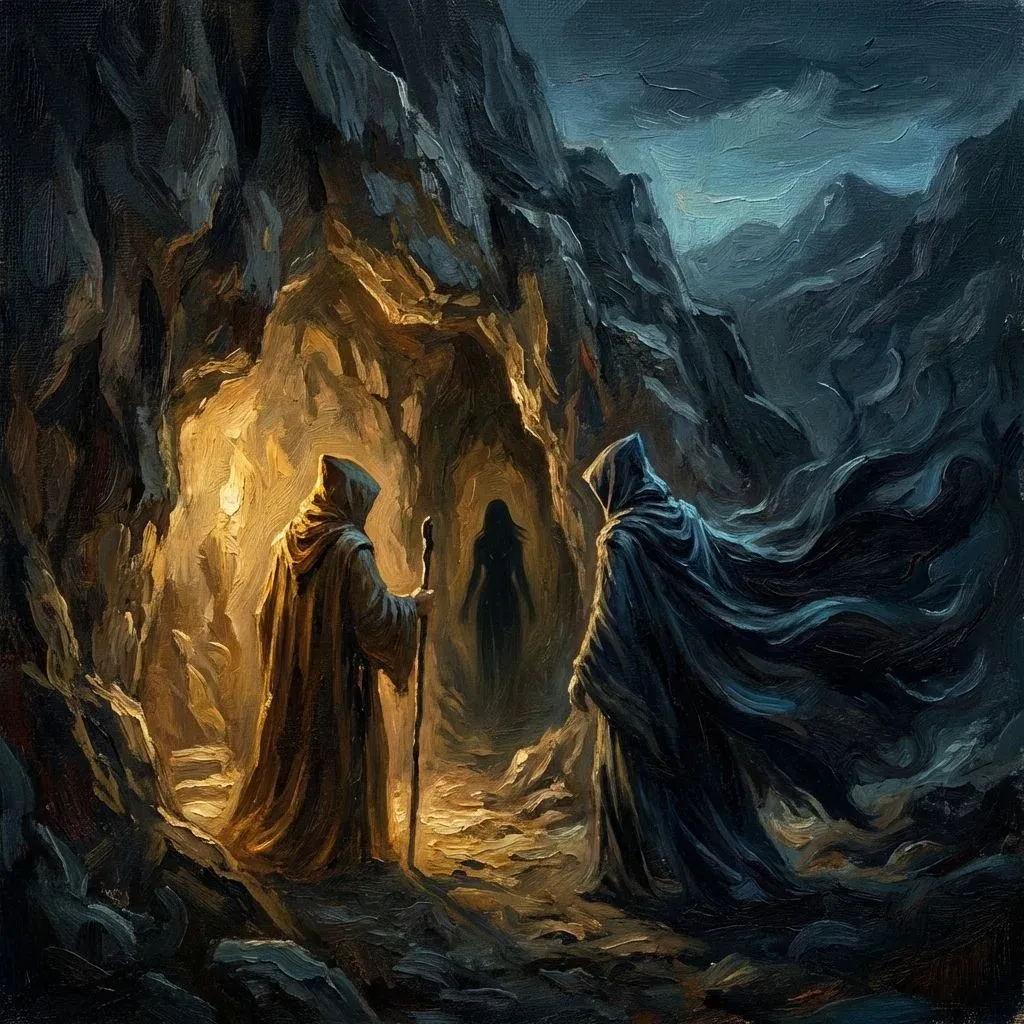
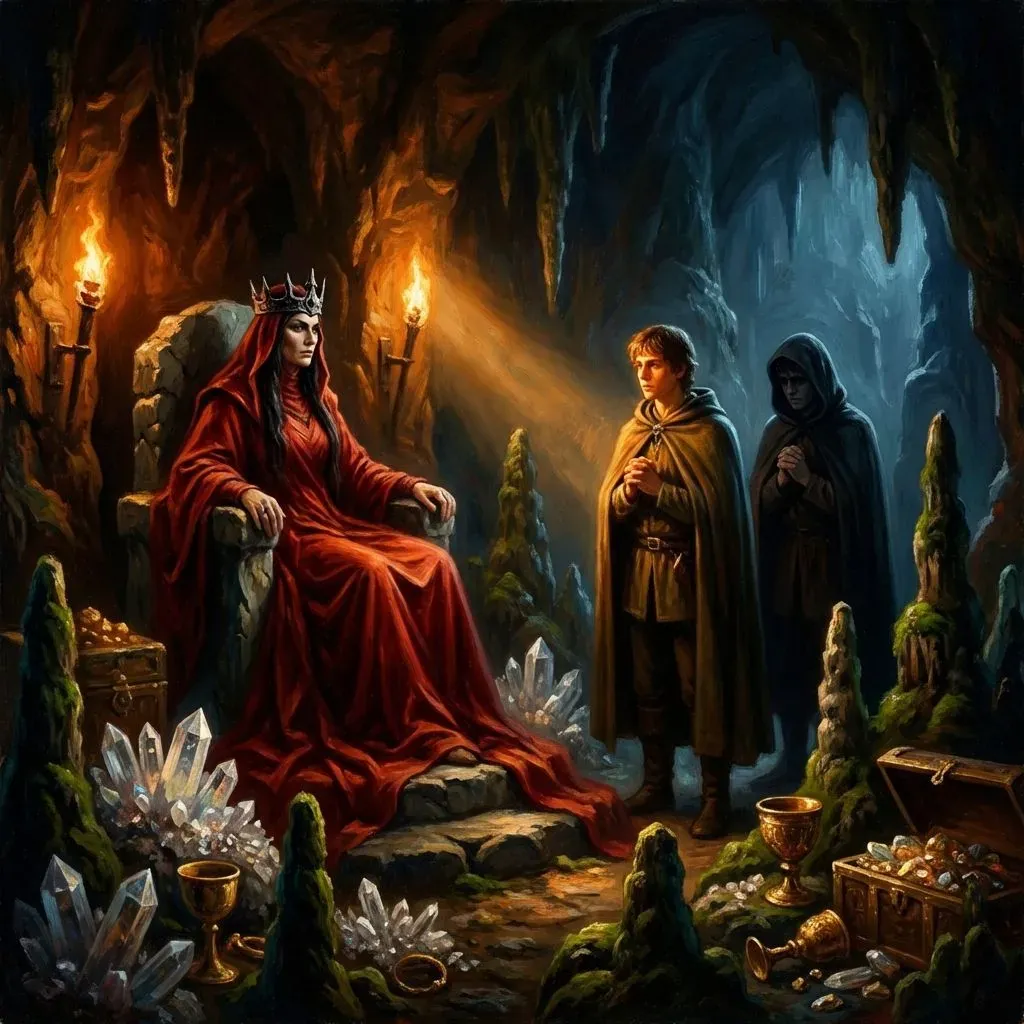
Mari lives in the cave of Mount Anboto, surrounded by riches and mystery. Those who visit her receive warnings, gifts or punishments depending on their conduct. Her presence governs the weather and reminds people that the mountain demands respect.
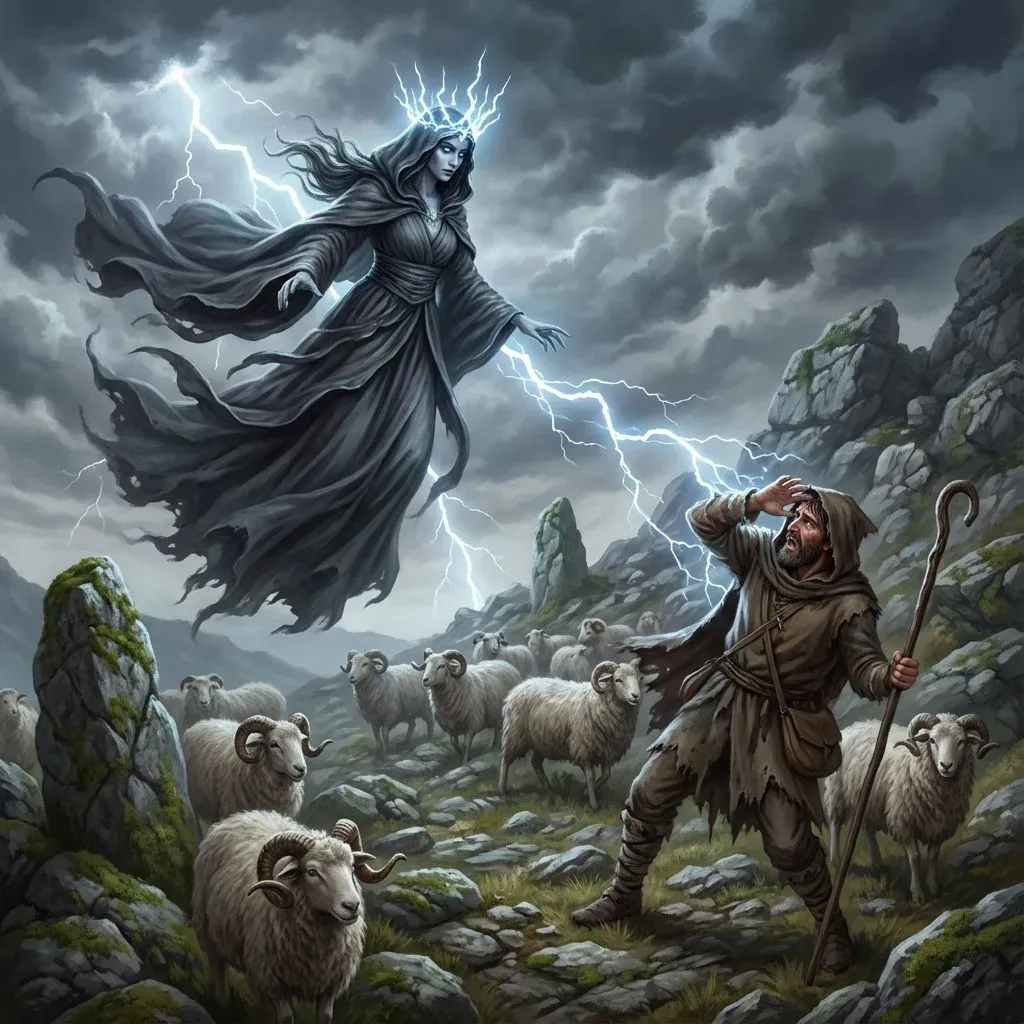
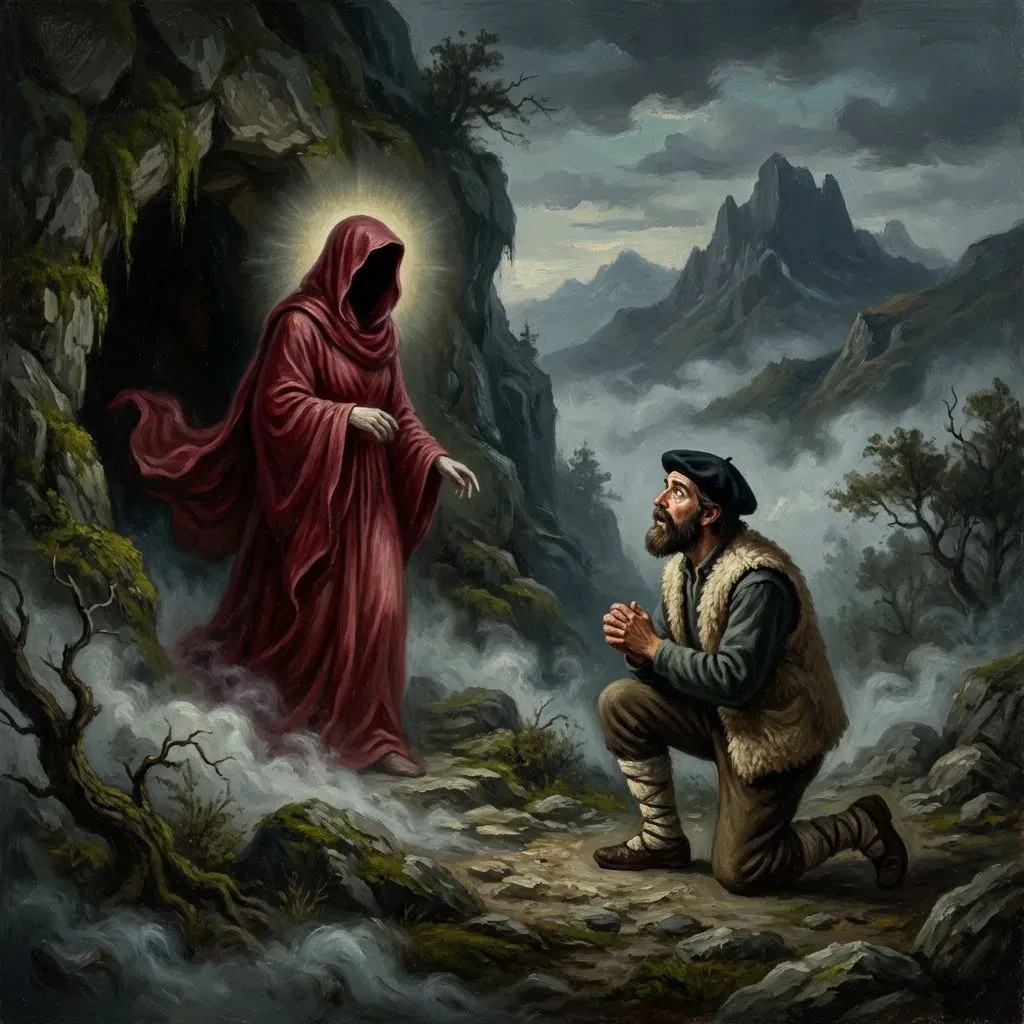
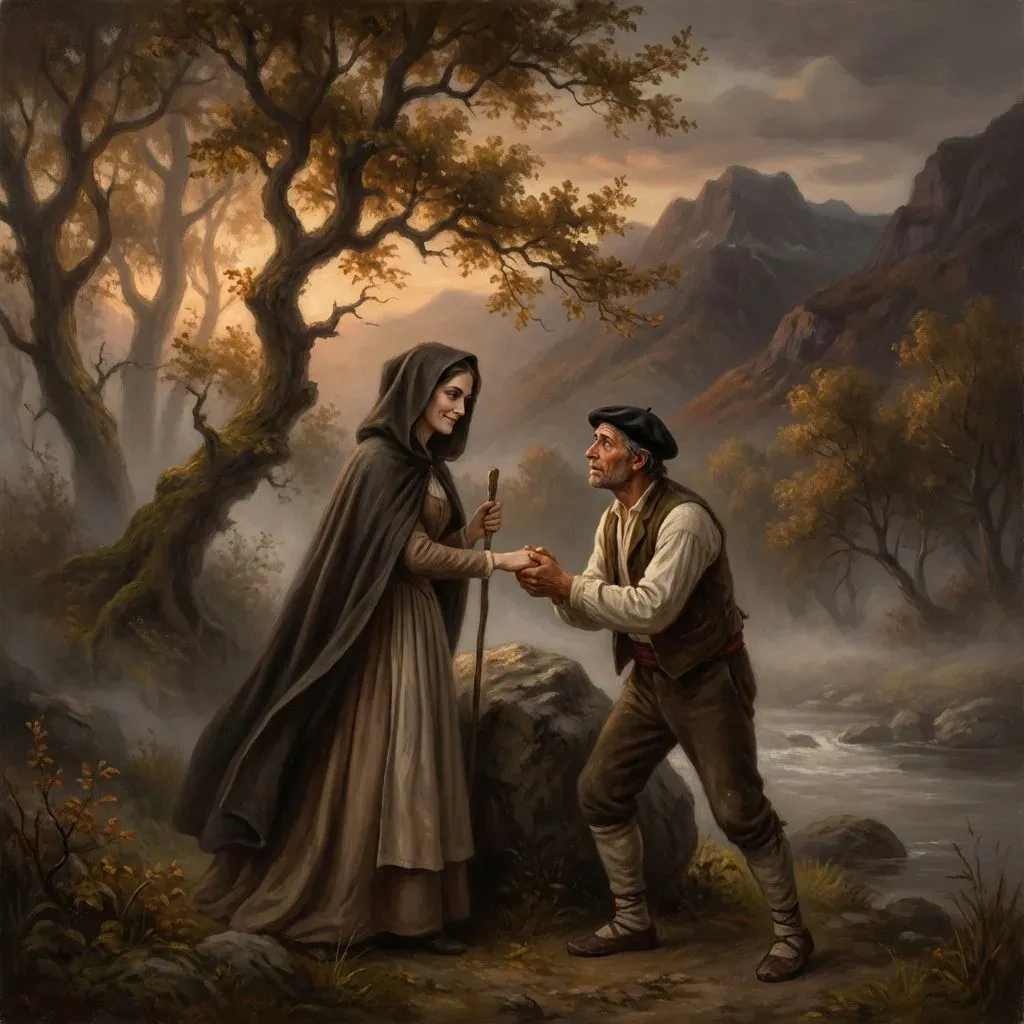
A shepherd meets Mari and she offers him a bargain or asks him a question. The man lies or breaks his promise, challenging the laws of the ancient world. Mari punishes his dishonesty with misfortunes that become a lesson for the whole community.
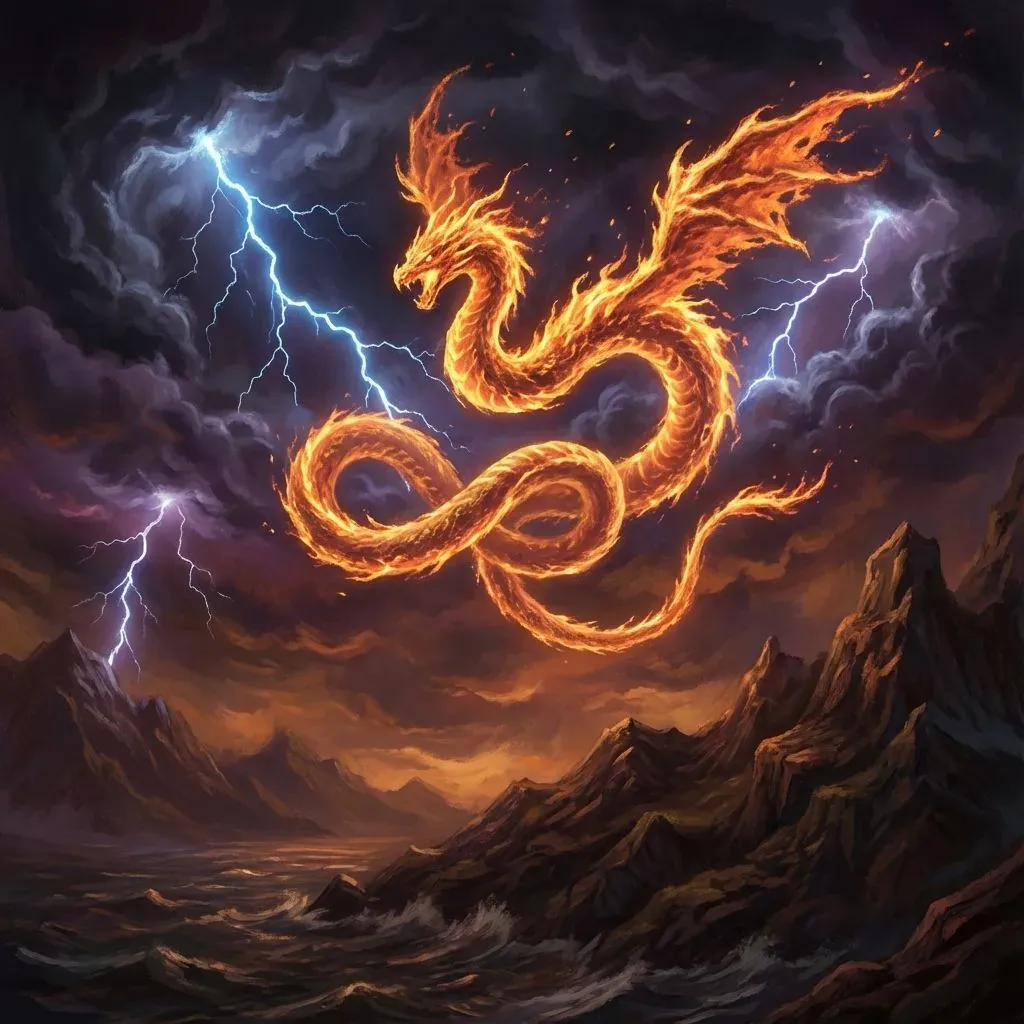
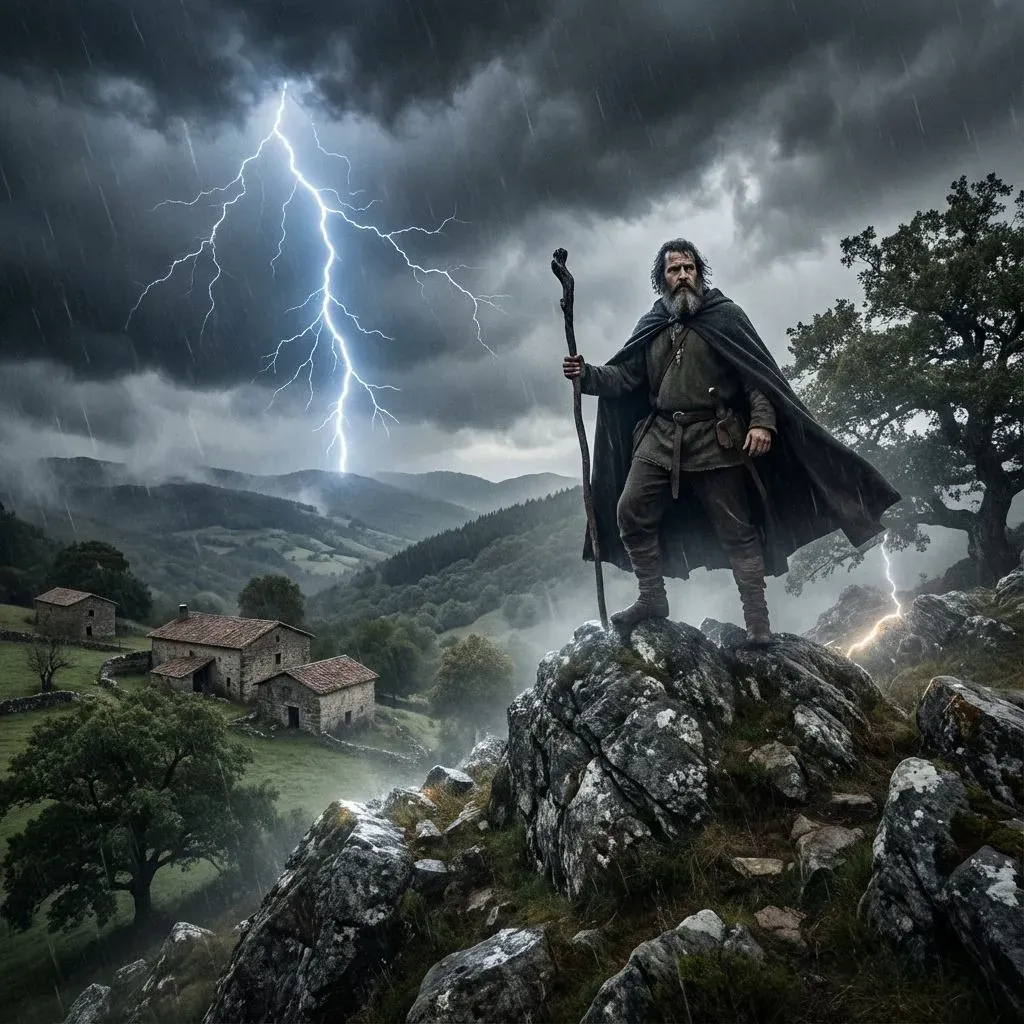
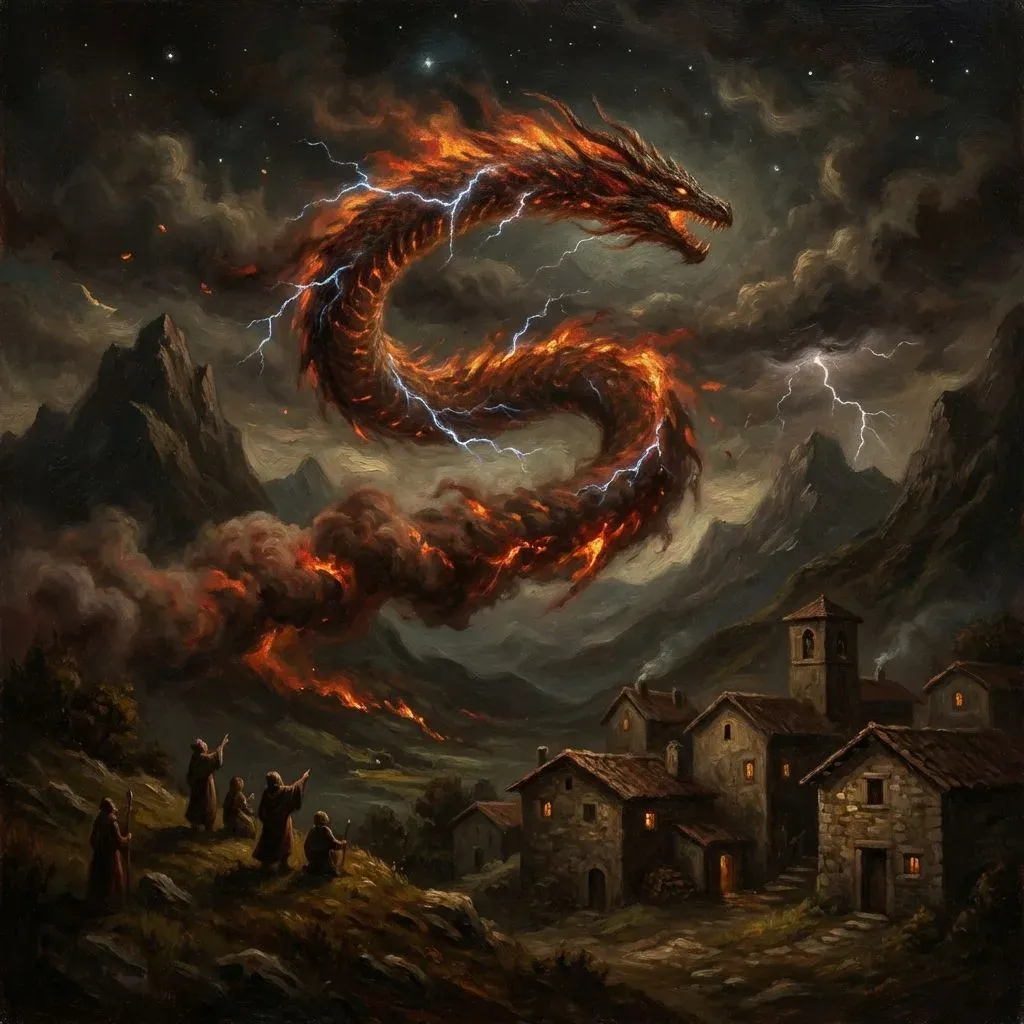
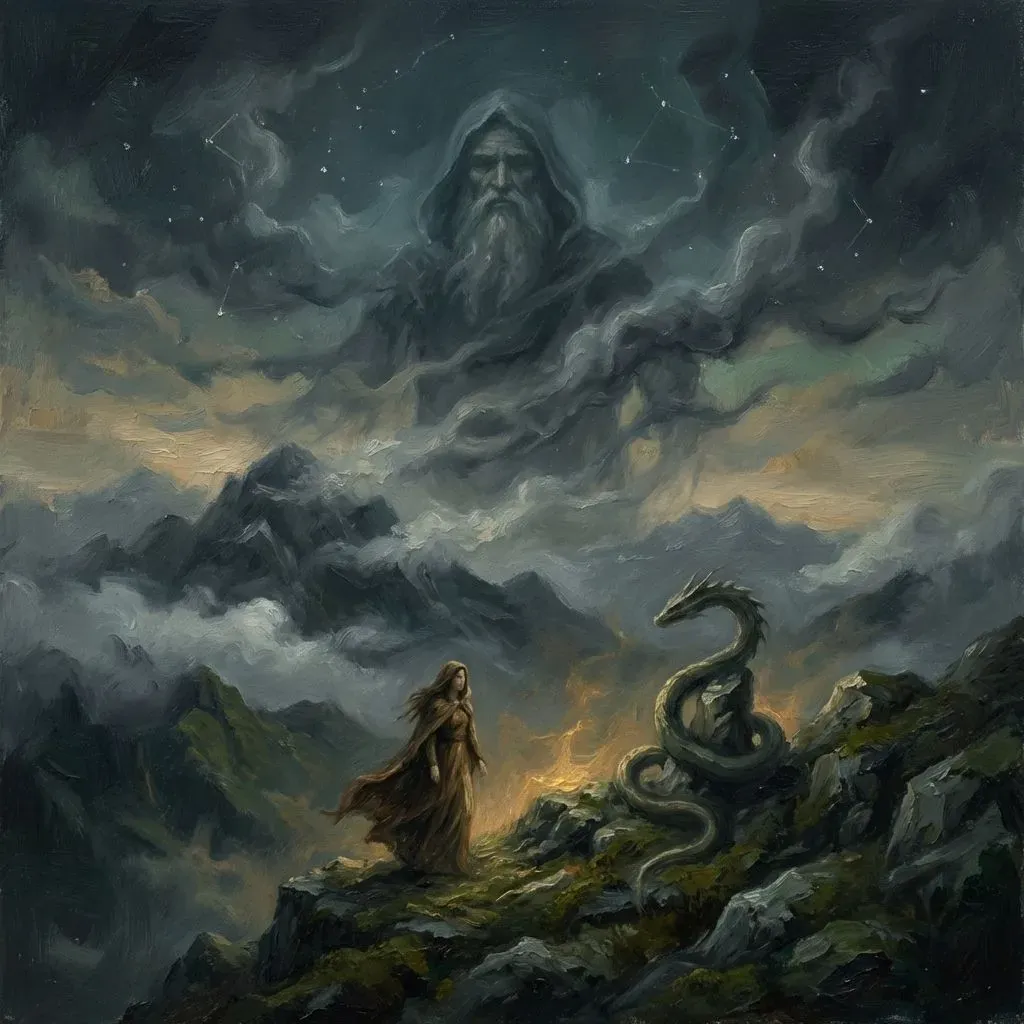
Sugaar crosses the sky like a serpent of fire whenever he seeks Mari on the summits. Their meeting unleashes storms that water the valleys and terrify the villages. His nocturnal flight explains lightning, hail and the untamed force of the sky.
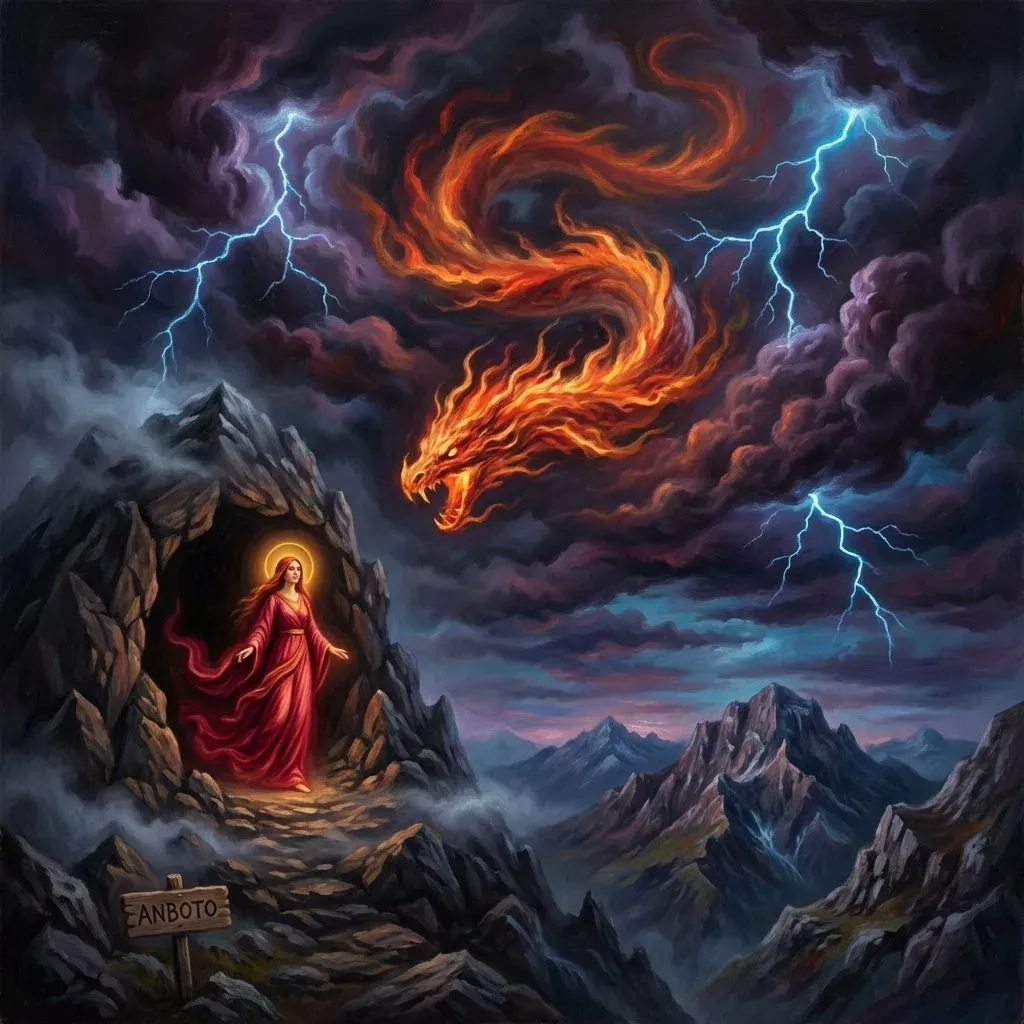
When Sugaar and Mari meet on the high peaks, the sky burns with lightning. From this divine union come the storms that fertilize the Basque land. Atarrabi and Mikelats were born from these cosmic encounters.
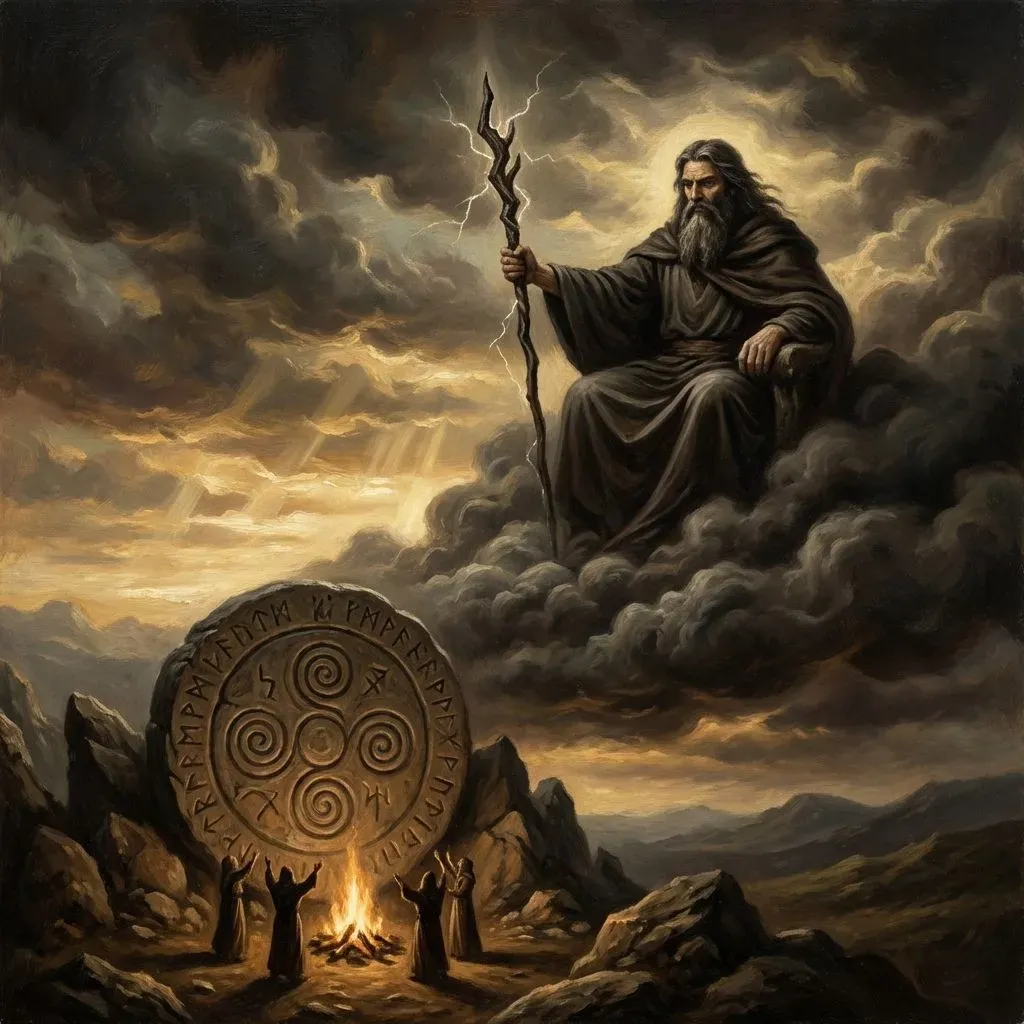
Ortzi is an ancient name for the sky that still survives in words such as "ostirala" (Friday). His voice was the thunder that echoed over the valleys before other gods rose to prominence. More than a character, he embodies the celestial vault and its primordial power.
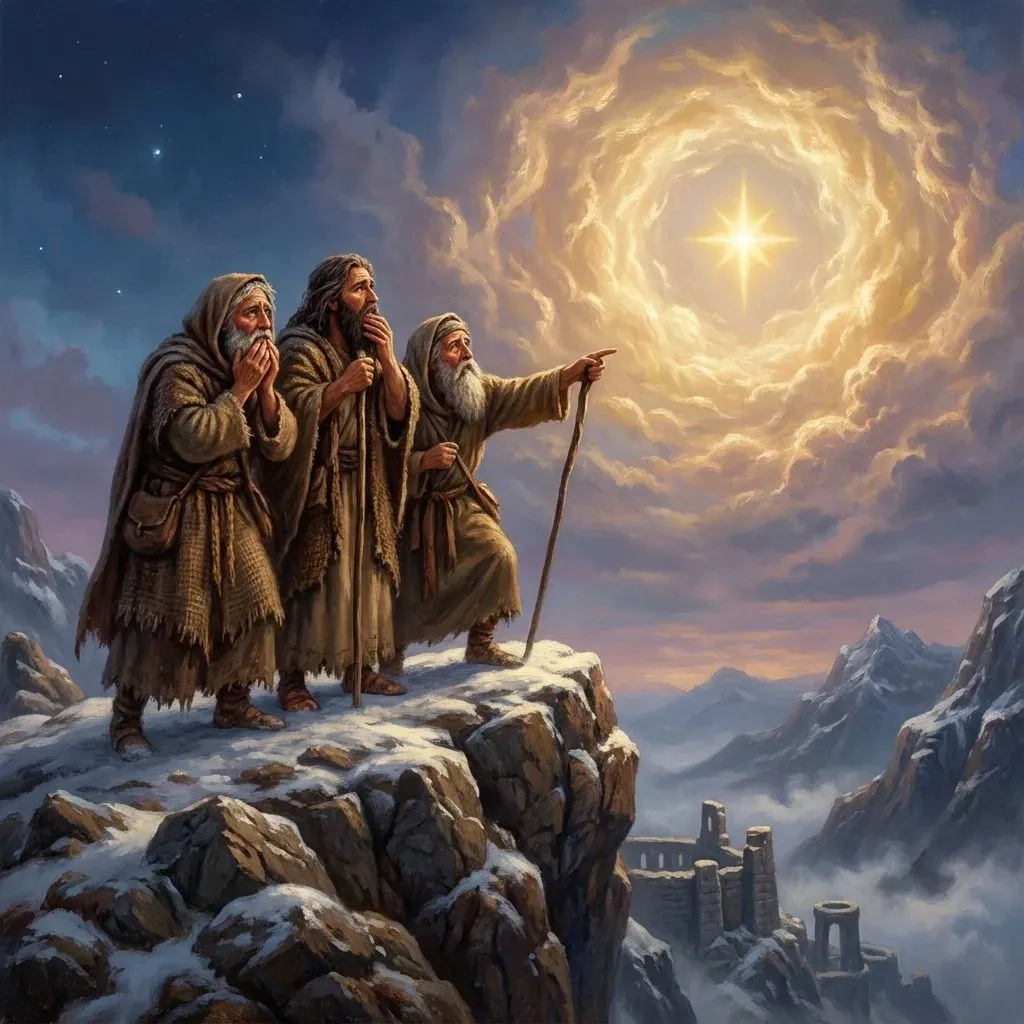
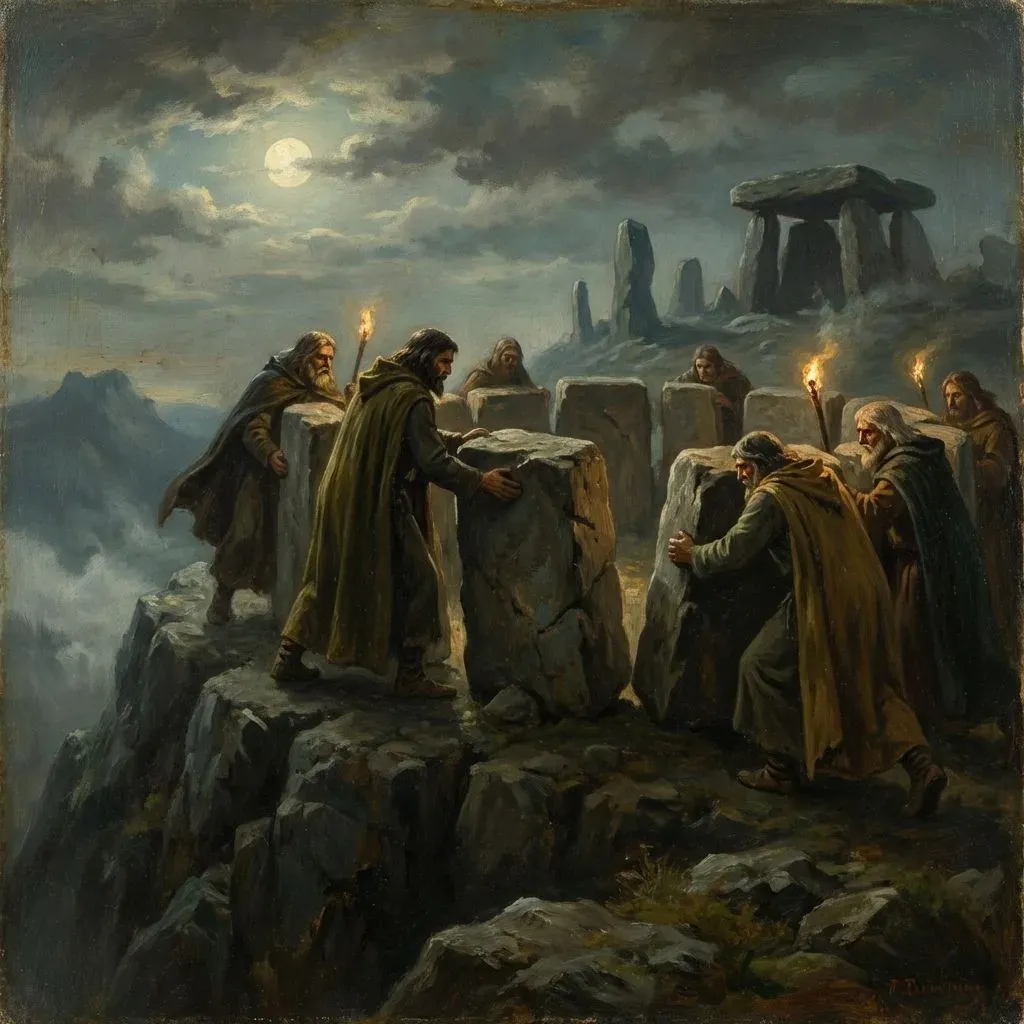
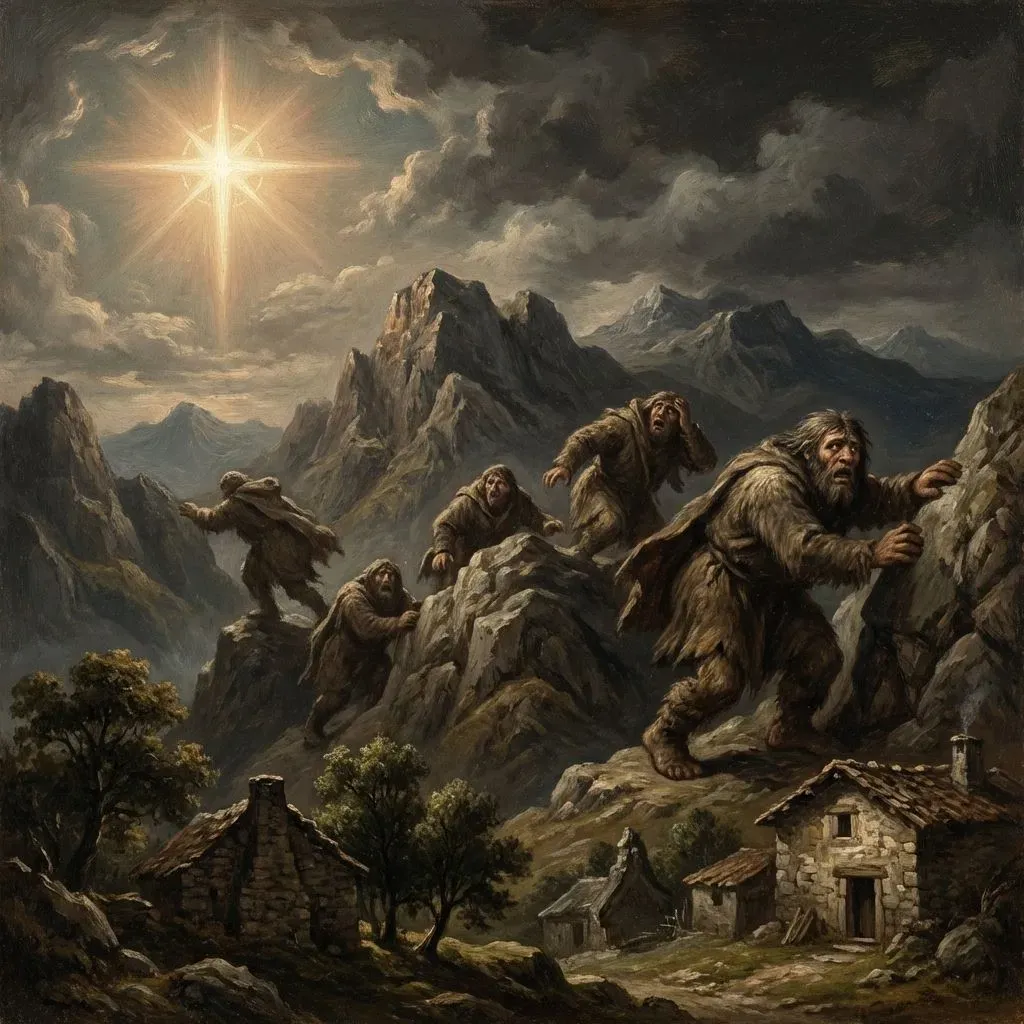
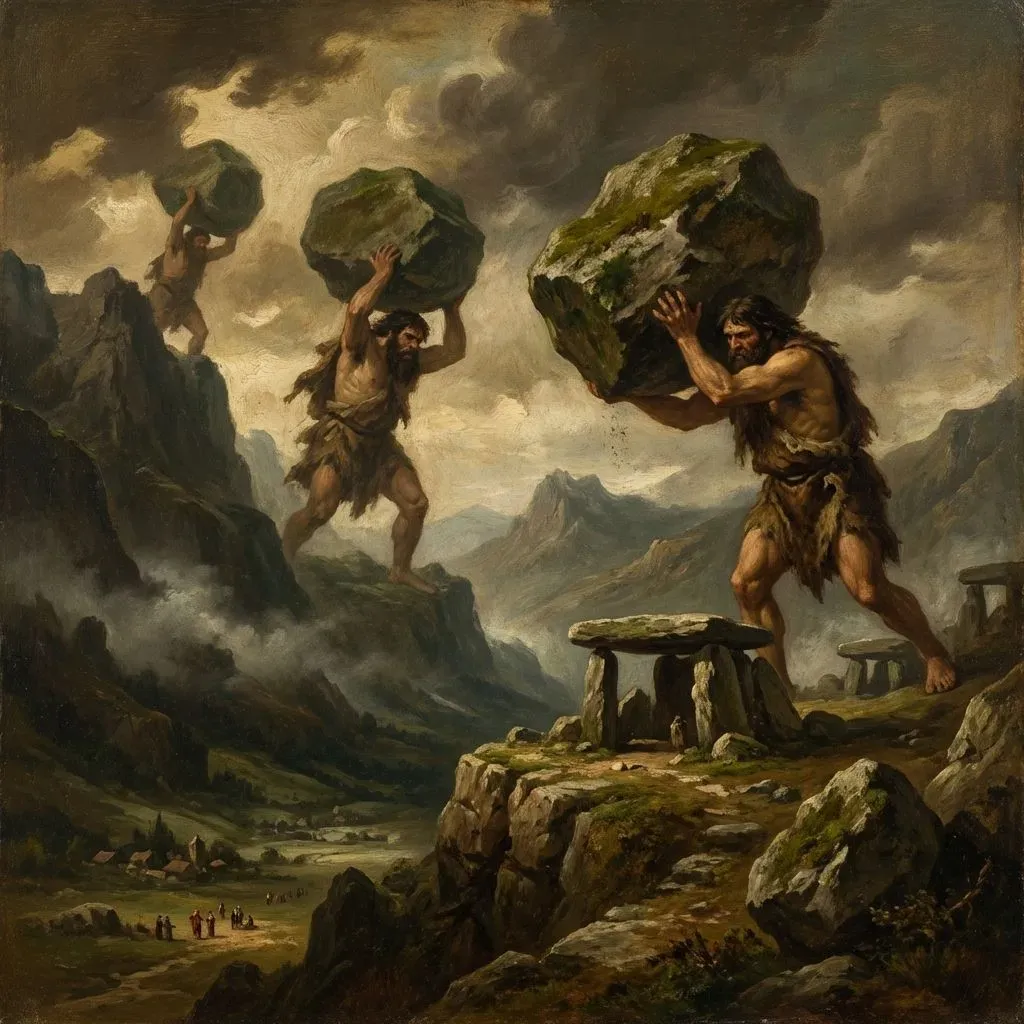
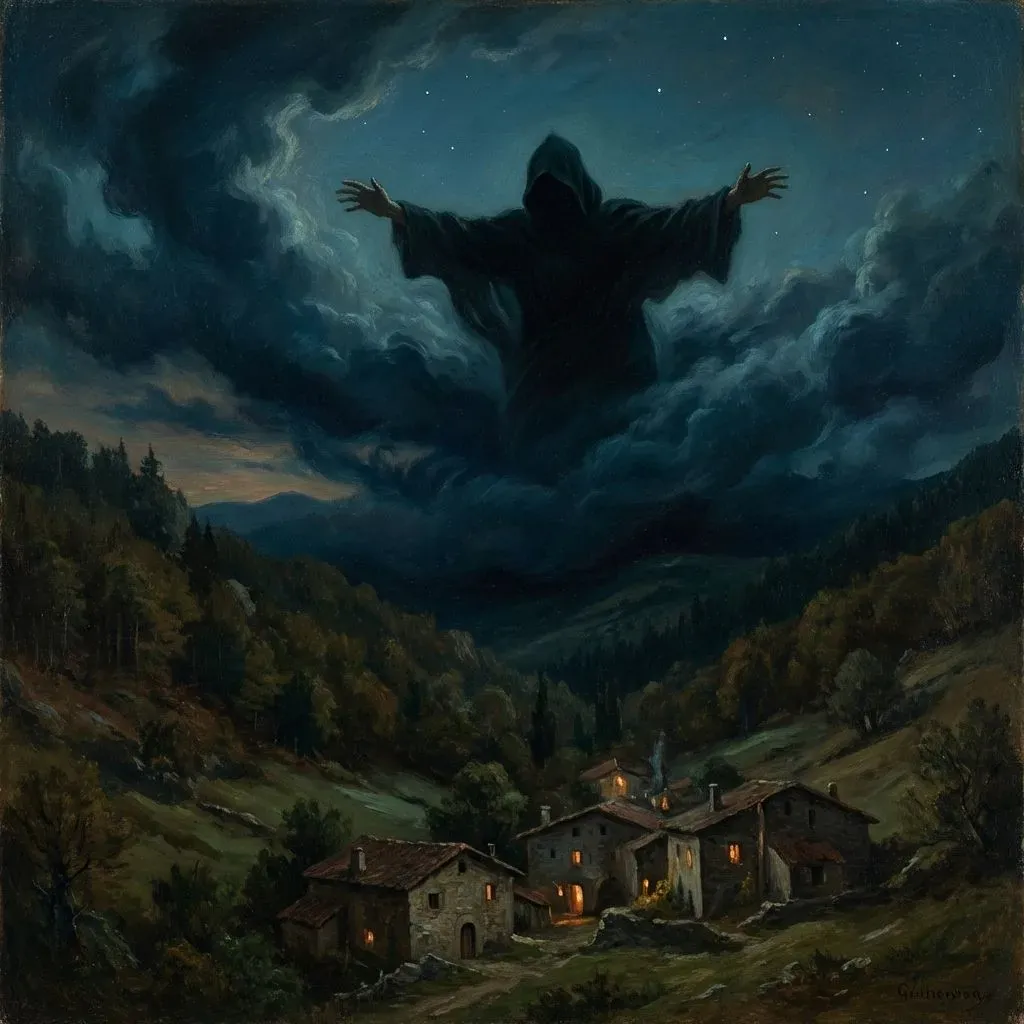
The jentiles were pagan giants who ruled the mountains before Kixmi arrived. When they saw a luminous cloud in the sky, they knew their age had come to an end. They threw themselves into chasms or fled away, yielding to a new faith and a new world.
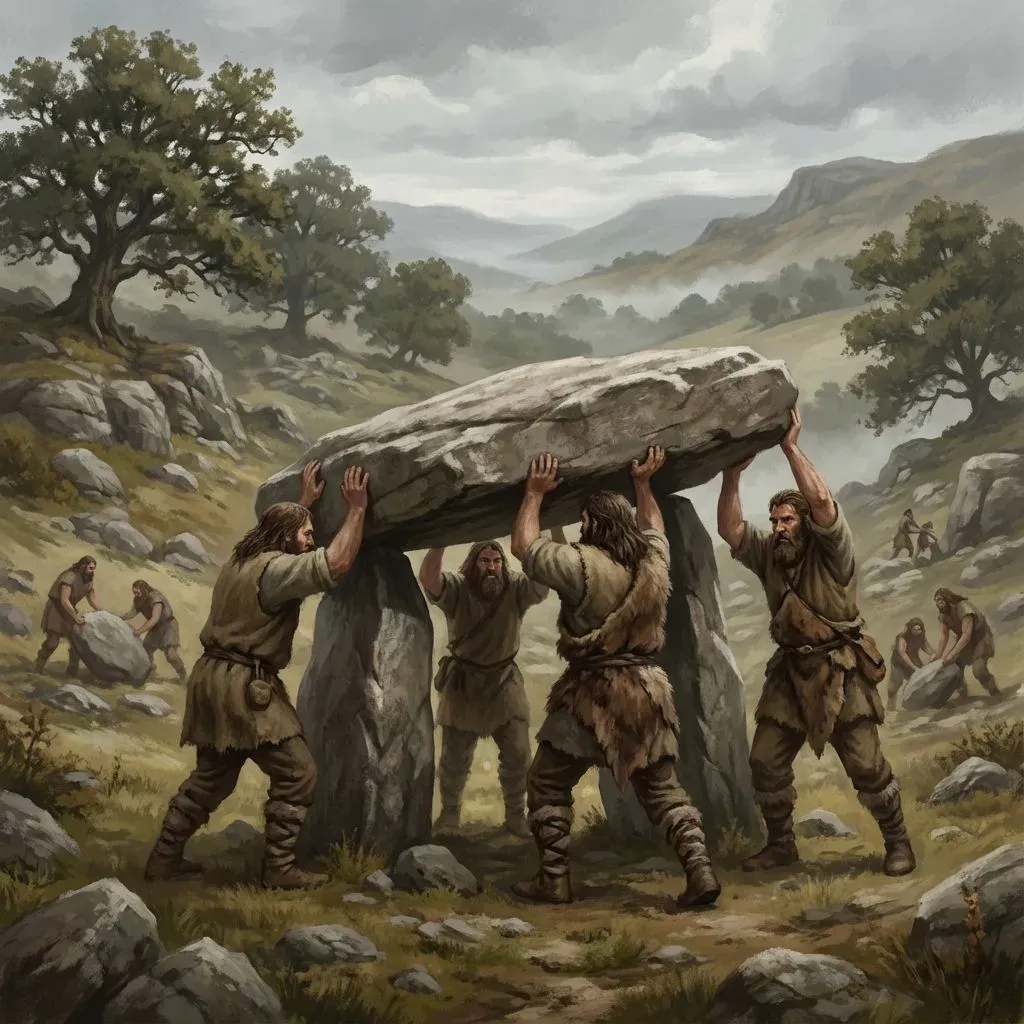
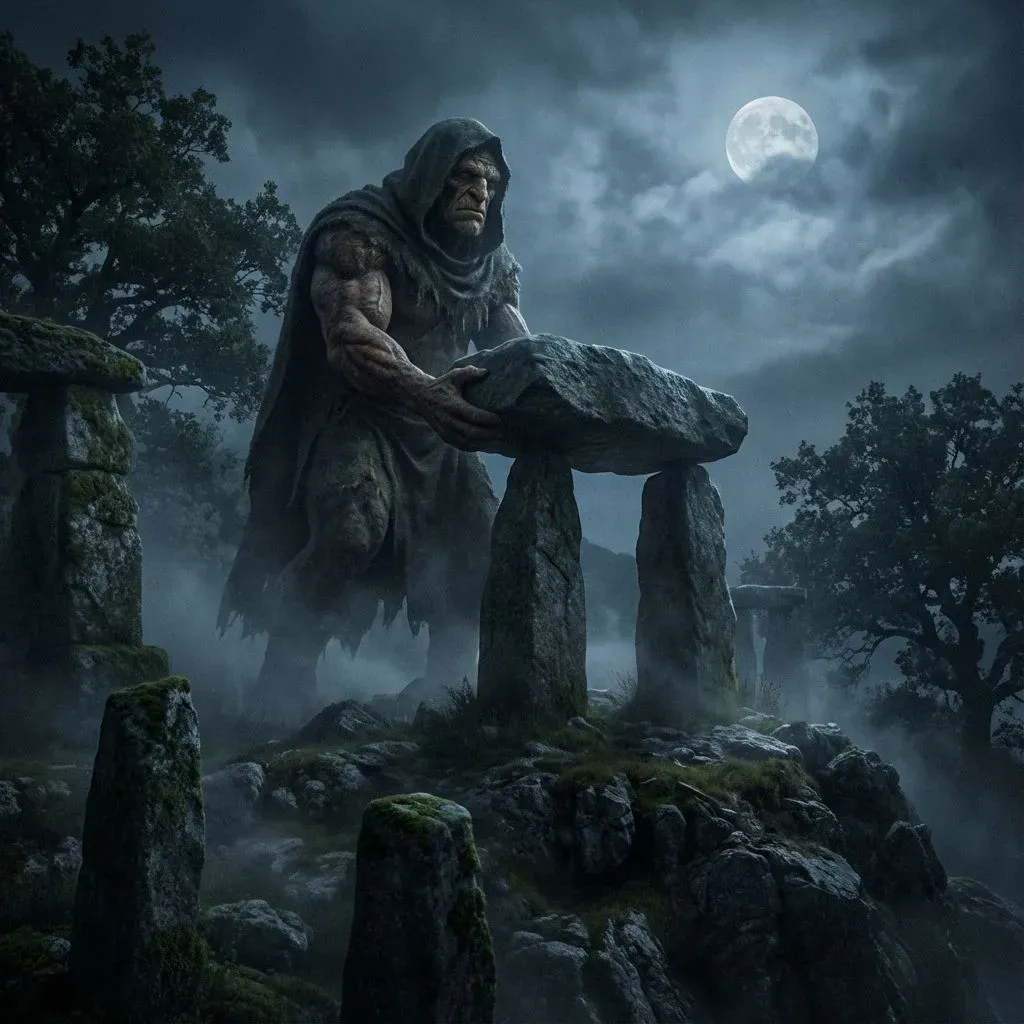
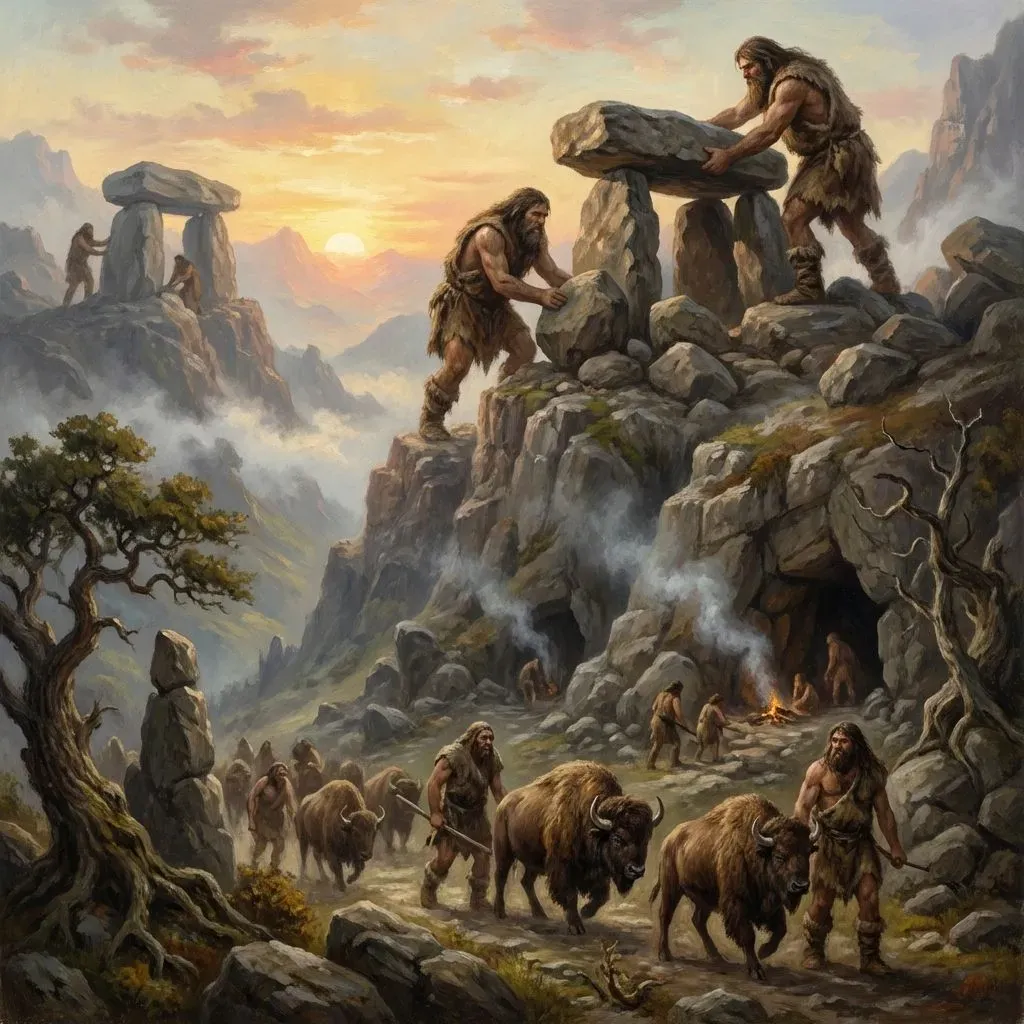
The dolmens and cromlechs scattered across the mountains are attributed to the jentiles. Only beings of immense strength could have raised such enormous stones. In this way, the landscape preserves the trace of an ancient race that lived here before us.
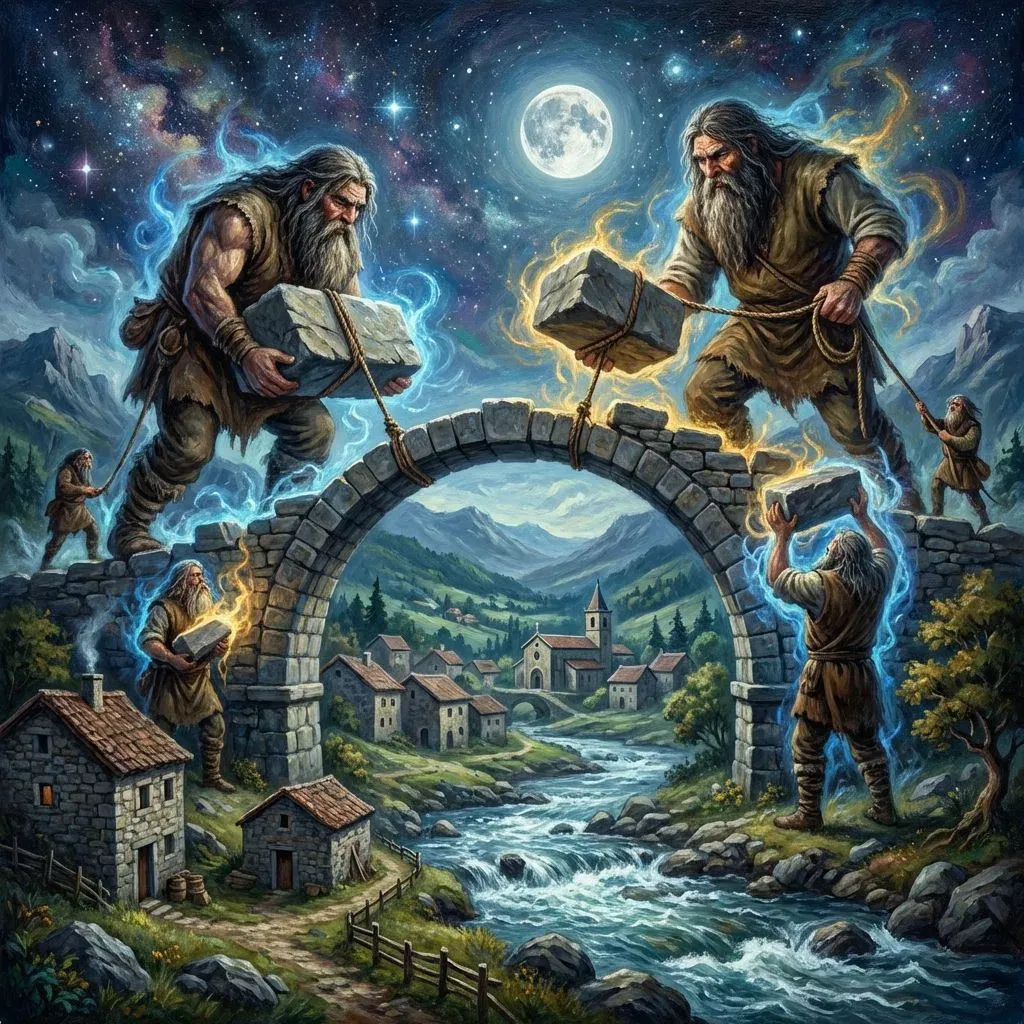
The mairuak were legendary builders capable of raising bridges in a single night. Old roads and causeways in Navarre and Gipuzkoa are often attributed to them. They are sometimes confused with the jentiles, sharing the aura of a gigantic past.
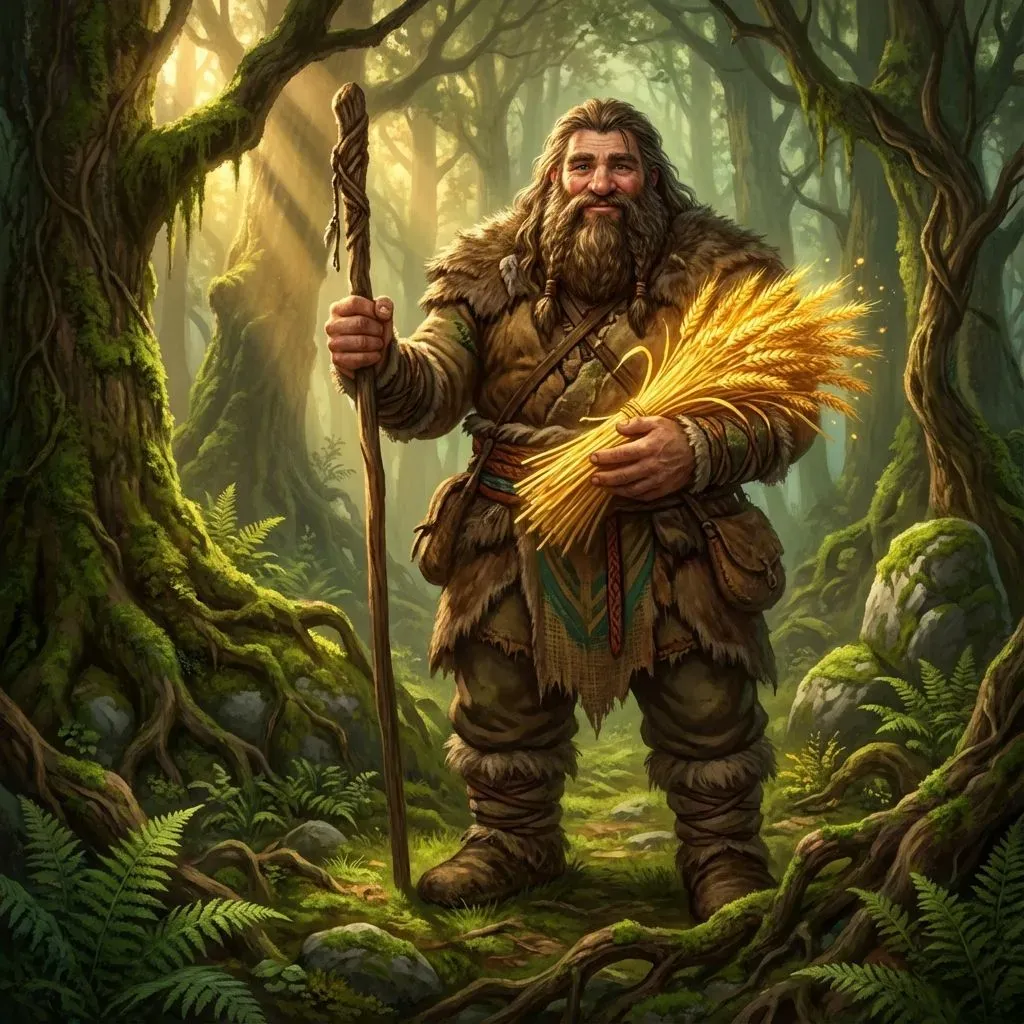
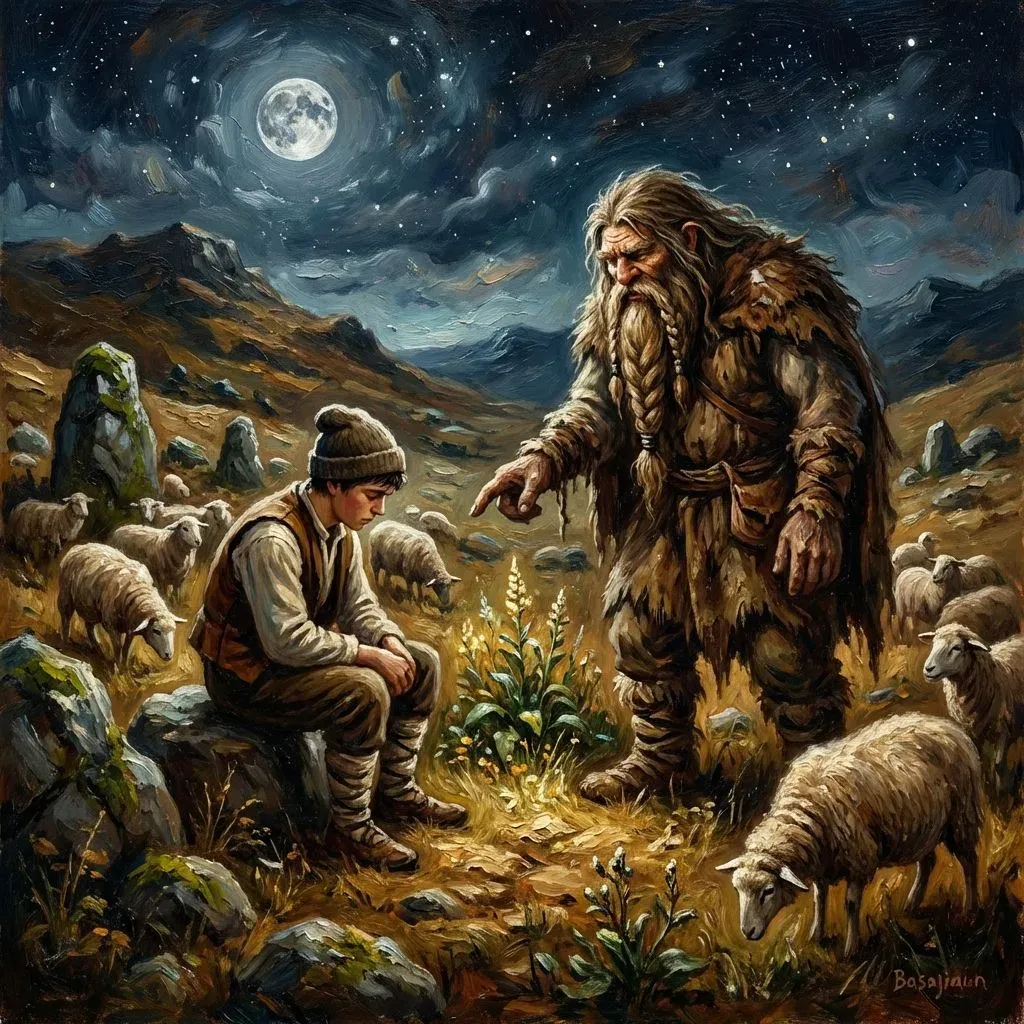
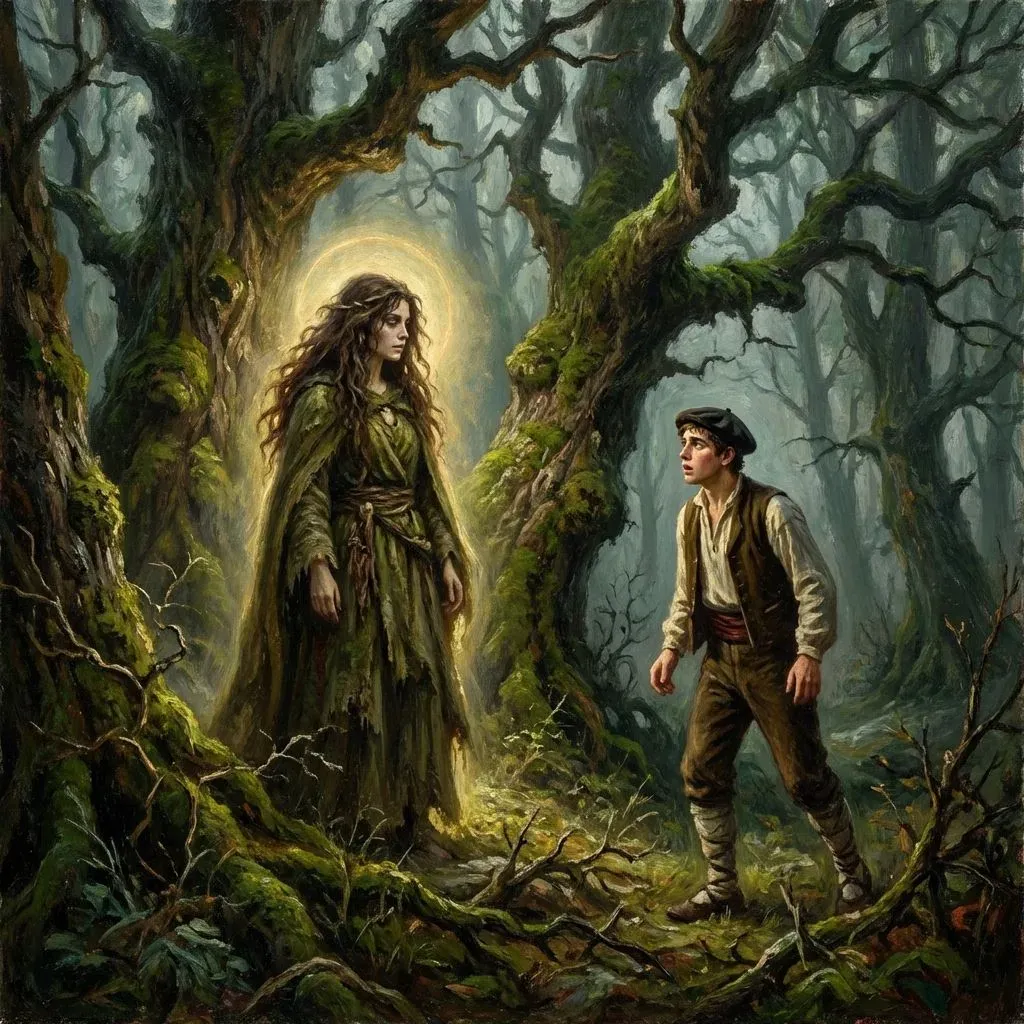
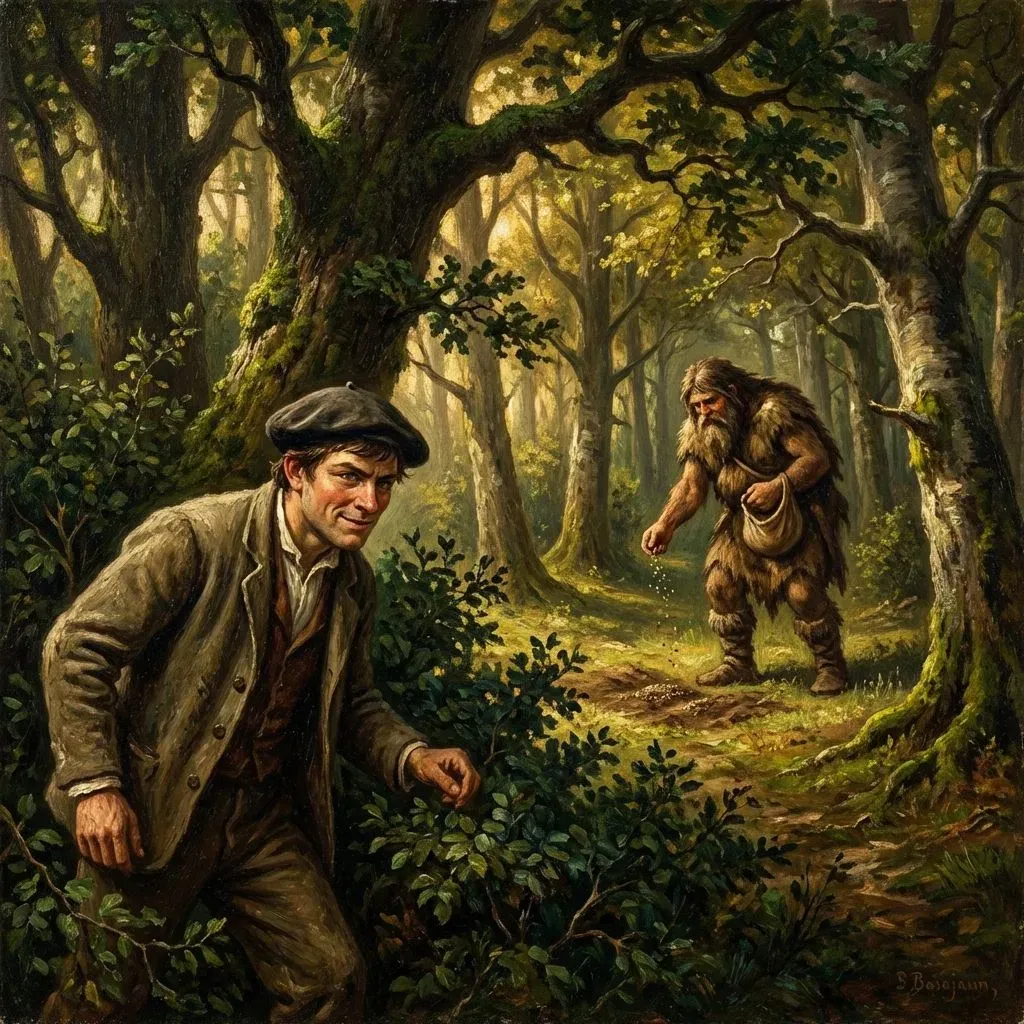
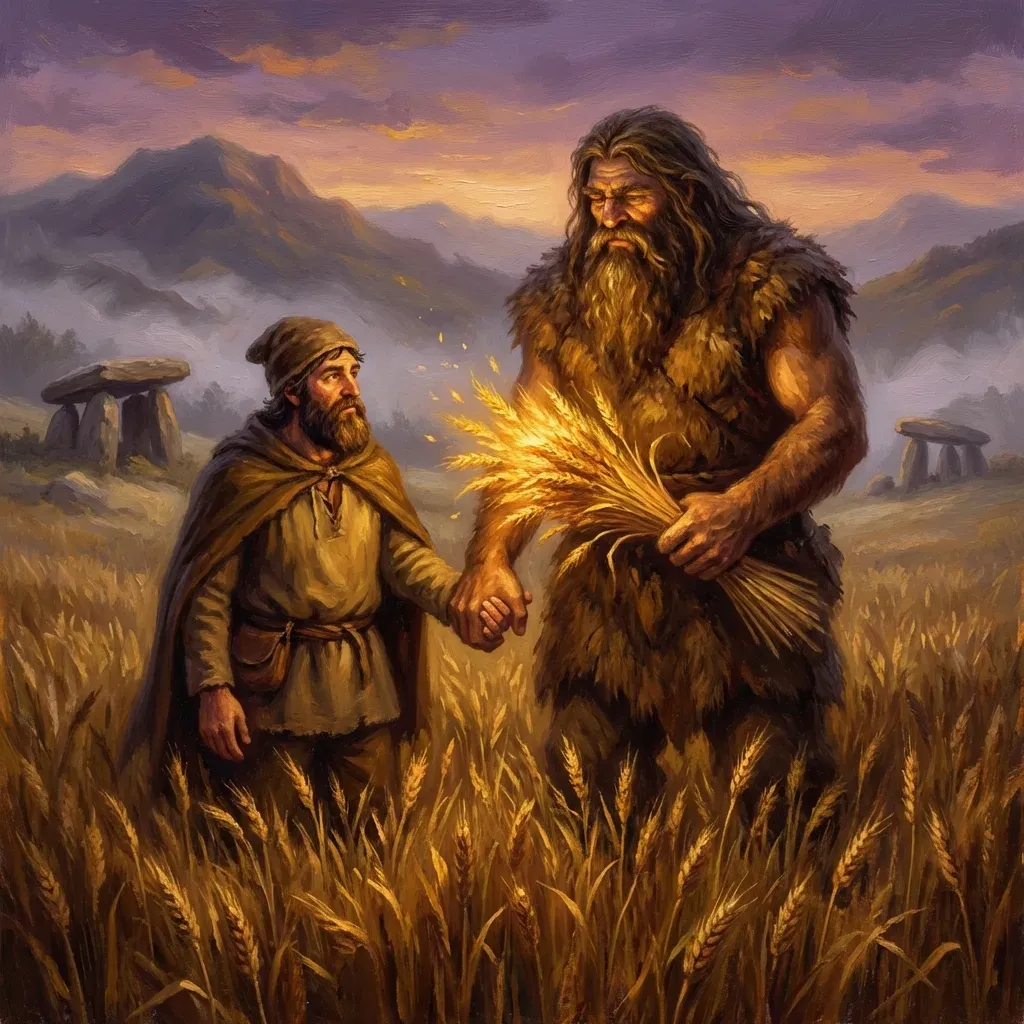
Basajaun guarded the seed of wheat, forbidden to the humans in the valley. A clever youth watched where he hid it and stole a few grains for his people. Since then, the Basques have grown cereal thanks to the daring of that thief.
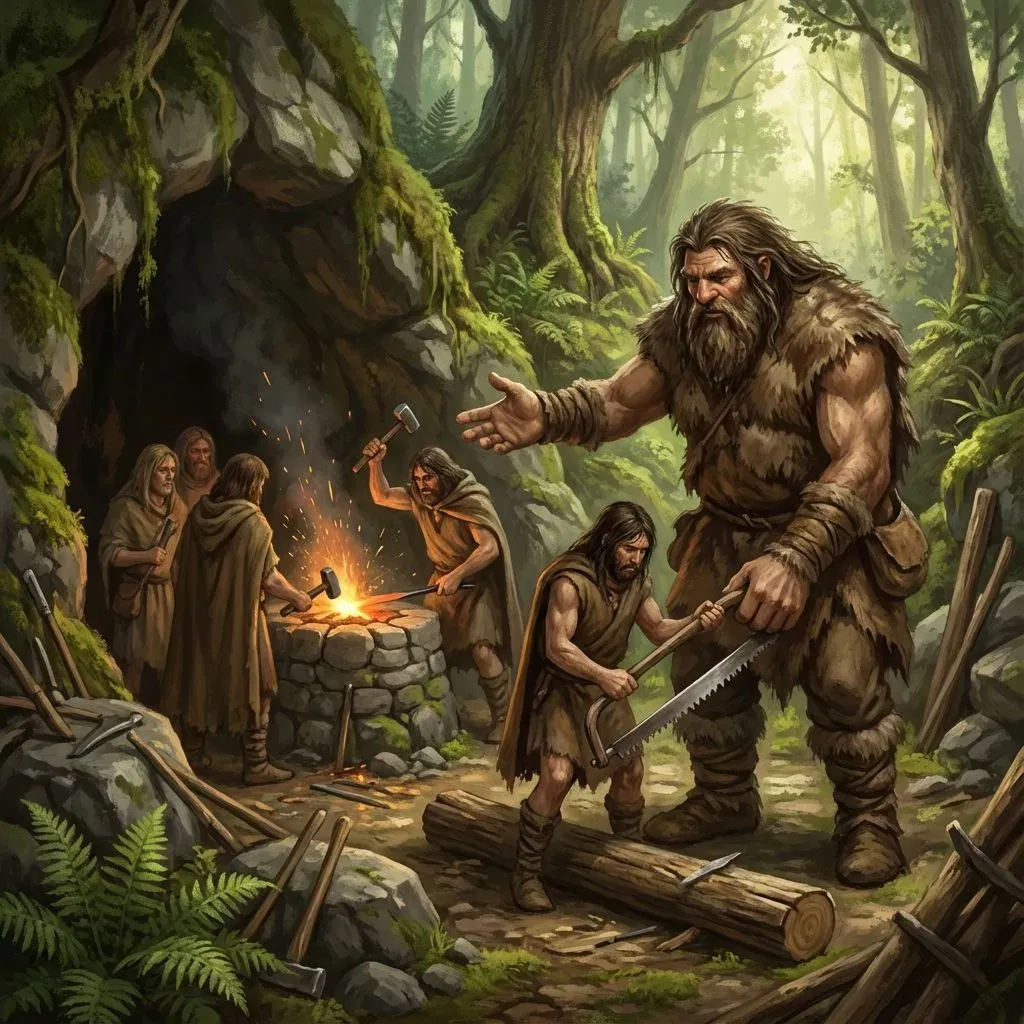
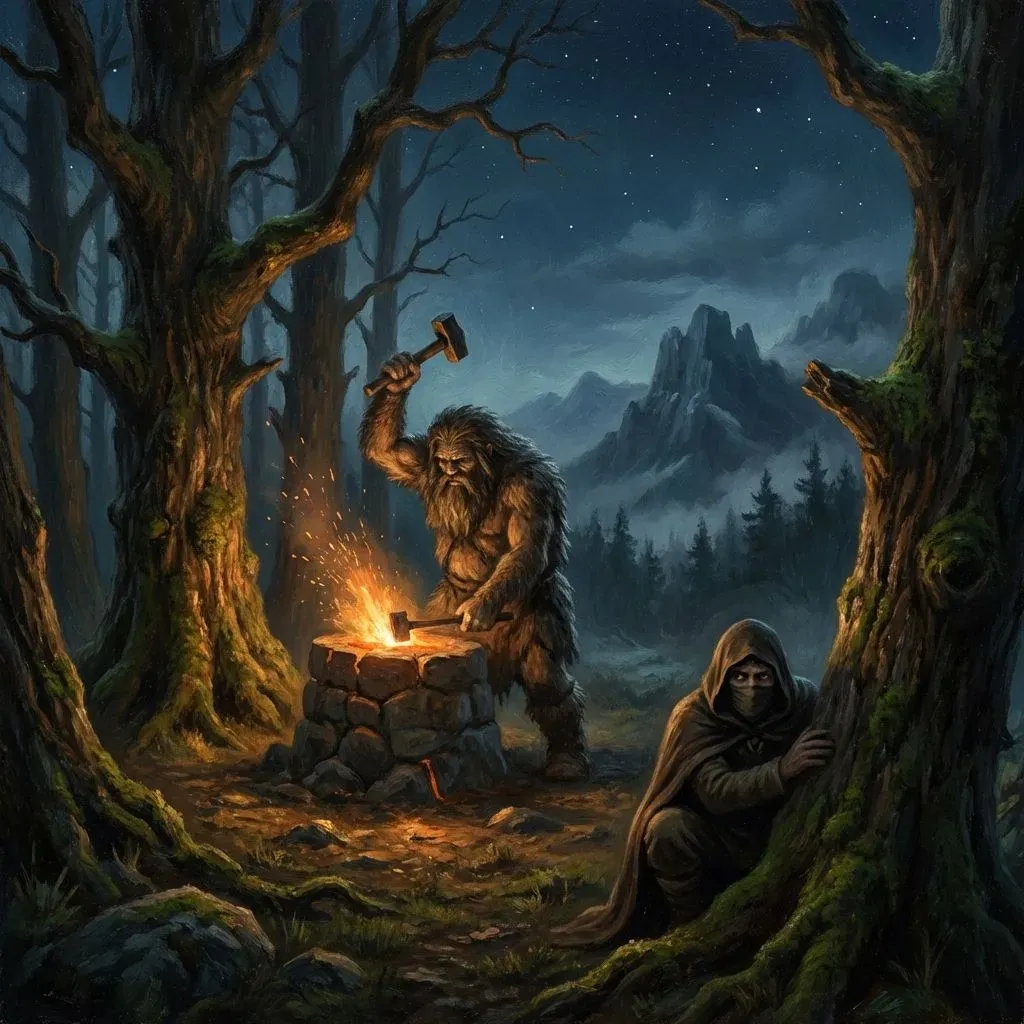
Basajaun knew the secret of forging iron and making tools. Humans spied on his hidden workshops in the forest and learned the craft. The myth explains how civilization stole its arts from the Lord of the Forest.
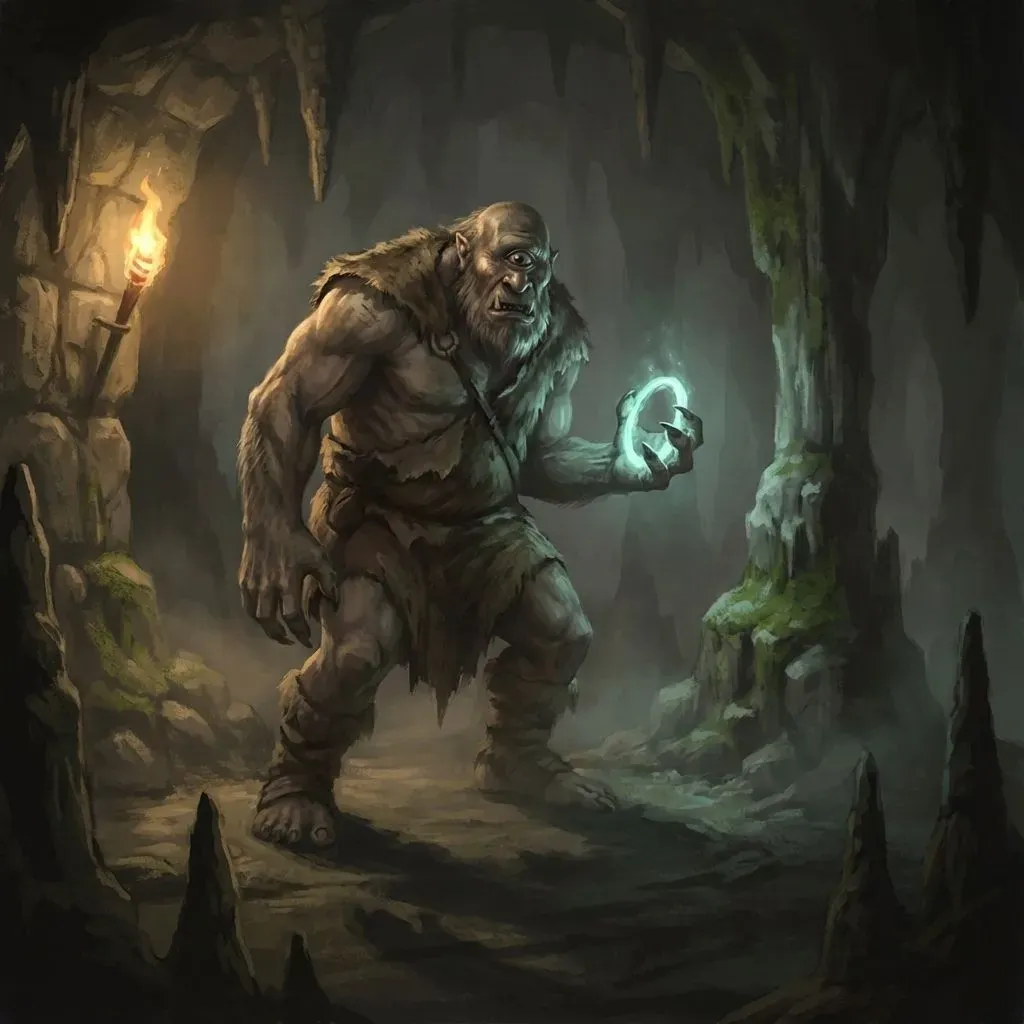
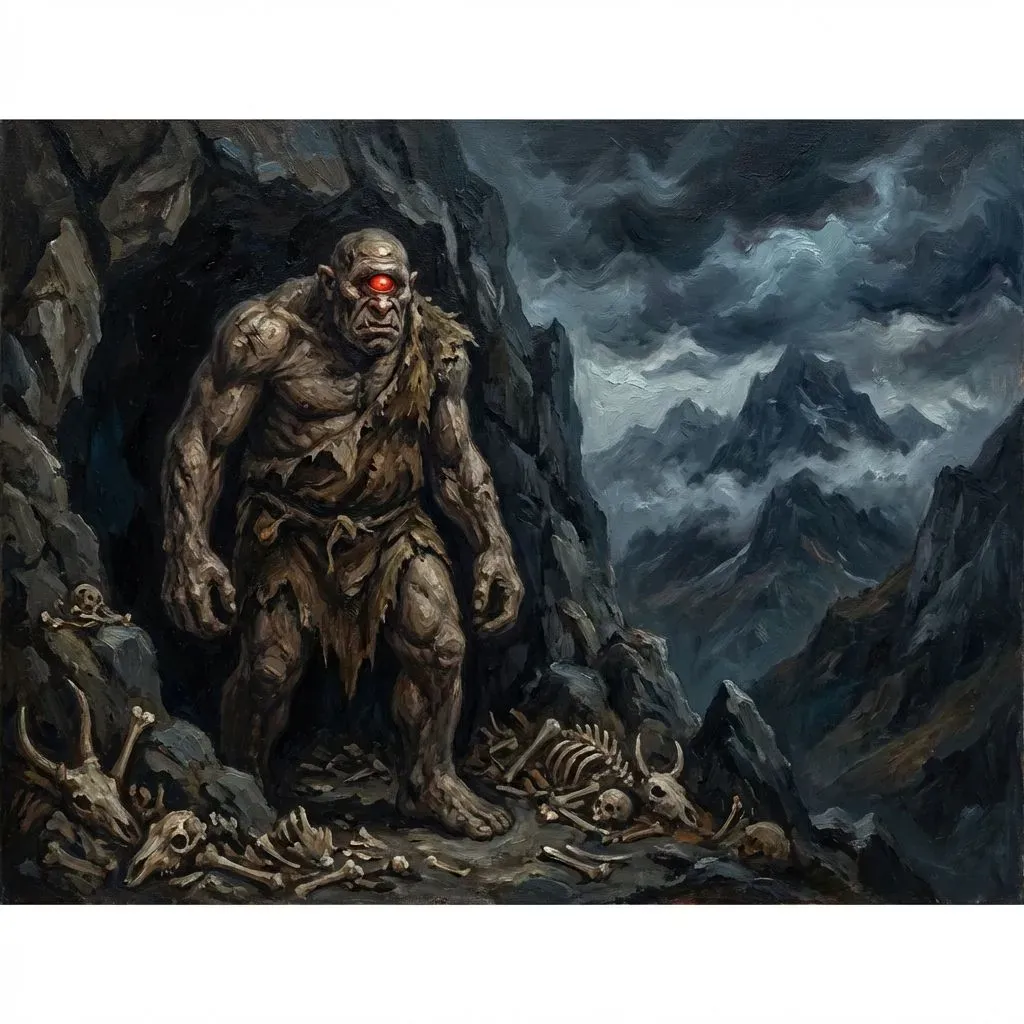
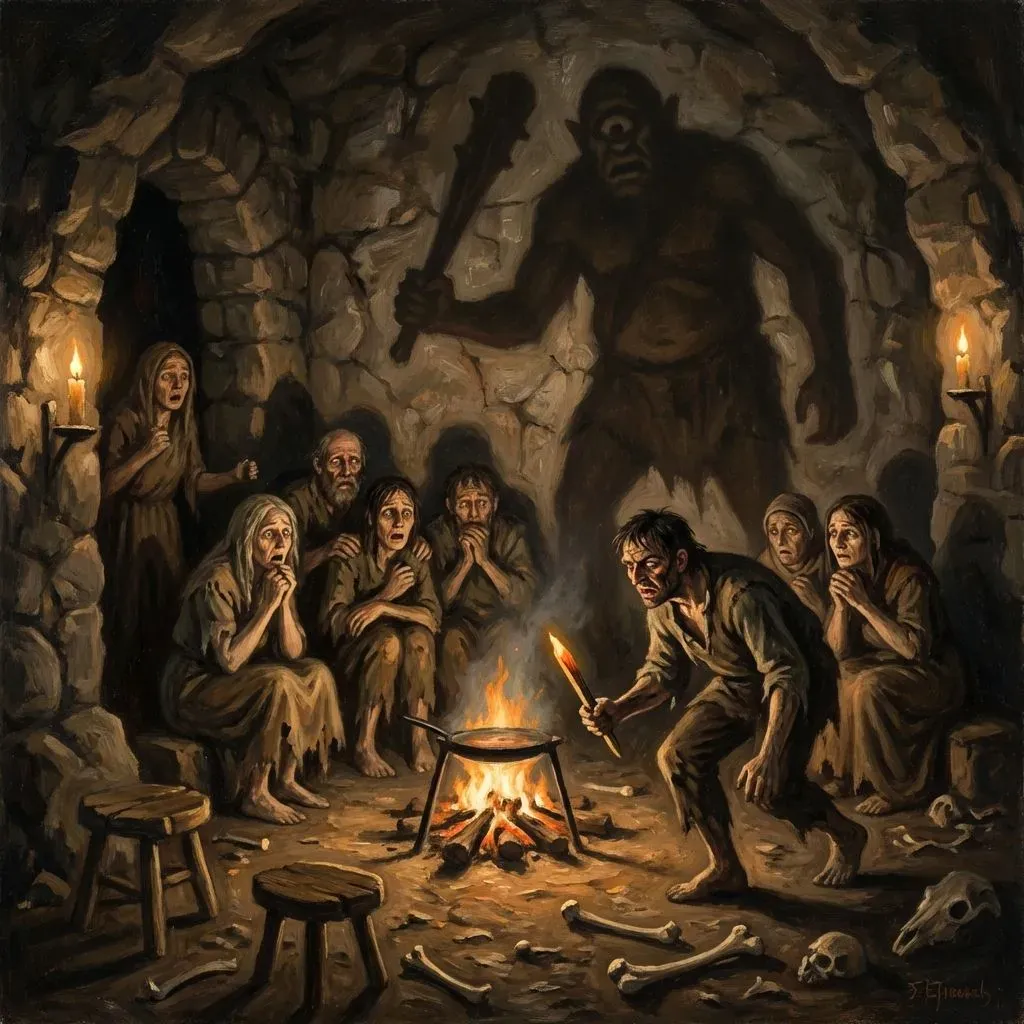
Tartalo, the Basque cyclops, captures travelers and devours them in his cave. A clever prisoner blinds him and escapes, but a magic ring cries out his position. Only by cutting off the finger can he free himself from the object and save his life.
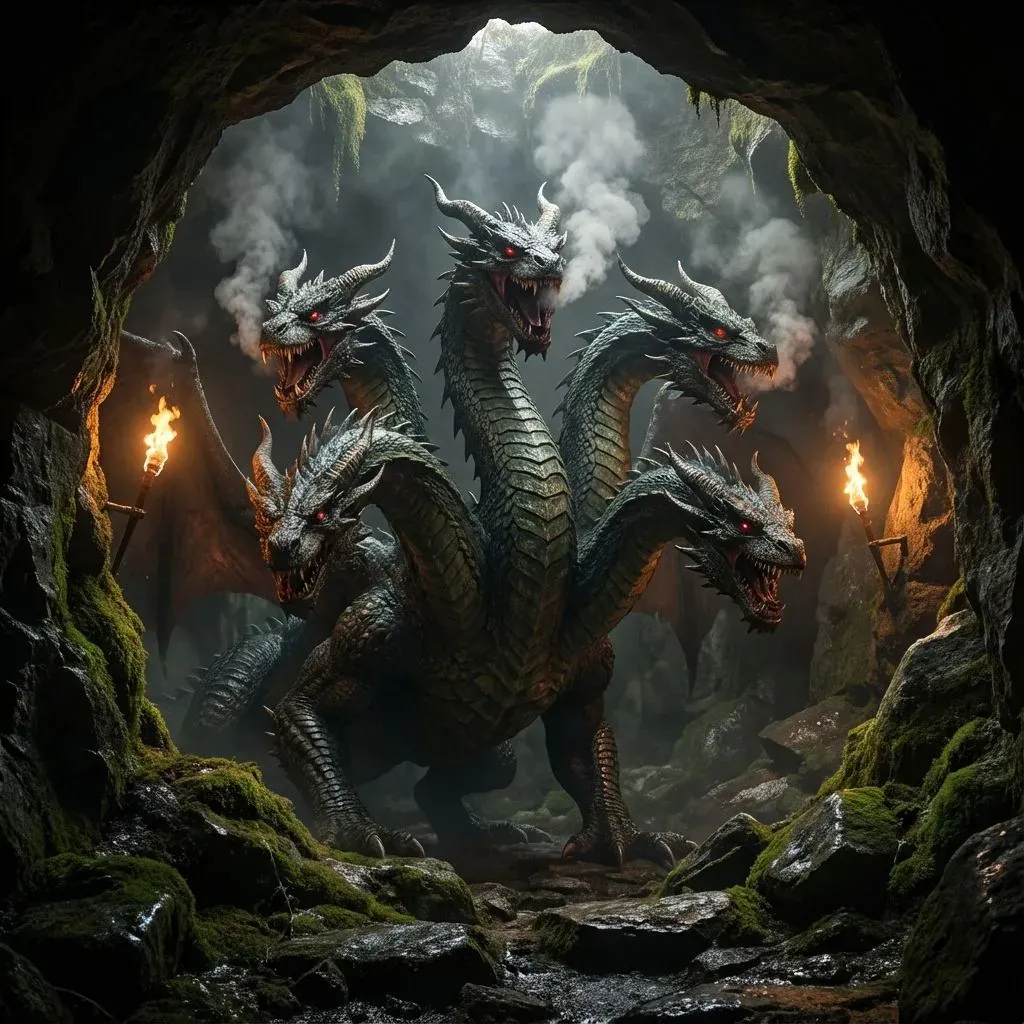
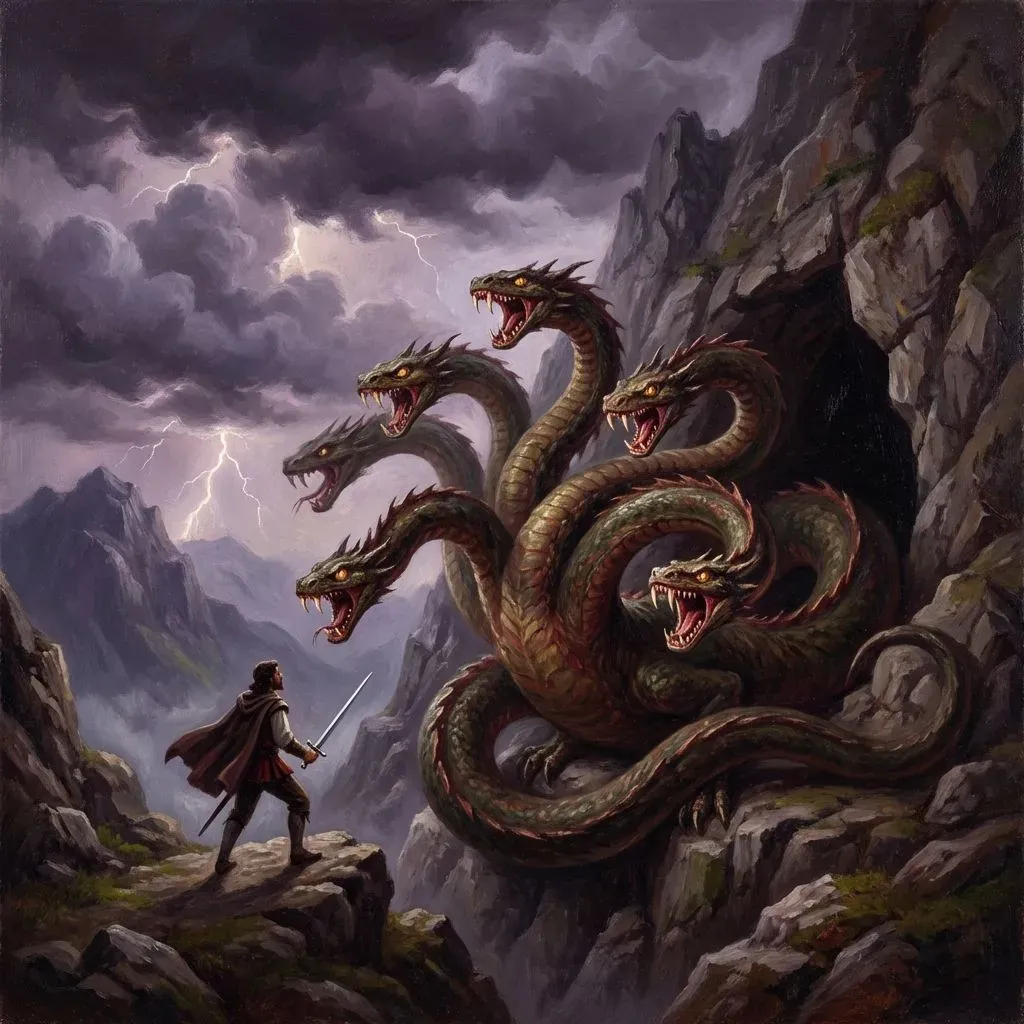
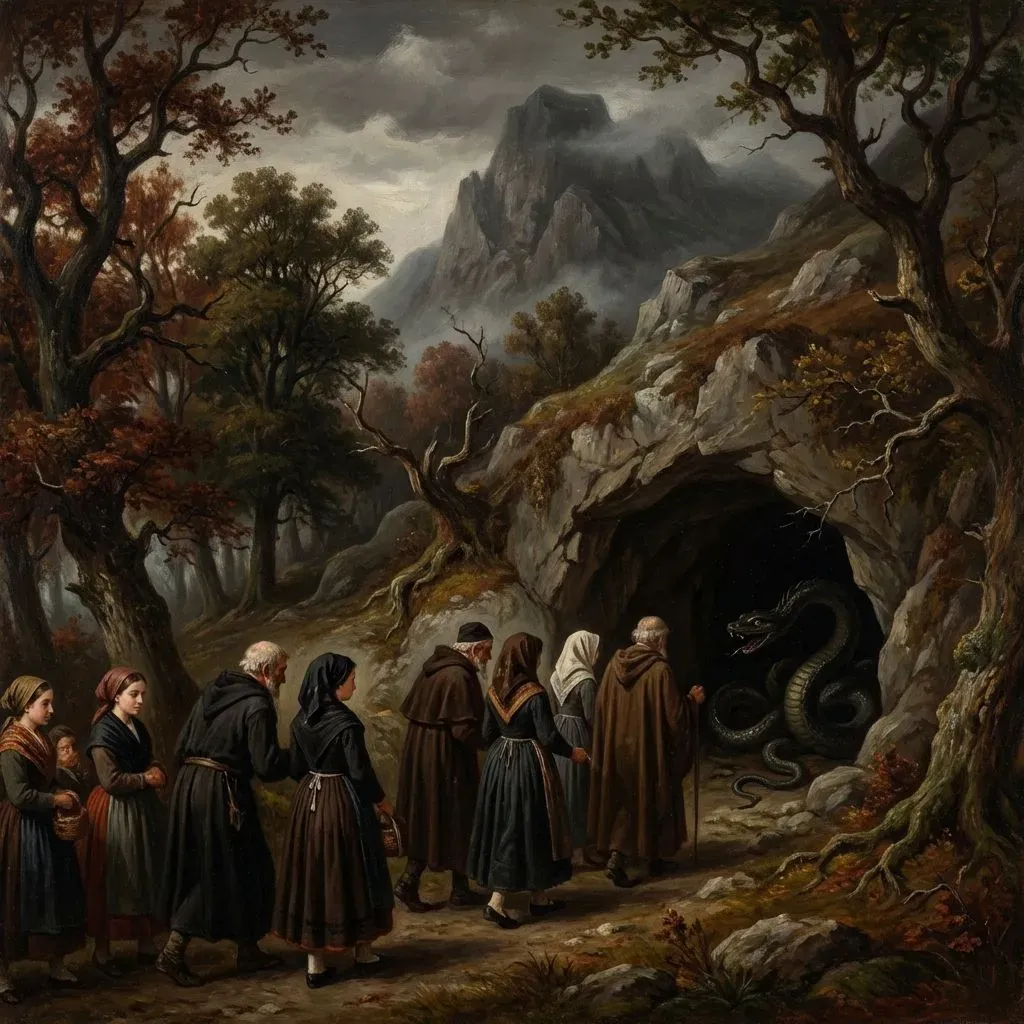
Herensuge, the seven-headed dragon, terrorized valleys by demanding human tribute. A hero or a saint faced the beast to free the community from horror. The victory symbolizes the triumph of order over chaos and monstrosity.
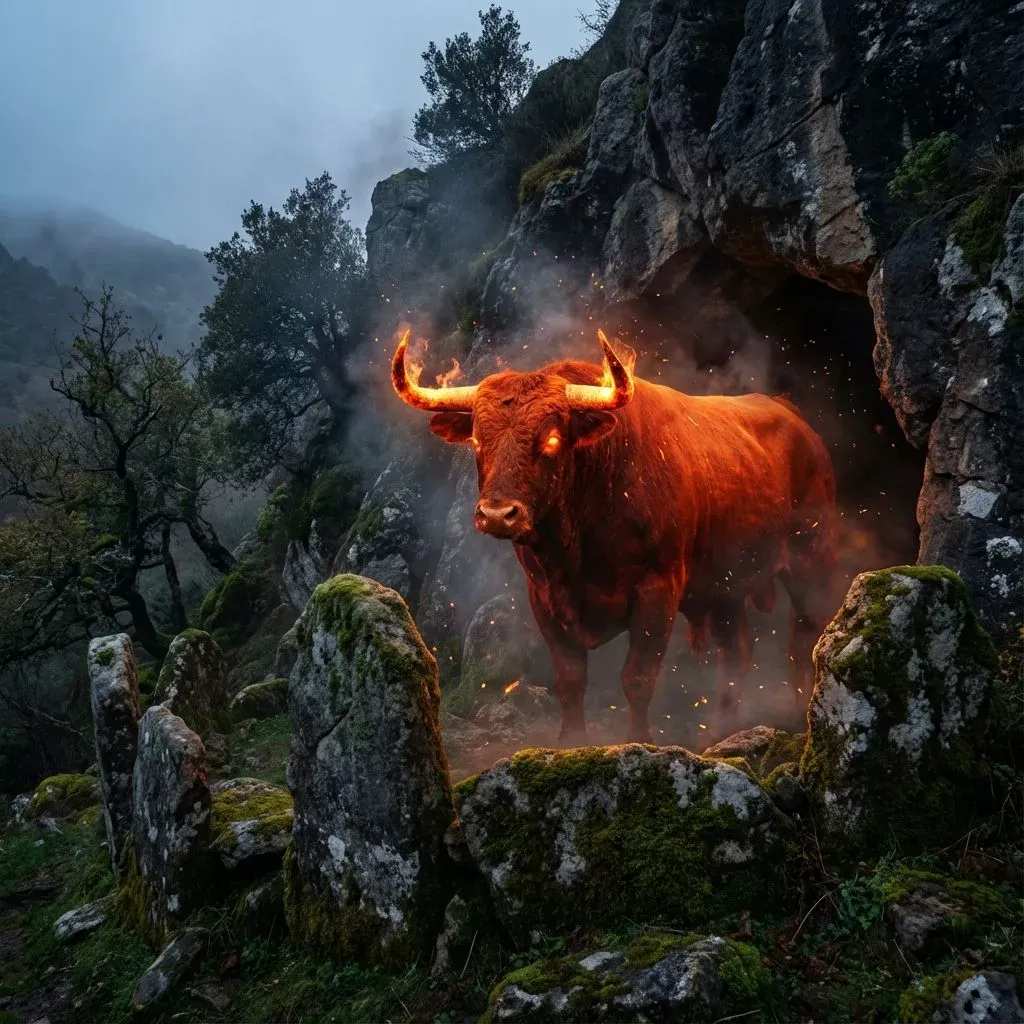
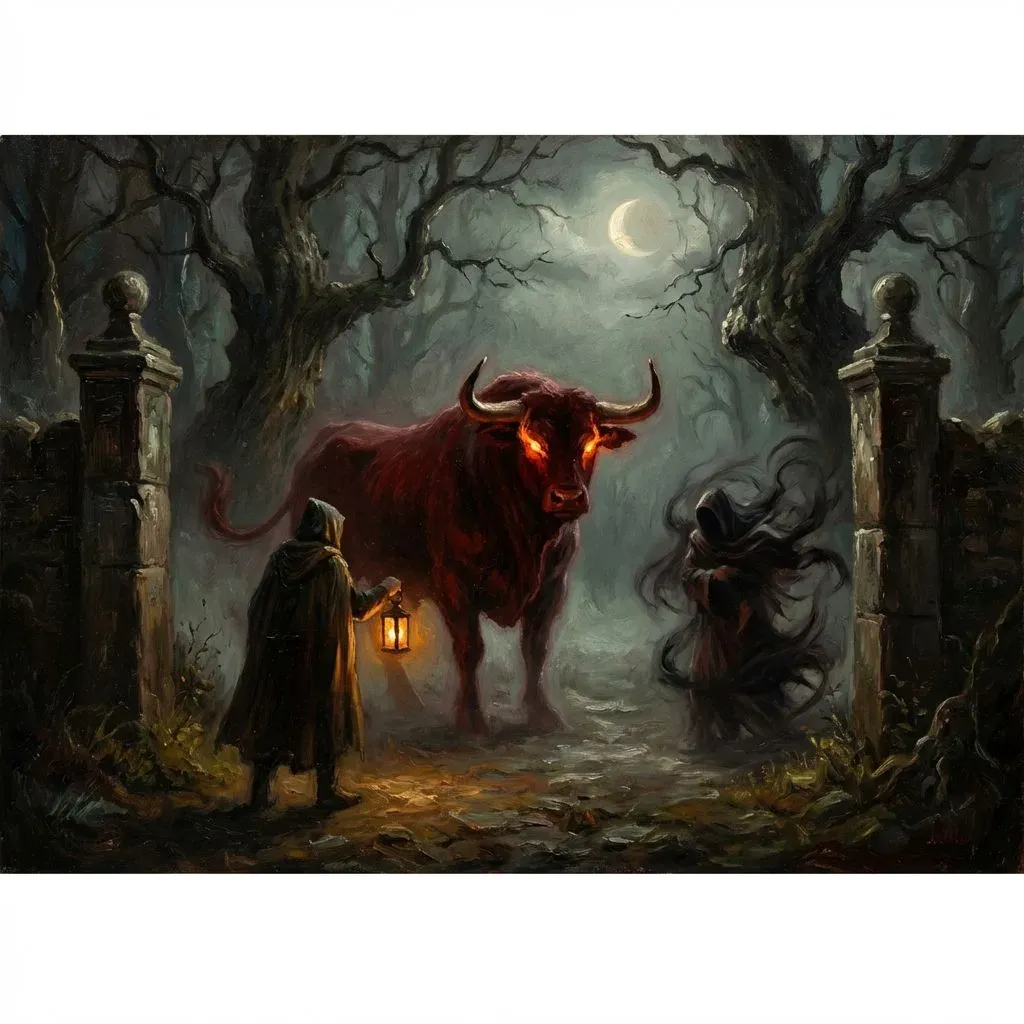
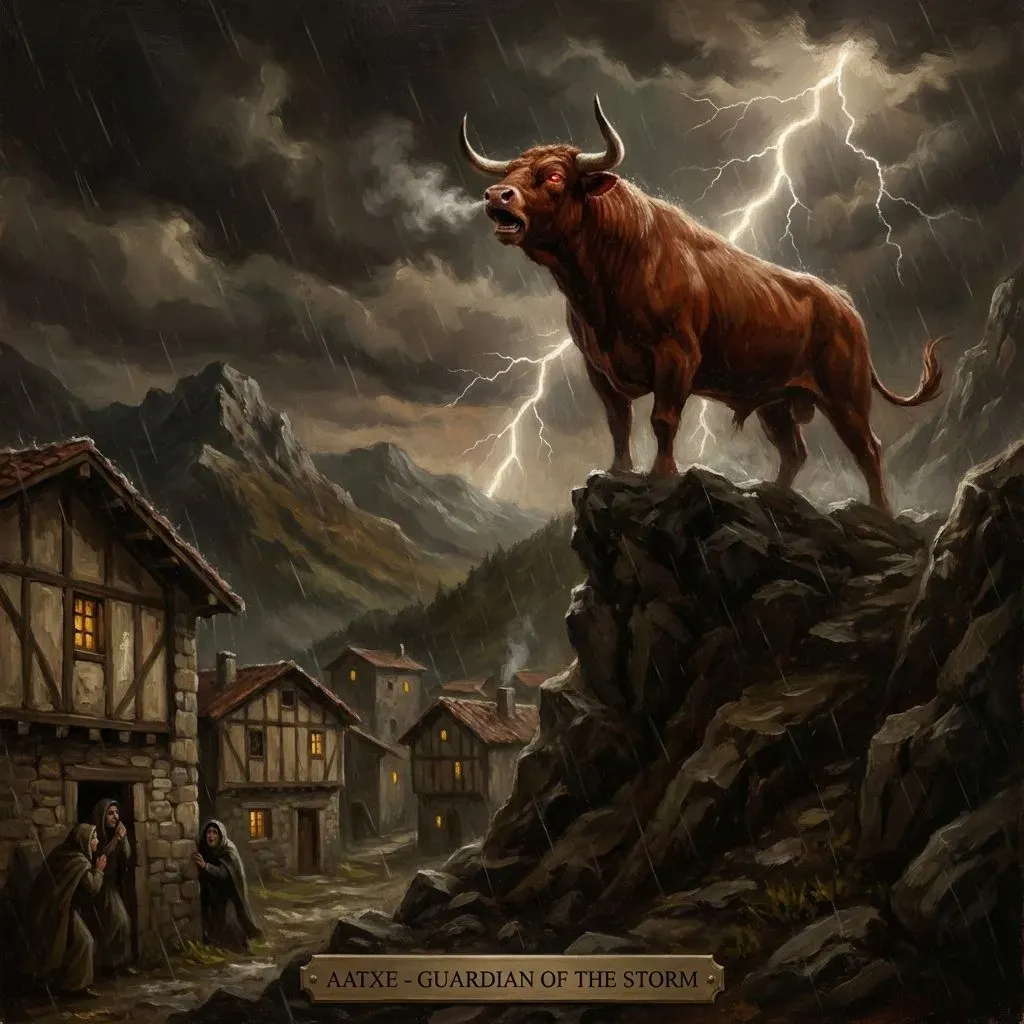
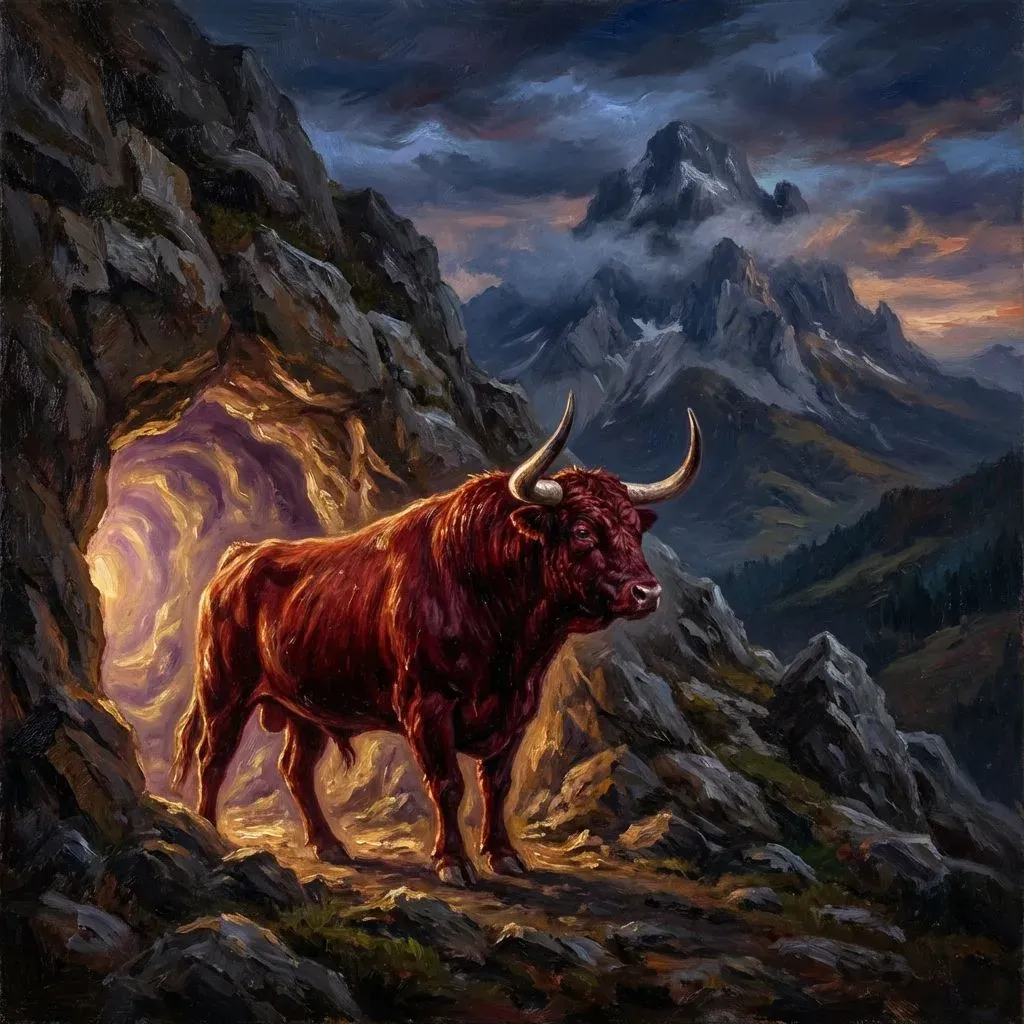
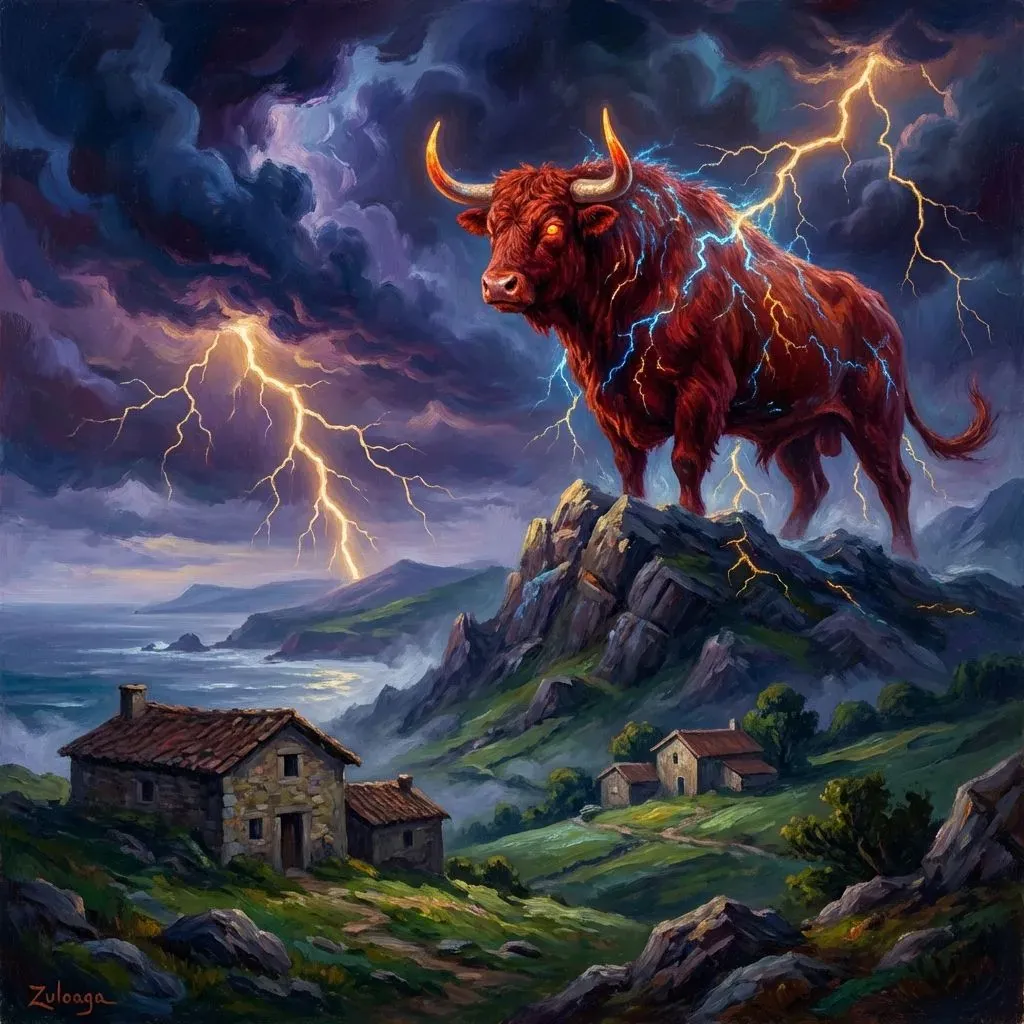
Aatxe is a red or black bull that emerges from caves and chasms on stormy nights. He protects sacred places and pursues those who profane his territory. Some consider him a form of Mari, guardian of the underground balance.
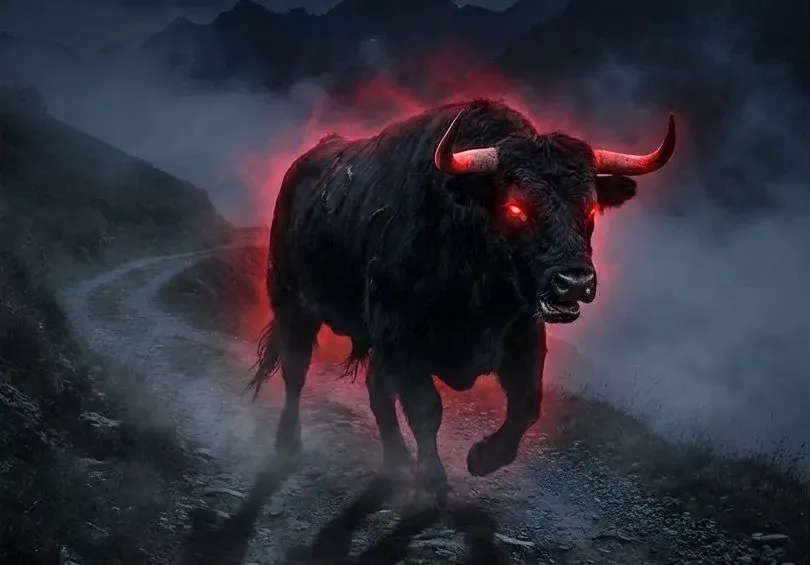
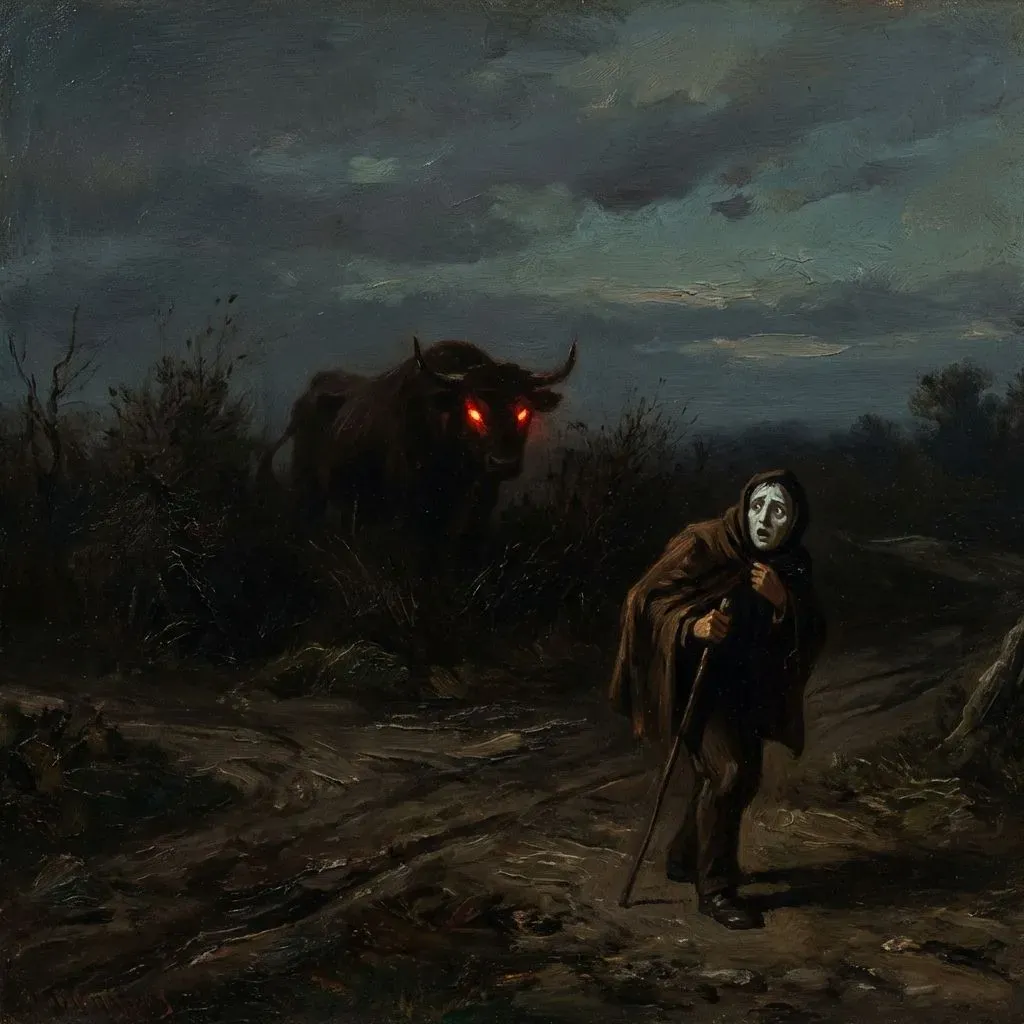
Zezengorri, the red bull, appears on lonely roads as night falls. He chases reckless travelers with eyes of fire and thunderous bellows. His presence serves as a warning to respect forbidden places and hours.
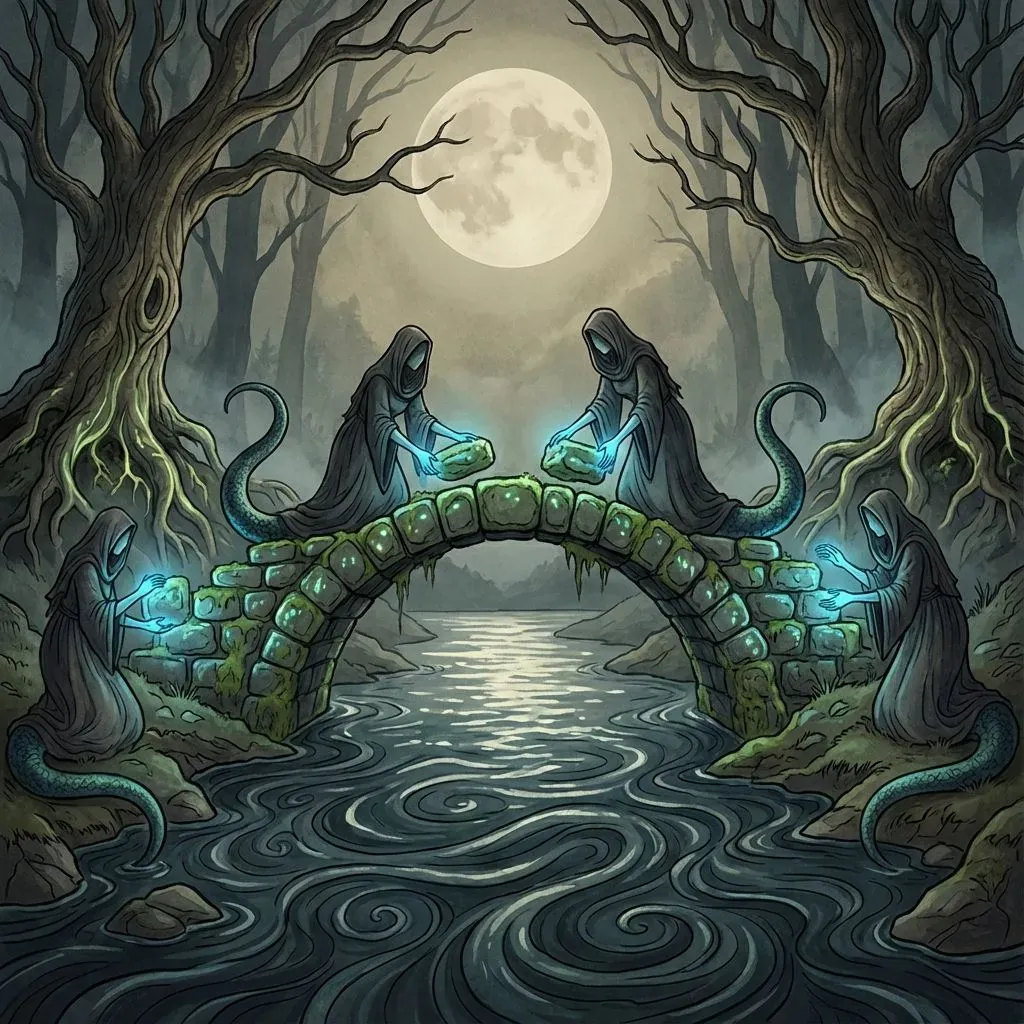
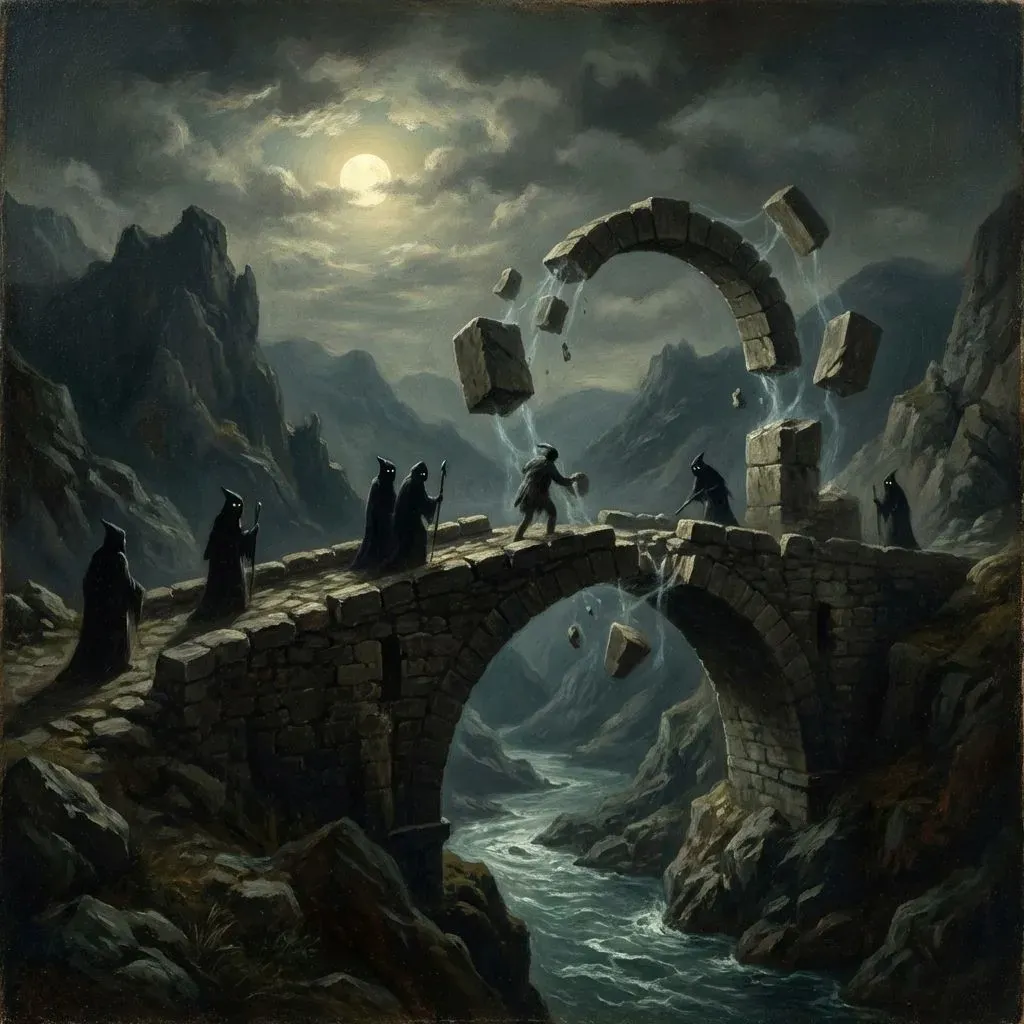
The lamias offer to build a bridge in a single night in exchange for a favor. If the human keeps the pact, dawn reveals a stone bridge over the river. If the pact is broken, the lamias vanish and leave the work unfinished forever.
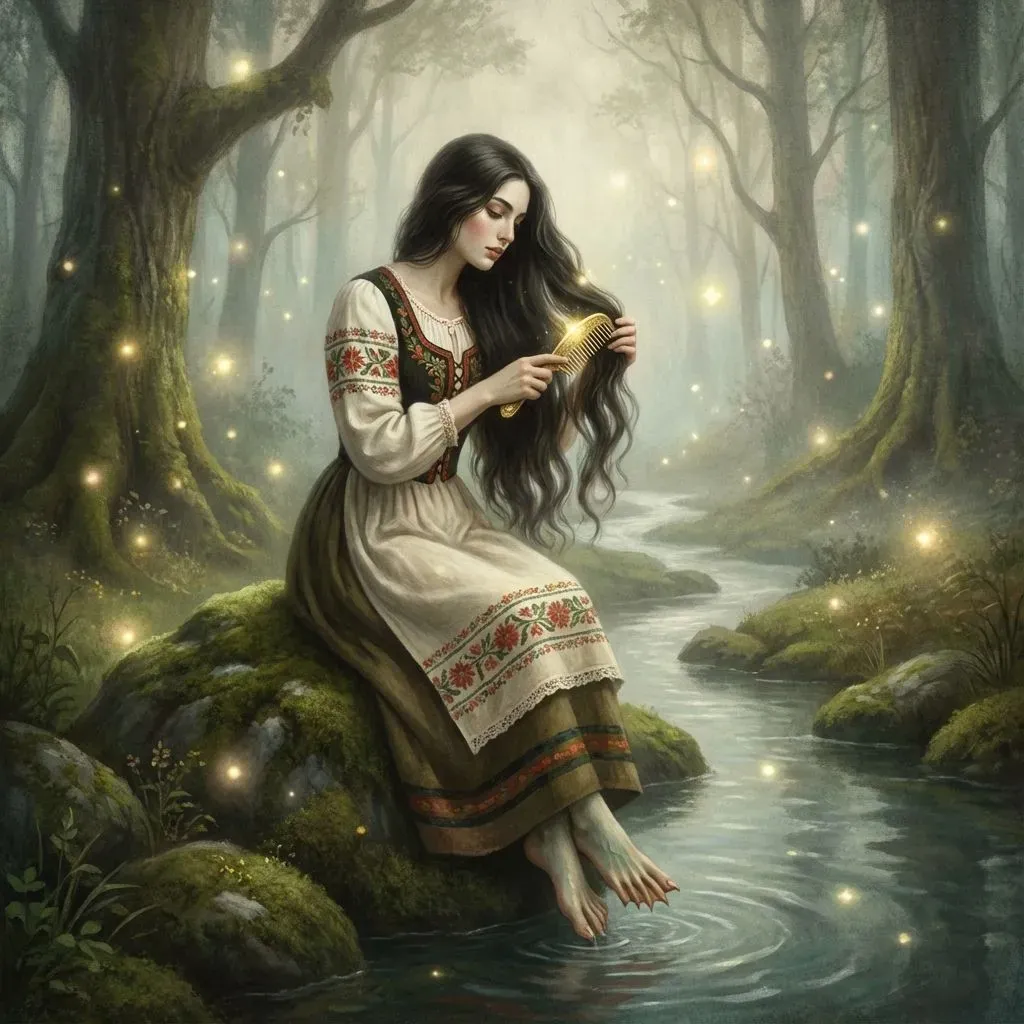
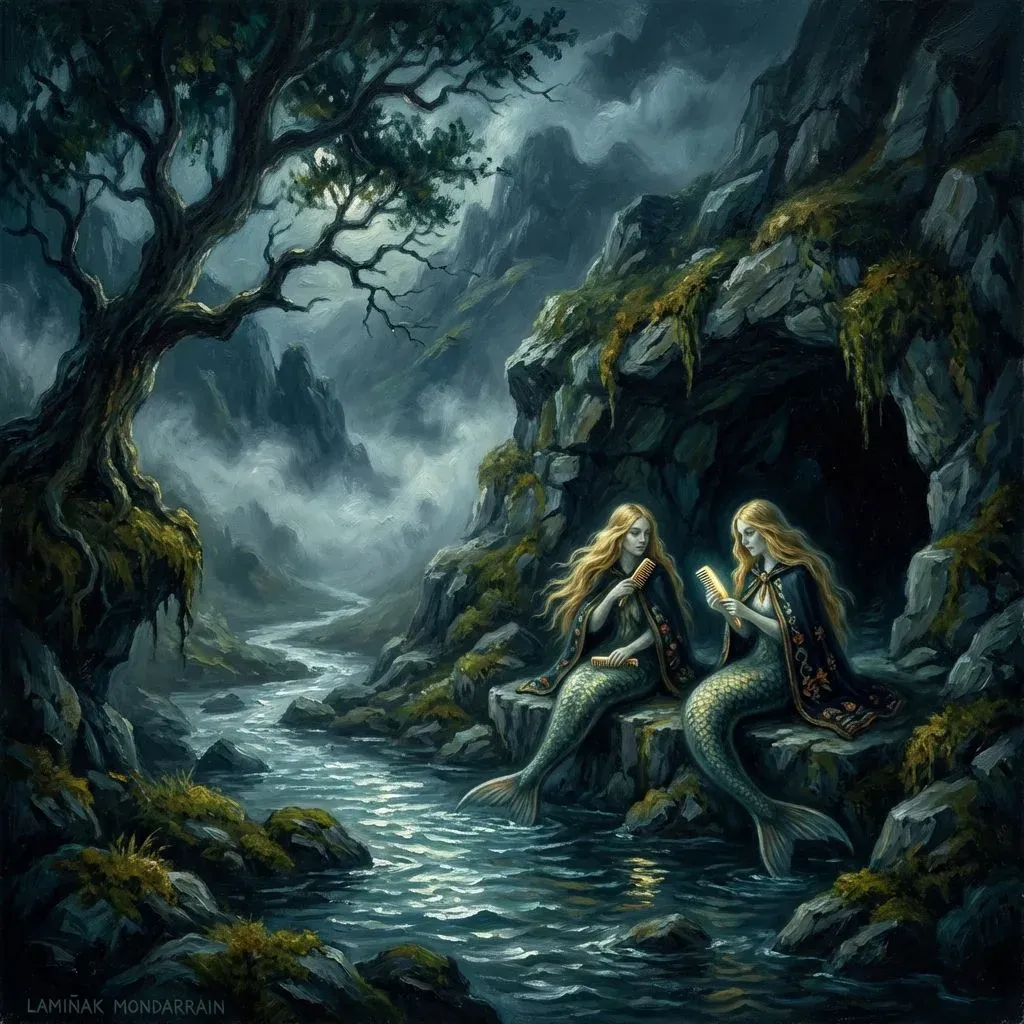
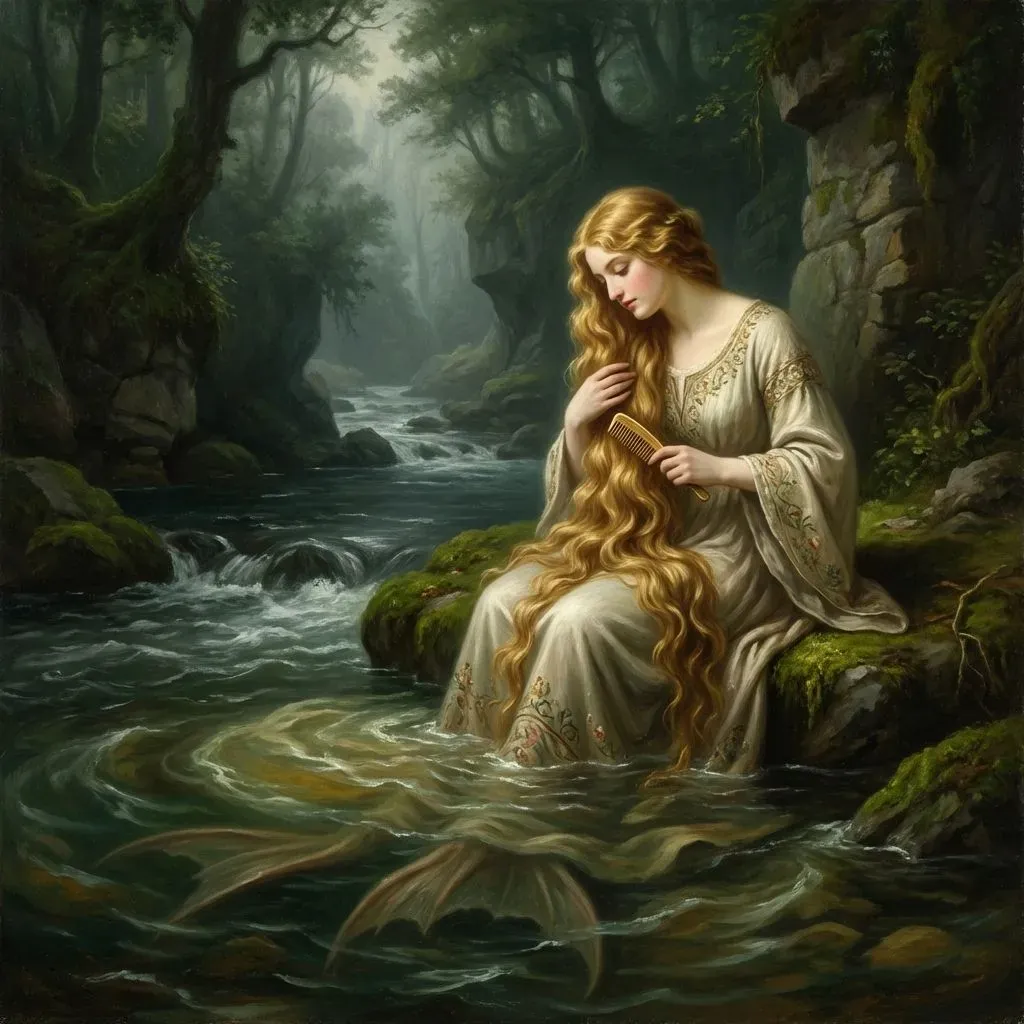
Beside springs and streams, the lamia combs her long hair with a golden comb. Whoever surprises her may receive favors or suffer an enchantment depending on their attitude. The encounter teaches caution: the beauty of water hides ancient powers.
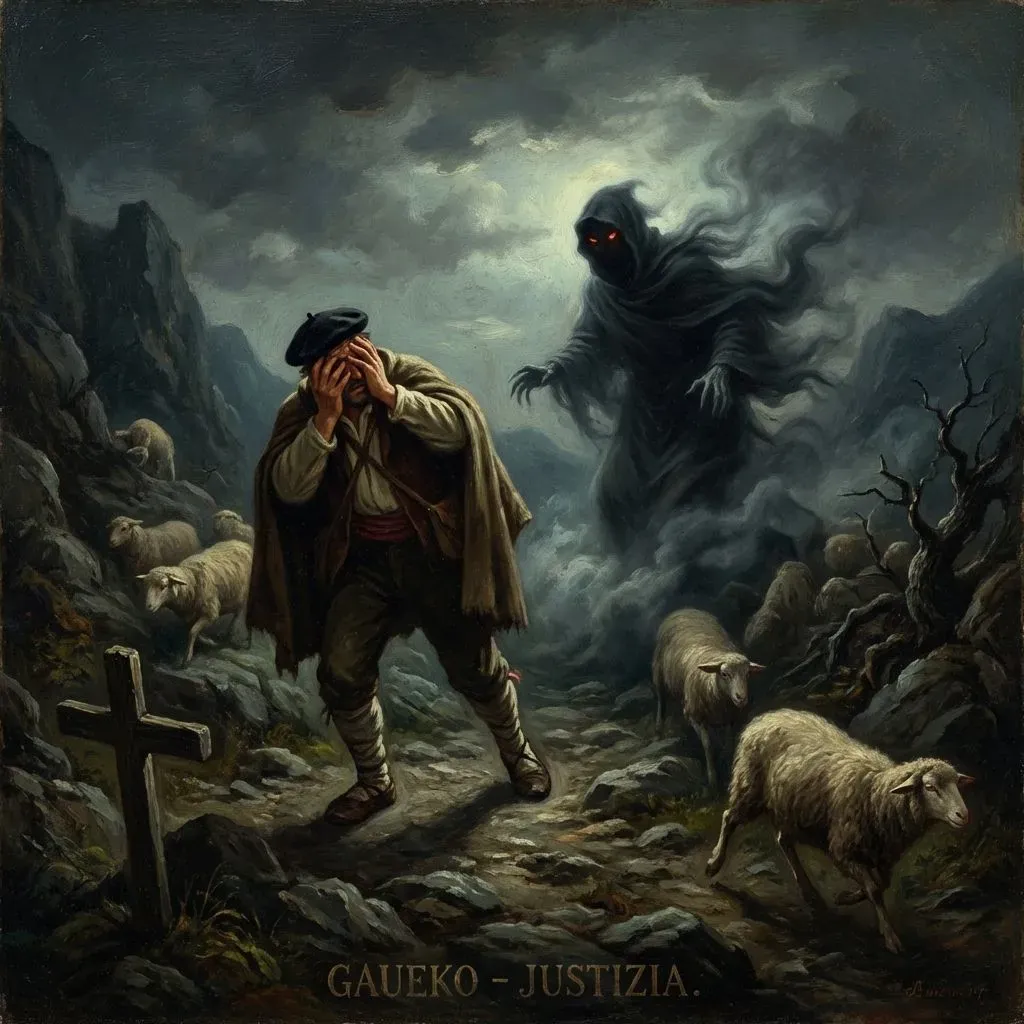
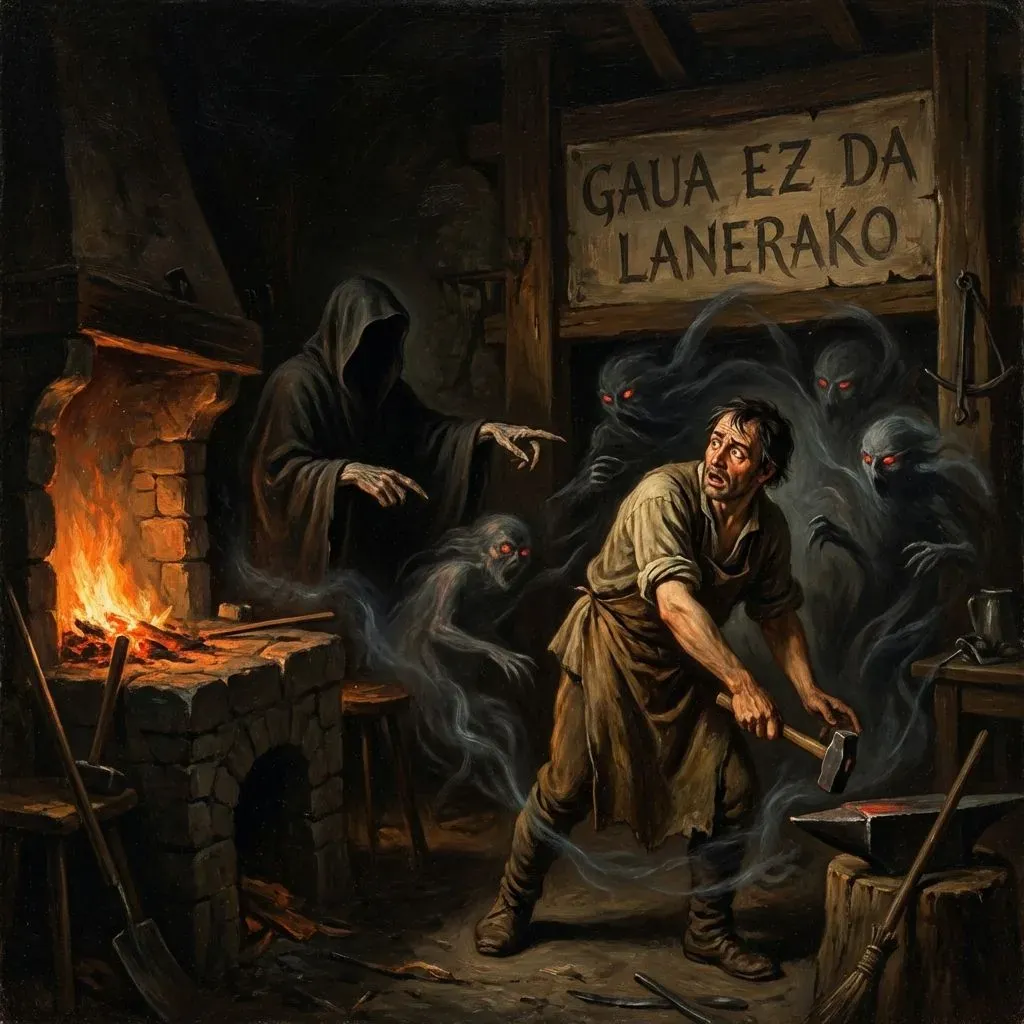
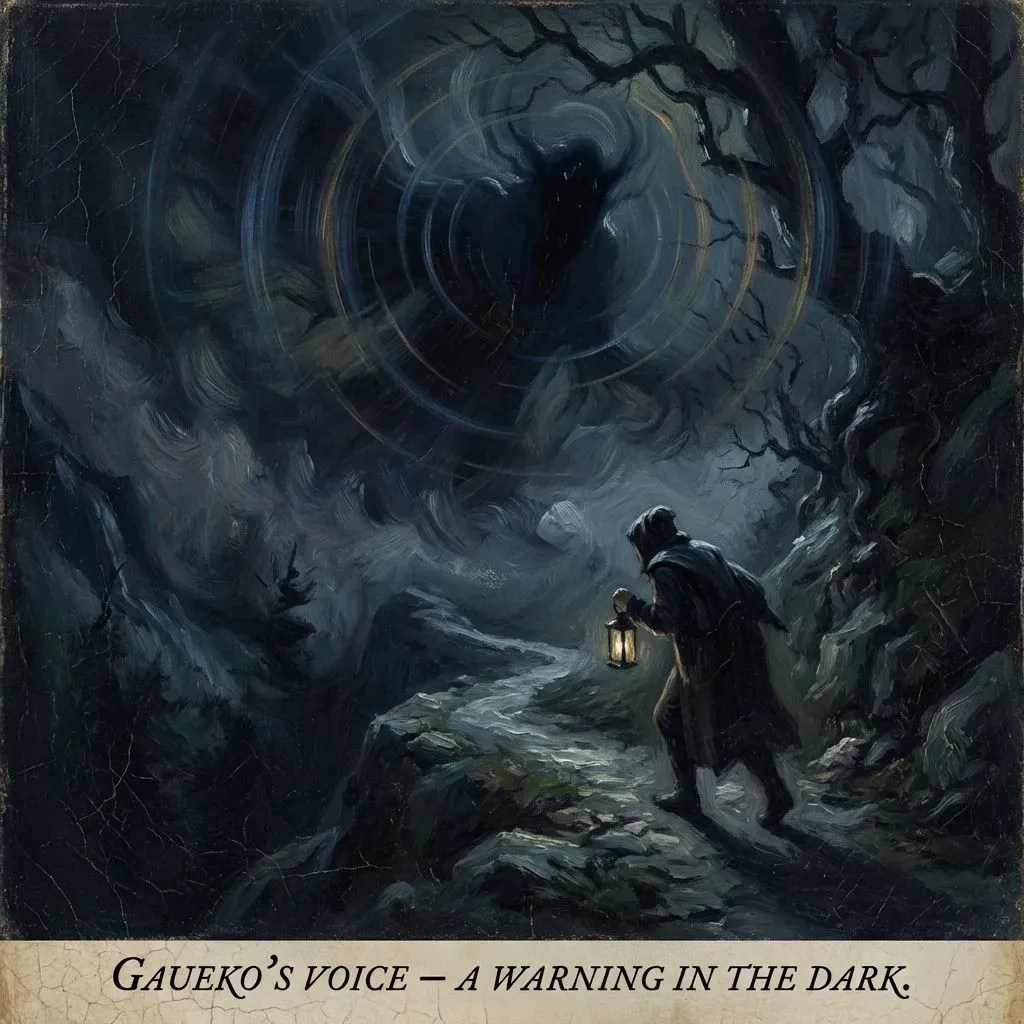
Gaueko is the lord of the night who forbids work or travel after sunset. Those who disobey are chased, frightened or even dragged into the shadows. The legend reinforces respect for natural rhythms and communal boundaries.
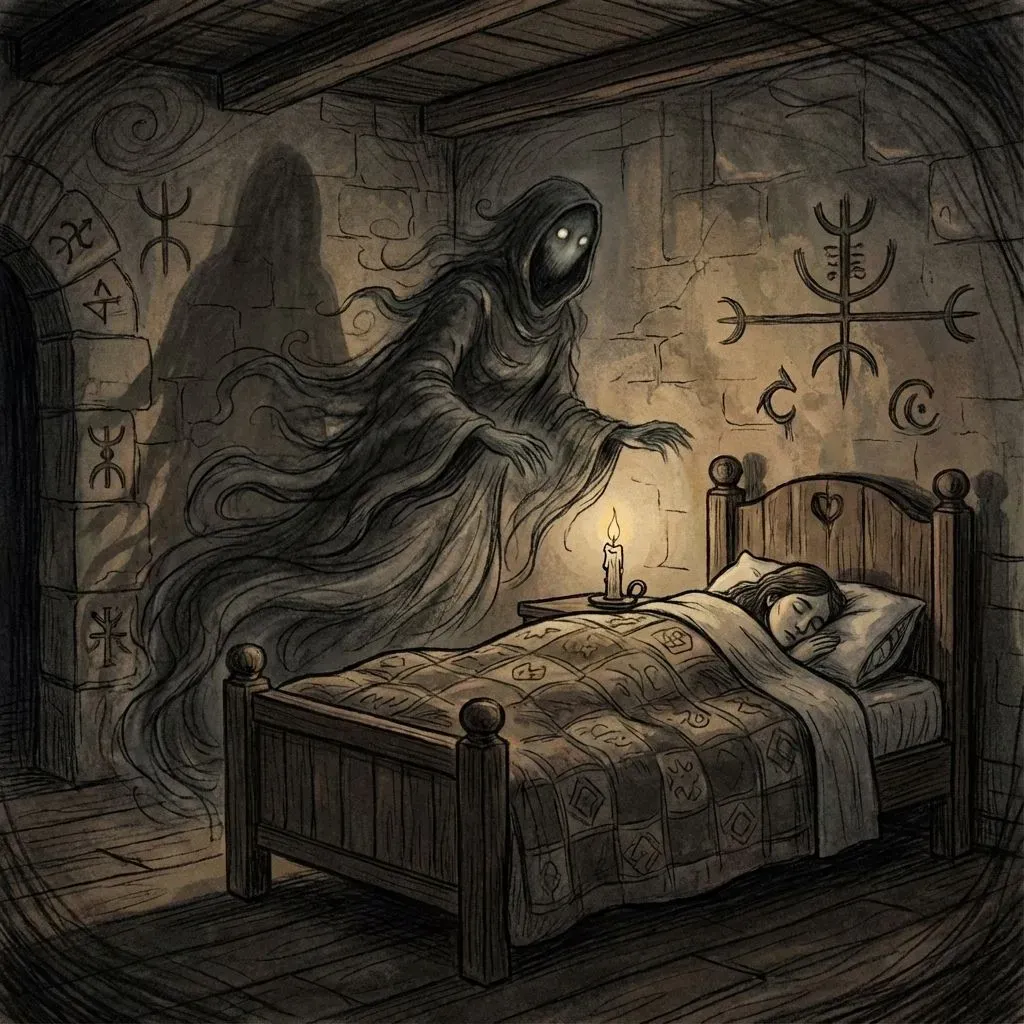
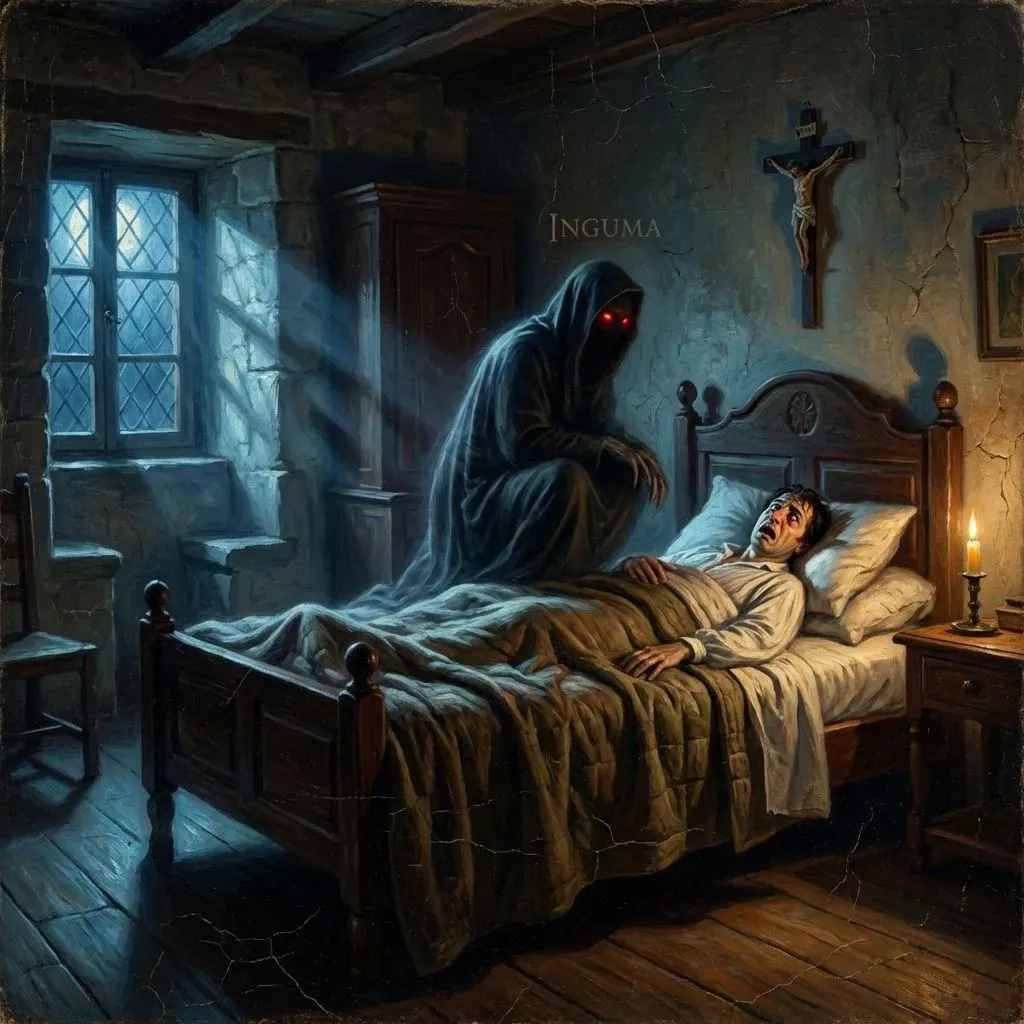
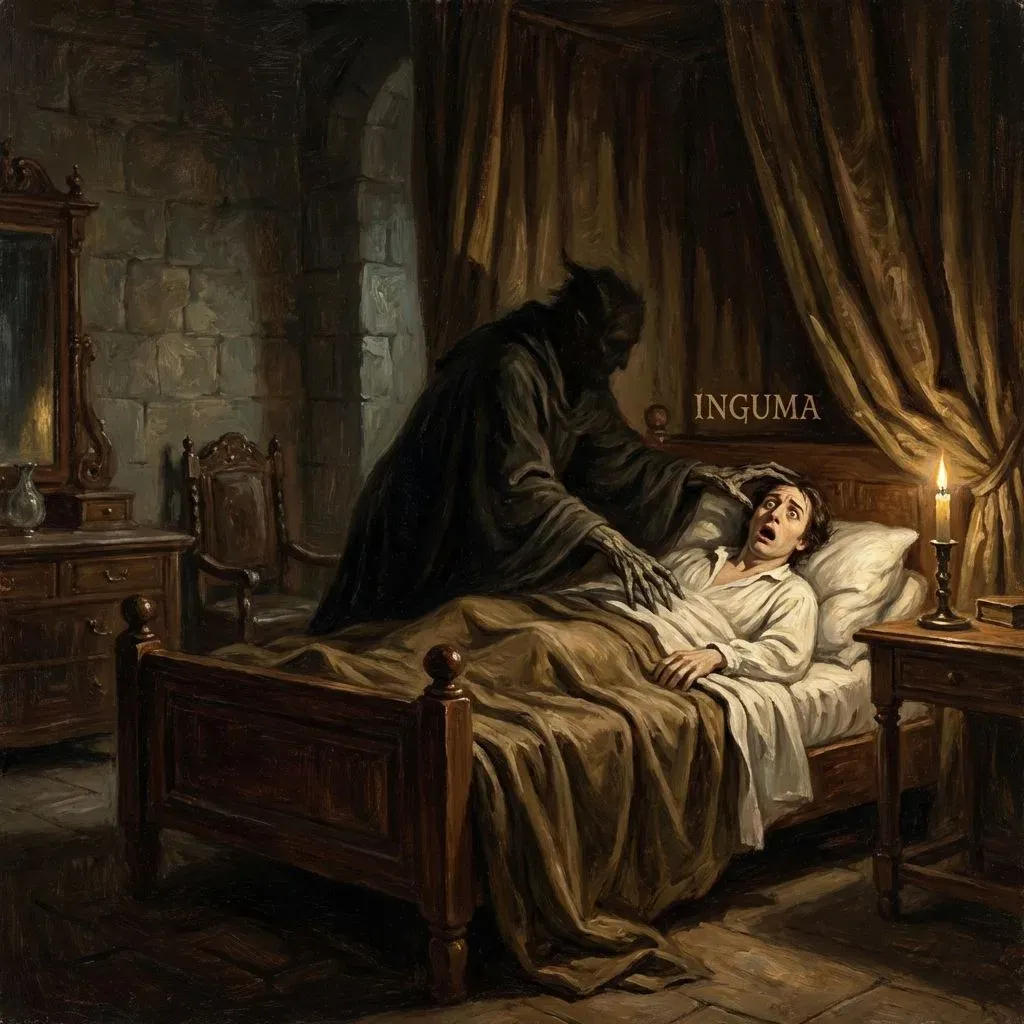
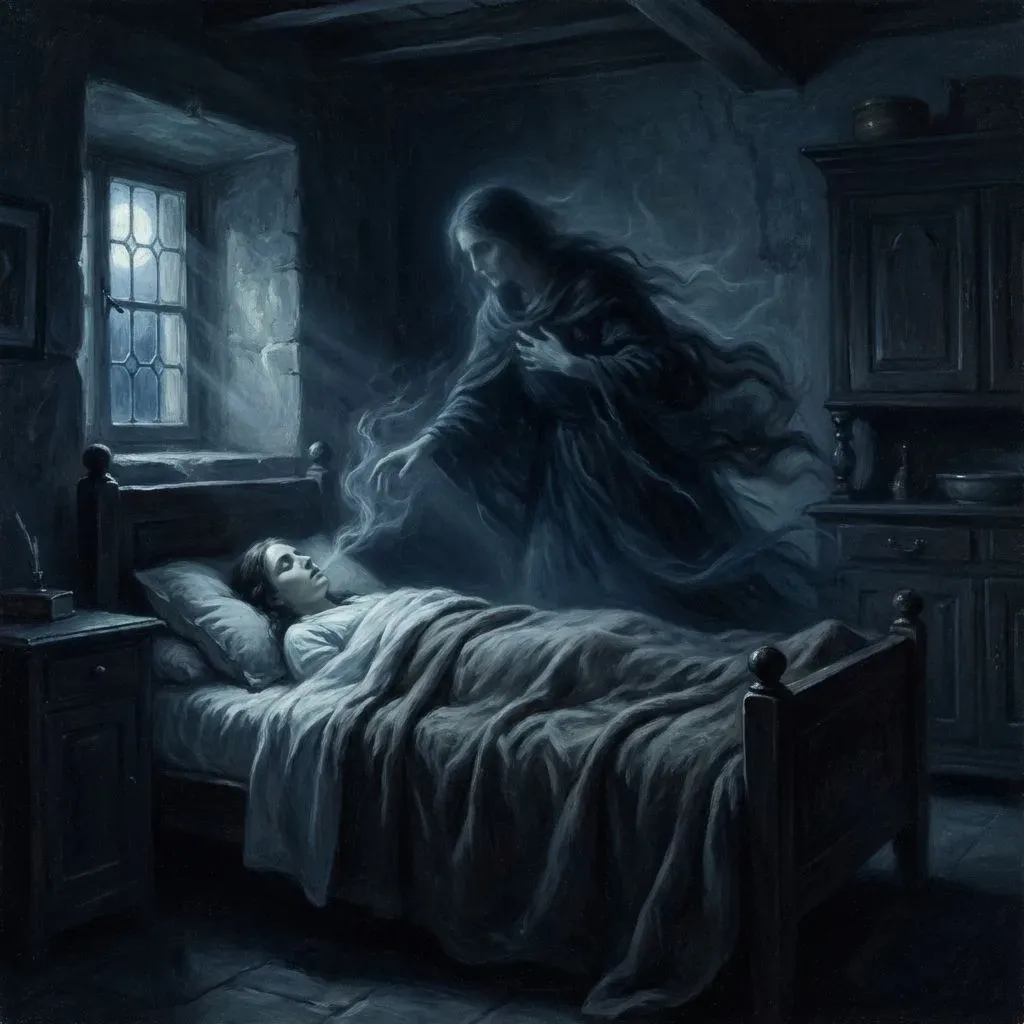
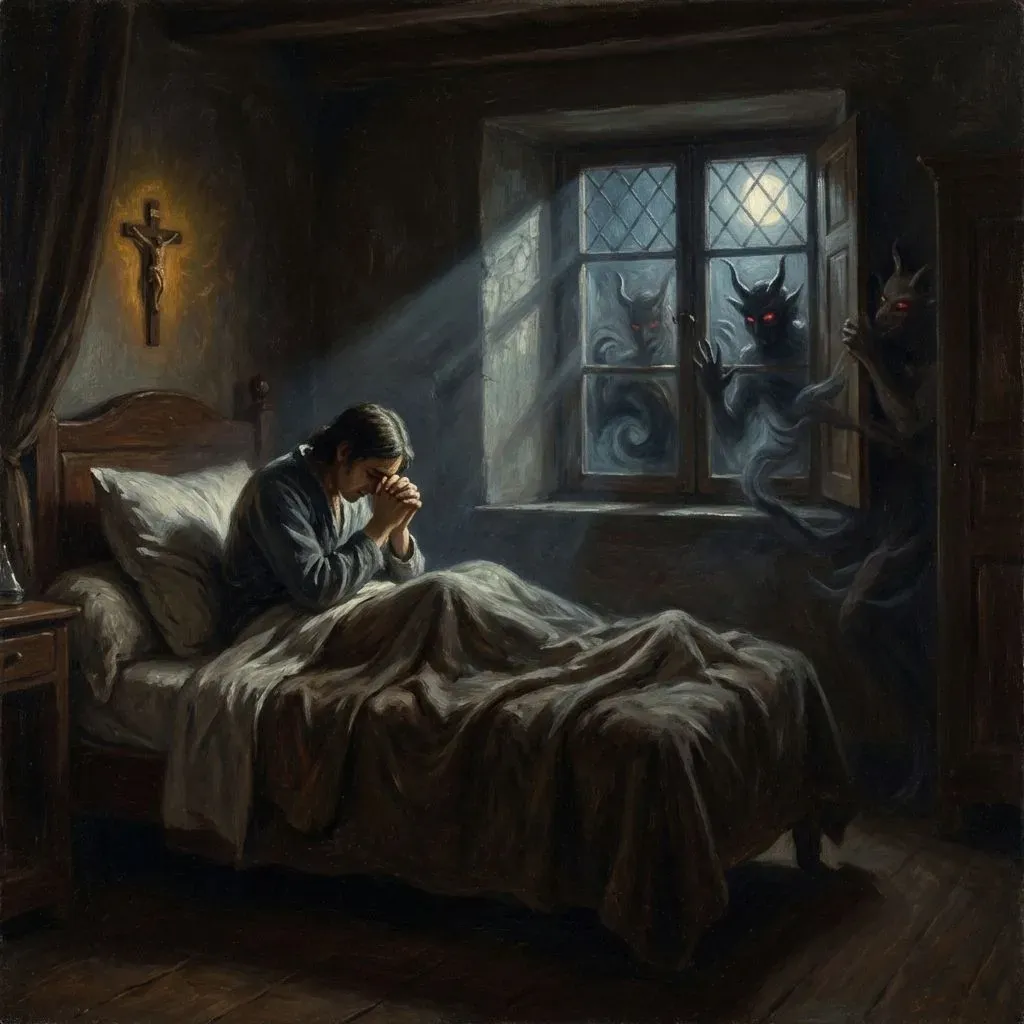
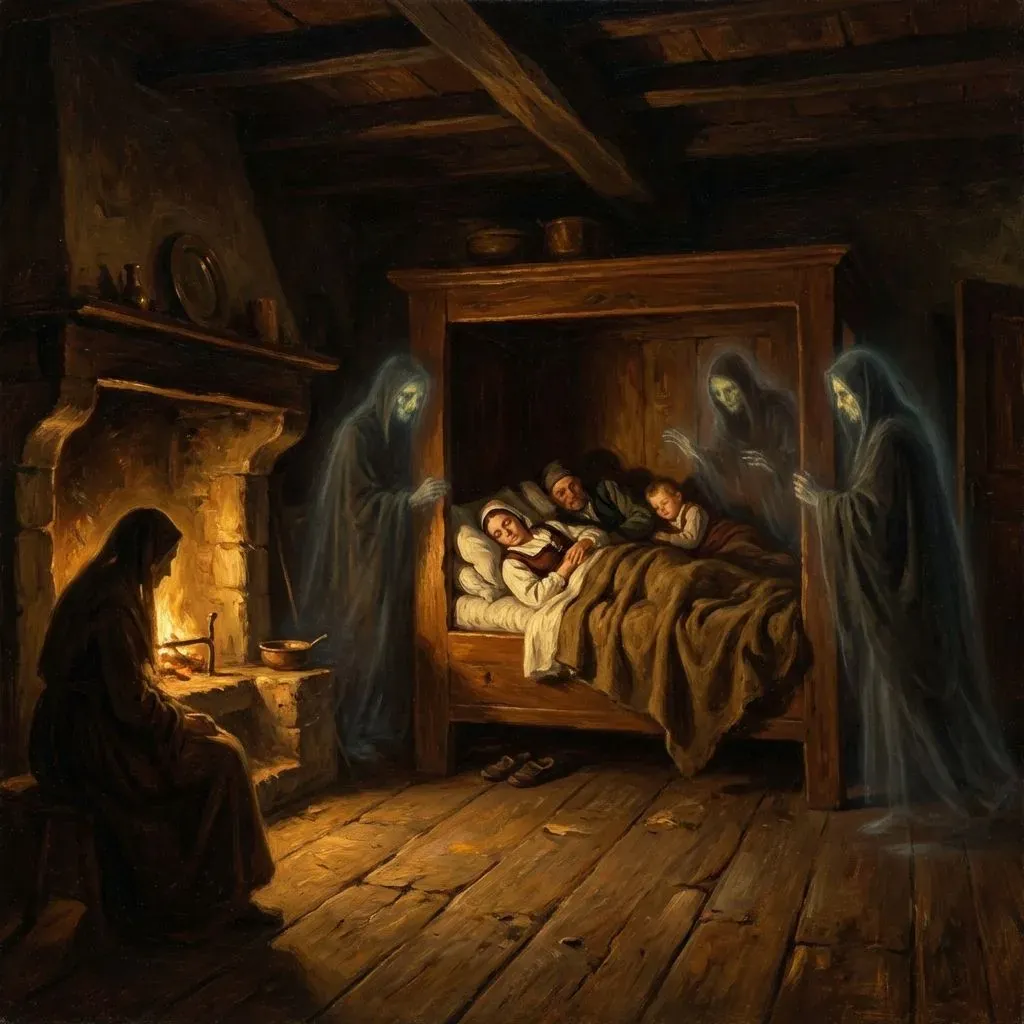
Inguma enters houses at night and sits upon the sleeper's chest. The victim feels suffocation and terror, unable to move or cry out inside the nightmare. To protect themselves, people recited charms or placed amulets beside the bed.
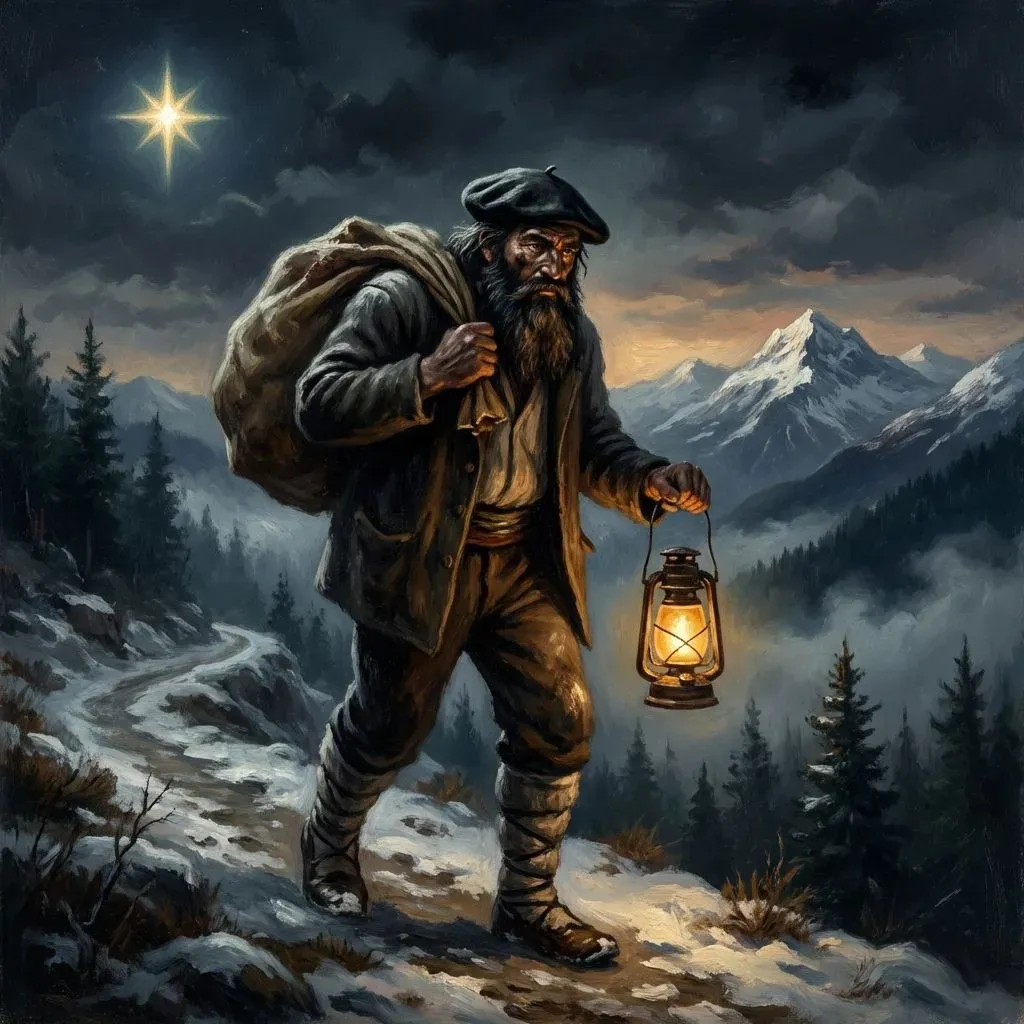
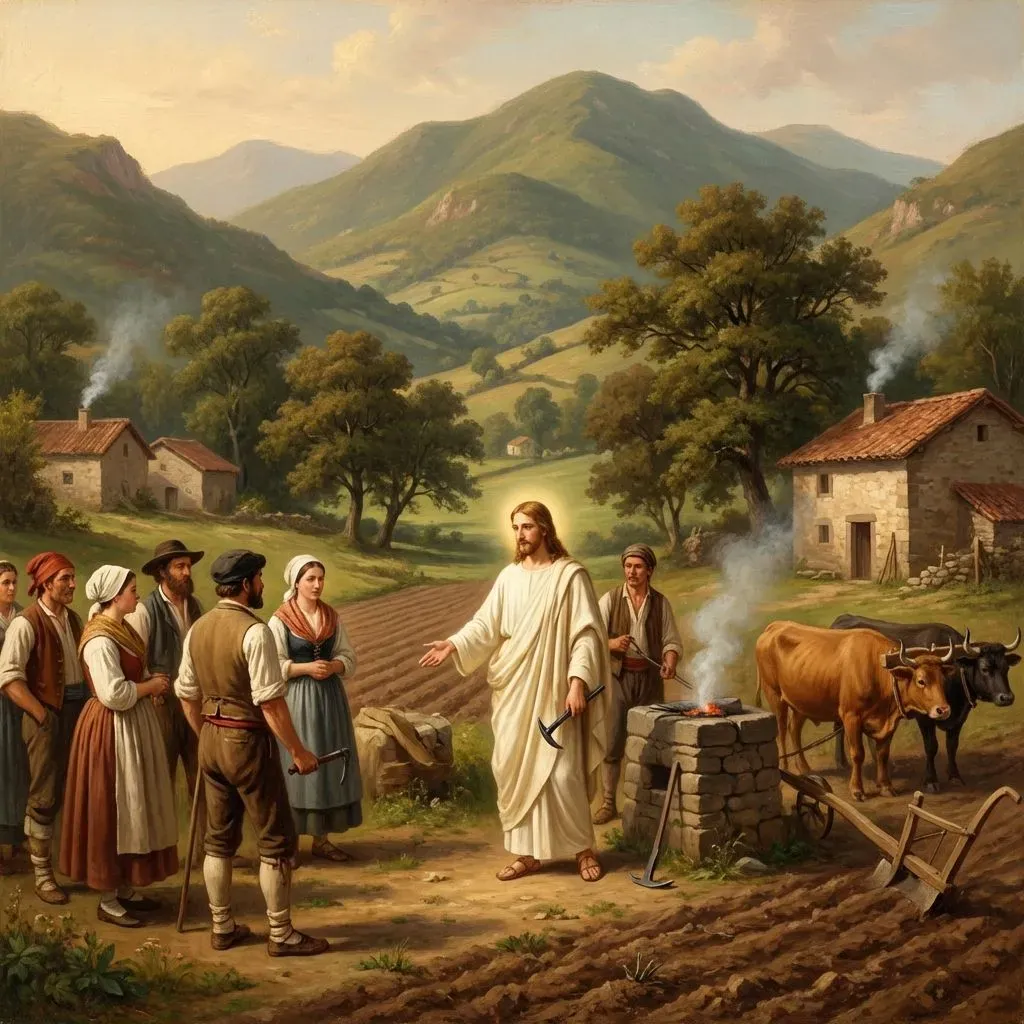
Olentzero was the only Jentil who did not flee at the coming of Kixmi (Christ). He converted to Christianity and came down from the mountains to announce the birth. Today he is the charcoal burner who brings gifts to Basque children on Christmas Eve.
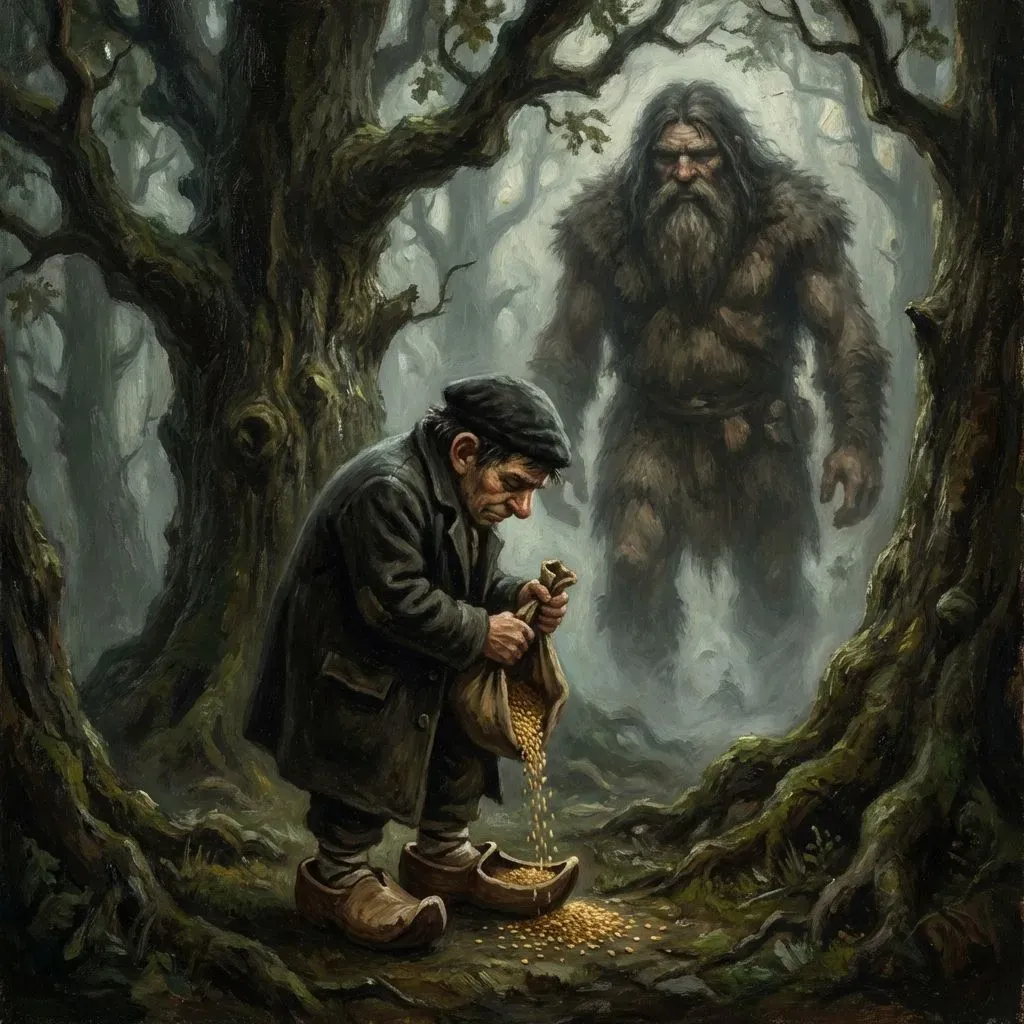
A clever young man named Martin Txiki challenged Basajaun to a jumping contest. He lost on purpose so he could carry away grains of wheat hidden in his sandals. In that way he stole for humankind the secrets of agriculture and smithing.
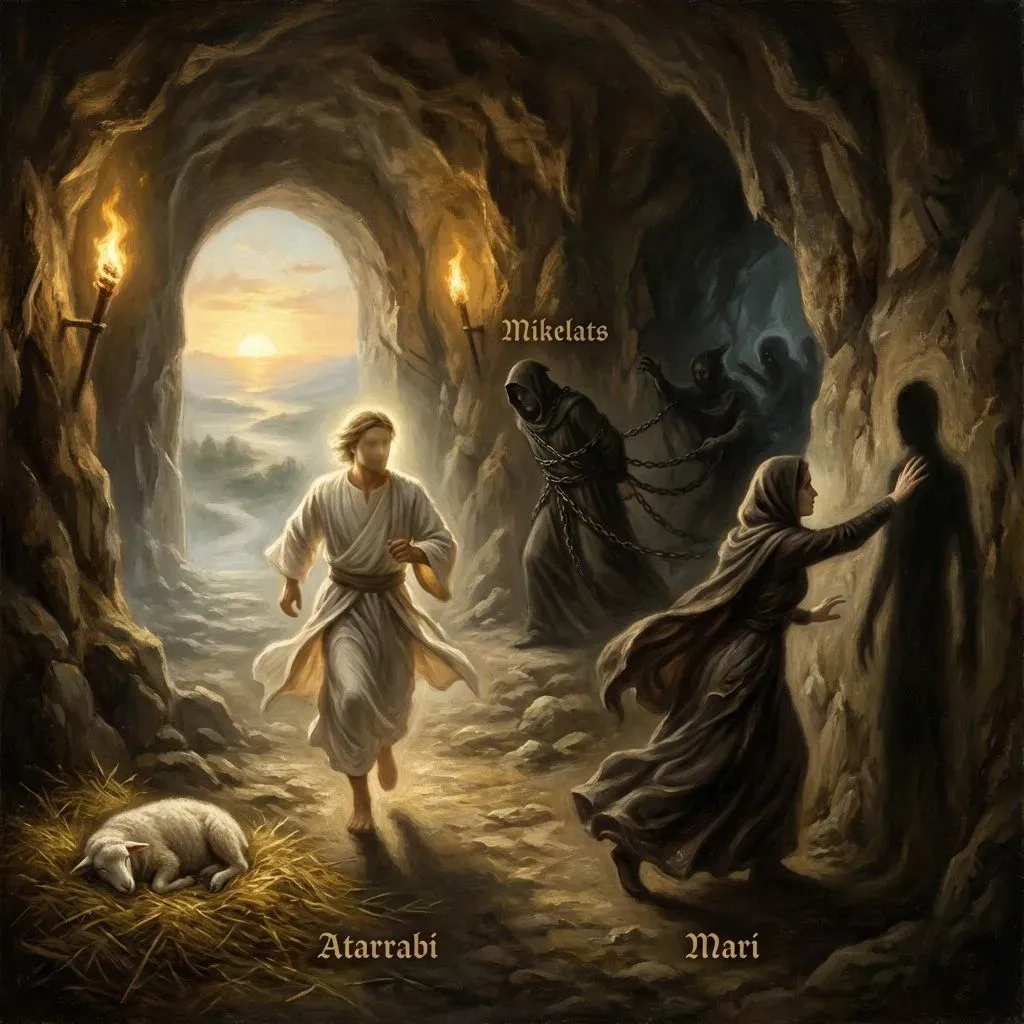
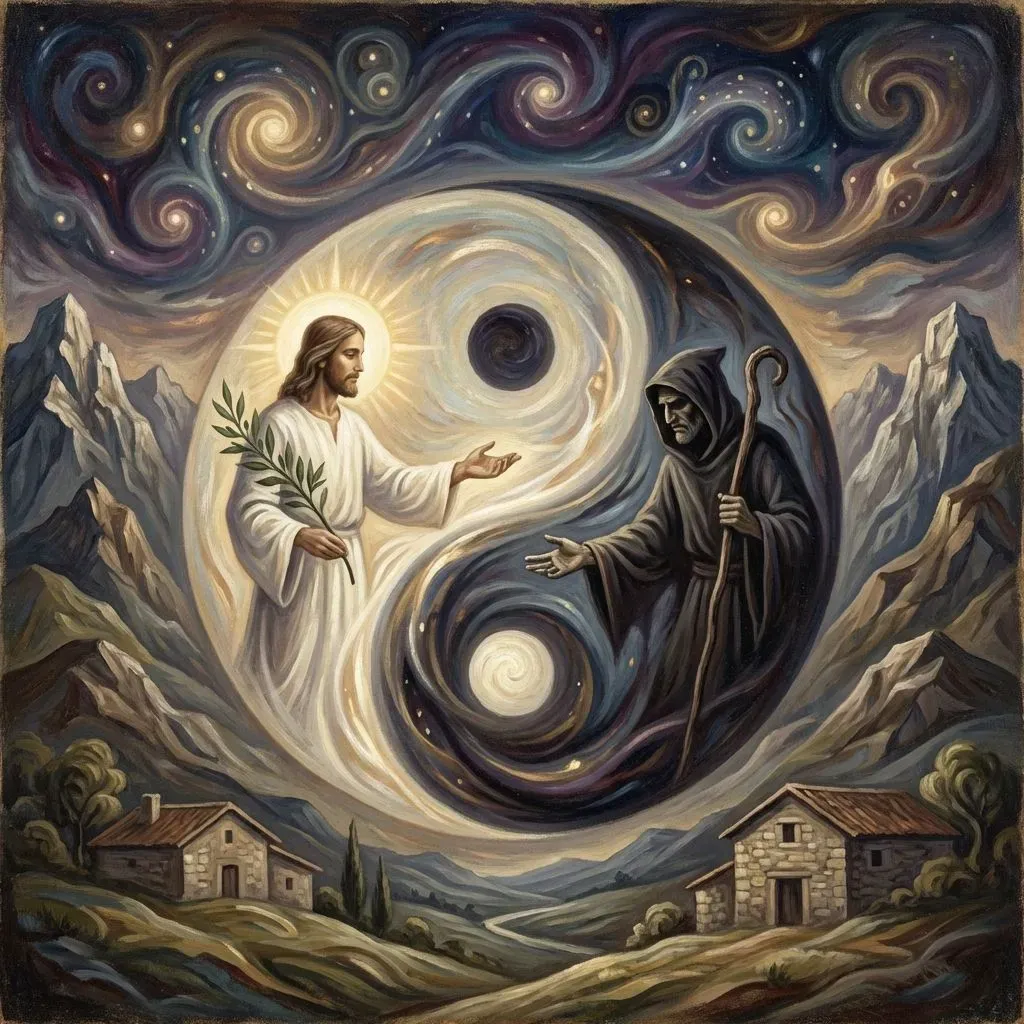
From the meeting of Mari and Sugaar were born two twins of opposite nature. Atarrabi, radiant and benevolent, escaped from his mother's cave thanks to his wit. Mikelats, dark and malevolent, remained trapped forever in the depths.
Atarrabi escaped from Mari's cave by using a white sheep as a decoy. Mikelats tried to follow him, but his shadow was trapped forever. The bright brother reached the outer world through cunning.
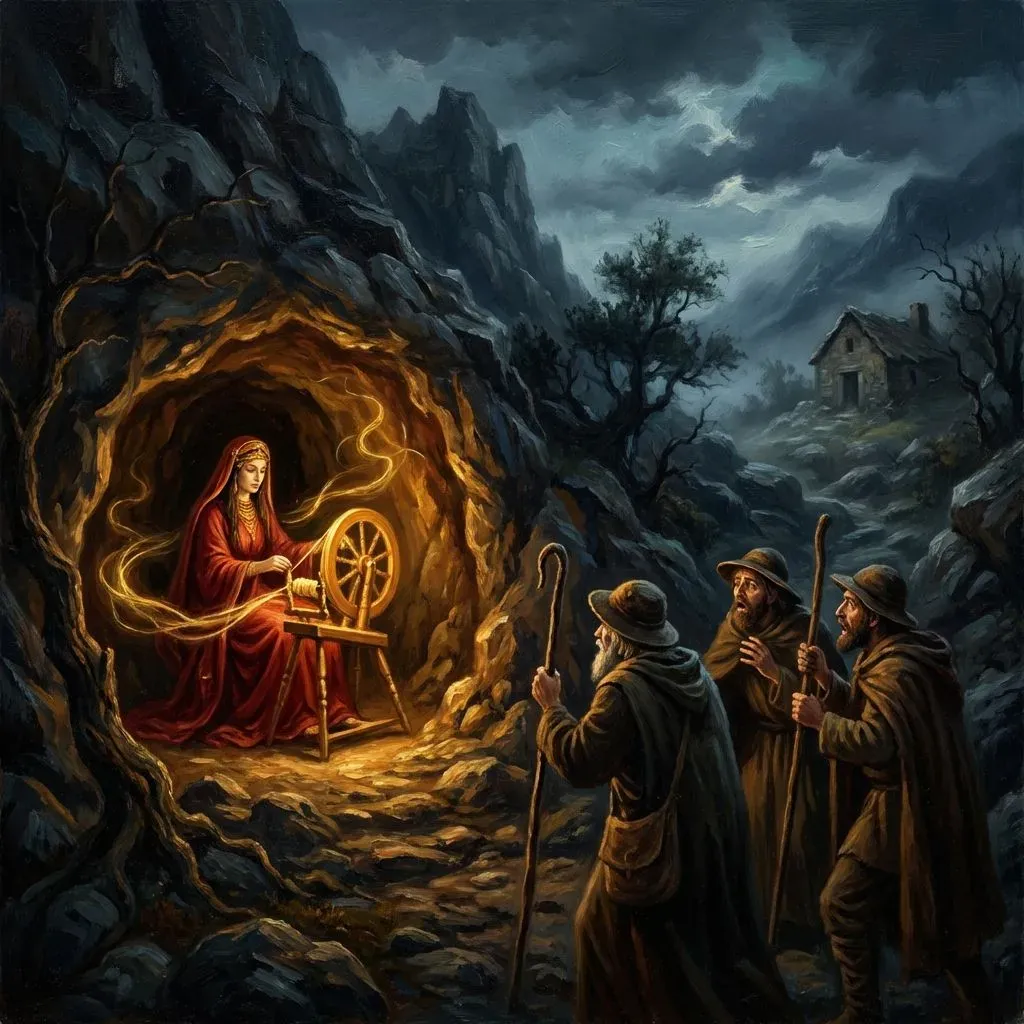
In the cave of Murumendi, Mari appeared before shepherds, spinning with a golden spindle. Whoever respected her received blessings for abundant flocks and harvests. Whoever lied to her or offended her suffered devastating storms over their lands.
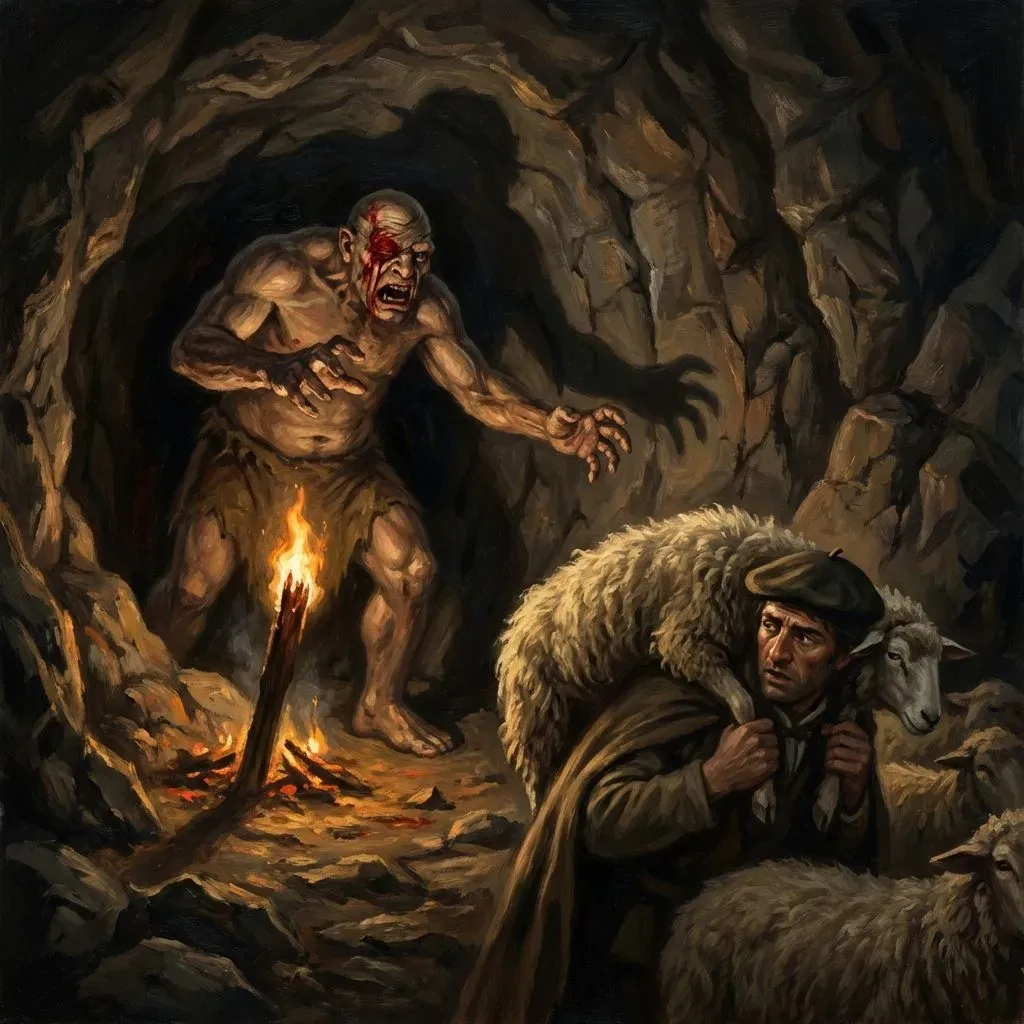
A shepherd named Antimuno was trapped in the cave of the cannibal cyclops. After seeing Tartalo devour his companion, he blinded the monster with a spit. He escaped hidden beneath a sheep, cutting off the finger that wore the betraying ring.
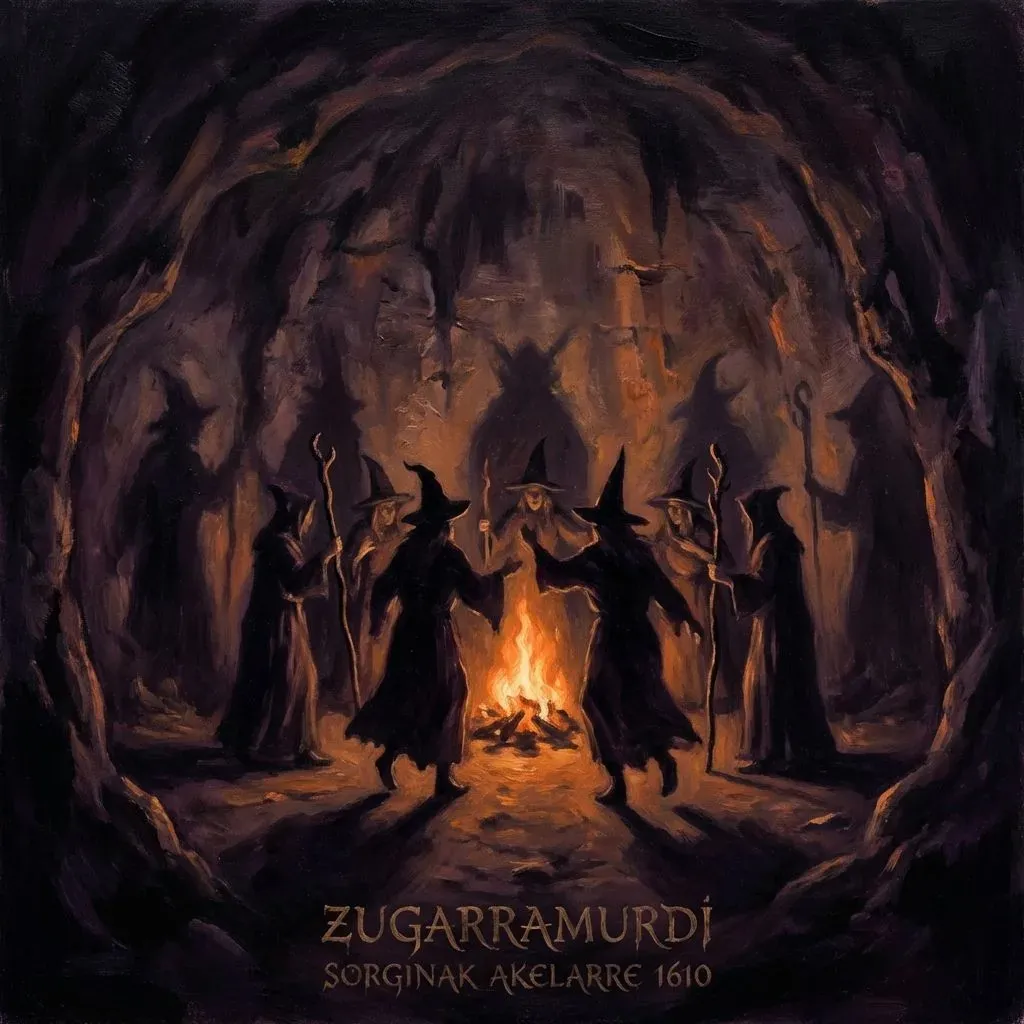
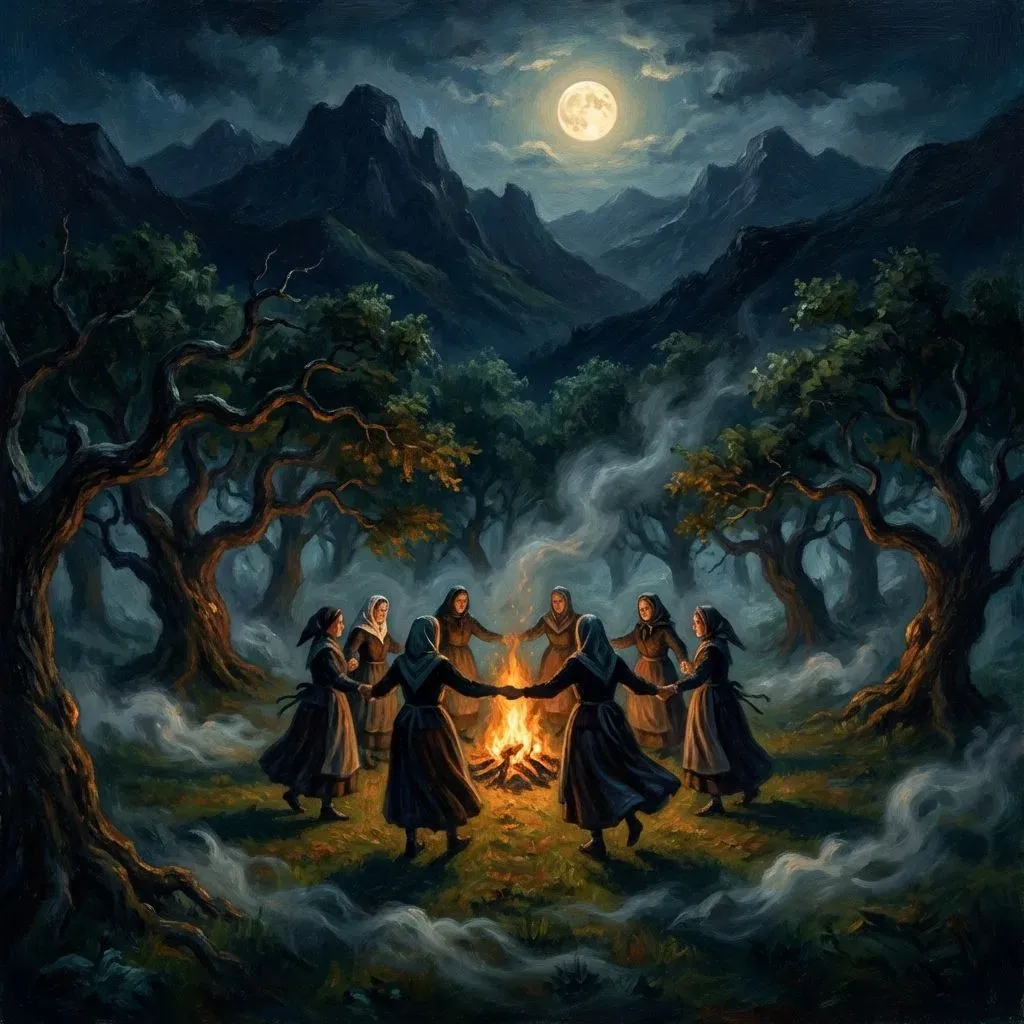
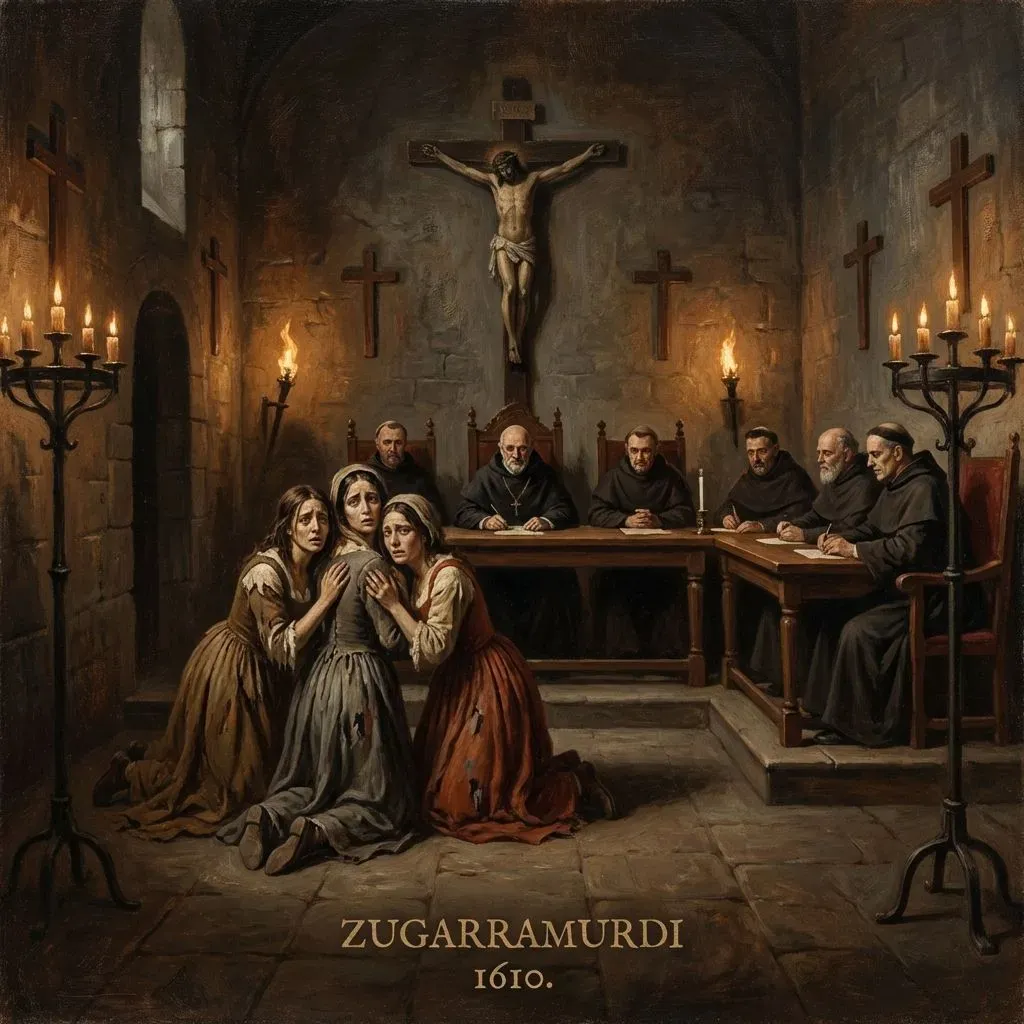
In the caves of Zugarramurdi, the sorginak held their nocturnal sabbaths. The auto-da-fe of 1610 put more than three hundred people on trial in the largest witchcraft case of the age. Today the caves preserve the tragedy and the mystery of the original Akelarre.
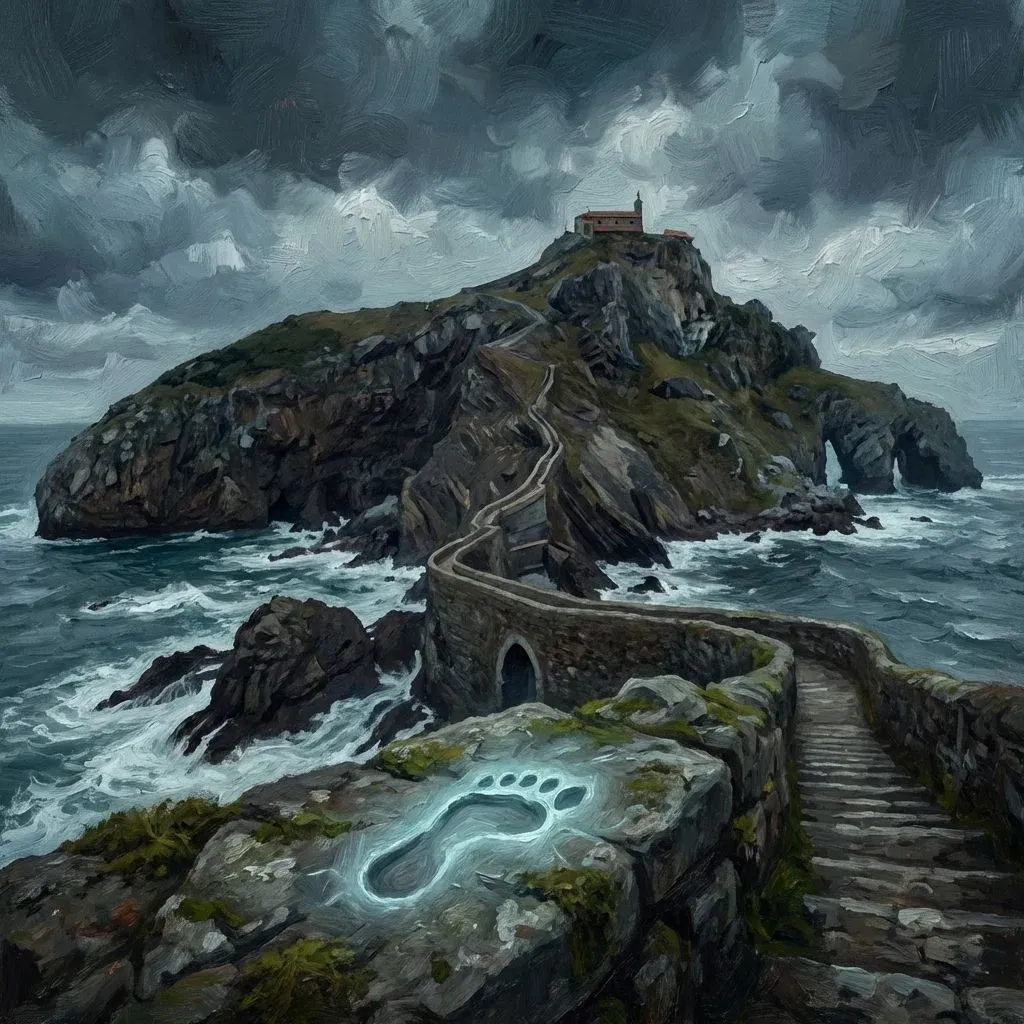
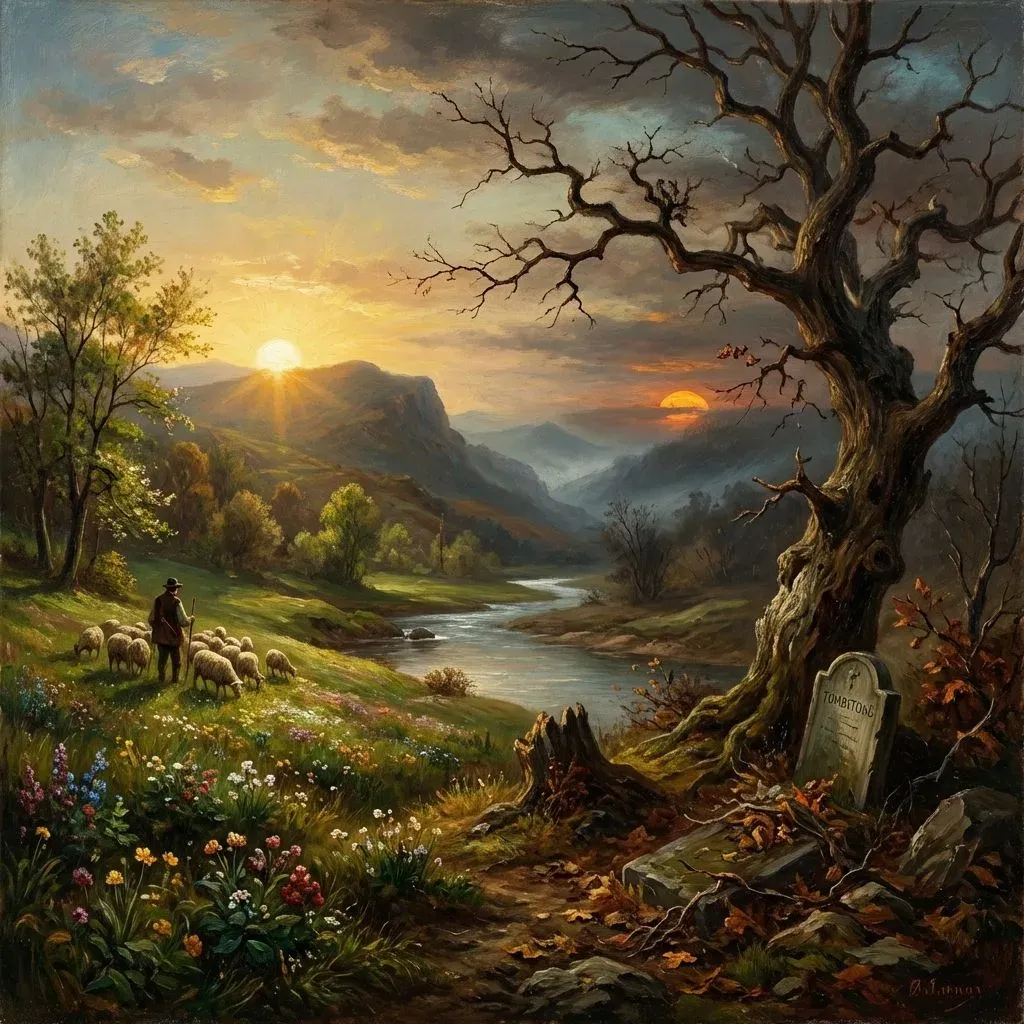
At the top of the stairway to Gaztelugatxe, a footprint carved in stone marks the place where Saint John the Baptist set his foot. Pilgrims touch it three times to ask for good luck and divine protection.
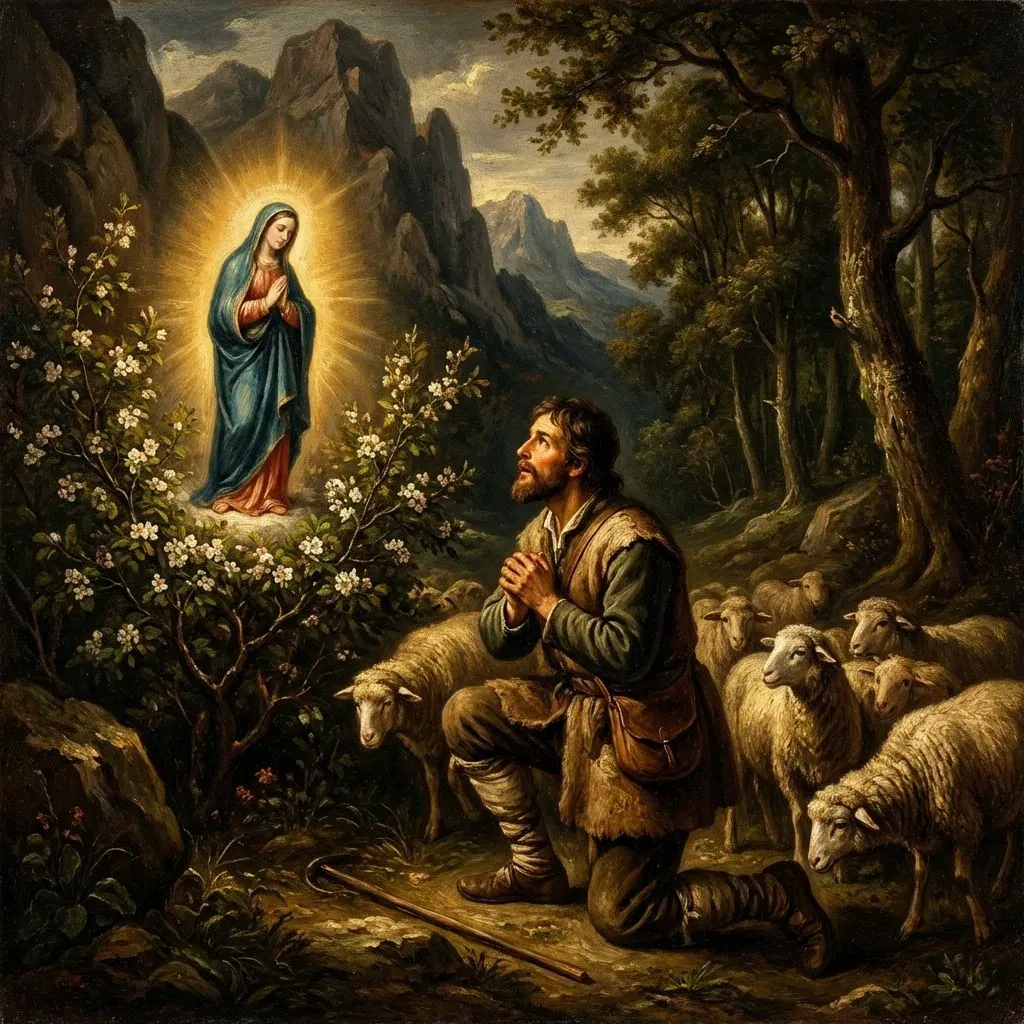
A shepherd discovered the image of the Virgin on a thorn bush in the mountains of Onati. At the sight of it he cried out, "Arantzan zu?" ("You, on a thorn bush?"), giving rise to both the shrine and the name this sacred place bears today.
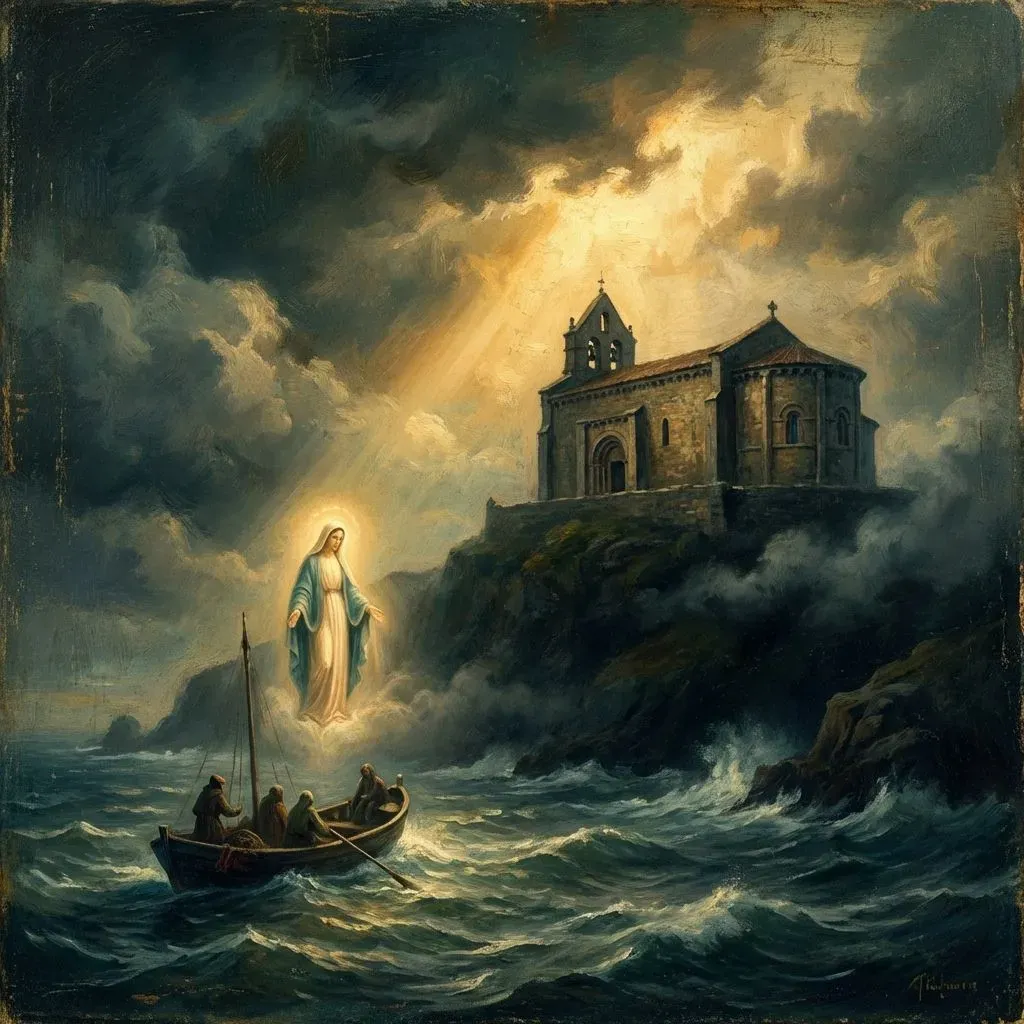
At the shrine of Itziar, above the cliffs of Deba, the Virgin appeared to fishermen in the midst of a storm. Her light guided them safely back to port, and she became the patron of sailors along the coast of Gipuzkoa.
In the mountains of Aralar, a shepherd met Mari of Muru and married her. They lived together until he took her to church, where she vanished forever among the flames. Barandiaran preserved this tragic legend.
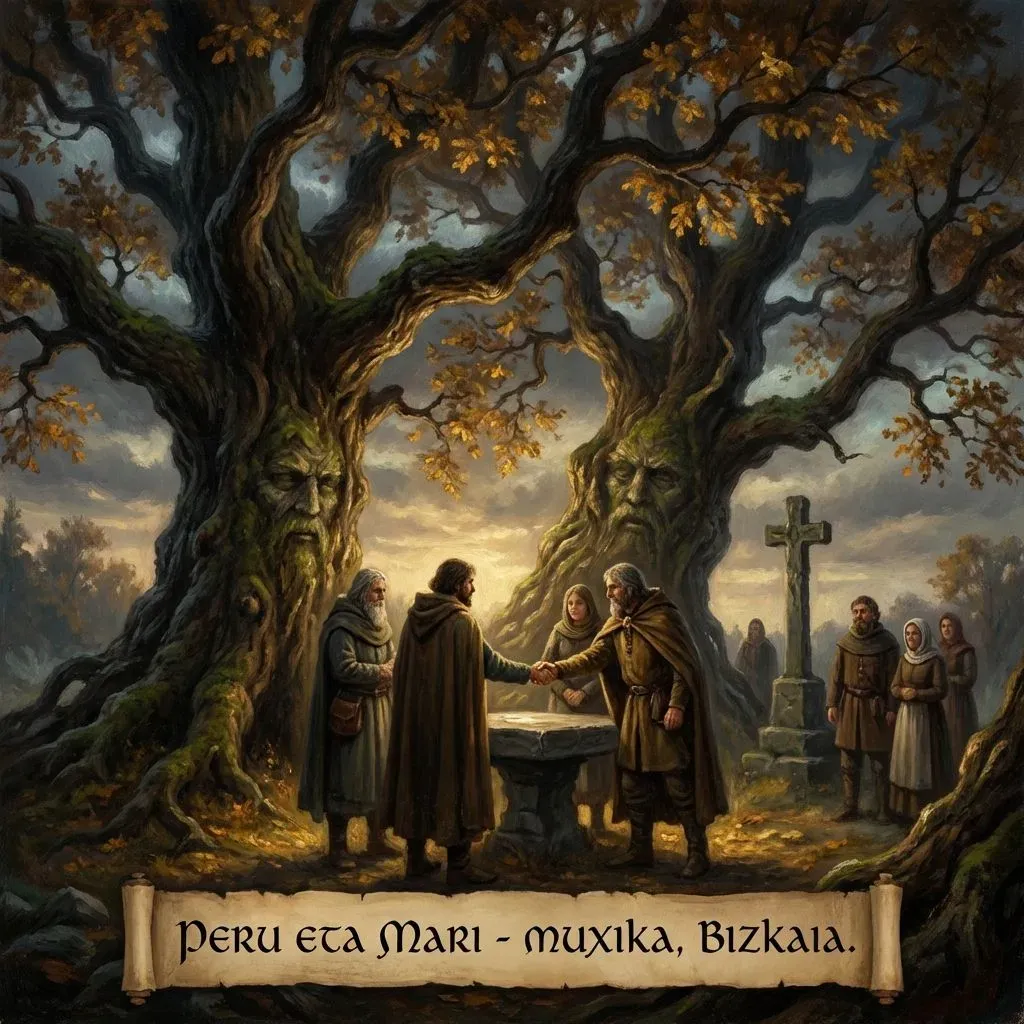
In Muxika there were two sacred oaks called Peru and Mari, beneath which neighbors sealed agreements and payments. Under their shade, oaths were sacred, and anyone who broke them received the curse of the ancestral trees.
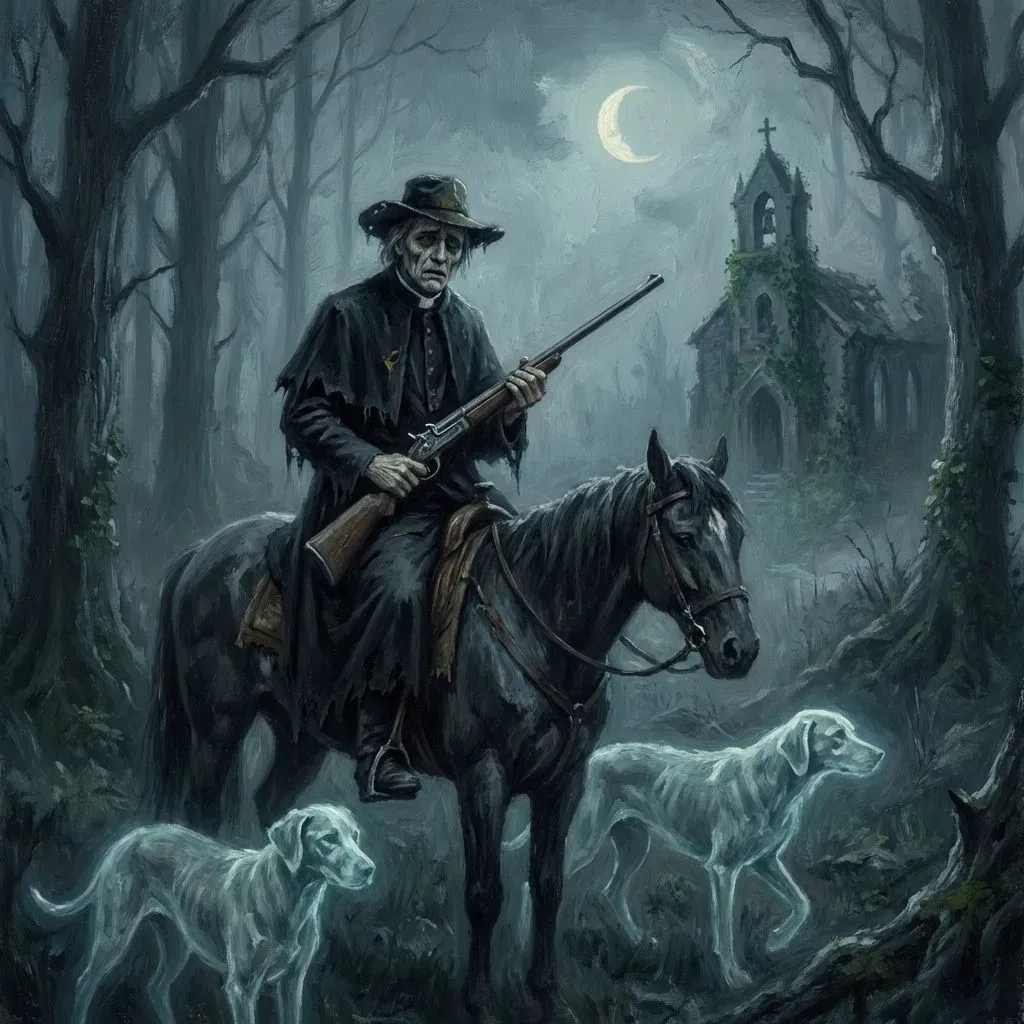
A priest from Ataun abandoned Mass when he heard his hunting dogs barking. For that sacrilege he was condemned to wander eternally through the mountains, with his spectral pack howling on stormy nights.
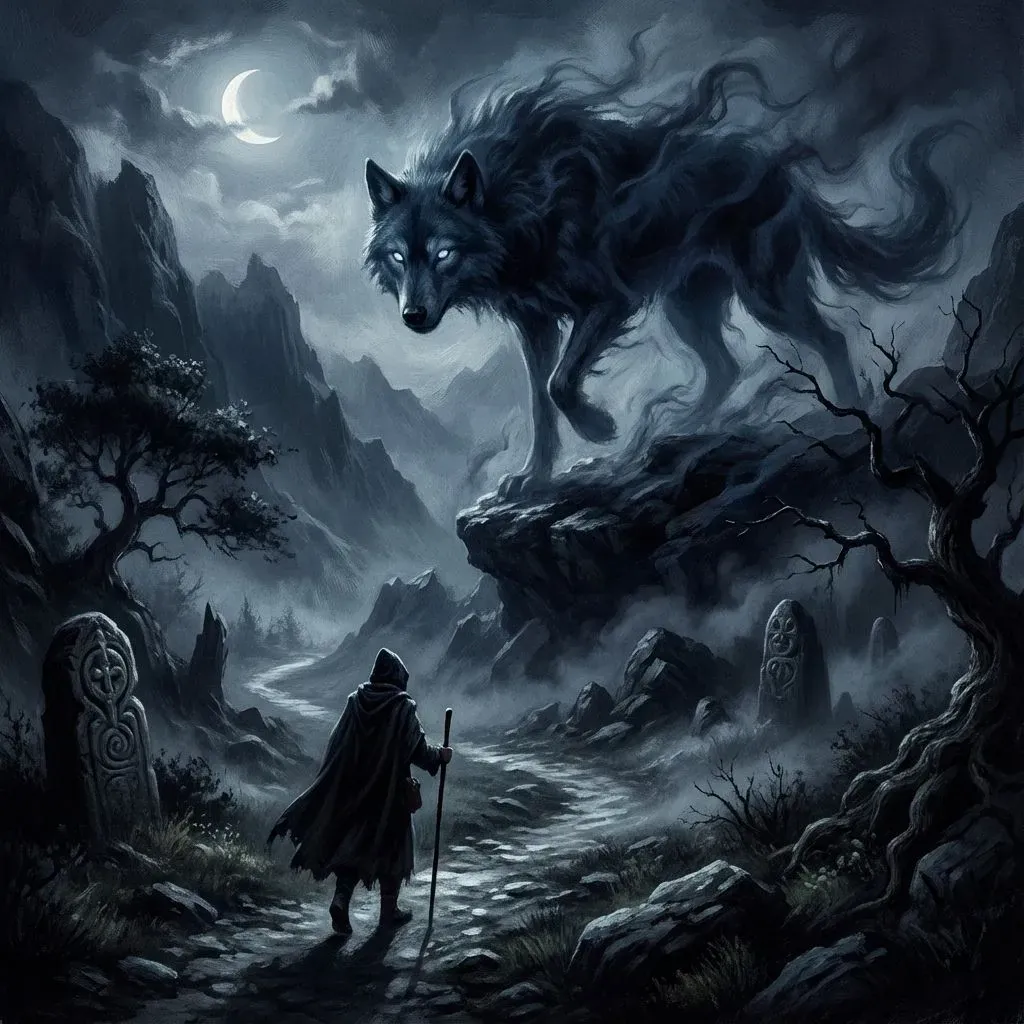
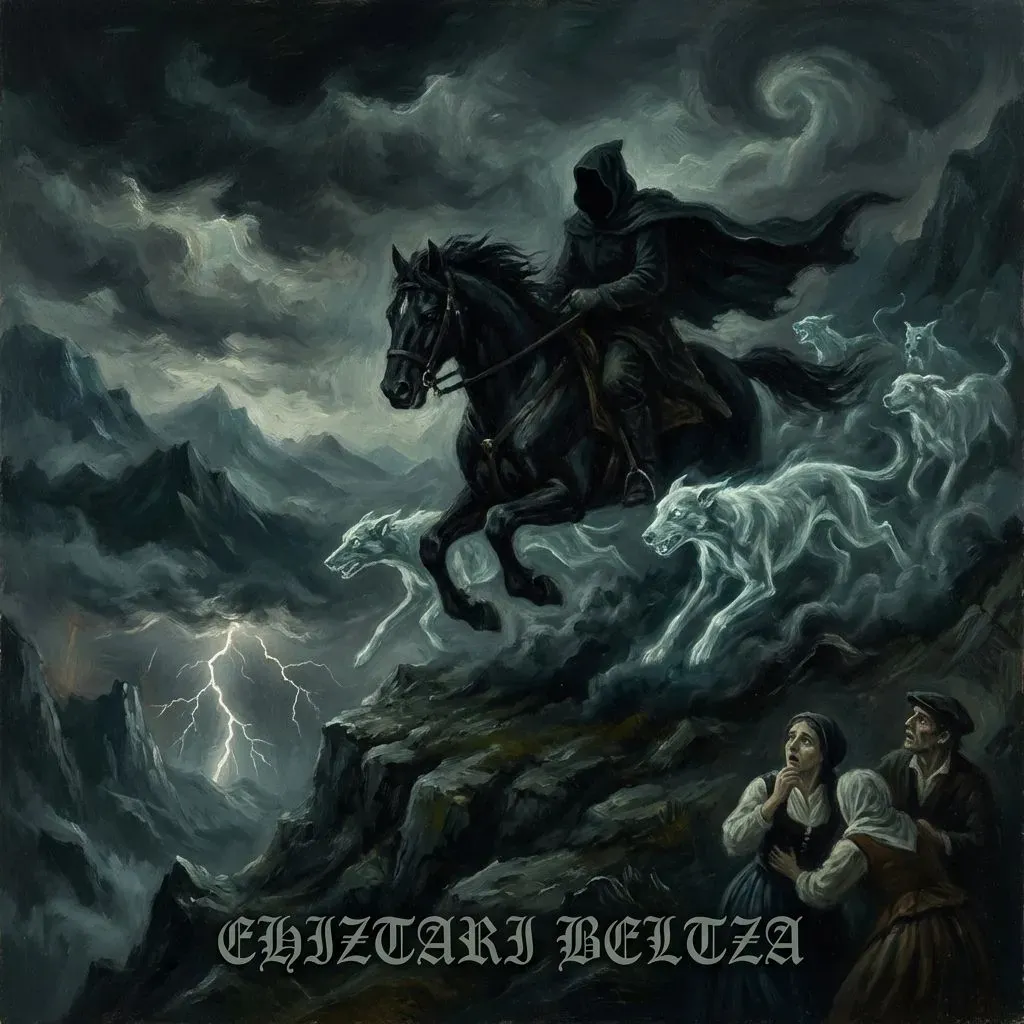
The Black Hunter rides across the sky on stormy nights, leading a retinue of restless souls. Whoever hears the gallop of his horse and the howling of his dogs must hide from the wild hunt.
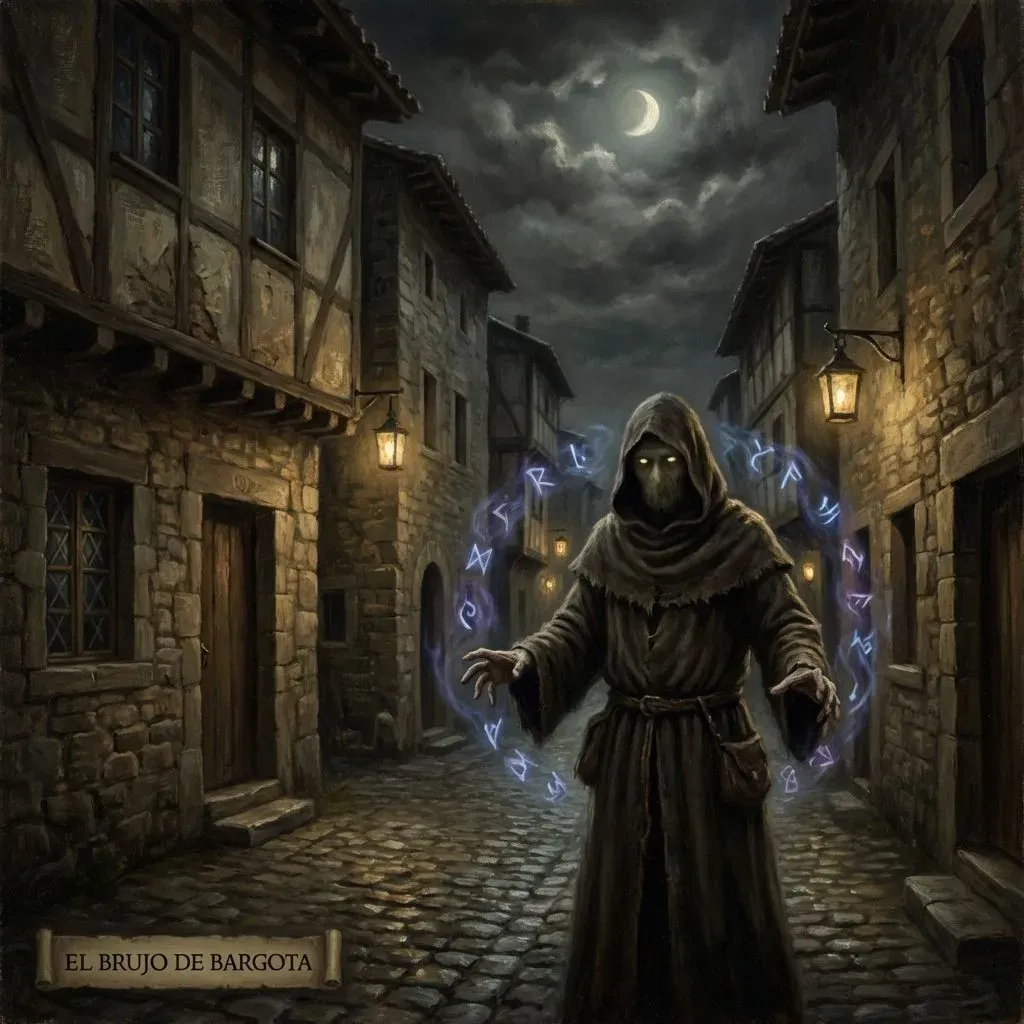
In the Navarrese village of Bargota there lived a man with supernatural powers. He could command the weather, cure illnesses and foretell the future. His figure blends history and legend in the popular memory of Navarre.
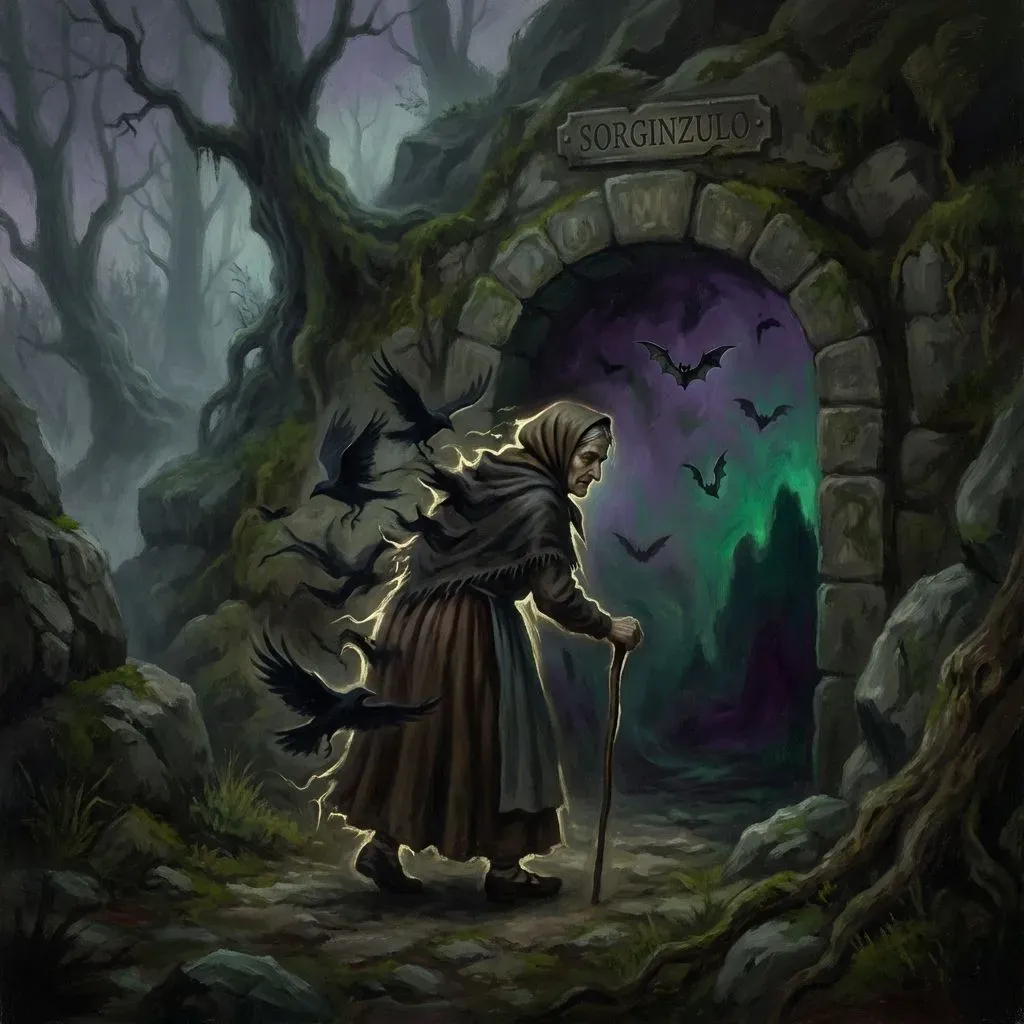
A young woman entered the cave of Sorginzulo and was never the same again. People say the witches initiated her into their dark arts, and since then she has roamed the forests working spells beneath the moonlight.
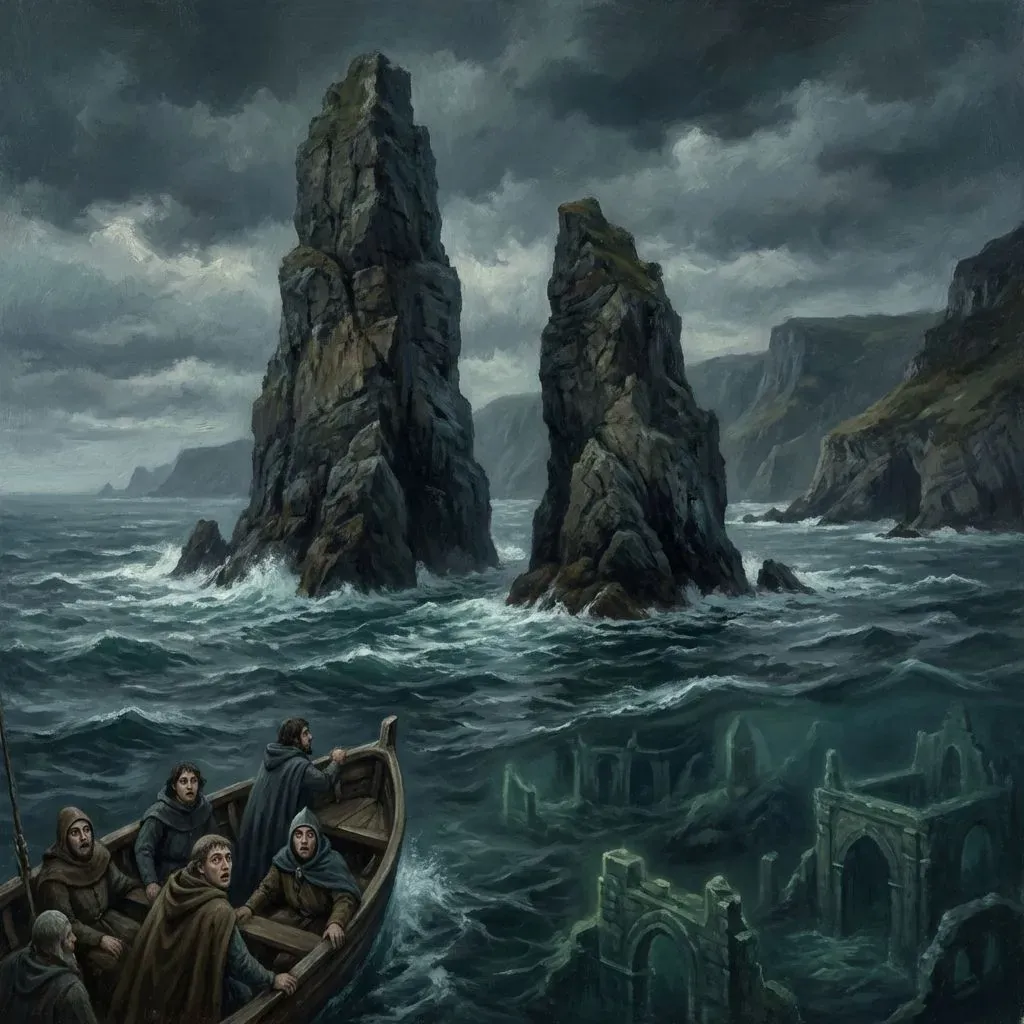
Dunba Luzie and Dunba Zabala, the twin rocks of Hendaye, were once the towers of a submerged city. When the sea grew furious, it swallowed the city and left only these stones as eternal witnesses.
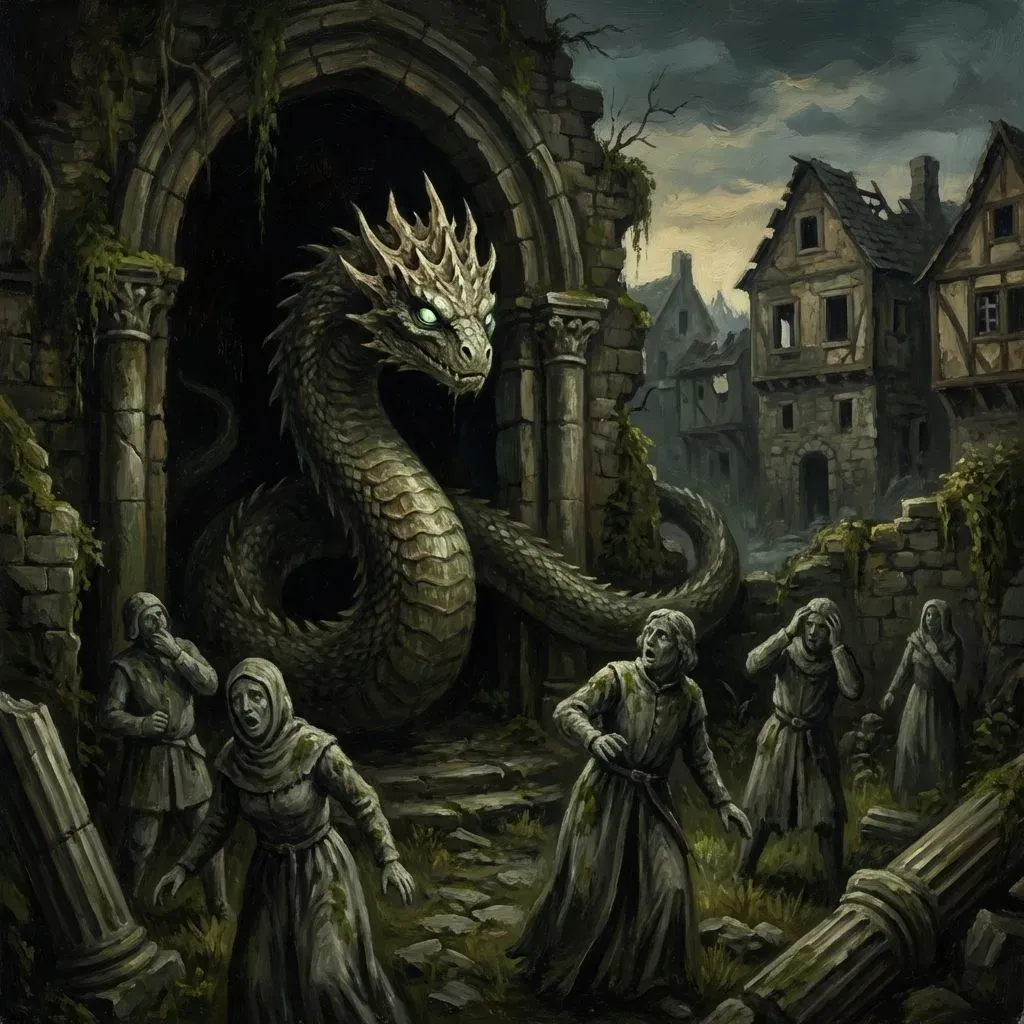
In the deserted hamlet of Urrialdo there lived a basilisk with a lethal gaze. Anyone who met its eyes was turned to stone on the spot. The village was abandoned, and today only cursed ruins remain.
On the slopes of Mount Mondarrain, the lamiak live in a cave beside a crystal stream. There they comb their golden hair and weave the fortune of those who venture through those lands.
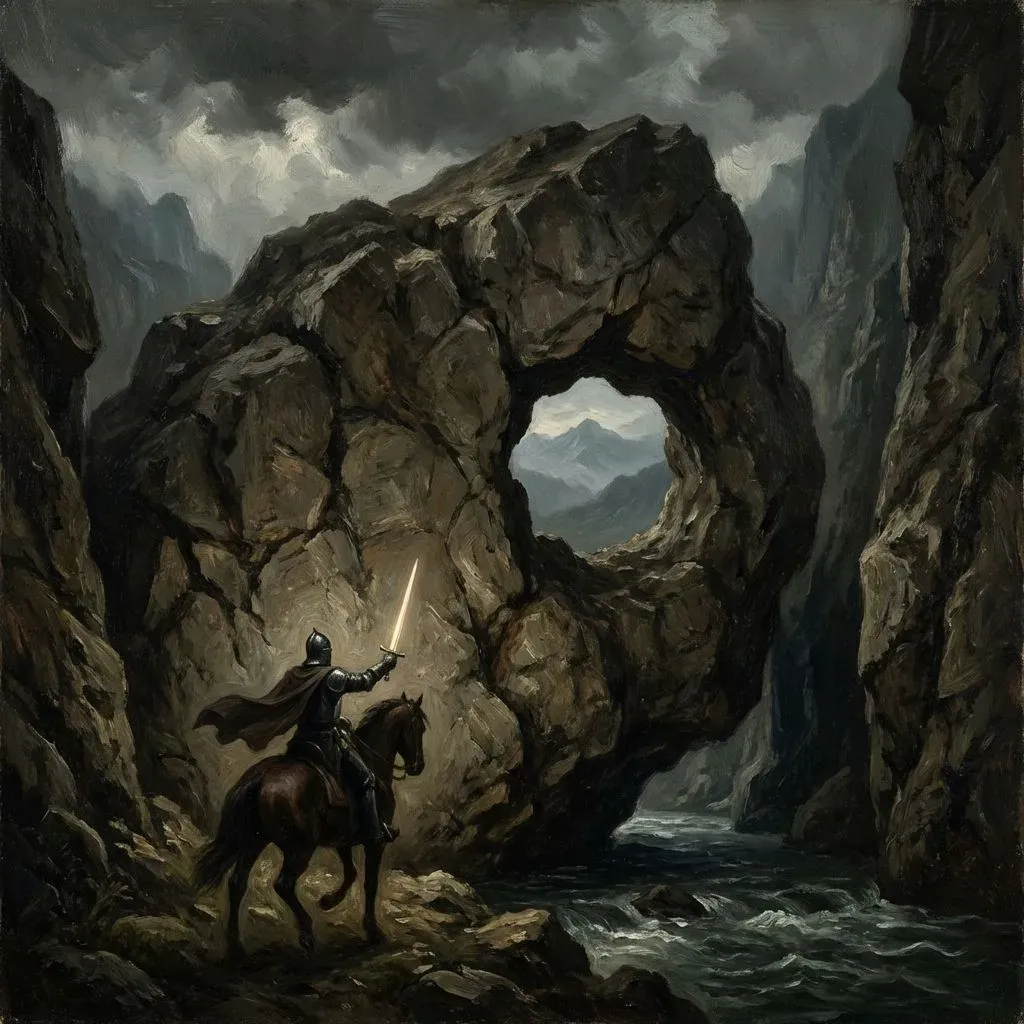
At Itxassou, a huge hole cuts through the rock of the gorge. People say Roland, Charlemagne's paladin, opened it with a single blow of his sword Durandal while fleeing from the Basques.
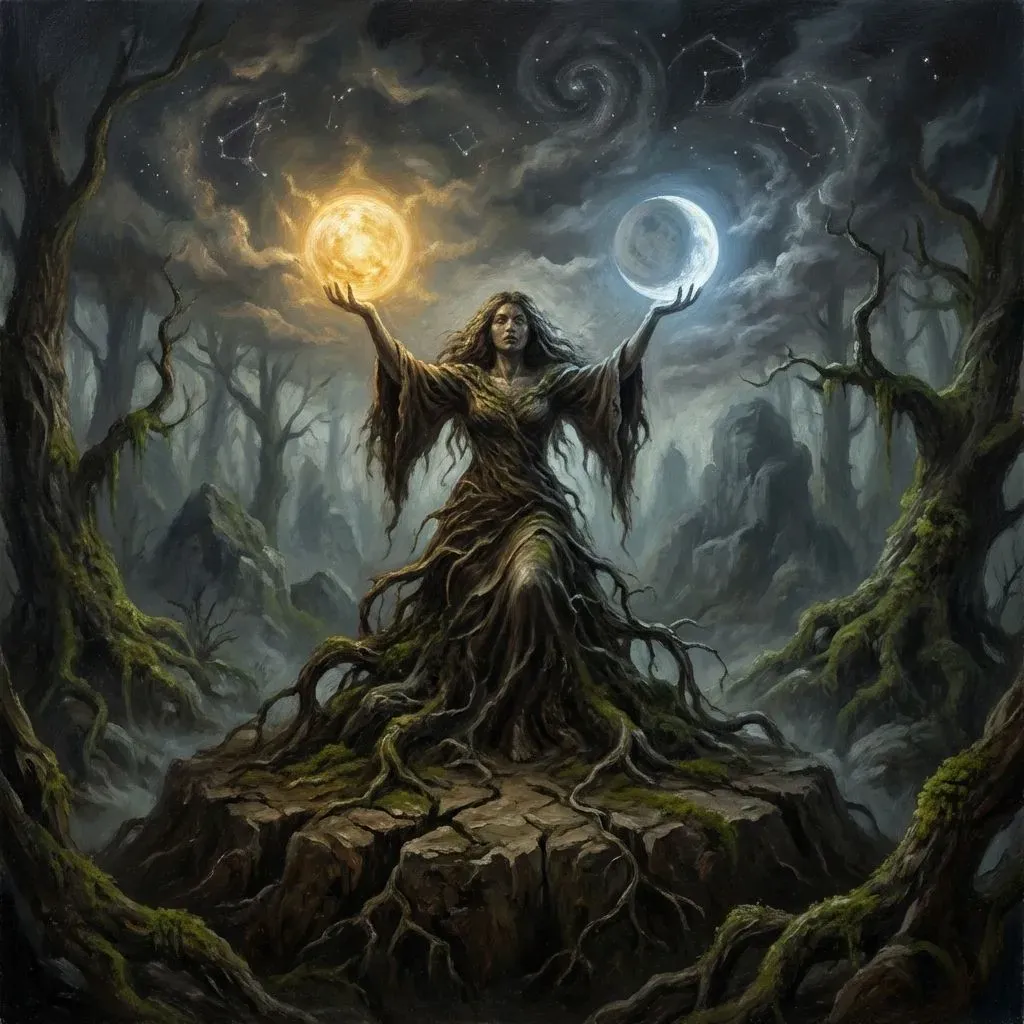
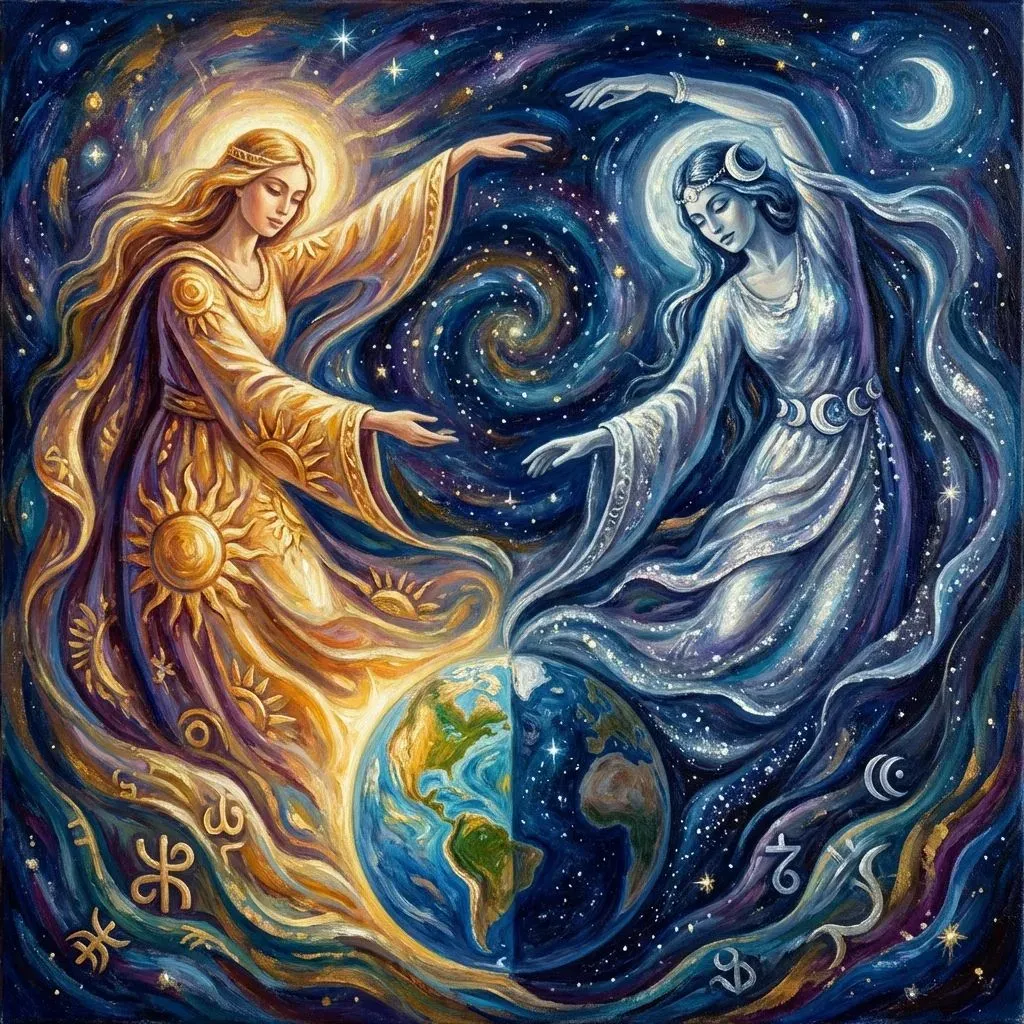
Amalur, Mother Earth, gave birth to Eguzki and Ilargi to light the world. The Sun was born first to drive away the creatures of the night, and the Moon to guide souls on their journey to the beyond.
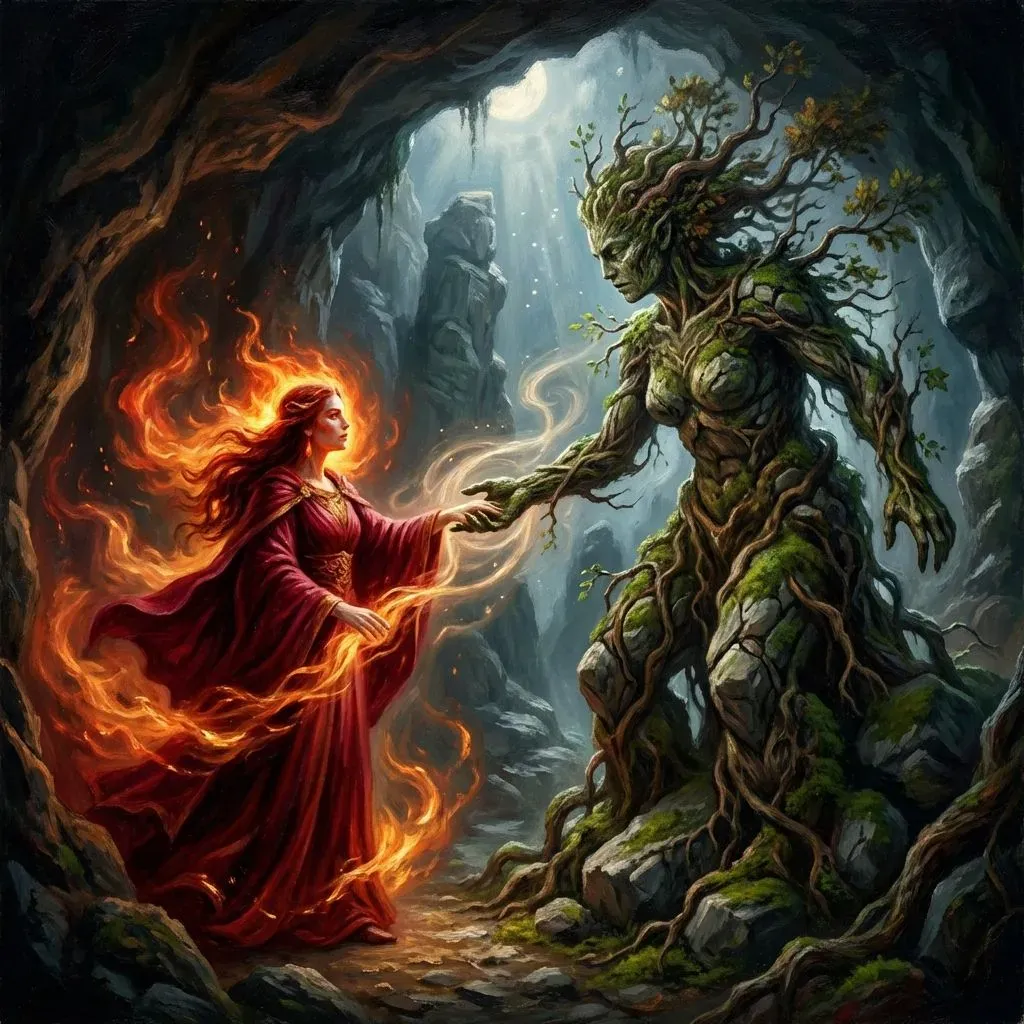
The bond between Mari, the supreme goddess, and Amalur, the primordial origin. Some traditions say Mari is daughter of the earth, while others treat both as different manifestations of the same feminine chthonic power.
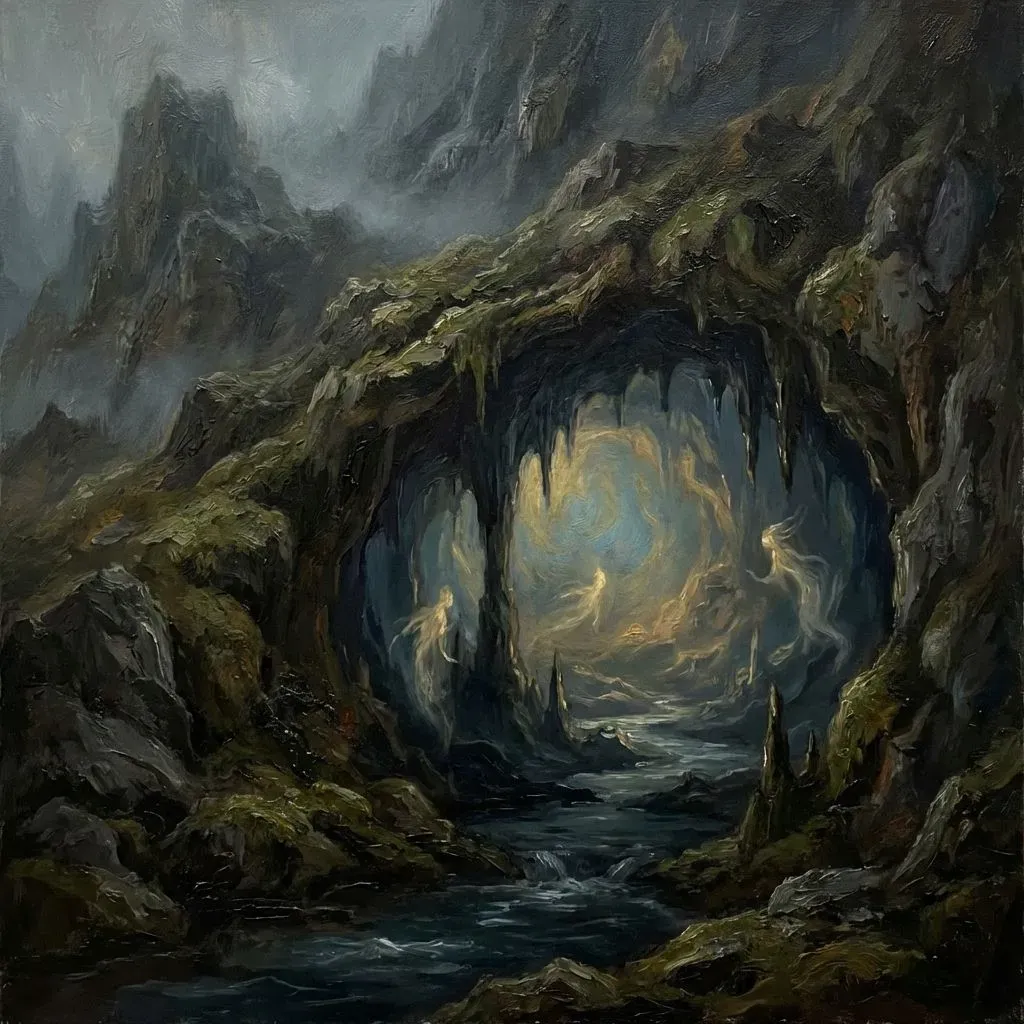
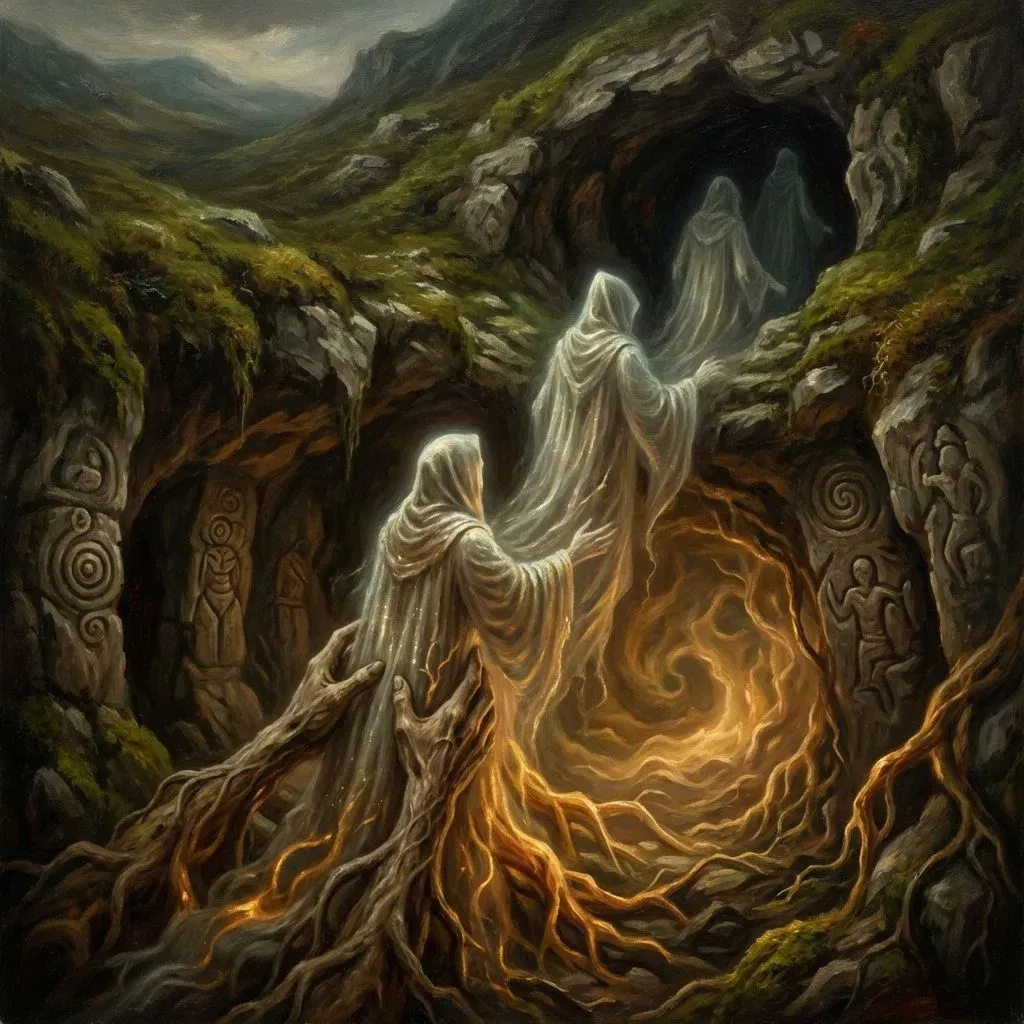
Caves are gateways to the underworld where the spirit of Amalur dwells. Earth spirits live within them, and ancestral rituals were once held there to connect the living with primordial forces.
Beliefs about the souls' journey back to the womb of Amalur. Everything born from the earth returns to it, completing the eternal cycle of life, death and rebirth.
Accounts from those who saw Sugaar crossing the night sky like a ball of fire. His blazing passage announces storms and is linked to the primordial dragon of Basque mythology.
The origin of the Basque word for Friday: Ostirala, the day of Ortzi. This linguistic survival reveals how important the ancient sky god once was in pre-Christian Basque culture.
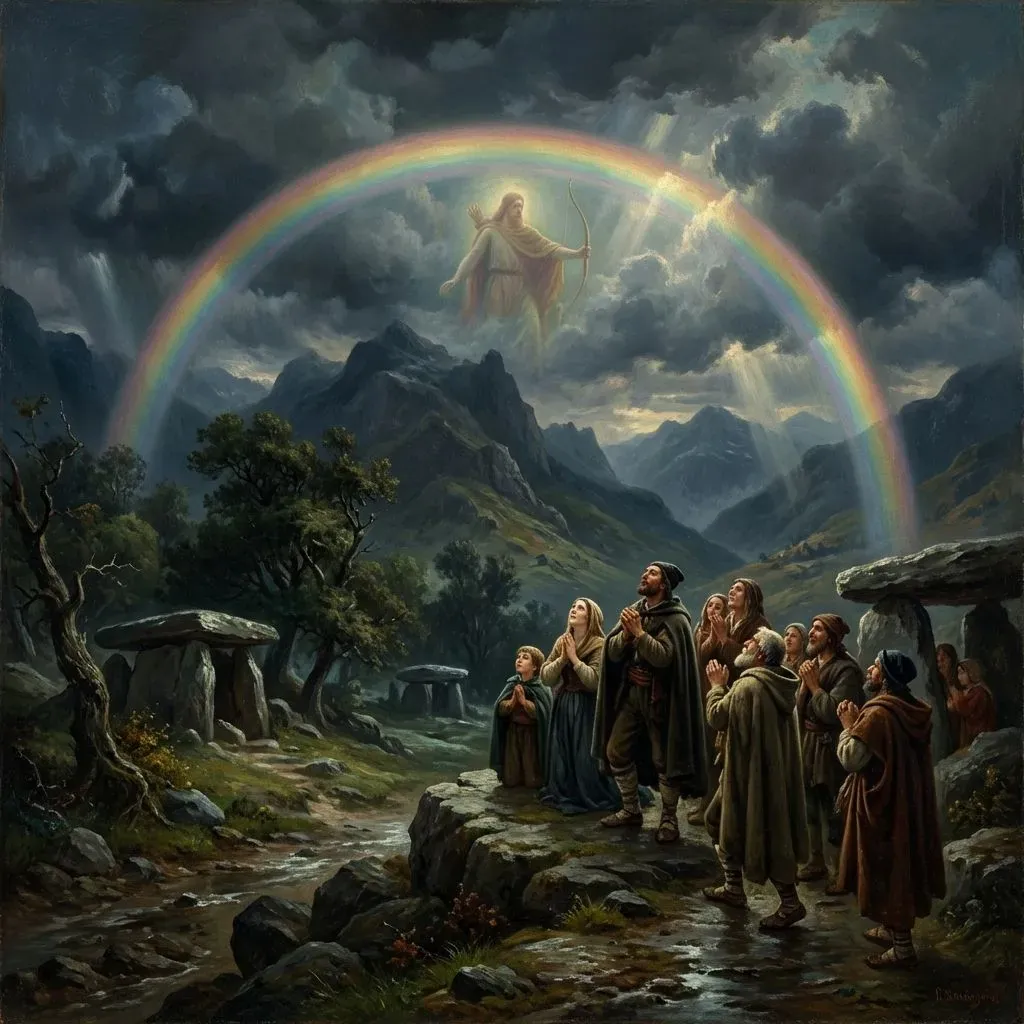
The rainbow as a manifestation of the celestial god. In Basque, ortzadar means "horn of the sky" or "Ortzi's arch", tying the phenomenon to the divinity of the firmament.
How Mari and Sugaar eclipsed the ancient Basque lord of the sky. Ortzi was once a principal deity, but his cult faded before the rise of the chthonic divinities.
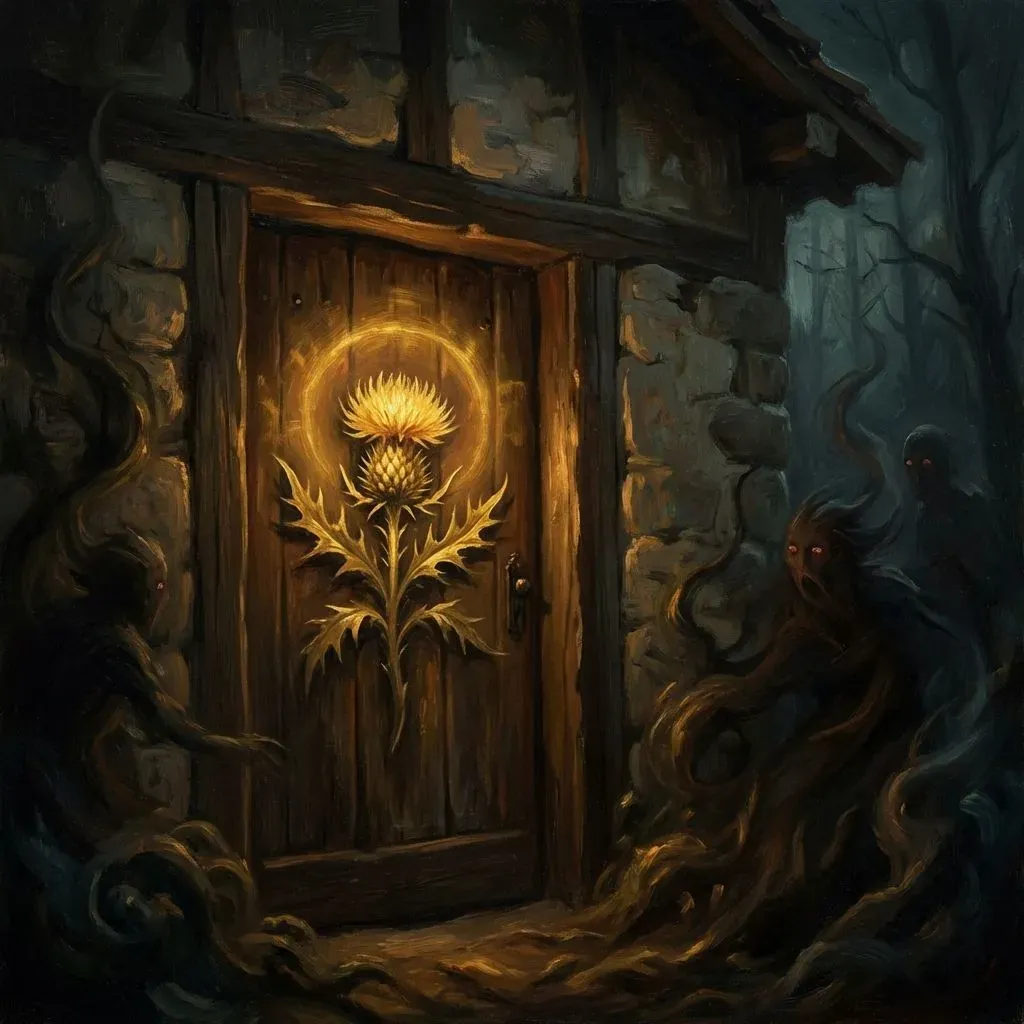
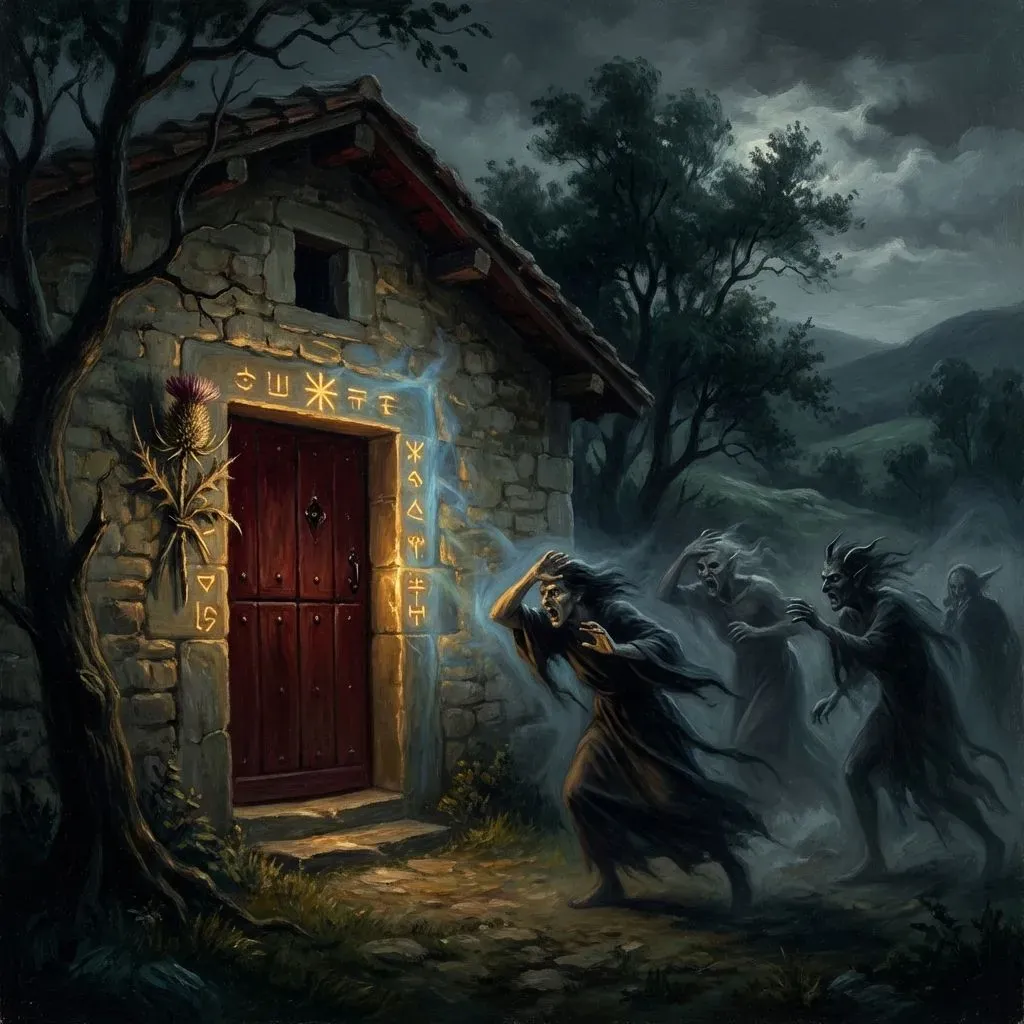
How Amalur created the eguzkilore to protect humankind from nocturnal spirits. This solar flower, placed on doorways, drives away witches and malignant beings that fear the light.
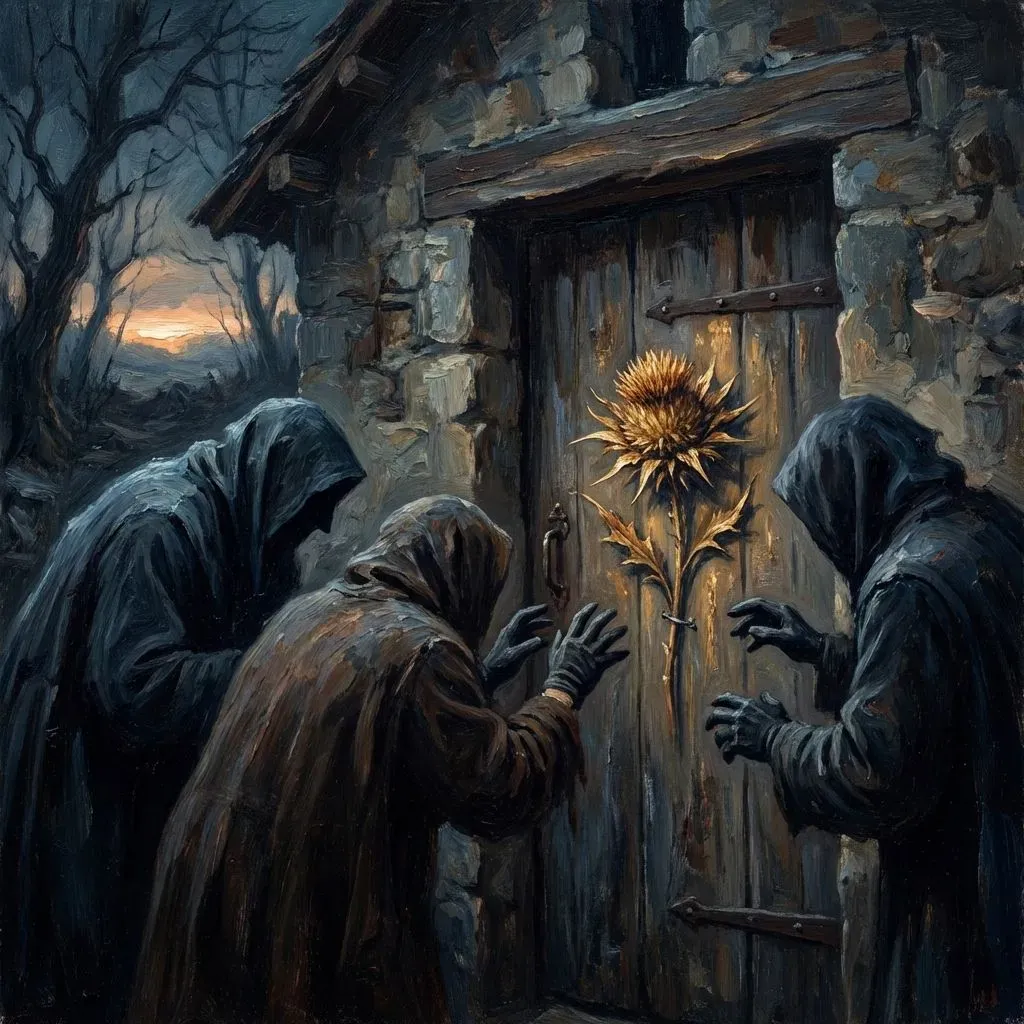
Why witches and malicious spirits are mesmerized by counting the petals of the eguzkilore. They never finish before dawn, when they must flee from the sunlight.
Amalur, Mother Earth, gave birth to Eguzki and Ilargi to light the world. The Sun was born first to drive away the creatures of the night, and the Moon to guide souls on their journey to the beyond.
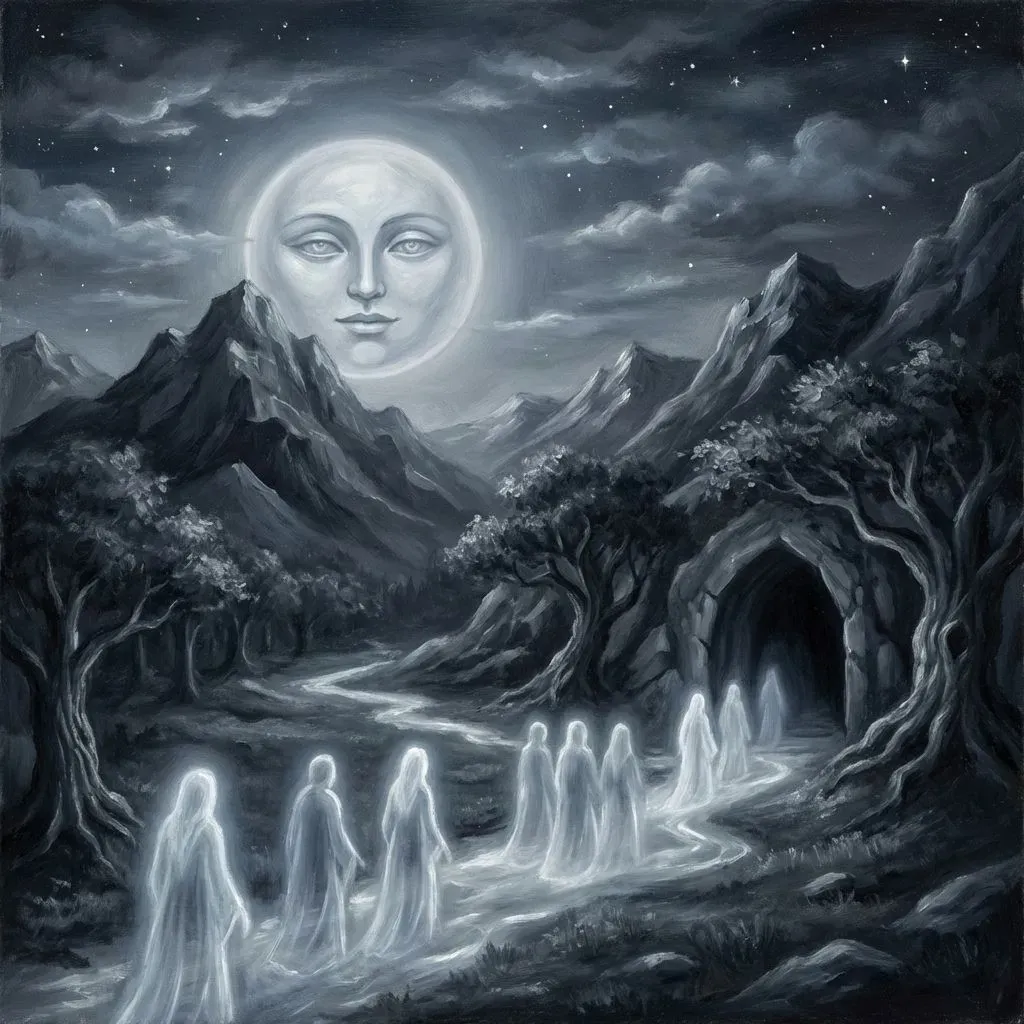
Why souls follow Ilargi's light on their journey to the beyond. The Moon guides the dead toward Amalur, lighting the path between the world of the living and that of the ancestors.
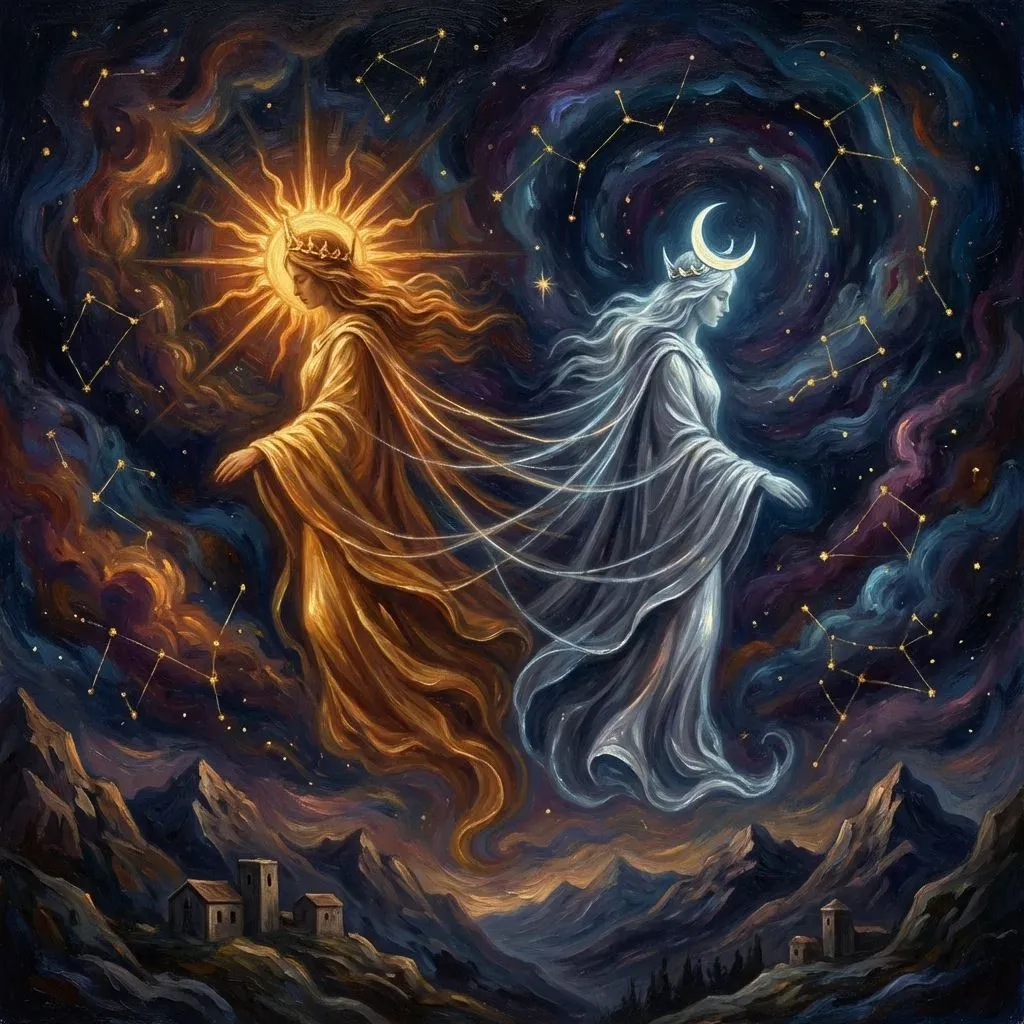
The bond between Eguzki and Ilargi, the twin daughters of Amalur. Although they never meet in the sky, they work together to keep the cosmic balance and protect the earth.
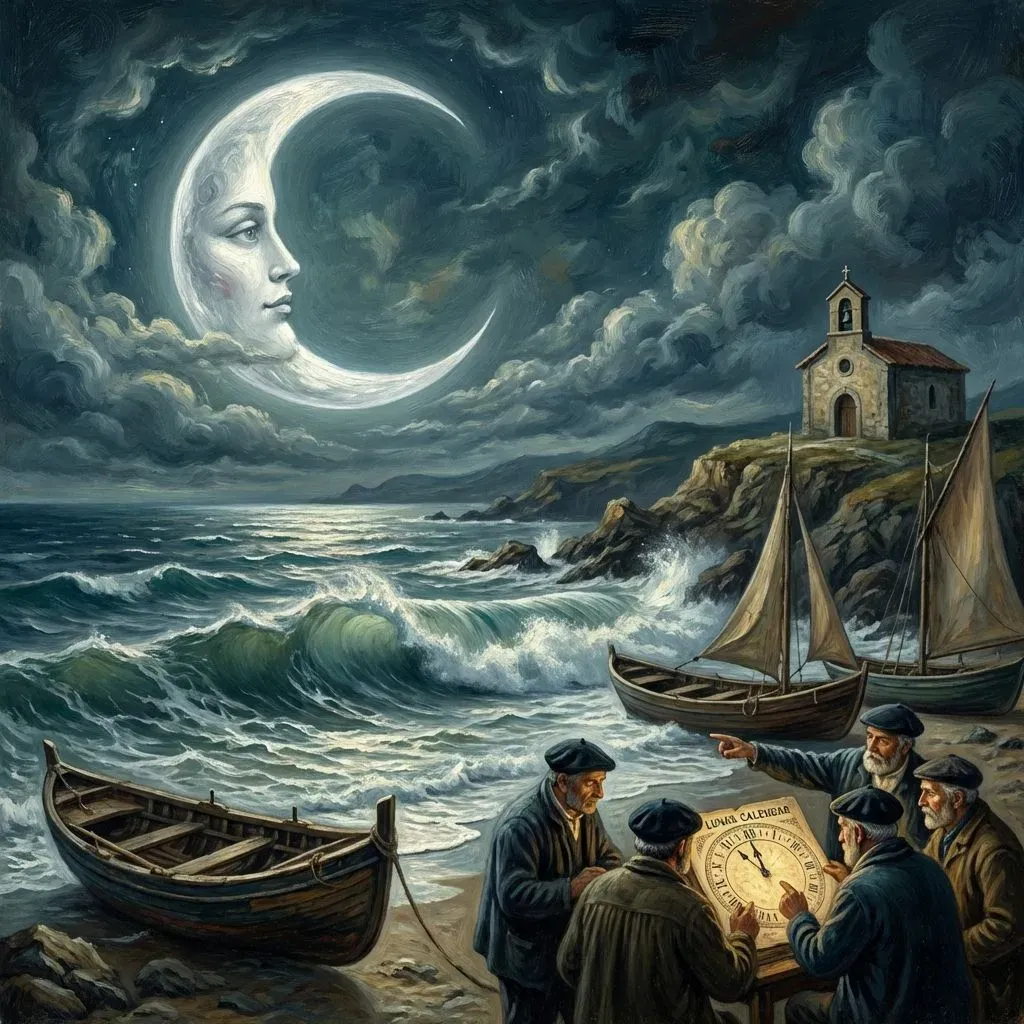
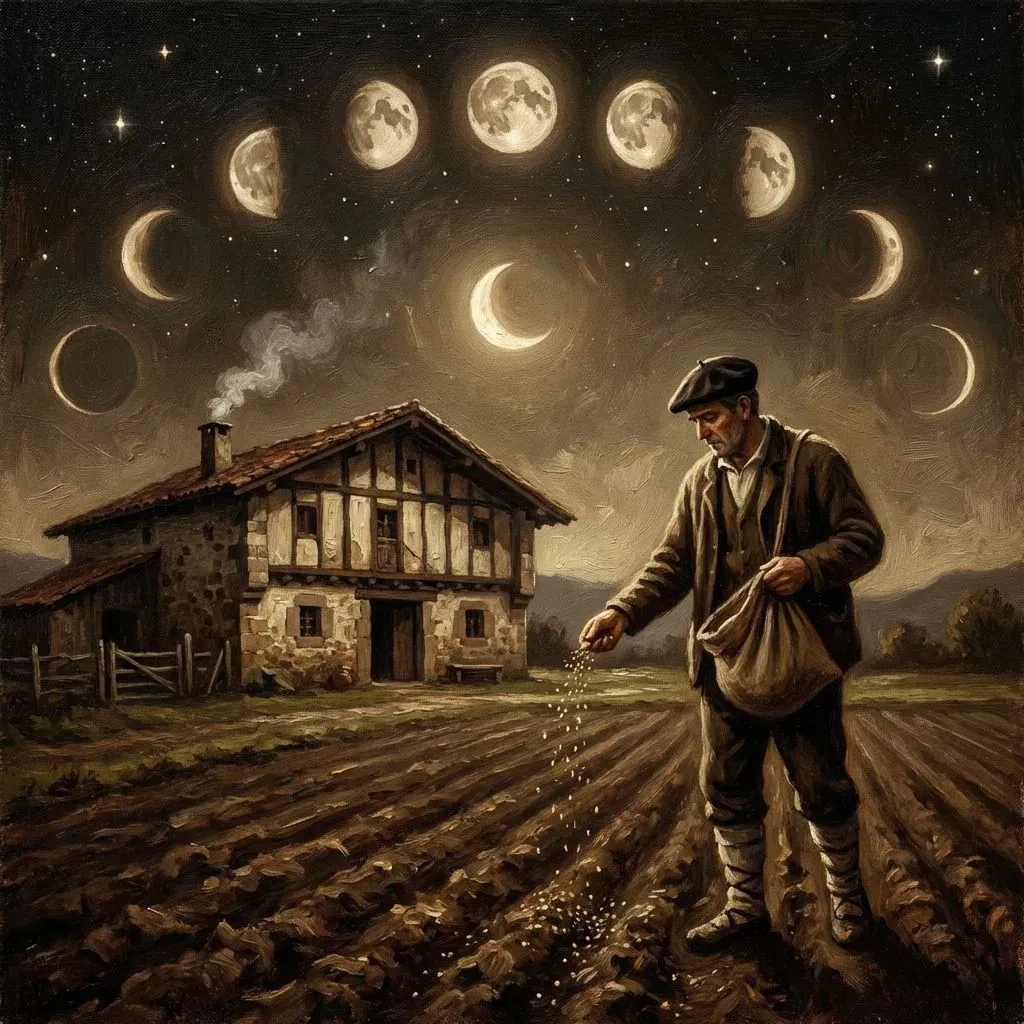
How Basque fishermen learned to read the movements of Ilargi. The Moon governs the tides, and understanding it was essential for the survival of coastal communities.
Agricultural traditions based on Ilargi's lunar cycles. Baserritarras knew that every phase of the Moon was favorable for different tasks in the fields.
The conditions Mari imposed on her children to free one of them. Only the child who showed virtue and cunning could escape the cave, sealing the destiny of the twins.
The teachings Atarrabi shared with the first Basques. After escaping from his mother, he devoted his life to instructing humans in agriculture, crafts and moral wisdom.
The cosmic balance between light and darkness embodied by the twins. Atarrabi and Mikelats personify opposite forces that keep the universe in creative tension.
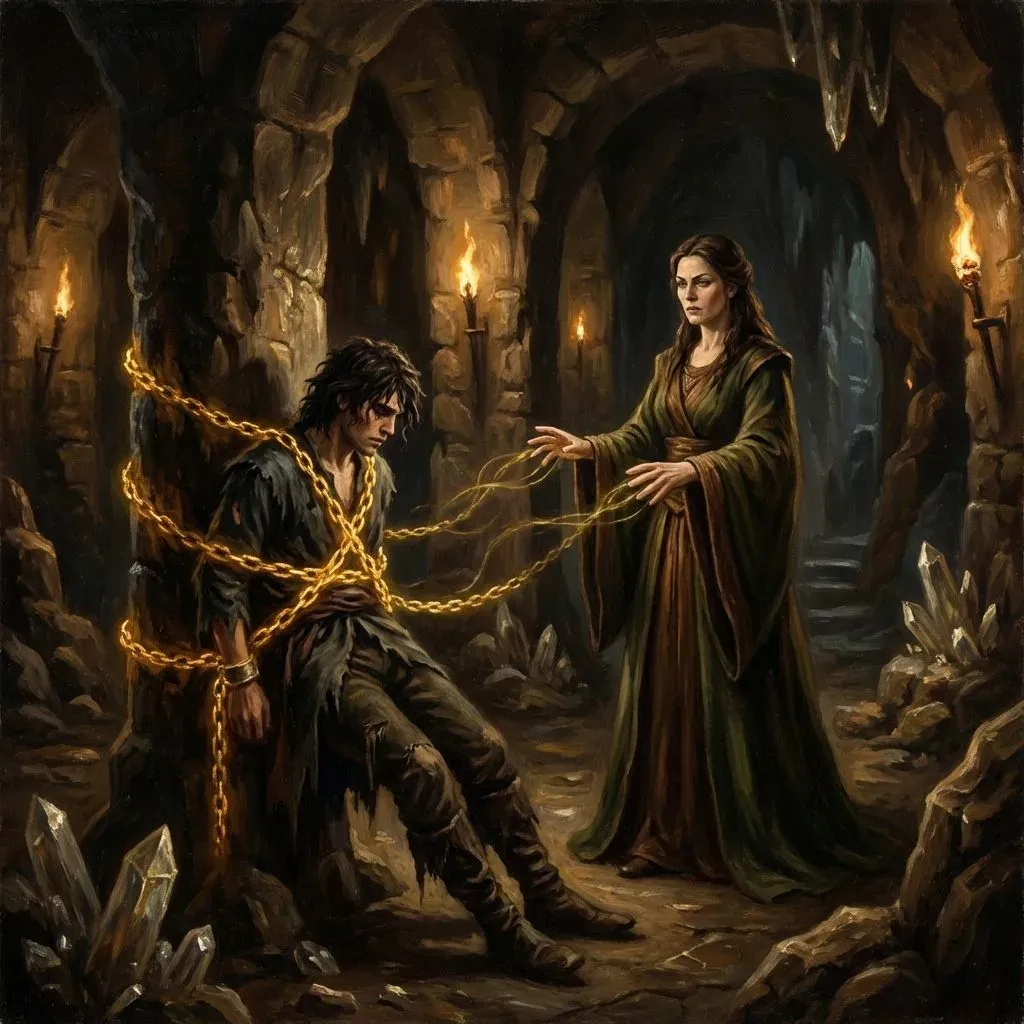
How the mother goddess kept her dark son bound for the good of the world. Mikelats remains chained in the depths so that his evil cannot destroy creation.
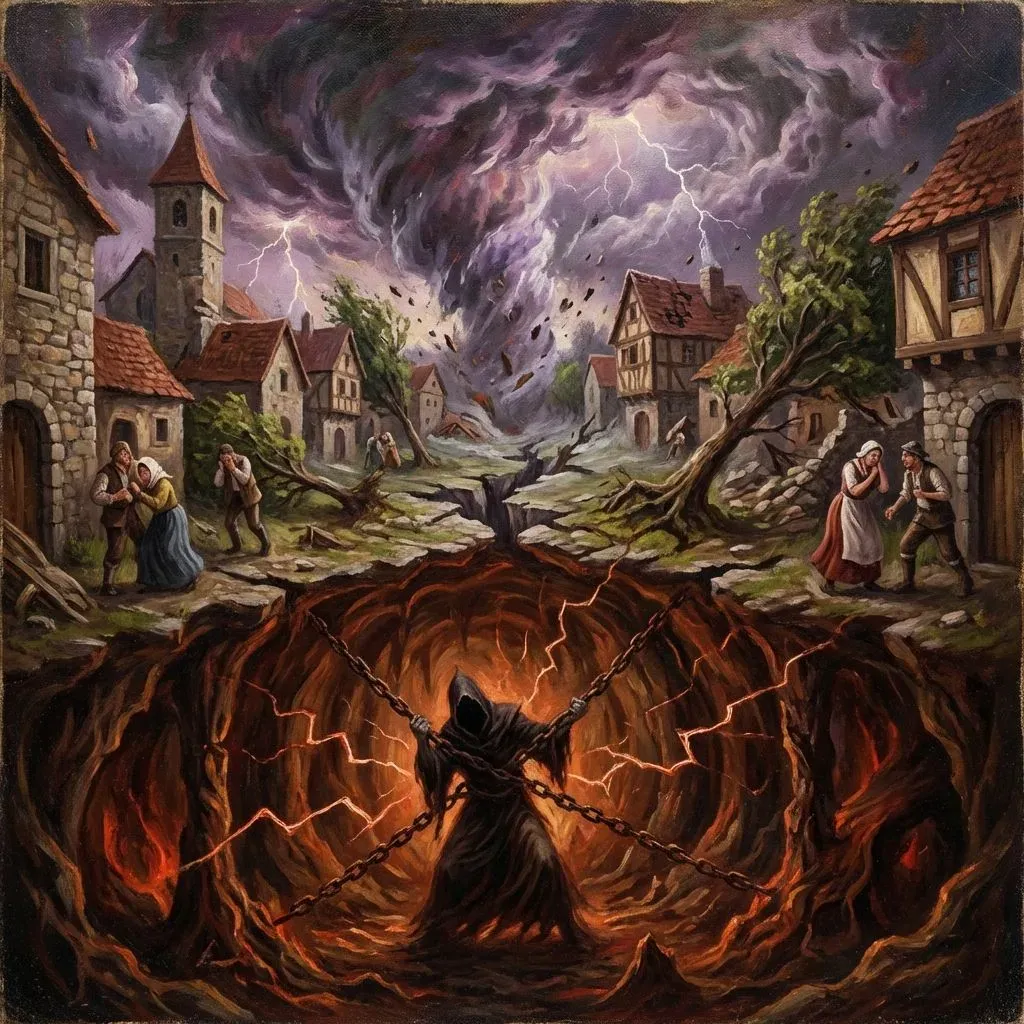
Natural phenomena attributed to the rage of Mikelats from his prison. When he shakes his chains, the earth trembles and the sky darkens with destructive tempests.
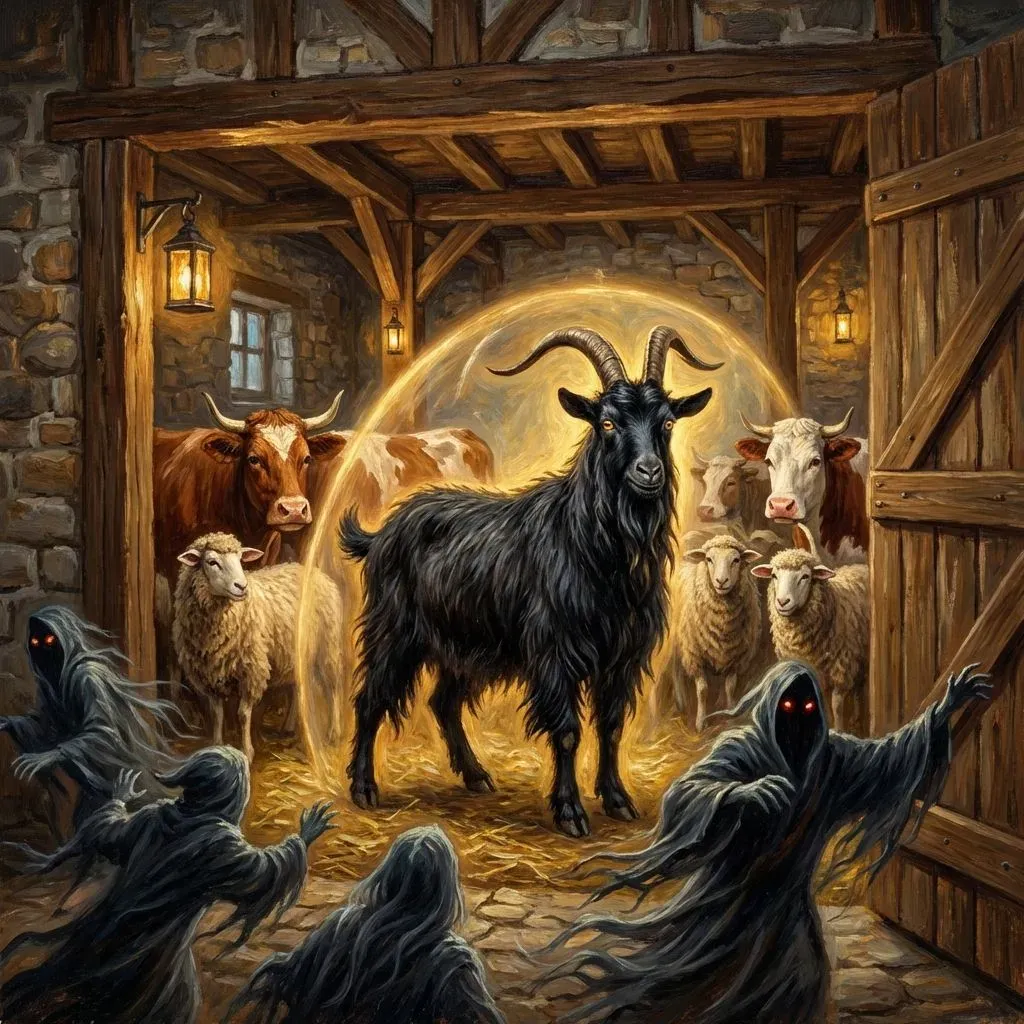
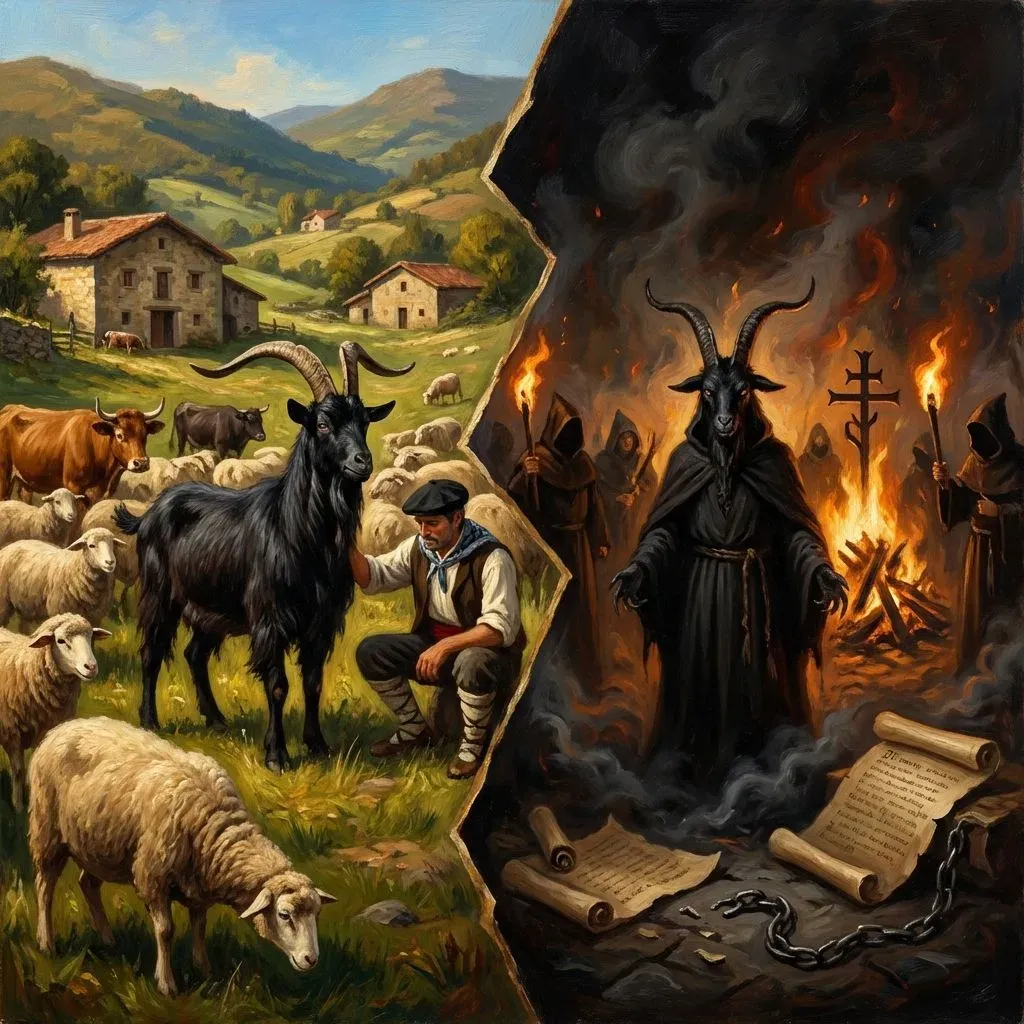
Why Basques kept a black he-goat to protect their livestock. Akerbeltz, through his presence, drove sickness and evil spirits away from the animals of the farmhouse.
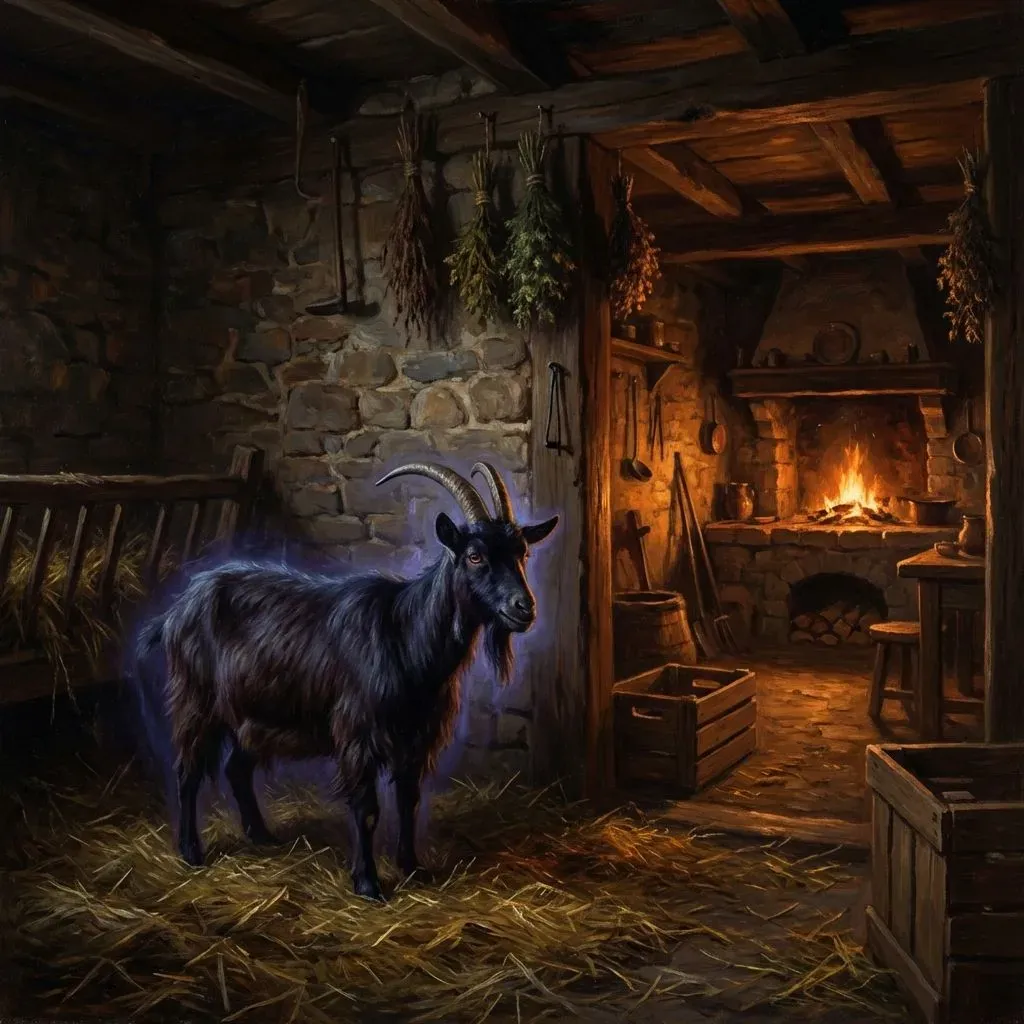
Akerbeltz as the protective spirit of the Basque rural home. Every baserri honored the black he-goat that watched over the family's prosperity, crops and animals.
Between protector of the herd and symbol of witchcraft. The Inquisition transformed Akerbeltz from a beneficent divinity into a demonic image, changing his perception forever.
A young shepherd from Ataun discovers Basajaun's secrets in the mountains. By observing the Lord of the Forest, he learns techniques of farming and smithing that he later shares with his people.
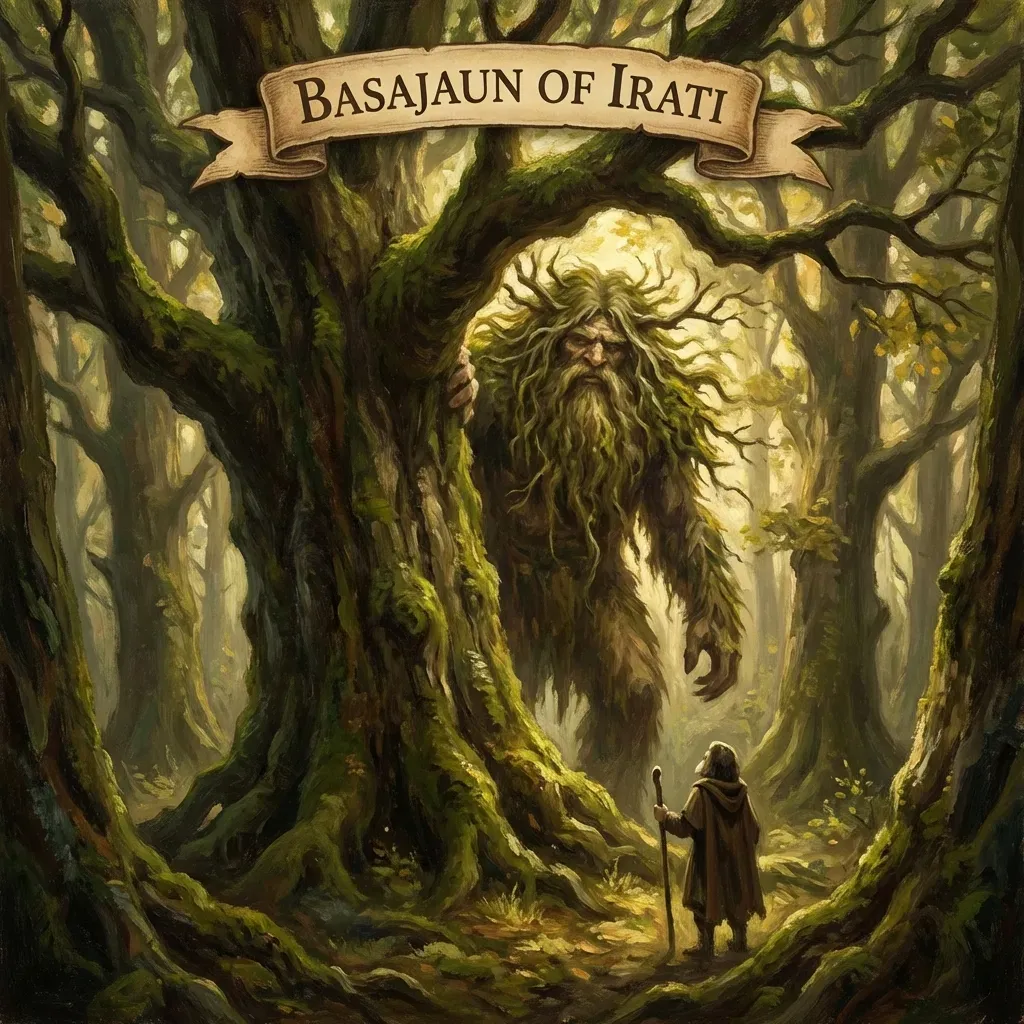
Sightings and encounters with the Lords of the Forest in the Irati woodland. Shepherds from Navarre tell stories of shaggy giants who protect the flocks from wolves.
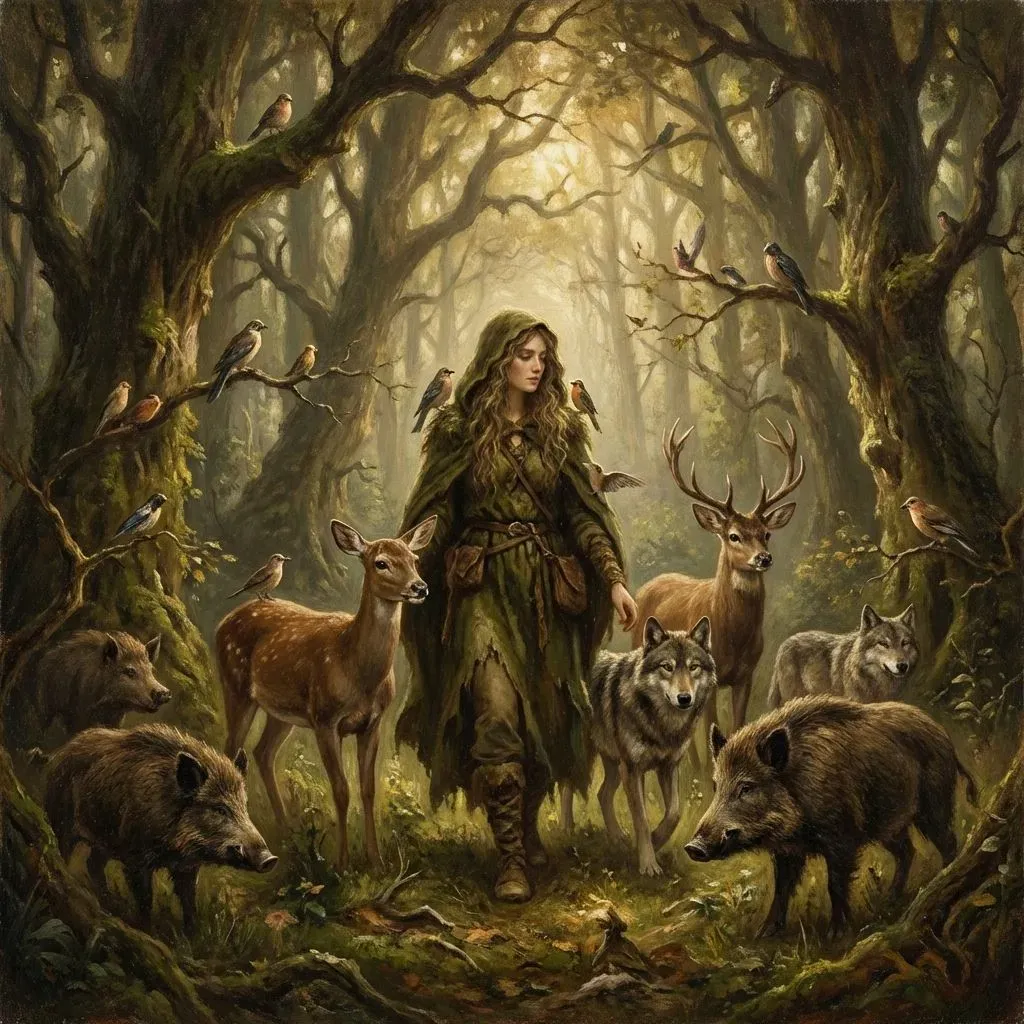
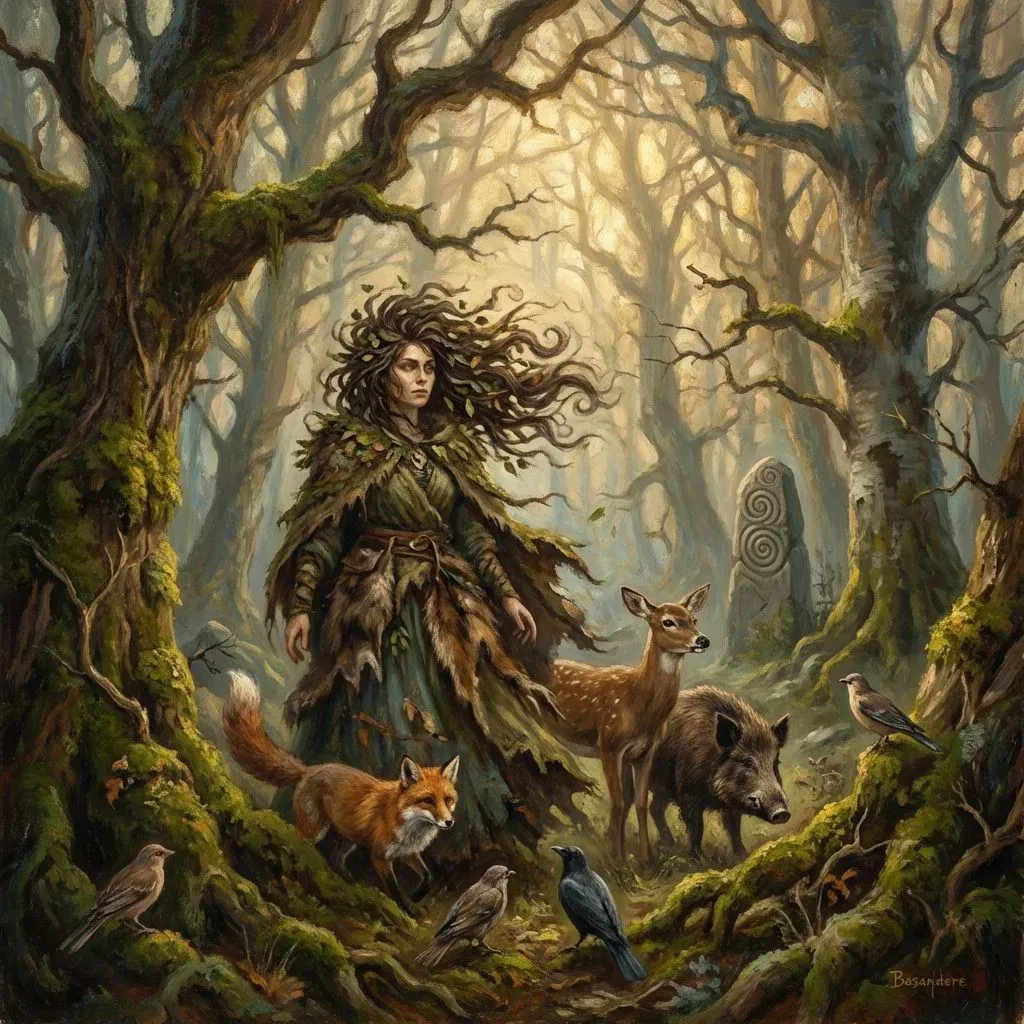
Basandere punishes cruel hunters who kill without need. Those who respect the animals of the forest receive her blessing, but the ruthless suffer terrible curses.
Men enchanted by Basandere's supernatural beauty lose their sanity. Her wild loveliness is a snare for anyone daring to gaze at her too long in the depths of the forest.
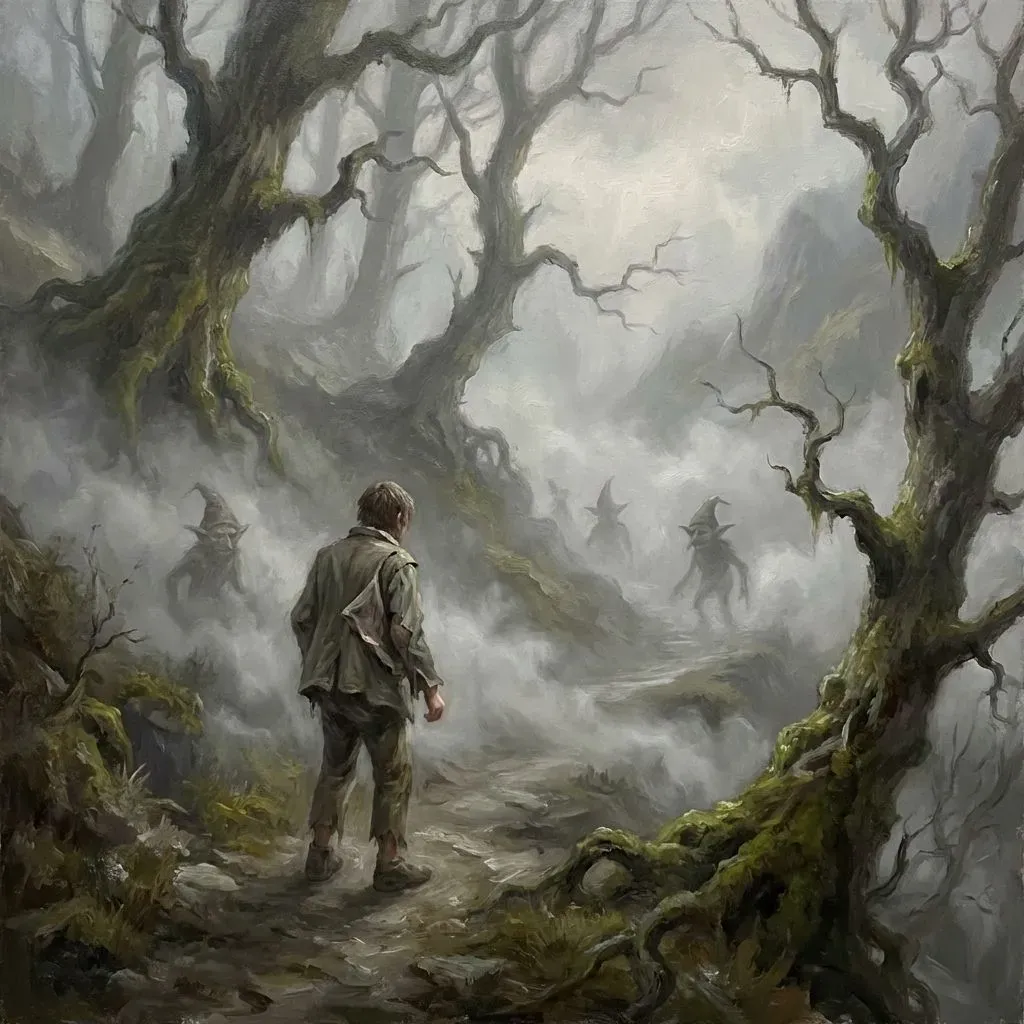
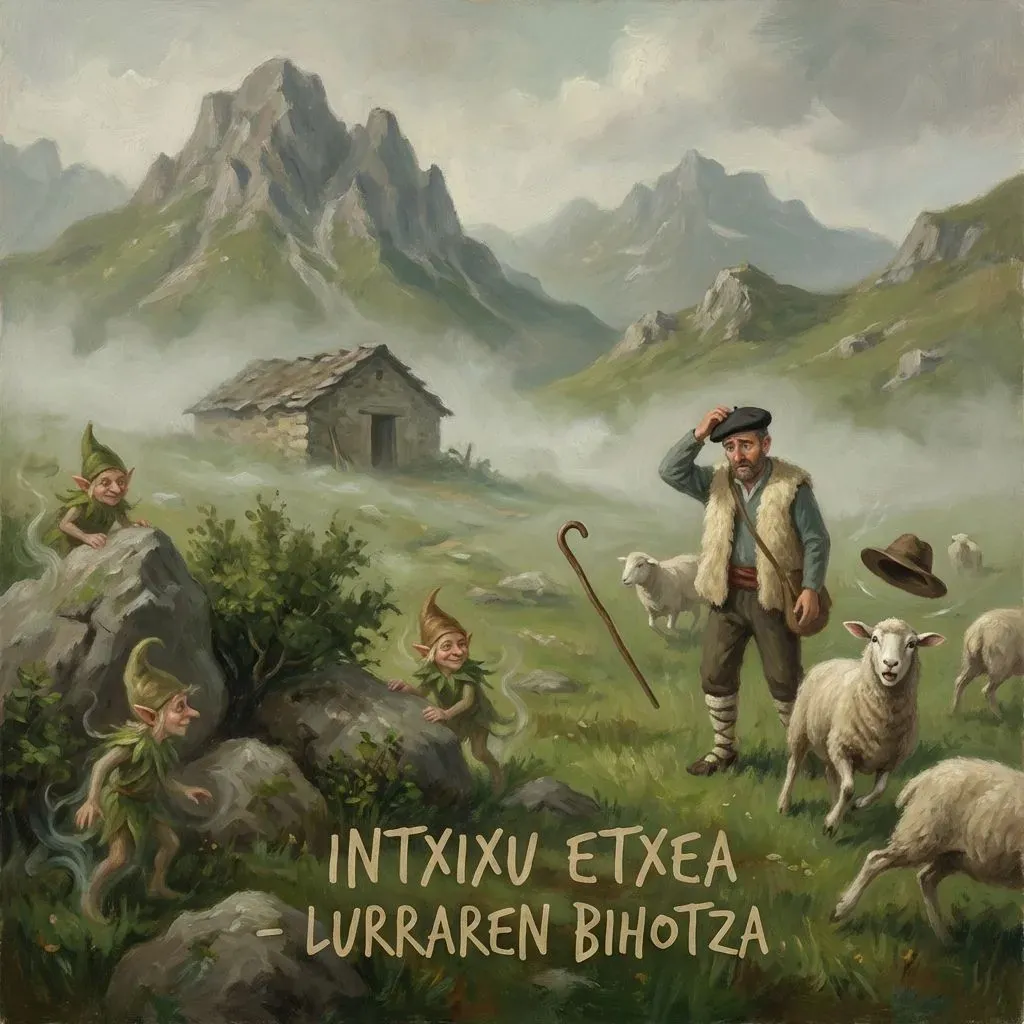
The Intxixu make mountain paths vanish before travelers. Only those who turn their clothes inside out can break the spell and find the way out of the enchanted forest.
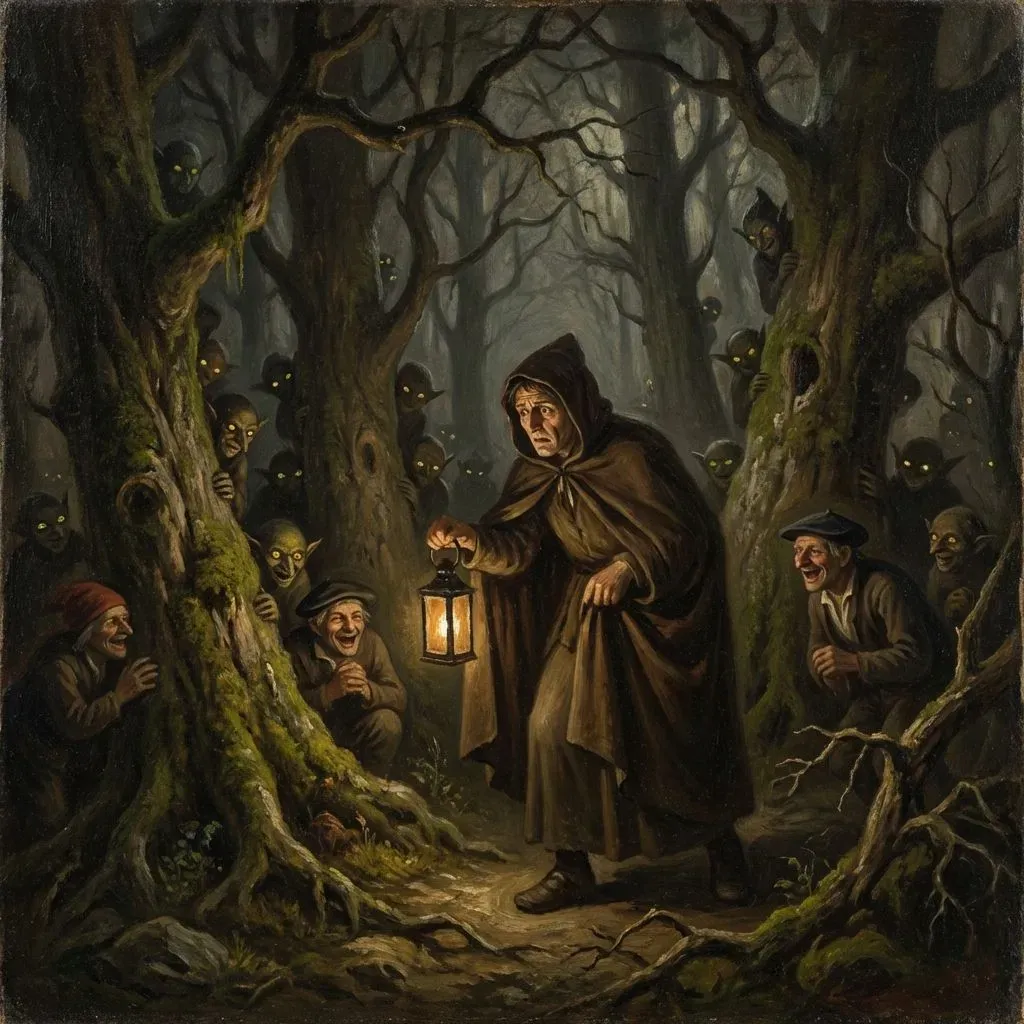
The best-known pranks attributed to the Intxixu, playful spirits of the hills. They hide tools, frighten livestock and make strange noises to confuse shepherds and woodcutters.
Tartalo is the cyclops of Basque tradition, akin to the Greek Polyphemus. This one-eyed giant lives in mountain caves and devours the unwary travelers he captures.
The horrors awaiting those who fall prisoner to Tartalo. In his dark lair, the giant keeps his victims captive while he decides whom to devour each night.
Tartalo's ring cries out, "Here I am!" and gives away whoever carries it. Only by cutting off the finger can the prisoner free himself from the object and escape the blind cyclops who pursues him.
The lamiak make bargains with humans in exchange for favors. Whoever keeps their word receives blessings, but breaking the pact brings terrible consequences for the whole family.
The mairuak raised entire works before dawn. Bridges, churches and roads appeared out of nowhere while the villagers slept, built by these beings of extraordinary strength.
A villager makes a pact with the mairuak to build an impossible bridge. The mythical builders keep their side of the bargain, but demand a price that the human must outwit if he wants to save his soul.
The origin of the name Mairu and its link to lost peoples. These creatures embody the memory of earlier civilizations that inhabited the mountains before the Basques of today.
The mystical meaning of each of Herensuge's heads. Every head represented a different power: fire, venom, hypnosis... Defeating the dragon required cutting them all off without exception.
A shepherd who profaned the sacred caves was punished by Aatxe. The red bull chased him for three nights until he confessed his fault and asked Mari for forgiveness.
Accounts from those who saw the blazing stare of the bull Aatxe. His eyes glow like embers in the darkness, paralyzing with terror anyone who dares to cross his nocturnal path.
Zezengorri appears at crossroads to judge travelers. Those with a good heart pass by without noticing him, but the wicked are chased until they collapse from exhaustion.
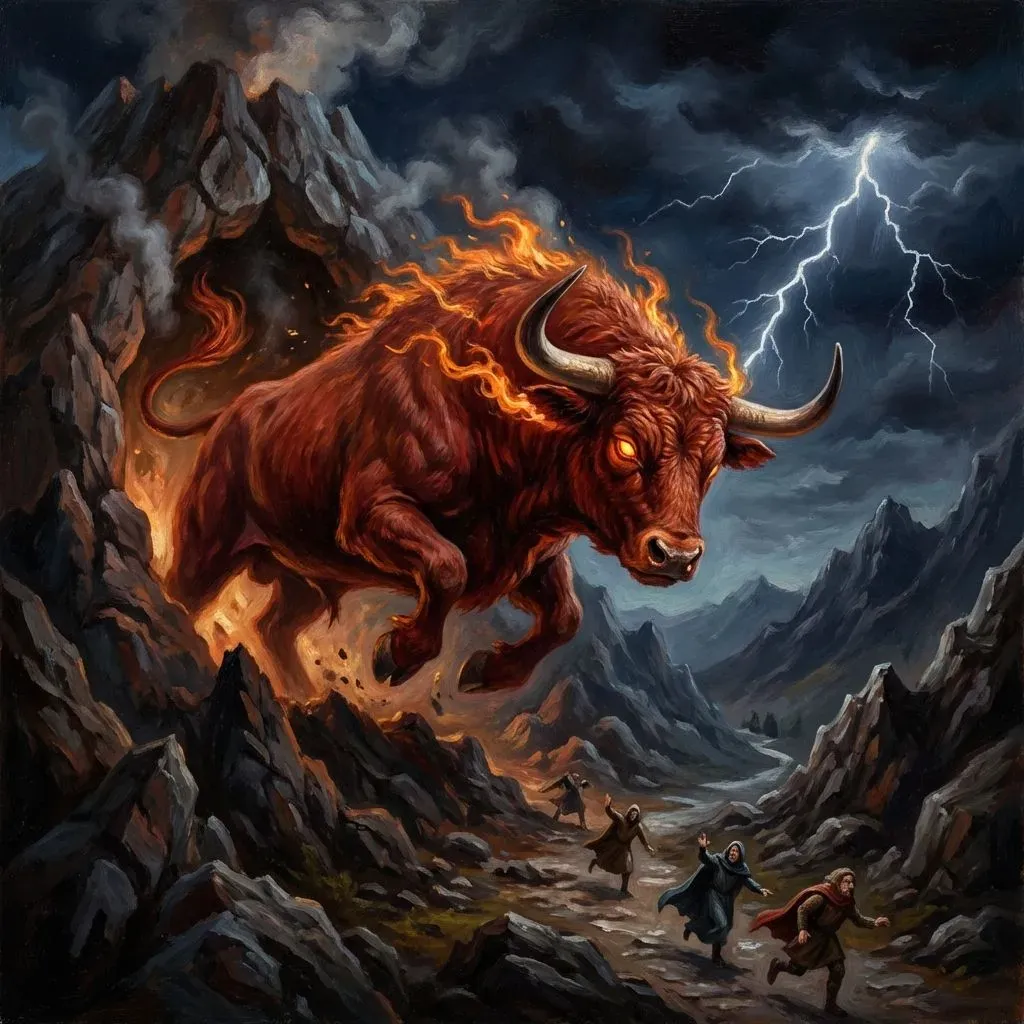
The fiery nature of Zezengorri and his origin in volcanic chasms. His red coat burns without being consumed, and his breath scorches the vegetation wherever he roams at night.
Gaueko punishes anyone who works when they should be resting. A blacksmith who forged at night was dragged by the shadows until he swore to respect the hours of rest.
Gaueko's deep voice resounds in the night, warning the imprudent. Those who hear that grave utterance know they must flee before the shadows seize them.
The Basque traditional explanation for sleep paralysis. Inguma sits on the sleeper's chest, causing that feeling of suffocation and terror that leaves the body paralyzed.
Accounts from those who felt the oppression caused by Inguma. A crushing weight on the chest prevents breathing, accompanied by sinister figures at the edge of the bed.
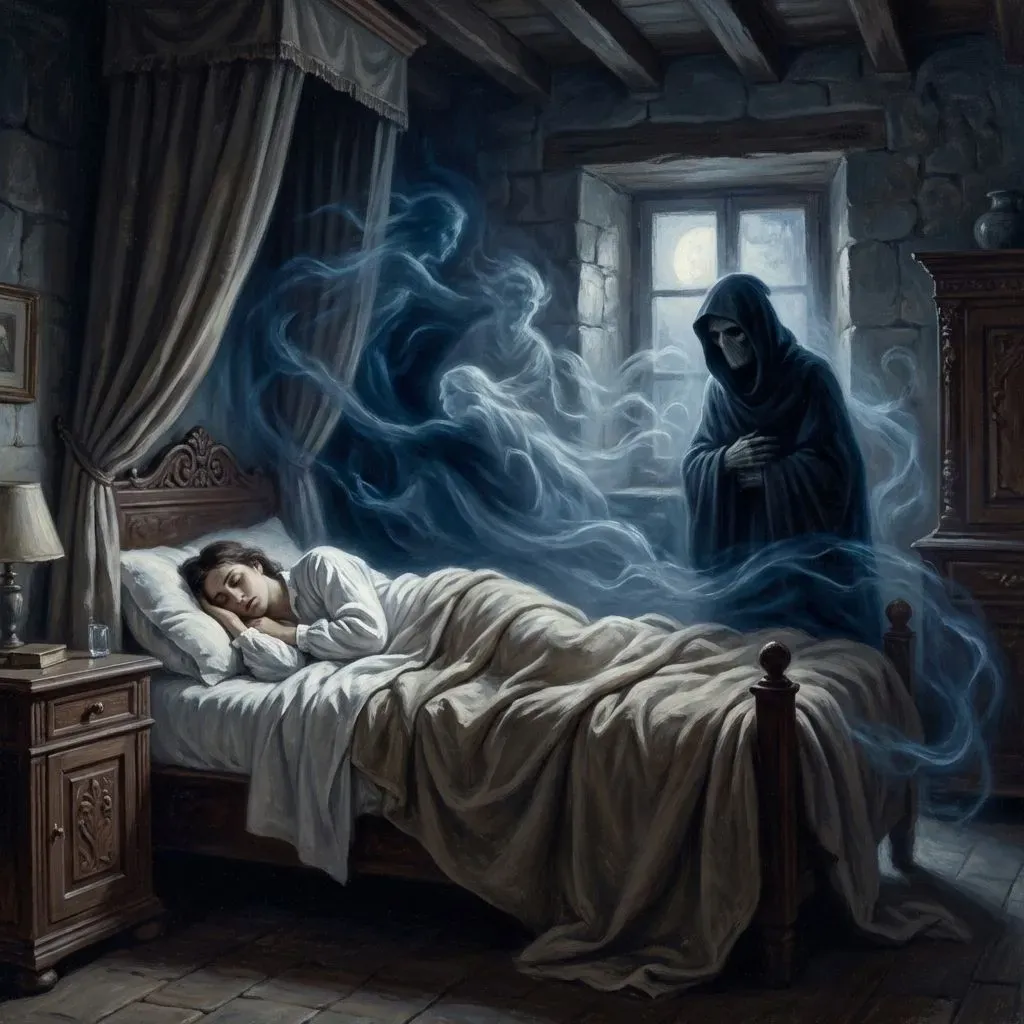
Herio appears in dreams to announce deaths that are drawing near. The relatives of the dying receive warnings in sleep so they can prepare for farewell.
Why Herio is not seen as evil but as part of life itself. Death is a natural transition that returns souls to Amalur, Mother Earth, completing the eternal cycle.
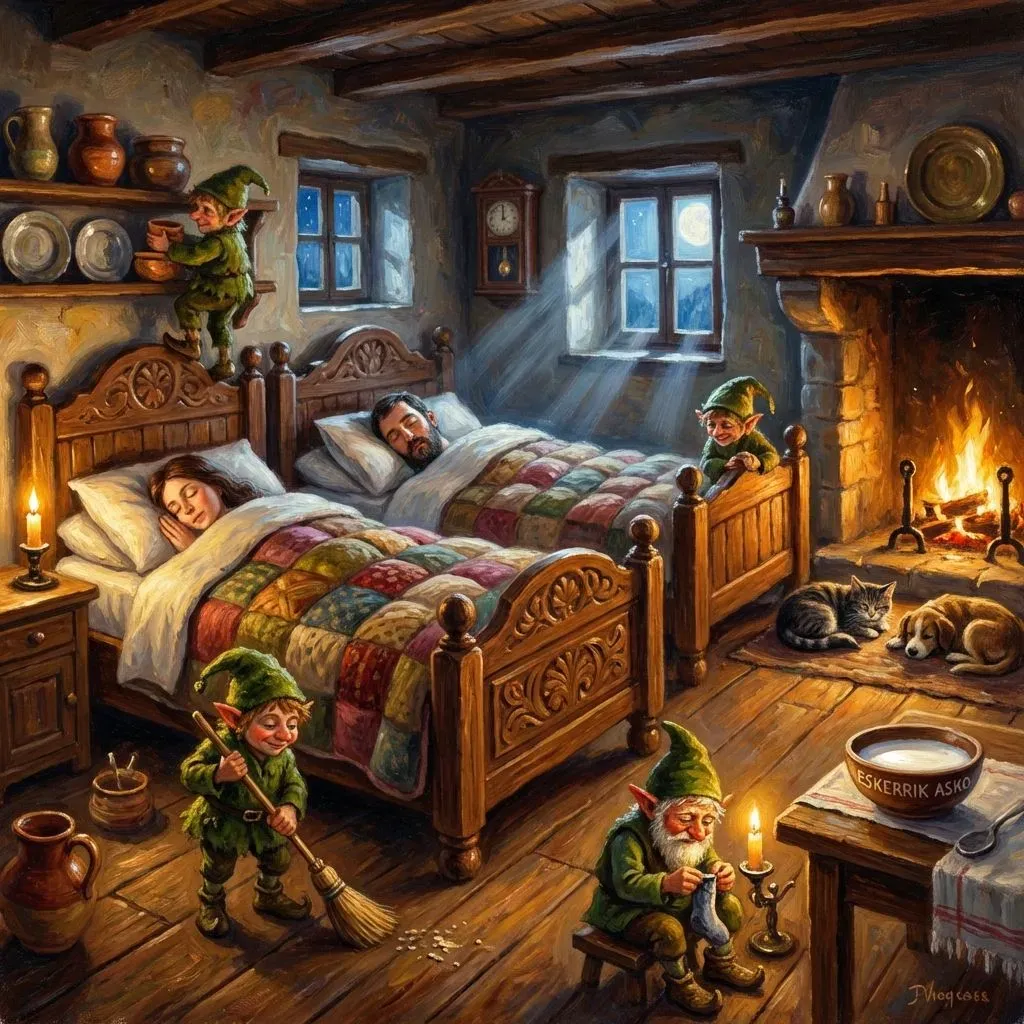
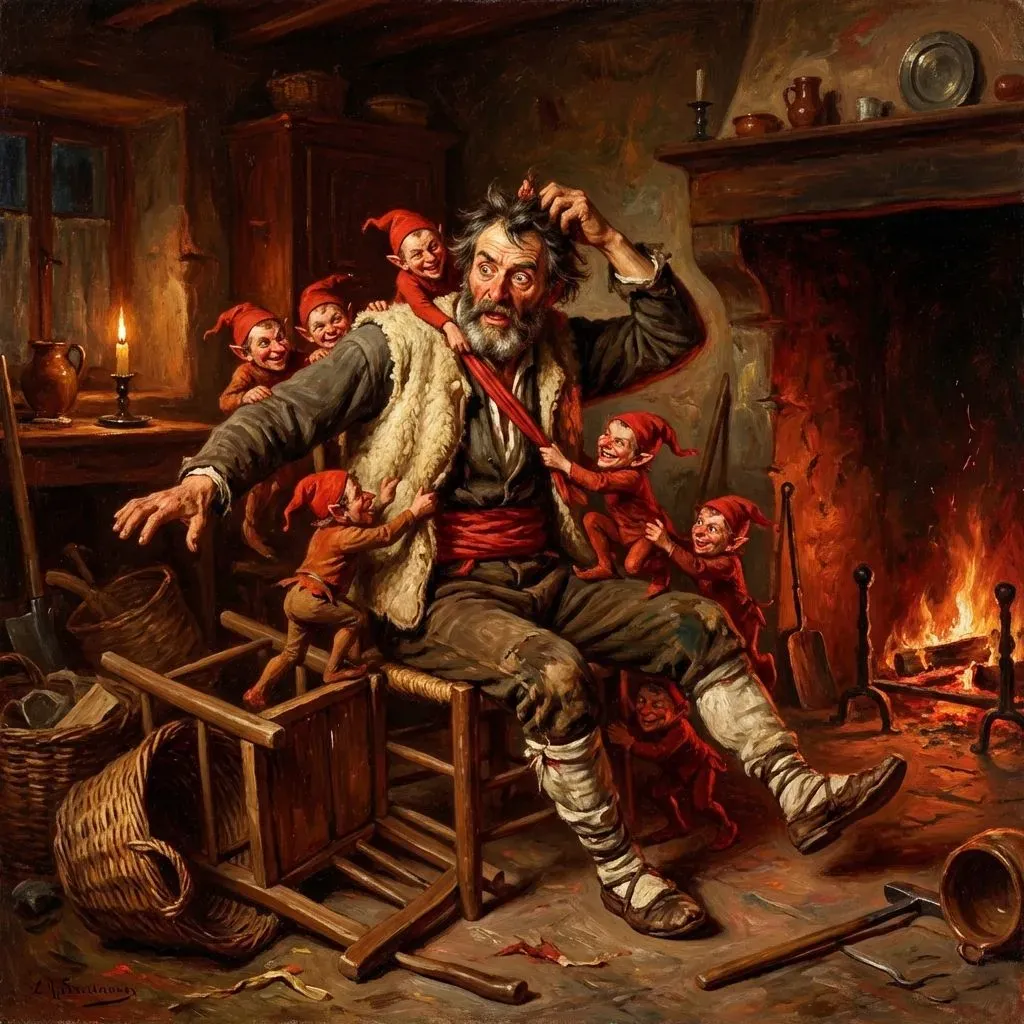
When the Iratxoak decide to help with household tasks. In exchange for a little milk or bread, these tiny goblins finish domestic chores while the family sleeps.
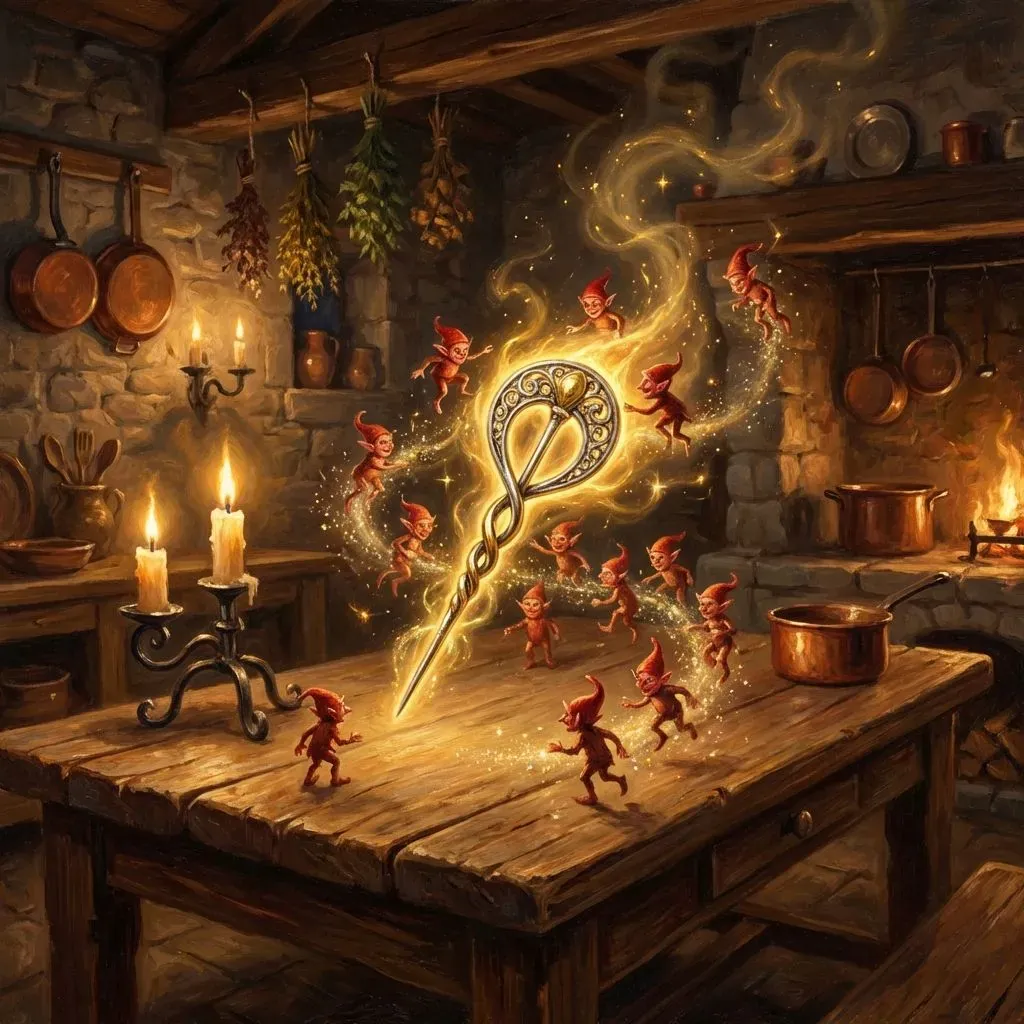
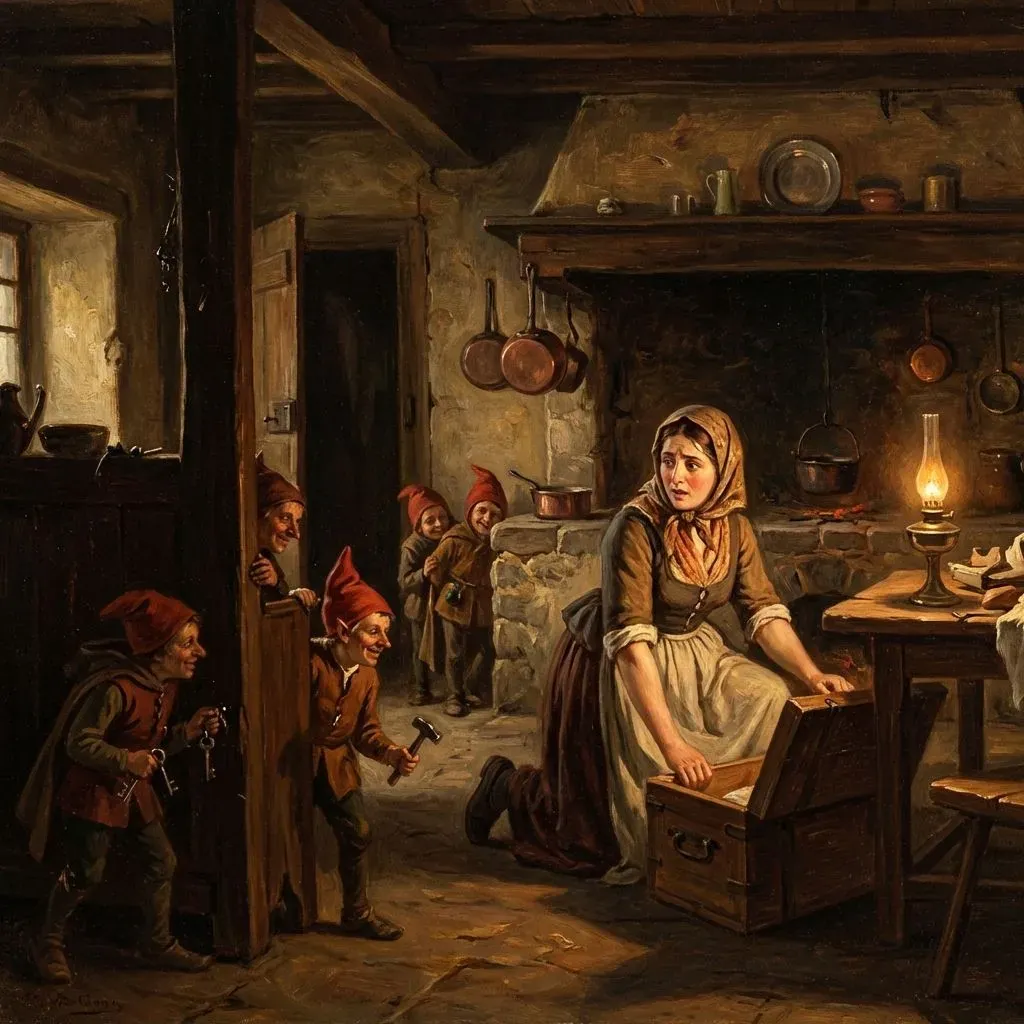
The Galtzagorriak live inside a magical pin. Whoever possesses it has little devils at their service who obey any command, but they demand constant work.
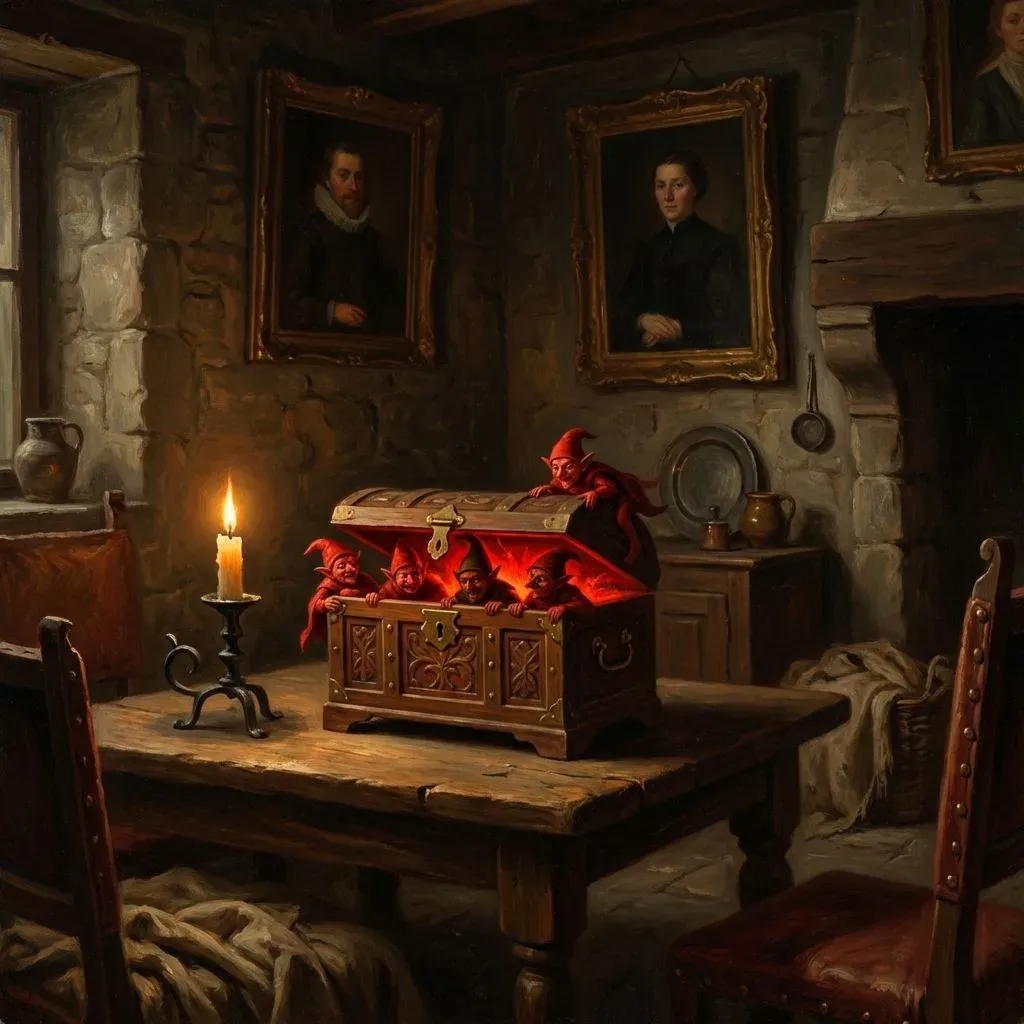
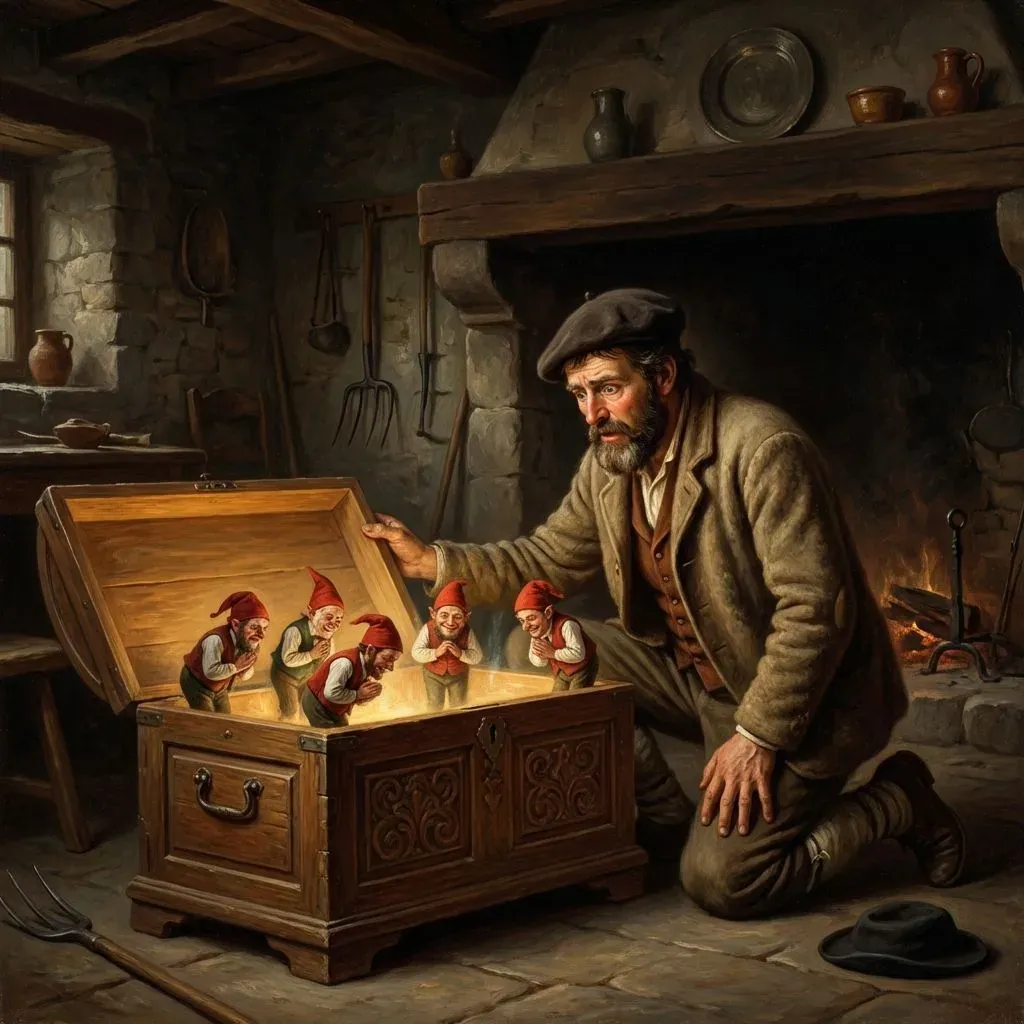
Other versions speak of small boxes containing Galtzagorriak. These containers pass from generation to generation, bringing fortune but also unsettling obligations.
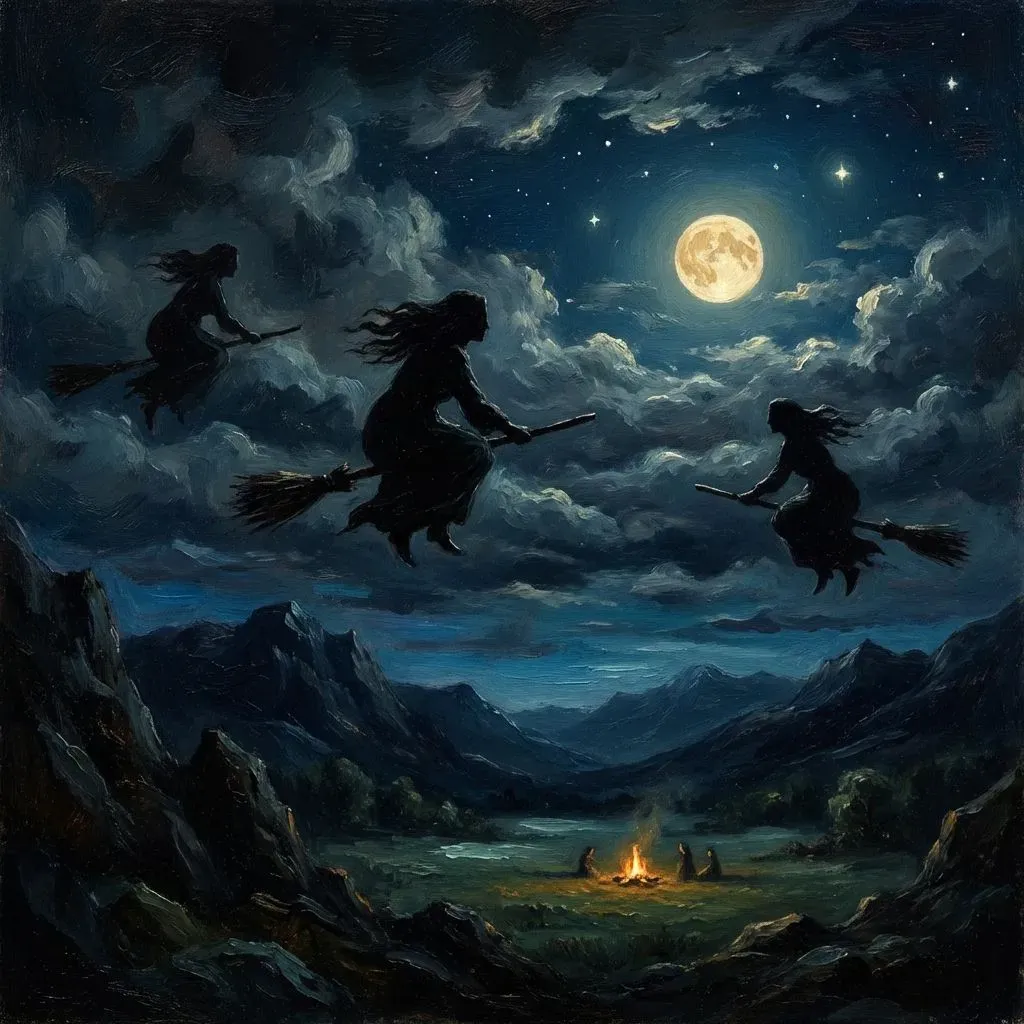
The ritual gatherings of the sorginak in meadows under the full moon. In these meetings they celebrated ancestral ceremonies that the Inquisition later distorted as demonic pacts.
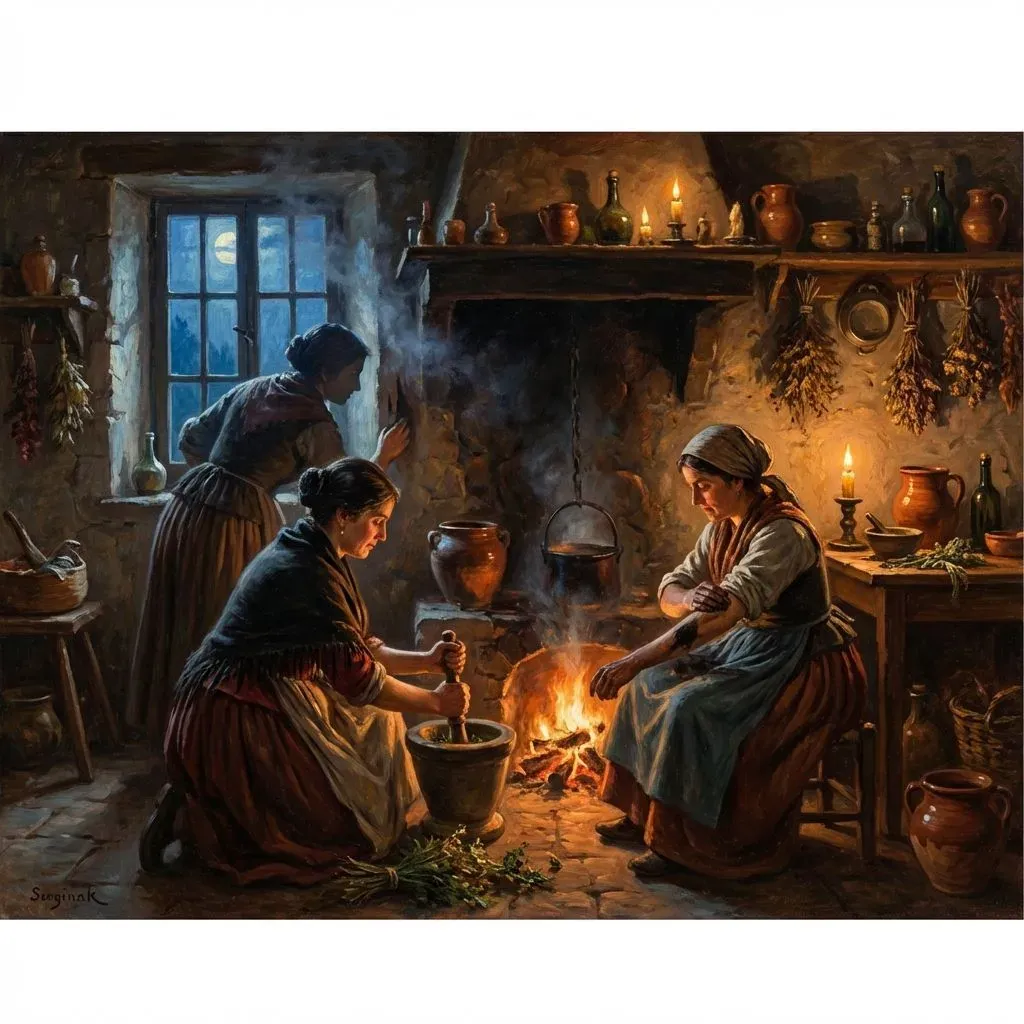
The sorginak prepared a special ointment in order to fly to the Akelarre. This magical cream, made with secret herbs, allowed them to travel through the air to their gathering place.
The Etxekoak protect the home from malignant spirits trying to get inside. Keeping the house clean and orderly strengthens these guardians so they can repel harmful influences.
When they saw the star that announced Kixmi, the Jentilak fled in terror. Some threw themselves into the chasms, others hid underground, leaving forever the mountains they had once ruled.
The Jentilak built dolmens by hurling enormous rocks from one mountain to another. Their colossal strength let them cast stones from peak to peak, leaving the megaliths that still dot the Basque landscape.
The terrifying bellow of Aatxe that echoes through stormy nights. Villagers knew that sound announced the guardian's presence, and they avoided leaving their homes until dawn.
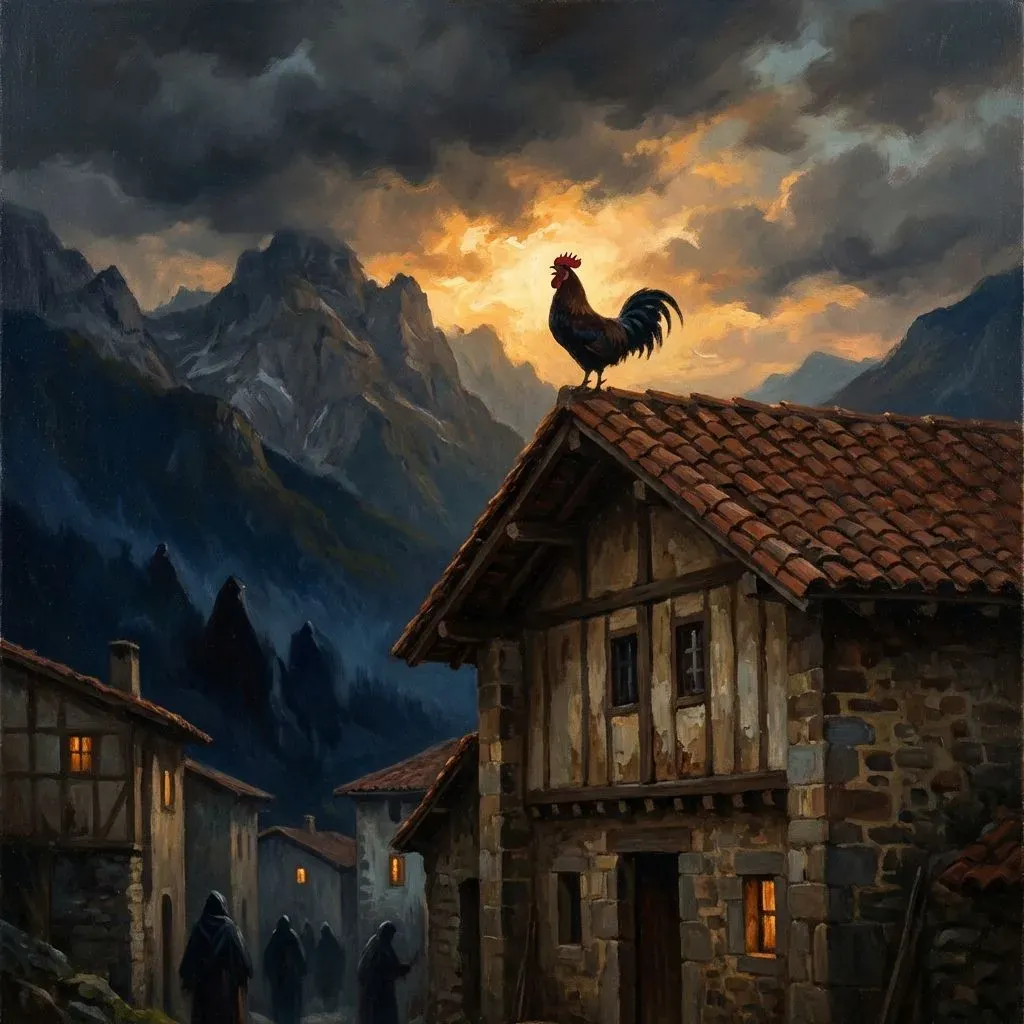
The rooster's crow marks the limit of Gaueko's power. At dawn, all creatures of the night must withdraw and humans recover dominion over the outer world.
Basandere, companion of Basajaun, rules over the deep forest. Her wild beauty captivates those who glimpse her, but her nature is as untamable as the woodland she protects.
Before humans, the Jentilak ruled all the Basque mountains. It was an age of wonders in which giants shaped the landscape with their vast strength and prehistoric wisdom.
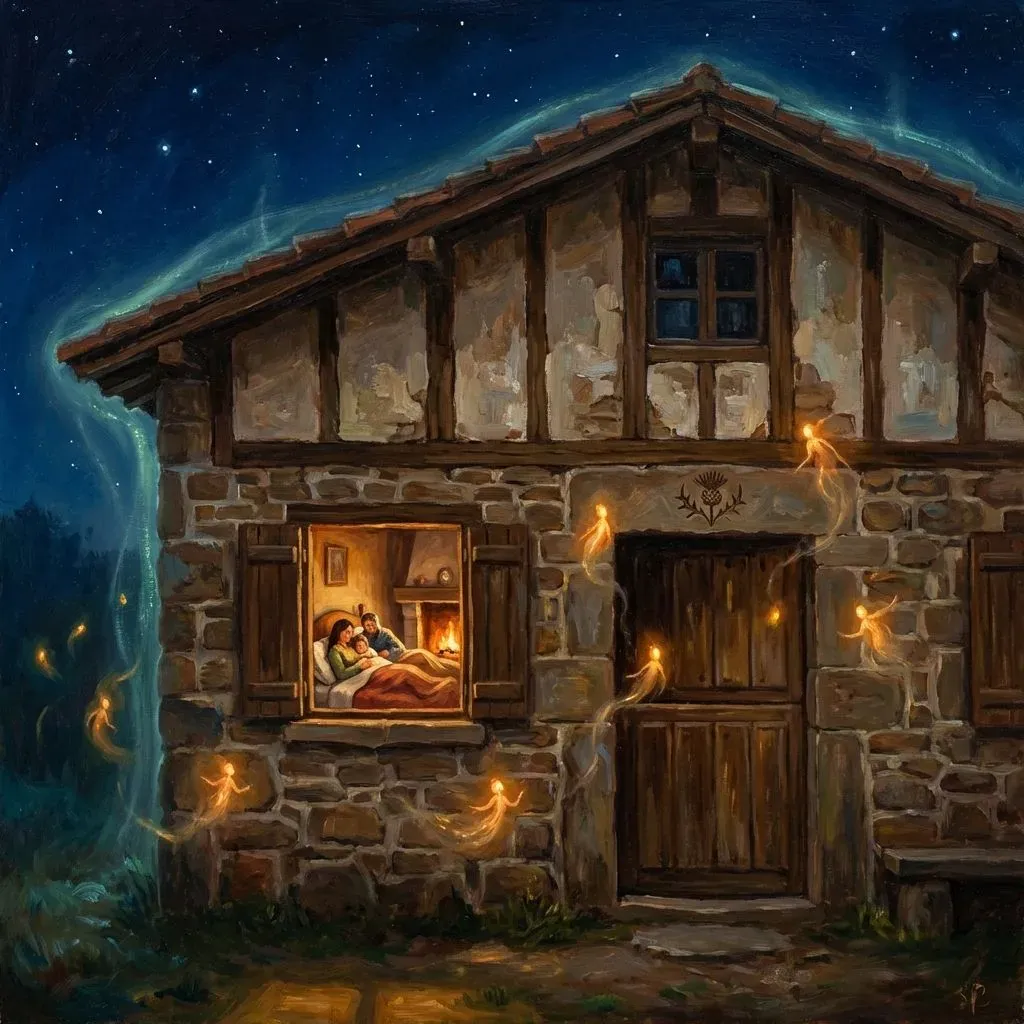
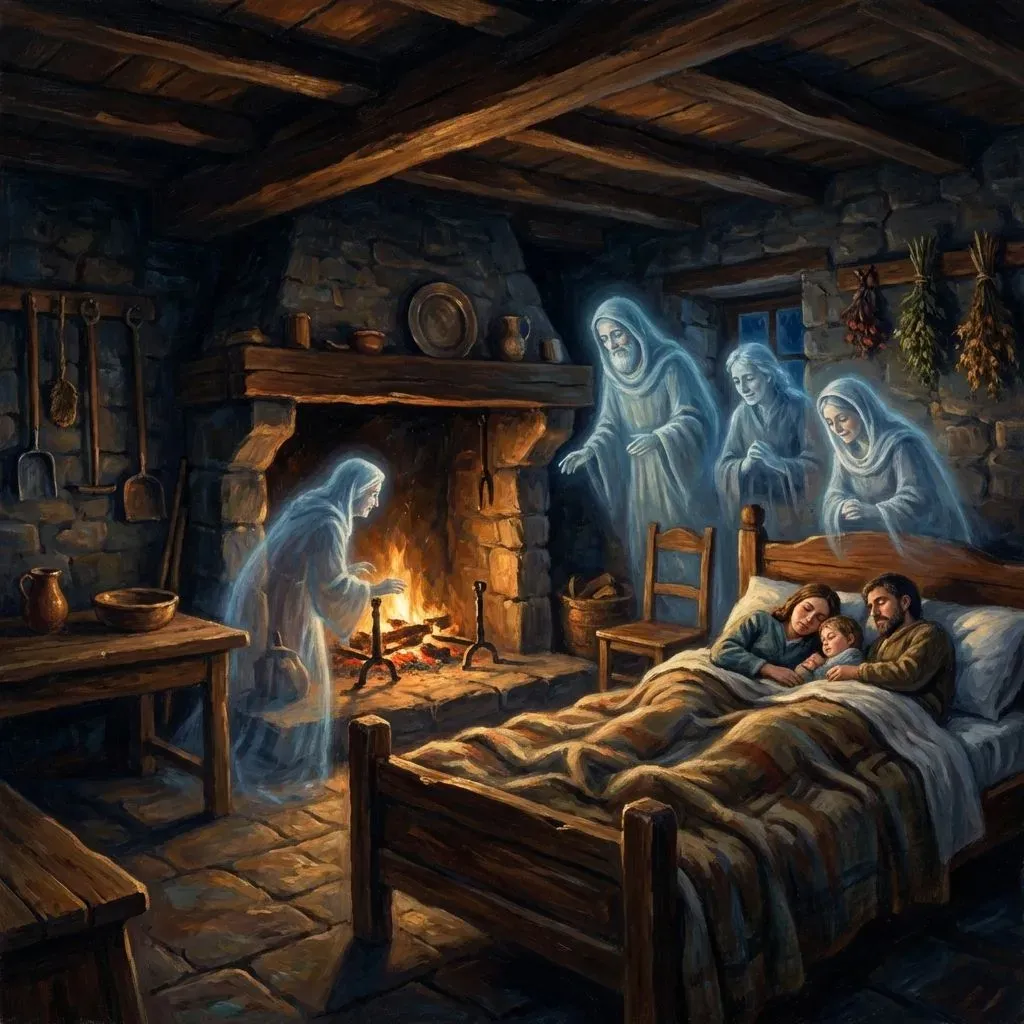
The Etxekoak have cared for every Basque farmhouse since time immemorial. Invisible yet present, they protect the family from misfortune and preserve harmony between the house and its inhabitants.
The sacred bond between the Etxekoak and the ancestral Basque house. The farmhouse is a living being, the collective soul of all the generations who have lived within its walls.
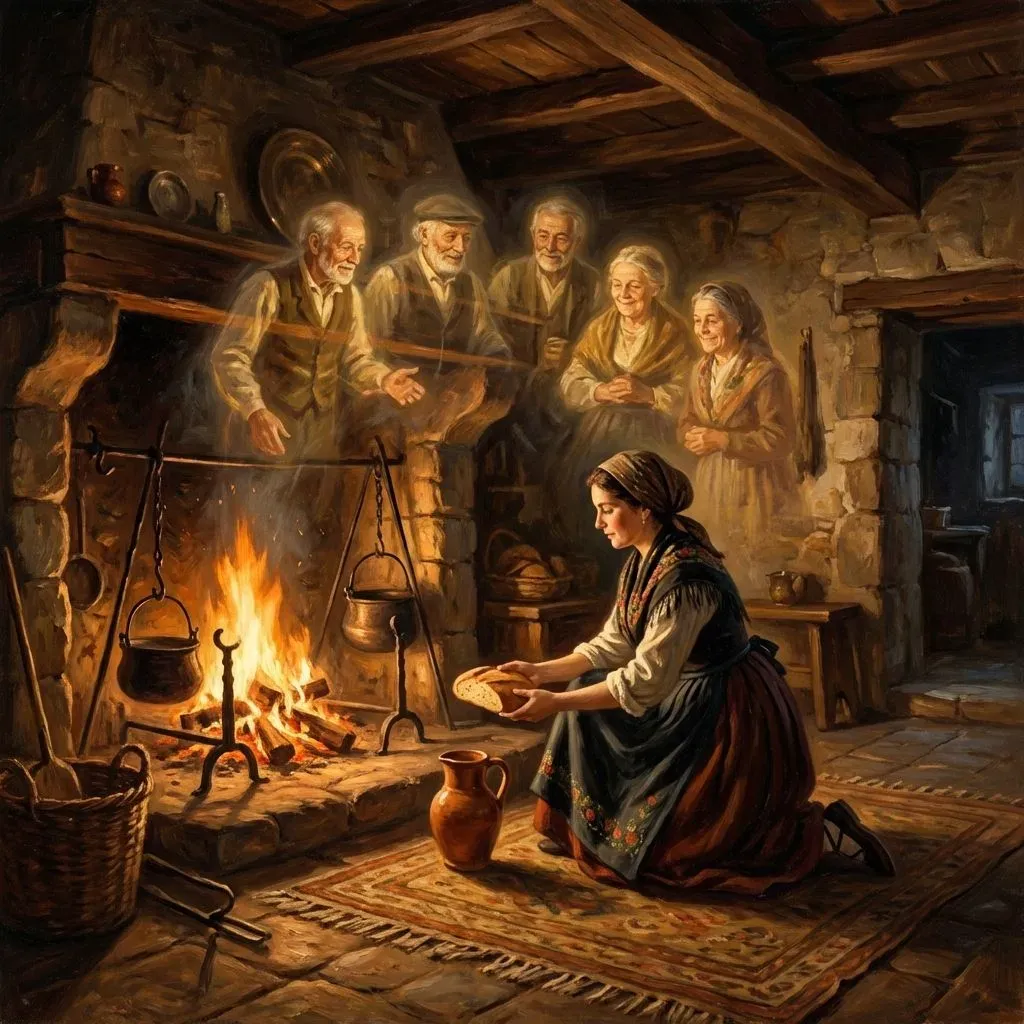
Rituals meant to keep the spirits of the home content. Bread, wine and first fruits were cast into the sacred fire to honor the Etxekoak and secure their protection.
Aatxe watches over the caves where Mari, the mother goddess, dwells. As the goddess's messenger, he protects her underground domains and punishes those who dare profane sacred places.
Deep in the forest, Basajaun keeps a hidden forge. There he fashioned tools with techniques that humans longed to know and eventually managed to spy on and steal.
A brave youth succeeds in deceiving Basajaun in order to steal his secrets. With patience and cunning, he watches the Lord of the Forest and learns the skills he will later teach his people.
The most famous inquisitorial trial against the supposed Basque witches. In 1610, dozens of people were tried and condemned in Logrono for their practices in the caves of Zugarramurdi.
Inguma steals the breath of sleepers while they lie defenseless. Only by reciting the protective charm before sleep can this nocturnal spirit be kept from doing harm.
Before going to sleep, Basque elders recited a protective charm to ward off Inguma, the demon of nightmares who presses upon the chest of defenseless sleepers.
No one can escape once Herio speaks their name. The call of death is inexorable, and those who hear it know their time in the world of the living has come to an end.
Those who possess Galtzagorriak without giving them enough work go mad. These little devils demand constant tasks and torment their idle masters until despair takes hold.
Gaueko proclaims that the night belongs to the night. This sacred command divides time between human dominion and the realm of the spirits that rule the darkness.
The Galtzagorriak serve whoever possesses them, but they demand a pact. Their owner must keep them constantly busy or suffer the consequences of having idle and unruly servants.
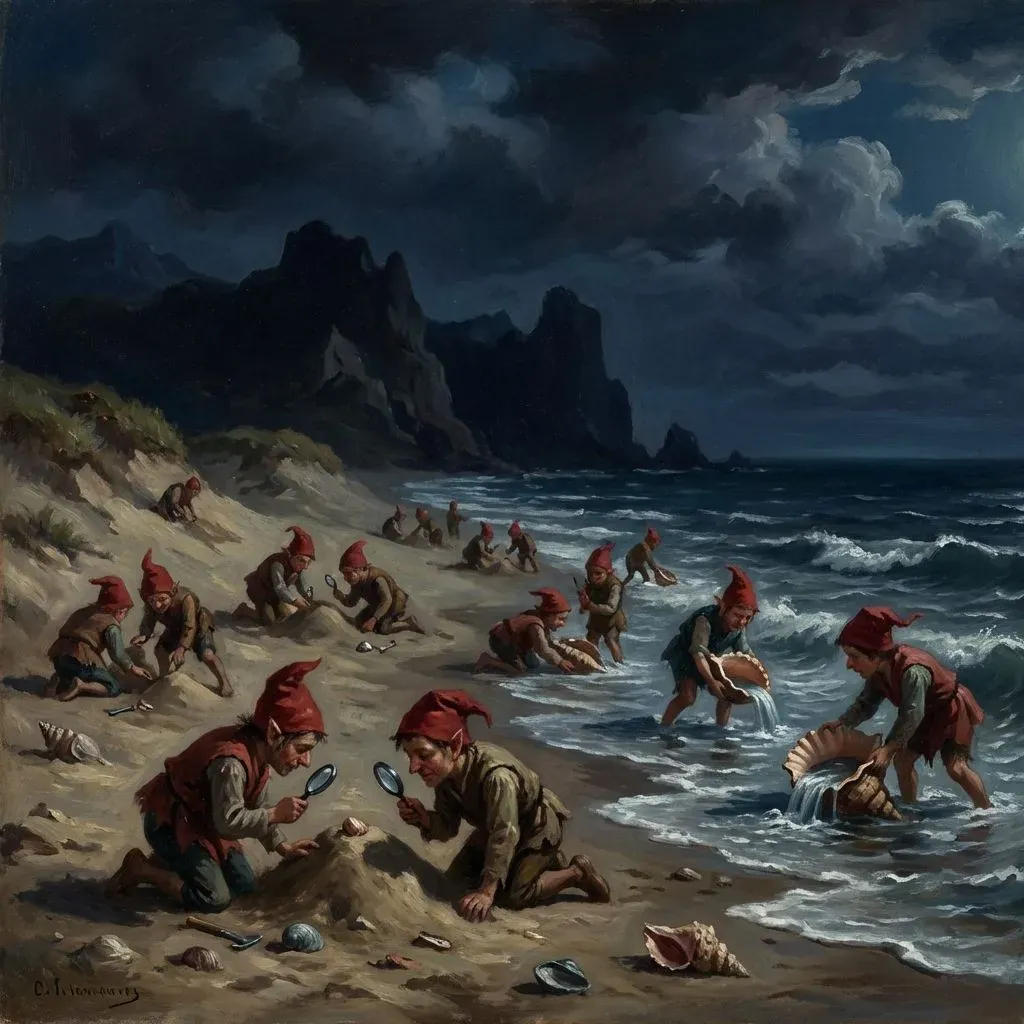
Counting grains of sand, emptying seas with shells, moving mountains stone by stone: these are the orders given to keep the Galtzagorriak occupied for all eternity.
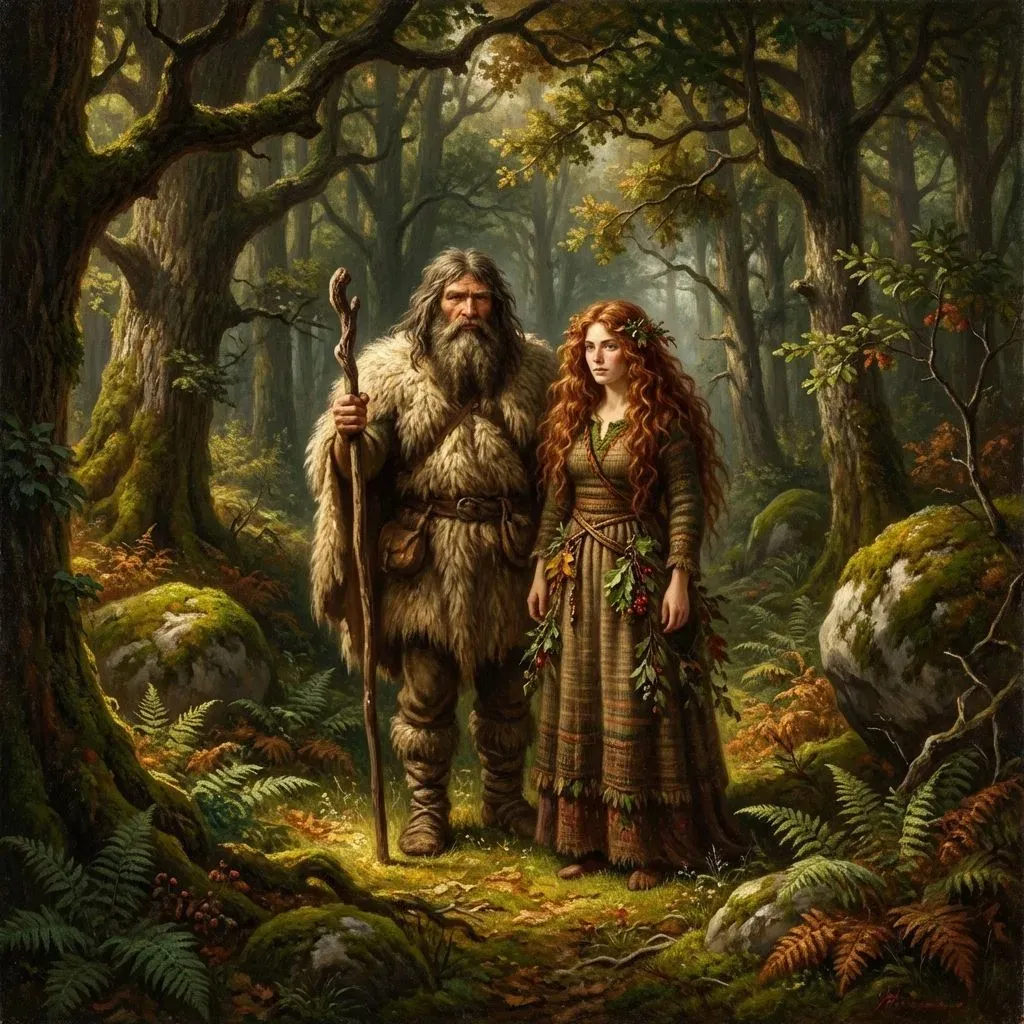
Basajaun and Basandere form the primordial couple of the Basque forest. Together they guard the secrets of nature and ensure that humans respect the boundaries of the wild world.
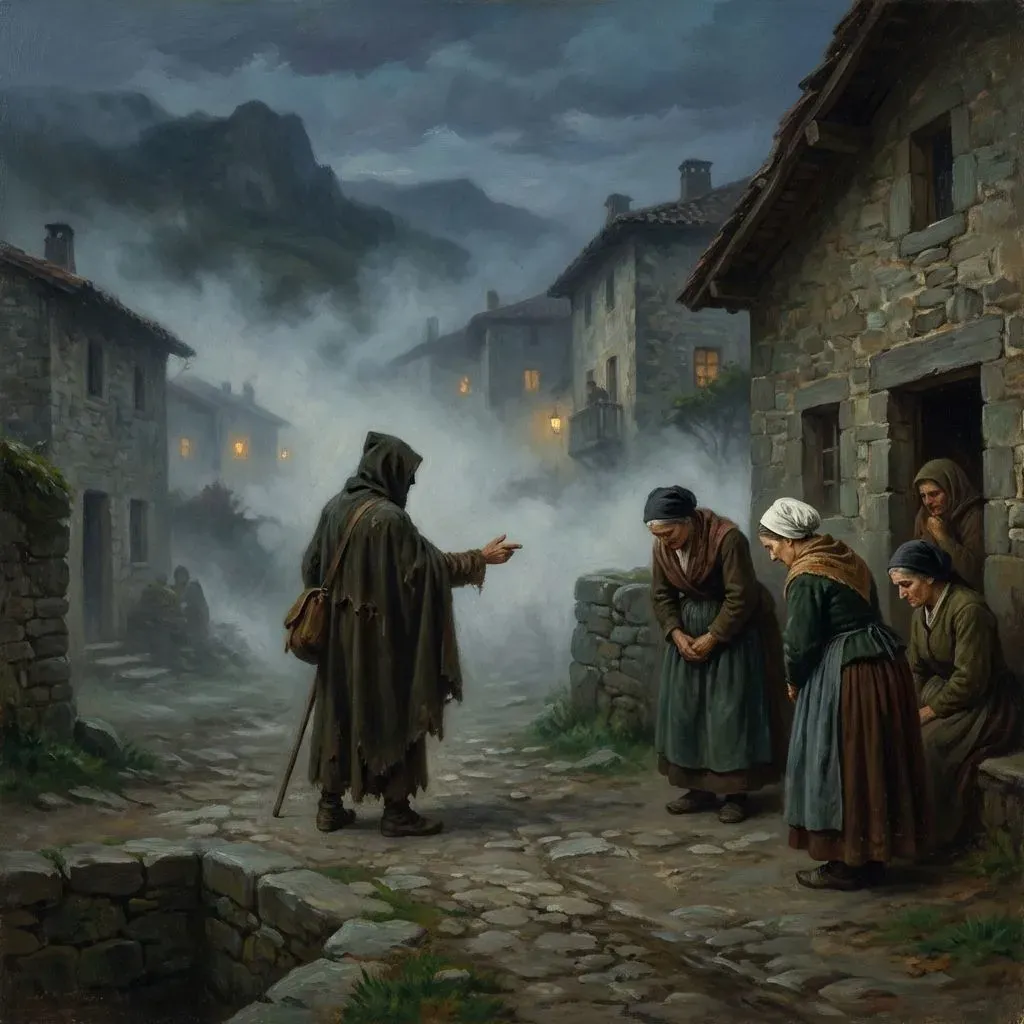
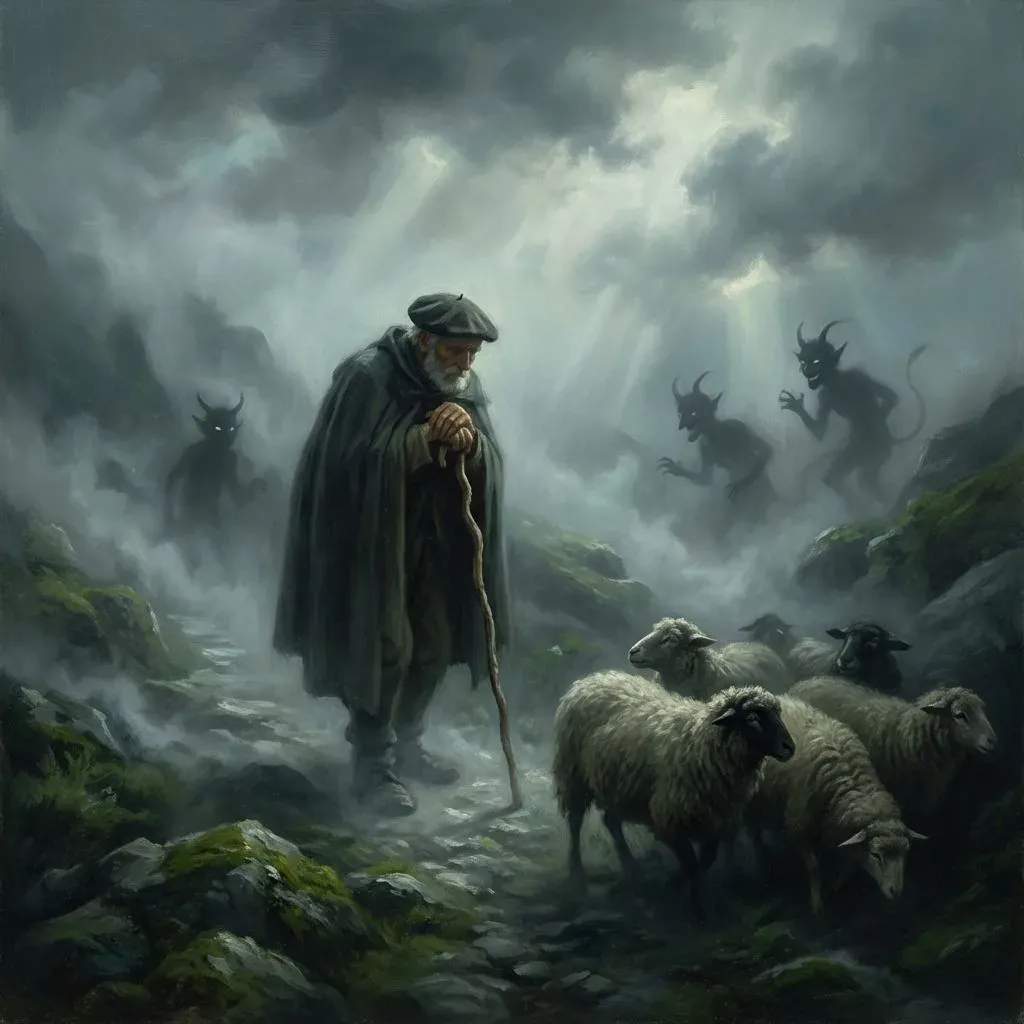
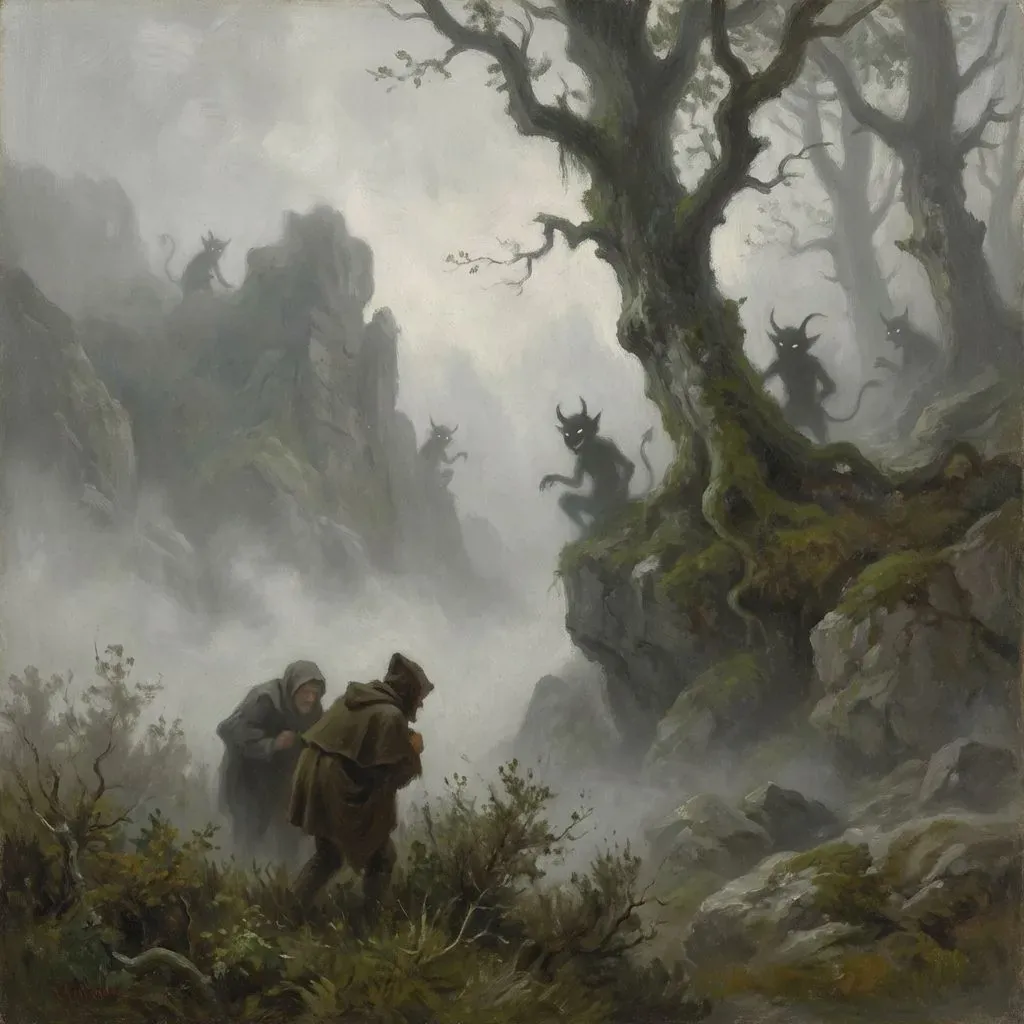
A shepherd lost in the fog is guided by the Intxixu. Sometimes these spirits help, and sometimes they confuse him further, depending on the respect shown toward the mountain.
The lamiak hide their duck feet beneath long skirts. If a human discovers their secret, the lamia may flee or punish the one who violated her intimacy.
The mysterious laughter of the Iratxoak on moonless nights. These goblins delight in frightening night travelers with cackles that seem to come from every side.
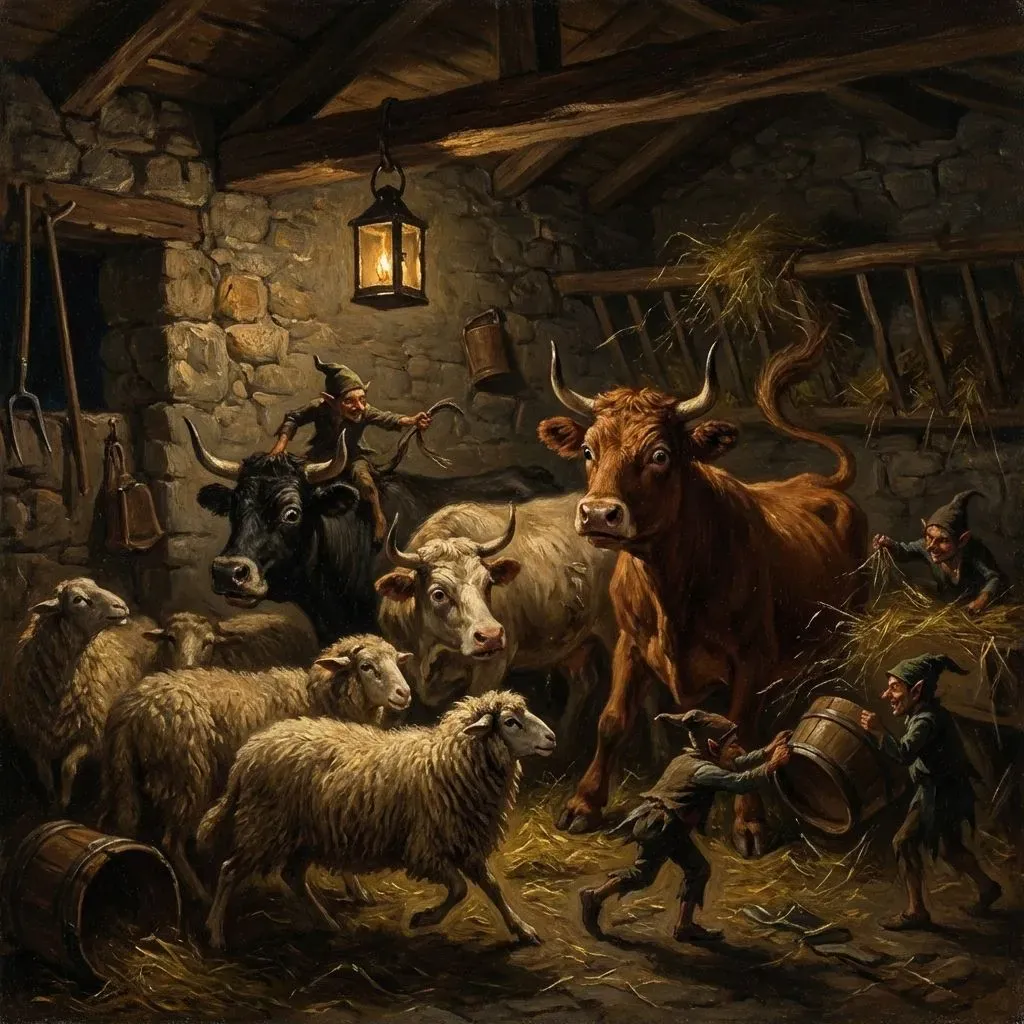
The Iratxoak enjoy frightening livestock in the nighttime stables. They pull the cows' tails and ride the sheep until the animals are left exhausted by dawn.
The Intxixu laugh at travelers lost in the mist. Their cackling, echoing through the fog, disorients even more those who have already lost their way in the mountain.
The mysterious sounds of the farmhouse are the work of the Etxekoak. Creaks, footsteps and whispers do not frighten but reassure: they are signs that the household guardians are watching over the family.
Saint Michael descends from the heavens to defeat the dragon of Aralar. With his flaming sword he cuts off the beast's heads and frees Teodosio from his chains and his penance.
Zezengorri appears during the fiercest storms. His horns draw lightning from the sky, lighting up the night with flashes that terrify anyone bold enough to venture out.
Herensuge demanded maidens as tribute to satisfy his hunger. Terror-stricken villages gave up their daughters until a hero rose to put an end to the dragon's tyranny.
Gaueko chases those who travel at night without cause. Only the light of the home protects the fugitive who runs for dear life, trying to reach the door before being caught.
The sorginak flew to the Akelarre mounted on their brooms. Anointing themselves with magical ointments and speaking charms, they rose into the air toward the caves of meeting.
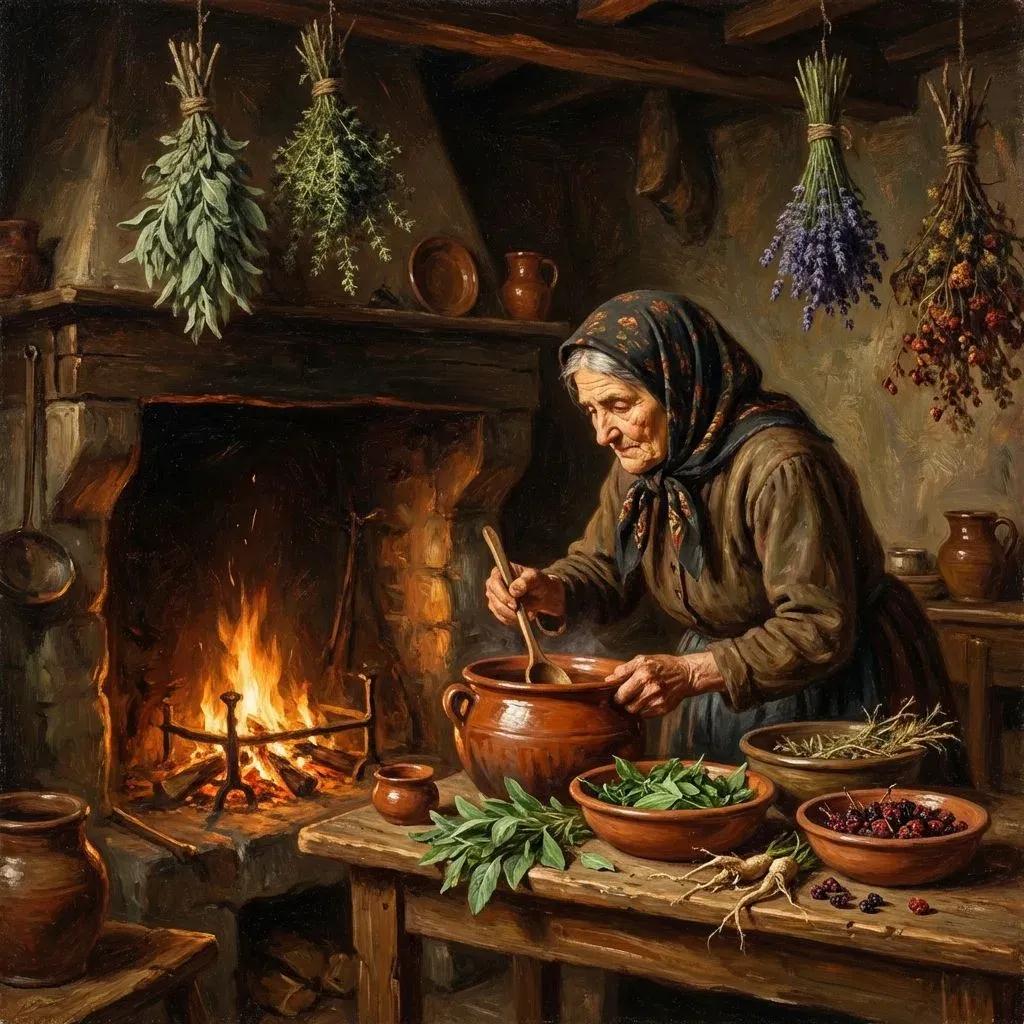
The herbal and healing knowledge of the sorginak, wise women who mastered the secrets of medicinal plants and traditional remedies from the Basque Country.
These legends are not isolated curiosities, but a living part of the cultural memory of Euskal Herria. They explain landscapes, rituals, fears, taboos and hopes, and they reveal how generations of Basques interpreted the unknown through narrative. Reading them today is also a way of entering the symbolic geography of the territory.
In Lurkaia, this section is organised by large thematic families so it is easier to explore recurring motifs and connect one story with another: beings and apparitions, enchanted places, monsters and threats, giants and megaliths, and traditions linked to saints and miracles.