Farmhouses
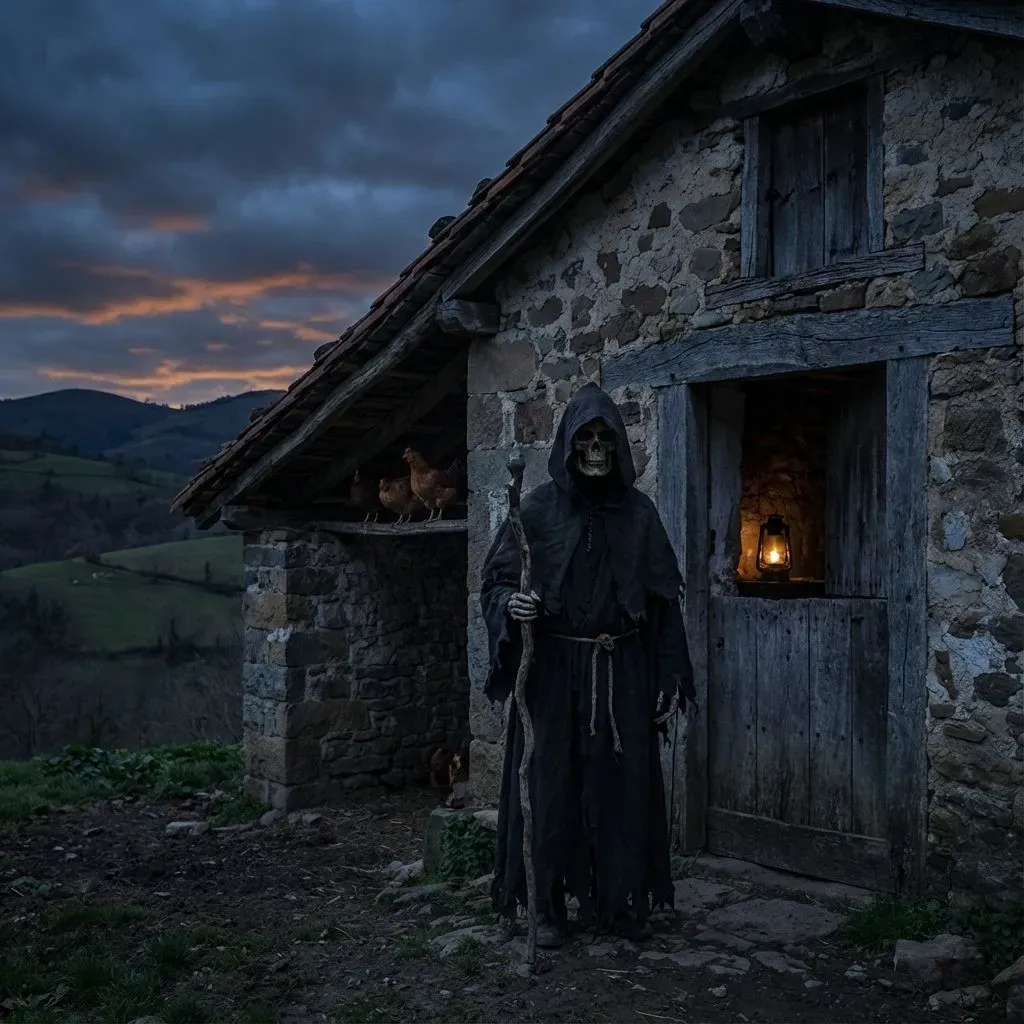
Domestic spaces where ominous signs were watched closely by the family.
The signs that warned of imminent death in the farmhouse
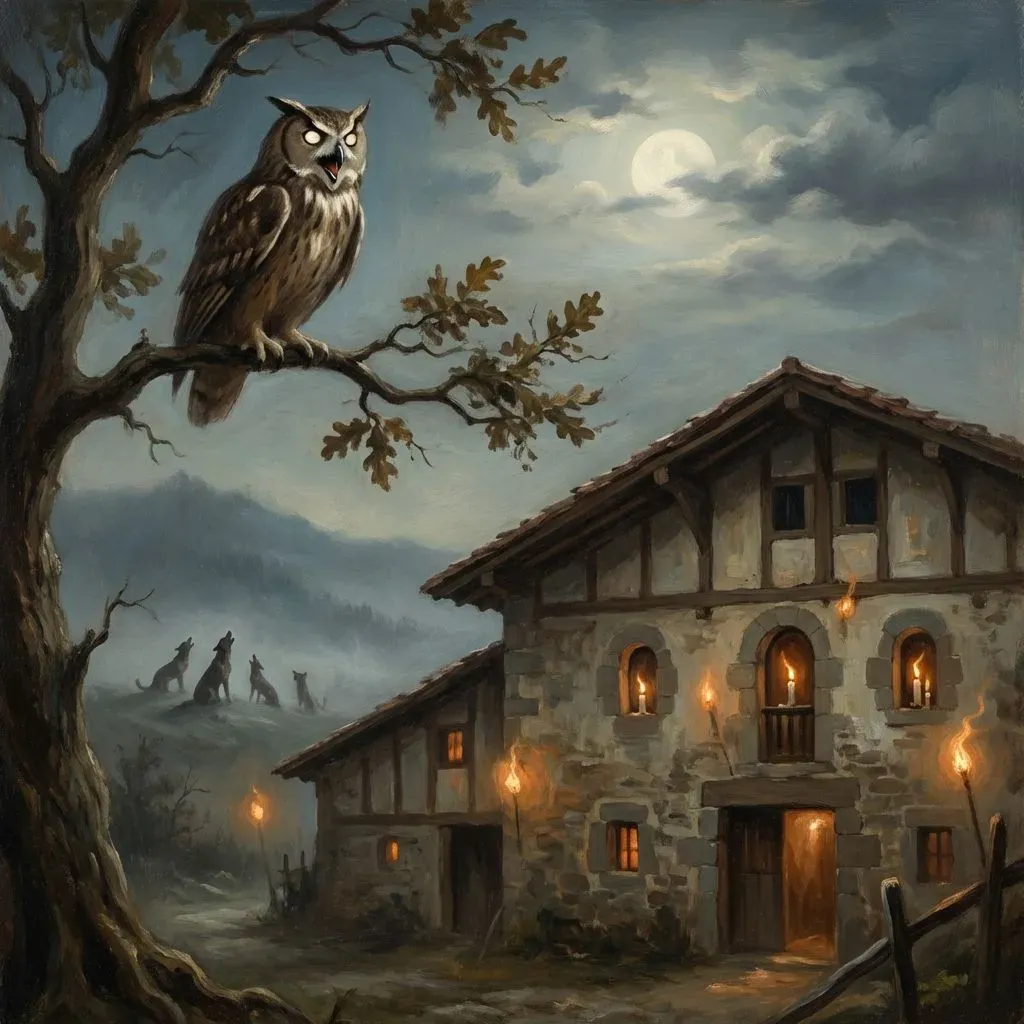
Basque folklore developed a rich system of signs that announced an approaching death to those who knew how to read them. Strange animal behavior, dreams, extinguished candles, and unusual cries all belonged to this language of warning.
The purpose of such omens was not pure terror, but preparation. A family that understood the signs could gather relatives, settle unfinished matters, and accompany the dying with greater calm.
The warning might come through a dog howling at the sky, a bird striking the window, or a domestic disturbance that no one could explain by ordinary means. None of these signs were treated lightly.
The legend reveals a culture that did not expel death from daily life, but integrated it into communal knowledge. Mortality was feared, yet also interpreted and shared.
Domestic spaces where ominous signs were watched closely by the family.
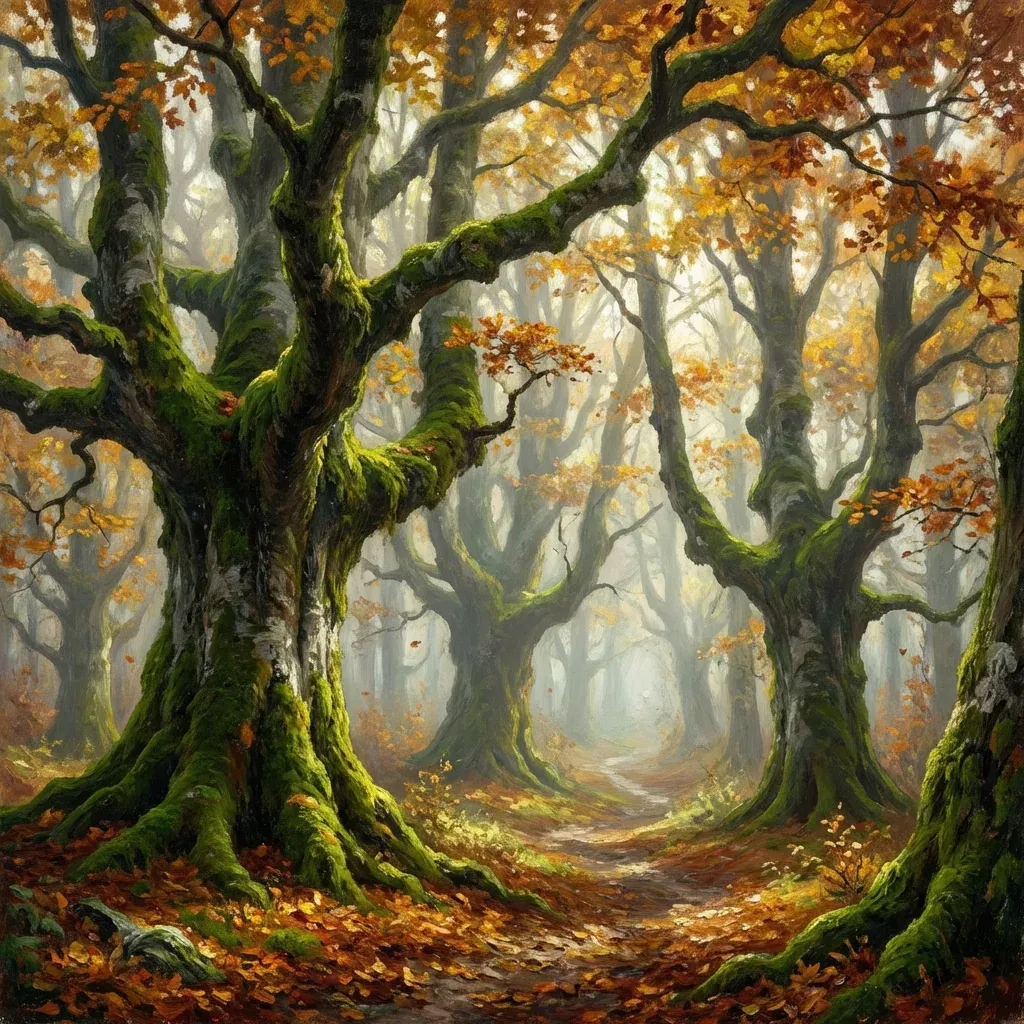
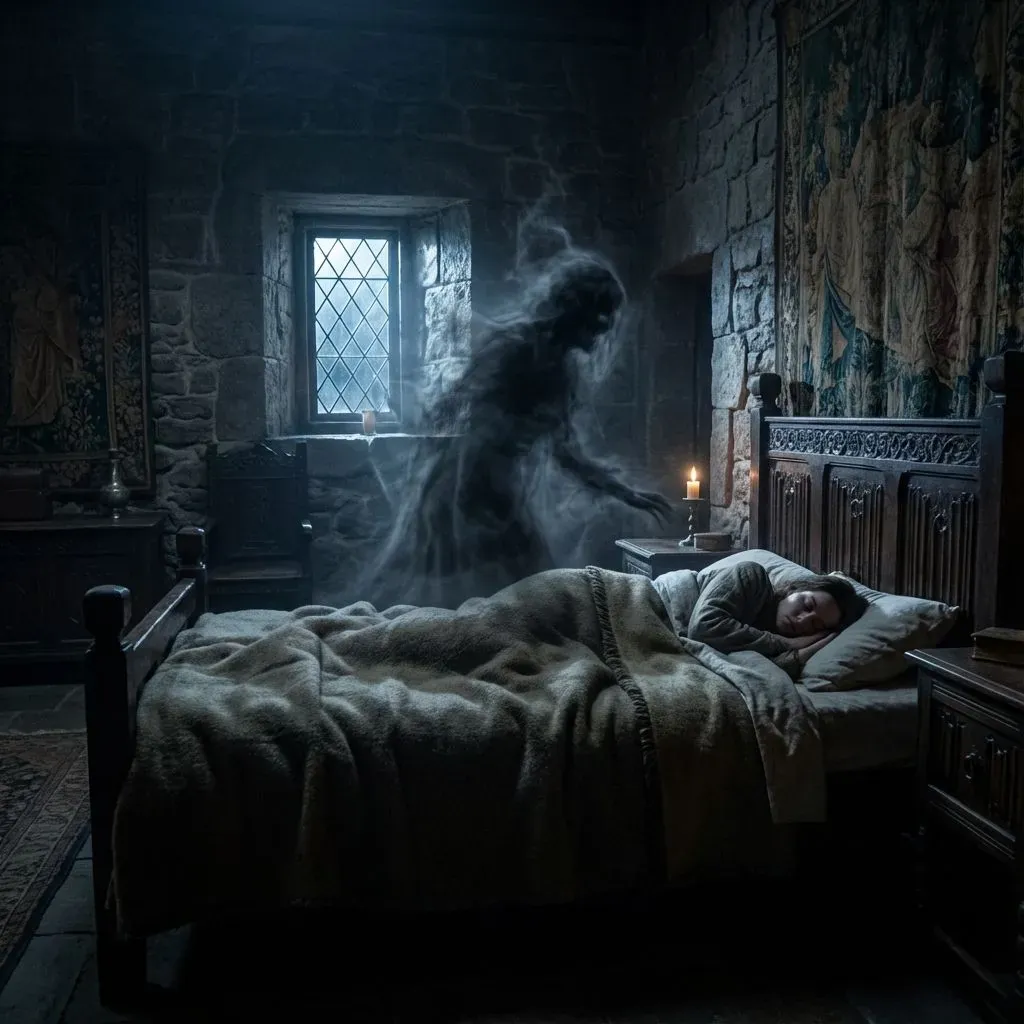
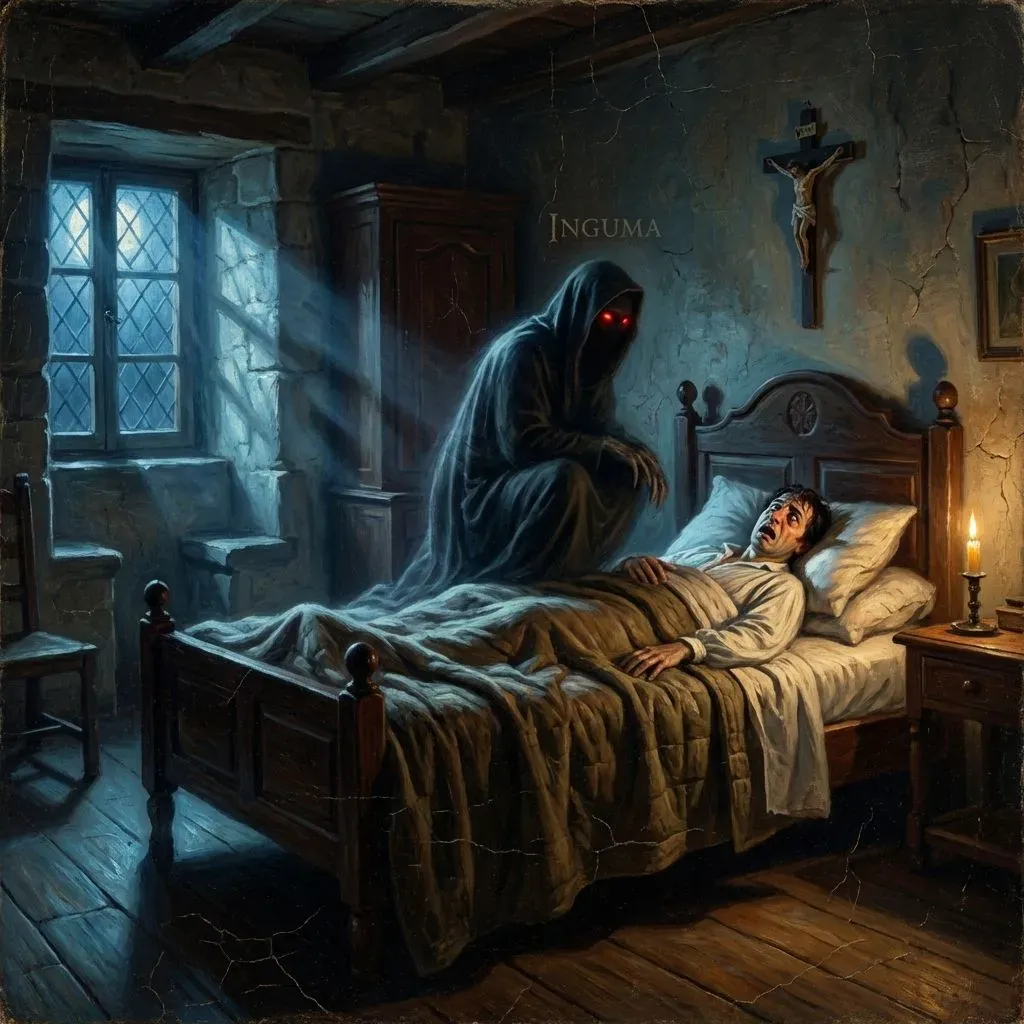
Rooms in which the dying person and the household awaited the outcome together.
This legend is less about a single being than about a whole grammar of mortality. Death was thought to cast signs ahead of itself, and the wise learned to read them.
That makes the omens culturally useful. They turn helpless surprise into time for preparation, gathering, and farewell.
The association with Herio frames death as a force that moves through the world with recognizable traces. Even if unavoidable, it rarely arrives wholly unannounced.
The tale endures because it preserves a communal intelligence around dying, one in which fear is joined by readiness and ritual understanding.