Family homes
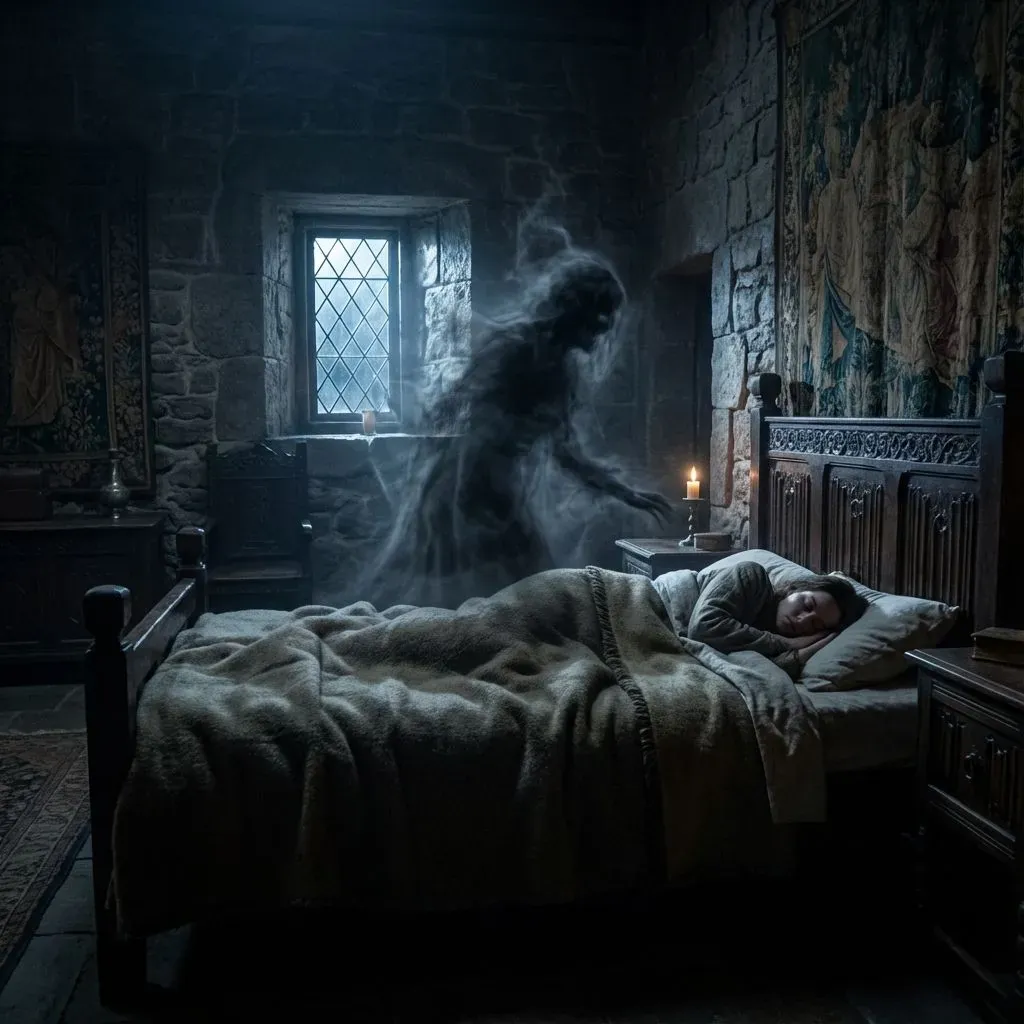
Domestic settings where the call might be heard by the person nearing death.
The soft warning that announces the final passage
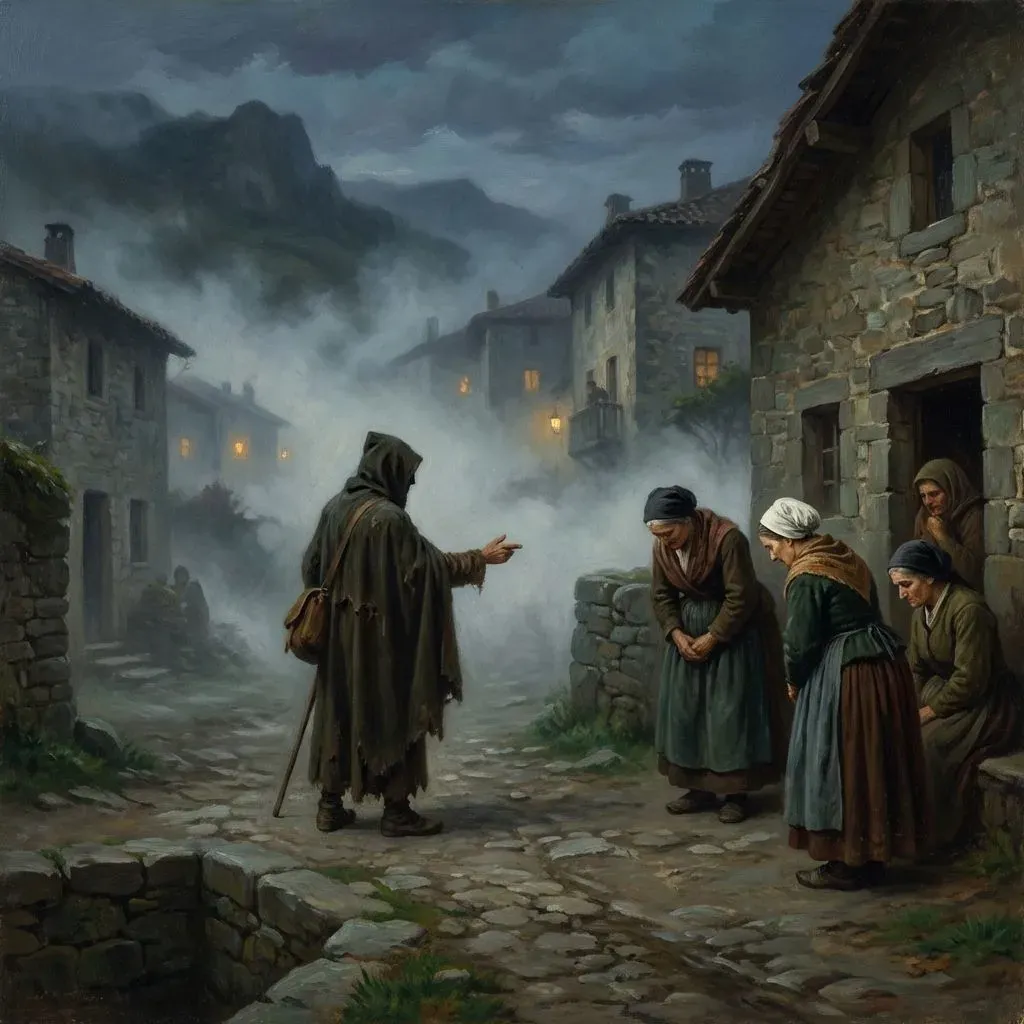
In Basque tradition, death rarely arrived without signs for those who knew how to read them. The inevitable call was one of the most intimate of those signs: a person hearing their own name spoken softly by an unseen presence.
This was not understood as madness or hallucination, but as a solemn warning that life in the visible world was nearing its end. The call did not threaten; it informed.
Those who received it were said to put their affairs in order, say farewell calmly, and meet the final days with unusual serenity. To be warned meant to be granted time.
The legend reflects a worldview in which death is not only rupture, but passage. The call is less a sentence than a considered message from the threshold of the beyond.
Domestic settings where the call might be heard by the person nearing death.

Invisible spaces where the living world seems to touch the next one.
The inevitable call is striking because it removes violence from the image of death. The end comes not as sudden attack but as communication, almost as courtesy from the other side.
That makes the legend emotionally powerful. It allows grief and preparation to coexist, giving the dying person a final space of agency and calm.
Linked to Herio, the call also shows that death in Basque tradition can be personal without being cruel. It is a force that arrives with certainty, yet sometimes with warning.
The tale endures because it offers one of the most humane mythic responses to mortality: to be called is frightening, but also to be allowed to prepare.