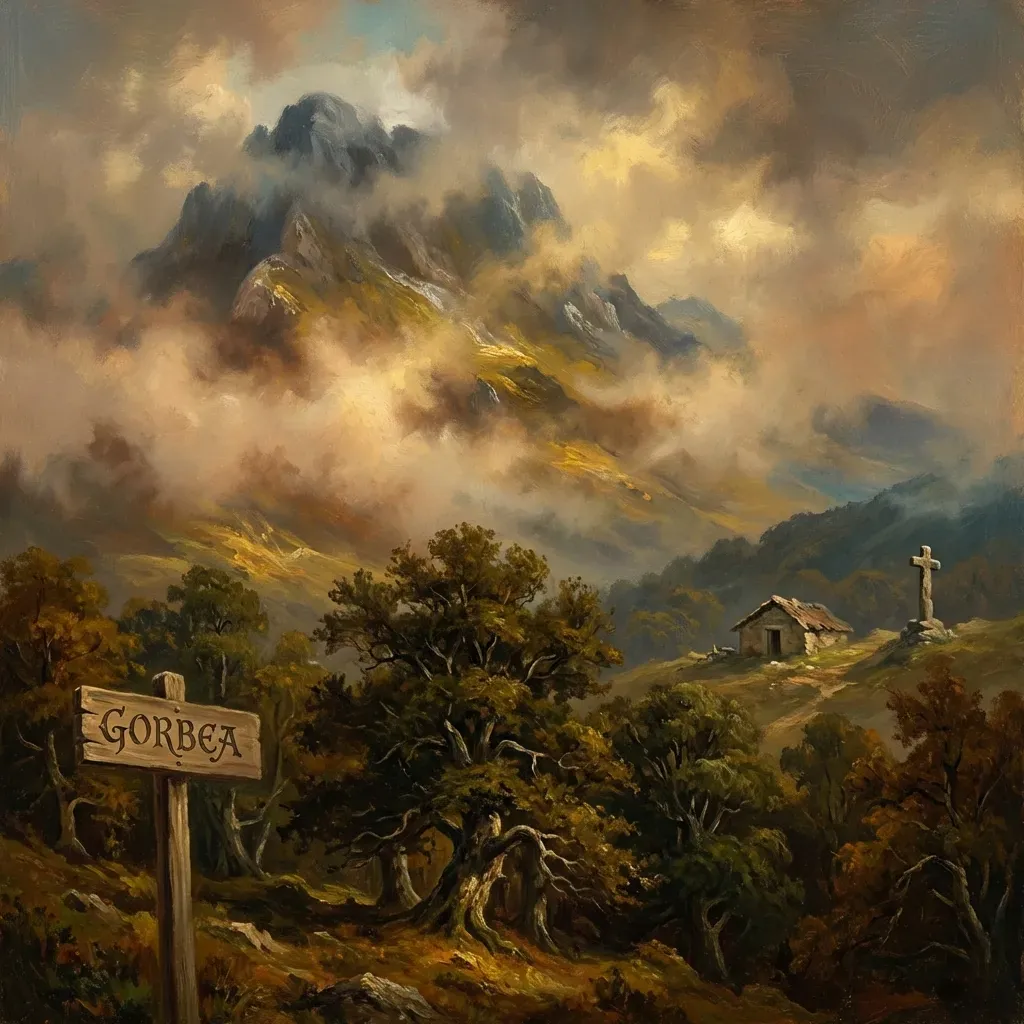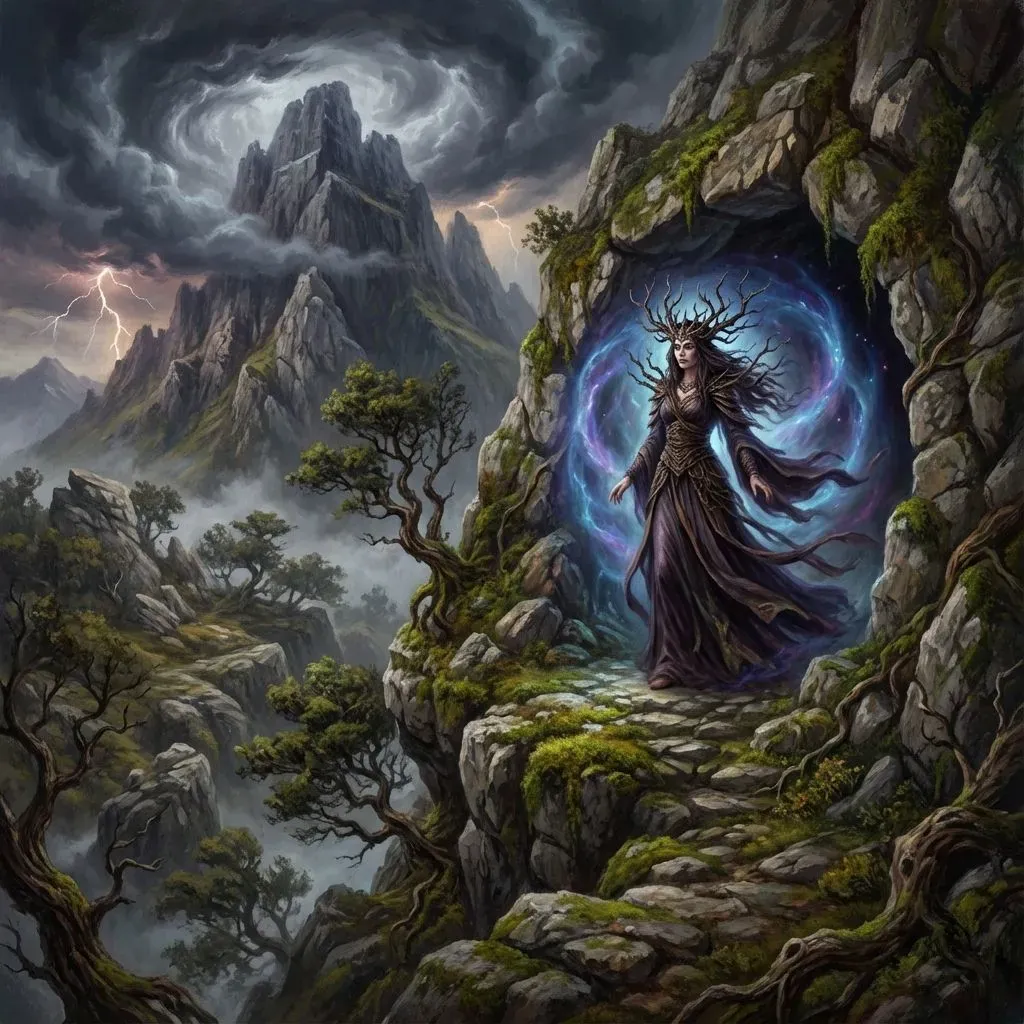
Mount Anboto
The main dwelling of Mari, daughter of Amalur, in the Urkiola range.
Primordial Mother Earth
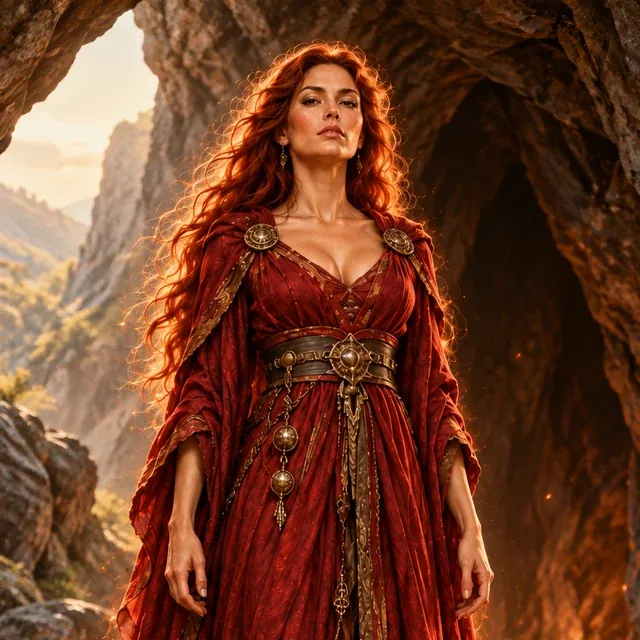
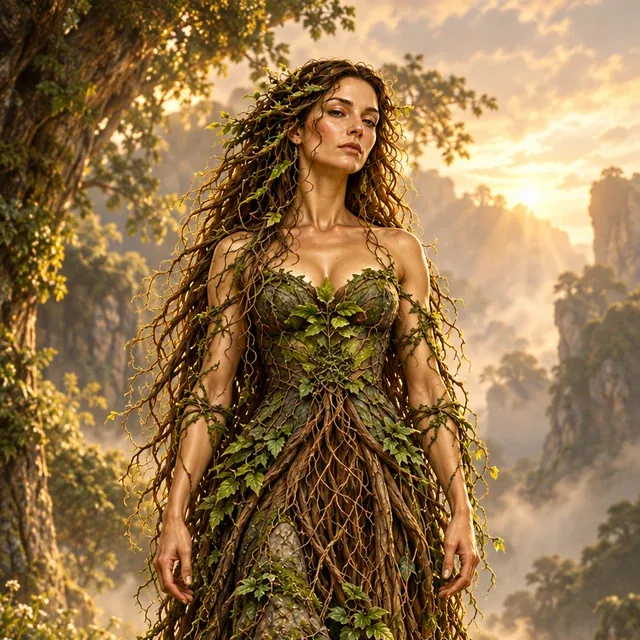
Amalur is Mother Earth, the primordial origin of all life in Euskal Herria. From her womb beings are born, and to her they return in death. She represents the sacred bond between the Basque people and their ancestral land, the foundation of the oldest worldview in the territory.
In Basque mythology, Amalur is the source from which all creatures and divinities arise. She is the cosmic womb from which the Sun, Eguzki, and the Moon, Ilargi, are born, and the subterranean refuge to which souls return after completing their journey among the living.
The name Amalur comes from Basque: ama, mother, and lur, earth. Its literal meaning is "Mother Earth". It is one of the oldest and most fundamental concepts of Basque spirituality.
She is also known as Lurra or Lurbira in different districts. She represents the living earth from which everything arises and to which everything returns.
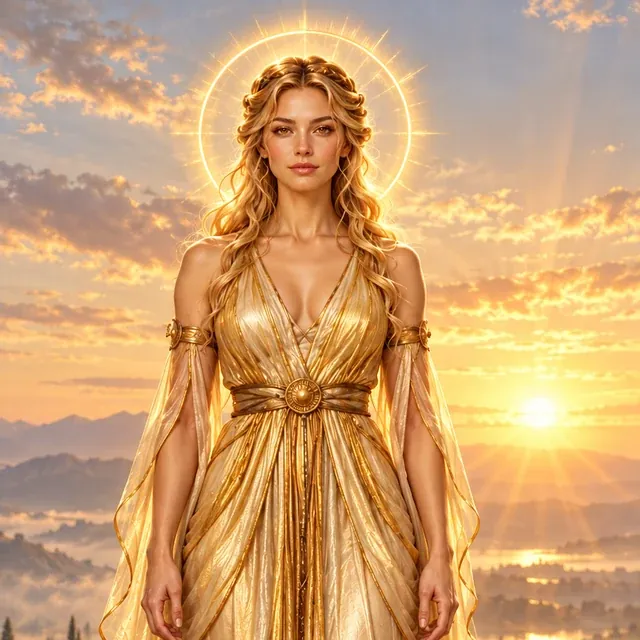
Amalur belongs to the oldest layer of Basque mythology and can be understood as the Mother Earth of Basque mythology.
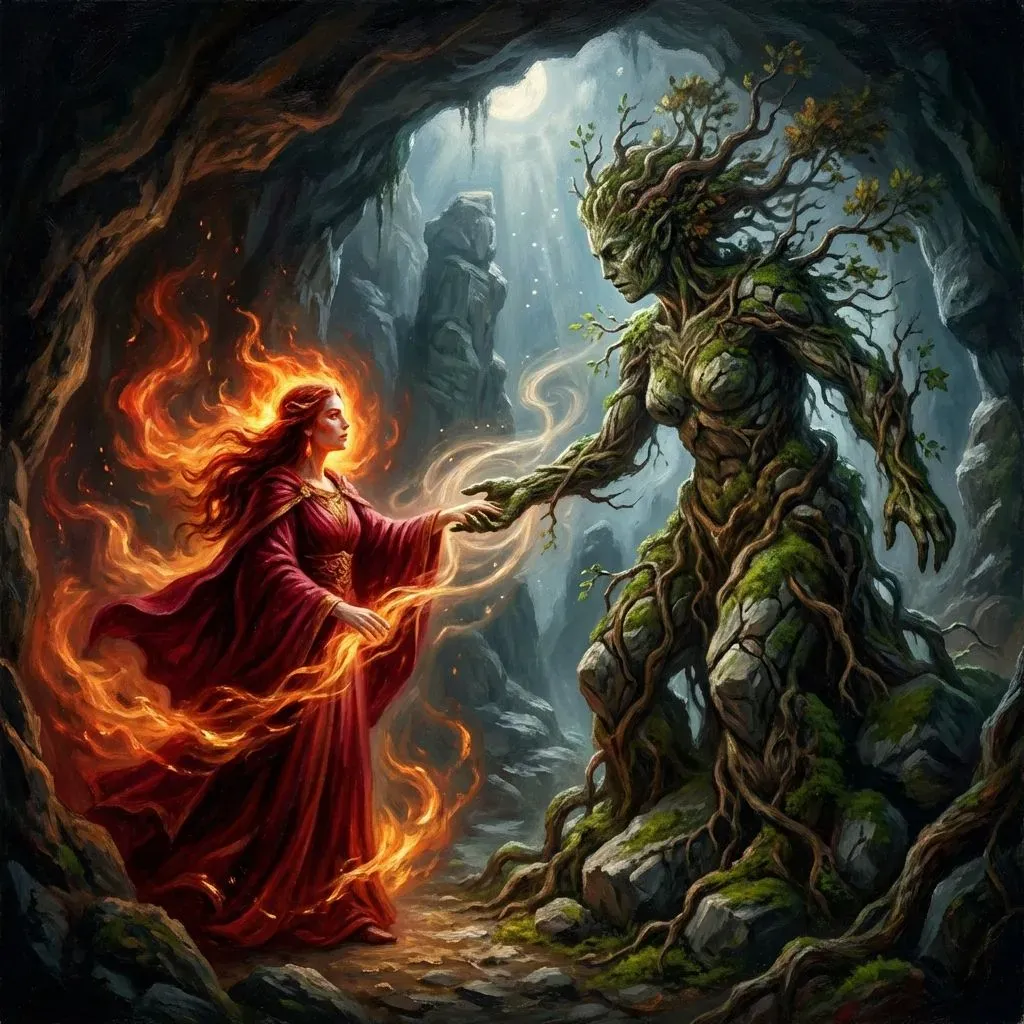
The relationship between the supreme goddess and the primordial origin of all things.
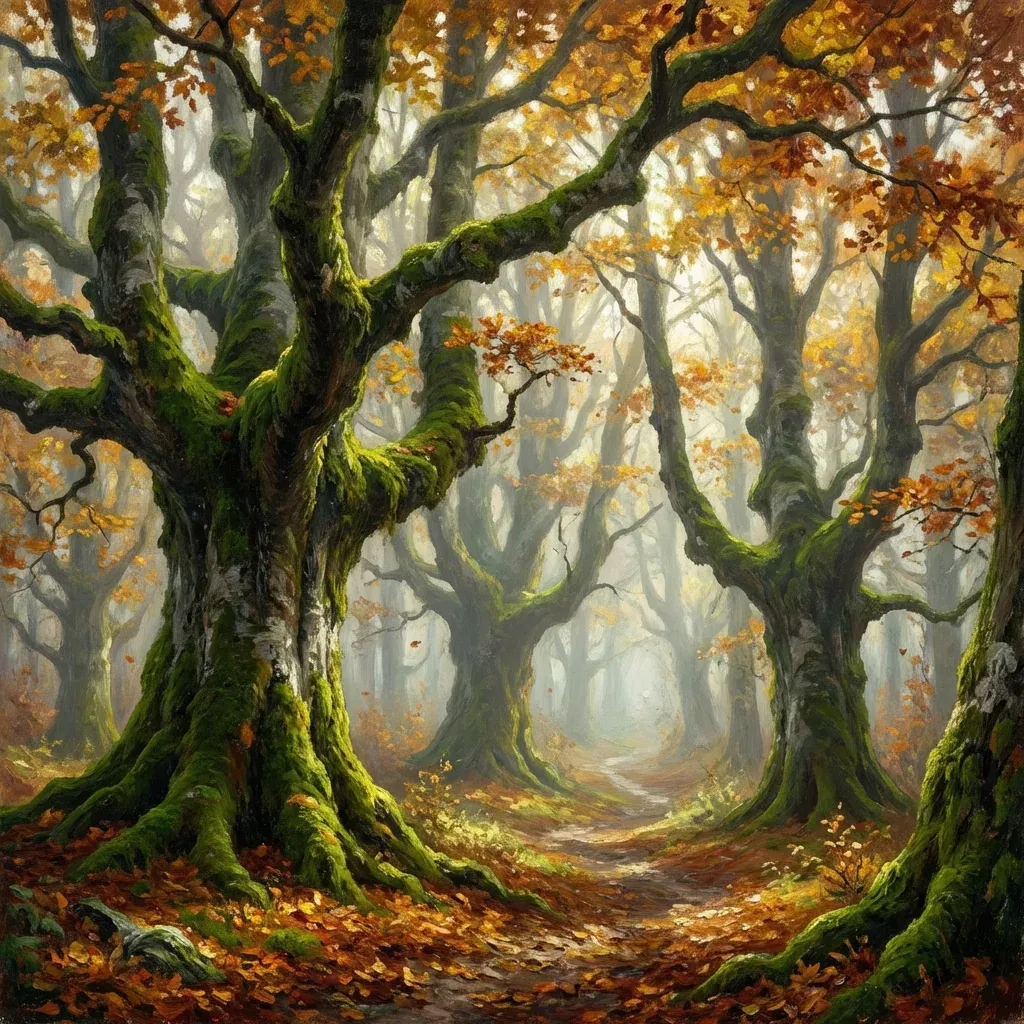
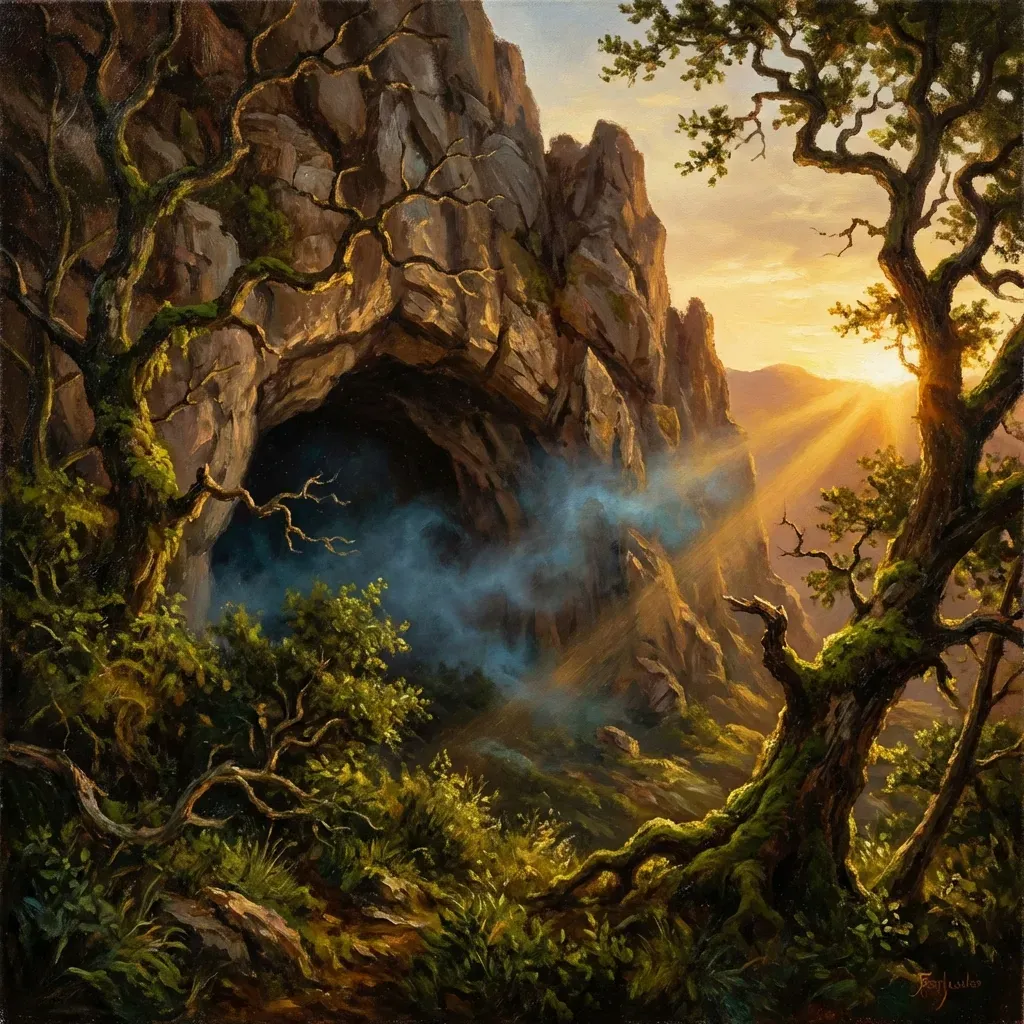
Gateways to the underground world where Amalur’s spirit dwells.
Its stories are closely tied to origin, fertility, caves and the return of all beings.
Again and again the tradition returns to birth, protection, ancestral depth and cosmic order.
Rather than a decorative figure, Amalur helps explain how the Basque world understood danger, order and sacred space.
In many versions, Amalur marks a frontier between what belongs to human life and what must remain respected from a distance.
That is why the tales about Amalur often combine fear, wonder and moral instruction in the same narrative movement.
The figure also preserves an older way of reading the landscape, where mountains, houses, storms or caves are never neutral settings.
Through Amalur, myth gives shape to forces that cannot be seen directly but can still be felt in weather, place, memory and ritual.
Modern readers may approach Amalur as folklore, yet the character still carries the logic of a living symbolic world.
In that sense, Amalur remains a key doorway into the deeper structure of Basque imagination.
A fascinating aspect of the anthropological study of Basque folklore is the mystical connection between Amalur and Mari, the most frequently recurring deity. While Amalur represents the all-encompassing vessel, the unseen source of all creation, comparable to the cosmic abyss or Pachamama, Mari acts as her representative: the embodiment and executor of nature’s will in the visible world.
The persistence of this figure also shows how local myth can survive by adapting to new eras without losing its oldest core.