Teodosius of Goñi
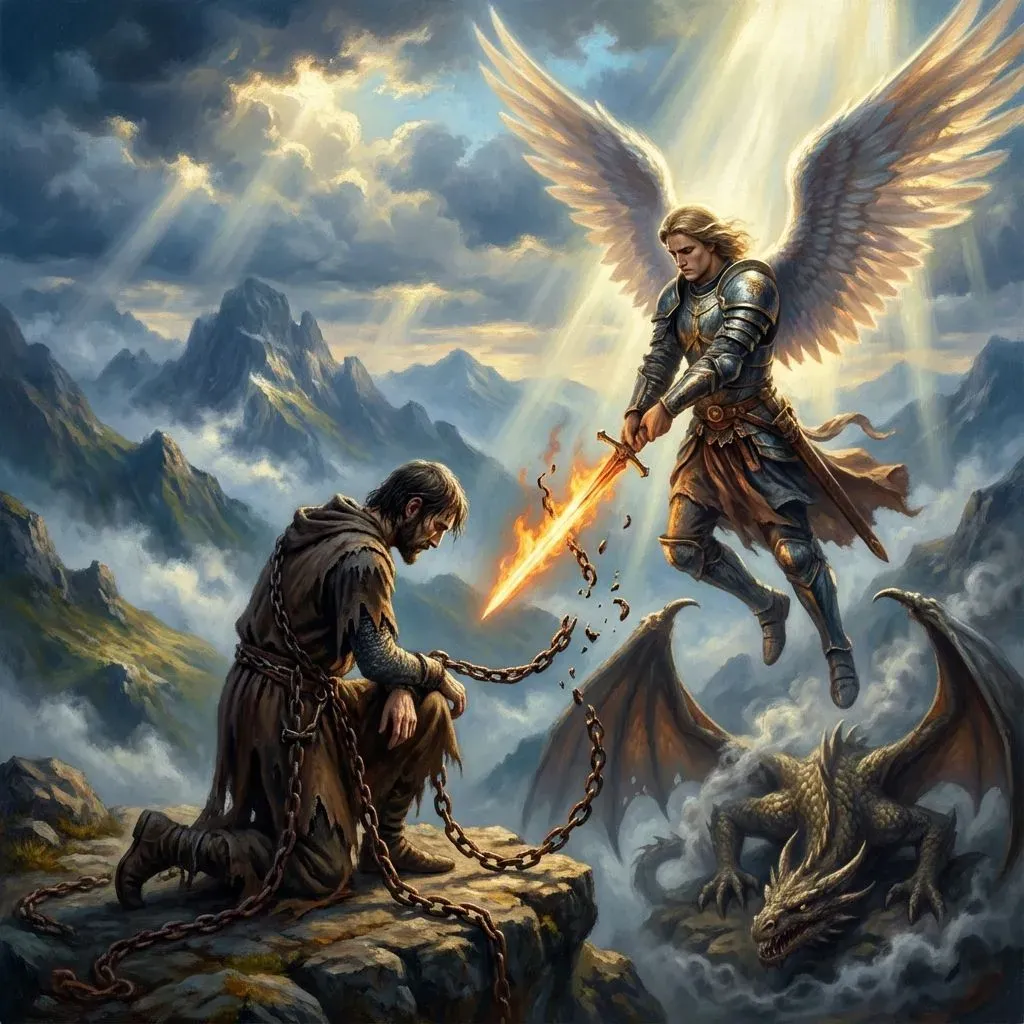
The Navarrese knight who, deceived by the devil, committed parricide and wandered in chains until Saint Michael freed him at Aralar.
— Bizkaia —
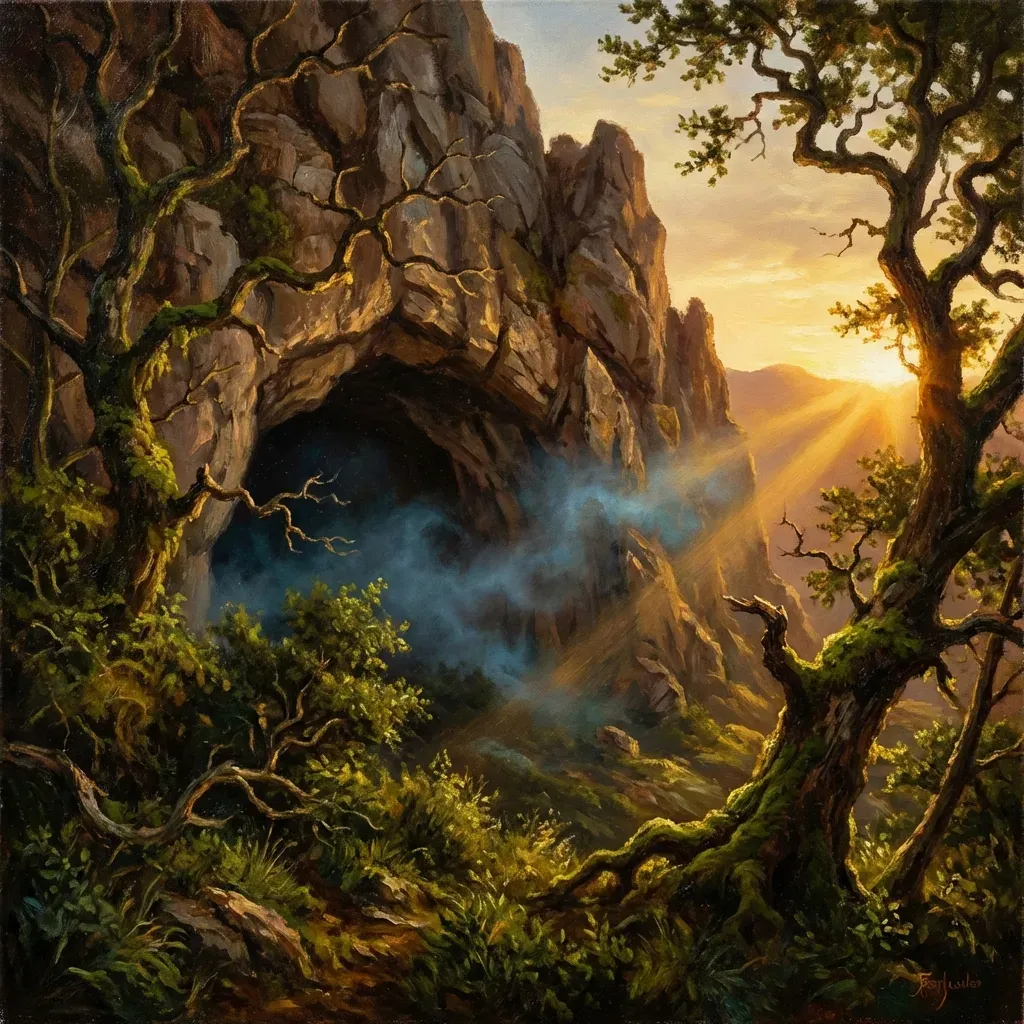
Santimamine Cave is one of the most important archaeological sites in the Basque Country and has been declared a UNESCO World Heritage site. Located in Kortezubi, near the Oma forest and the estuary of Urdaibai, it preserves one of the deepest prehistoric memories in Bizkaia.
Discovered in 1916 by a group of children chasing a badger, the cave revealed an artistic treasure more than fourteen thousand years old. Its walls are decorated with animal figures that place Santimamine among the great examples of Paleolithic cave art in western Europe.
Beyond the wall paintings, Santimamine contains important archaeological remains documenting human occupation over thousands of years. The excavated layers have yielded tools, faunal remains and traces of daily life that make the cave a key witness to prehistoric Basque society.
To protect the paintings, the original cave can now be experienced virtually through a 3D reconstruction at the interpretation centre. This immersive visit makes it possible to admire the rock art while safeguarding it for future generations.
The Navarrese knight who, deceived by the devil, committed parricide and wandered in chains until Saint Michael freed him at Aralar.
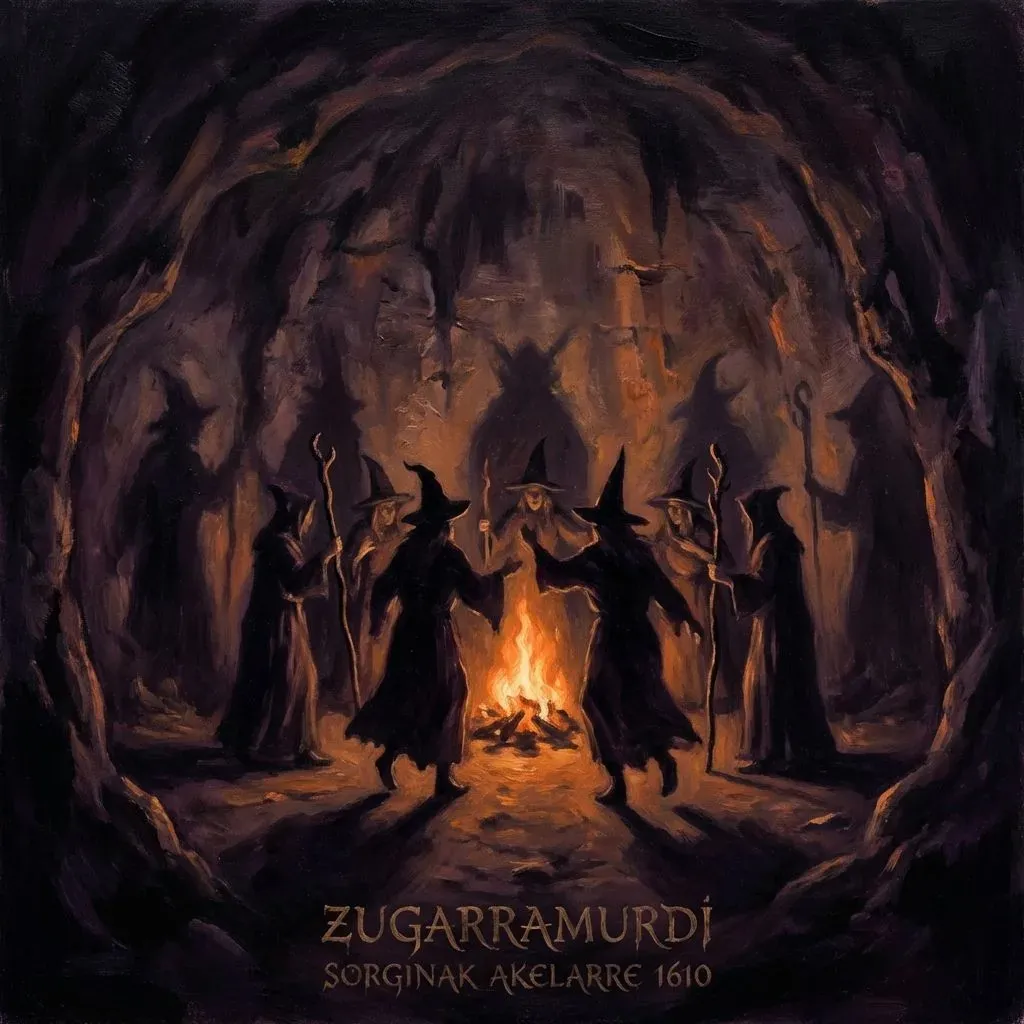
The famous inquisitorial trial of 1610 against the Navarrese witches who held akelarres in the sacred cave.
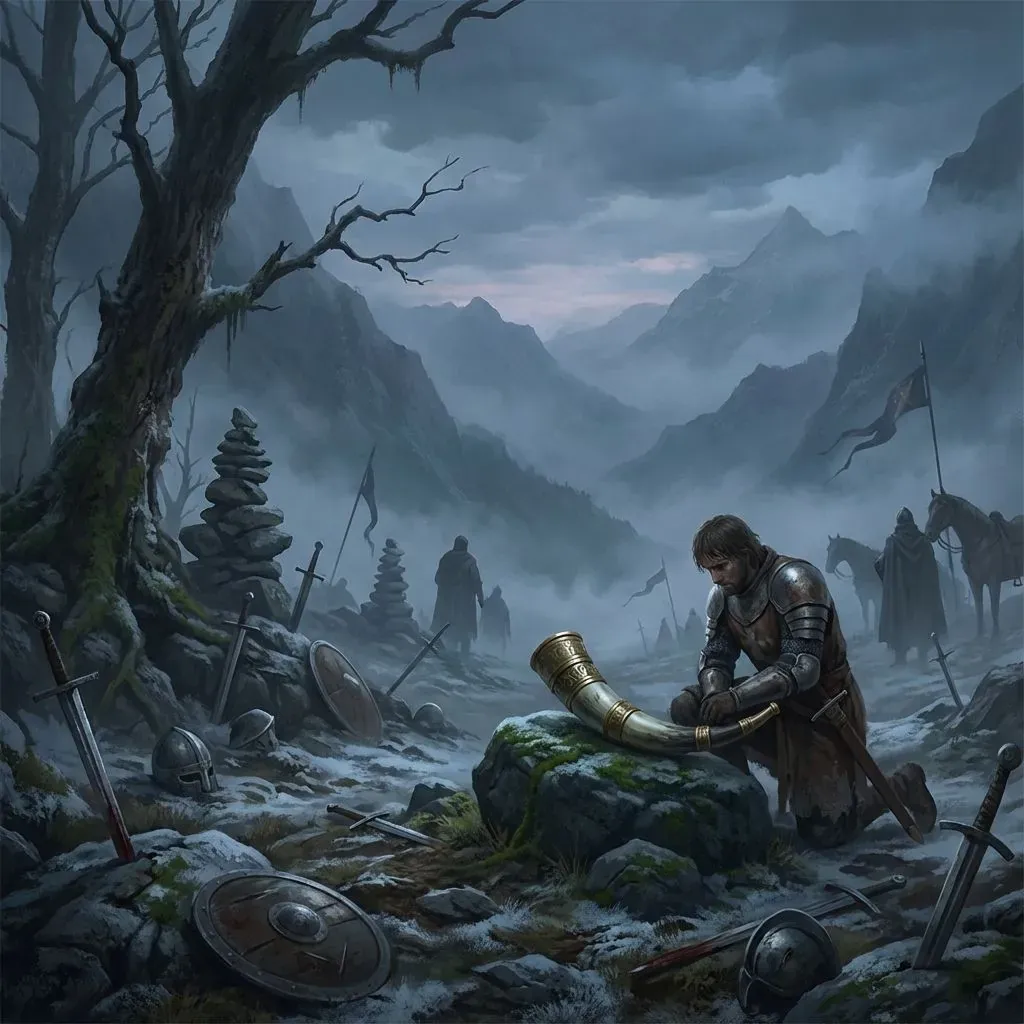
The Basque ambush against Charlemagne's army in the Pyrenean pass where the legendary Roland fell.
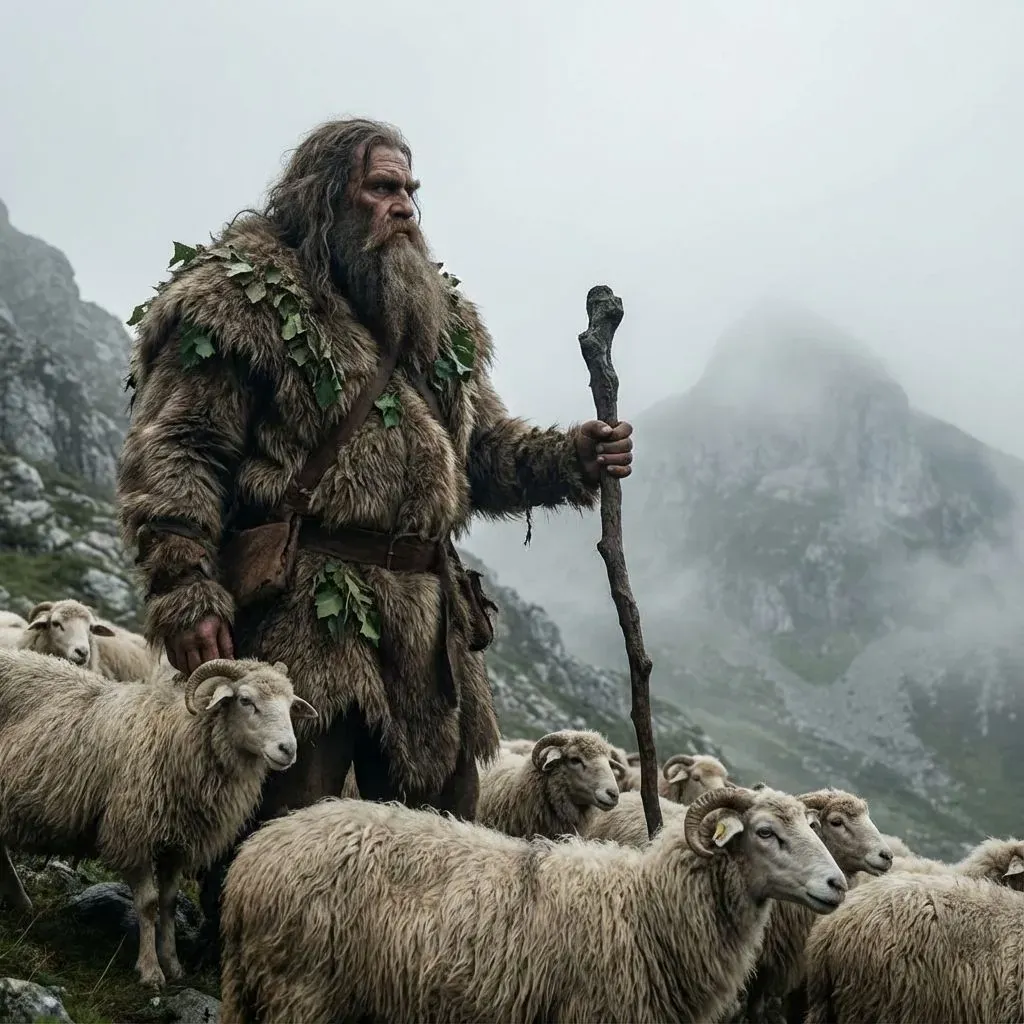
The shaggy giant who lives in the forests, protector of flocks and guardian of the secrets of agriculture and the forge.
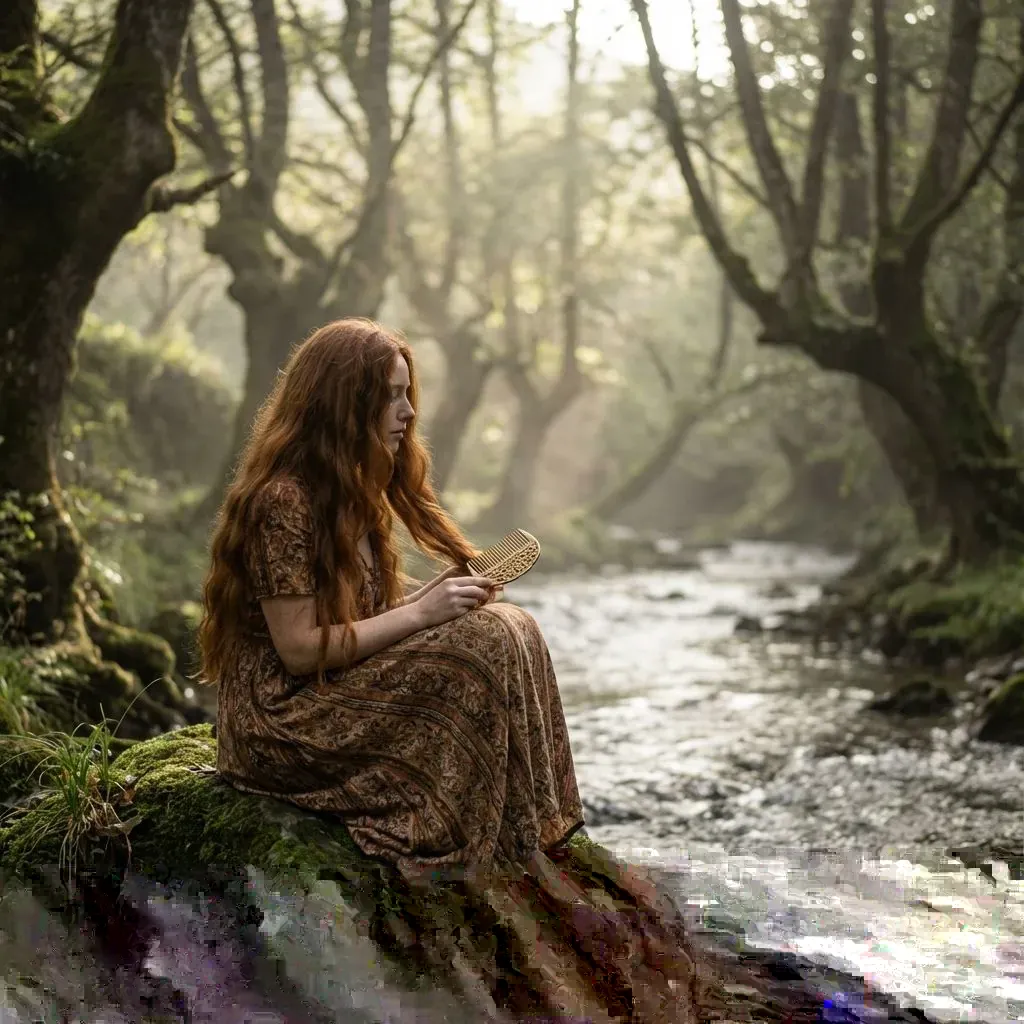
Seductive nymphs who dwell in rivers and springs, recognisable by bird feet or fish tails, combing their hair with golden combs.
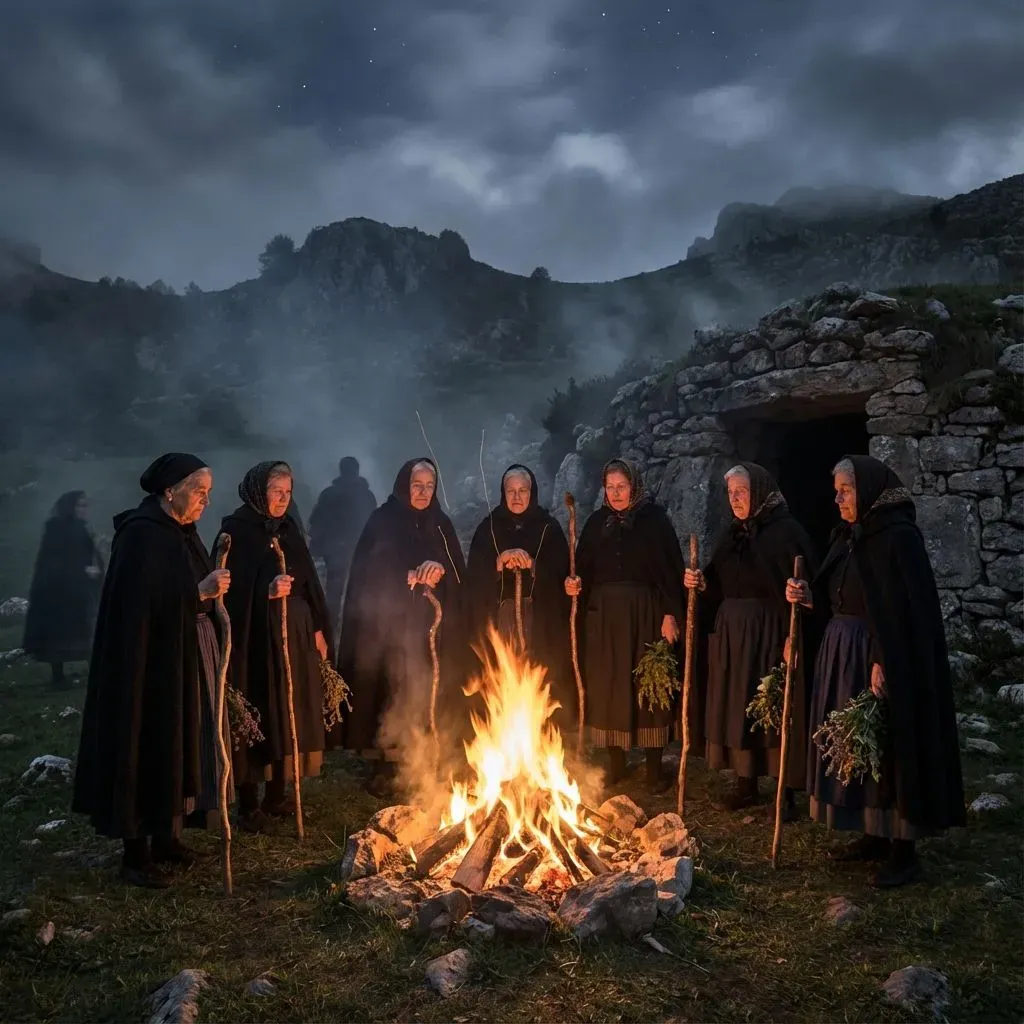
The Basque witches and wise women, priestesses of Mari who mastered potions, curses and the art of flying through the night sky.
Santimamiñe cave, in Bizkaia’s Urdaibai Biosphere Reserve, is the Spanish Basque Country’s most important Palaeolithic rock-art site and one of the Cantabrian coast’s most significant. Its paintings and engravings, fifteen to twenty thousand years old, show mainly bison, alongside horses, deer, bears and goats: a bestiary reflecting the fauna of these valleys during the Upper Palaeolithic.
Bison dominate Santimamiñe, depicted with extraordinary understanding of their anatomy and movement. The figures use the rock’s natural relief to suggest volume and depth, revealing an artistic sophistication far removed from the simplistic views of prehistoric humans that long dominated Western thought.
Near Santimamiñe’s entrance begins the Oma forest, where Basque artist Agustín Ibarrola painted figures and geometric shapes on pine trunks between 1982 and 1985. He created a dialogue across generations between the cave’s Palaeolithic art and contemporary work in the woods, producing one of the Basque Country’s most evocative and original artistic spaces.
The original cave is closed for conservation, but a reproduction of the main chamber and its key paintings gives visitors an accurate impression of the original. Urdaibai’s estuary, riverside woods and historic fishing villages add a landscape and cultural richness that makes a Santimamiñe visit a remarkable day of nature and history.