Teodosius of Goñi
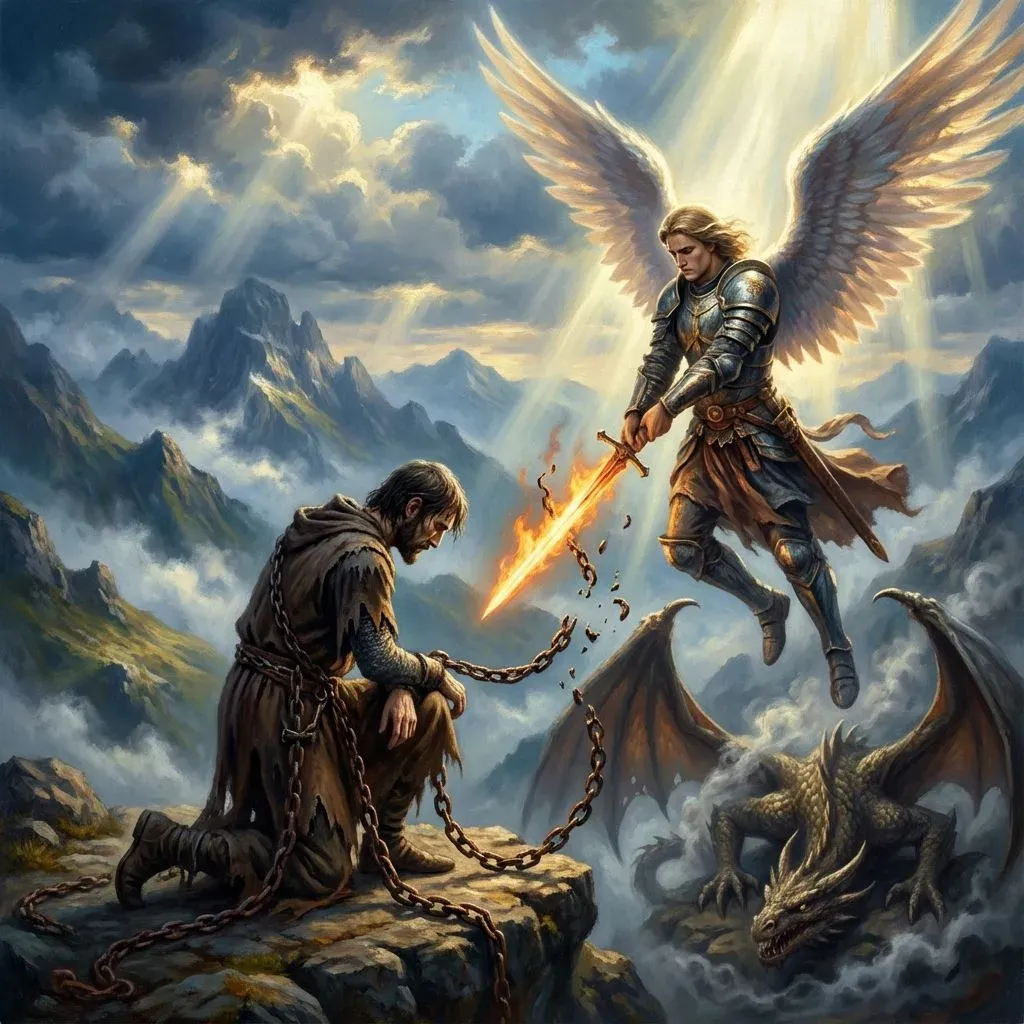
The Navarrese knight who, deceived by the devil, committed parricide and wandered in chains until Saint Michael freed him at Aralar.
— Gipuzkoa —
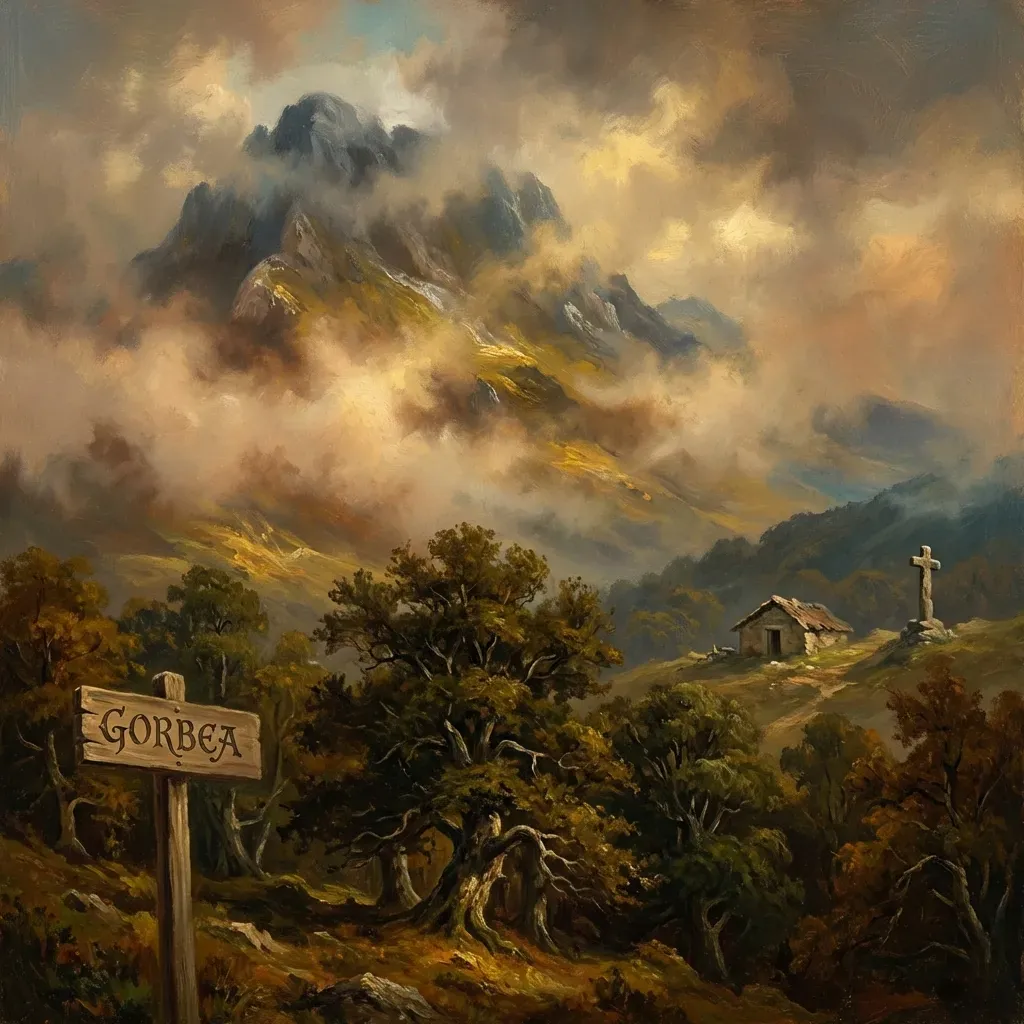
Jaizkibel is a coastal mountain rising to 543 metres between Pasaia and Hondarribia, forming one of the most spectacular landscapes on the Basque shore. Its cliffs, sea views and long ridge turn it into a place where mountain and ocean meet with unusual force.
The mountain has witnessed crucial historical episodes. Its forts and batteries, built between the seventeenth and nineteenth centuries, defended the frontier and the entrance to the port of Pasaia, giving Jaizkibel a strategic importance that adds another layer to its natural grandeur.
Jaizkibel also preserves a valuable natural heritage. Its cliffs shelter seabirds, while its slopes host unique plant species adapted to saline winds and Atlantic humidity, reinforcing the feeling that this is one of the most singular ecological borders in the Basque Country.
The hiking routes along Jaizkibel offer unique views over the sea, the Bay of Txingudi and the French border. At sunset, when the sun sinks into the horizon and dyes the sky red, the mountain recovers the solitary and powerful atmosphere that has long nourished borderland legends.
The Navarrese knight who, deceived by the devil, committed parricide and wandered in chains until Saint Michael freed him at Aralar.
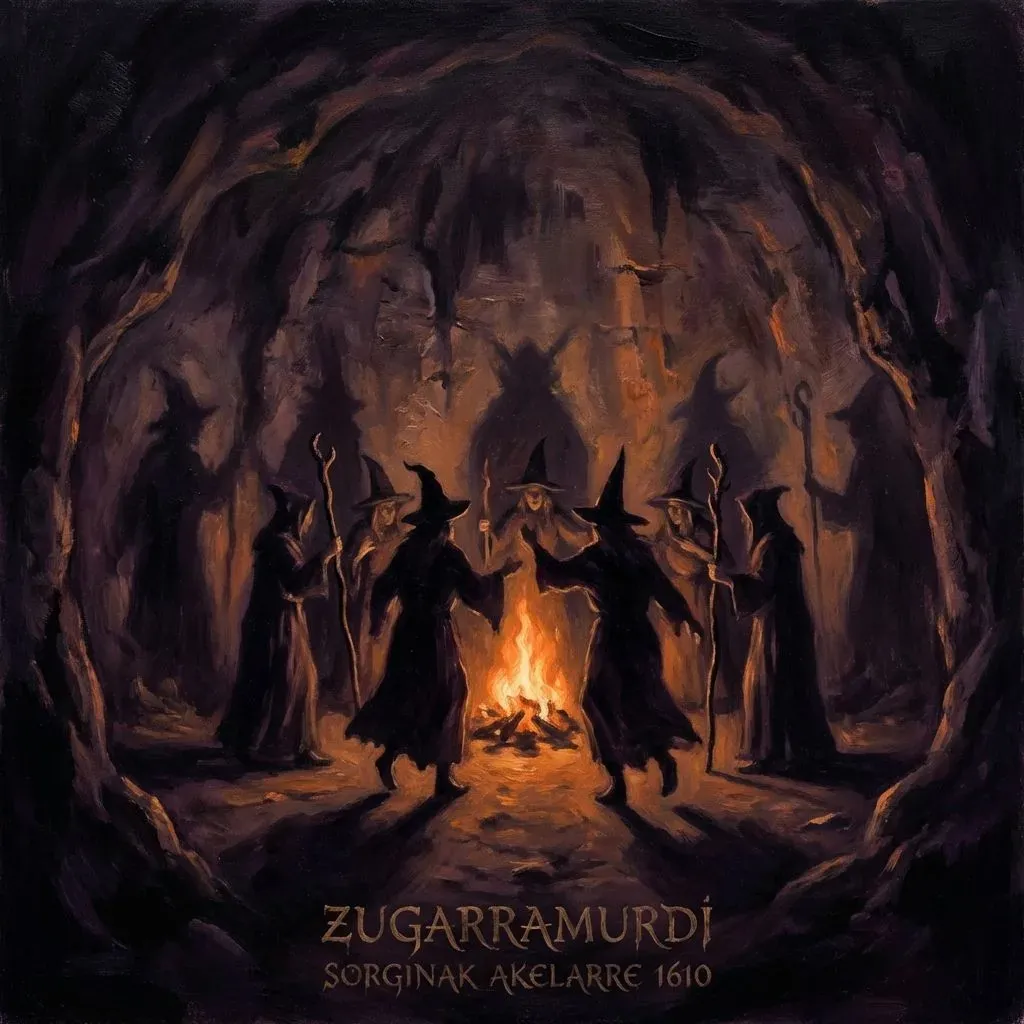
The famous inquisitorial trial of 1610 against the Navarrese witches who held akelarres in the sacred cave.
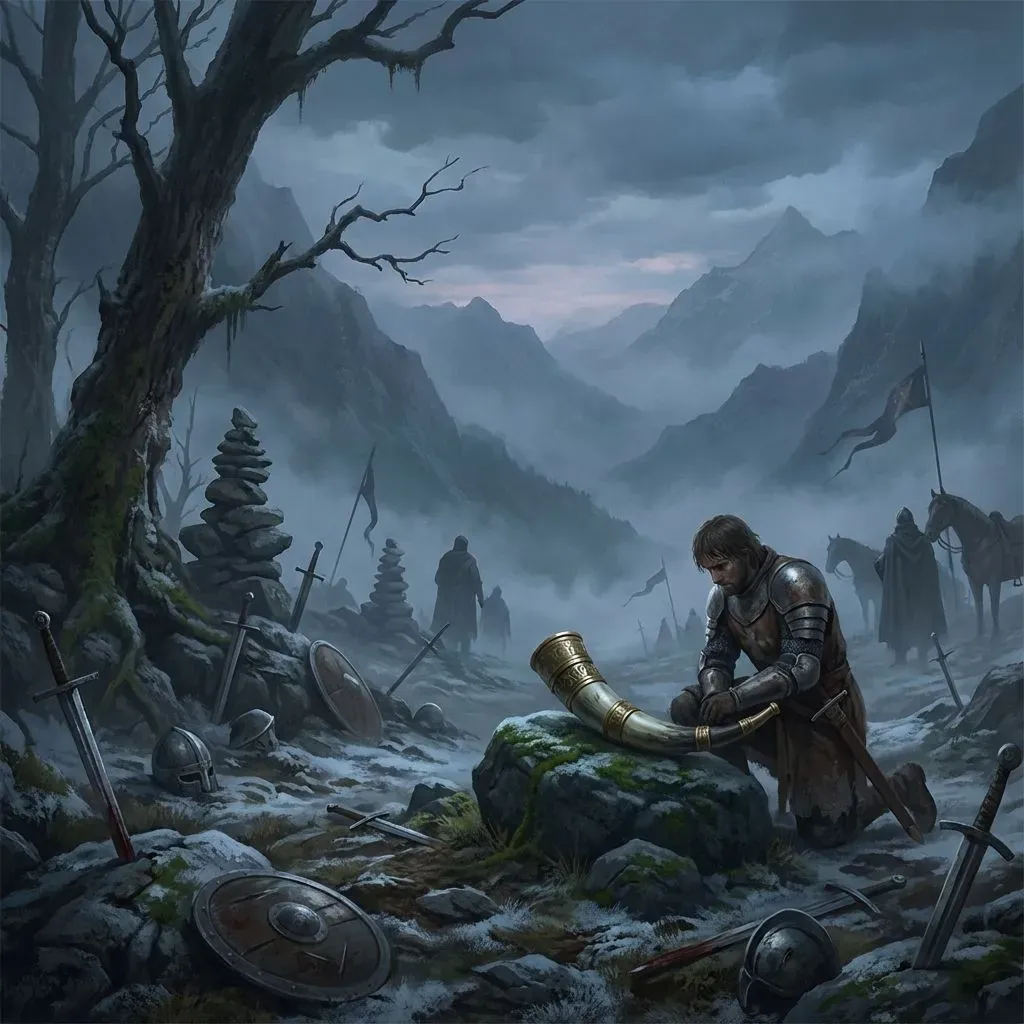
The Basque ambush against Charlemagne's army in the Pyrenean pass where the legendary Roland fell.
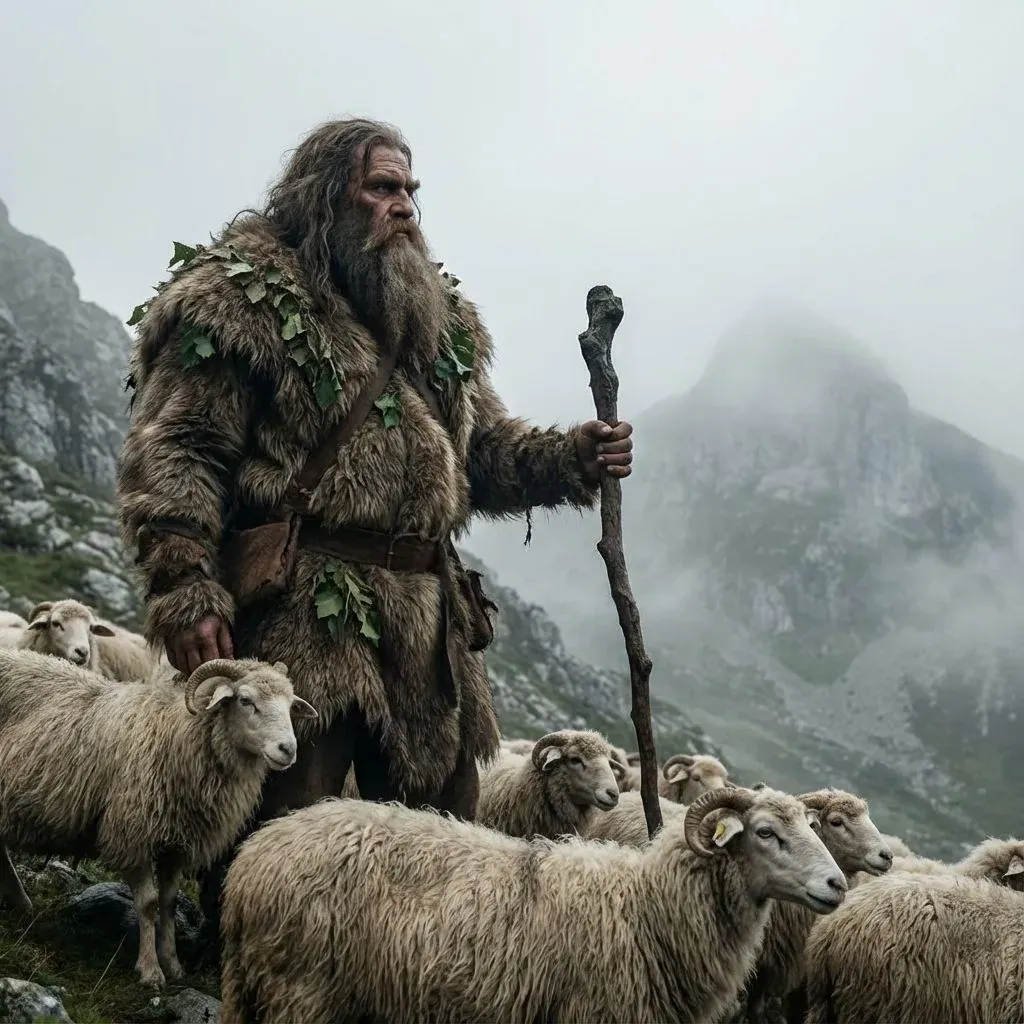
The shaggy giant who lives in the forests, protector of flocks and guardian of the secrets of agriculture and the forge.
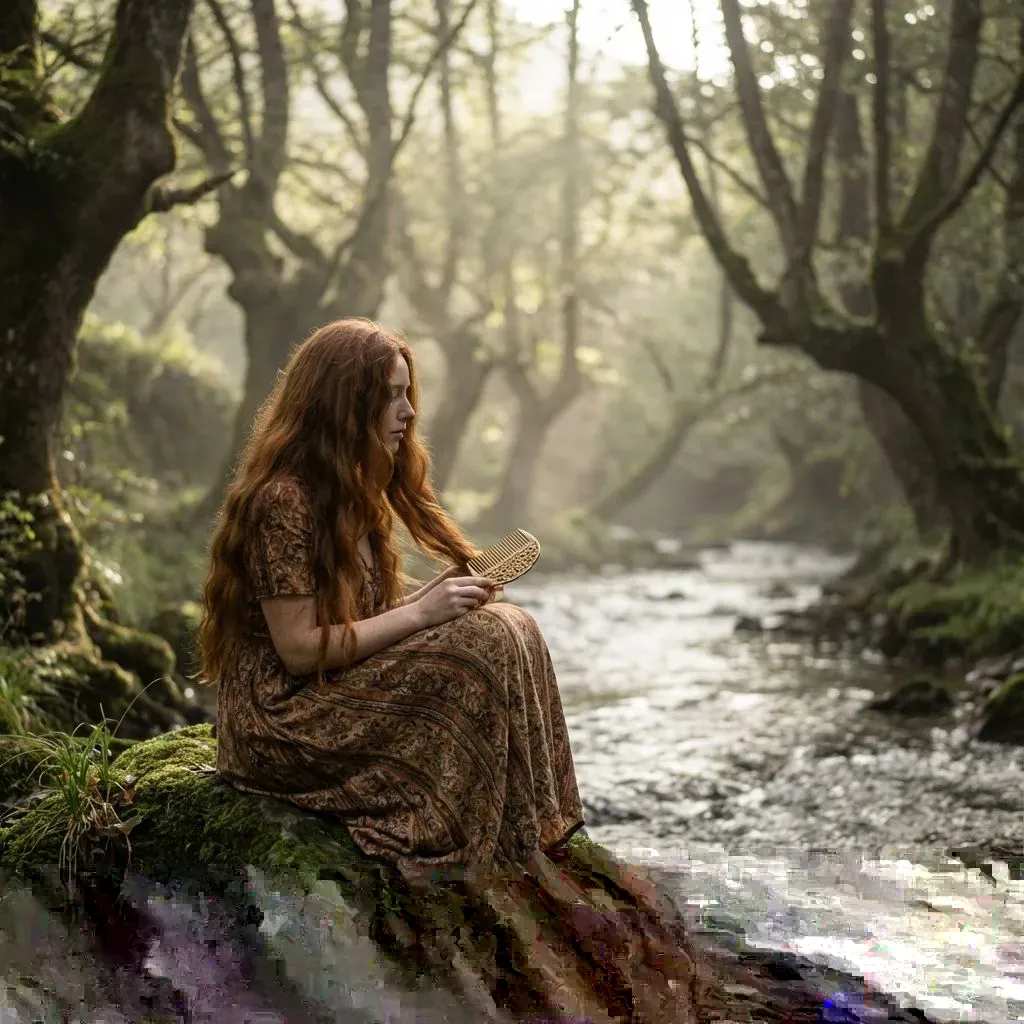
Seductive nymphs who dwell in rivers and springs, recognisable by bird feet or fish tails, combing their hair with golden combs.
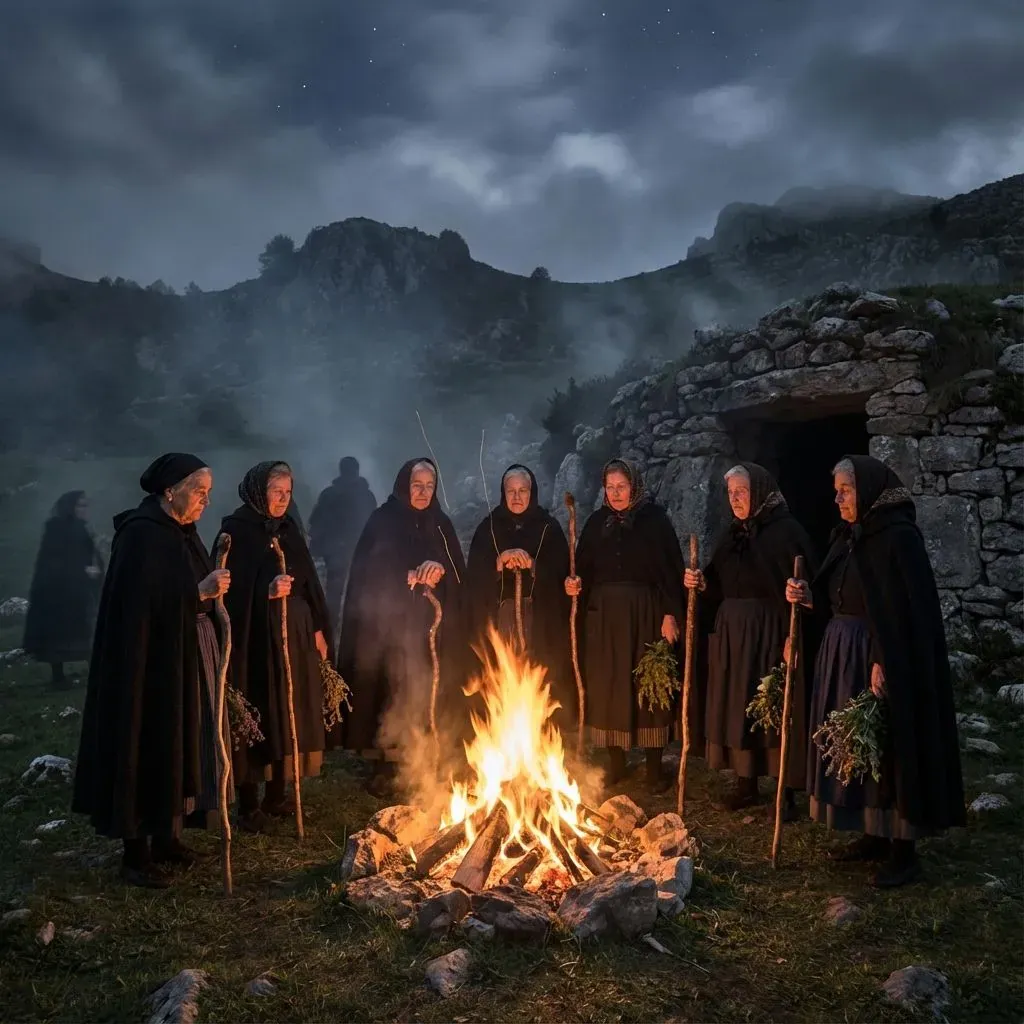
The Basque witches and wise women, priestesses of Mari who mastered potions, curses and the art of flying through the night sky.
Jaizkibel forms Gipuzkoa’s easternmost coastal headland before the Bidasoa estuary at Hendaia. Its dramatic red sandstone cliffs and coastal flysch reveal marine rock layers folded by millions of years of tectonic pressure, exposing the earth’s interior with unusual clarity.
Jaizkibel rises 543 metres above sea level and is associated with the sanctuary of Our Lady of Guadalupe, whose earliest buildings date to the fourteenth century. It has long drawn sailors and fishermen on pilgrimage. Views towards Donostia, Hendaia and the open Bay of Biscay unite devotion and geography.
Jaizkibel’s ridge route, known as the Roman Road although its origins are more disputed than the name suggests, leads from Pasaia to Guadalupe sanctuary with sea views for much of the way. It is one of the Basque coast’s finest hill walks and less crowded because it requires some fitness.
Jaizkibel’s coast, with secluded beaches and inaccessible coves, is ecologically important for migratory seabirds that rest and nest on its cliffs. Spectacular geology, coastal biodiversity and cultural heritage make it one of Gipuzkoa’s most varied natural sites.