
Springs and wells
Places where the Lamiak comb their long hair with golden combs.
Water beings
Lamiak are beings of extraordinary beauty with duck feet or the tail of a golden fish. They comb their long golden hair with golden combs beside springs and clear rivers of Euskal Herria. Their melodious singing draws in those who cross their waters without caution.
They generously help those who respect them, but pursue without mercy anyone who offends them or tries to steal their precious objects. They build bridges and farmhouses during the night in exchange for small favours. Whoever steals their comb earns a curse that is not easily lifted.
Places where the Lamiak comb their long hair with golden combs.
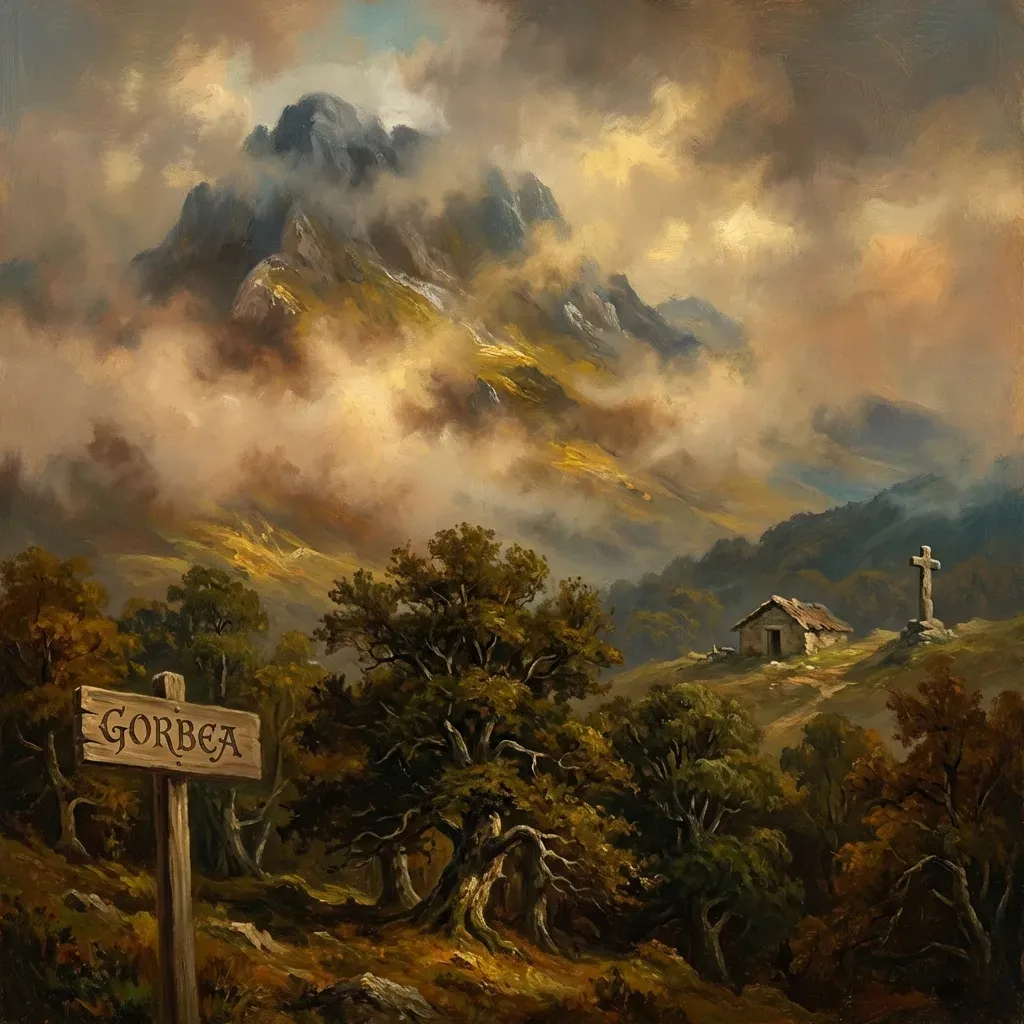
Watercourses where these beings of extraordinary beauty are believed to dwell.
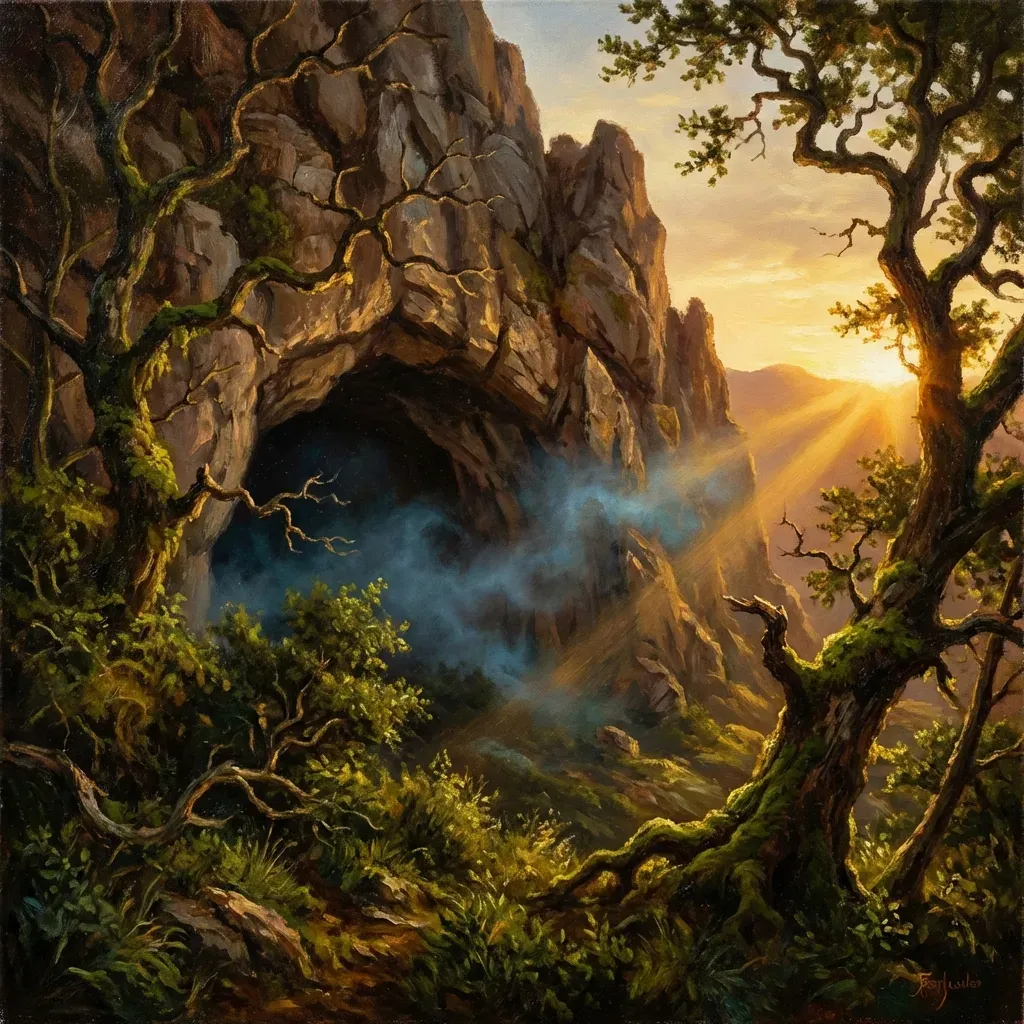
Constructions attributed to the nocturnal labour of the Lamiak.
The name Lamia may derive from the Greek lamia or from an older pre-Roman root. Laminak is the most common plural form in Basque, although Lamiak is also used.
The Lamiak inhabit springs, rivers and caves throughout Euskal Herria. They are known for combing their hair with golden combs and for the curse that falls on whoever steals these treasured objects.

Lamiak belongs to the oldest layer of Basque mythology and can be understood as water beings of beauty, danger and enchantment.

Bridges built by the Lamiak before the rooster crowed.

Why the Lamiak always conceal their duck feet beneath their skirts.

Its stories are closely tied to springs, rivers, bridges and liminal places.
Again and again the tradition returns to golden combs, seduction, melancholy and reward.
Rather than a decorative figure, Lamiak helps explain how the Basque world understood danger, order and sacred space.
Their dual etymological identity places them between the deadly attraction of sensual beauty and the animal nature of their ancient, non-divine origins among the rocks. The extraordinary beauty and unblemished freshness of their angelic faces contrast sharply with the unmistakable wild mark of their lower bodies: their feet are generally not human.
In many versions, Lamiak marks a frontier between what belongs to human life and what must remain respected from a distance.
That is why the tales about Lamiak often combine fear, wonder and moral instruction in the same narrative movement.
A man who wins a lamia’s love will live in complete abundance. But if he recoils in horror on discovering her animal limbs, rejects her and flees to reveal her secret, he will suffer cruel consequences. They also curse with misfortune and terrible plagues any foolish villager who dares to trick them and steal their coveted golden comb from the rocks while their attention wanders.