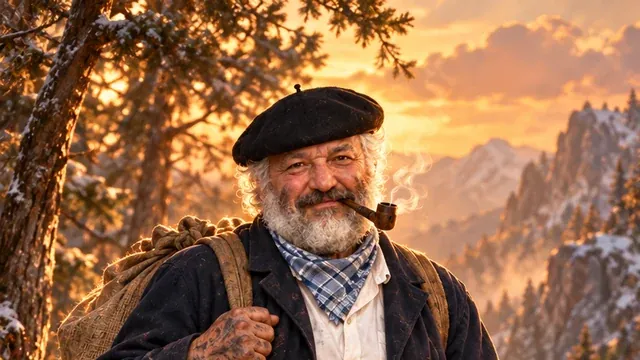
Olentzero
The kindly charcoal burner who comes down from the mountains every Christmas Eve. An ancestral figure of the winter solstice and a symbol of Basque Christmas tradition. He brings joy, gifts and the message of the sun’s rebirth.
Fantastic beings that inhabit the forests, rivers, caves and mountains of the Basque Country. Guardians, helpers and spirits that populate the ancestral imagination of this land.
The Basque mythological bestiary is extraordinarily rich and varied, filled with beings that inhabit every corner of the Basque landscape. These creatures reflect the way ancient Basques understood and respected the forces of nature, creating a relationship of coexistence with the wild world around them.
Every forest, spring, cave and mountain had its own supernatural inhabitants. From giant guardians of the highlands to small domestic goblins, these creatures played essential roles in the Basque mythical ecosystem: they regulated behavior, explained the inexplicable and kept respect for nature alive.
The kindly charcoal burner who comes down from the mountains every Christmas Eve. An ancestral figure of the winter solstice and a symbol of Basque Christmas tradition. He brings joy, gifts and the message of the sun’s rebirth.
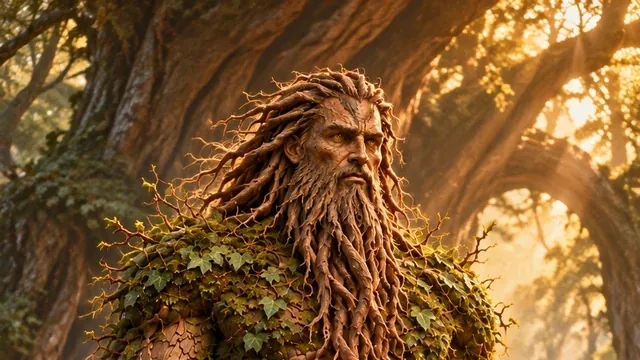
The Lord of the Forest, a shaggy giant who protects flocks in the highlands. He taught humans agriculture, ironworking and the cultivation of wheat. His whistle warns of storms and alerts shepherds to nearby danger.
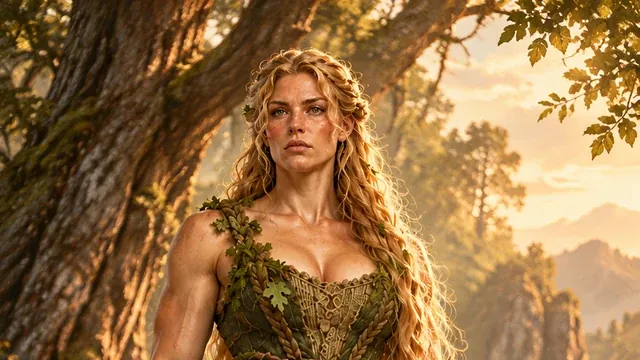
The Lady of the Forest, Basajaun’s feminine counterpart in the deep woods. She guards the boundary between the civilized world and untamed nature. Beautiful and fearsome at once, she embodies the wild spirit of the mountain.
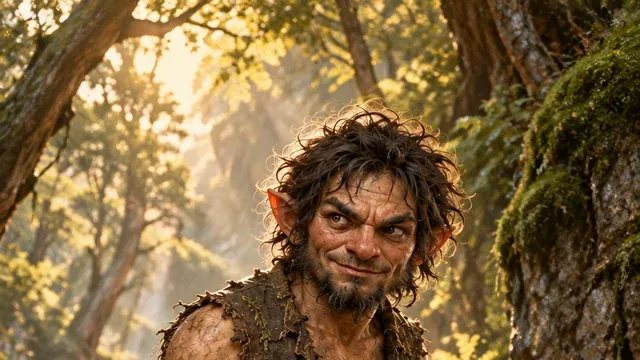
Small elusive beings that dwell in the remotest parts of the mountains. They play heavy pranks on shepherds and distracted walkers lost in the mist. They never fully reveal themselves, but their unsettling laughter echoes among the rocks.
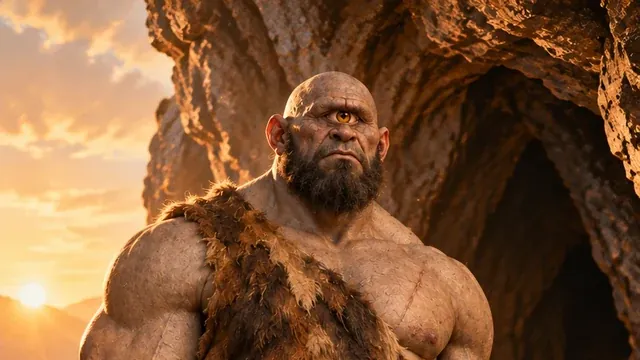
One-eyed cannibal cyclops who lives in high mountain caves. He devours sheep and unwary shepherds who enter his territory. In the tales, a clever young hero always manages to blind him and escape his lair.
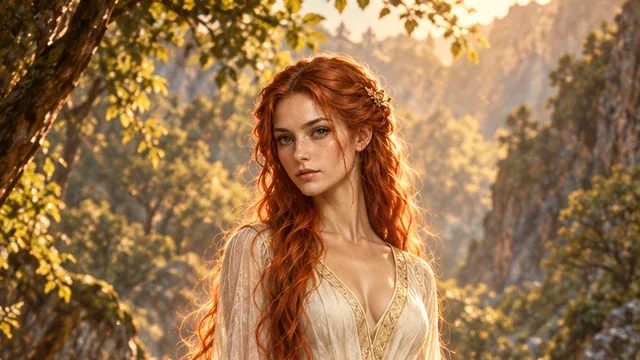
Beings of extraordinary beauty with duck feet or a golden fish tail. They comb their long hair with golden combs beside springs and rivers. They help those who respect them, but relentlessly pursue anyone who offends them.
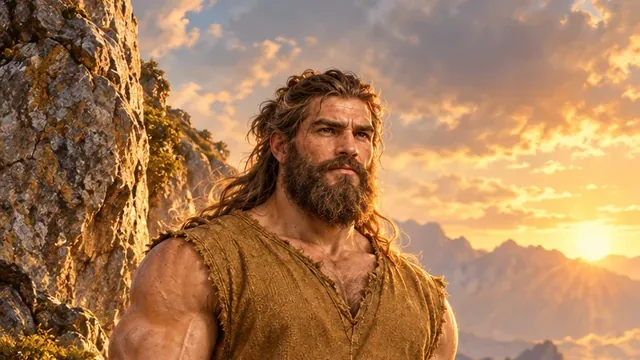
A race of giants who inhabited these lands before the arrival of Christianity. They built dolmens, cromlechs and menhirs by hurling enormous stones across the mountains. They fled when the star announcing Kixmi appeared in the sky.
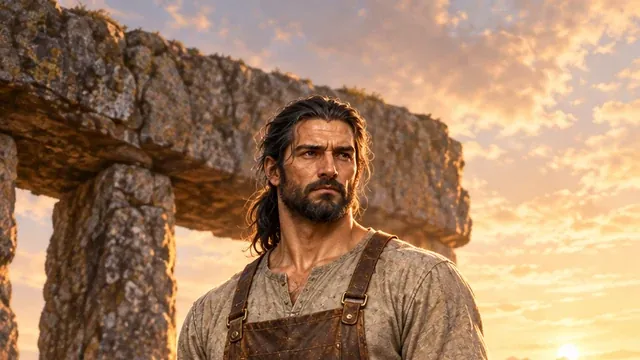
Mysterious builders of dolmens, Roman roads and impossible bridges. They worked at superhuman speed during the night, before the rooster’s crow. Tradition remembers them as an ancient people of extraordinary abilities.
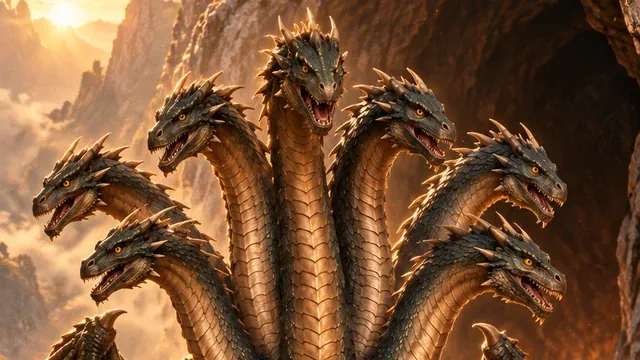
Seven-headed dragon that demanded maidens as tribute from villages. He guarded immense treasures in the depths of bottomless caves. Saint Michael or local heroes finally defeated him in legendary combat.
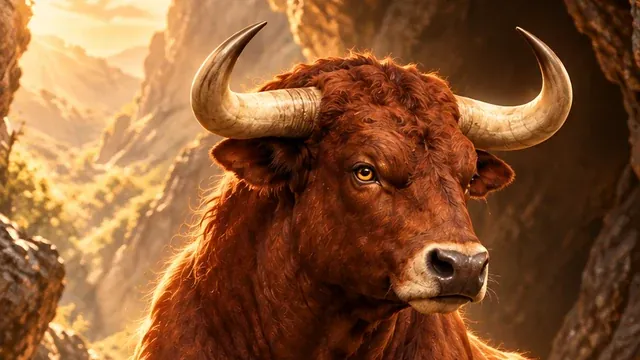
Red bull with flaming eyes that rises from chasms on stormy nights. An embodiment of Mari and guardian of the mother goddess’s sacred caves. He protects the boundaries of the underworld and punishes those who profane them.
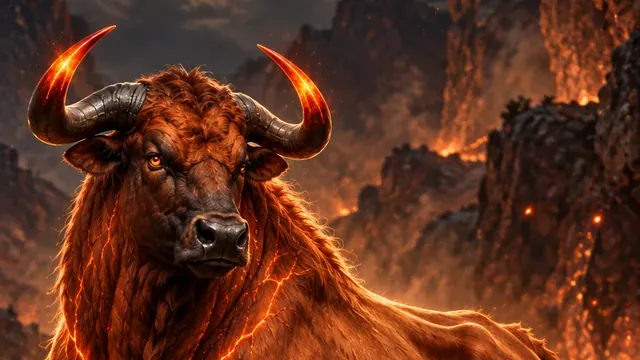
The ‘red bull’, a fiery beast that chases night travelers along lonely roads. His terrifying bellow announces misfortune for anyone who dares defy forbidden times. He guards crossroads where the visible and invisible worlds touch.
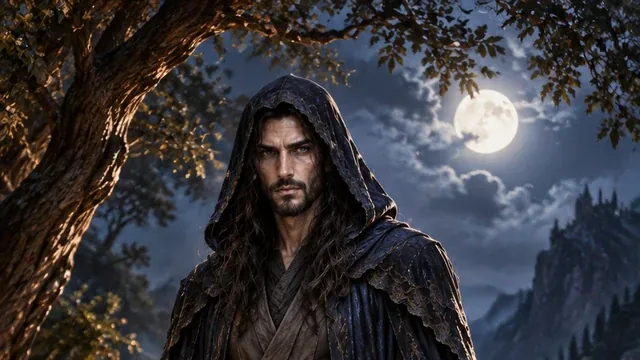
Lord of the Night, absolute master of the hours between dusk and dawn. ‘Night belongs to the night’: he punishes anyone who works or travels at the wrong hour. His deep voice warns transgressors before he strikes without mercy.
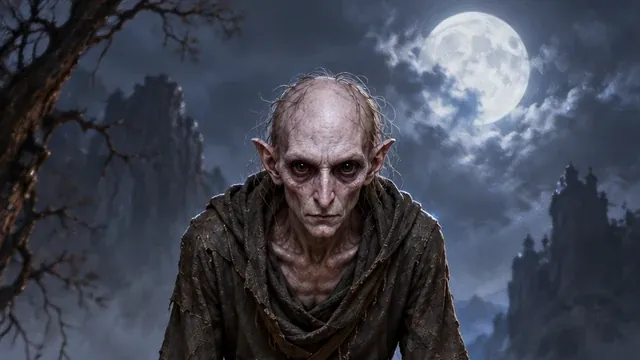
Nightmare demon that presses on the chest of defenseless sleepers. He enters through windows and locks when the house falls into deep silence. Elders used to recite protective prayers before closing their eyes.
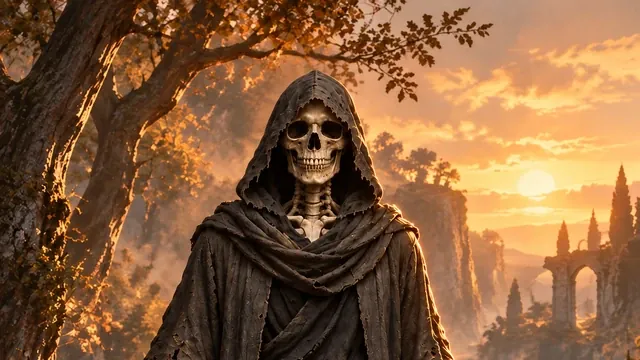
Death personified, a gaunt figure that visits homes in silence. Its call is inevitable: no one can escape when the appointed hour arrives. It appears in dreams or omens to announce a nearby departure.
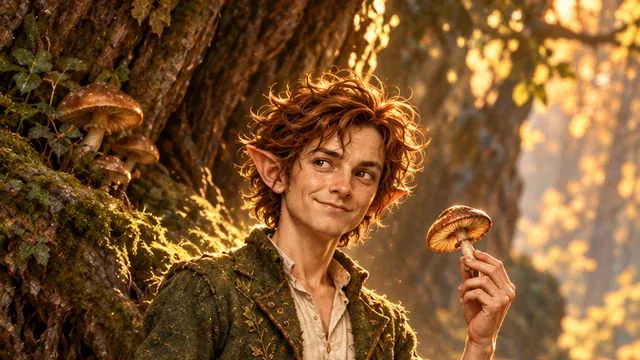
Goblins of the forest and the home, mischievous but useful if treated well. They hide objects, frighten livestock and play tricks on the household. If offered milk and bread, they become allies of the hearth.
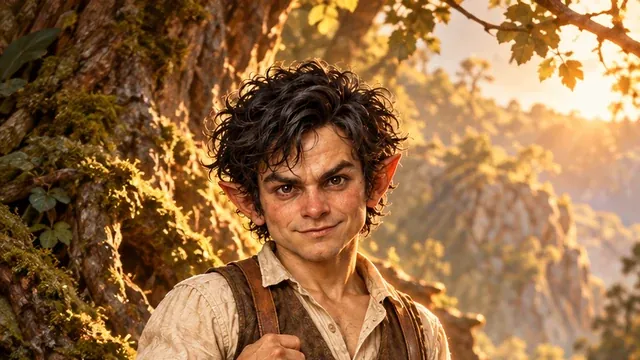
Tiny beings in ‘red trousers’ who work at supernatural speed. Kept inside a box, they carry out any task before the rooster crows. They must be kept busy or they will wreck the house looking for something to do.
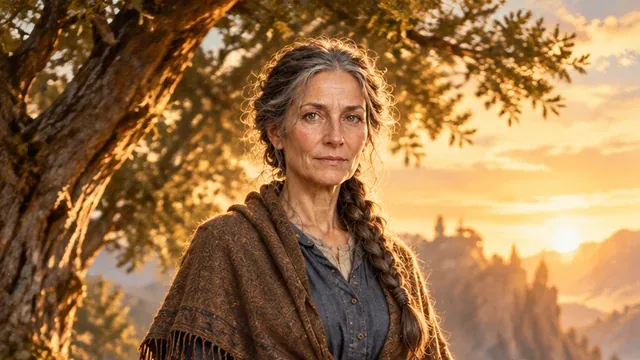
Wise women who knew herbs, childbirth and ancestral remedies. They gathered in nocturnal sabbaths at Zugarramurdi and many other places. Popular myth conceals behind them a tragic history of persecution and bonfires.
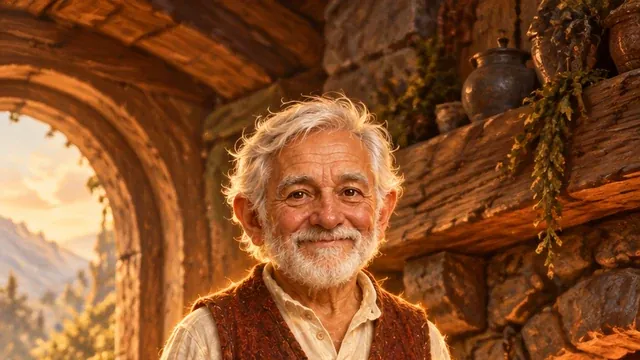
‘Those of the house’, protective spirits who dwell in each Basque farmhouse. They guard the hearth, the animals in the stable and the sleeping children. Offerings are left for them by the fire, and they remain tied to the family for generations.