Aralar range
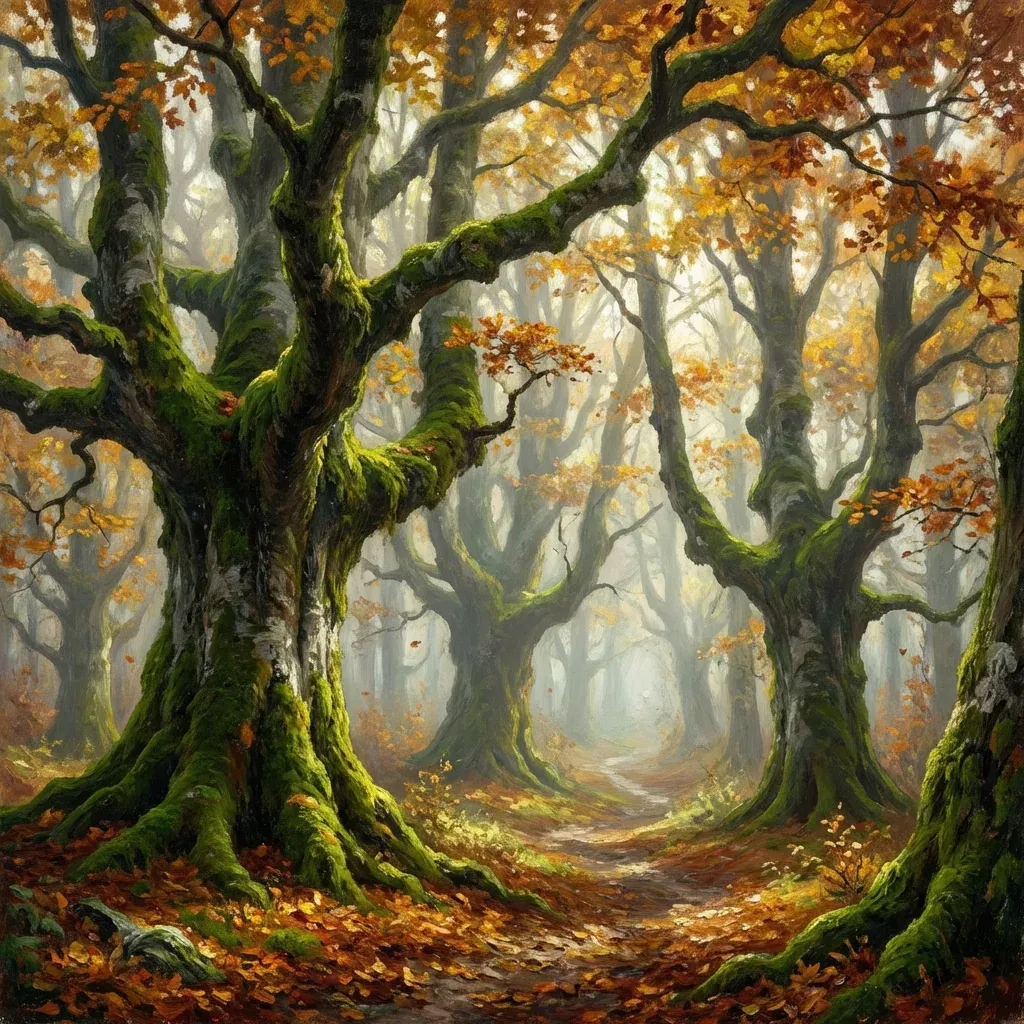
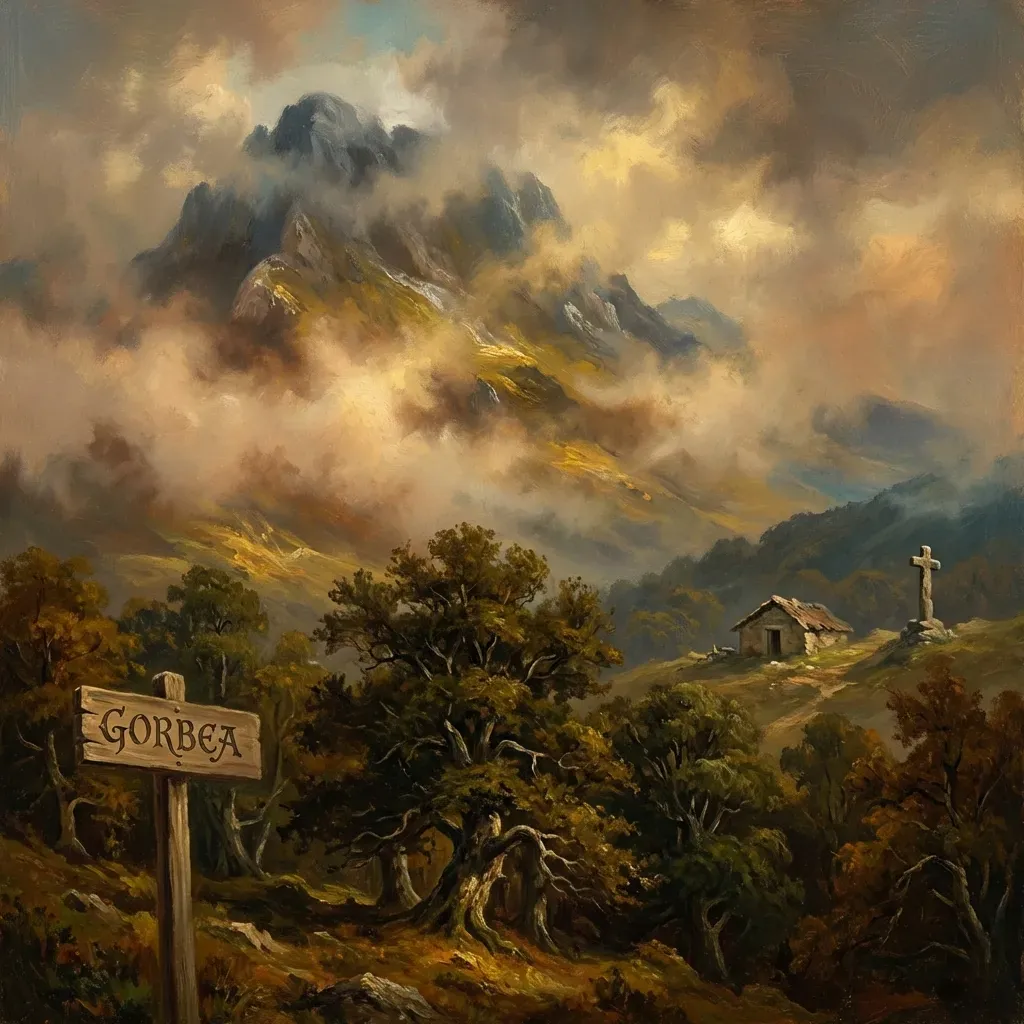
Mountains where tradition says Olentzero works making charcoal.
The charcoal burner of Christmas Eve
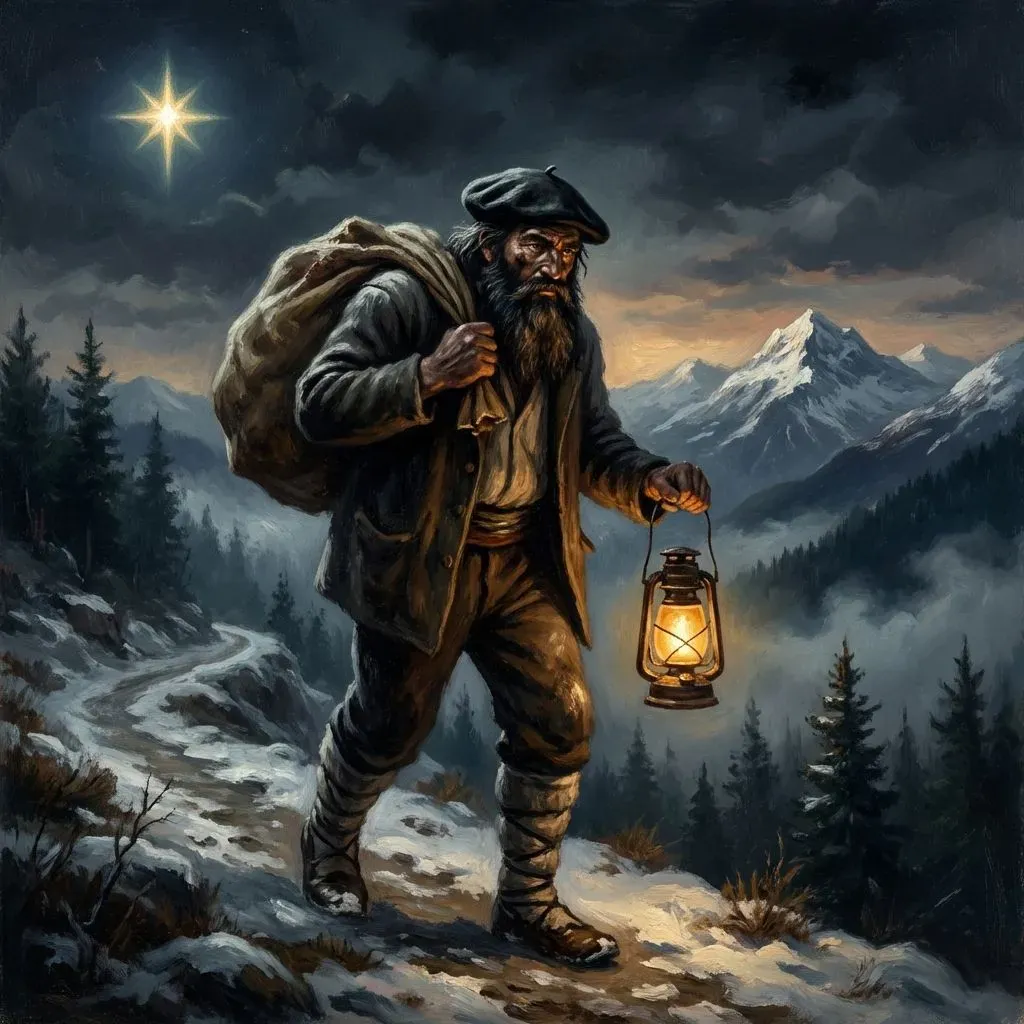
Olentzero is one of the most beloved figures of Basque tradition. He is portrayed as a stout charcoal burner with rosy cheeks, dressed in peasant clothes and wearing a txapela. According to tradition, he comes down from the mountains on Christmas Eve to bring gifts, joy and good cheer.
Although he is now associated with Christmas, his origins are much older. He represents the culmination of the winter solstice cycle, the rebirth of the sun and the arrival of longer days. He is a symbol of abundance, warmth and renewal.
The name Olentzero has a debated origin. Some relate it to olen, time of the good, or olentzaro, the season of the good. Other theories connect it to straw or oats, elements associated with winter rituals.
In different areas of the Basque Country he appears under variants such as Olentzaro, Olentzero, Orantzaro or Subilaro. Each region has preserved its own nuances of this ancestral figure.
Olentzero belongs to the oldest layer of Basque mythology and can be understood as the winter visitor of fire and renewal.
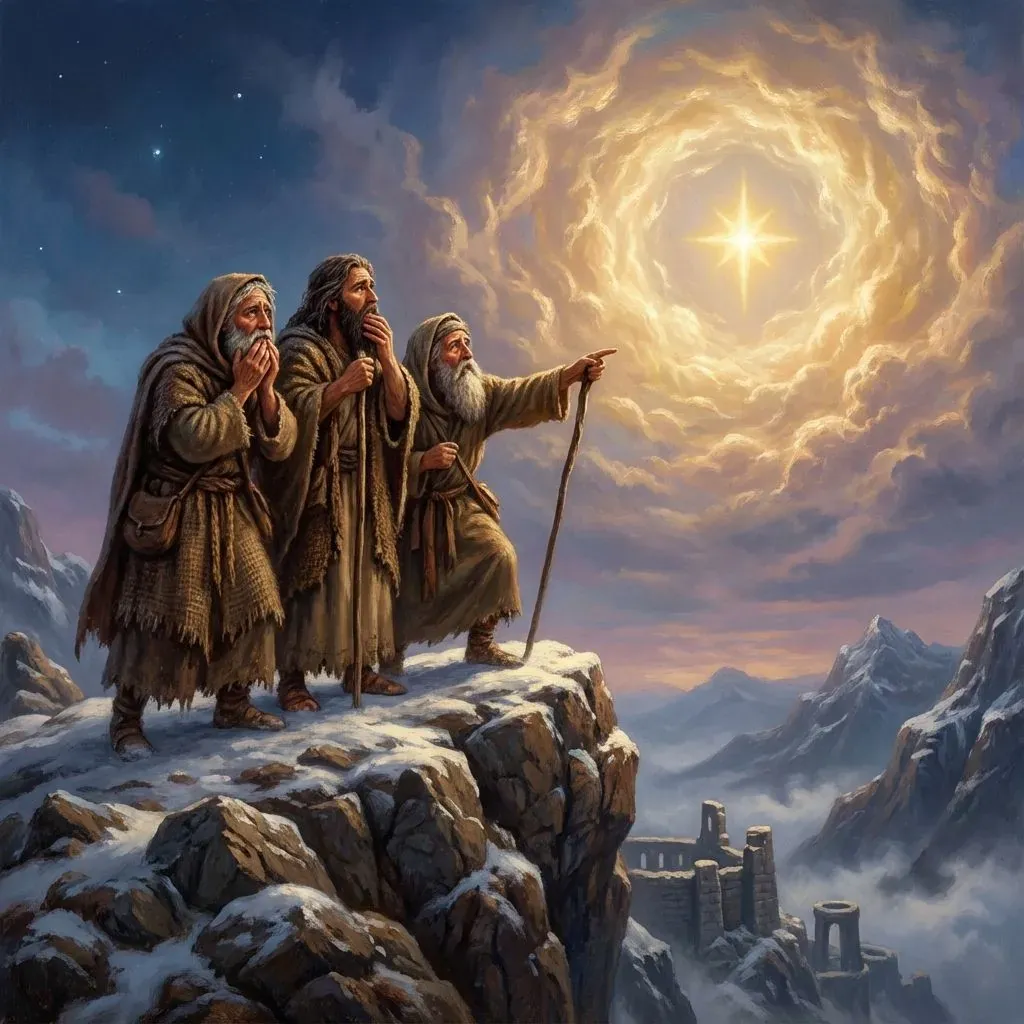
Its stories are closely tied to charcoal, mountain memory and communal celebration.
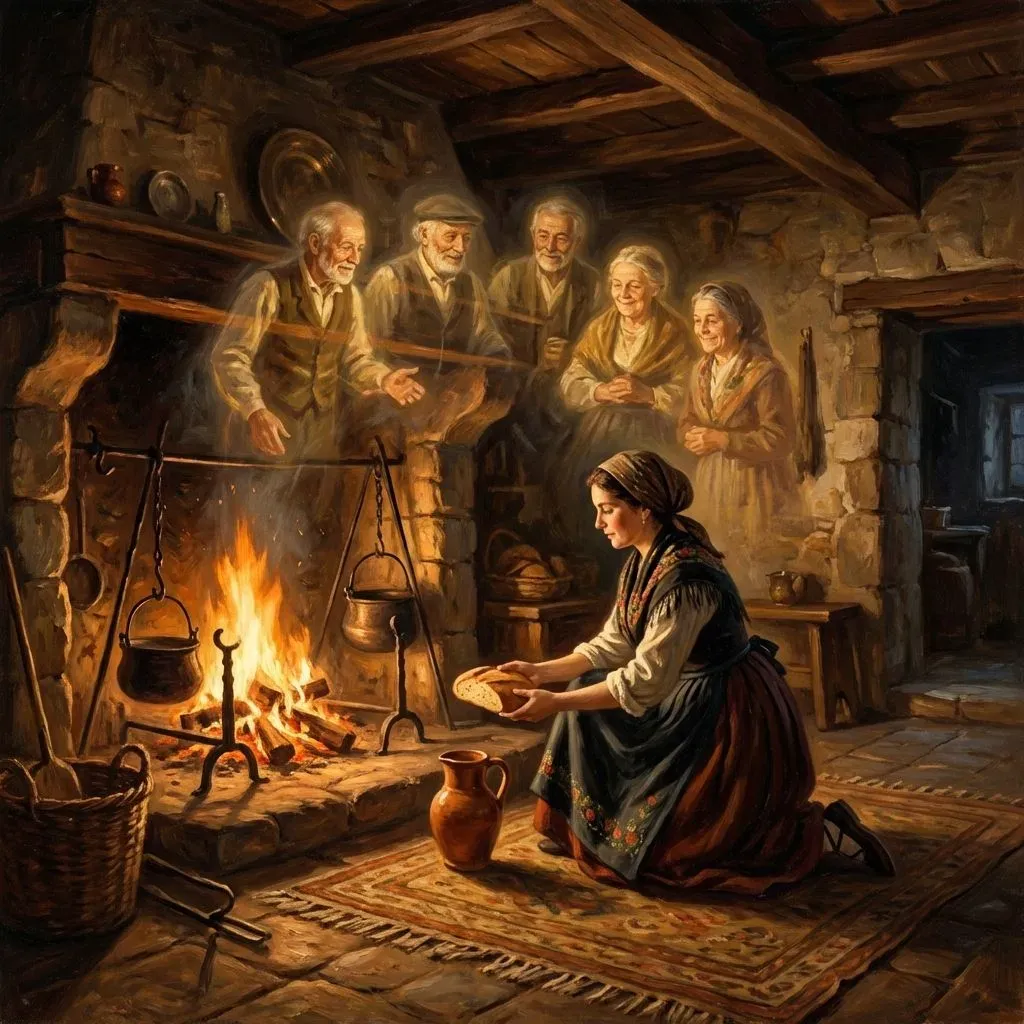
Again and again the tradition returns to winter rites, hearth, gifts and transformation.
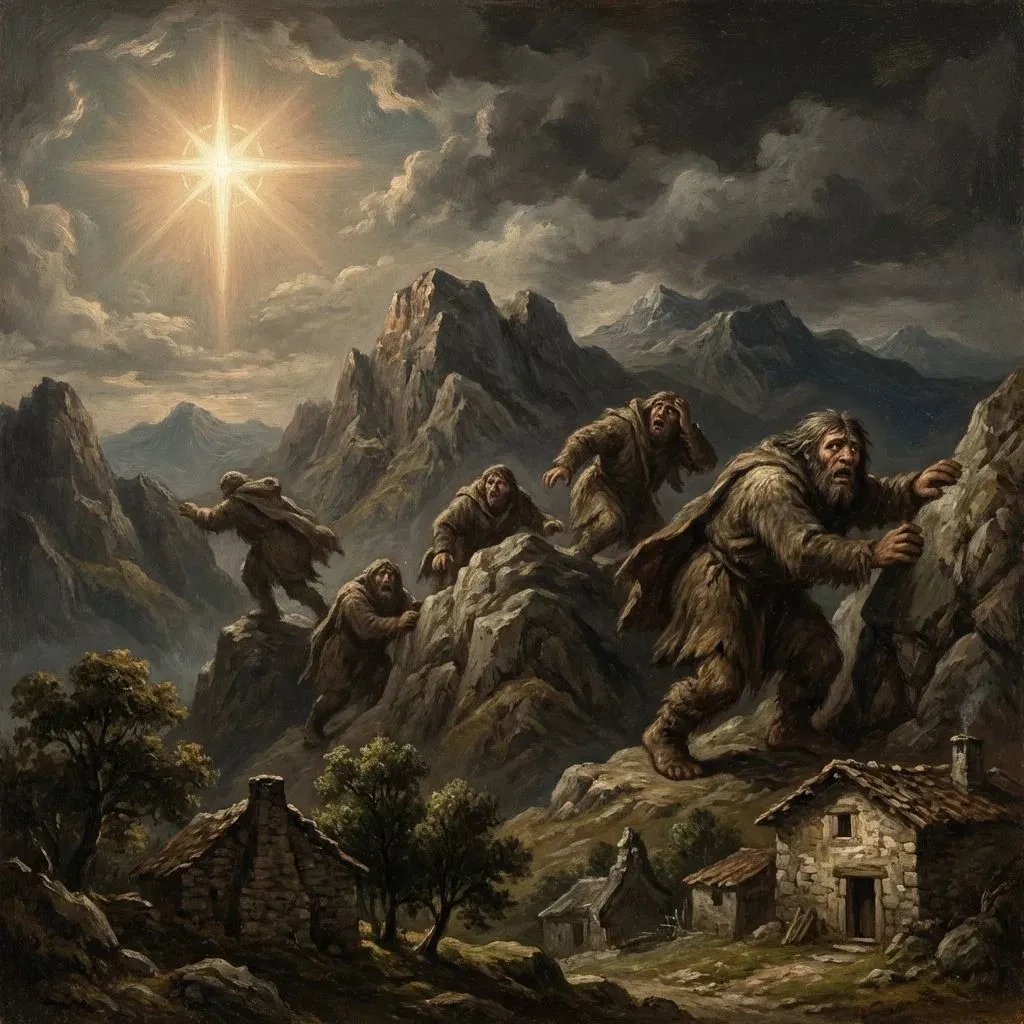
Rather than a decorative figure, Olentzero helps explain how the Basque world understood danger, order and sacred space.
In many versions, Olentzero marks a frontier between what belongs to human life and what must remain respected from a distance.
That is why the tales about Olentzero often combine fear, wonder and moral instruction in the same narrative movement.
The figure also preserves an older way of reading the landscape, where mountains, houses, storms or caves are never neutral settings.
Through Olentzero, myth gives shape to forces that cannot be seen directly but can still be felt in weather, place, memory and ritual.
Modern readers may approach Olentzero as folklore, yet the character still carries the logic of a living symbolic world.
In that sense, Olentzero remains a key doorway into the deeper structure of Basque imagination.