Teodosius of Goñi
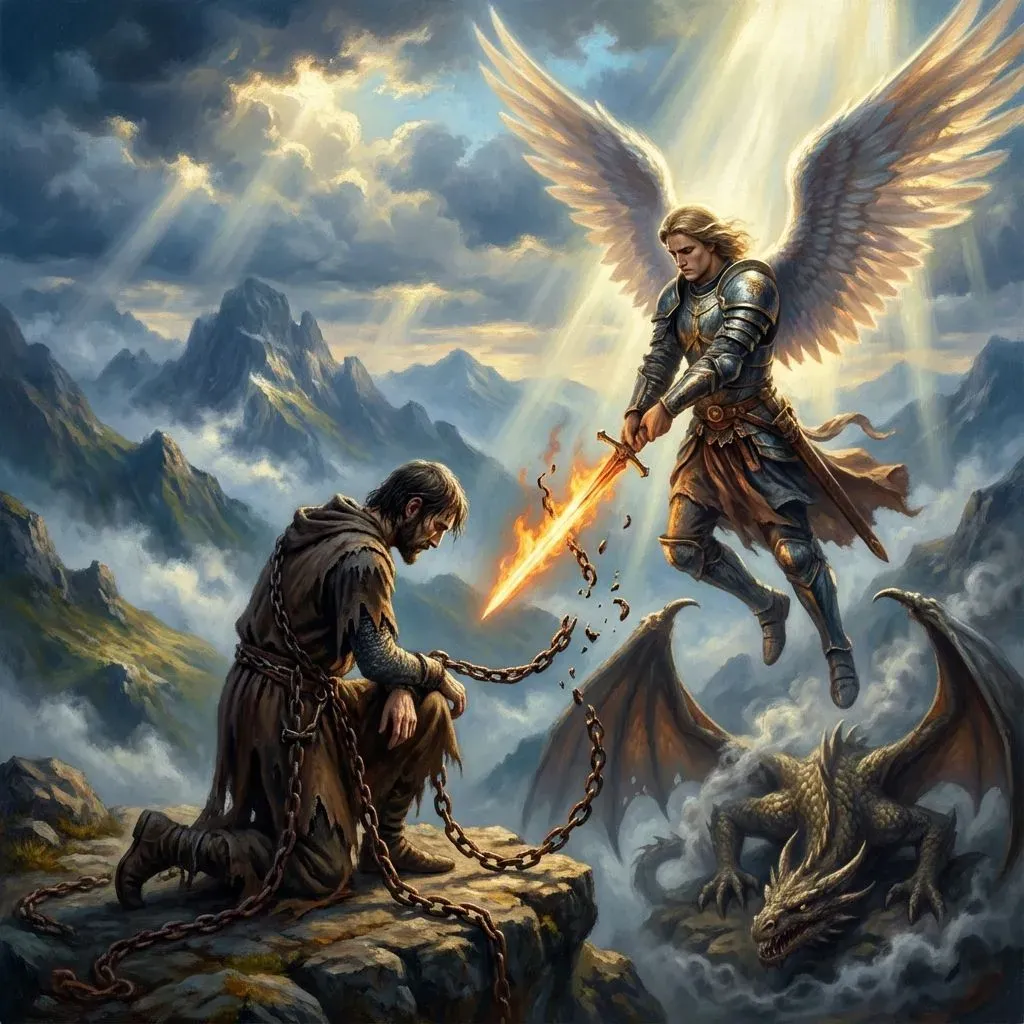
The Navarrese knight who, deceived by the devil, committed parricide and wandered in chains until Saint Michael freed him at Aralar.
— Nafarroa —
Ituren is a small village in the Malerreka valley, in the rainy northwest of Navarre, known above all for the Joaldunak festival, one of the oldest and most striking carnivals in the Basque Country. Its rural setting and deep ritual tradition make it a place of exceptional symbolic power.
The joaldunak are figures dressed in sheepskins who carry heavy bells on their backs. Their procession through the village streets, sounding the bells in a measured rhythm, is commonly understood as a rite of awakening, purification and communal protection at the end of winter.
The Joaldunak tradition, shared with the neighbouring village of Zubieta, has earned wide recognition as one of the great expressions of Basque intangible heritage. More than a festival, it preserves an ancient atmosphere in which mask, sound and movement still seem connected to the oldest layers of ritual memory.
Beyond carnival, Ituren has its own charm: centuries-old farmhouses, a handsome Romanesque church and a landscape of hills and meadows inviting gentle walks. The village has kept its cultural identity alive in an increasingly globalised world.
The Navarrese knight who, deceived by the devil, committed parricide and wandered in chains until Saint Michael freed him at Aralar.
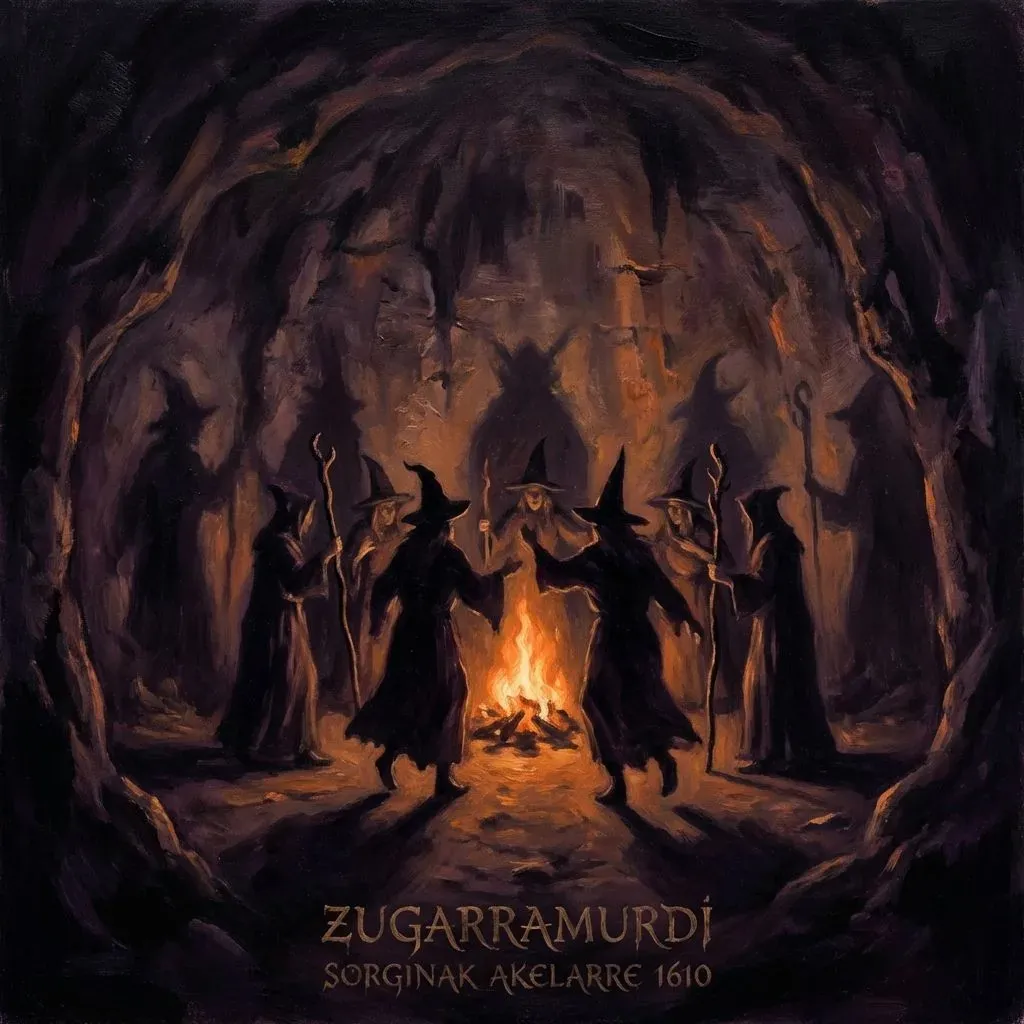
The famous inquisitorial trial of 1610 against the Navarrese witches who held akelarres in the sacred cave.
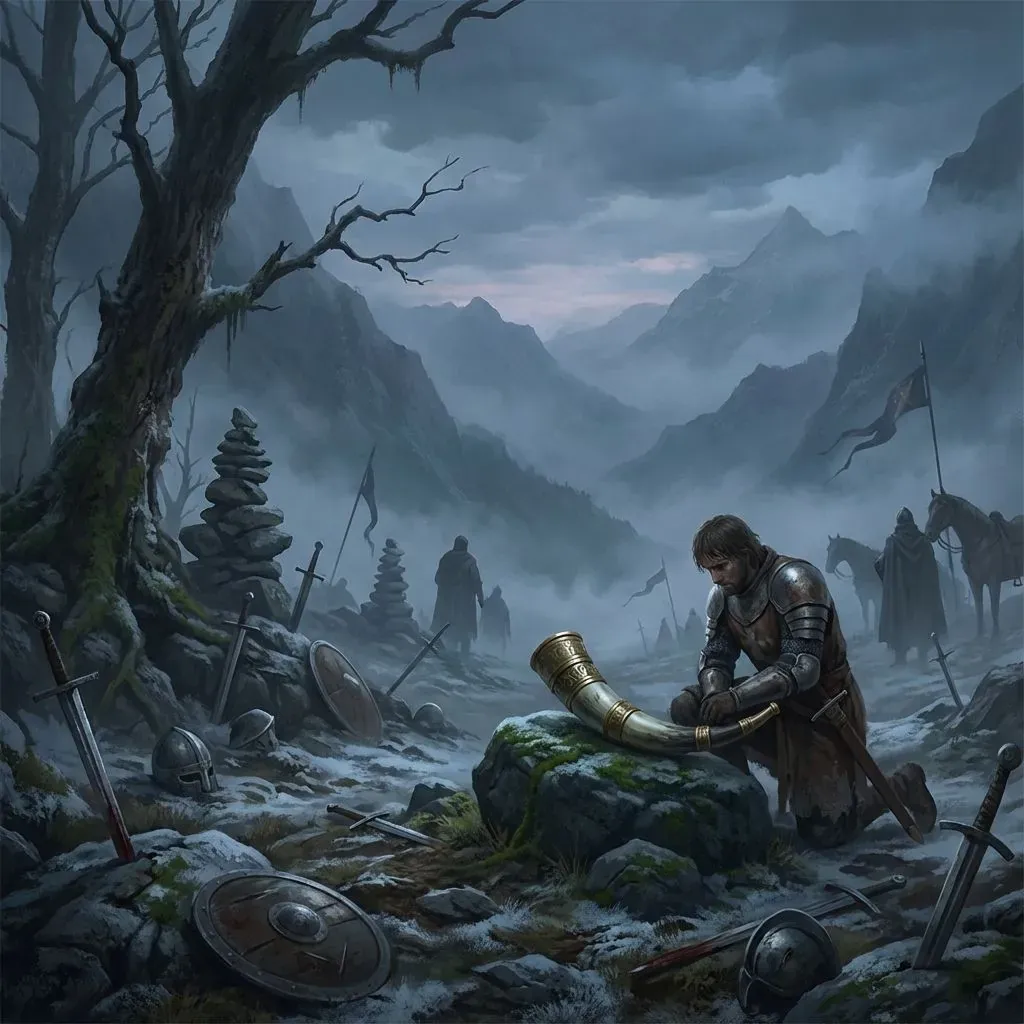
The Basque ambush against Charlemagne's army in the Pyrenean pass where the legendary Roland fell.
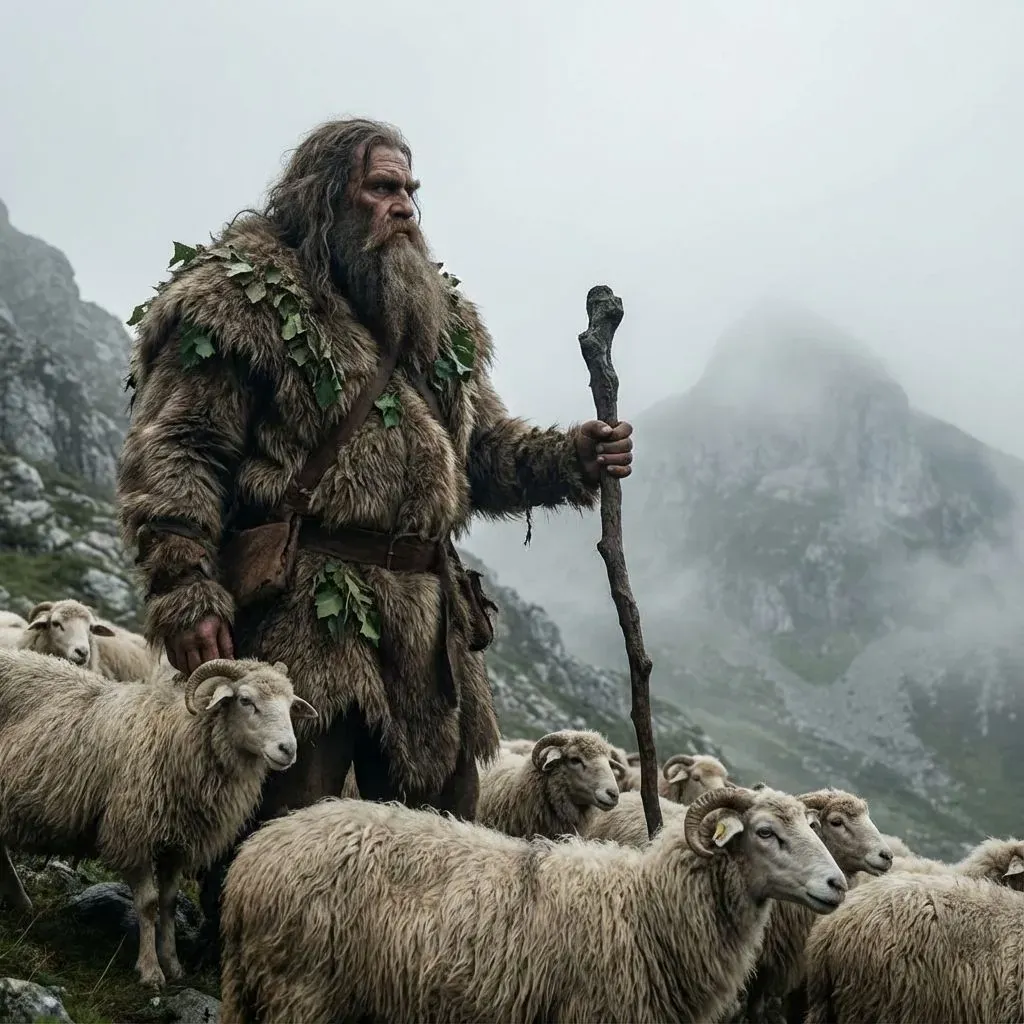
The shaggy giant who lives in the forests, protector of flocks and guardian of the secrets of agriculture and the forge.
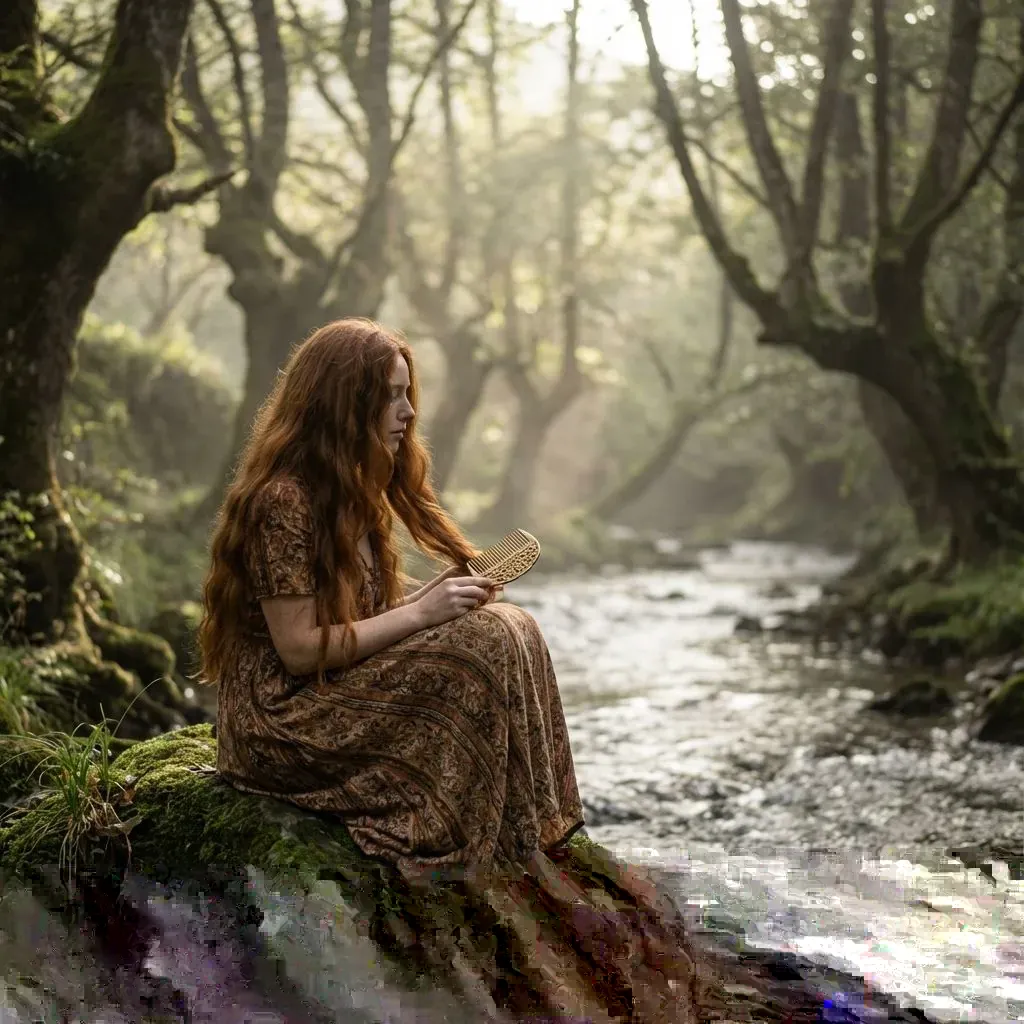
Seductive nymphs who dwell in rivers and springs, recognisable by bird feet or fish tails, combing their hair with golden combs.
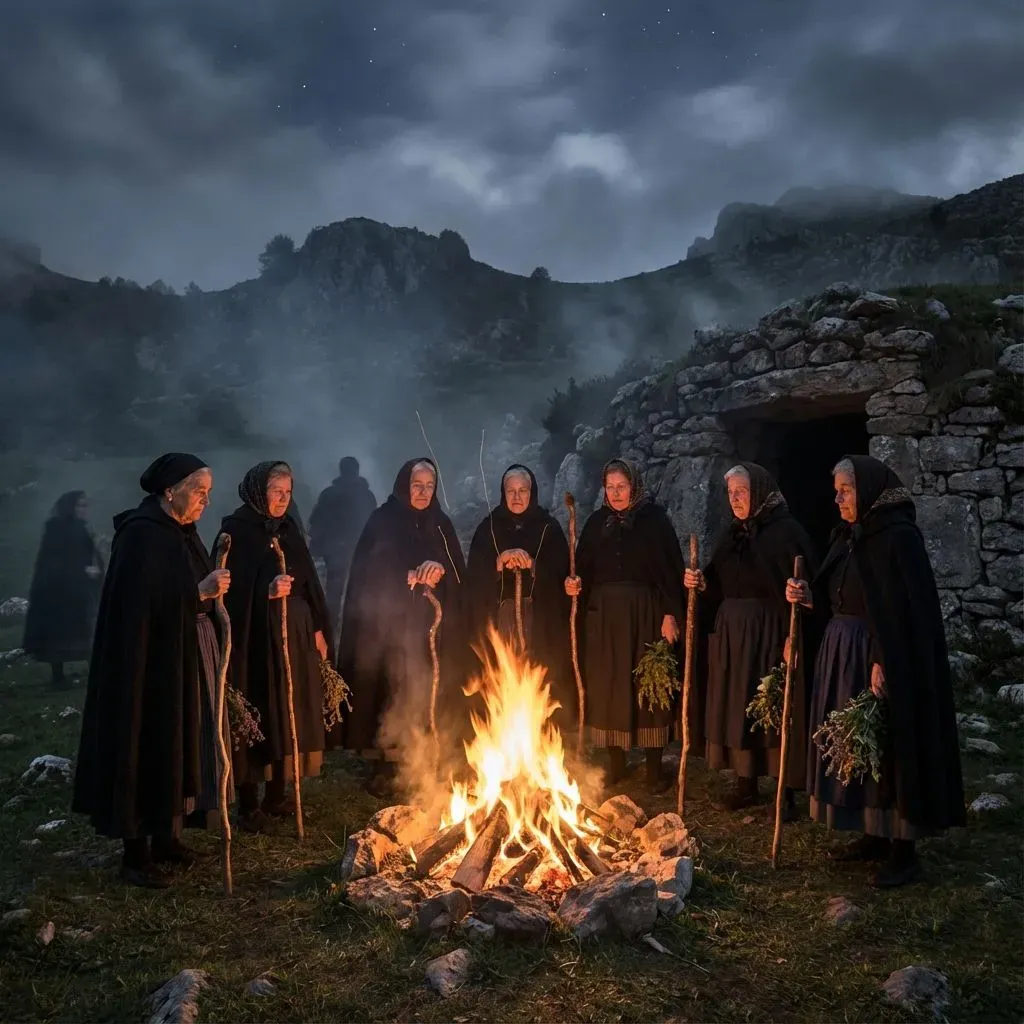
The Basque witches and wise women, priestesses of Mari who mastered potions, curses and the art of flying through the night sky.
Ituren, a small Navarrese village in the Bidasoa valley, shares with Zubieta one of the Iberian Peninsula’s most archaic and distinctive carnivals. The Joaldunak, literally bell bearers, lead this winter ritual: figures wearing sheepskins, covered heads and enormous bells tied to their backs process through both villages over two days in January.
The Joaldunak sound their bells thunderously as they advance in line between the villages. The most widespread ethnological interpretation sees this as awakening nature from its winter sleep and driving out evil spirits allowed to settle during the seasonal darkness. The sound’s volume and rhythm are essential parts of the ritual, rather than mere accompaniment.
Basque folklore researchers have noted parallels between the Joaldunak and ancestral processions in other European winter traditions, where the dead temporarily return at seasonal transitions. The sheepskins, suggesting a state between human and animal, and covered heads reinforce the interpretation of figures temporarily belonging to more than one world.
The carnival of Ituren and Zubieta is among Basque folklore’s most extraordinary experiences. The overwhelming sound of bells, the procession’s slow progress along muddy winter roads and the watching crowd’s silence create an atmosphere that resists every rational explanation one might offer.