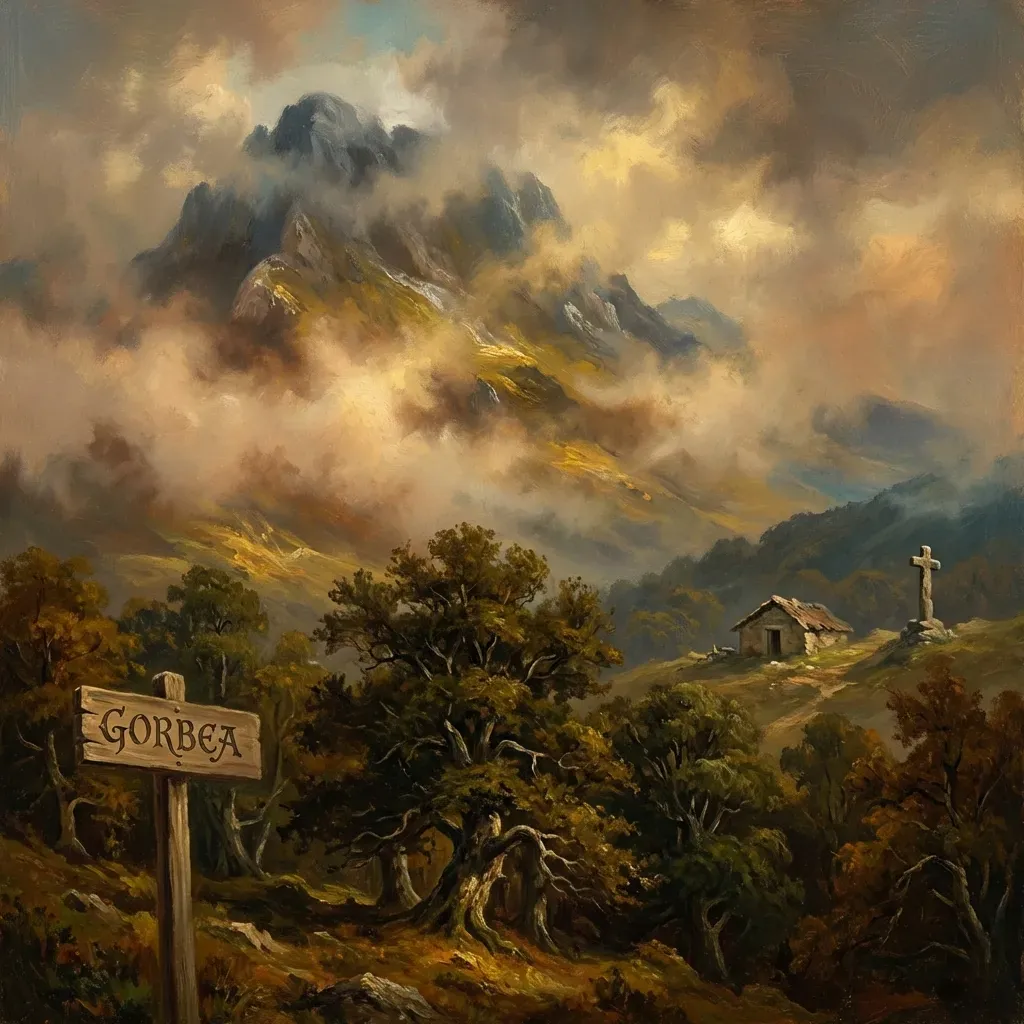
Zugarramurdi cave
The setting of the darkest trials against the Sorginak.
Wise women
The Sorginak were wise women who mastered natural remedies and ancestral secrets of the Basque land. Healers, midwives and deep knowers of nature, they were persecuted and unjustly accused of witchcraft when older knowledge became suspect.
According to demonised tradition, they gathered at akelarres on marked nights, flying on heather brooms or anointing themselves with magical ointments. Zugarramurdi became the scene of the darkest trials against them in 1610, when fear and repression transformed healing knowledge into a crime.
The setting of the darkest trials against the Sorginak.
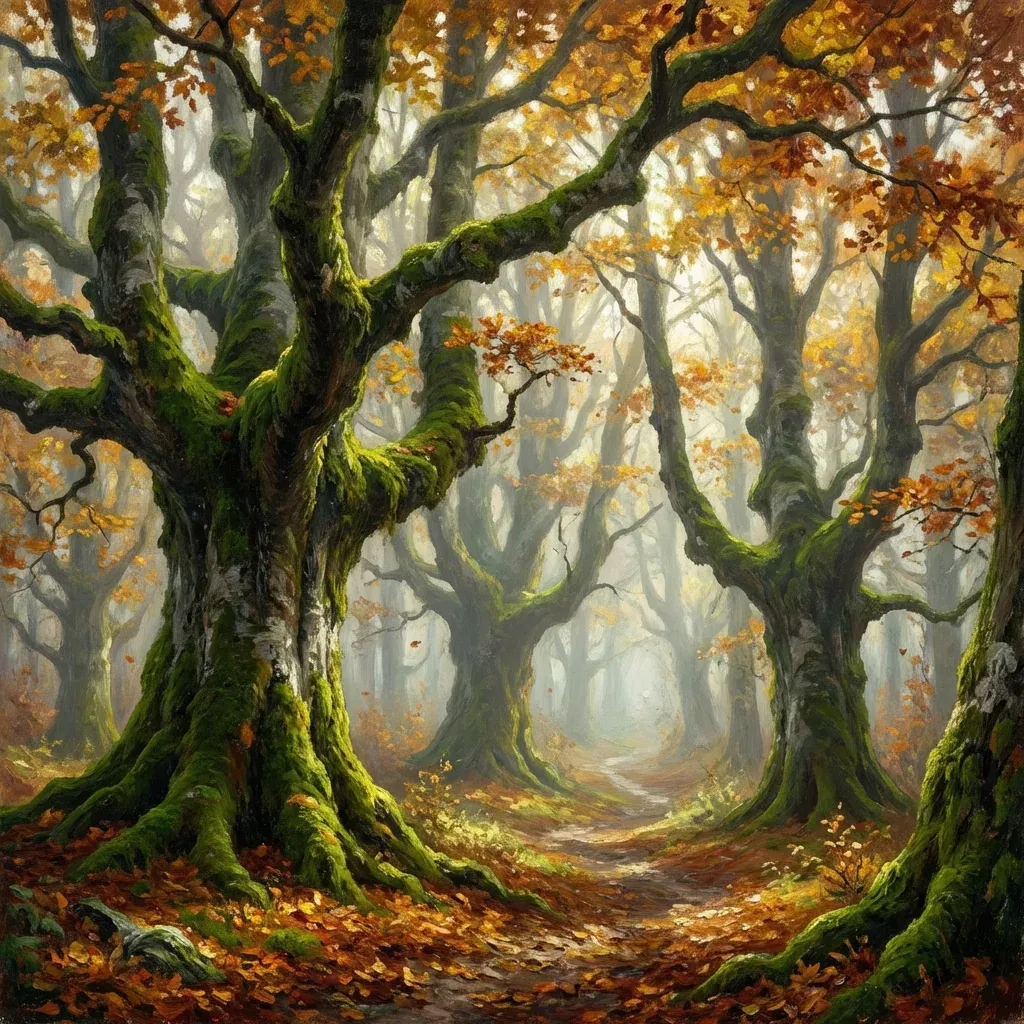
Meadows where nocturnal ritual gatherings were said to take place.
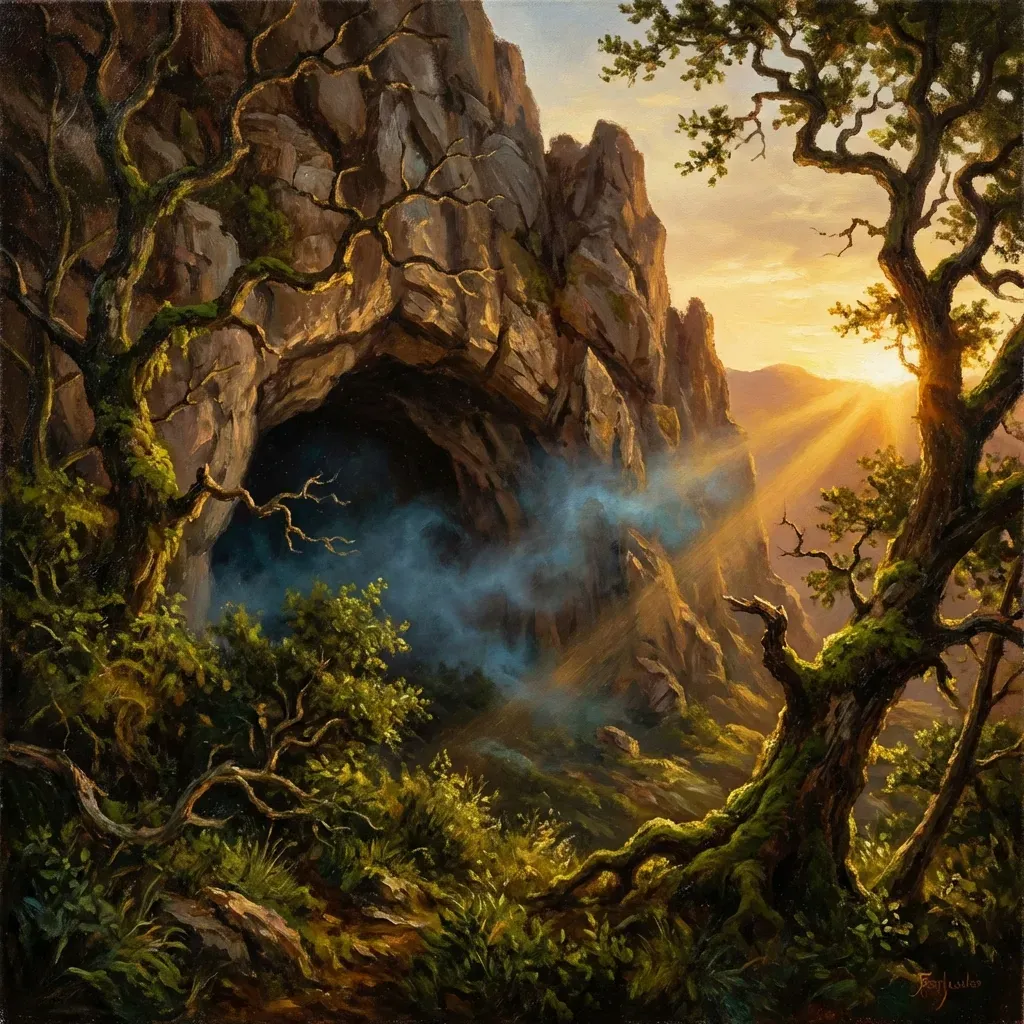
Places where the Sorginak gathered herbs for their remedies.
The name Sorgin is often linked to Basque roots connected with creating and bringing forth, which points to an older image of these women as healers, midwives and ritual specialists.
The Sorginak were wise women familiar with herbs and remedies. Inquisitorial persecution demonised them, and the Logroño auto-da-f of 1610 against the witches of Zugarramurdi remains one of the best-known episodes.
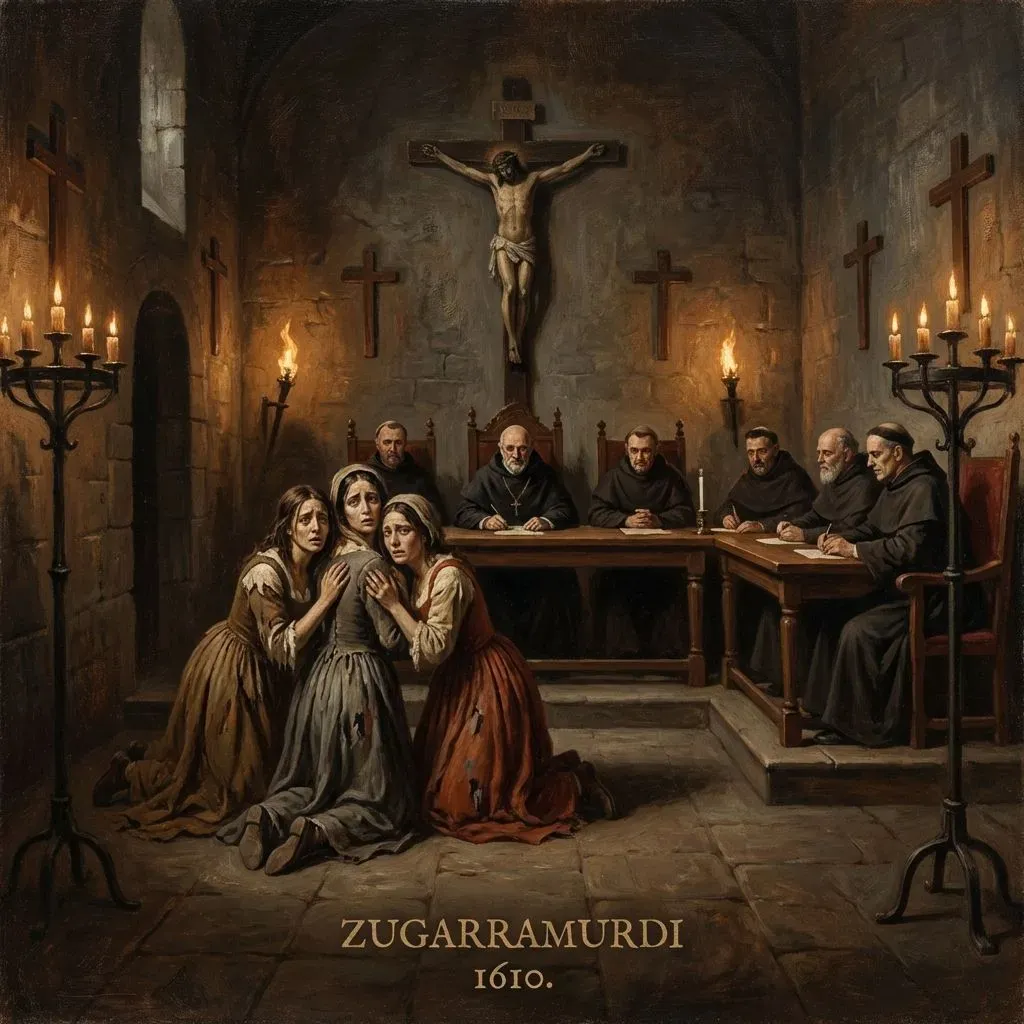
The Inquisition’s persecution of Basque wise women.
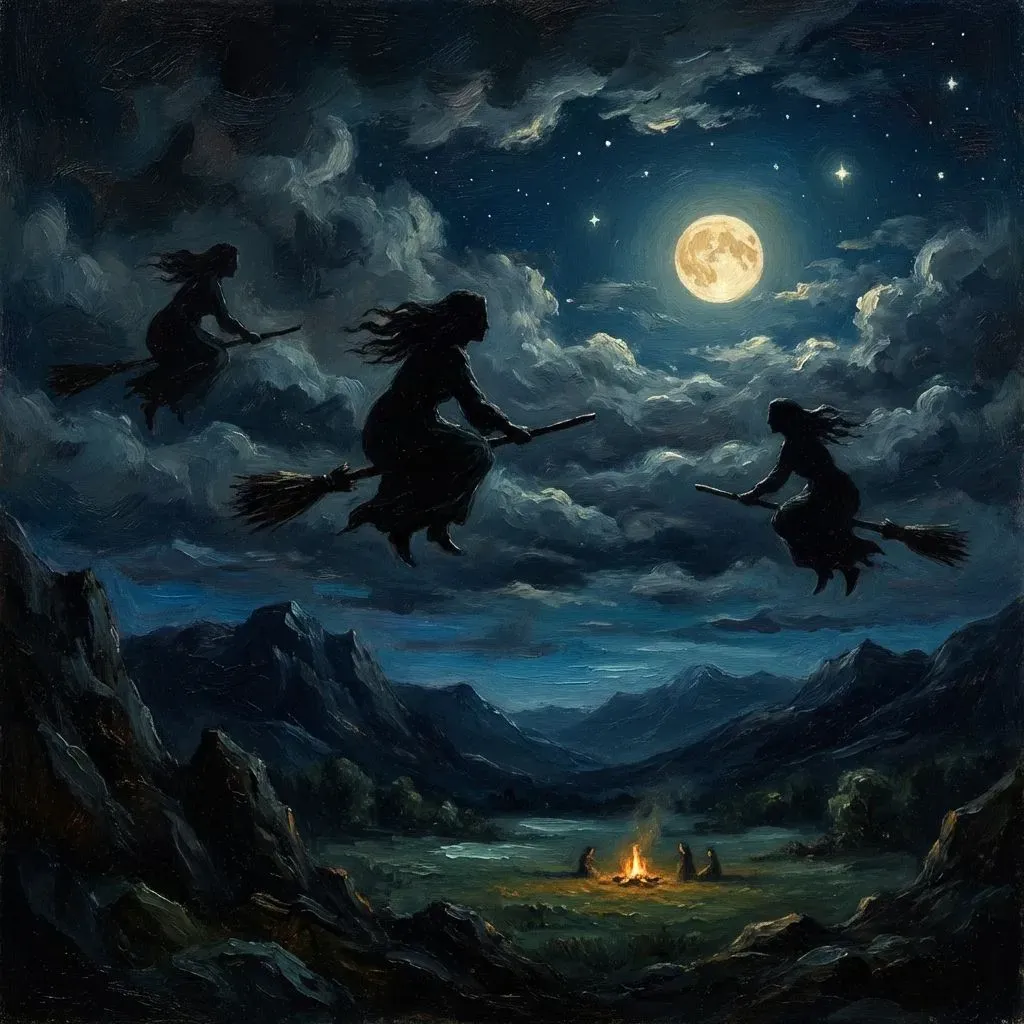
Sorginak belongs to the oldest layer of Basque mythology and can be understood as women of ritual power, healing and later persecution.
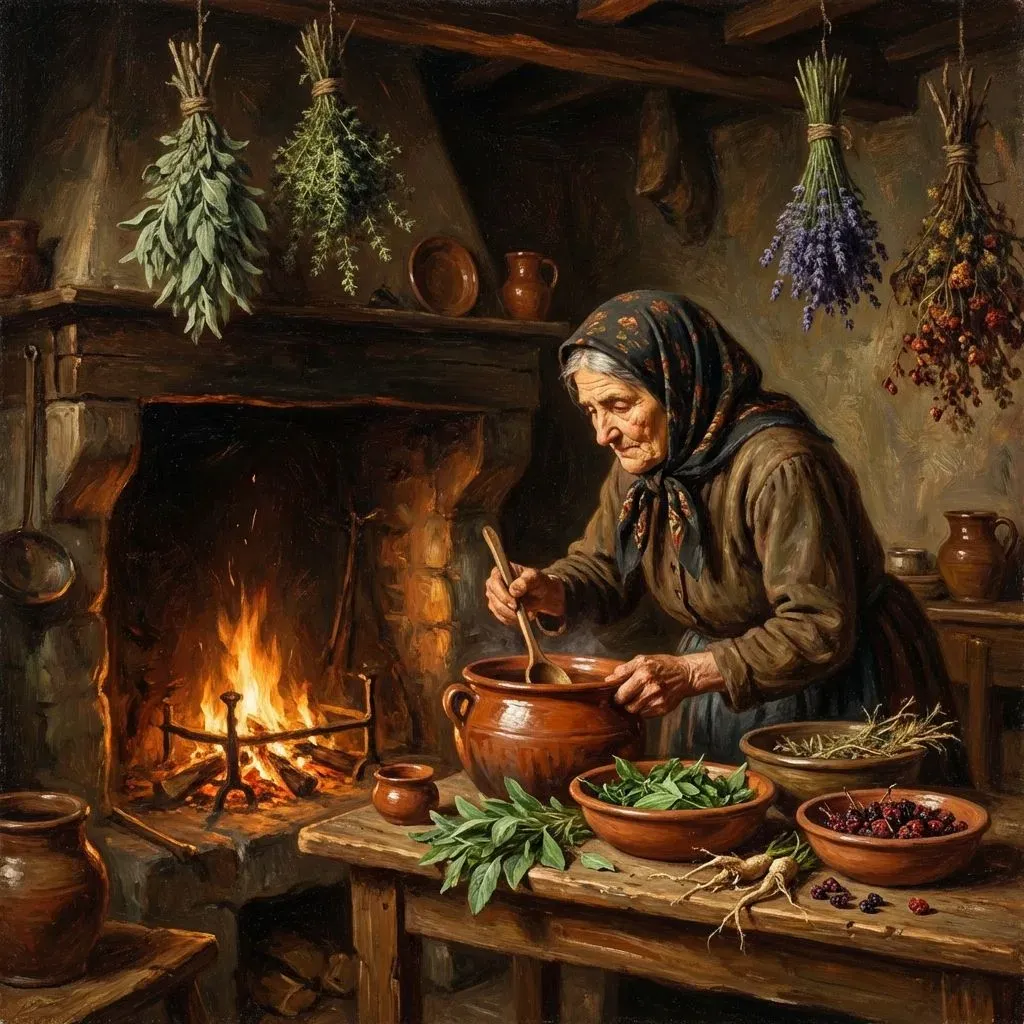
The herbal and healing knowledge preserved by these wise women.
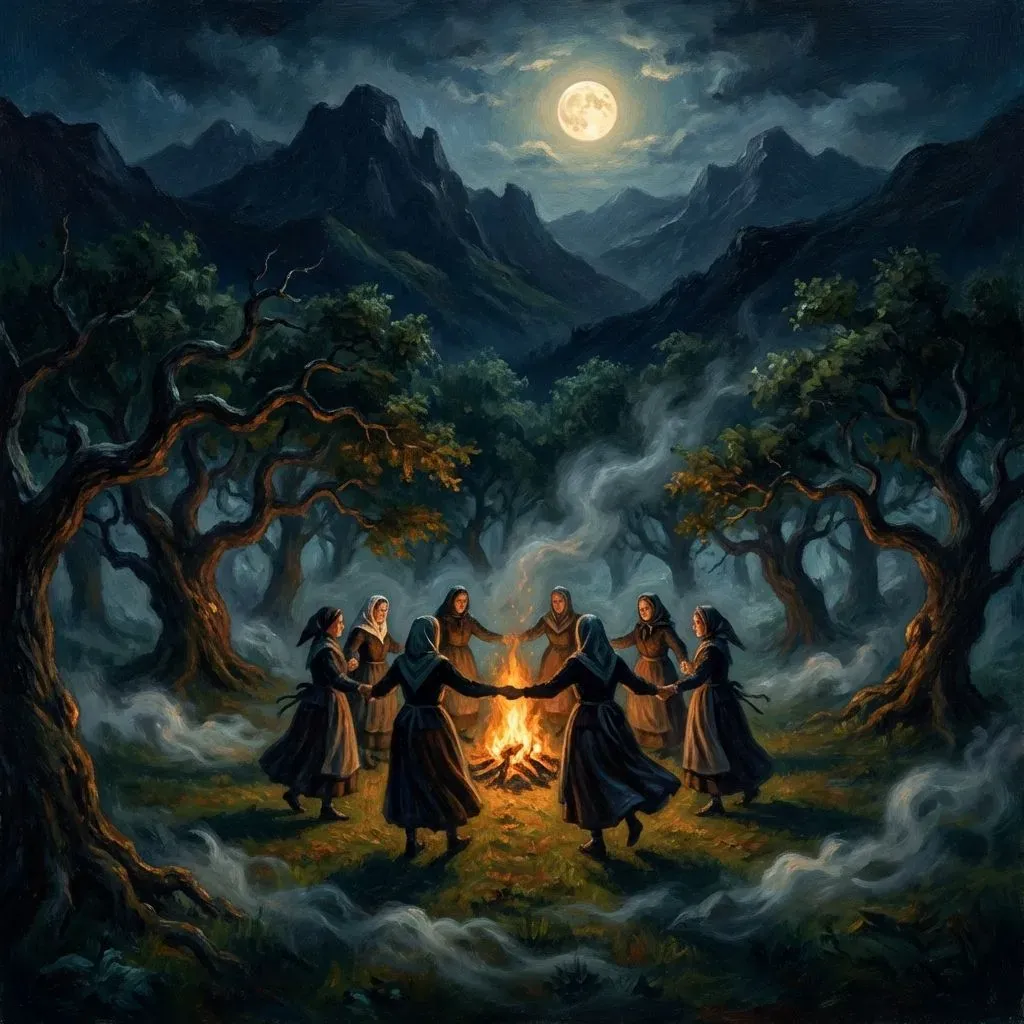
Its stories are closely tied to akelarre, healing, fear and female knowledge.
Again and again the tradition returns to flight, ointments, moonlit meetings and repression.
Rather than a decorative figure, Sorginak helps explain how the Basque world understood danger, order and sacred space.
In many versions, Sorginak marks a frontier between what belongs to human life and what must remain respected from a distance.
They worshipped the all-powerful Mother Nature, Mari, in wild caves through quiet underground rites, alongside figures such as Akerbeltz, the billy goat who was their natural protector rather than the devil.
That is why the tales about Sorginak often combine fear, wonder and moral instruction in the same narrative movement.
The figure also preserves an older way of reading the landscape, where mountains, houses, storms or caves are never neutral settings.