Cave of Zugarramurdi
The legendary setting of the sabbaths.
The persecution of Basque wise women
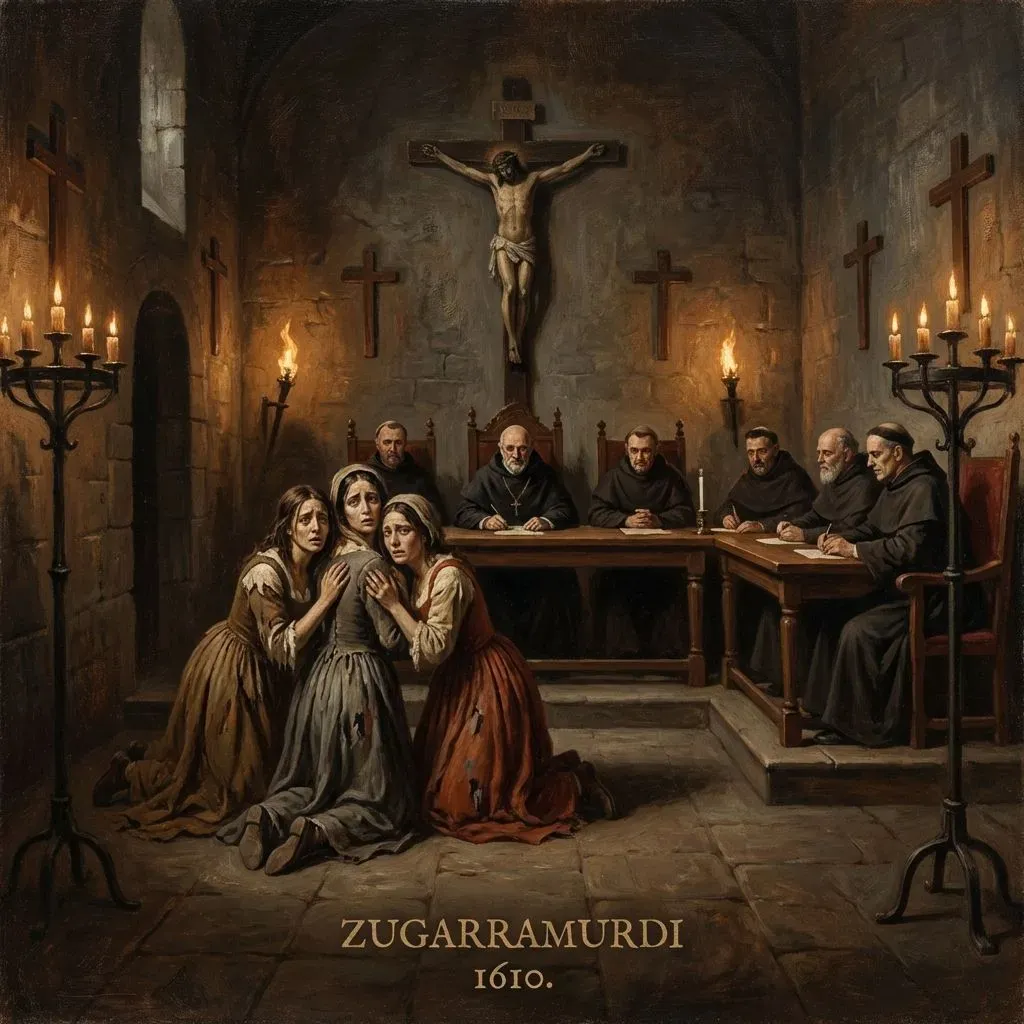
In 1610, the small village of Zugarramurdi, on the Navarrese border with France, became the setting for one of the darkest episodes in Basque history. The Spanish Inquisition, convinced it had uncovered a nest of witches, prosecuted hundreds of villagers accused of demonic pacts and nocturnal sabbaths.
Those accused were mostly Sorginak: wise women skilled in healing herbs, midwives who assisted births, and healers who eased suffering with traditional remedies. But the inquisitorial gaze saw in their ancestral knowledge only proof of witchcraft and dealings with the devil.
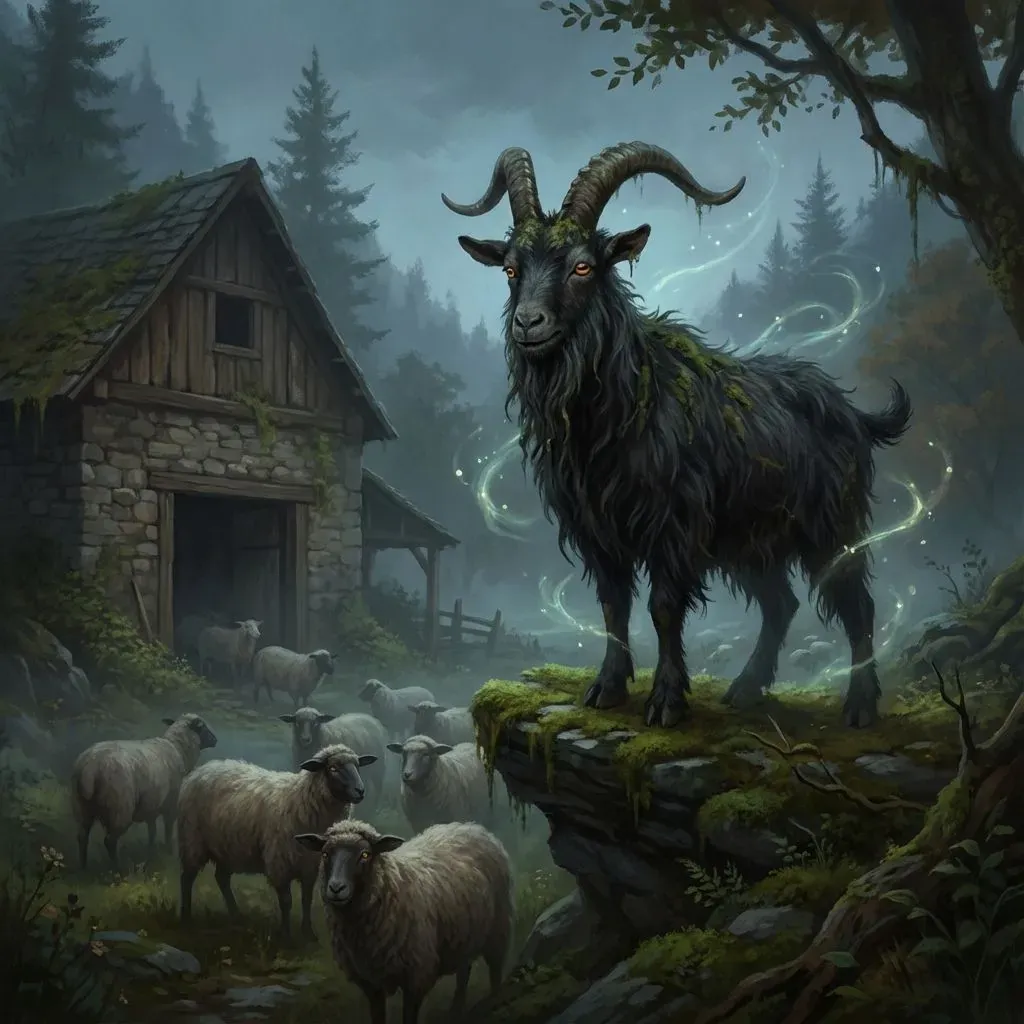
It was said that they flew at night on heather brooms to the cave of Zugarramurdi, where they celebrated akelarres before the devil in the shape of a goat. Ointments, animal transformations, and curses against neighbors filled the testimonies. Yet what likely persisted in those meadows were remnants of older pagan rites that had survived centuries of Christianization.
The auto-da-fe of Logroño in November 1610 condemned eleven people to death, five of whom were burned alive. But the inquisitor Alonso de Salazar Frias, after a thorough investigation, declared that he had found no real proof of witchcraft. His report was so decisive that the Spanish Inquisition never again launched a true witch hunt.
The legendary setting of the sabbaths.
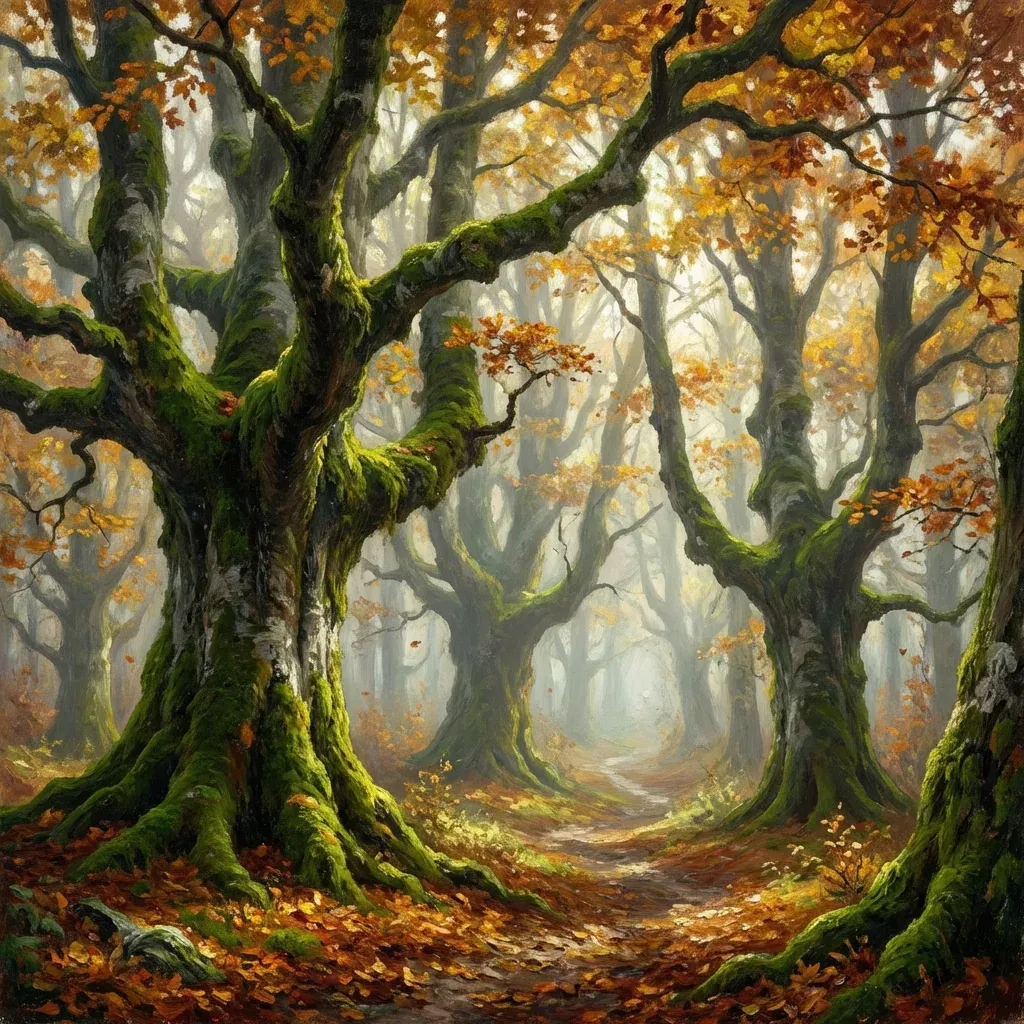
Akelarrea, where ritual gatherings were said to take place.
In November 1610, eleven people were condemned by the inquisitorial tribunal of Logroño, accused of practicing witchcraft in connection with Zugarramurdi. Six burned in effigy because they had died during the proceedings, while the others were publicly humiliated and punished.
The testimonies gathered during the interrogations described nocturnal sabbaths, flying ointments, and adoration of the goat in ceremonies that mixed surviving pagan memories with the fearful fantasies of their interrogators. Reality and invention fused under torture and panic.
The inquisitor Alonso de Salazar Frias personally reviewed more than eighteen hundred cases in the region and concluded that there was no real evidence of witchcraft. His skeptical intervention halted the wave of persecution.
Today the caves of Zugarramurdi remain a place of memory visited by thousands. The story of the victims, most of them poor and marginalized women, remains a lasting reminder of the price paid by those who do not fit the model demanded by power.