Basque forests
The origin of traditional Basque medicine.
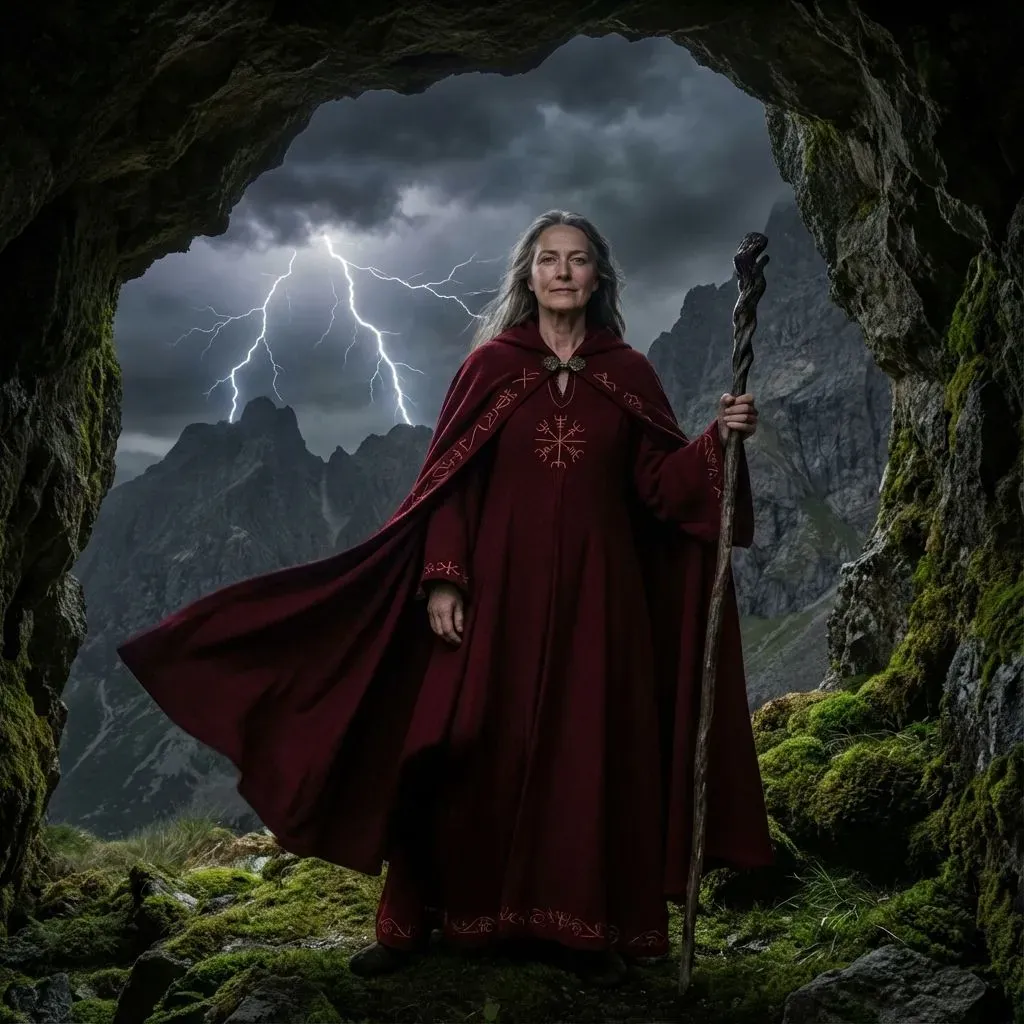
The healing wisdom of wise women
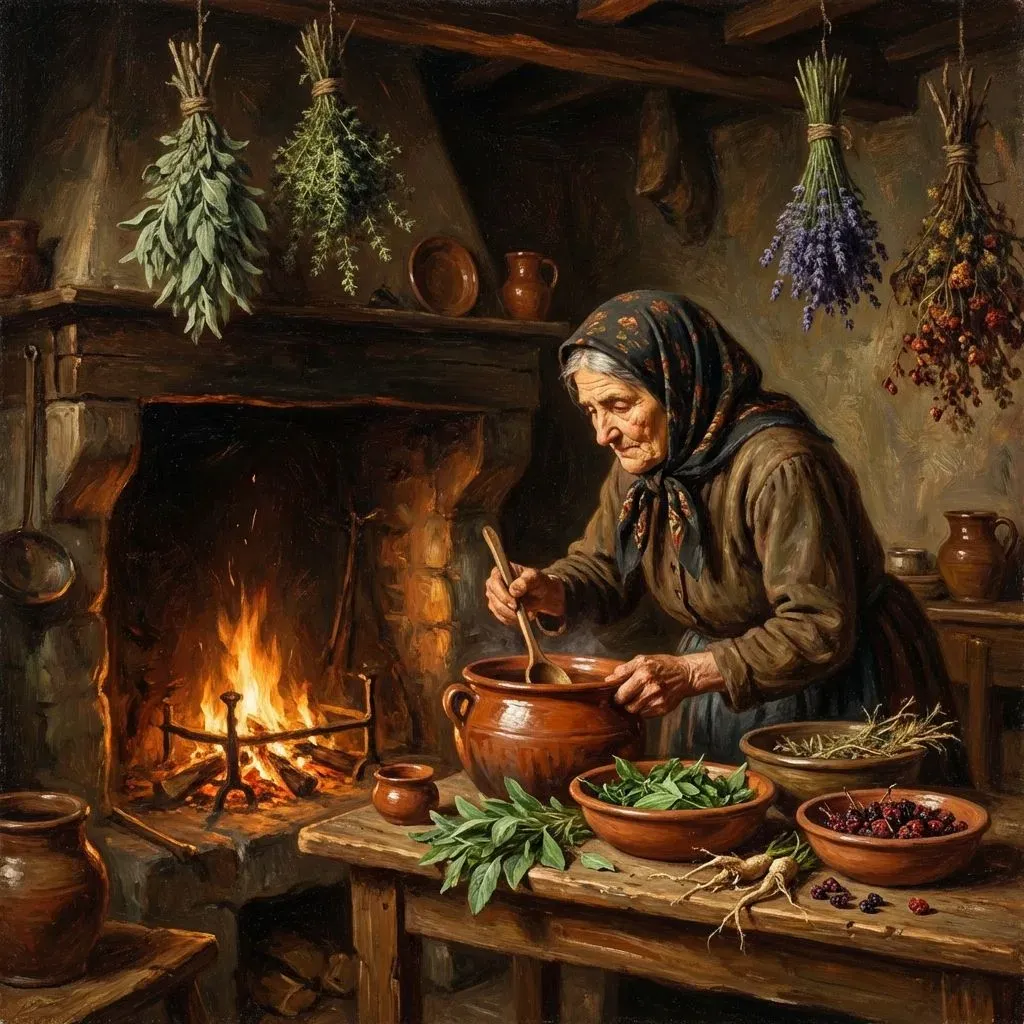
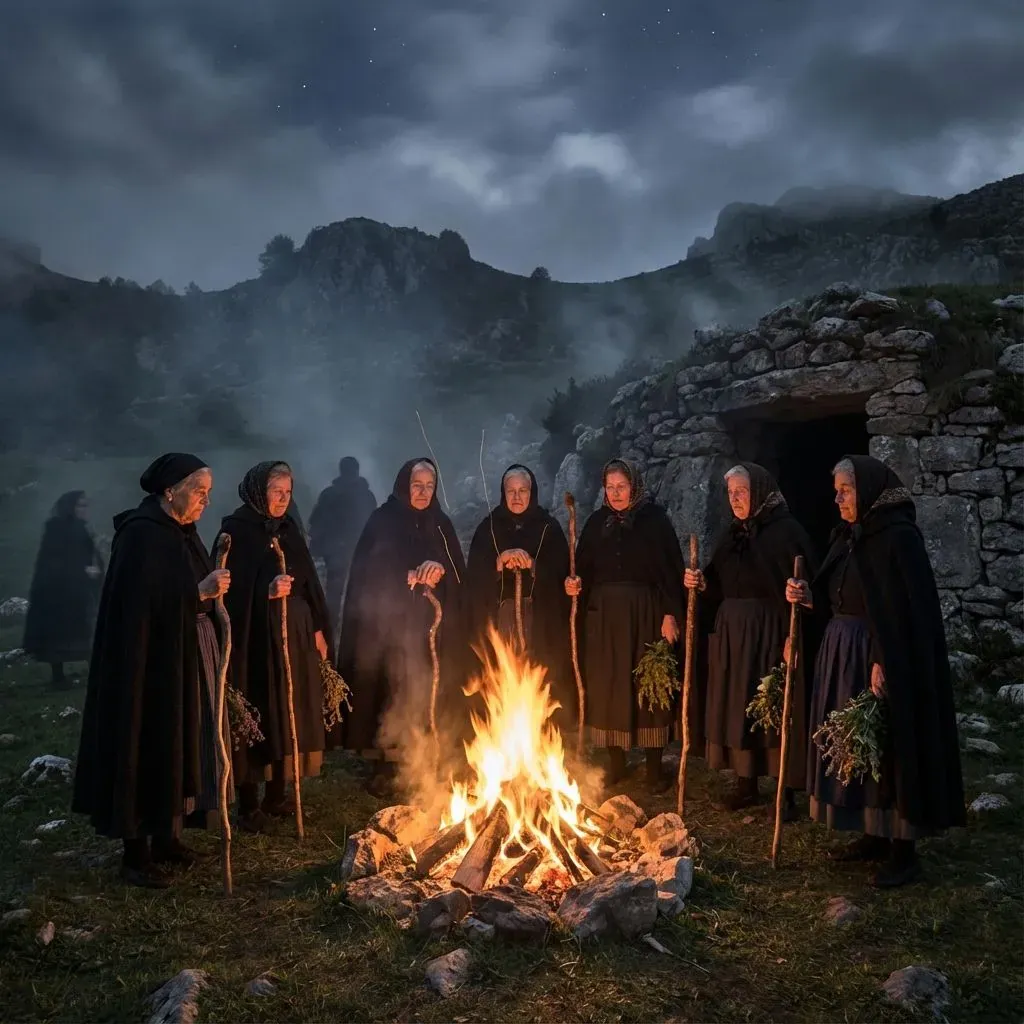
Before physicians with university titles arrived, the Sorginak were the guardians of health in Basque villages. They knew every mountain plant, every root growing beside the streams, every mushroom sprouting in the oak woods. They knew when to gather herbs so they would preserve their strength and how to prepare them for each illness.
Chamomile for stomach pain. Rosemary for memory. Valerian for sleeplessness. St John?s wort for wounds. Nettle to purify the blood. This knowledge passed from mother to daughter, from grandmother to granddaughter, in an unbroken chain of female wisdom reaching back into immemorial times.
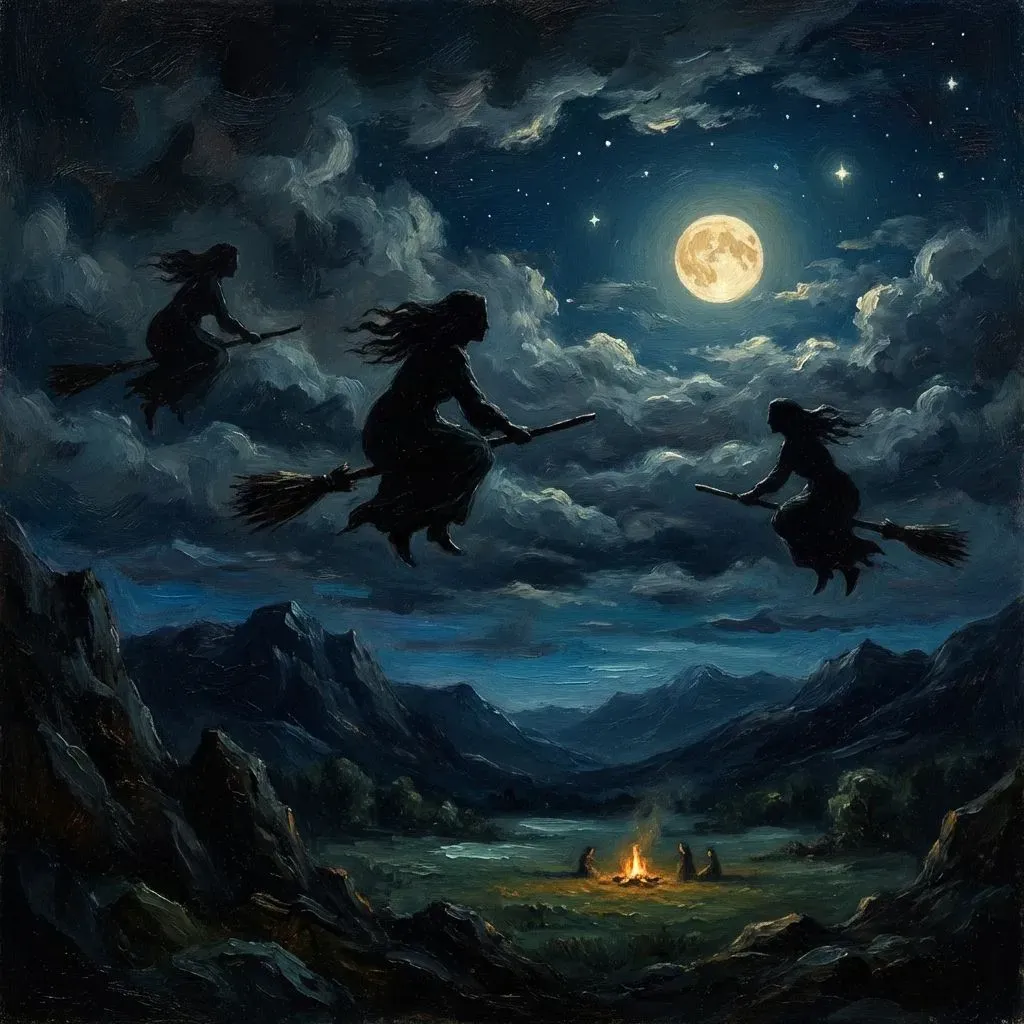
When someone fell ill, it was first to the village Sorgin that people turned. She examined the patient, prepared poultices and infusions, and often achieved cures that seemed miraculous. But what for villagers was a blessing became suspicion of witchcraft in the eyes of the Church.
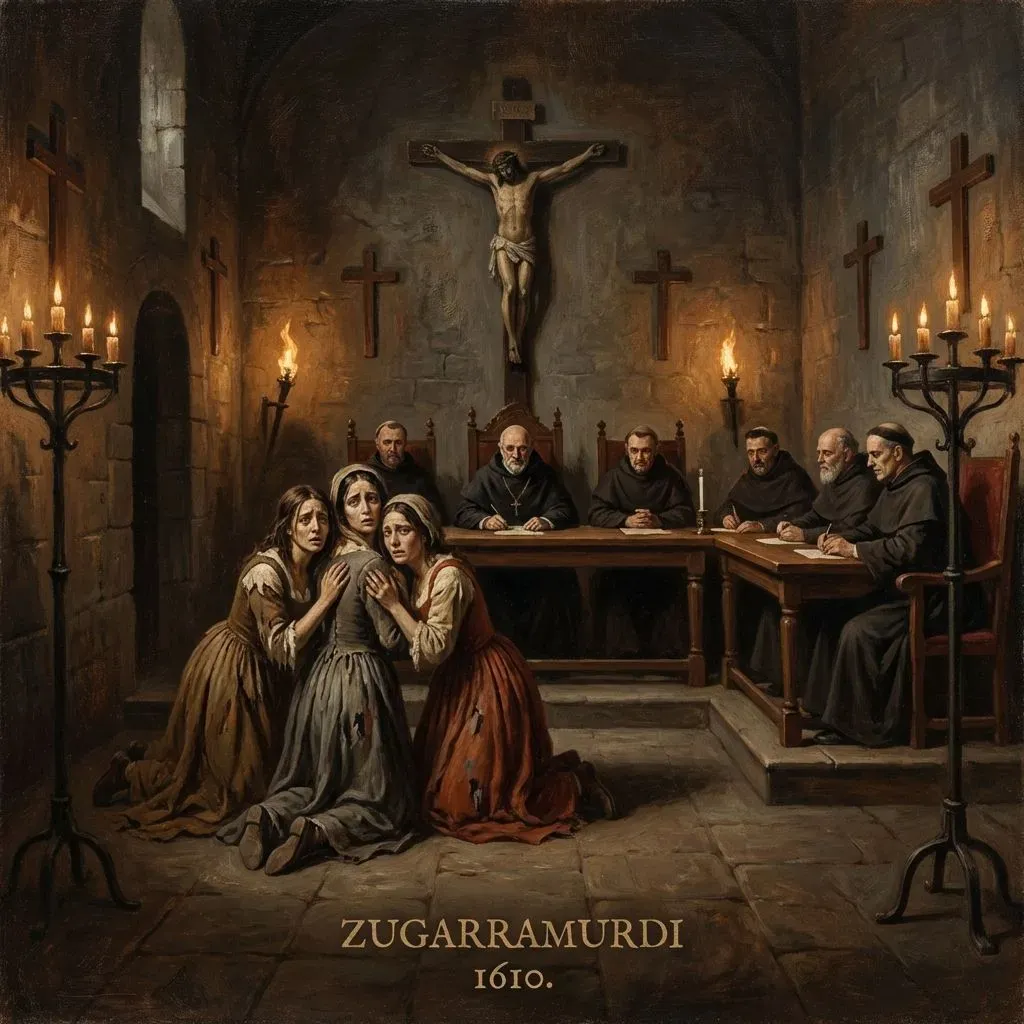
How could a simple woman heal what men could not' It had to be a pact with the devil, they said. Thus the healers were persecuted, and much of their knowledge was lost in the fires of the Inquisition. Yet not all vanished: some remedies survived, passed on in secrecy, and today phytotherapy acknowledges the value of that wisdom once called witchcraft.
The origin of traditional Basque medicine.
Why healers were persecuted.
The transmission of knowledge between women.
Where the Sorginak gathered healing plants.
Homes where remedies were prepared and administered.
In every old Basque village there was for centuries a woman who knew what others did not. She knew the plants of shade and riverbank, which to combine to lower fever, relieve toothache or help in a difficult birth.