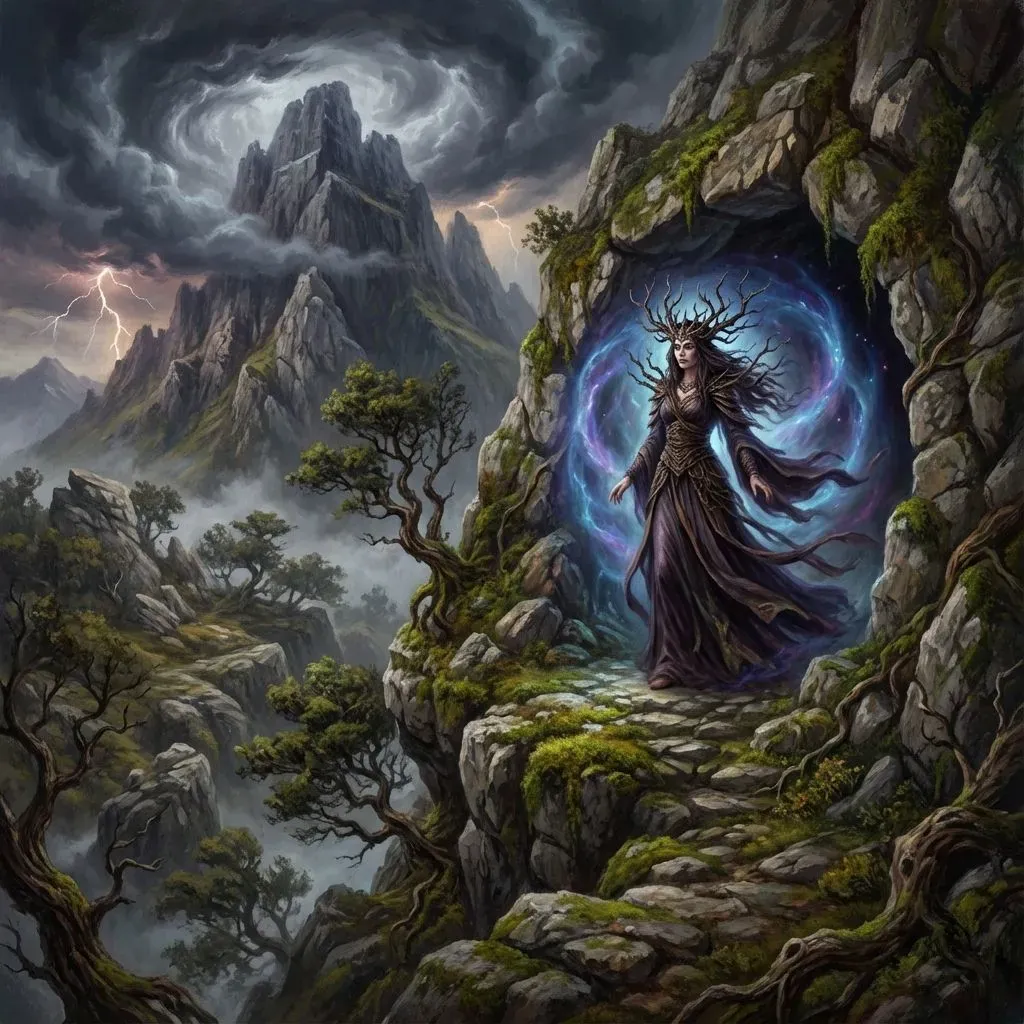
Mount Anboto
Mari's main dwelling in Biscay, a sacred summit in the Urkiola range.
Lady of caves and peaks
Mari is a central goddess of Basque mythology, closely associated with the earth, mountain caves and storms. One of her best-known dwellings is Mount Anboto.
Her stories vary by locality. Some traditions connect her with Sugaar, also called Maju, and attribute storms to their meetings.
The name Mari has long been debated. Some link it to andre, ?lady?, while others see later influence from the name Mary. She is also known as Maya, Lezeko-Andre or the Lady of Txindoki.
What remains beyond doubt is her role as the supreme female divinity, older than Christian influence and expressive of the chthonic power of earth, weather and moral order.
Mari: the supreme divinity of the Basque pantheon
If there is one unquestioned pillar in the network of Basque mythology, it is Mari. She is the principal divinity of Euskal Herria, a female figure of imposing majesty and absolute authority.
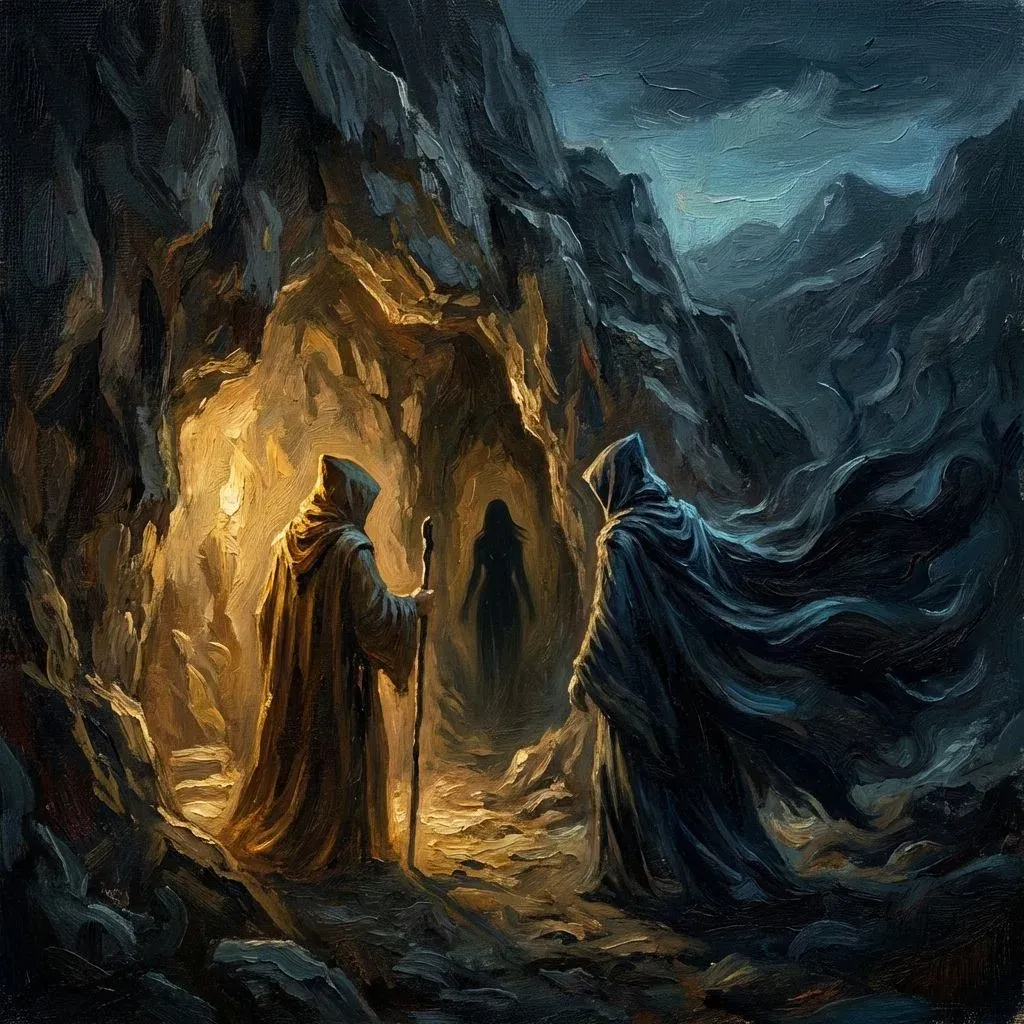
Far removed from the patriarchal pantheons introduced later through Greco-Roman influence, Mari points to the deep and probably pre-Christian roots of the Basque worldview. She answers to no male god and imposes a strict natural order from the depths of the mountains.
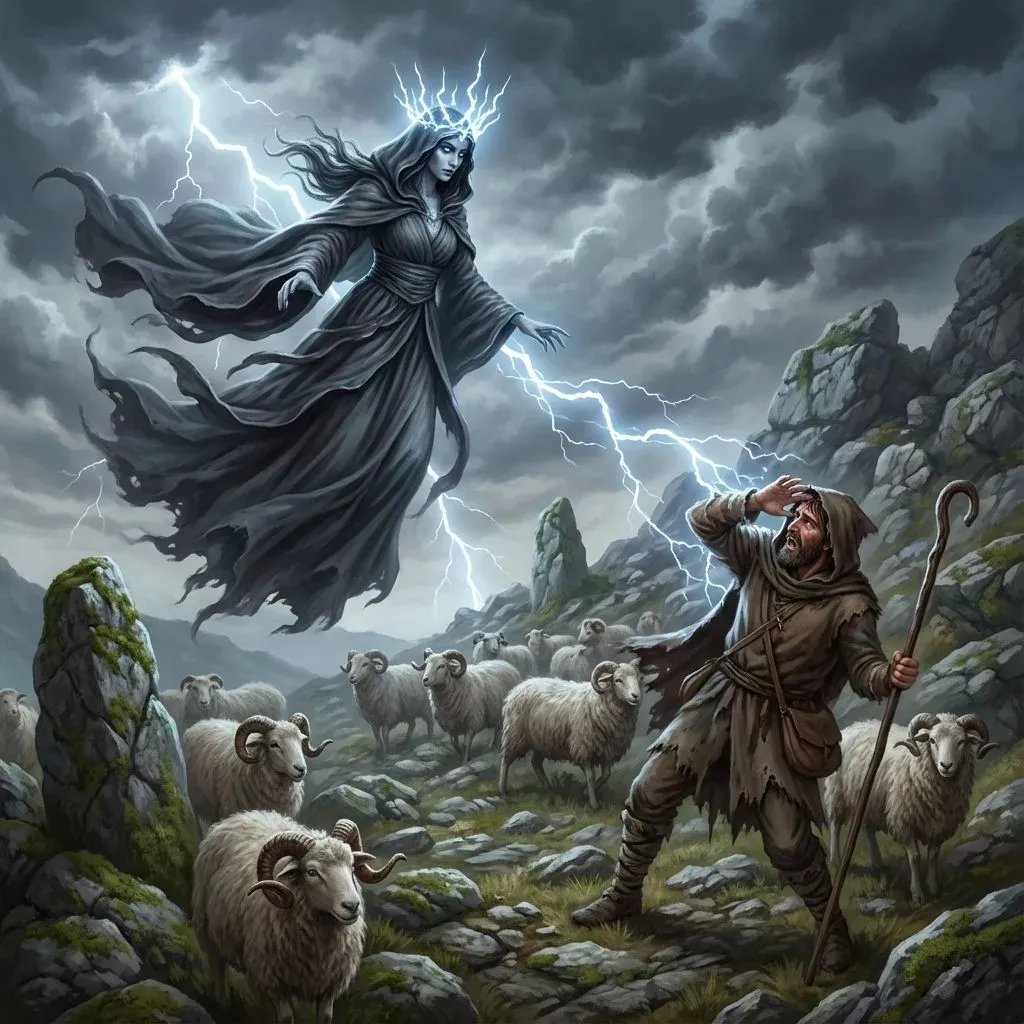
Domains and supernatural manifestations
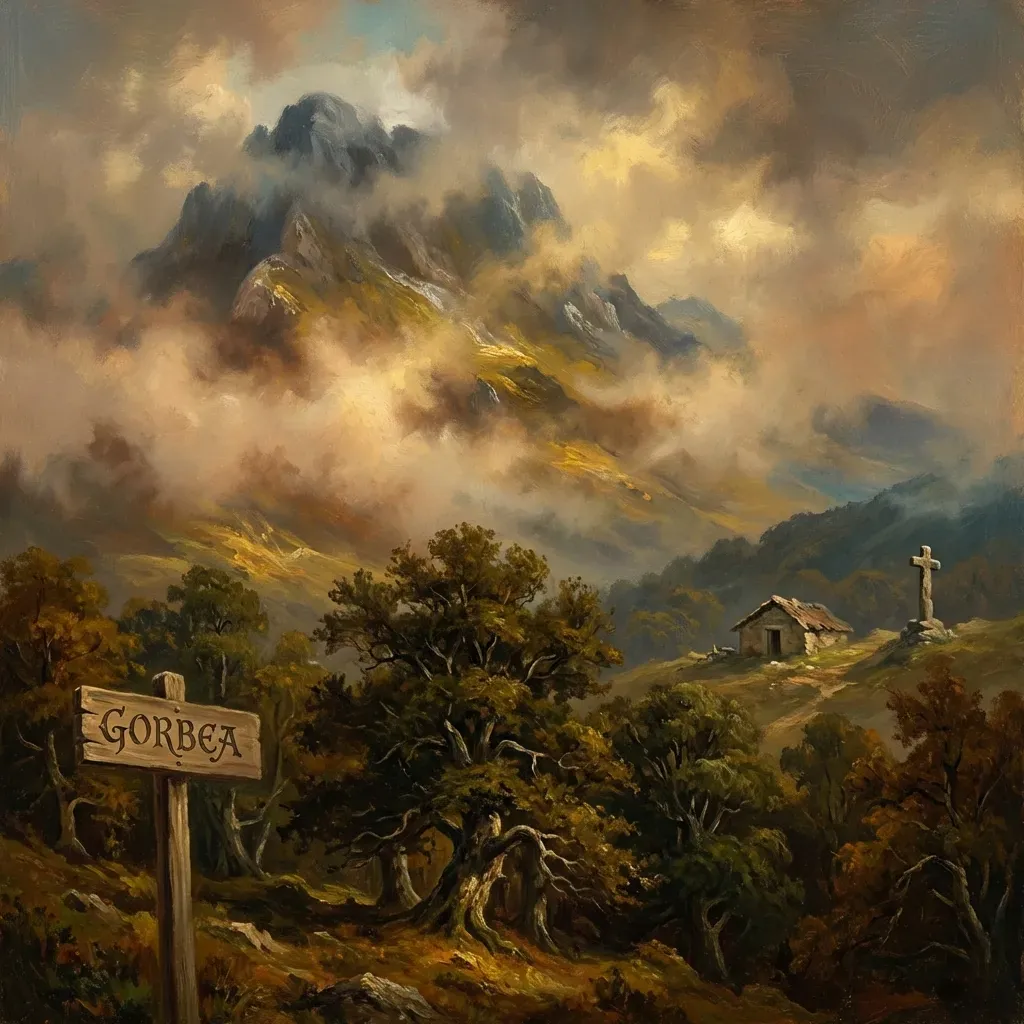
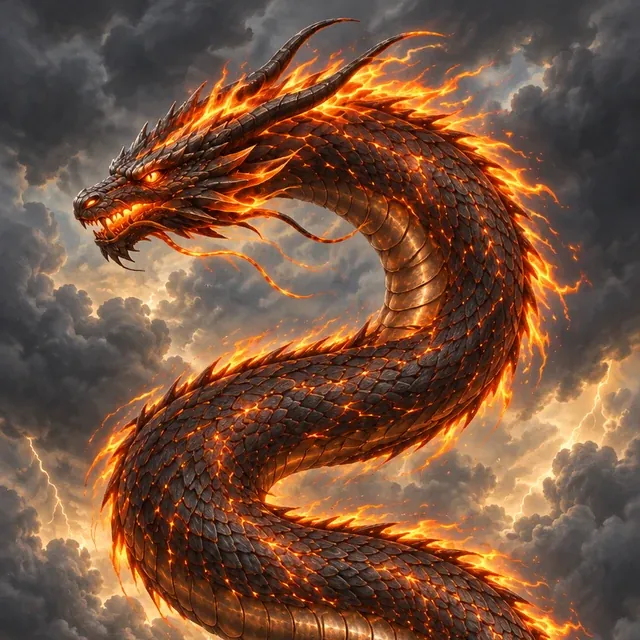
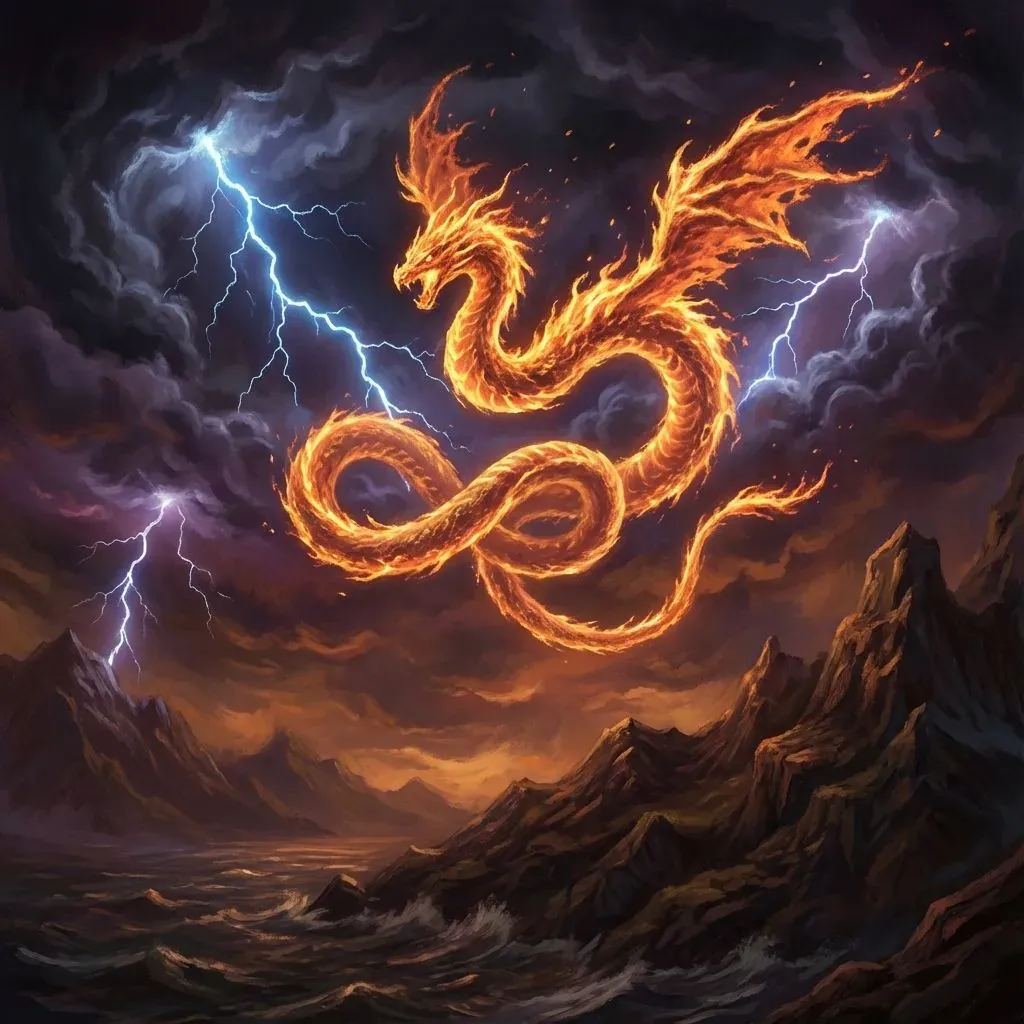
Mari dwells in caves high on mountain massifs and in deep chasms across Gipuzkoa, Biscay and Navarre. Mount Anboto is her best-known sanctuary, though legends say she moves periodically between leading summits such as Txindoki, Aizkorri, Gorbea or Aketegi. When she shifts from one dwelling to another, she crosses the heavens wrapped in cosmic fire.
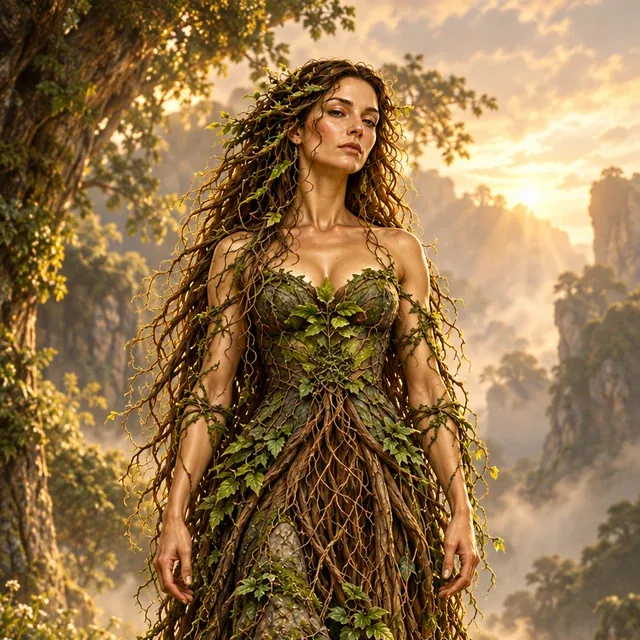
She appears in multiple forms, demonstrating complete transformative power over nature. Most often she is a woman of overwhelming beauty and regal bearing, but she can also manifest as an eagle, a fierce gust of wind or other forms tied to the mountain world.
The rigor of her moral code
Mari's folkloric power did not rest only on miracles or storms. Her central role came from being the guarantor of the strict moral code of traditional pastoral society. She rewarded and punished according to unbreakable rules.
She condemned four major transgressions: deceit, theft, arrogant pride and the breaking of one's pledged word. Through Mari, truthfulness becomes part of cosmic balance.
The ancestral cult of the lady of the mountain
Those who approached her cave to ask for help or rain in times of drought were expected to follow exacting rites of respect. One could not turn one's back when leaving, nor sit down inside her cave, nor address her without full courtesy.
All the folklore around her suggests that behind Mari stands the most uncompromising personification of nature itself in the Basque Country.
This deeply rooted folklore presents Mari as the ultimate, incorruptible personification of nature in Euskadi.