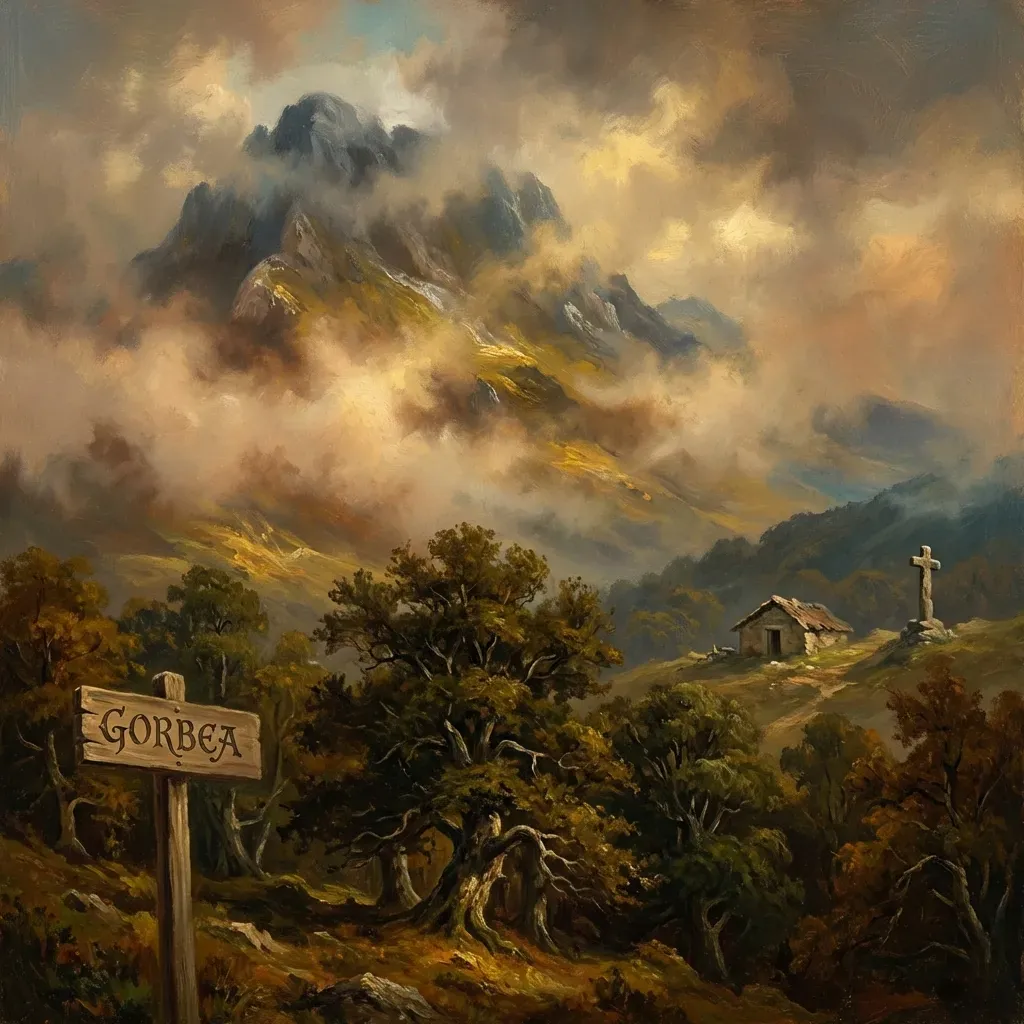
Mount Anboto
Where Sugaar meets Mari and unleashes the fiercest storms.
Serpentine spirit of fire
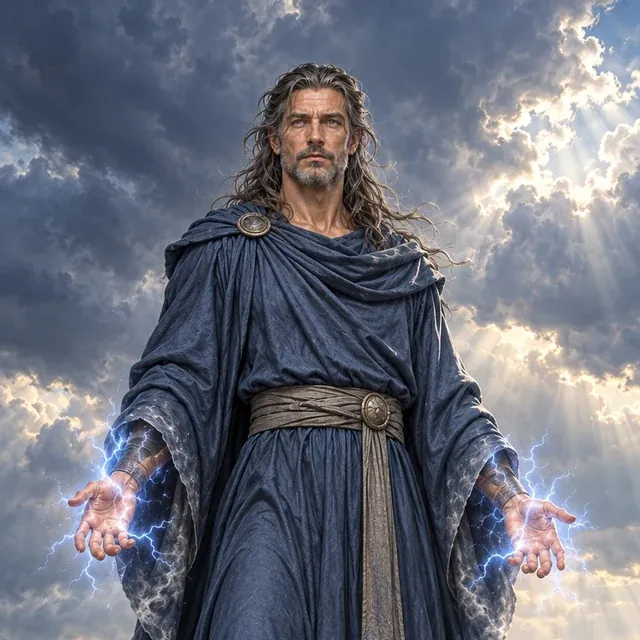
Sugaar, also known as Maju, is the fiery serpentine spirit and celestial consort of Mari. He crosses the night sky like a dragon of flame announcing storms. His passage leaves a fiery wake that ancient Basques watched with reverence and fear from the valleys and mountains of Euskal Herria.
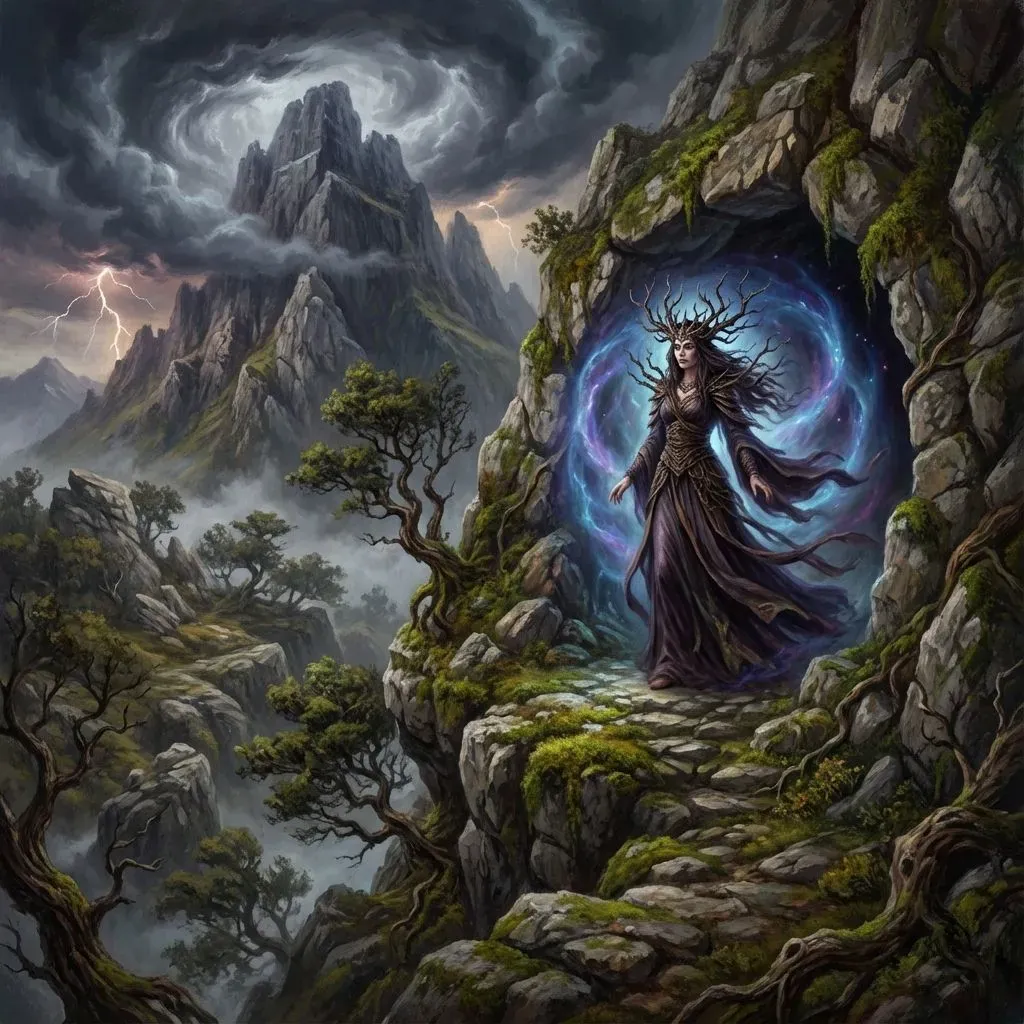
When Sugaar meets Mari on the sacred peaks, the most violent storms break across the Basque land. Their union represents the cosmic balance between feminine and masculine principles, earth and sky. From this meeting were born Atarrabi, the luminous son, and Mikelats, the dark one.
The name Sugaar is usually linked to Basque roots meaning serpent and male, giving the sense of male serpent or masculine dragon. He is also known as Maju or Sugoi in some regions.
References to Sugaar appear in oral traditions across Euskal Herria, describing him as Mari's consort and the father of Atarrabi and Mikelats. His name reflects the ancient veneration of serpents as symbols of chthonic power.
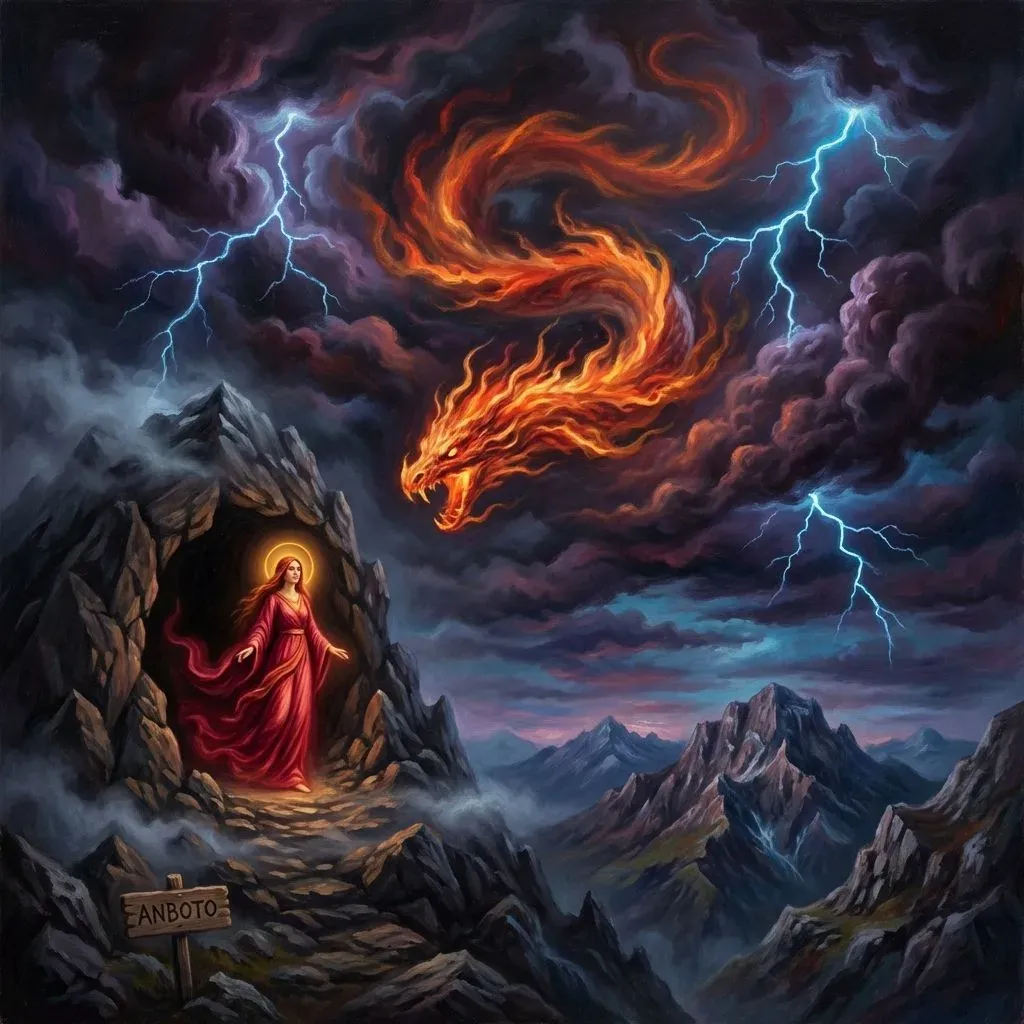
Sugaar: fiery spirit and lord of the tempests
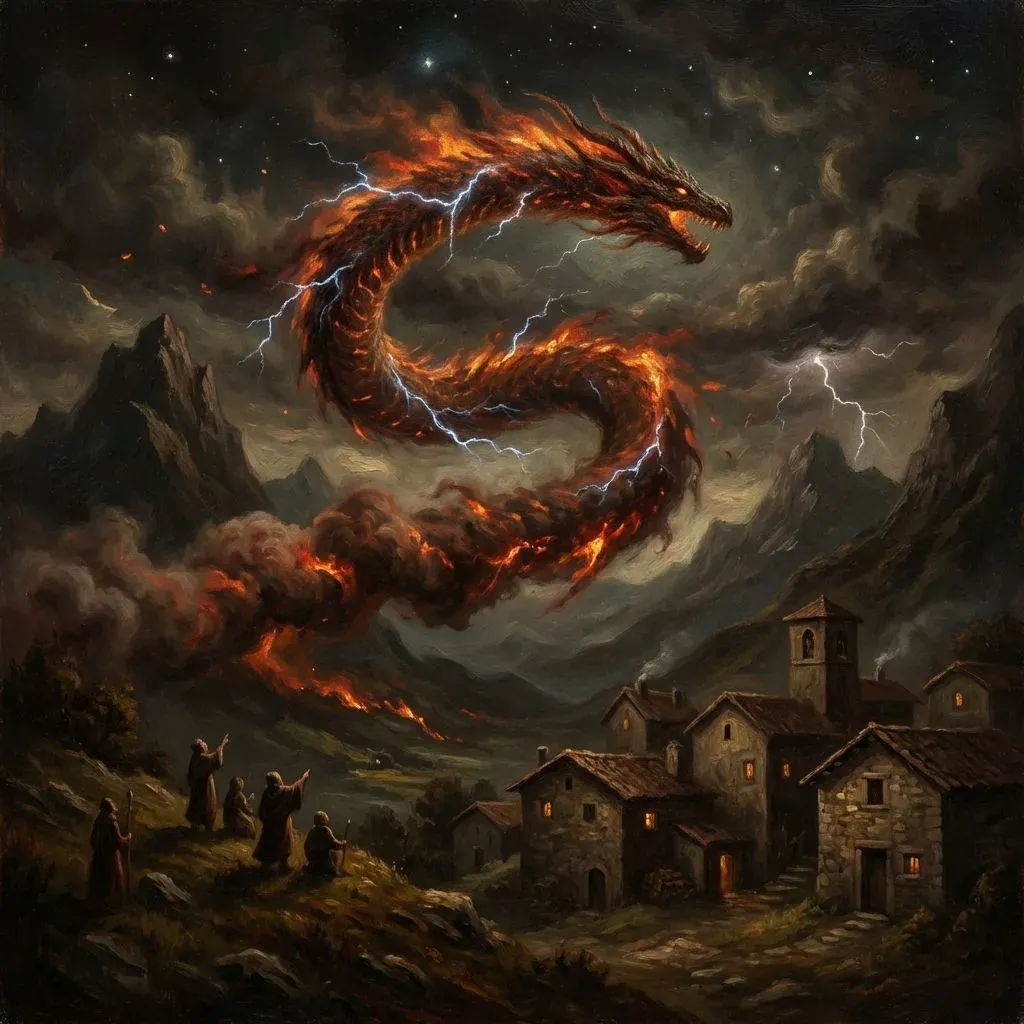
Beside the overwhelming power of Mari, the supreme goddess, stands her majestic male consort Sugaar, known in other regions and dialects as Maju or Sugoi. He is one of the highest figures in Basque mythology.
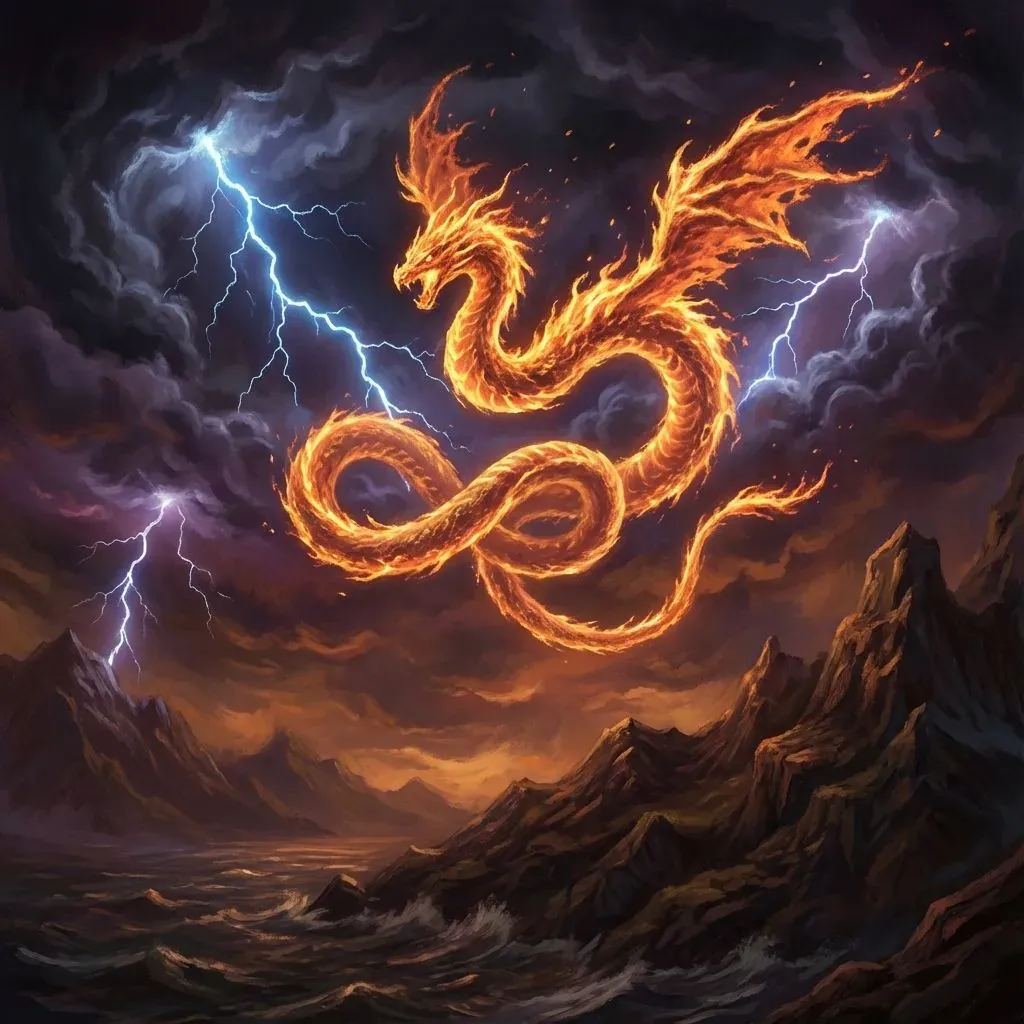
Of deep pre-Indo-European roots linked to telluric force, Sugaar embodies a serpentine being tied to the underworld, masculine vigor, erratic lightning and, above all, fire.
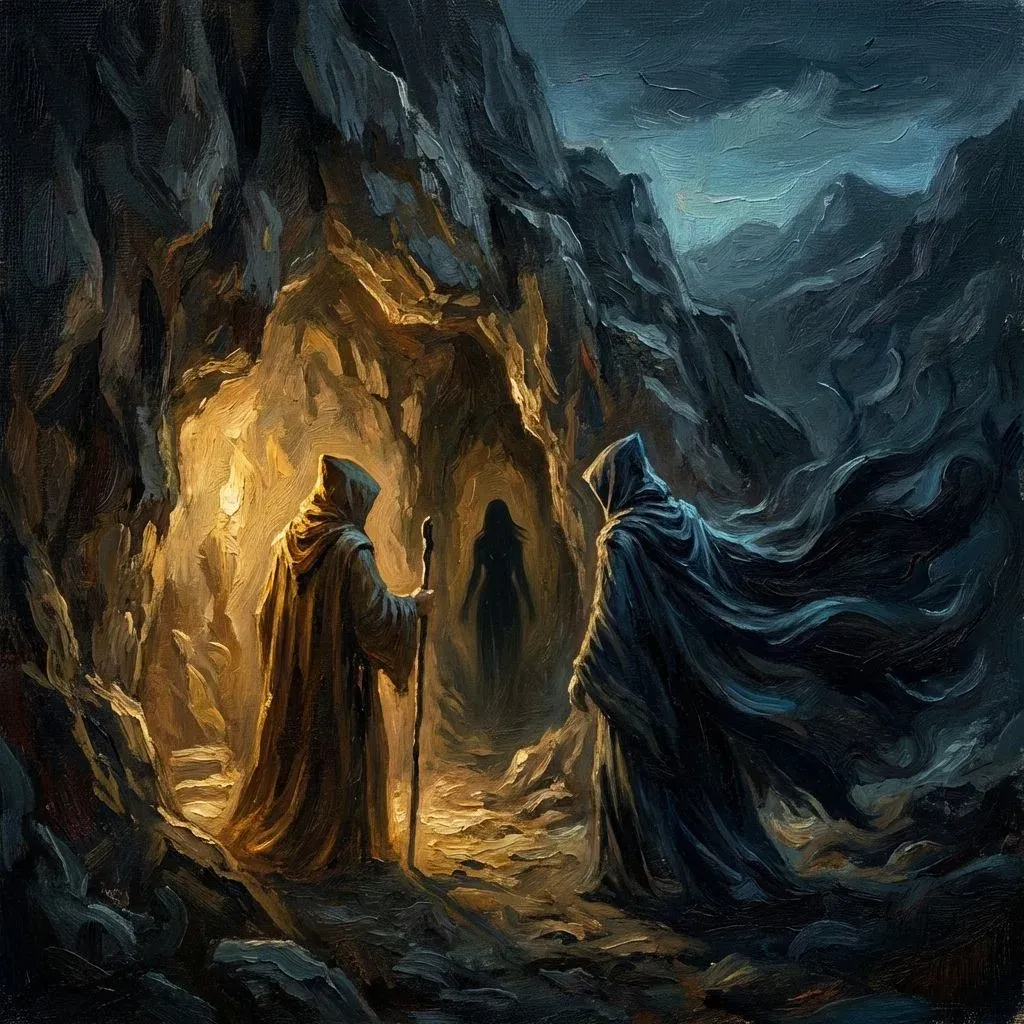
Etymology and serpentine appearance
The origin of the name Sugaar has been connected either to fire and flame or to serpent and male. Both lines fit the folkloric descriptions preserved in ancient tradition.
Country people describe him crossing the skies as a vast serpent of fire streaked with shining sparks, or as a reptilian dragon wrapped in flames. He rarely shows any human form, reserving it for rare epiphanies or for intimate meetings with Mari.
Atmospheric encounters and command of climate
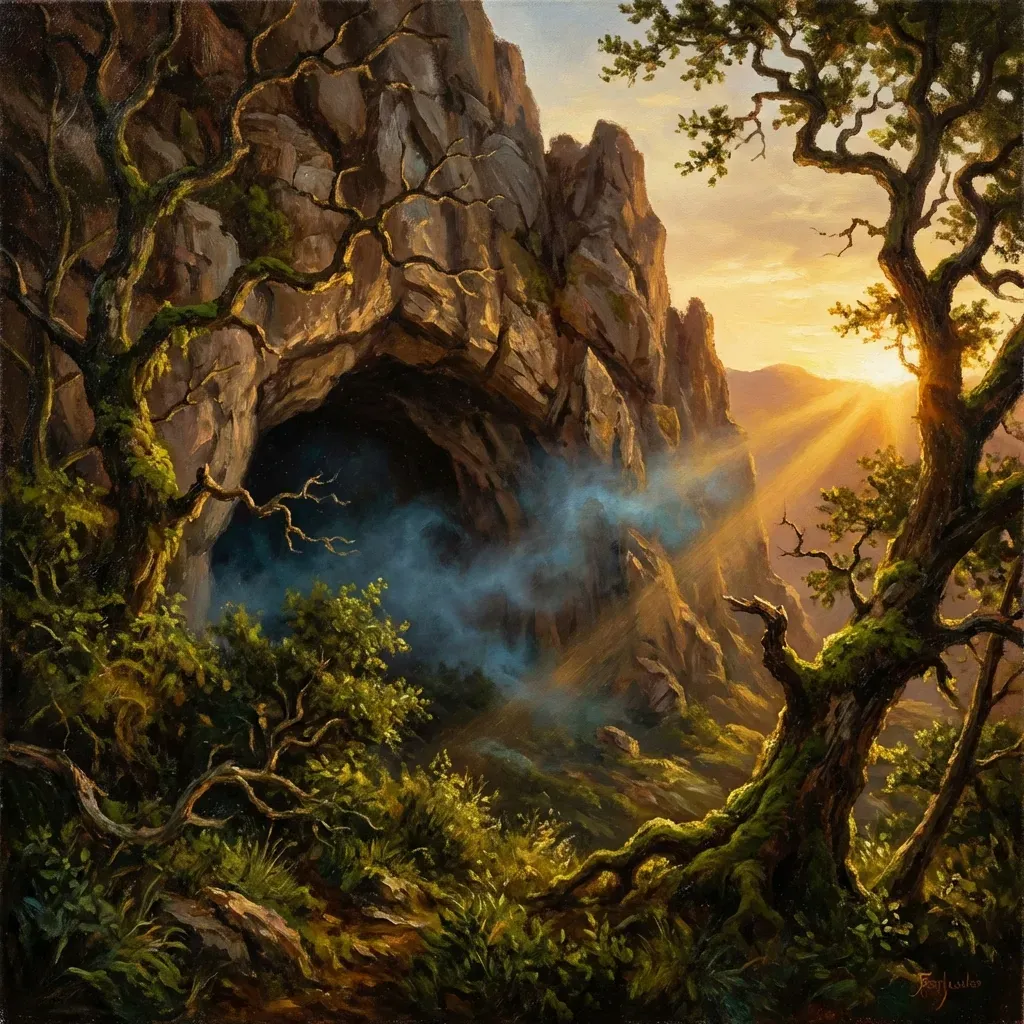
According to rural Basque traditions, Sugaar lives beneath deep caves or subterranean chasms, yet rises into the sky on Fridays at dusk. His destination is the mountain where Mari dwells during that season.
Folklore teaches that when Sugaar crosses the firmament seeking Mari's cave to unite with her in rites of elemental fertility, the sky is certain to break into storm, hail and electrical violence over the region where they meet.
A complementary role in the mythic matriarchy
Sugaar should not be understood through the model of a sovereign male god standing above all others. In Basque belief, with its strong matriarchal center, he functions as the natural complement and executor alongside Mari.
Though he does not rule the harvests directly, Basques long gave reverential respect to this immense fire-serpent as the visible expression of purifying fire and ungovernable masculine force in the mountains.
Sugaar belongs to the oldest layer of Basque mythology and can be understood as the fiery serpent tied to storms and virility.
Its stories are closely tied to lightning, mountains and the active force beside Mari.