Mount Anboto
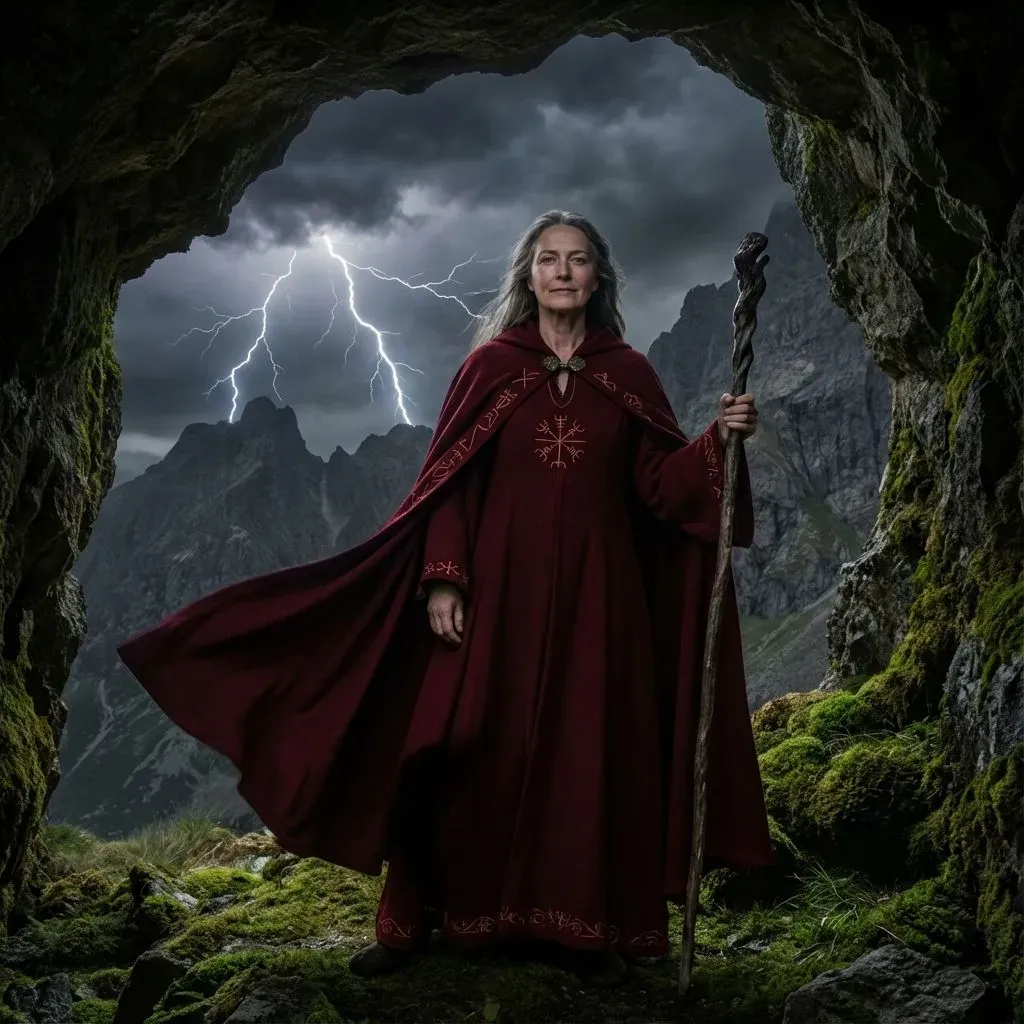
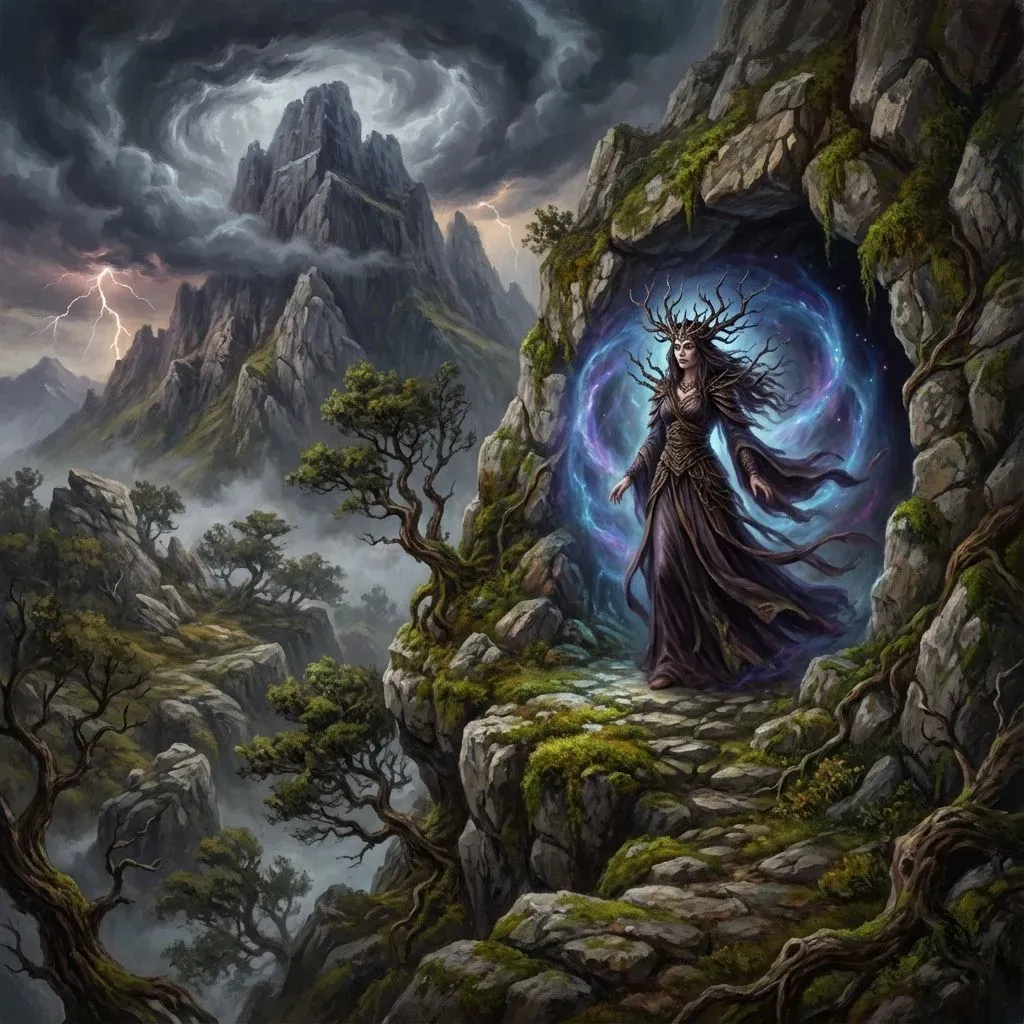
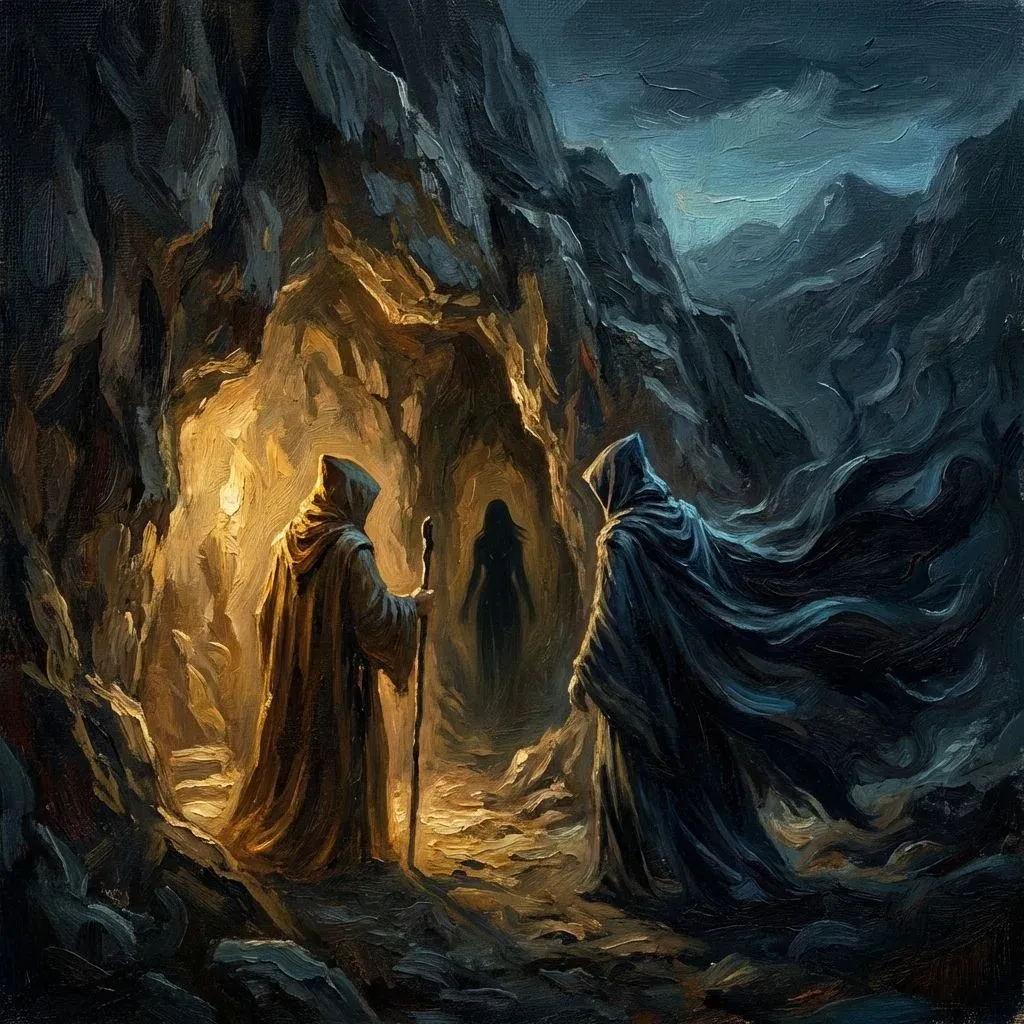
Main dwelling of Mari and setting of her meeting with Sugaar.
? When the gods meet and the sky burns ?
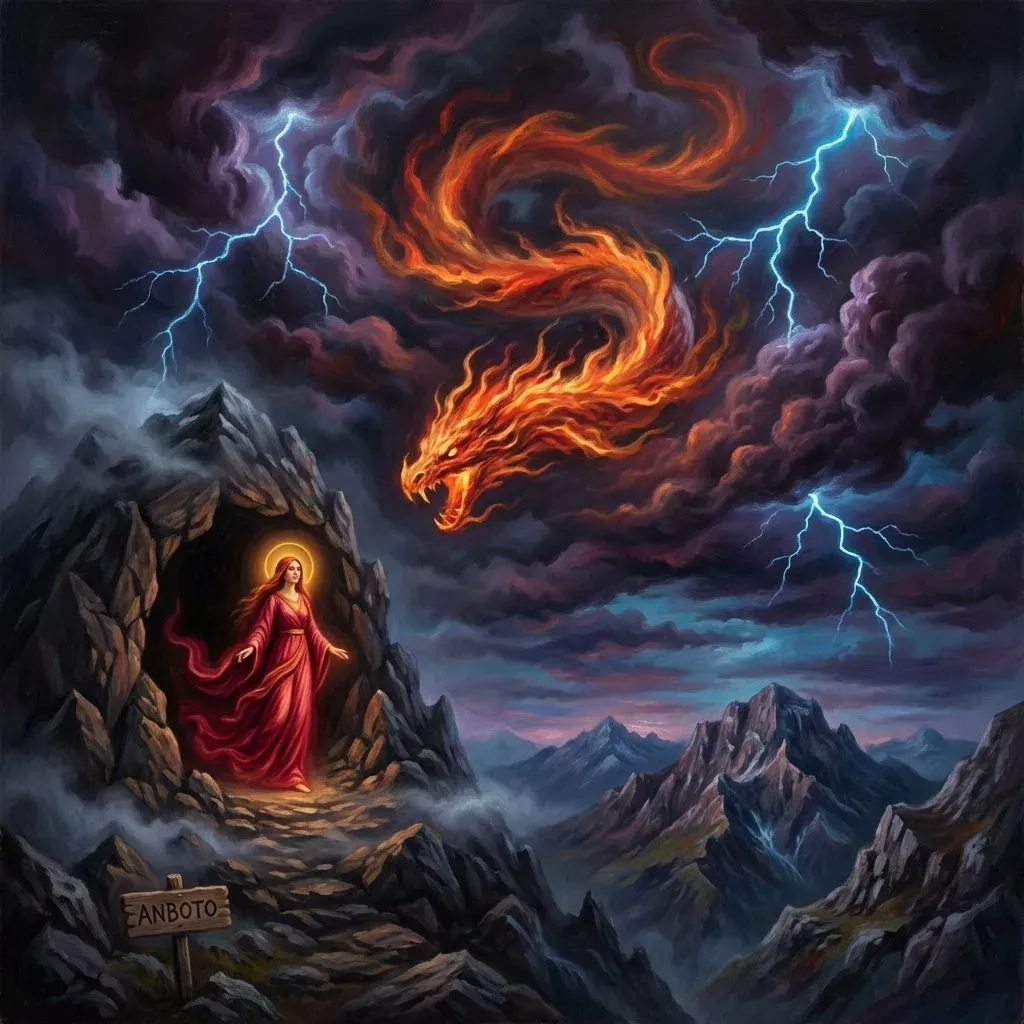
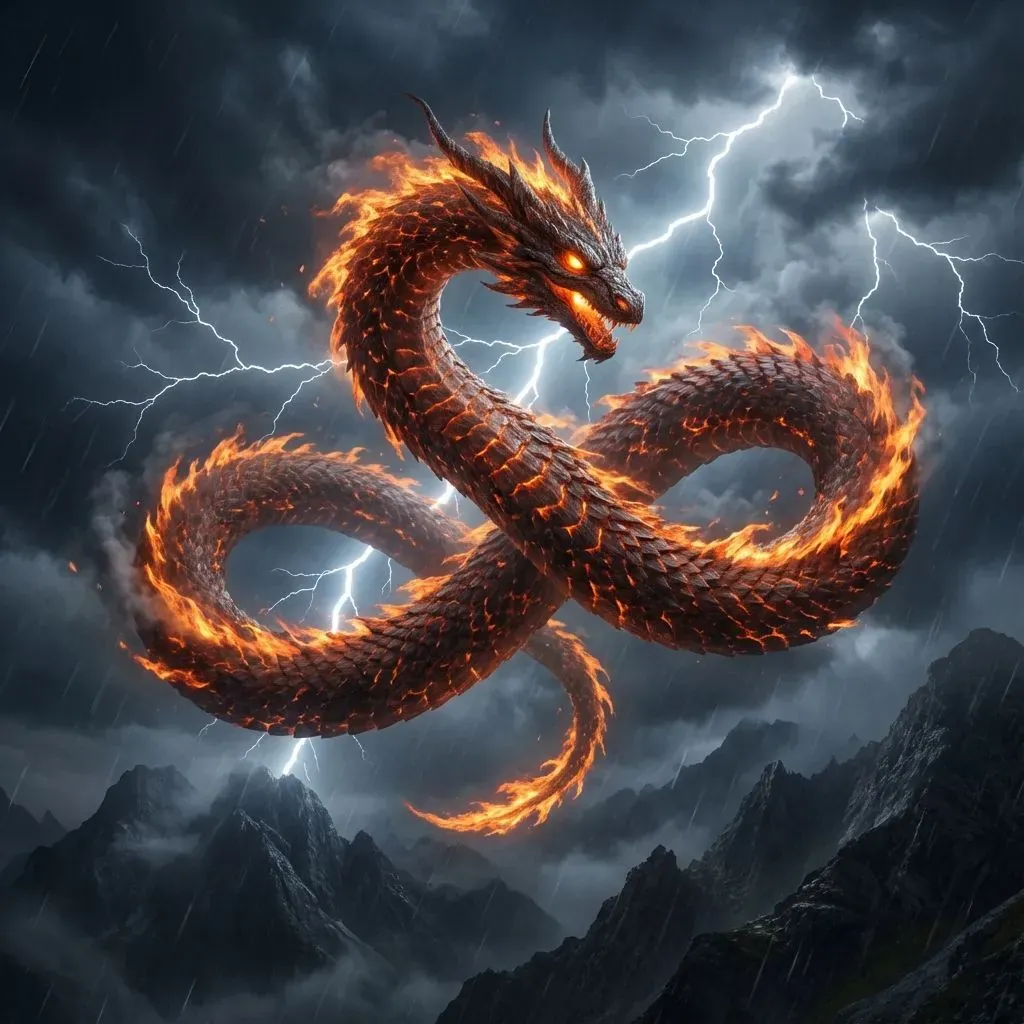
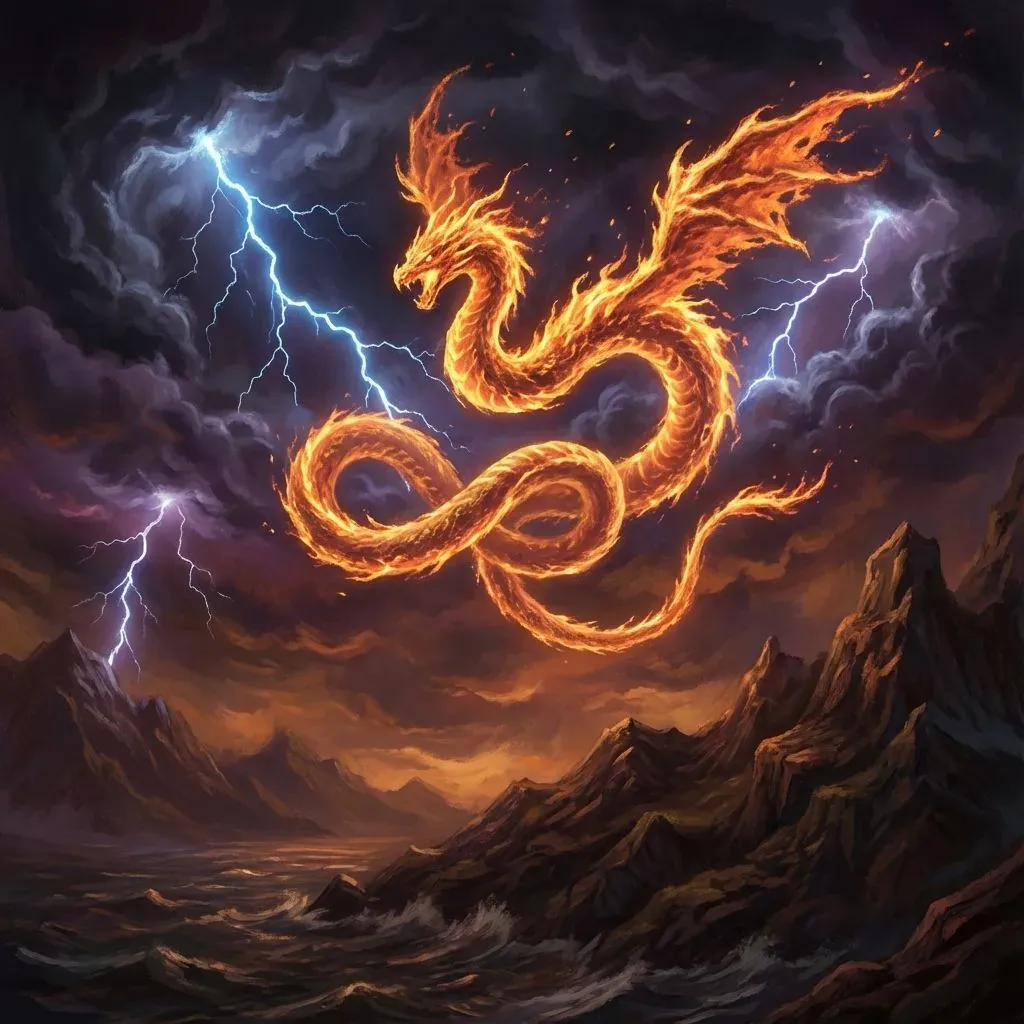
From time to time, when clouds gather over the peaks of Euskal Herria, Sugaar leaves his underground dwelling and crosses the sky like a ball of fire. His destination is the cave of Anboto, where Mari, the great mother goddess of the earth, awaits him.
The meeting of both deities unleashes the full fury of the elements. The sky darkens, lightning tears through the clouds and thunder rolls across valleys and mountains. Rain falls in torrents, fertilising the land with the power of this sacred union. Shepherds in the highlands recognise these signs and seek shelter, knowing that Mari and Sugaar are together.
From this primordial union were born Atarrabi and Mikelats, the twins of opposite natures who embody the duality of the Basque cosmos: light and shadow, good and evil, day and night. Storms are therefore not mere weather events, but cosmic acts that renew the cycle of life.
The elders said that when a storm was especially violent, Mari and Sugaar had been apart for a long time, and their reunion was all the more passionate. When calm returned and a rainbow appeared above Anboto, people knew the gods had gone back to their dwellings, leaving the earth fertile and blessed.
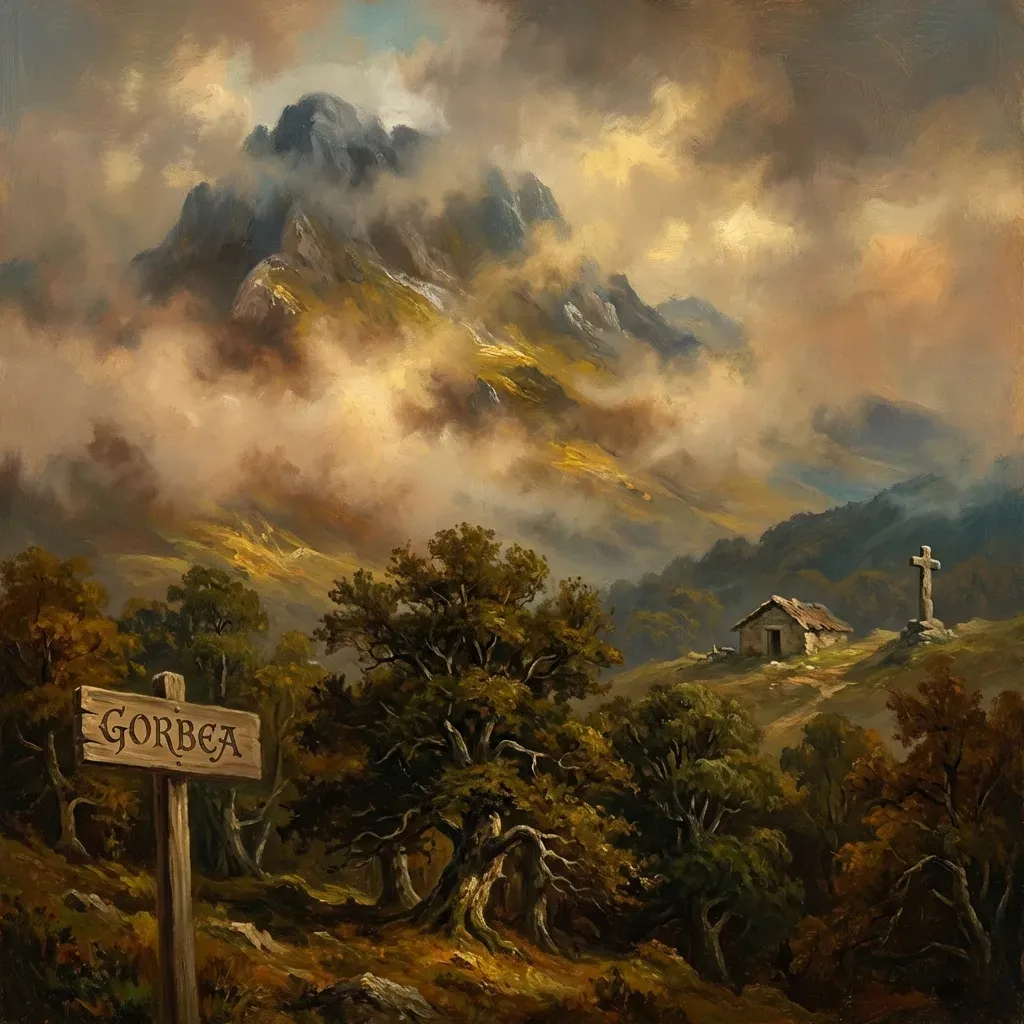
Venturing into the remote, steep and moss-covered heights of Anboto meant approaching the realm of Mari, the powerful mother goddess. Its cold crags, treacherous paths and shadowy chasms inspired both courage and fear, and called for humility and reverence from those who entered.
Entering her domain required strict observance of ancient rules. Visitors were expected to respect sacred boundaries, obey the goddess’s conditions and approach with purity of conduct. These obligations formed a demanding rural protocol of reverence rather than a casual encounter.
Elderly Basque shepherds and farmers knew that they should bring offerings to the goddess with humility and respect. Warm bread, cakes, cheese, milk and coins expressed gratitude and devotion. Such gifts linked the household’s everyday food and wealth to the sacred presence of the mountain.
When leaving, visitors had to withdraw cautiously, walking backwards rather than turning their backs on the goddess. This quiet, respectful departure avoided insulting or provoking the great mother of Anboto, whose power inspired both fear and devotion.