Teodosius of Goñi
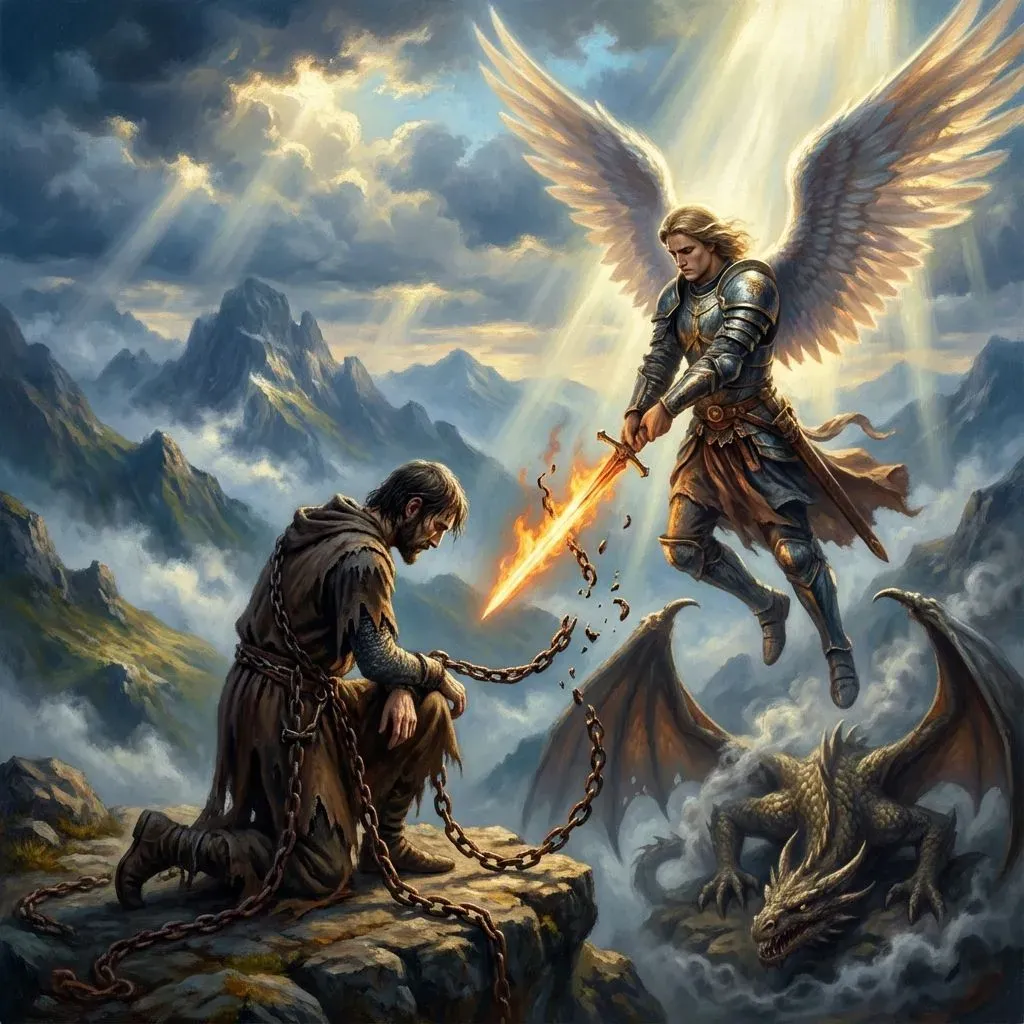
The Navarrese knight who, deceived by the devil, committed parricide and wandered in chains until Saint Michael freed him at Aralar.
— Gipuzkoa —
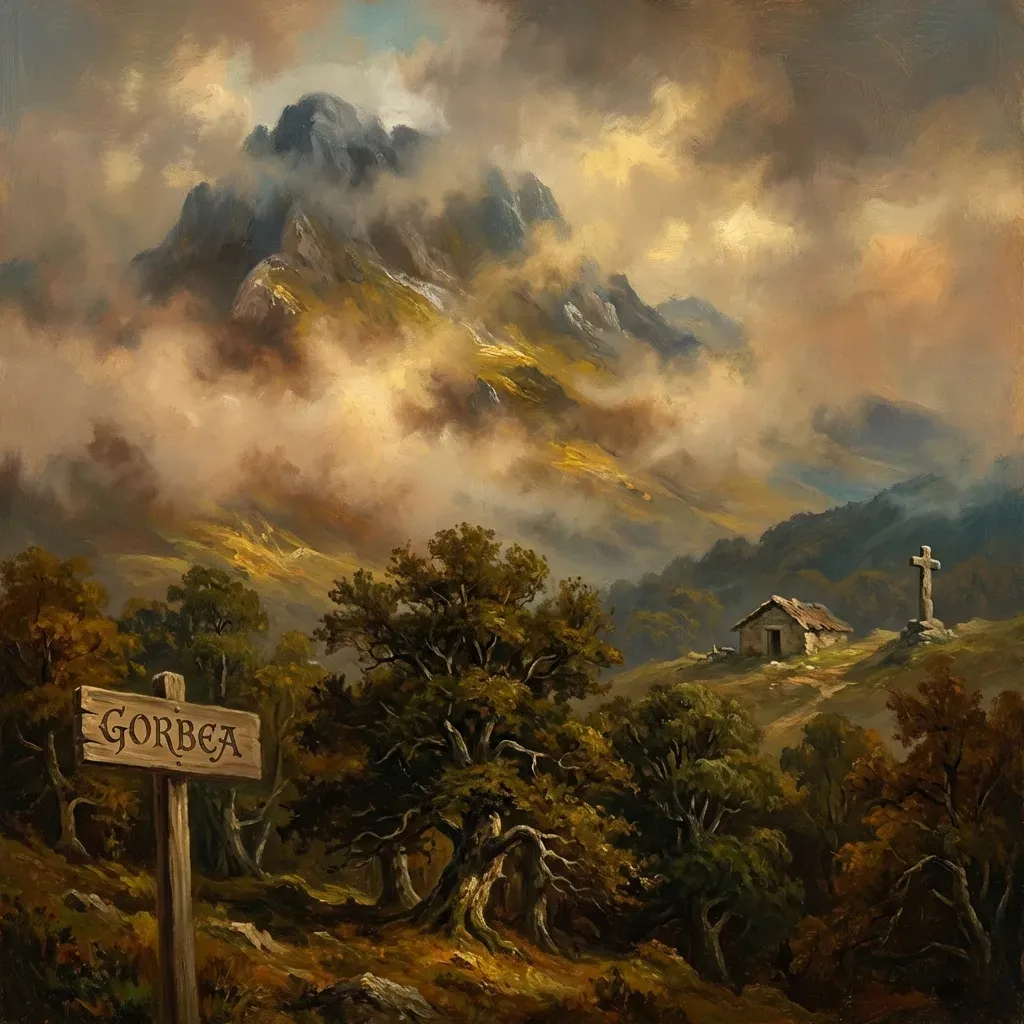
Txindoki, also known as Larrunarri, is one of the most iconic and photographed mountains in the Basque Country. With its 1,346 metres and unmistakable pyramidal profile, this Gipuzkoan summit rises dramatically above the valleys and has become one of the great visual emblems of Basque landscape.
In Basque mythology, Txindoki is one of the dwellings of Mari, the mother goddess. According to tradition, when Mari moves her residence from one mountain to another, she crosses the sky as a ball of fire, so the peak is often imagined as one of the stations of her sacred journey.
The ascent to Txindoki is one of the most popular mountain routes in Gipuzkoa. Although the summit is not extremely high, the climb from the valley villages and the rocky upper sections make the experience intense, combining wide views with the feeling of entering a mountain watched over by myth.
The “pyramid of Gipuzkoa” retains its power of attraction. Whether viewed from surrounding valleys or from its sharp summit, Txindoki conveys a special energy connecting with the deepest roots of Basque culture.
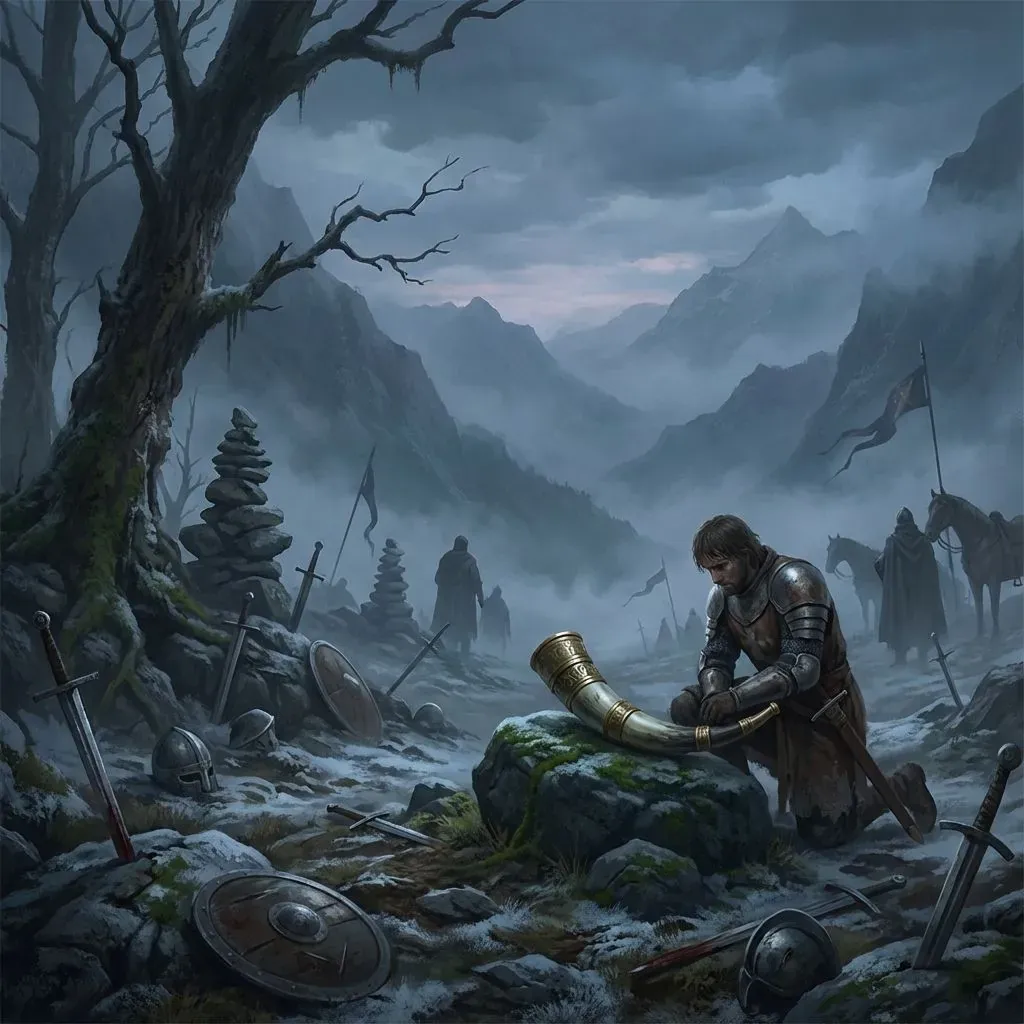
The Navarrese knight who, deceived by the devil, committed parricide and wandered in chains until Saint Michael freed him at Aralar.
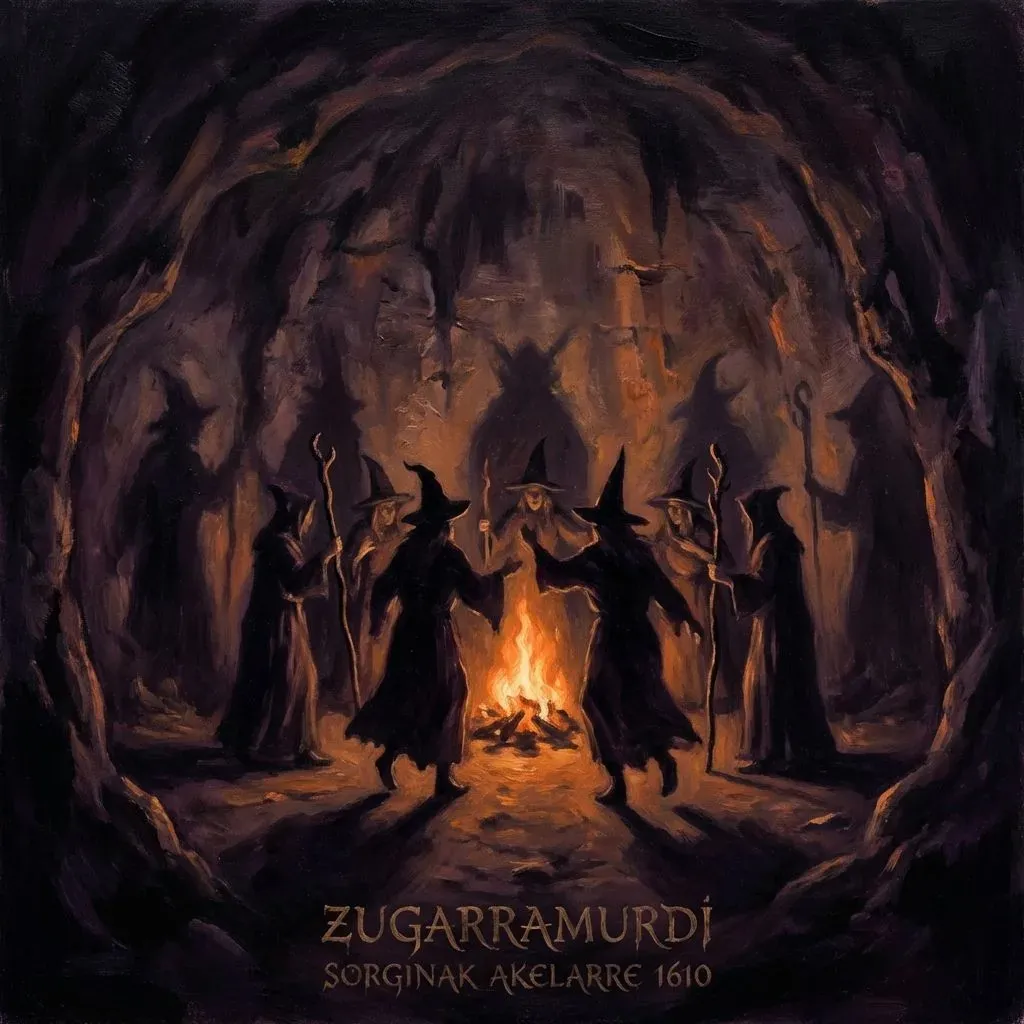
The famous inquisitorial trial of 1610 against the Navarrese witches who held akelarres in the sacred cave.
The Basque ambush against Charlemagne's army in the Pyrenean pass where the legendary Roland fell.
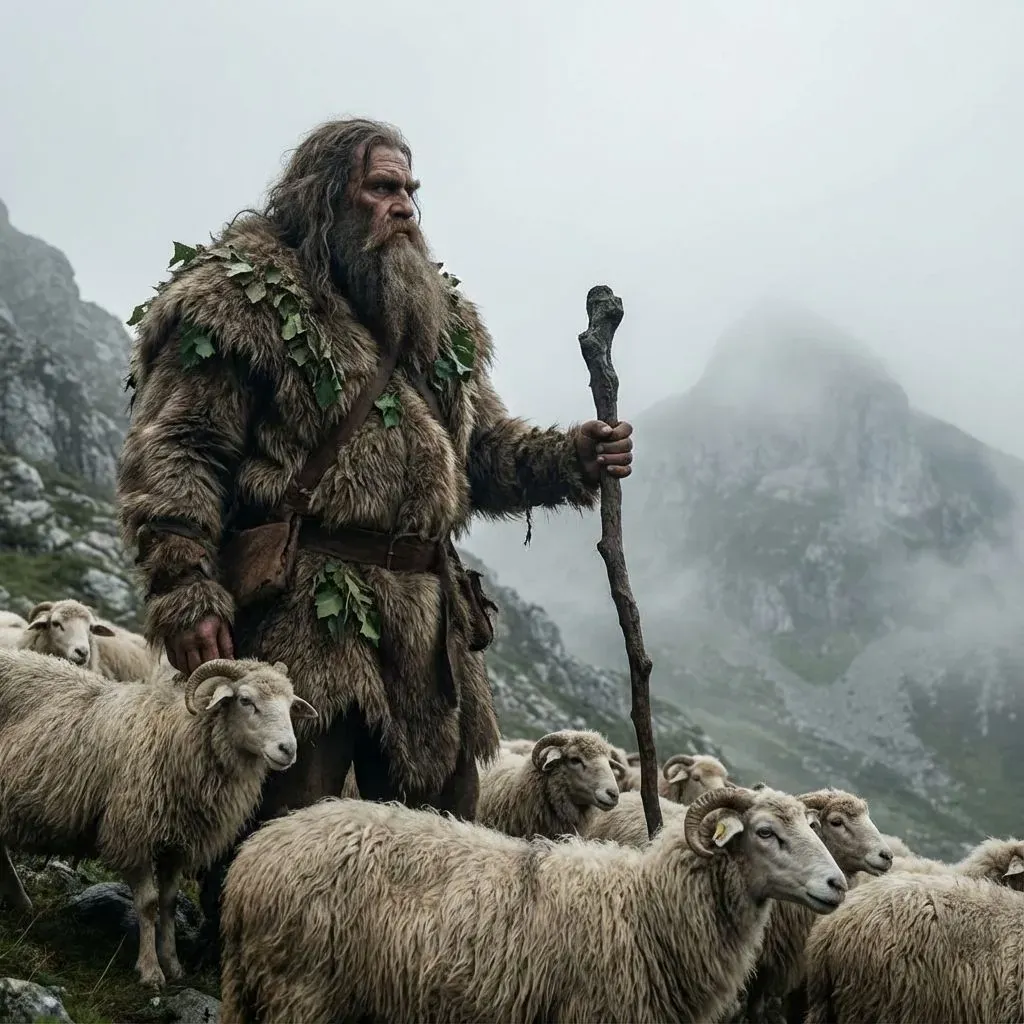
The shaggy giant who lives in the forests, protector of flocks and guardian of the secrets of agriculture and the forge.
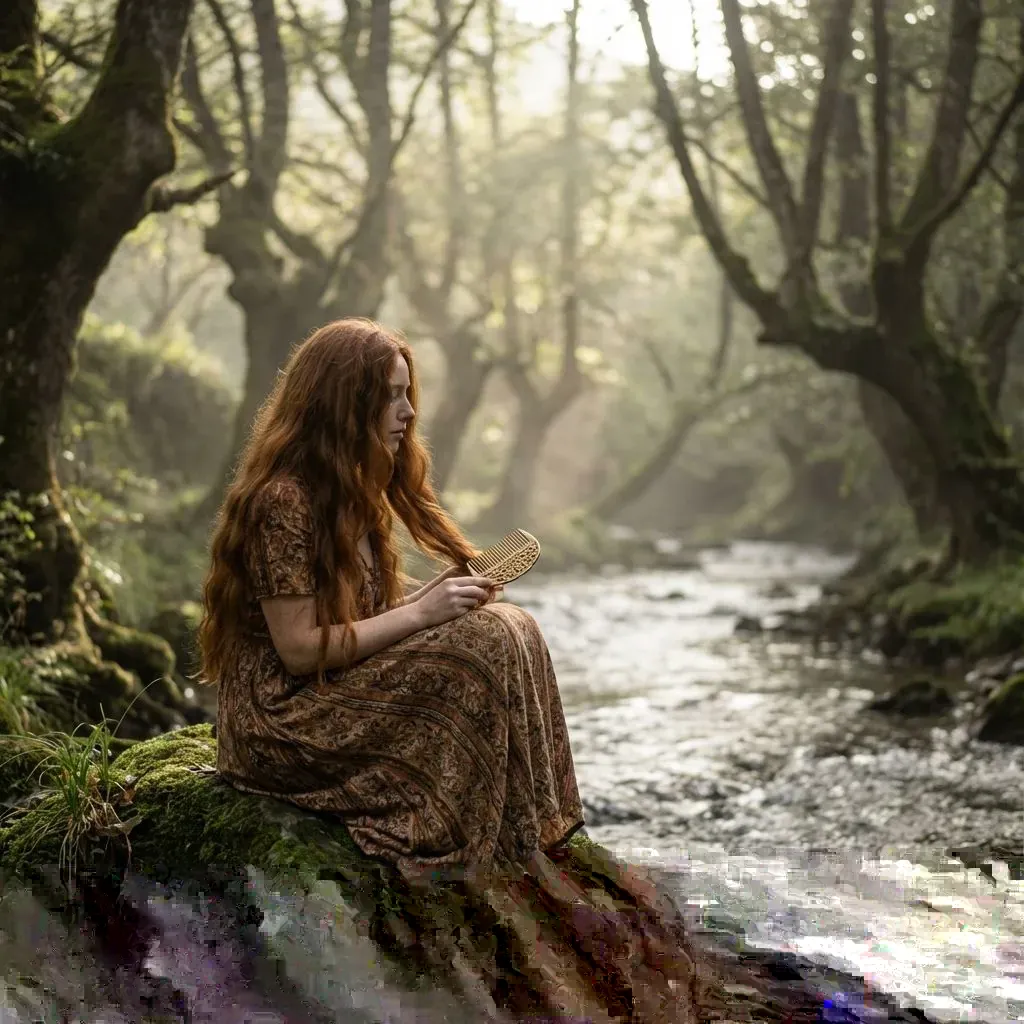
Seductive nymphs who dwell in rivers and springs, recognisable by bird feet or fish tails, combing their hair with golden combs.
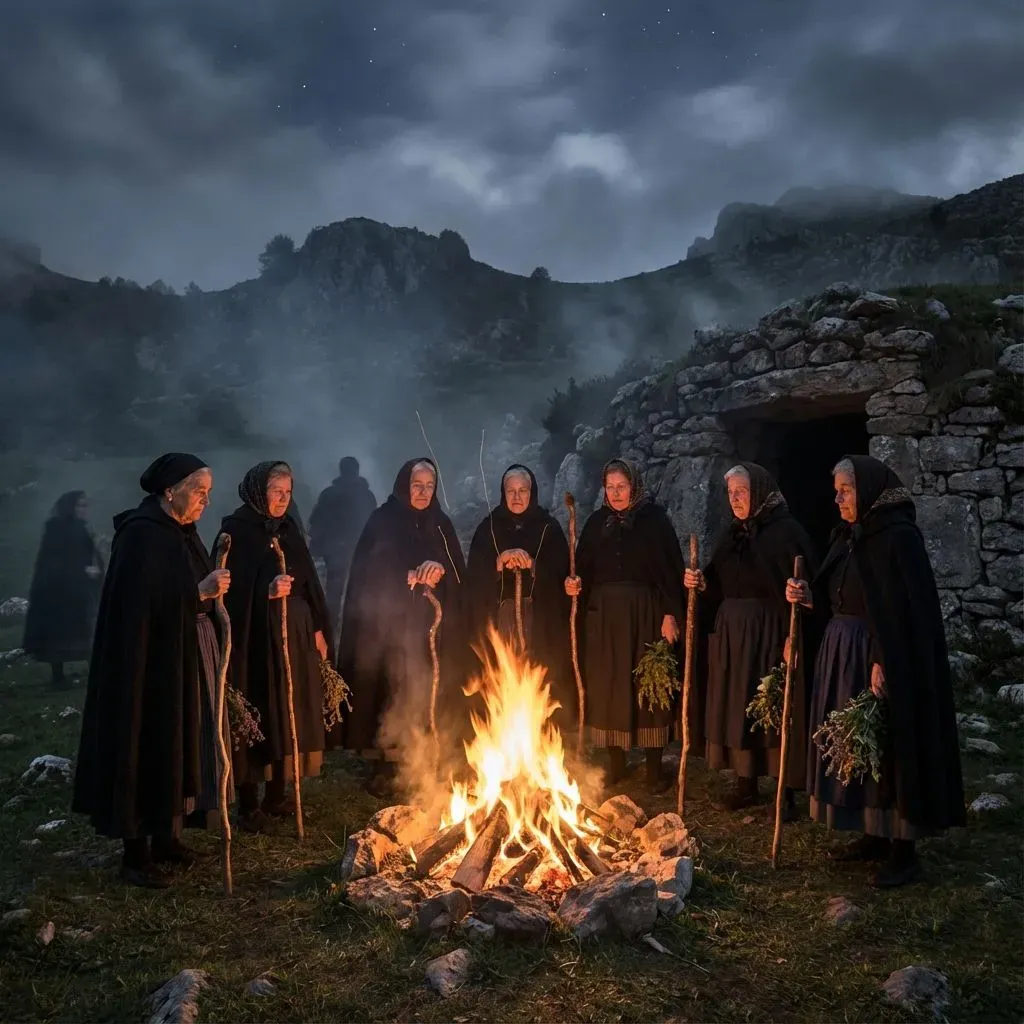
The Basque witches and wise women, priestesses of Mari who mastered potions, curses and the art of flying through the night sky.
Txindoki, at 1,342 metres, is among the Basque Country’s most photographed mountains. Its pyramid profile rises above Aralar’s beech woods, visible from many kilometres away. It has become a widely recognised symbol of Gipuzkoa’s landscape, comparable in symbolic role to Switzerland’s Matterhorn.
Basque mythology makes Txindoki one of Mari’s secondary dwellings when she leaves Anboto. This may reflect pastoral communities’ perception of seasonal weather: storms from Duranguesado and Bizkaia meant she was at Anboto, while those arriving from Gipuzkoa signalled that she had crossed to Txindoki.
Txindoki’s ascent becomes demanding in its steep final metres, where some sections require hands and the approach to the summit is exposed. This has not deterred generations of Basque mountaineers, who have made it a rite of passage and one of the territory’s most celebrated summits.
On clear days, the summit offers a wide Gipuzkoan panorama: the Bay of Biscay to the north, Pyrenees to the east, Aralar to the south and Anboto to the west. Basque mythology’s cardinal points seem arranged as a sacred map, making the geographical scale of Mari’s legends immediately apparent.