Caves of Zugarramurdi
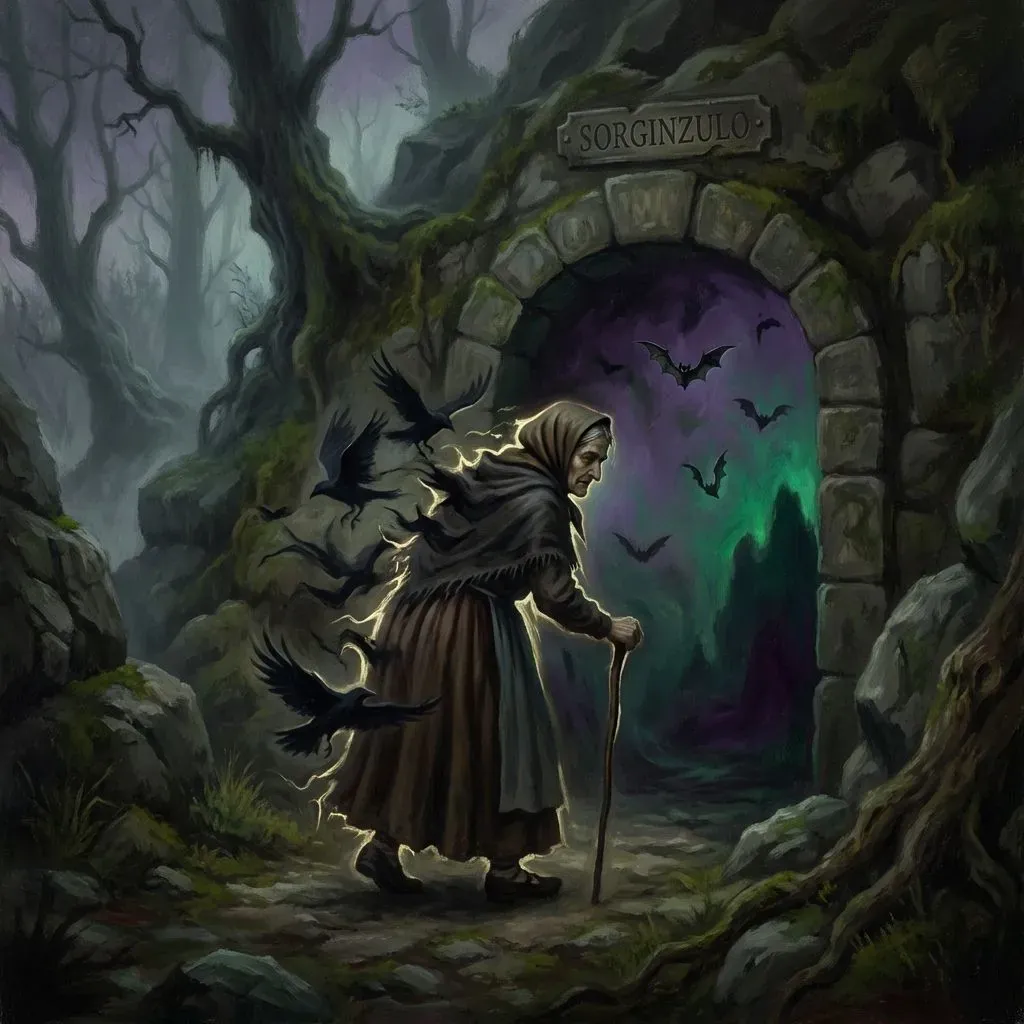
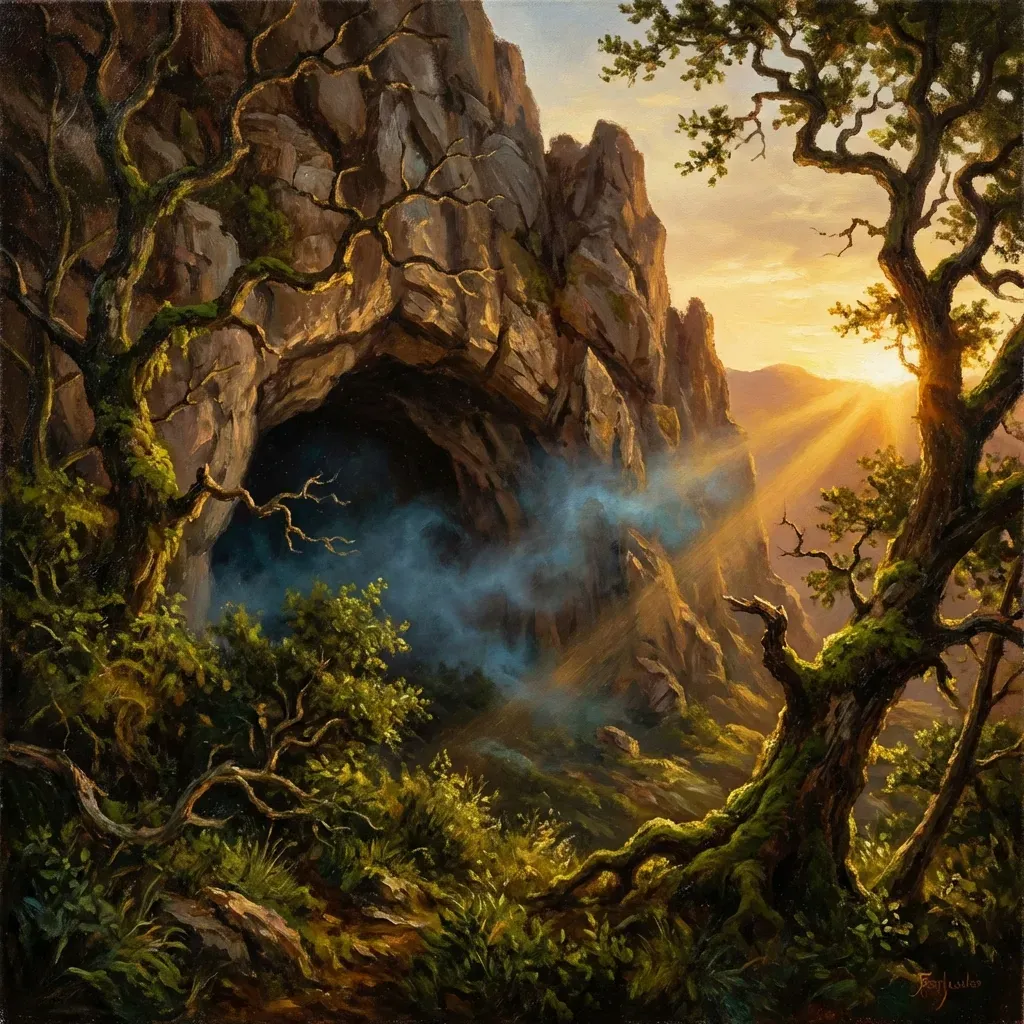
The tunnel-cave where, according to tradition, the sabbaths took place.
— The Akelarre in the caves of the frontier —
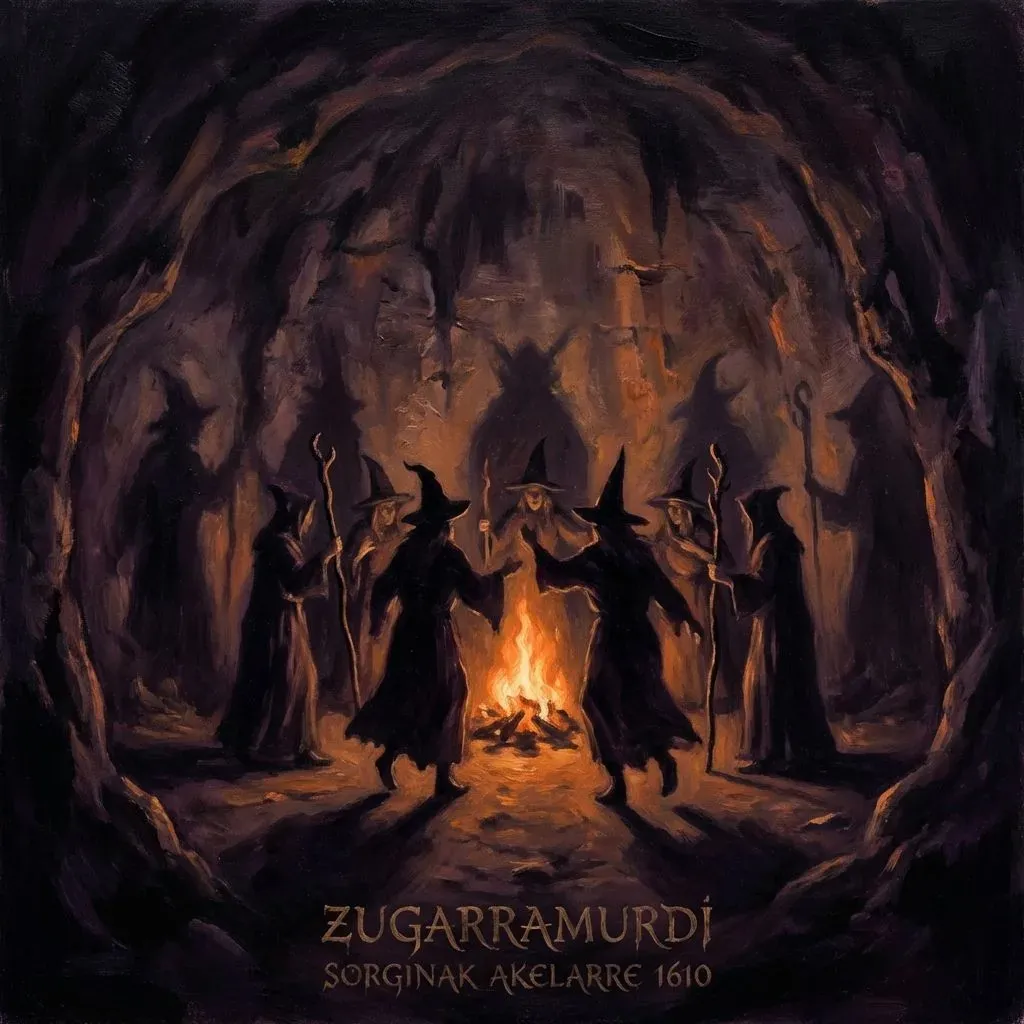
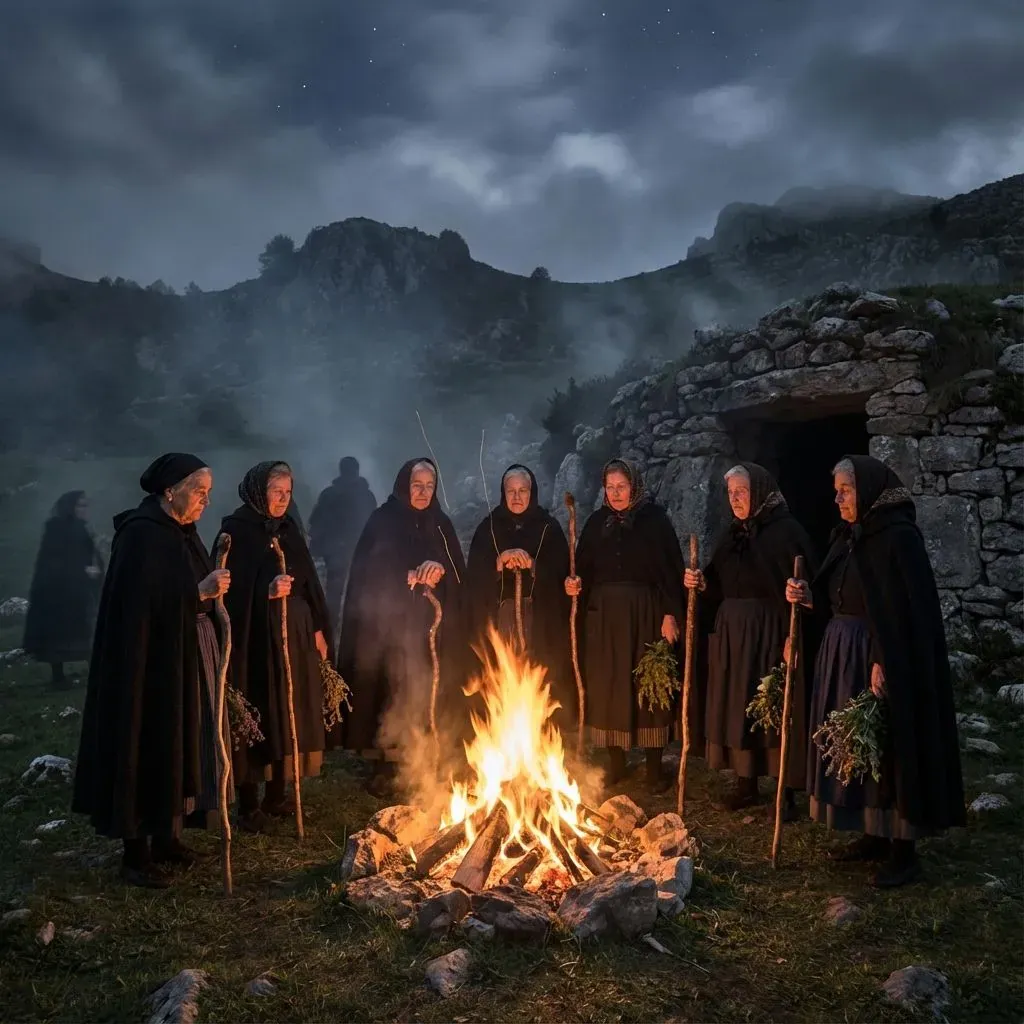
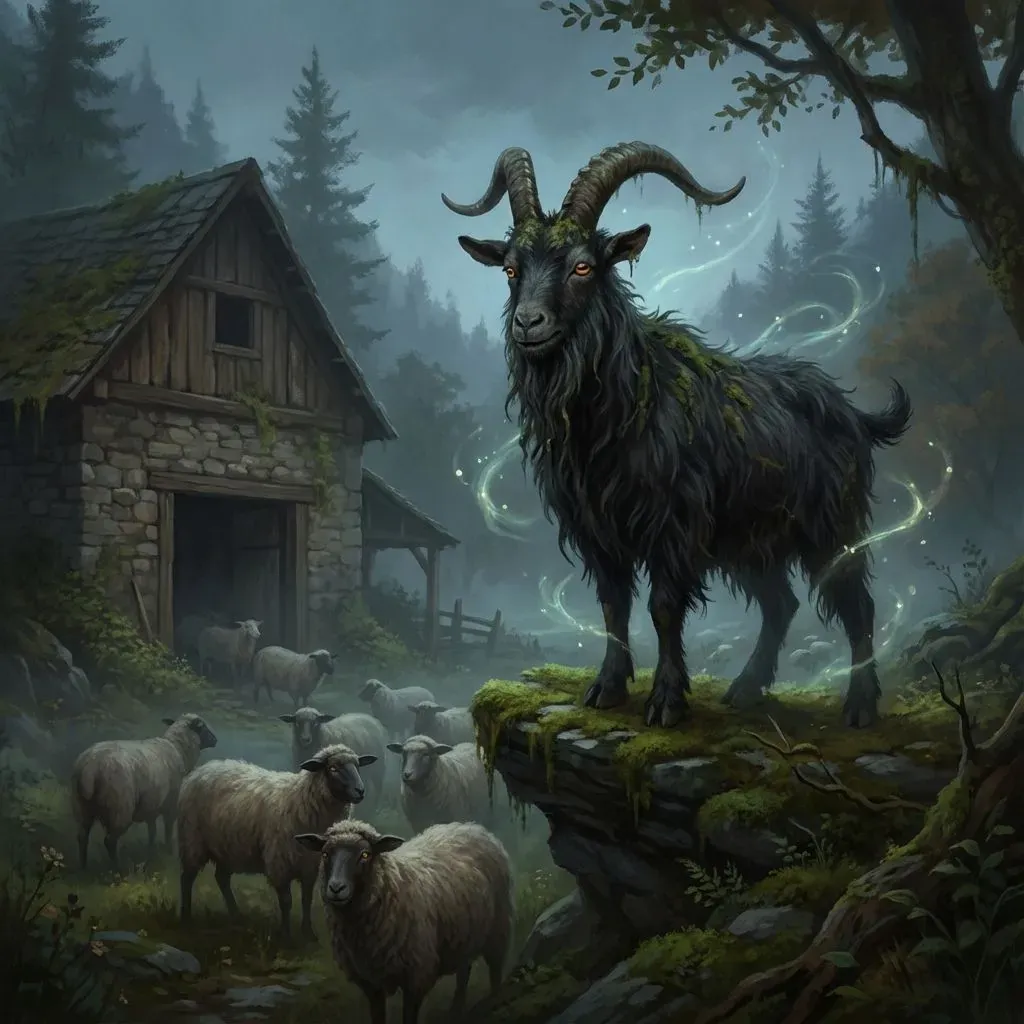
In the caves of Zugarramurdi, beside the French border, the sorginak were said to hold nocturnal sabbaths. According to confessions extracted by the Inquisition, they worshipped Akerbeltz, the black he-goat, dancing and performing rites beneath the moonlight.
The word akelarre comes precisely from these gatherings: aker (he-goat) + larre (meadow). The "meadow of the he-goat" named the place where witches assembled, and Zugarramurdi became the most famous location of all across the peninsula.
In 1610, the tribunal of Logrono held the largest witchcraft trial in Spanish history. More than three hundred people were accused, fifty-three were prosecuted, and eleven died at the stake. The confessions spoke of night flights, animal transformations, poisons and spells cast against neighbors.
Today we know that the so-called witches were probably healers, midwives and guardians of rural traditions persecuted by religious orthodoxy. The caves of Zugarramurdi are now a museum and a place of memory, preserving both the tragedy and the mystery of the original Akelarre.
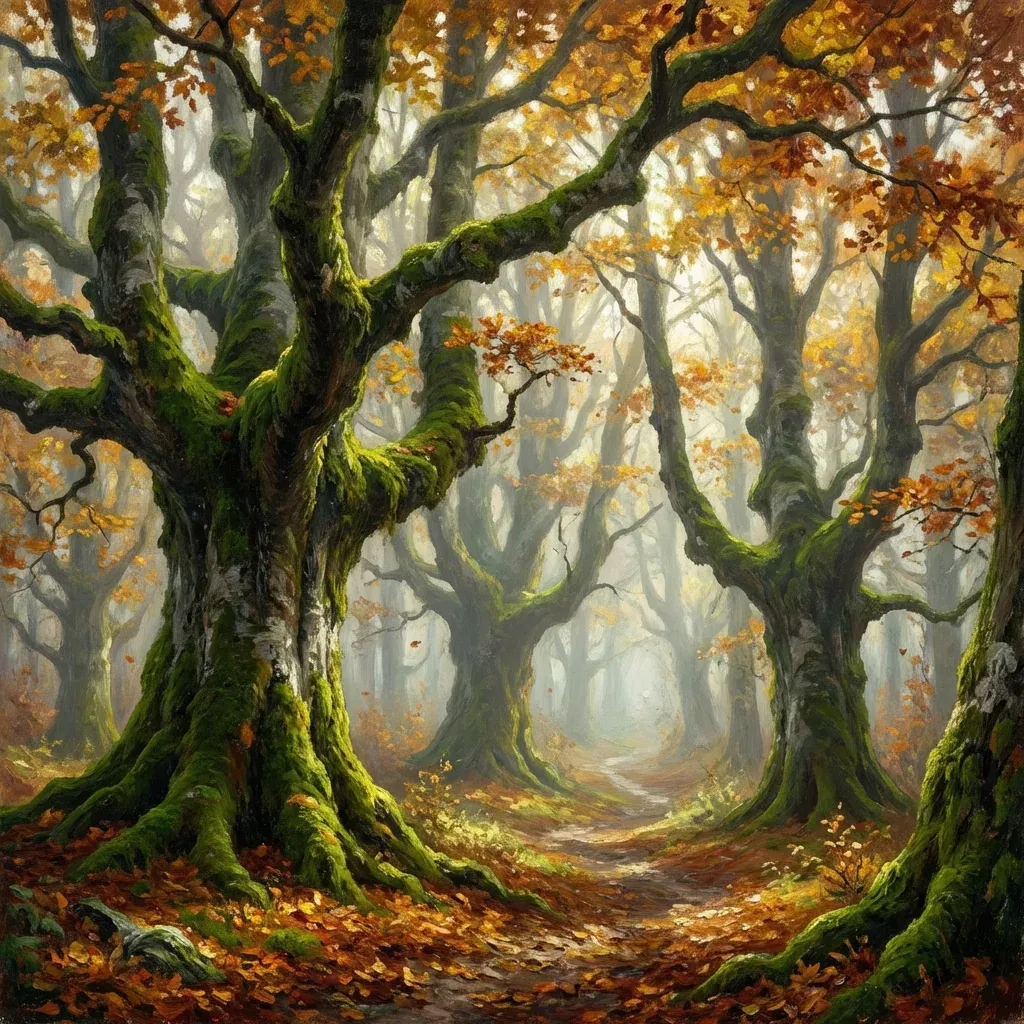
To enter the deep forests of Navarre is to encounter the unsettling echo of the cave of Zugarramurdi. In this imposing place, the tragic history of persecution and the symbolic memory of Basque witchcraft converge.
Seventeenth-century villagers claimed that women and men who had renounced the Christian faith gathered secretly in the grotto. There, beneath the night sky, they were said to sing pagan songs in honor of the black he-goat and to celebrate forbidden rites.
That fantasy collided violently with the zeal of the tribunal of Logrono in 1610. Drawing on frightened testimony, the authorities turned rumor into judicial truth and condemned dozens of innocent people in one of the darkest episodes of Iberian repression.
The power of that forced sacrifice turned Zugarramurdi into a universal shrine of the sorginak. To this day, the stories that fill its cave hold together memory, pain, superstition and the resilient prestige of an ancestral imagination.