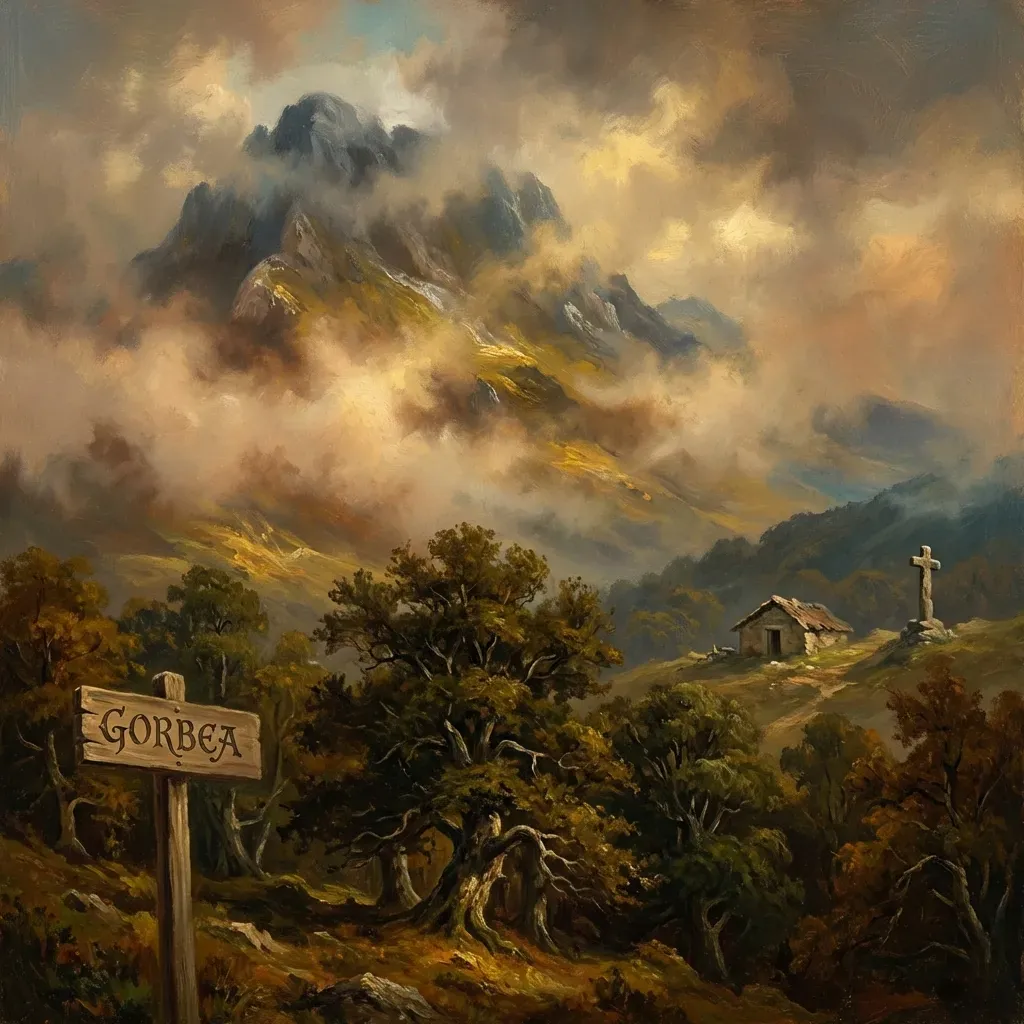
Bargota
The small Navarrese village where the legendary wizard lived.
? The sorcerer of Navarre ?
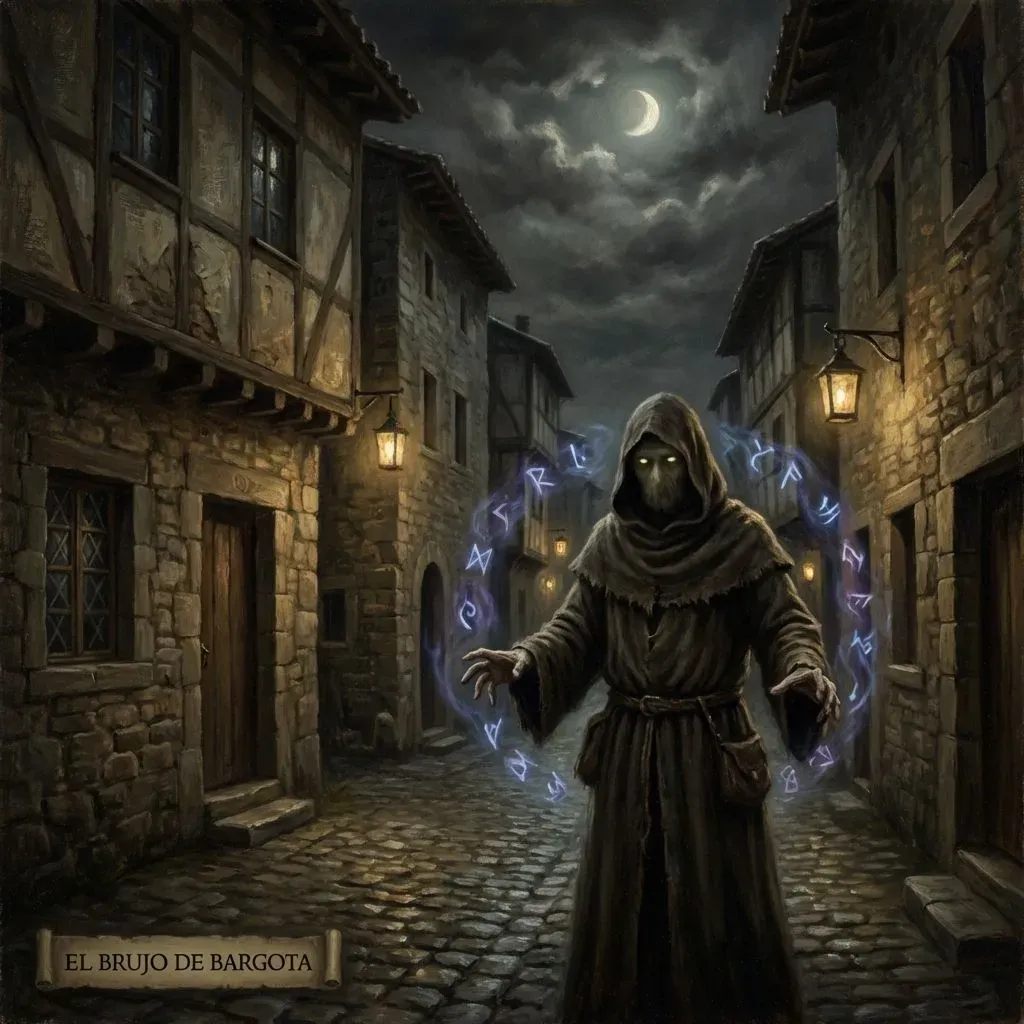
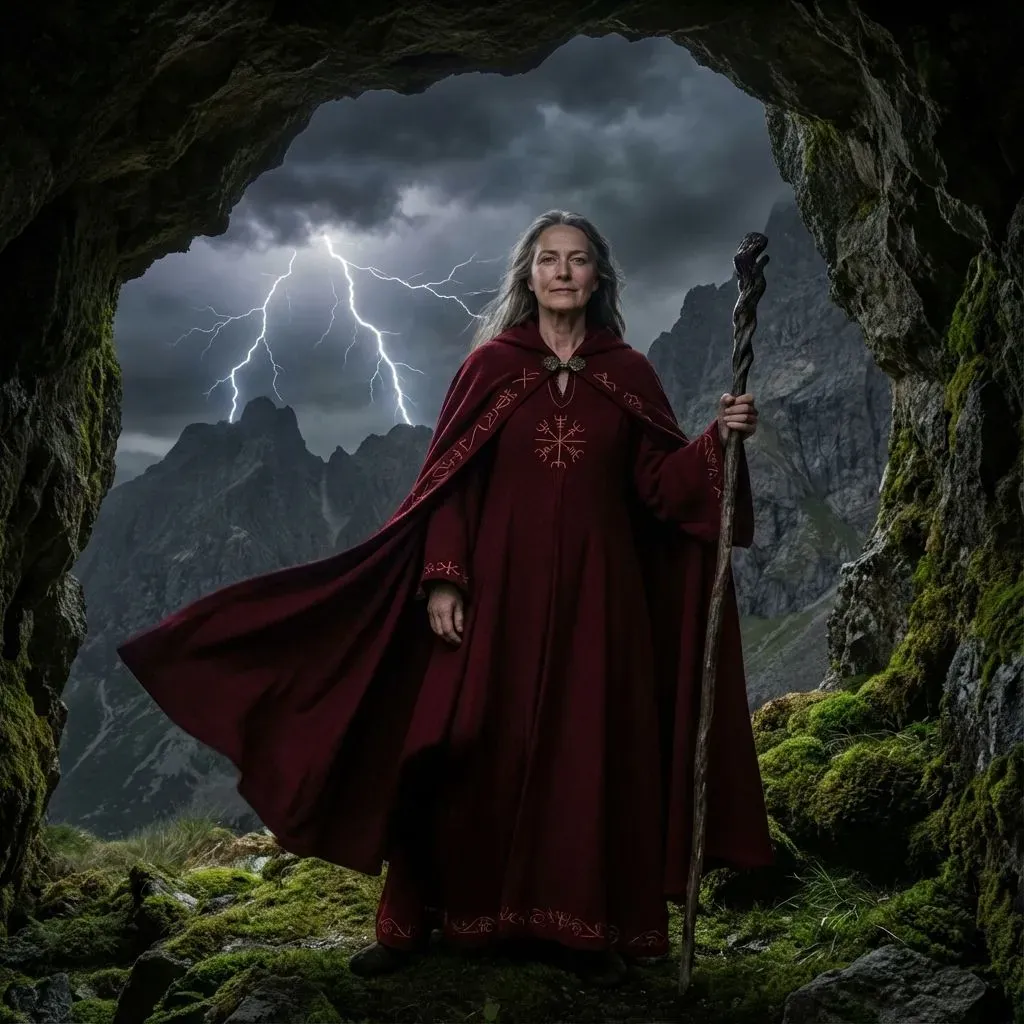
In the small Navarrese village of Bargota, near Los Arcos, there lived a man known as the Wizard of Bargota. His real name was Johannes, and the fame of his supernatural gifts spread throughout the whole district.
People said that Johannes could control the weather, bringing rain in times of drought or halting storms that threatened the harvest. Peasants came to him to cure livestock, recover lost objects, or read what the future might hold.
They also said he could fly through the air, turn himself into animals, and appear in places very far away within a matter of minutes. Some feared him, others revered him, but everyone respected him.
His figure represents the tradition of rural healers and ?good witches' that survived in the countryside of Navarre: mediators between ordinary people and the mysterious forces of nature. Unlike the witches of Zugarramurdi, the Wizard of Bargota is remembered with a certain popular affection.
The small Navarrese village where the legendary wizard lived.
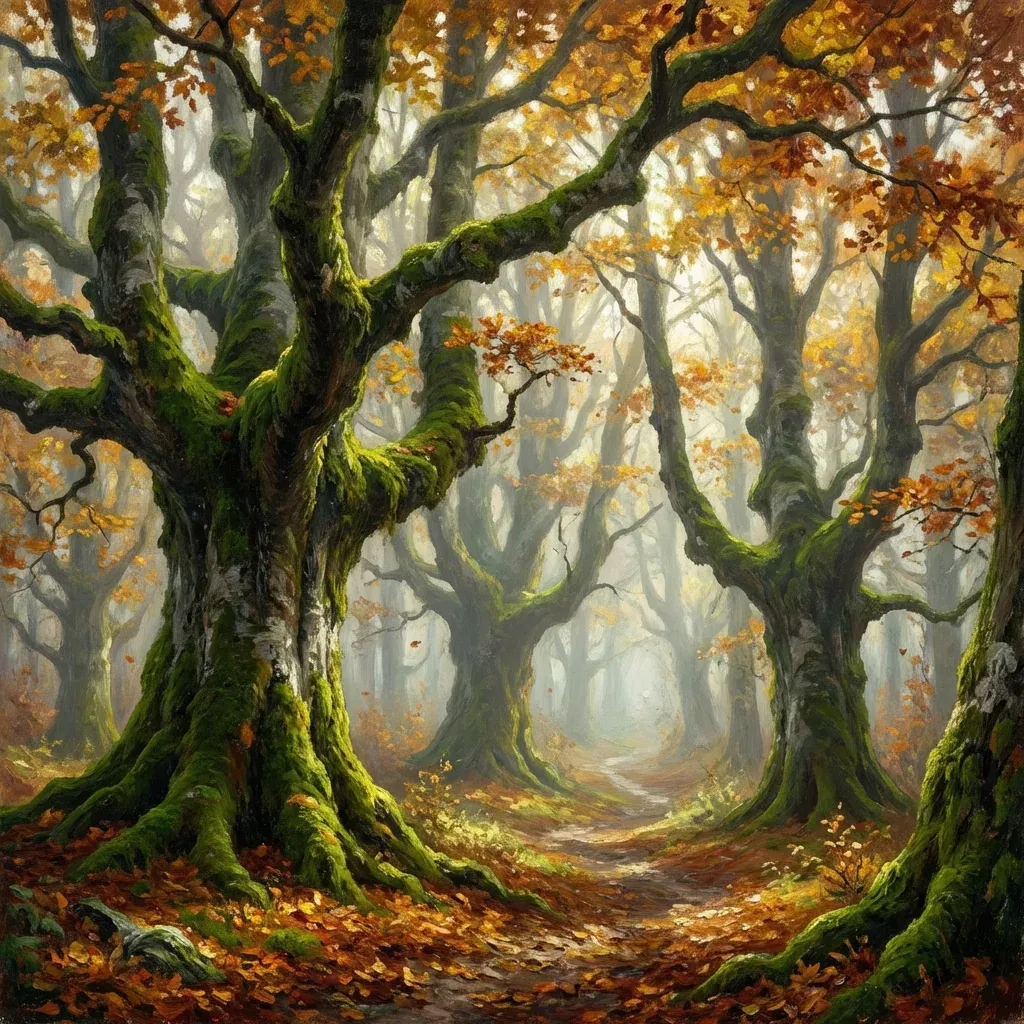
The region where his fame spread most strongly.
The Wizard of Bargota stands at the crossroads of history and legend. Unlike wholly mythic beings, he belongs to a recognizable place, a known village, and a social world in which magic, religion, healing, and fear coexisted in unstable balance.
That makes him especially compelling. He is not remembered merely as a threatening sorcerer, but as a figure who used extraordinary knowledge for practical help: healing, weather control, and relief in times of need.
His later clash with institutional suspicion gives the legend its deeper tension. Bargota?s wizard embodies a type of local power that official structures could not fully absorb or control, and therefore had reason both to fear and to condemn.
The story endures because it offers a portrait of popular magic not as pure evil, but as a deeply ambivalent form of prestige, service, danger, and communal memory.