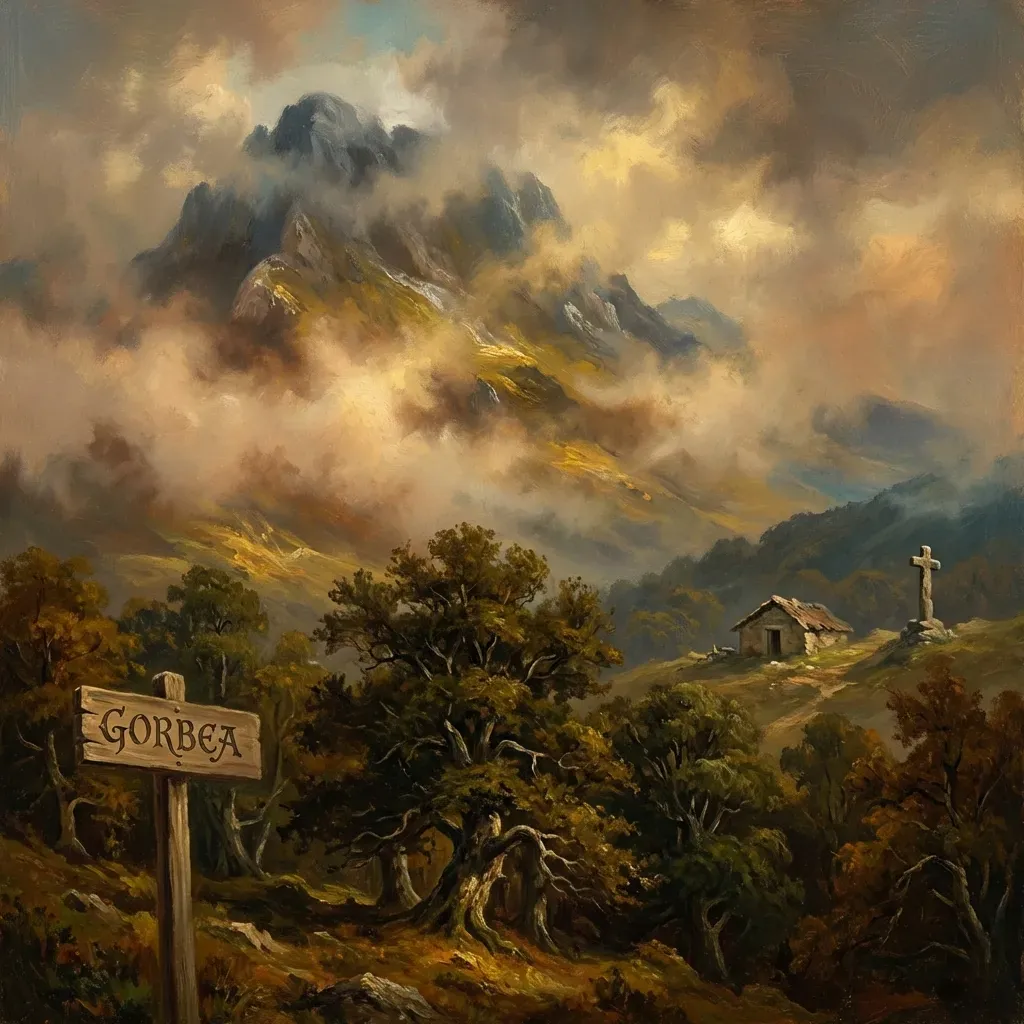
Mountain paths
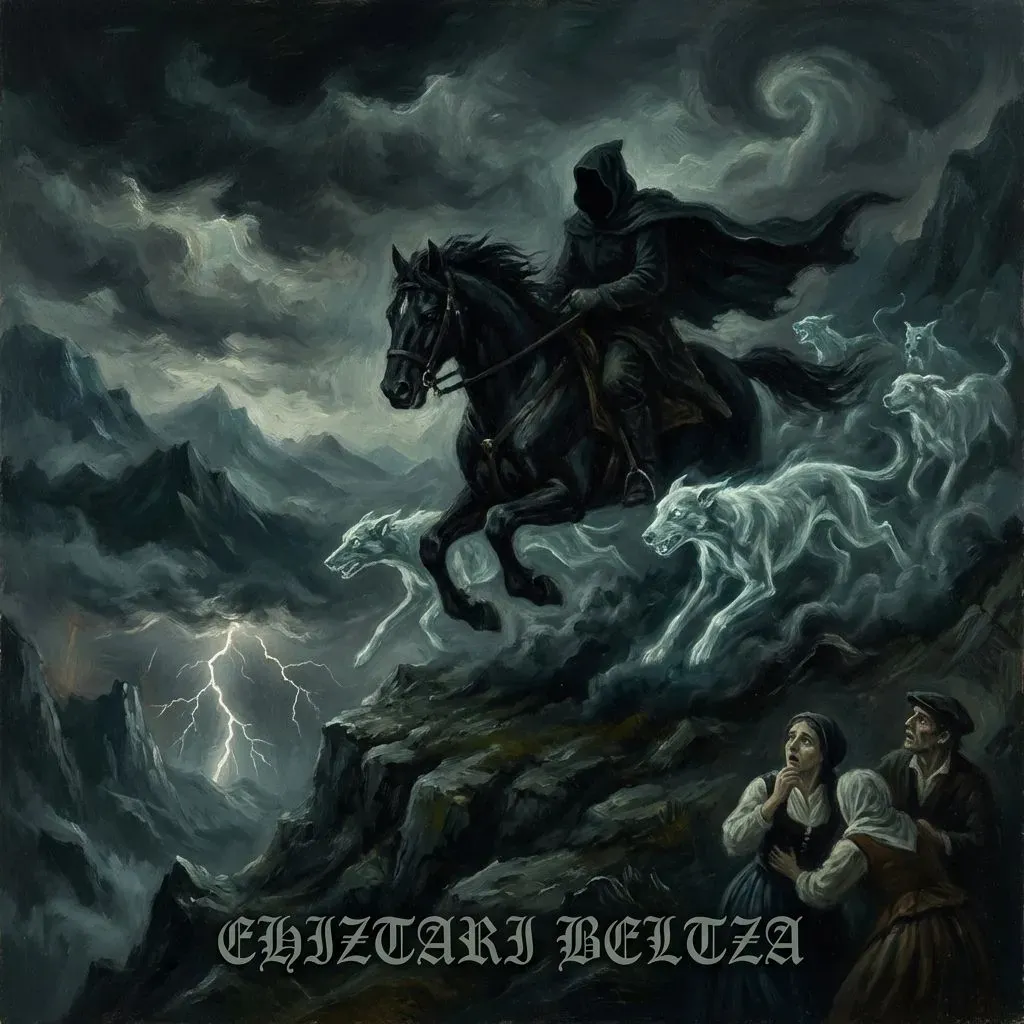
The trails where Gaueko punishes night walkers.
— The lord who rules the dark hours —
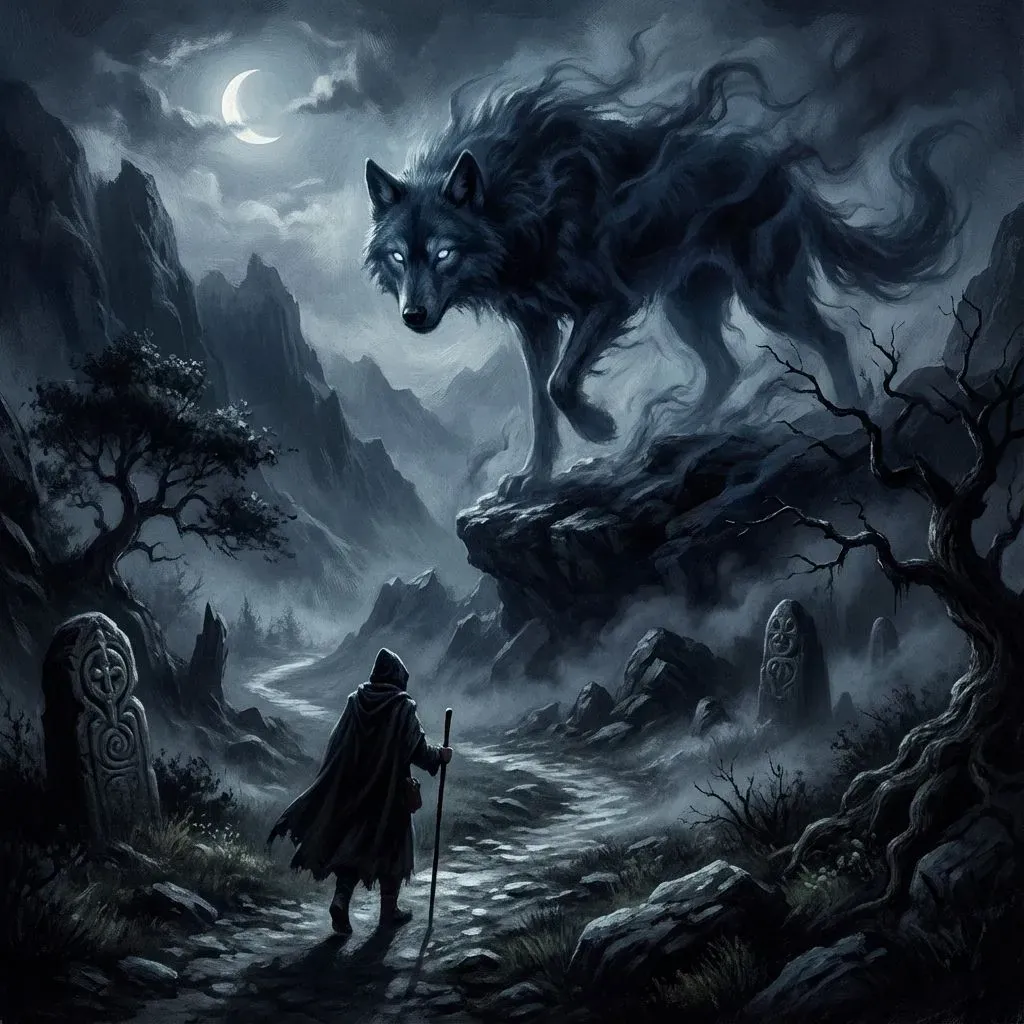
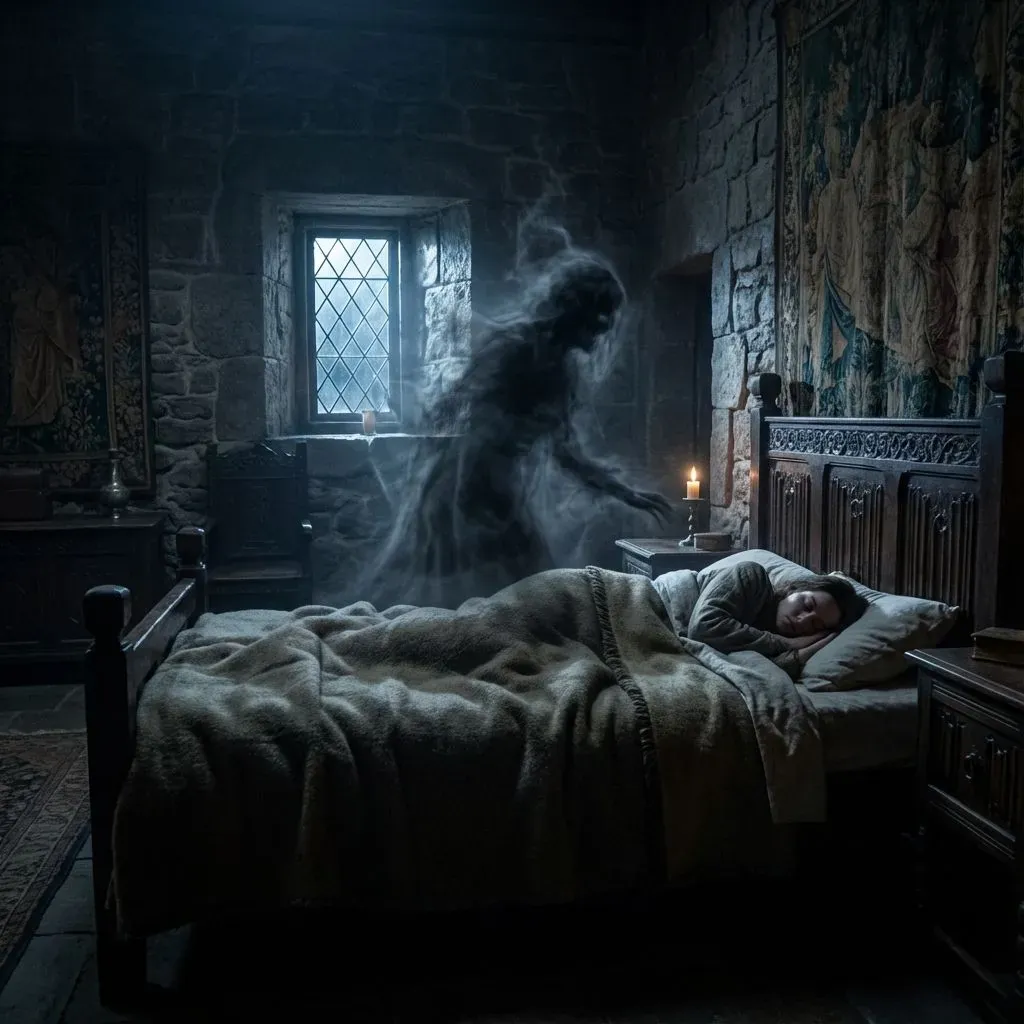
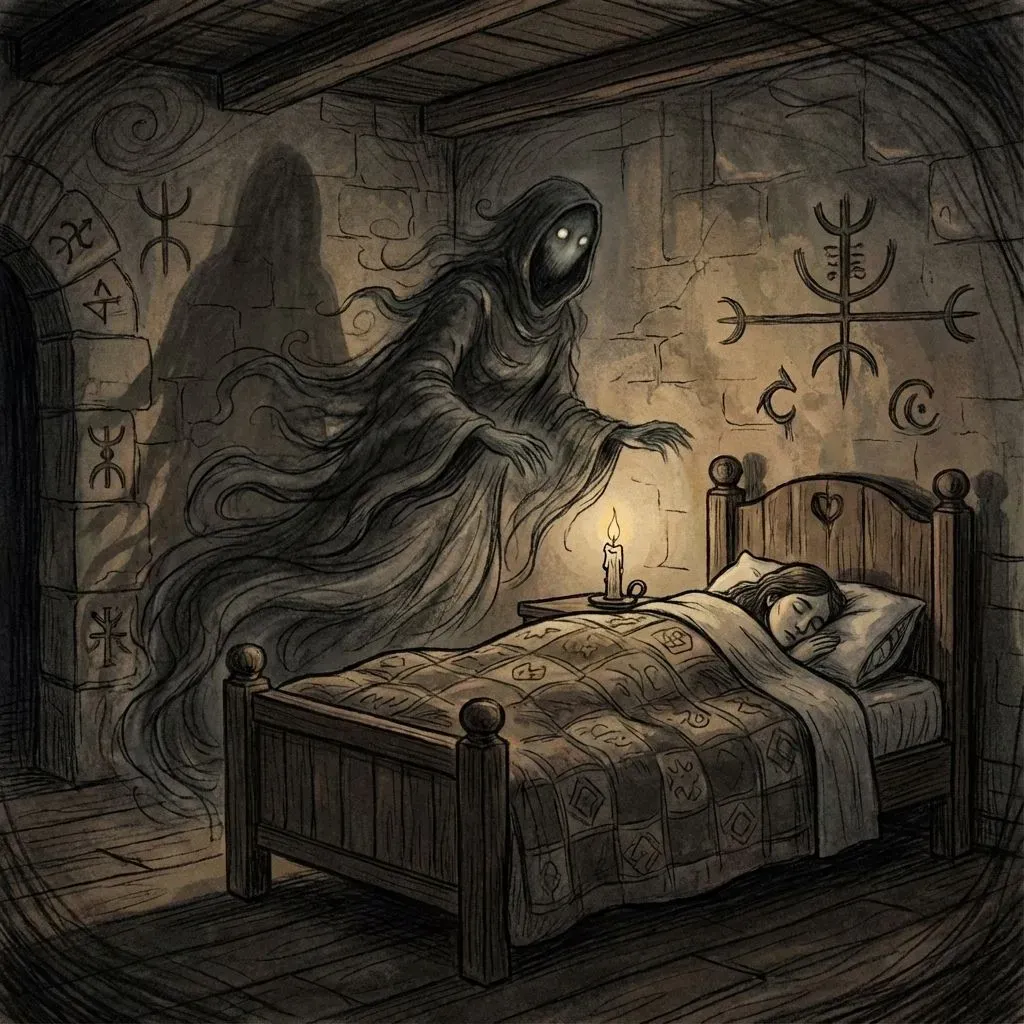
Gaueko is the spirit of the night, the absolute lord of the dark hours. His proclamation is clear: "Gaua gauekoarentzat" — the night belongs to the one of the night, or in other words: the night is mine, the night belongs to Gaueko.
When the sun goes down, his dominion begins. Whoever works in the fields after dusk, whoever walks the paths at the wrong hour, or whoever dares to perform tasks at night invades his realm and challenges his authority.
Gaueko's punishment is terrible: invisible blows, losing oneself in familiar places, sudden illness or even death. The elders told stories of charcoal burners, woodcutters and shepherds who vanished because they failed to respect the sacred boundary between day and night.
Only respect for that limit guarantees the safety of mortals who know the rules of the old world. The night belongs to other beings: to Gaueko, to Inguma, to the spirits who wander when humans should be sheltered inside their homes.
The trails where Gaueko punishes night walkers.
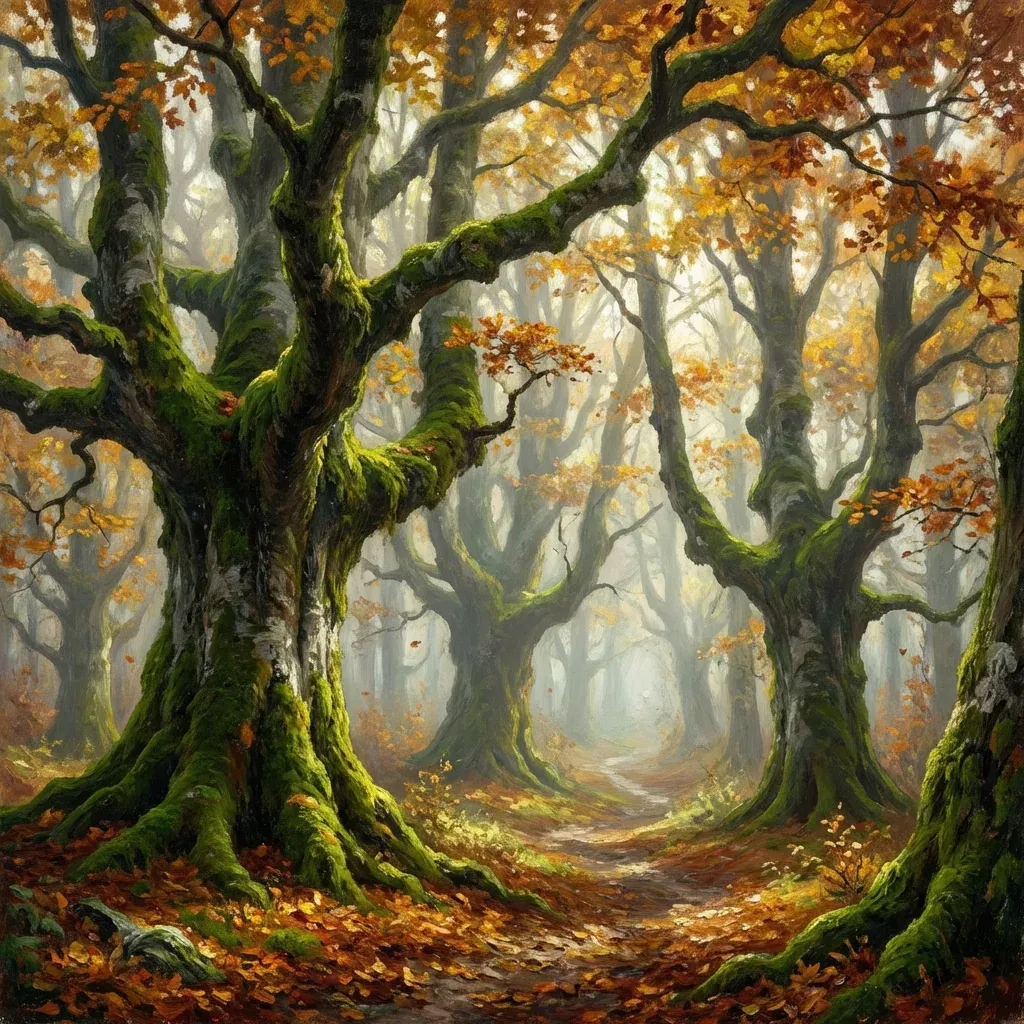
The working spaces where labor after dusk was forbidden.
Gaueko embodies one of the strongest moral and cosmological boundaries in Basque tradition: the idea that time itself is divided between the human world and the realm of beings who belong to darkness.
He does not merely frighten for the sake of fear. Gaueko enforces a sacred order. Night is not just the absence of light, but a domain with its own owner, its own laws and its own dangers.
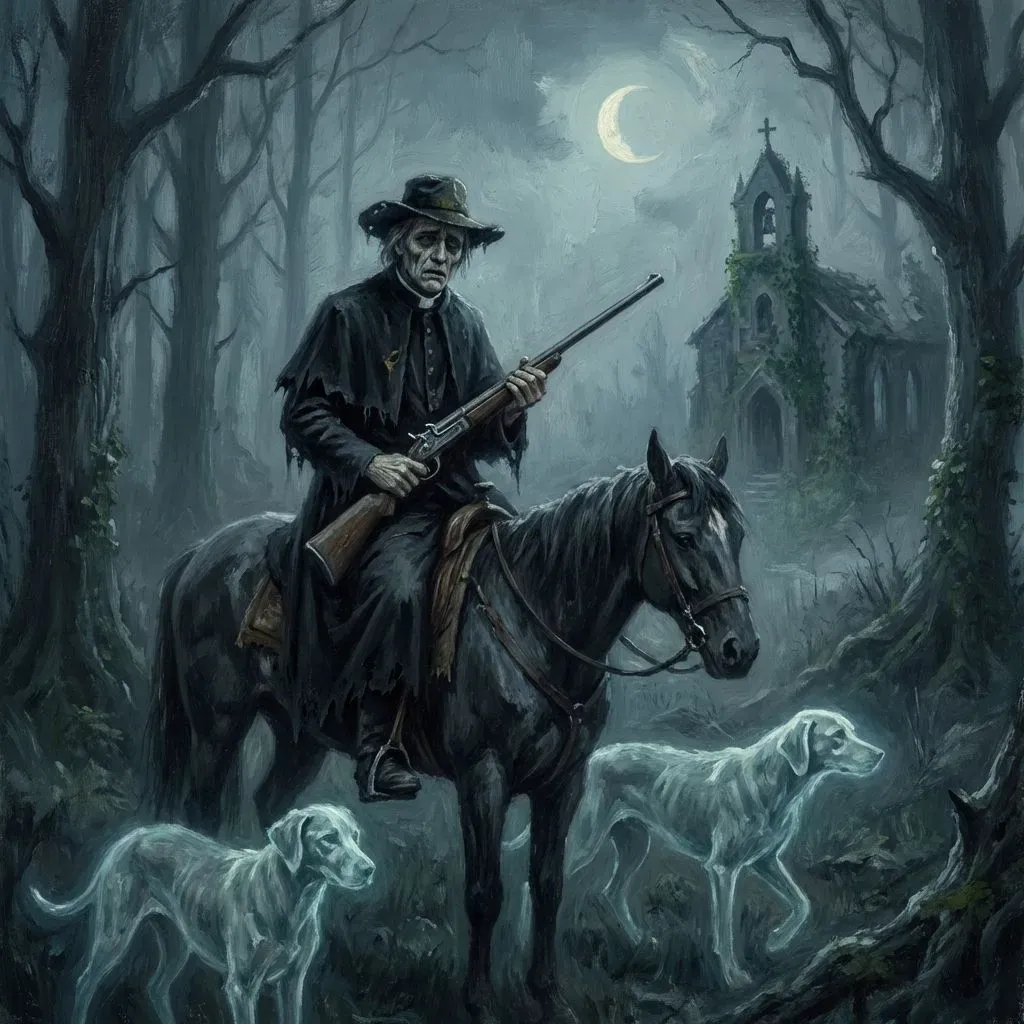
That is why the old tales insist so strongly on those who broke the rule by working, wandering or hunting after sunset. Gaueko turns disobedience into punishment and makes the landscape itself hostile to the transgressor.
The legend preserves a worldview in which survival depended on understanding rhythm and limit. To respect the night was to respect the structure of the world itself.