Ataun
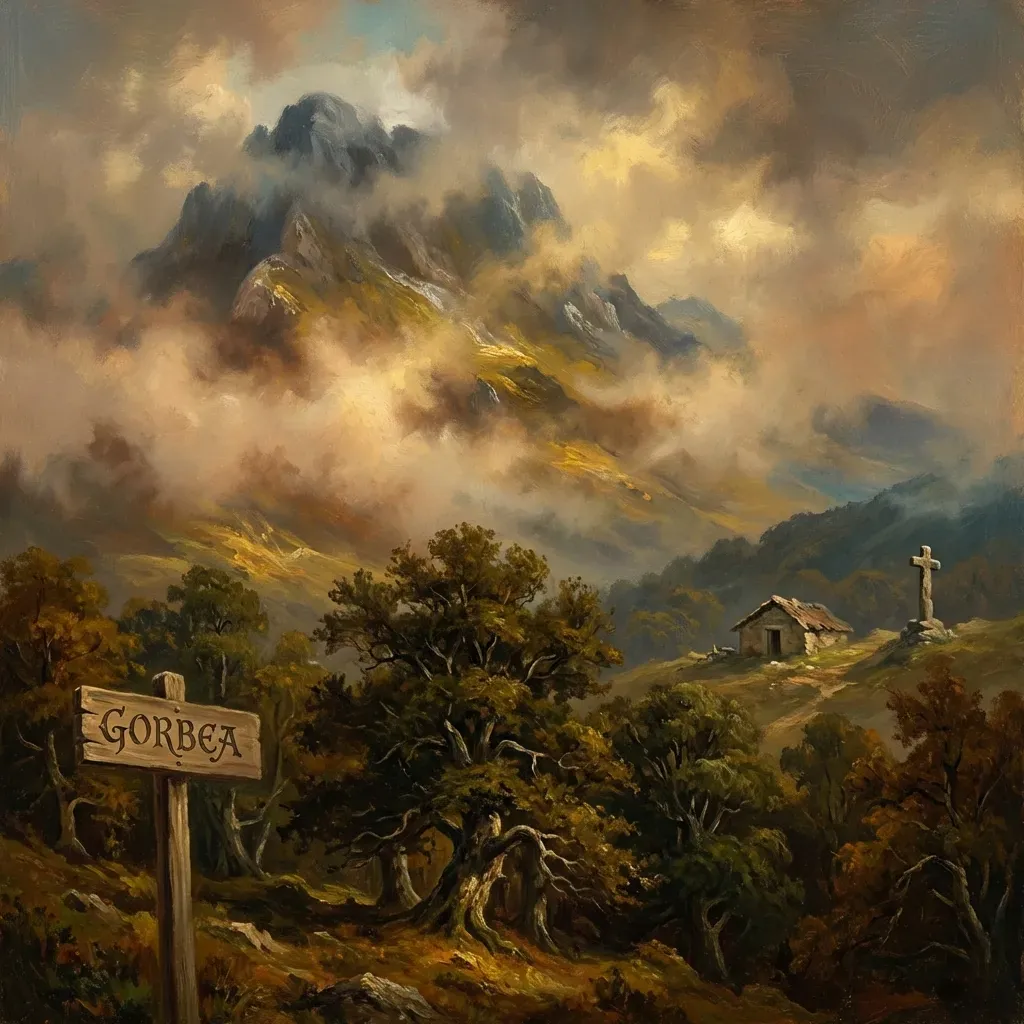
The Gipuzkoan town where the priest served before his curse.
— The priest condemned to wander —
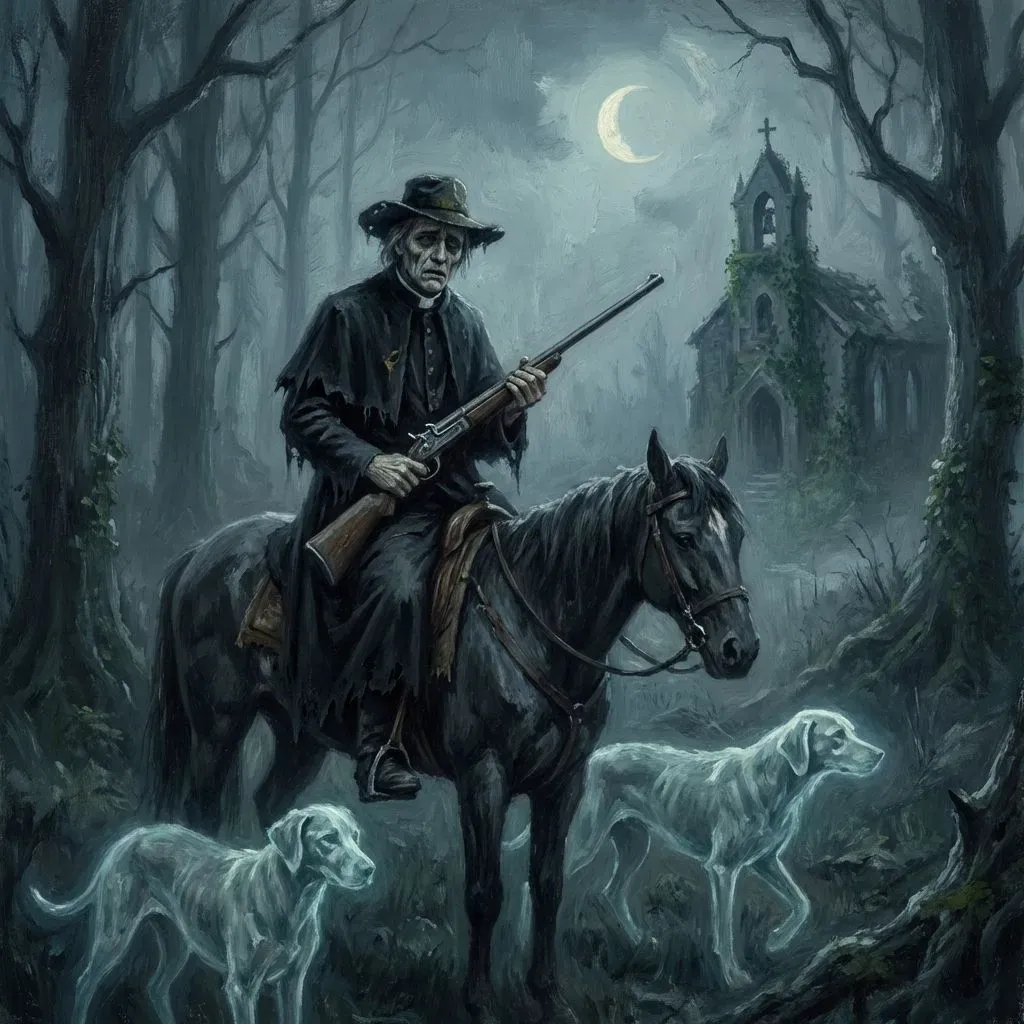
In the parish of Ataun, in Gipuzkoa, there served a priest called Mateo Txistu whose uncontrollable passion was hunting. His dogs were his greatest pride, and nothing pleased him more than chasing hares and boars through the mountains.
One fateful Sunday, while he was celebrating Mass, he heard his dogs barking on the hillside. A boar was passing near the church. Unable to contain himself, Mateo Txistu abandoned the altar in the middle of the consecration and ran after the quarry.
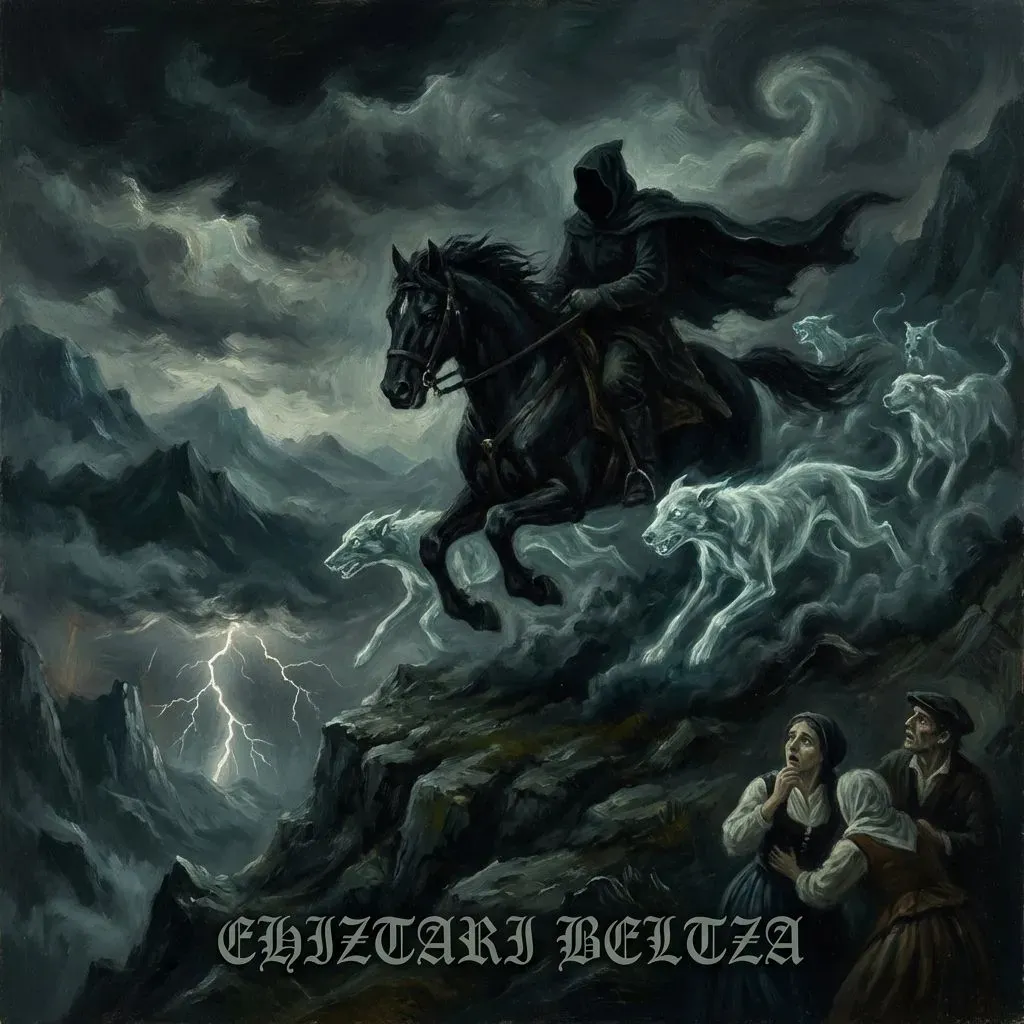
For that terrible sacrilege he was condemned to wander forever through the mountains of Gipuzkoa, pursuing prey he will never catch. His spectral pack accompanies him, and on stormy nights their howls are said to echo among the summits.
Those who hear the gallop of his horse and the barking of his hounds know that Mateo Txistu is still hunting without rest, eternally paying for having placed a worldly passion above his sacred duties.
The Gipuzkoan town where the priest served before his curse.
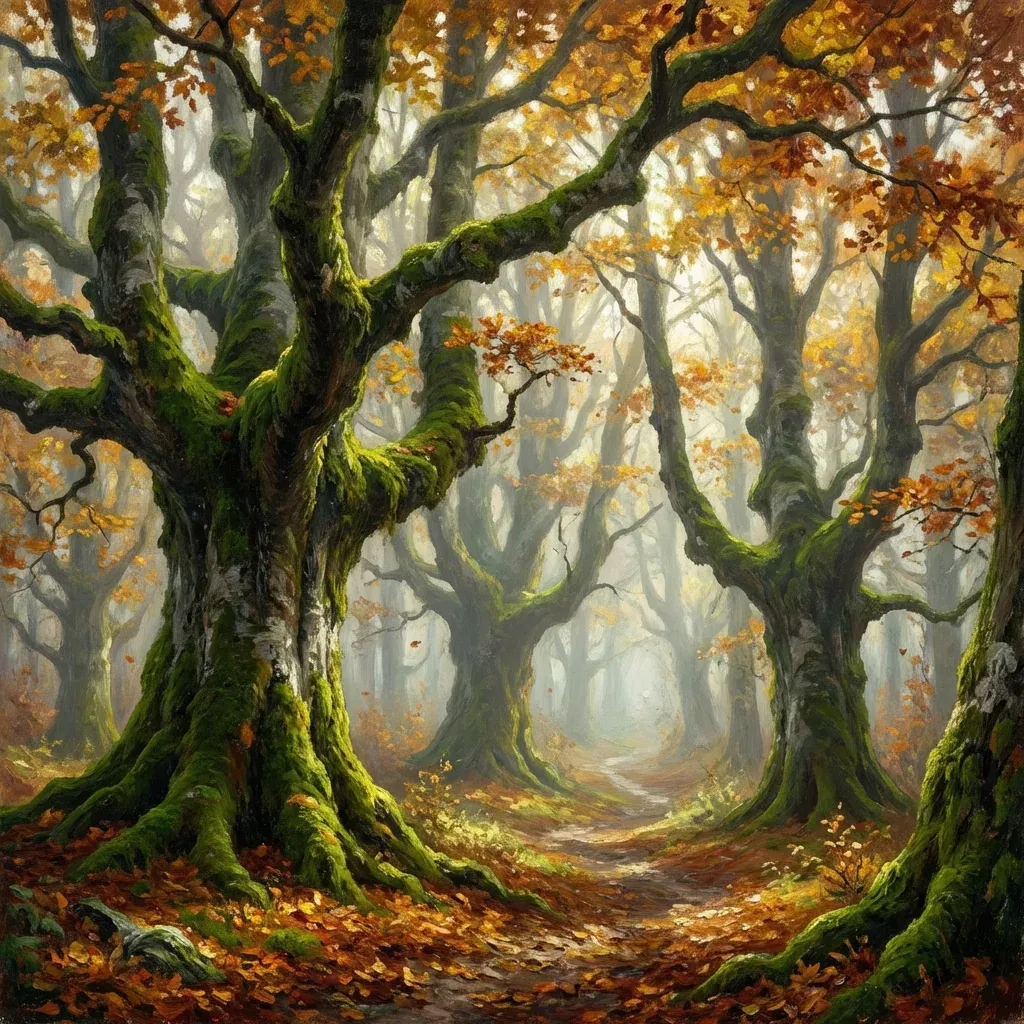
The heights through which Mateo Txistu wanders forever with his pack.
Mateo Txistu stands at the meeting point between Christian morality and a much older folkloric imagination. His story absorbs the image of the cursed hunter and reshapes it within the religious landscape of the Basque mountains.
The core of the legend is simple and devastating: a priest abandons the sacred act of Mass for the thrill of the hunt. In one instant, desire overwhelms duty, and from that rupture comes an eternal punishment.
That is why the tale survived so strongly in rural memory. It warned against sacrilege, but it also explained those nights when the mountains seemed alive with galloping, barking and the roar of storm clouds.
Mateo Txistu is not only a sinner turned ghost. He is the Basque version of the hunter condemned never to rest, an echo of the Wild Hunt adapted to the moral imagination of Ataun and its surrounding heights.
The elders say that on fierce nights, when sudden storms rage and shatter windows, the cause is neither angry witches nor a defiant Aatxe. It is the furious, unceasing rush of the infernal pack that Mateo Txistu drives through the deep ravines, desperately begging for a redemption that never comes, because he failed to restrain his passions and honour the spiritual discipline of the Basque people.