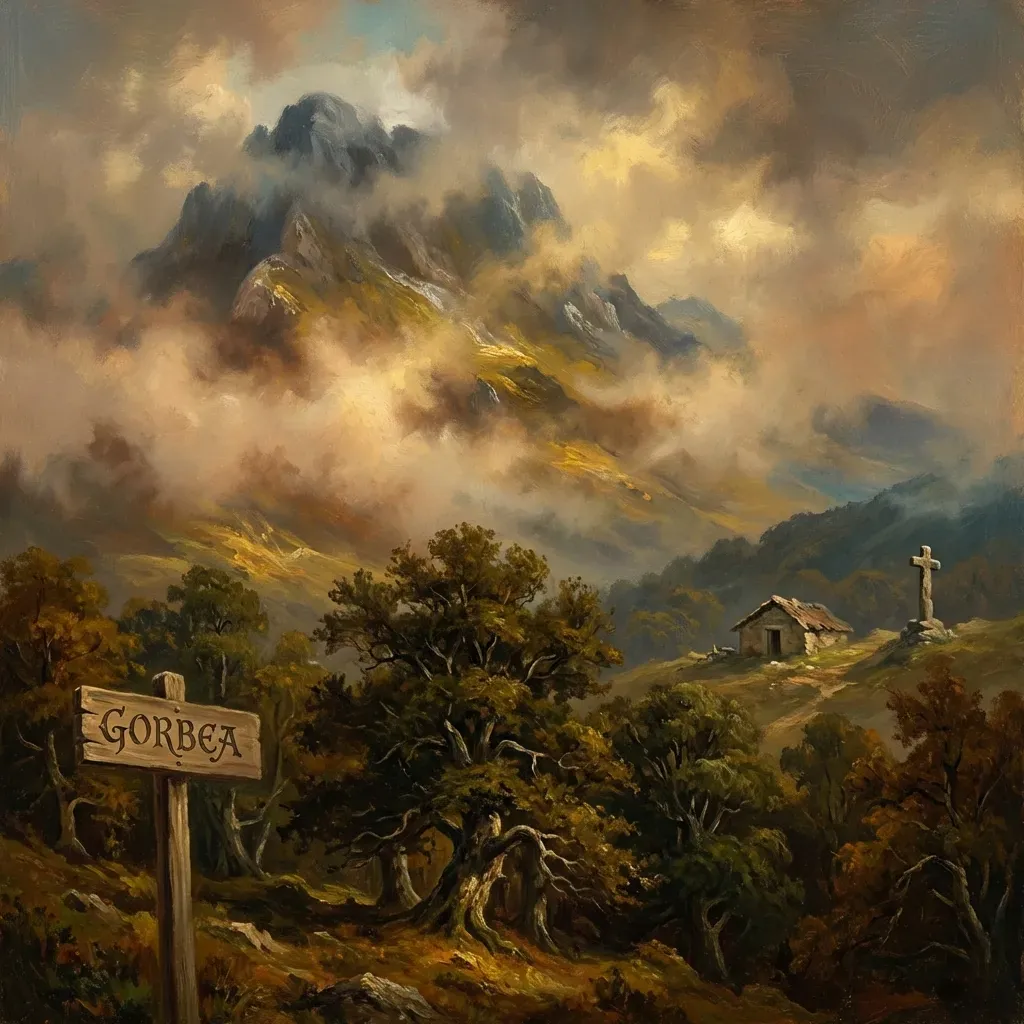
Remote farmhouses
Homes where the silence of night made Inguma's presence especially feared.
The nocturnal being that steals the breath of sleepers
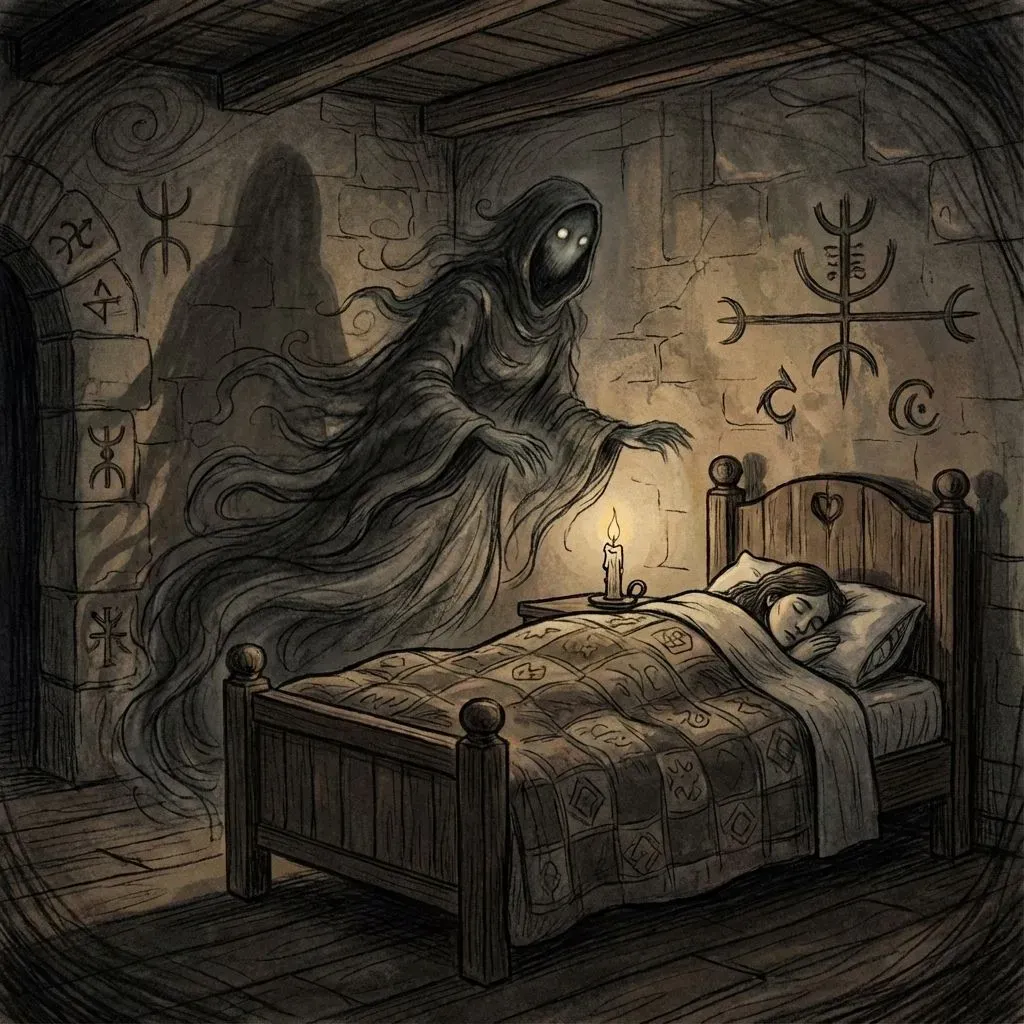
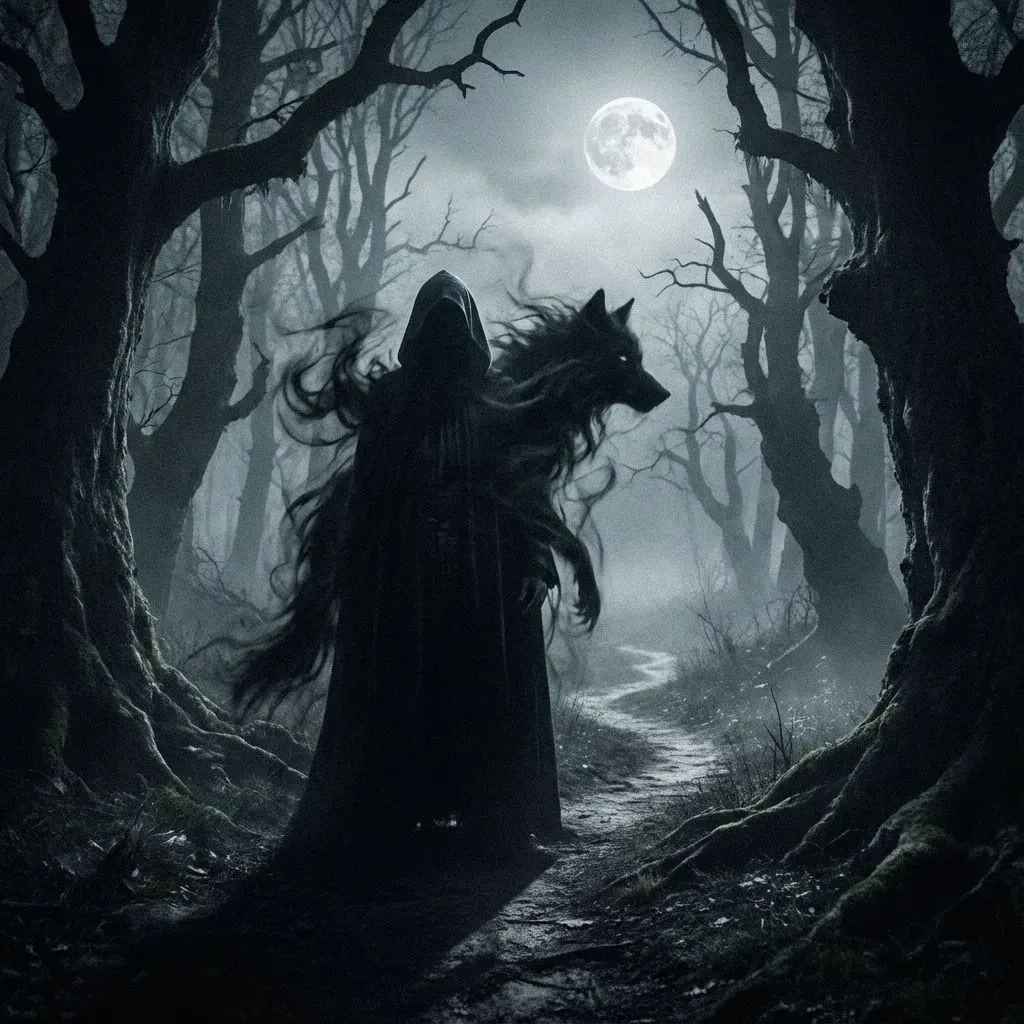
In remote Basque farmhouses, night was never only darkness and rest. Inguma was believed to slip among the shadows of deep sleep, seeking bodies on which to press his invisible weight.
Those who awoke sweating, unable to move or cry out, recognized his visit without doubt. What modern language calls sleep paralysis, older tradition explained as the oppressive presence of a real nocturnal being.
One of the most repeated protections was to speak or recover one's own name. To restore personal identity in the midst of paralysis was to weaken Inguma's hold and drive him back into the outer dark.
The legend reveals how central the name and the self could be in Basque imagination. To know oneself, even in terror, was a form of protection.
Homes where the silence of night made Inguma's presence especially feared.
Interior night spaces where dream and terror seemed to merge.
Inguma is one of the clearest Basque figures of intimate nocturnal terror. Unlike the open-air monsters of mountains and ravines, he enters the most vulnerable interior space: the sleeping body.
That makes him especially frightening. The attack happens not in the wild, but in the home, at the point where the dreamer loses command of voice and movement.
The tradition surrounding Inguma is notable because it links fear to a strategy of resistance: reclaim the name, reclaim the self, and break the grip of the night being.
The tale survives because it gives shape to one of the most universal fears of sleep, while turning identity itself into a sacred defense.