Teodosius of Goñi
The Navarrese knight who, deceived by the devil, committed parricide and wandered in chains until Saint Michael freed him at Aralar.
— Nafarroa —
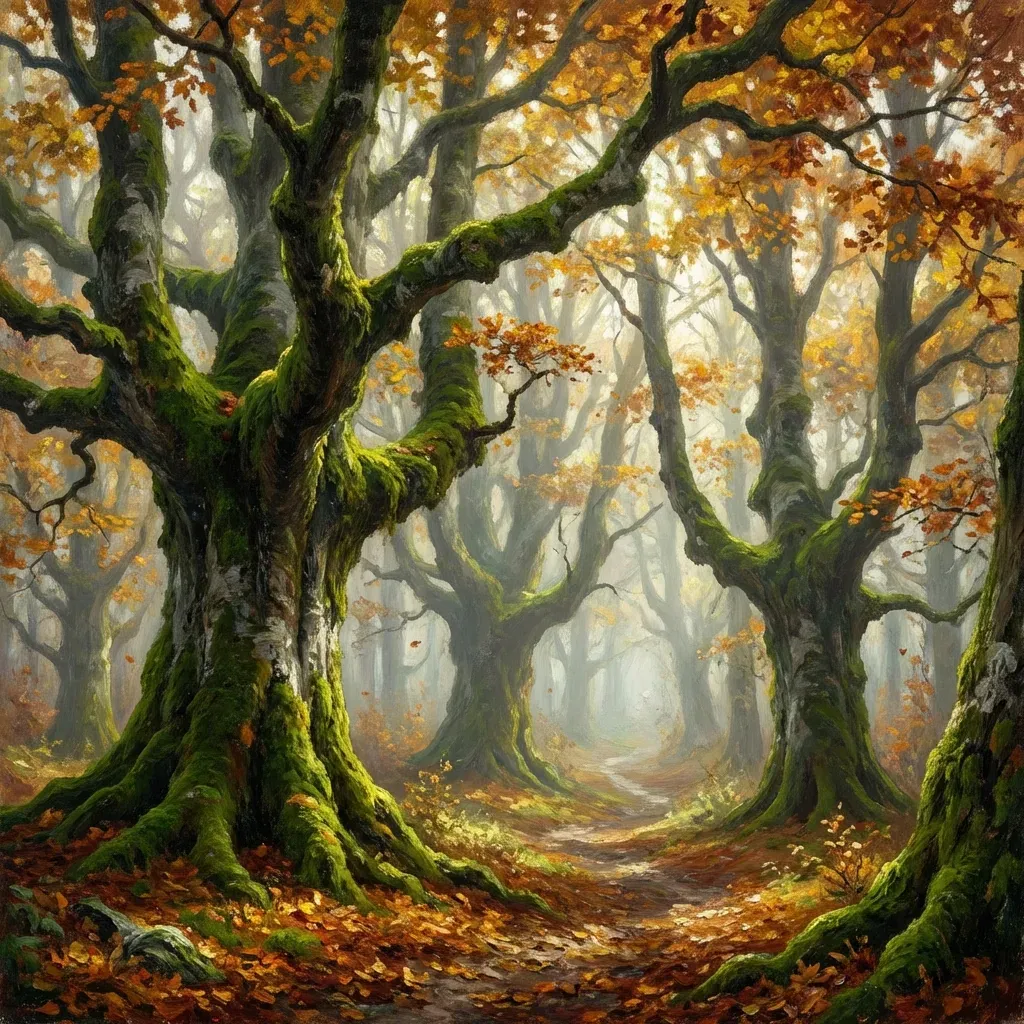
The Baztan Valley is one of the most magical and mysterious corners of Euskal Herria. Located in the far north of Navarre, very close to the French border, this broad green valley of scattered villages, meadows and woodlands has become a landscape inseparable from Basque memory and legend.
Its fifteen villages, including Elizondo, Arizkun, Erratzu, Irurita and Amaiur, preserve a traditional architecture of remarkable beauty: large stone houses, carved wooden balconies, coats of arms and churches that reveal the historical importance of this Pyrenean territory.
Baztan has long been a land of witches, sorginak and lamias. Very near here, in Zugarramurdi and Urdazubi, are the famous caves where akelarres were said to take place, so the valley remains one of the clearest gateways into the mythical imagination of the western Pyrenees.
The beech, oak and chestnut woods covering the slopes of the valley are the legendary home of Basajaun, lord of the forest, and of the Lamiak who dwell in its many rivers and springs. Baztan?s rich oral tradition makes the valley one of the clearest landscapes in which myth and inhabited territory still overlap.
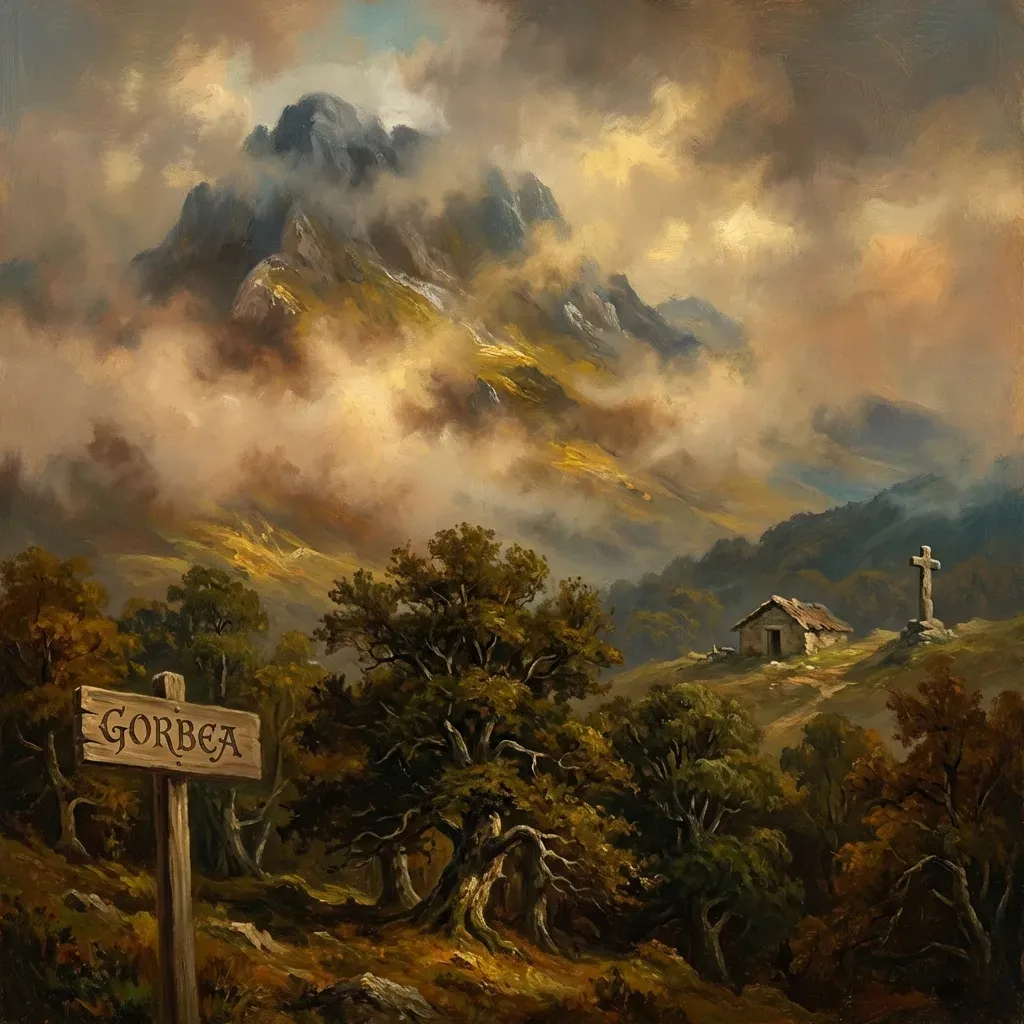
The Navarrese knight who, deceived by the devil, committed parricide and wandered in chains until Saint Michael freed him at Aralar.

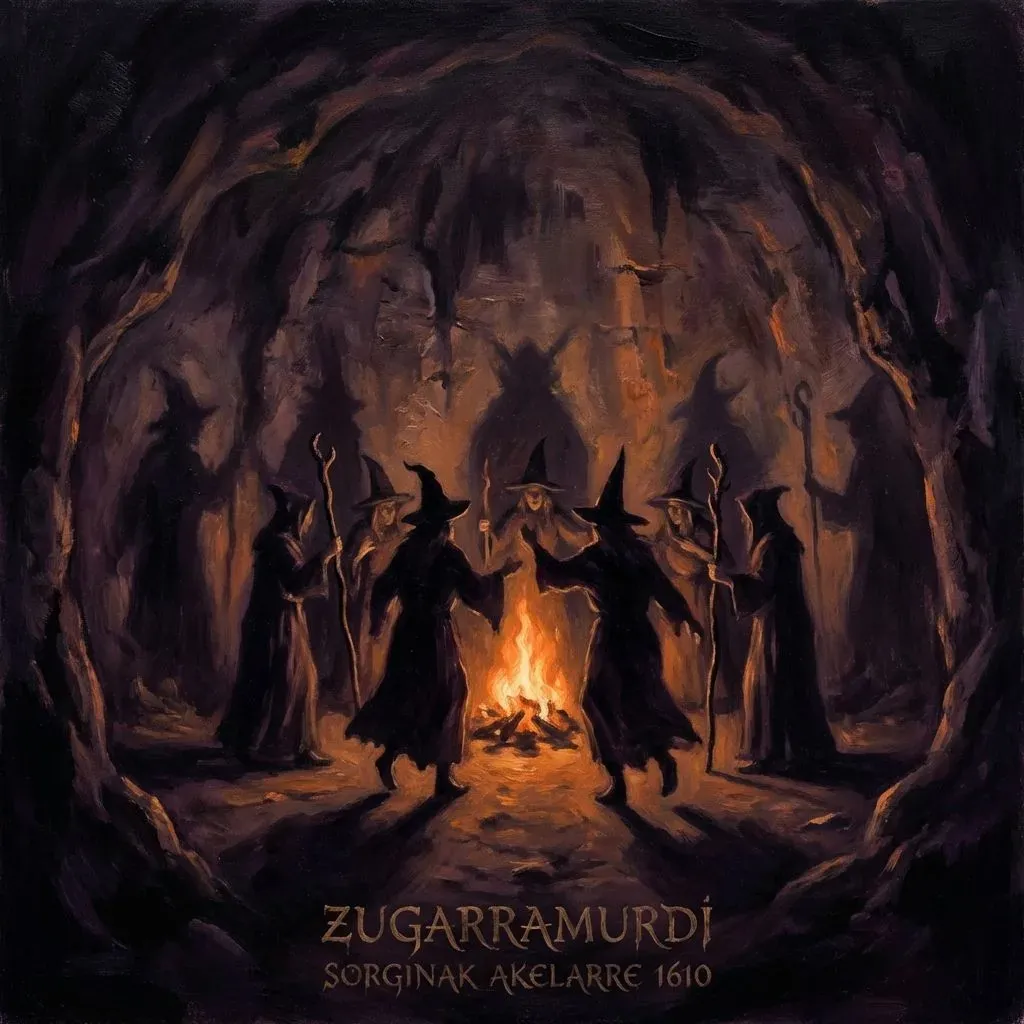
The famous inquisitorial trial of 1610 against the Navarrese witches who held akelarres in the sacred cave.
The Basque ambush against Charlemagne's army in the Pyrenean pass where the legendary Roland fell.
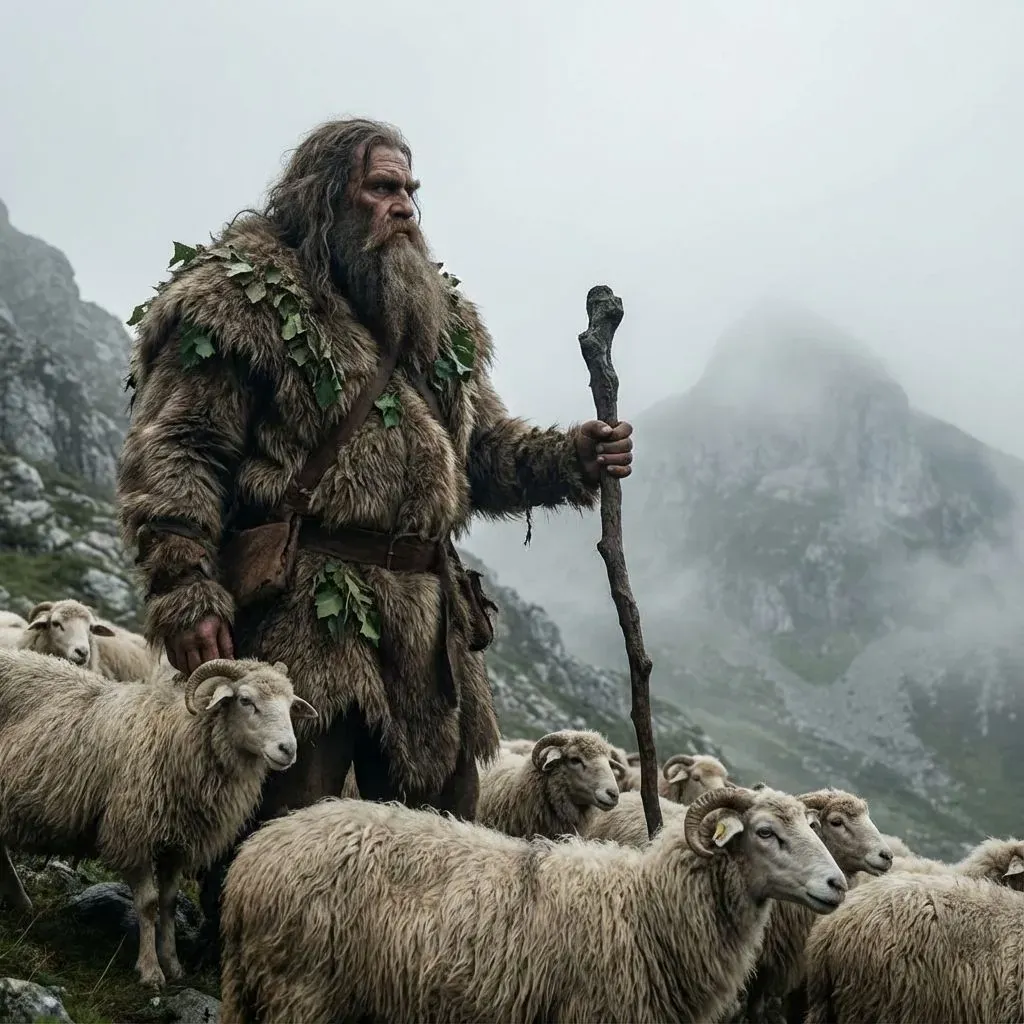
The shaggy giant who lives in the forests, protector of flocks and guardian of the secrets of agriculture and the forge.

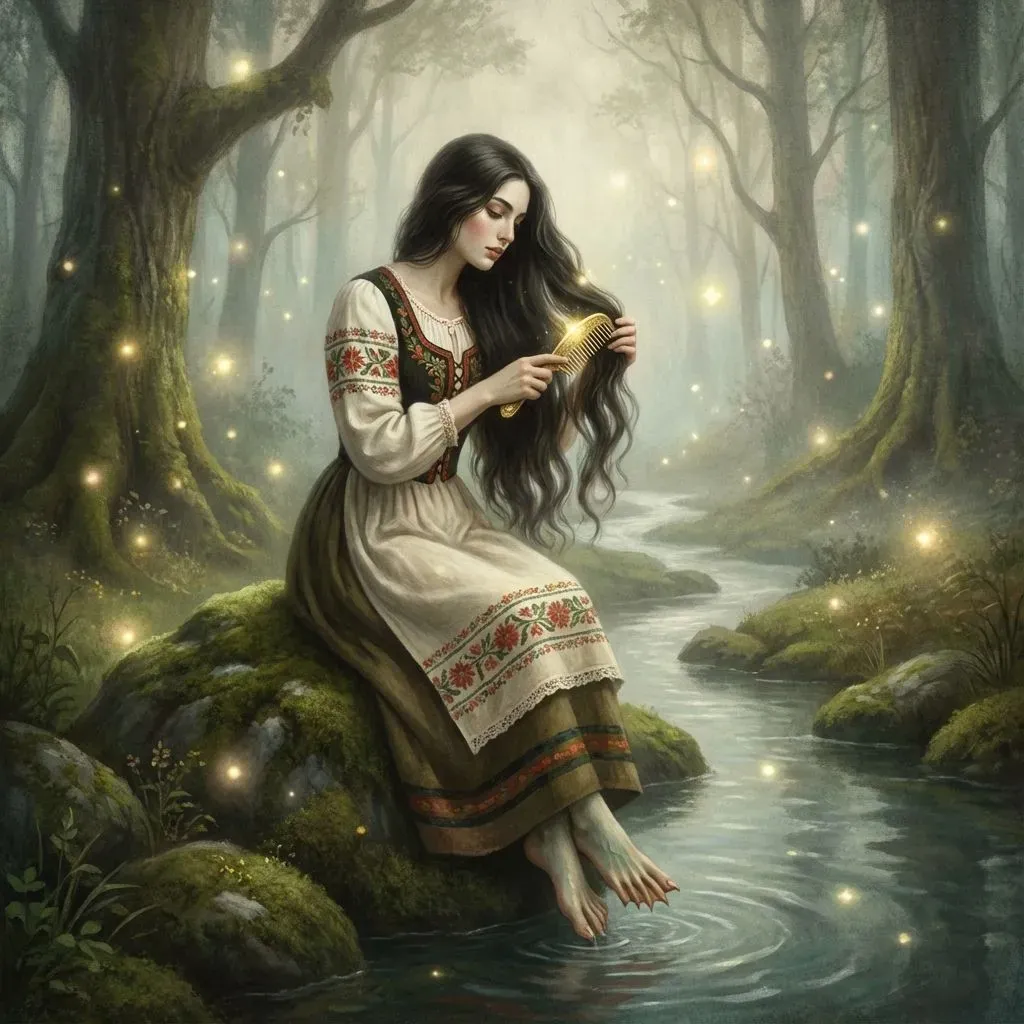
Seductive nymphs who dwell in rivers and springs, recognisable by bird feet or fish tails, combing their hair with golden combs.
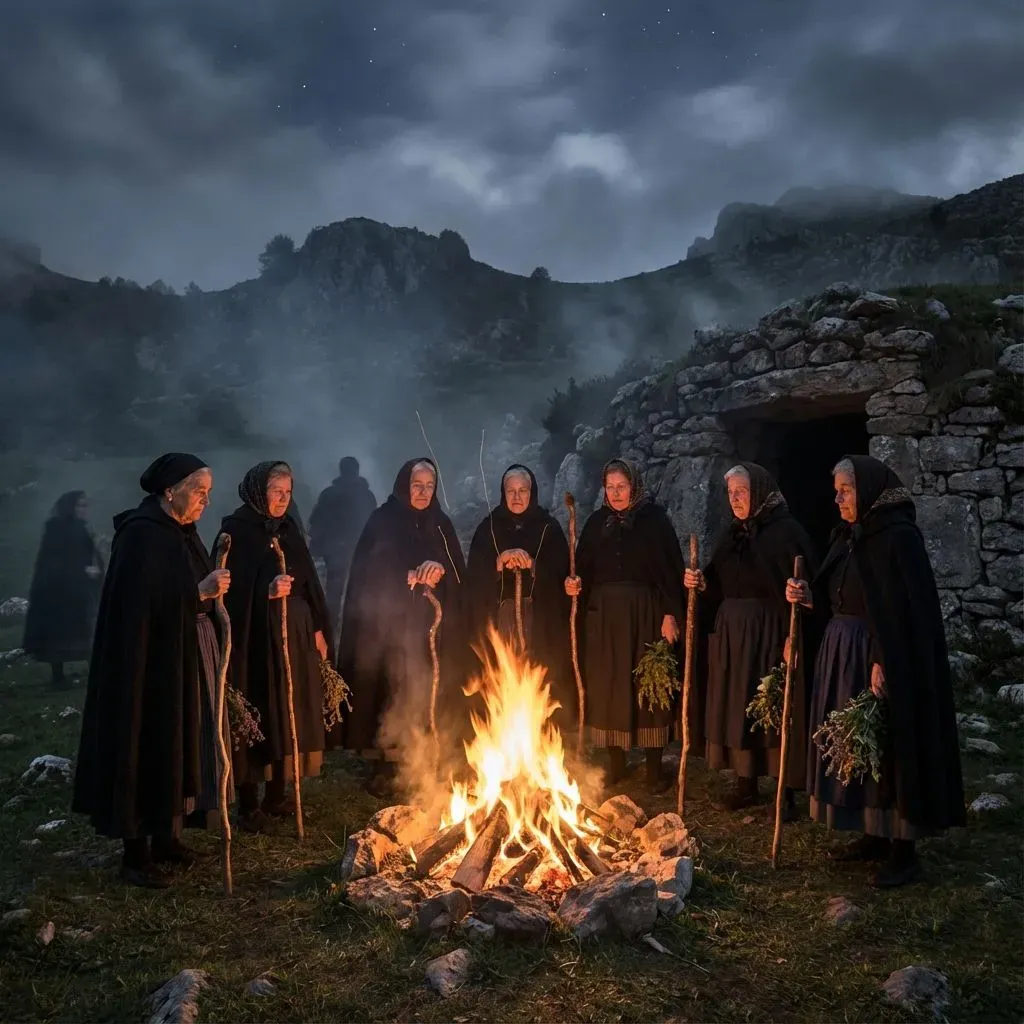
The Basque witches: wise women persecuted by the Inquisition in the infamous trials of 1610.
Baztan extends from the Otxondo and Izpegi passes to the meeting of the Baztan and Bidasoa rivers. It has a distinctive cultural identity and strong institutional autonomy. Its fifteen village councils, forming the municipality centred on Elizondo, have maintained a system of government based on historic charter traditions, assigning particular rights to each household and family.
Heavy annual rainfall shapes Baztan’s landscape among the western Pyrenean foothills: gentle slopes covered with summer ferns, old beech woods higher up, permanently green meadows and scattered farmhouses. Homes occupy each hillside’s sunniest positions, maximising light and sheltering from damp northerly winds.
Elizondo’s historic centre holds palaces and grand houses from the sixteenth to eighteenth centuries, reflecting local prosperity. Many were financed by indianos, emigrants who returned wealthy from the Americas and invested generously in their home villages, leaving a permanent mark on the valley capital’s architecture.
Dolores Redondo’s crime trilogy has made Baztan an international literary tourism destination. Local supernatural legends, misty beech woods and the social community portrayed in the novels have enough grounding in reality for readers exploring with the books to recognise fictional settings in the actual landscape.