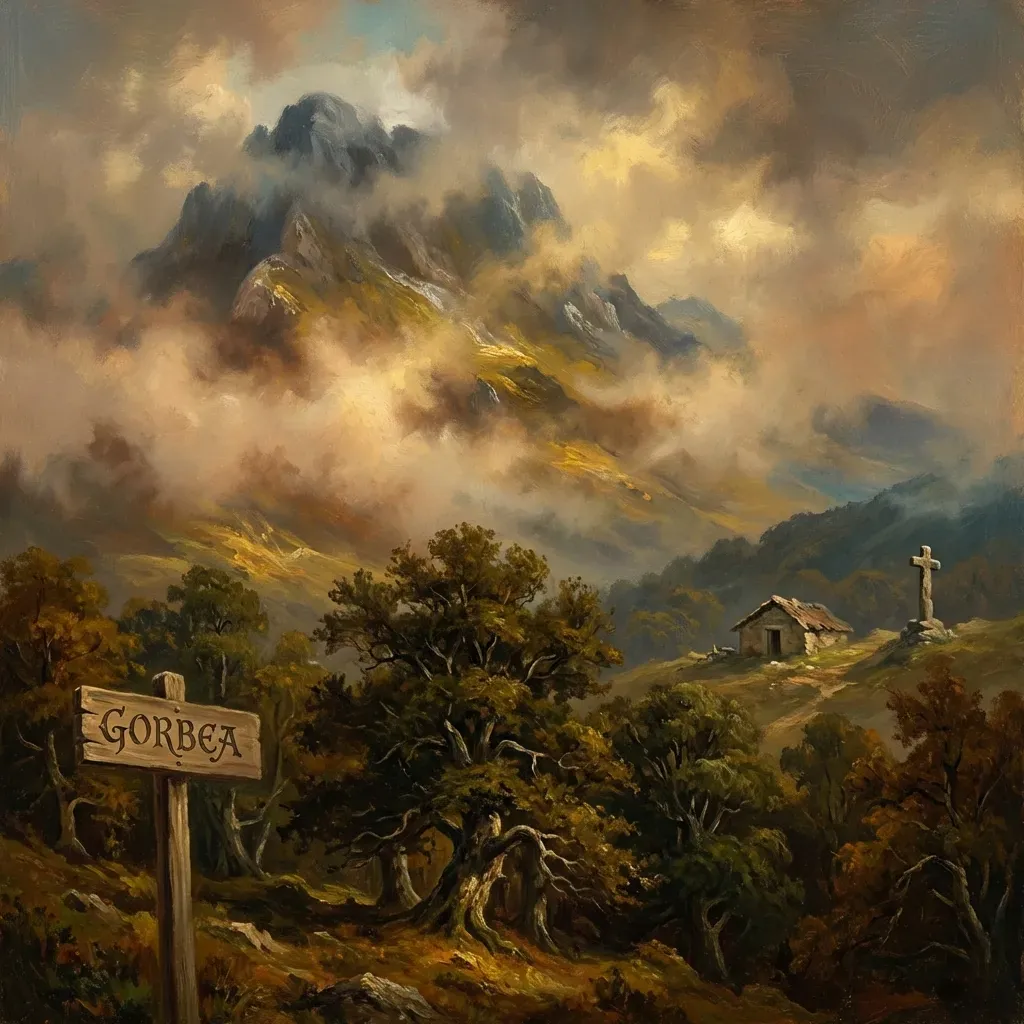
Teodosius of Goñi
The Navarrese knight who, deceived by the devil, committed parricide and wandered in chains until Saint Michael freed him at Aralar.
— Nafarroa —
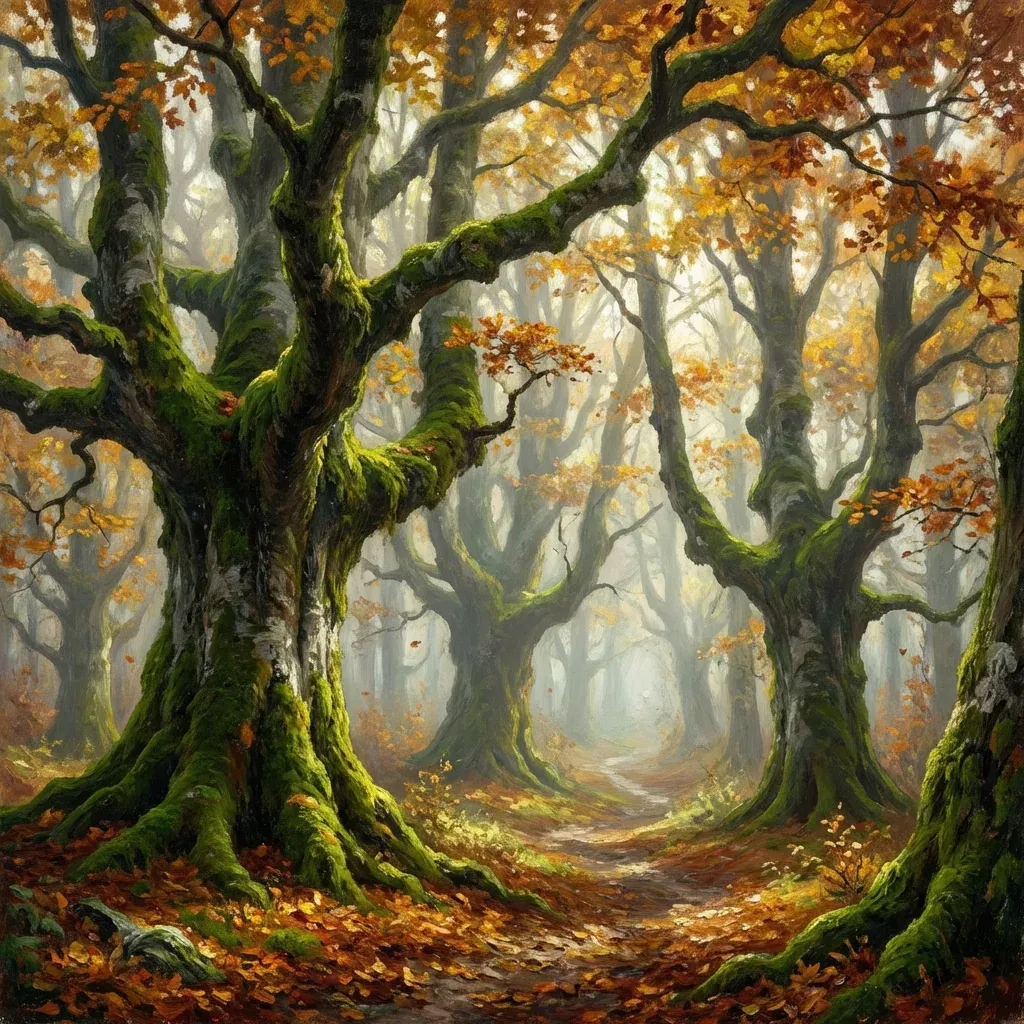
The Baztan River, the main tributary of the Bidasoa, is the living thread of the valley that bears its name, one of the most magical and mysterious corners of Navarre. Its waters shape a green landscape of villages, woods and meadows inseparable from the legendary imagination of the western Pyrenees.
The Baztan Valley, watered by this river and its many streams, is a land of legends. Stories of witches, lamias and other magical beings survive here with unusual intensity, giving the river a symbolic role that goes far beyond its geographical importance.
The Baztan River has sustained valley communities for centuries. Its waters powered mills and forges, nourished fields and provided fishing grounds, making it both a practical lifeline and a poetic backbone for one of the most myth-laden territories in Navarre.
The mist that so often wraps the valley, the manor houses with their coats of arms and the exuberant vegetation covering everything create a unique atmosphere that has inspired writers such as Dolores Redondo in her celebrated Baztan trilogy.
The Navarrese knight who, deceived by the devil, committed parricide and wandered in chains until Saint Michael freed him at Aralar.
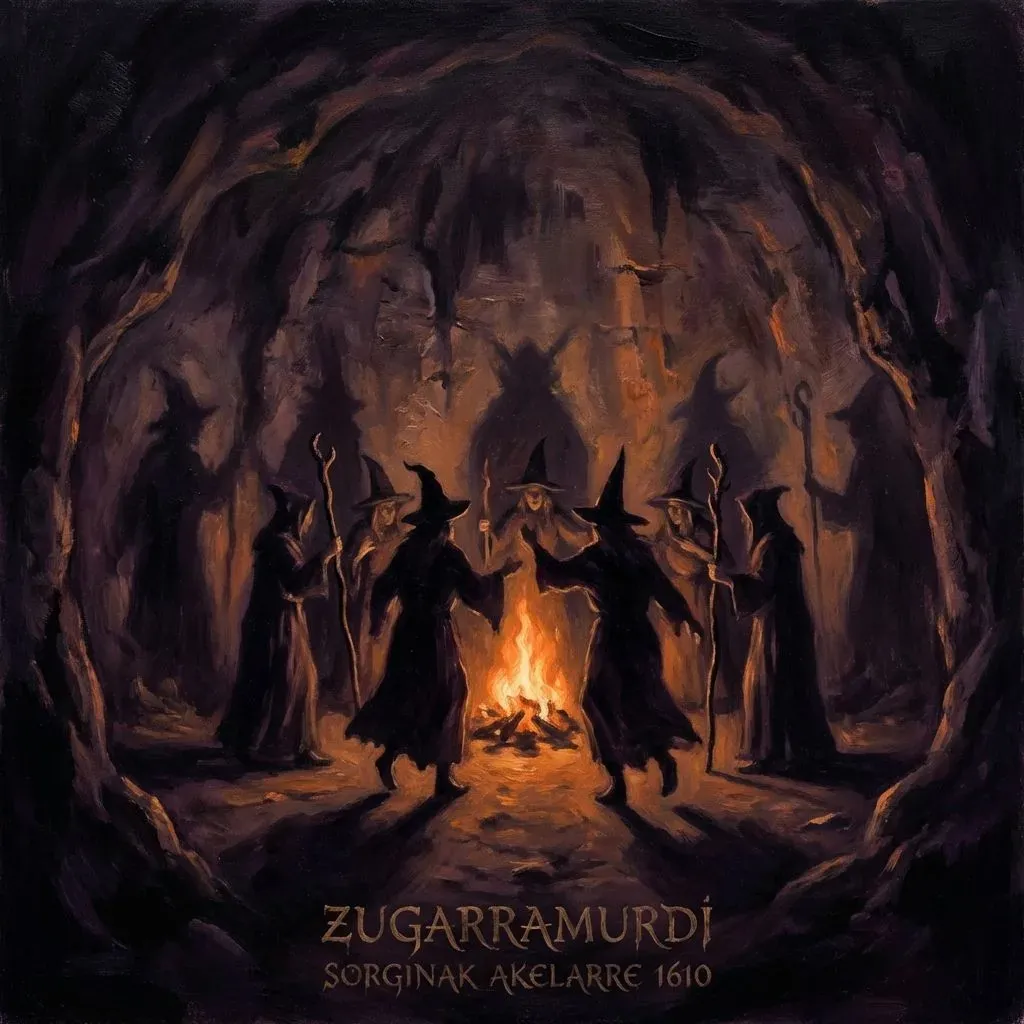
The famous inquisitorial trial of 1610 against the Navarrese witches who held akelarres in the sacred cave.
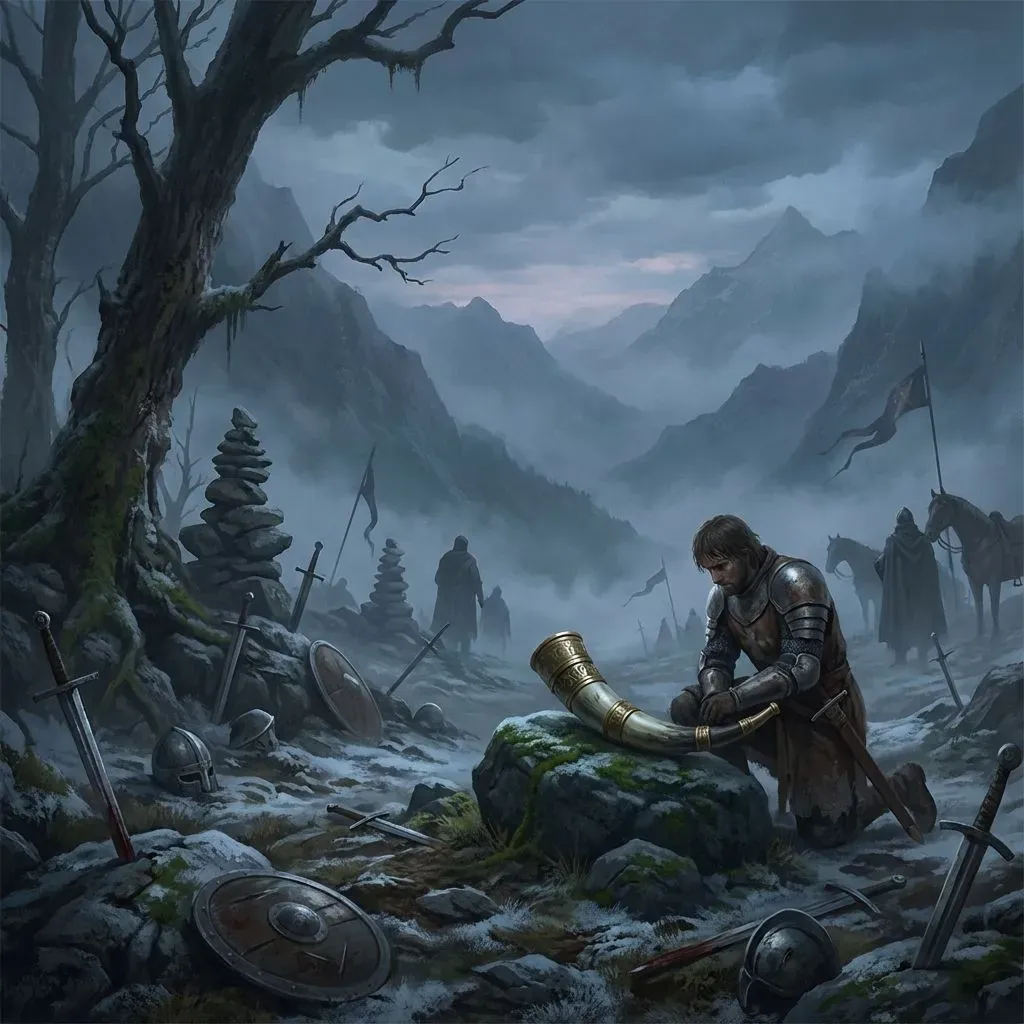
The Basque ambush against Charlemagne's army in the Pyrenean pass where the legendary Roland fell.
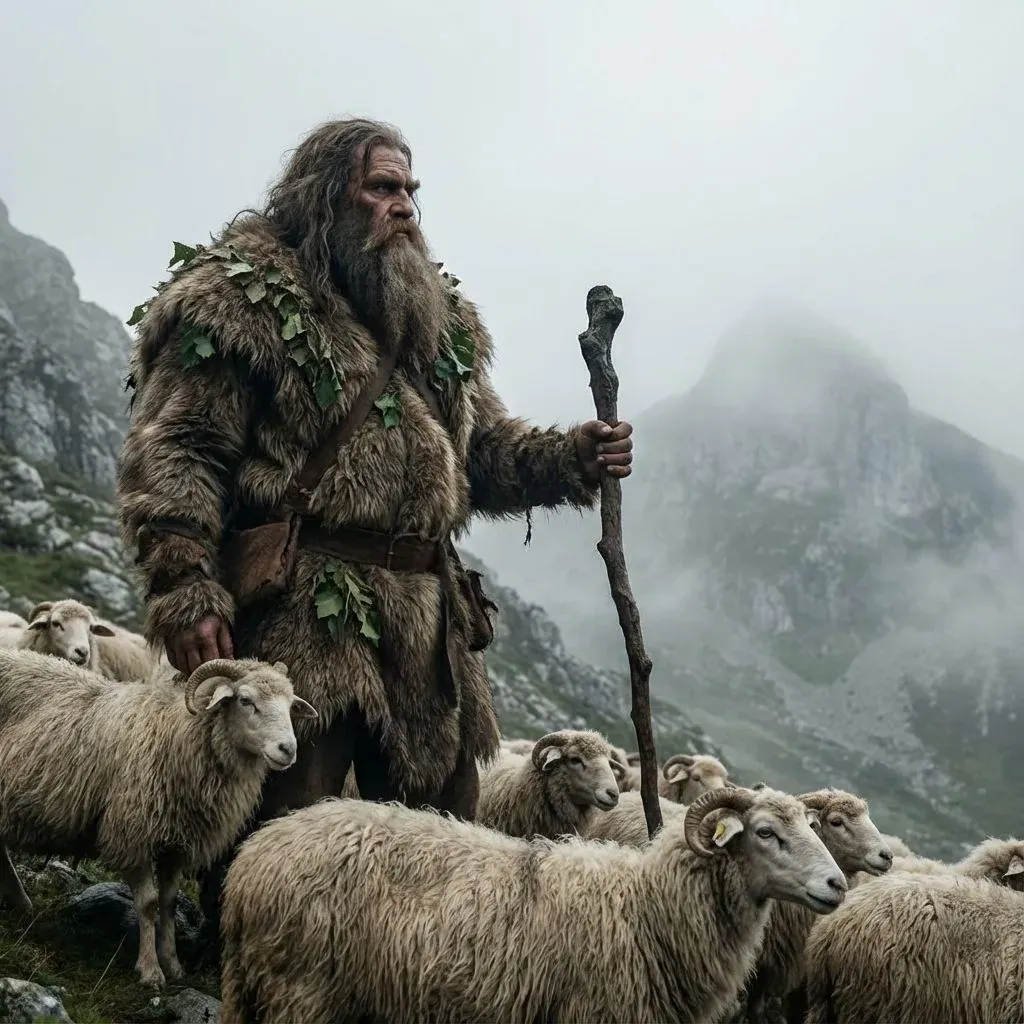
The shaggy giant who lives in the forests, protector of flocks and guardian of the secrets of agriculture and the forge.

Seductive nymphs who dwell in rivers and springs, recognisable by bird feet or fish tails, combing their hair with golden combs.
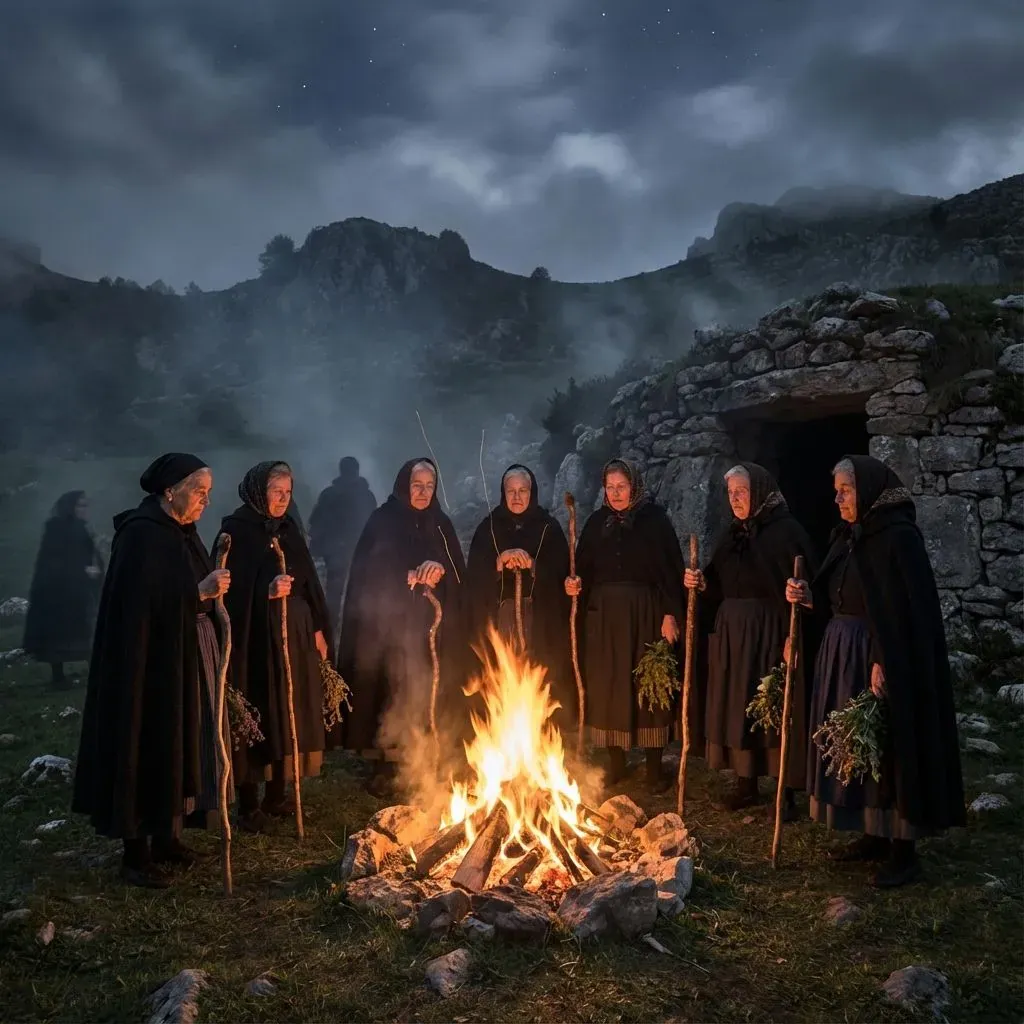
The Basque witches and wise women, priestesses of Mari who mastered potions, curses and the art of flying through the night sky.
The Baztan flows through its namesake valley in northwestern Navarre before joining the Bidasoa, draining an area exceptionally rich in traditions about witches, lamias and supernatural beings. White timber-framed farmhouses, misty beech woods and villages preserving old customs and architecture provide a setting for understanding why this territory became central to seventeenth-century witch trials.
The Baztan rises in the Mendaur massif and flows north, gathering streams from the valley’s surrounding mountains. The river shapes the valley, and the valley its distinctive culture: relative isolation, community solidarity and sustained everyday use of Basque have fostered a particular identity over centuries.
Elizondo, the valley’s capital, contrasts with its rural surroundings through grand architecture: mansions of returning emigrants and eighteenth-century palace houses reflect a local bourgeoisie rooted in the valley yet involved in imperial trade. The Baztan runs through the centre, its landscaped banks forming one of humid Navarre’s most pleasant public spaces.
Dolores Redondo chose the valley as the setting for her Baztan crime trilogy, turning it into an internationally important literary destination. The combination of living cultural tradition and contemporary fiction adds another layer of interest to an area already well worth visiting.