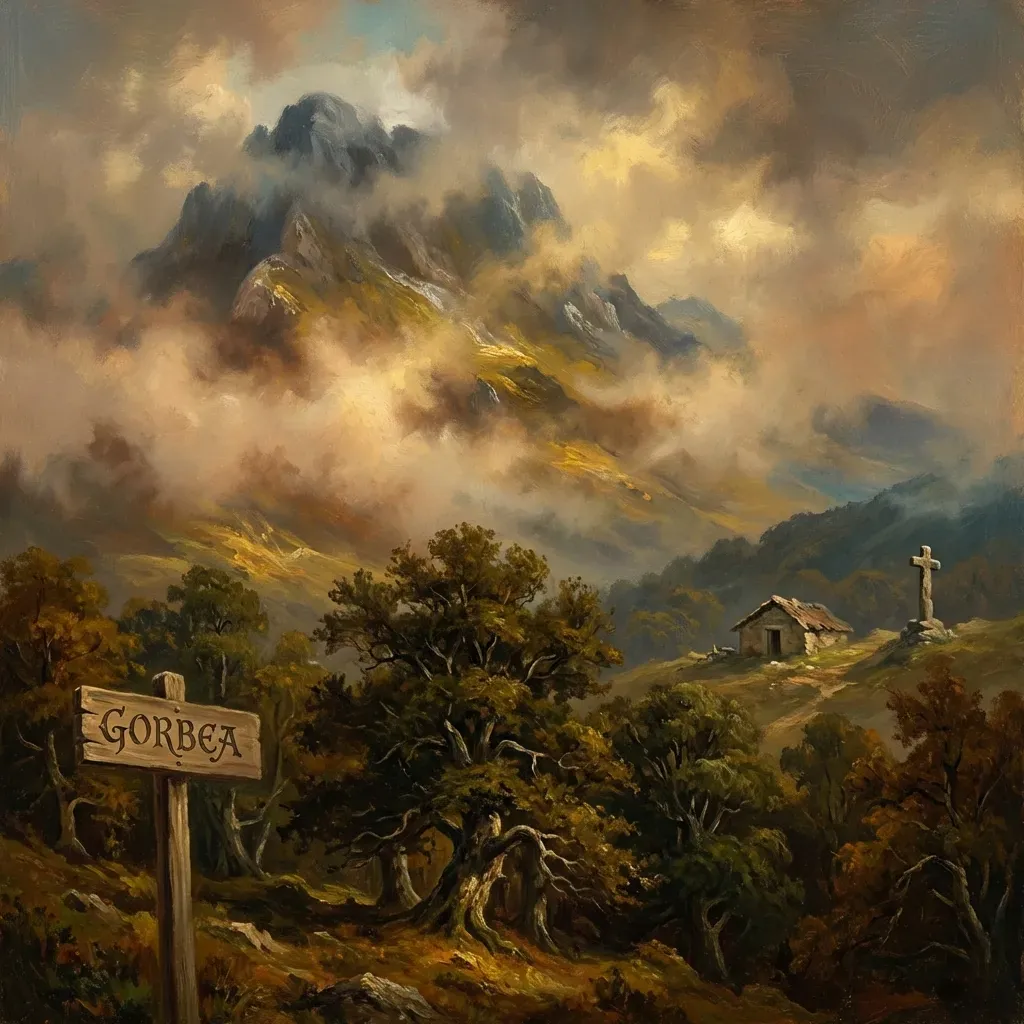
Mountain caves
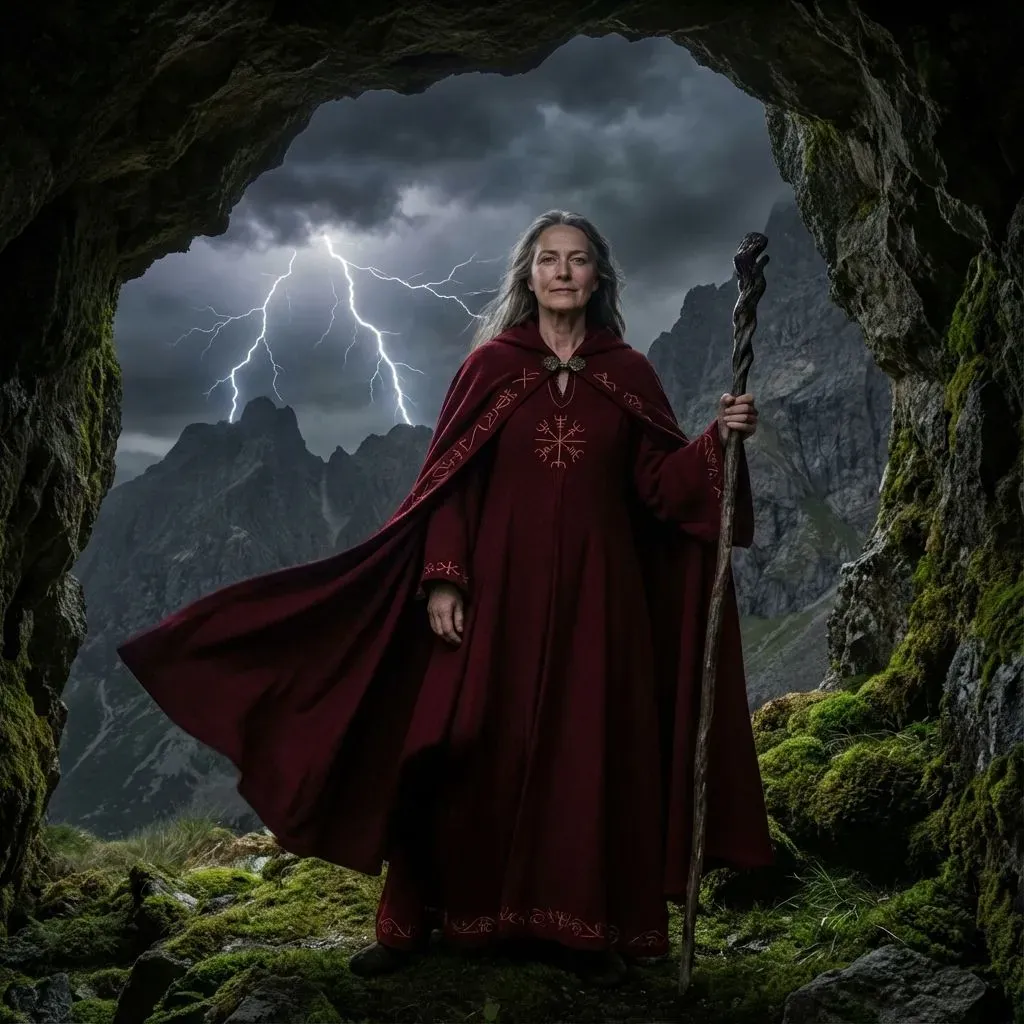
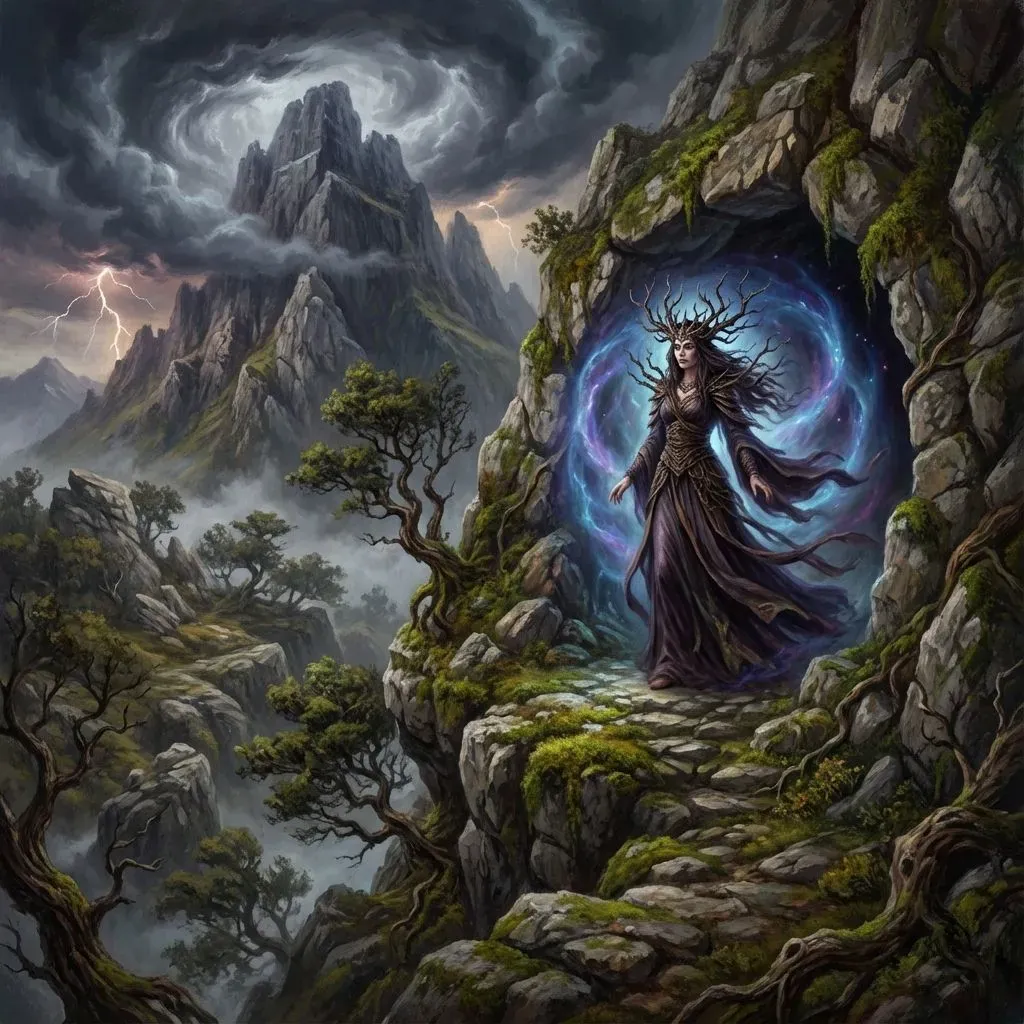
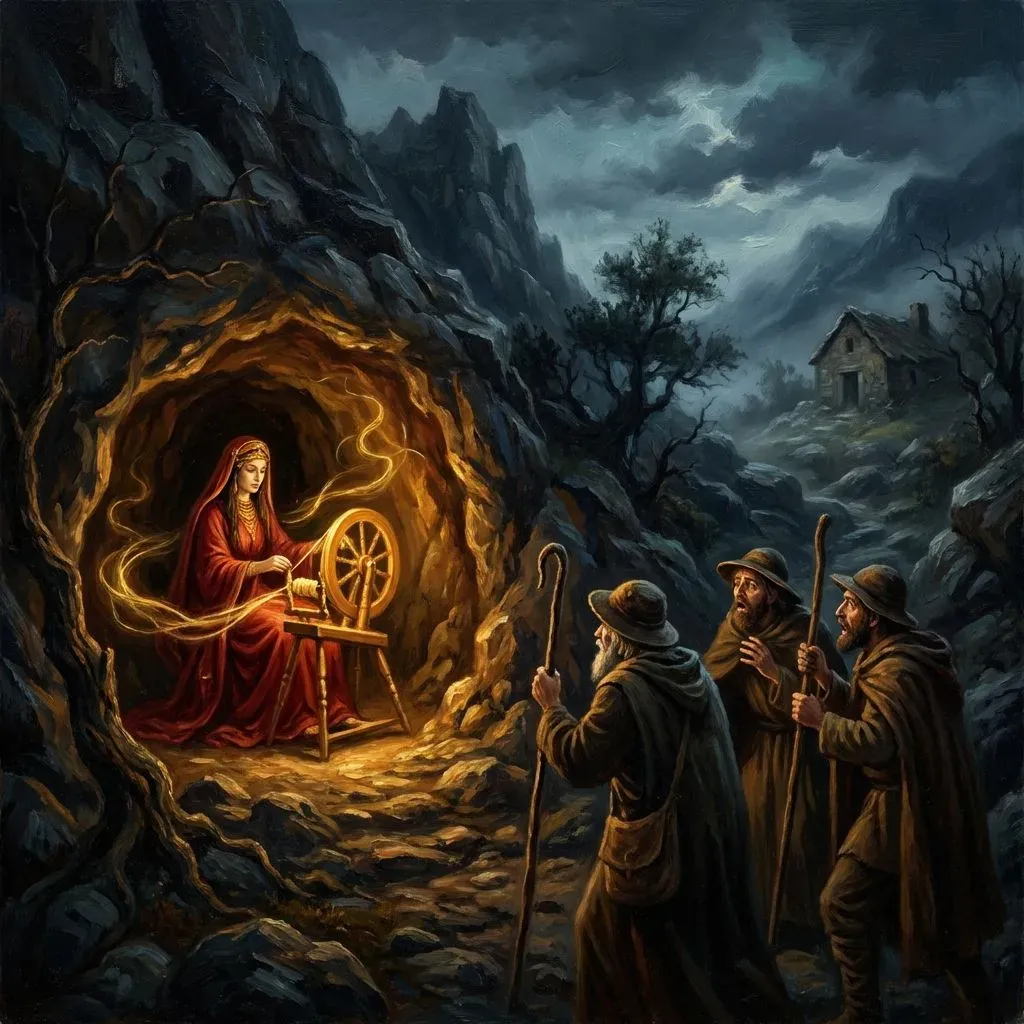
Thresholds where Mari may appear to shepherds and travelers.
The goddess who punishes dishonesty without mercy
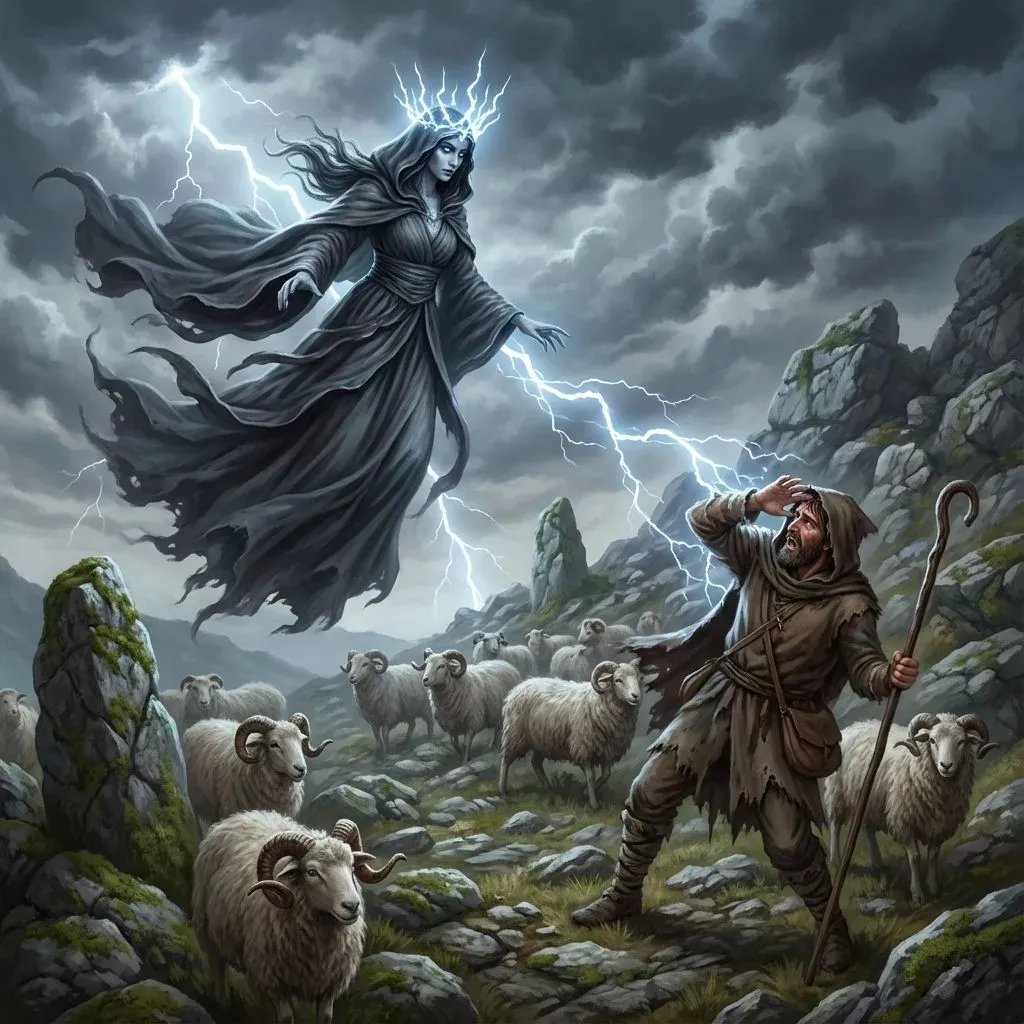
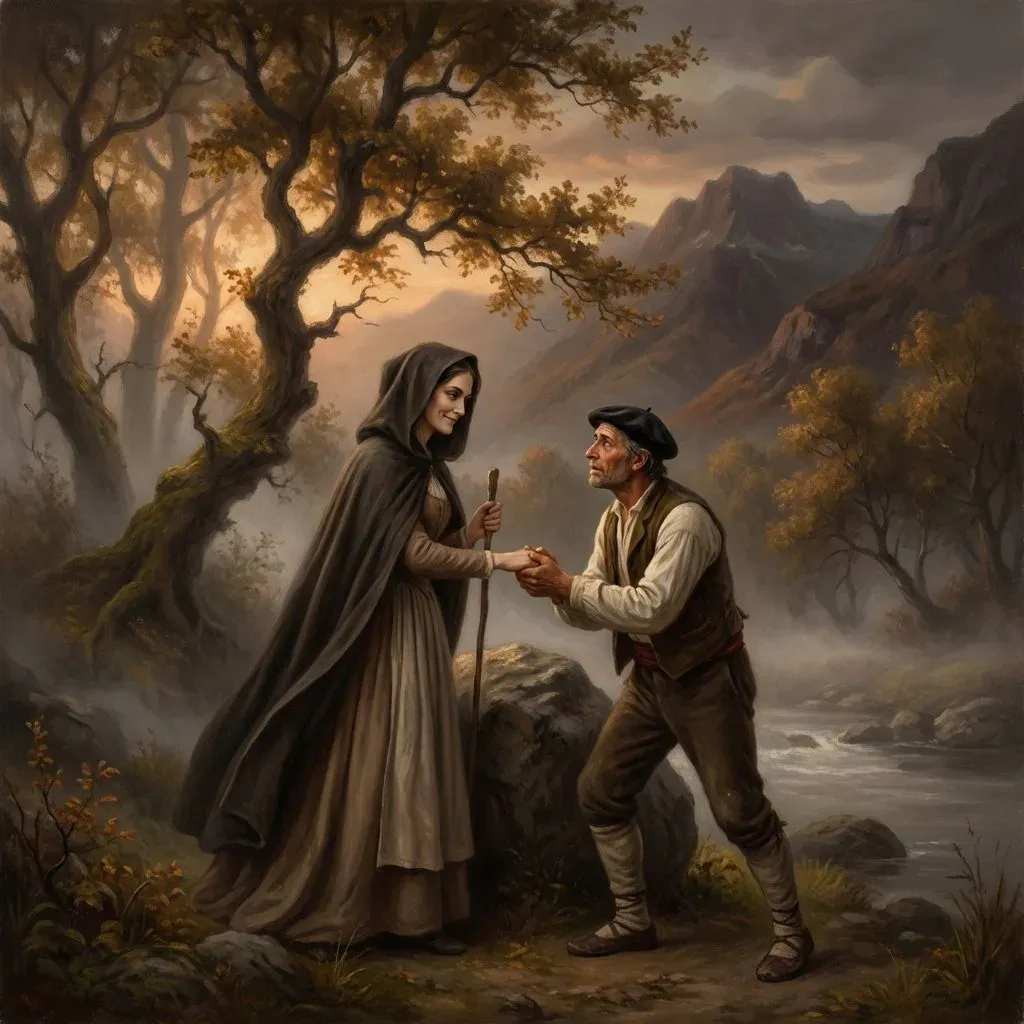
In the mountain pastures where mist blurs the boundary between waking life and dream, a young shepherd saw a woman of extraordinary beauty combing her golden hair beside a cave. He did not realize he was looking at Mari herself.
The goddess did not reject him immediately. She allowed him to speak, answered with calm words, and let him believe for a moment that nearness to the divine was within reach. But such closeness demanded truth, humility, and respect.
When the shepherd crossed the boundary of what was permitted, Mari vanished in lightning. In some versions his lie or broken promise is what seals his fate; in others, it is simply his inability to understand that sacred beings cannot be possessed by human desire.
The legend teaches that Mari does not punish innocence, but arrogance and falsehood. Whoever enters her world without honesty is returned to human reality with the memory of a beauty that can never be held.
Thresholds where Mari may appear to shepherds and travelers.
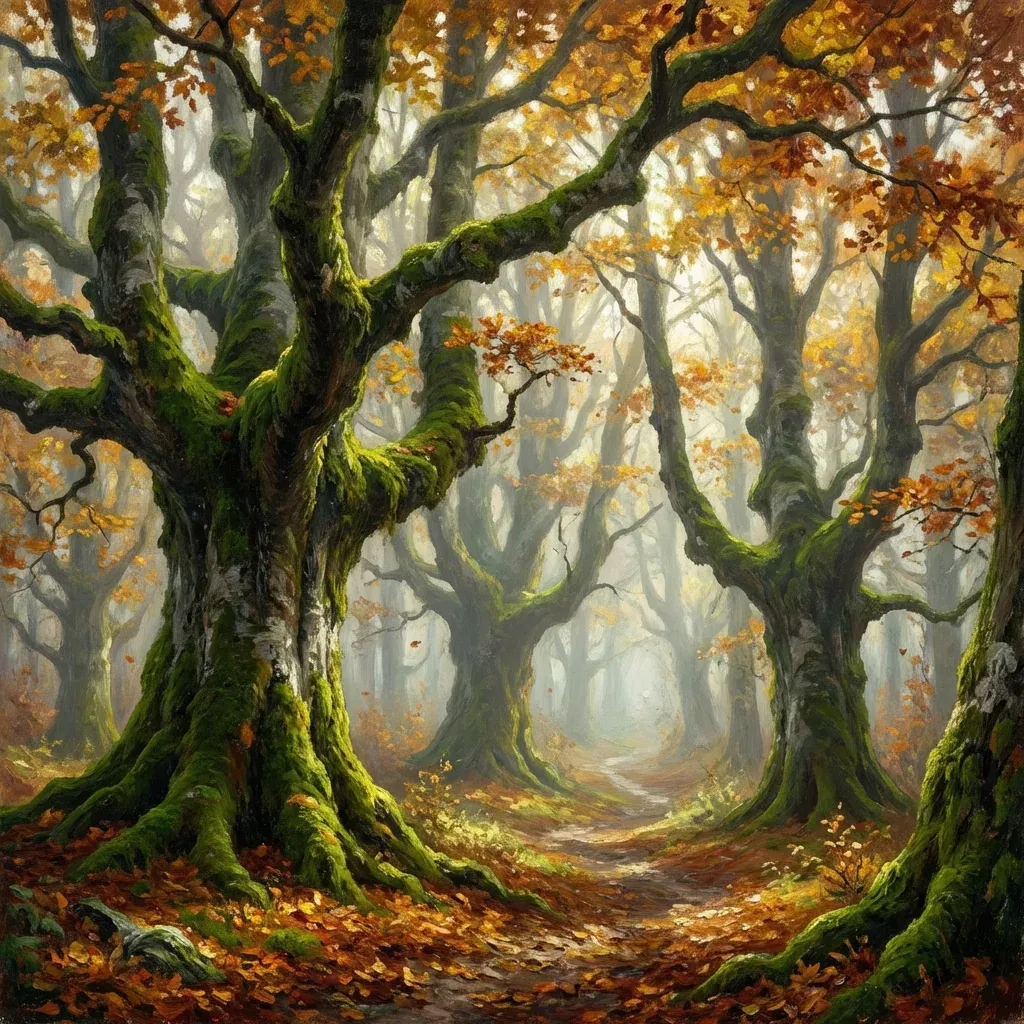
Remote landscapes where the supernatural breaks into daily life.
This legend is built on a familiar but powerful scene: an ordinary human being stumbles upon a divine presence and mistakes revelation for possession. The shepherd sees beauty, but not the sacred law hidden within it.
Mari's response is revealing. She is not cruel for the sake of cruelty. Instead, she establishes a boundary and shows that divine beings may be approached only through respect, truth, and measure.
That is why the shepherd's failure matters so much. Whether his fault is a literal lie, a broken vow, or simple presumption, the story turns dishonesty into a spiritual fracture. Falsehood prevents real contact with the sacred.
The tale survives because it says something enduring about Basque mythology: the supernatural is close, but it never belongs to those who seek to dominate it. Mari can be glimpsed, but never owned.