Springs and riverbanks
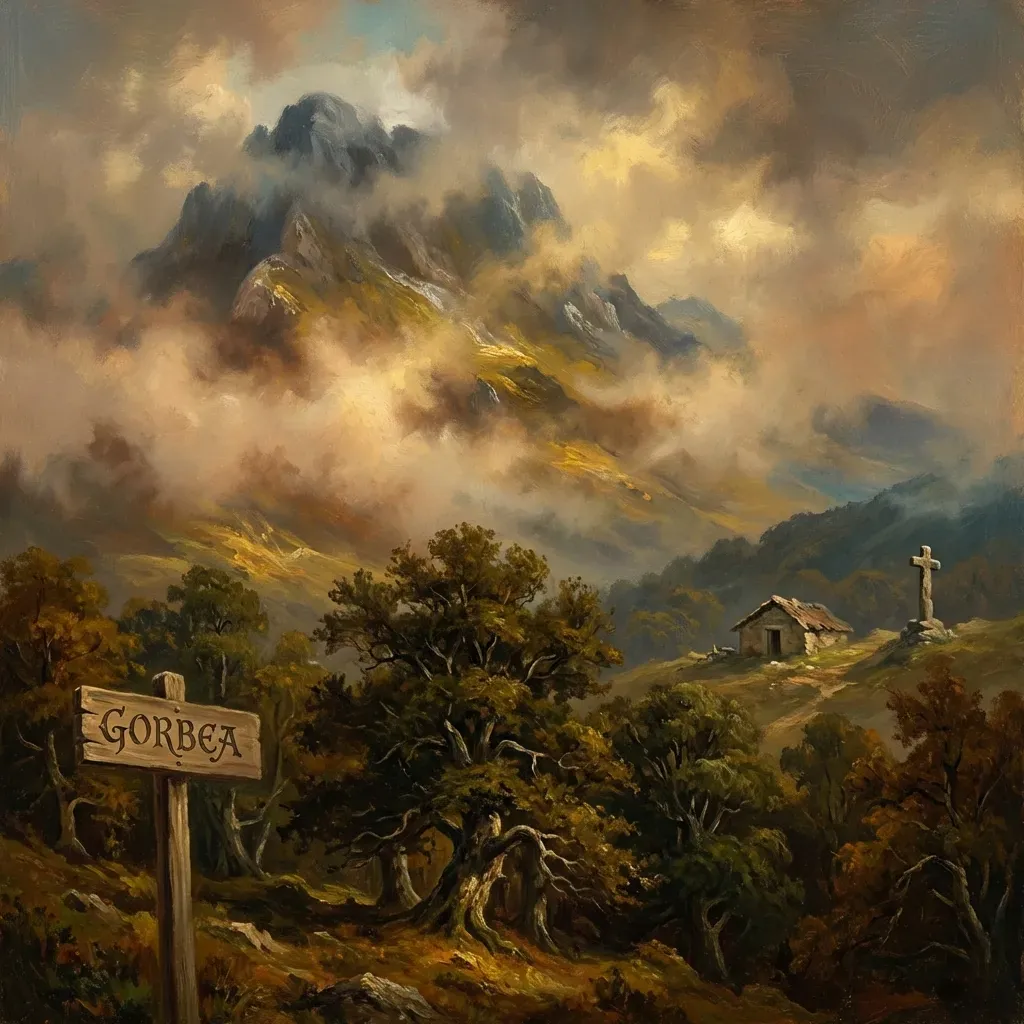
Waterside places where lamias are most often said to negotiate with humans.
The fragile agreements between the visible and invisible worlds

The lamias of Basque mythology do not always appear as hostile beings. In many tales they enter into agreements with human beings, offering wealth, help, or practical solutions in exchange for respect, secrecy, or the fulfilment of a precise condition.
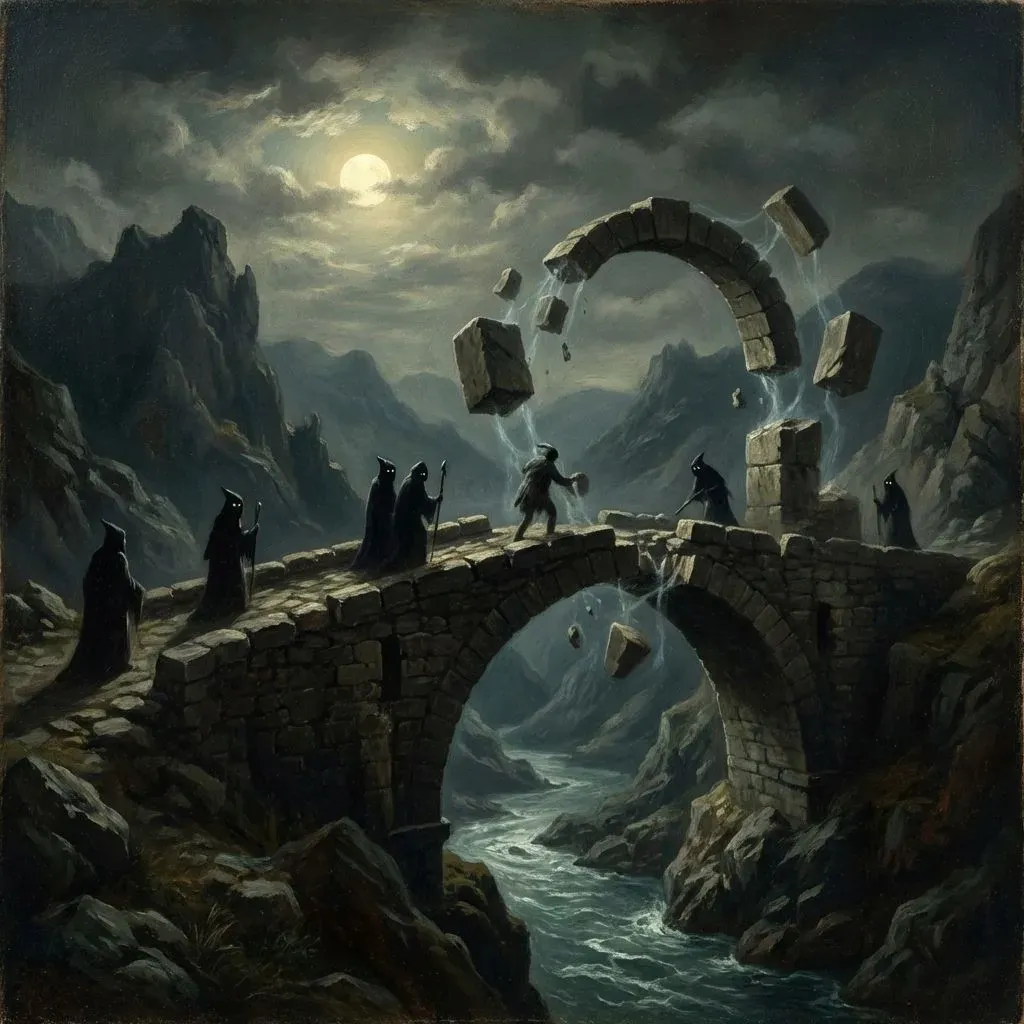
These pacts usually begin beside rivers, springs, bridges, or lonely paths, places where the human world touches the supernatural. A desperate person asks for help, and the lamia answers with a gift that seems miraculous but is never free.
The heart of the story lies in the condition. Breaking a promise, revealing the secret, or acting out of greed turns blessing into punishment. The pact is not merely a bargain, but a moral test that measures human character.
That is why these legends endure. They suggest that contact with the otherworld is possible, but only through reciprocity, discipline, and loyalty to one's word.
Waterside places where lamias are most often said to negotiate with humans.

Threshold spaces where a pact may begin without warning.
The legends of pacts with humans reveal a very old idea: the supernatural is not entirely separate from daily life, but it follows its own rules. Lamias are willing to intervene in human affairs, yet never outside a framework of obligation and exchange.
This gives the stories a deep social meaning. They teach that prosperity without restraint is dangerous and that every benefit received from an unseen power must be matched by respect and discretion.
Unlike purely monstrous tales, these narratives present the otherworld as negotiable but never submissive. The lamia does not obey; she agrees, and her agreement can be broken only at the cost of misfortune.
In that sense, the myth preserves a worldview in which ethics and magic are inseparable. The promise made to a supernatural being is also a promise made to the moral order of the land.