Teodosius of Goñi
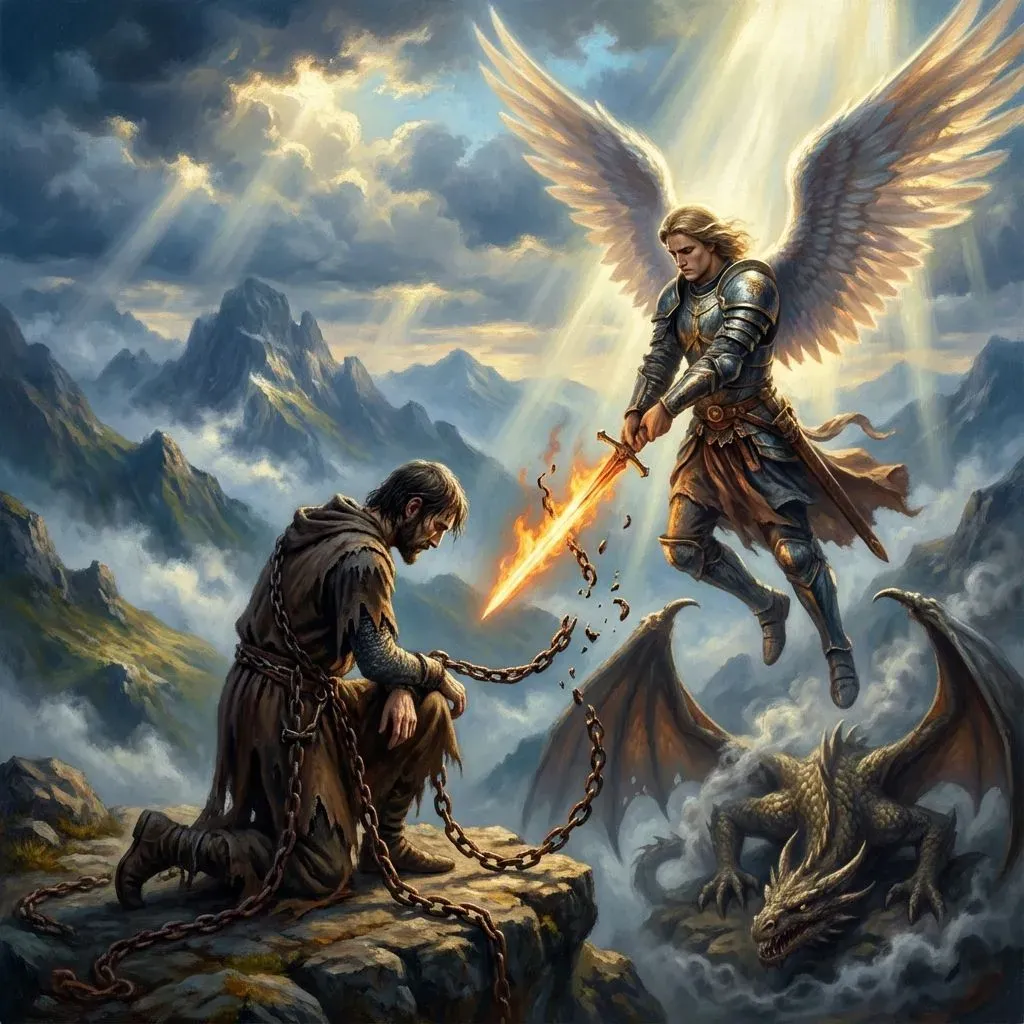
The Navarrese knight who, deceived by the devil, committed parricide and wandered in chains until Saint Michael freed him at Aralar.
— Gipuzkoa / Araba —
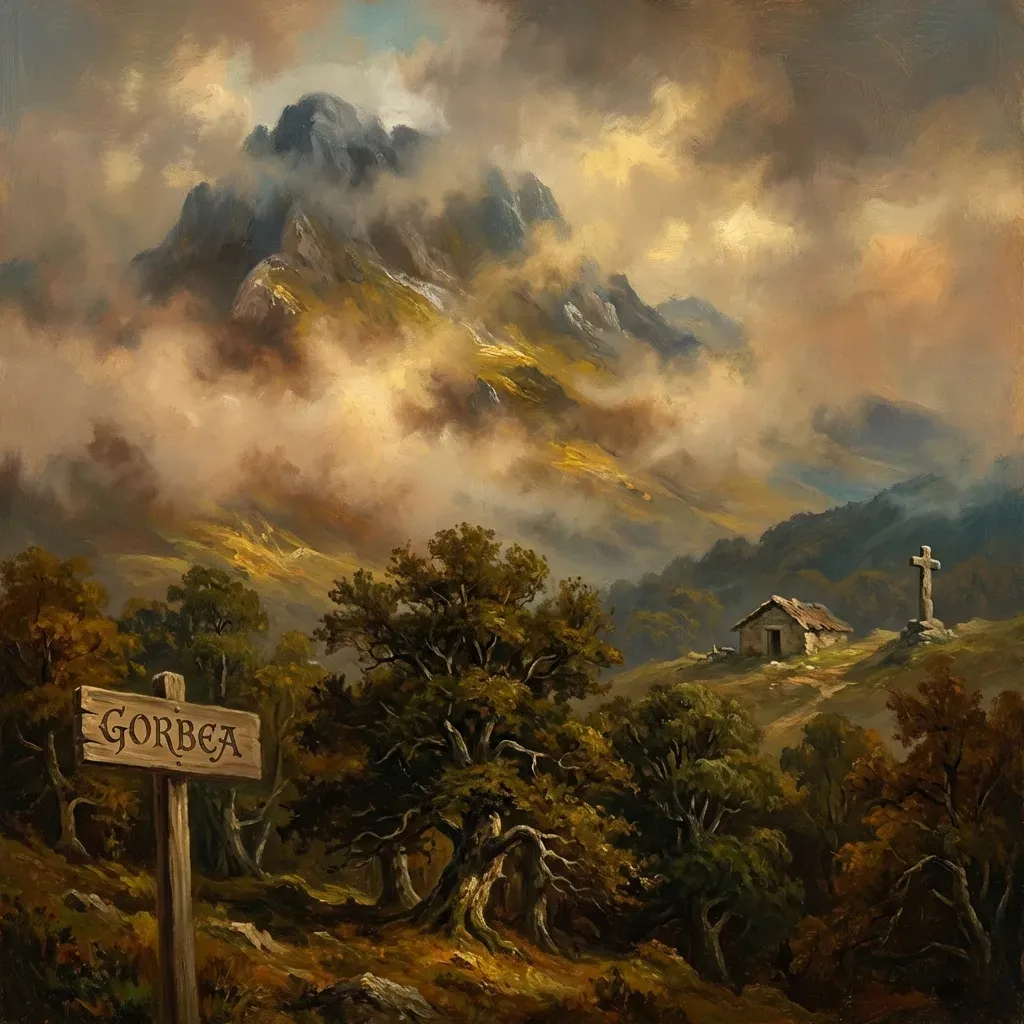
Aizkorri is the highest point in Gipuzkoa and one of the most emblematic summits of the Basque Country, rising to 1,528 metres. This imposing limestone mountain belongs to the Aizkorri-Aratz range and has long been perceived as a high place of weather, effort and sacred landscape.
The Aizkorri-Aratz range is a land of contrasts where rocky ridges alternate with wide beech forests and mountain meadows. The natural park that protects it shelters remarkable biodiversity while preserving one of the most powerful upland environments in Basque territory.
In Basque mythology, Aizkorri is considered one of the dwellings of Mari, and some traditions say the goddess moves here from Anboto at certain times of the year. The shepherds who crossed these heights helped keep alive the sense that this mountain was watched over by forces larger than the human world.
The climb to the summit rewards walkers with extraordinary views stretching from the Bay of Biscay to the Pyrenees. Marked by a triangulation pillar, the peak is a frequent destination for mountaineers seeking contact with the Basque Country’s wildest landscapes.
The Navarrese knight who, deceived by the devil, committed parricide and wandered in chains until Saint Michael freed him at Aralar.
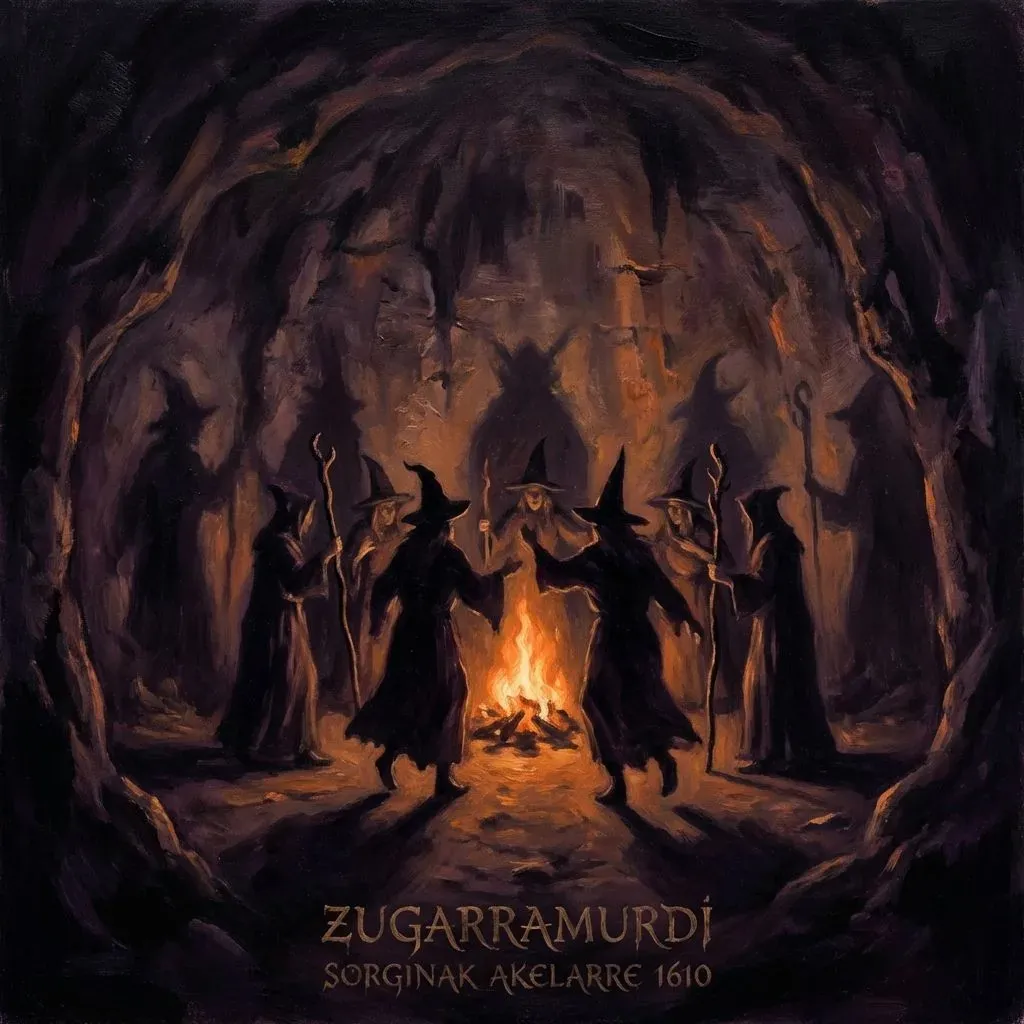
The famous inquisitorial trial of 1610 against the Navarrese witches who held akelarres in the sacred cave.
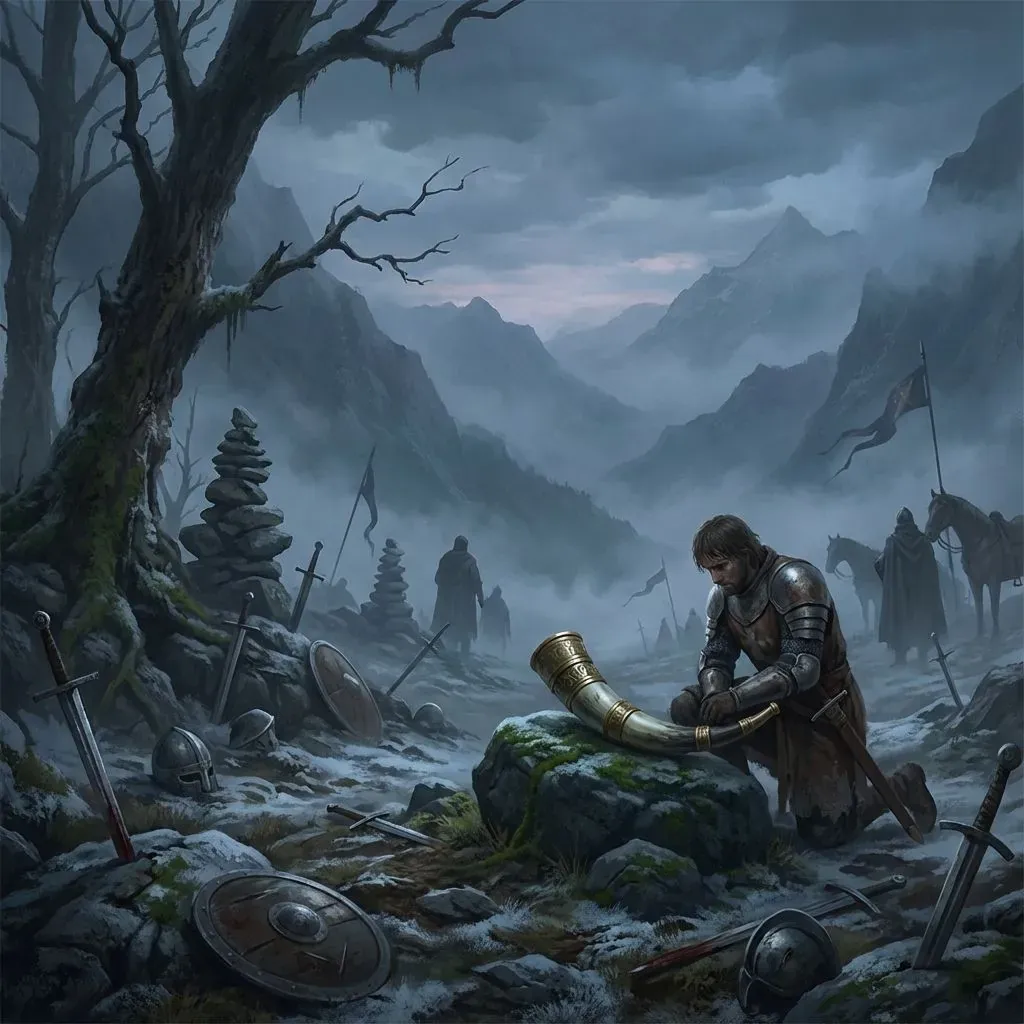
The Basque ambush against Charlemagne's army in the Pyrenean pass where the legendary Roland fell.
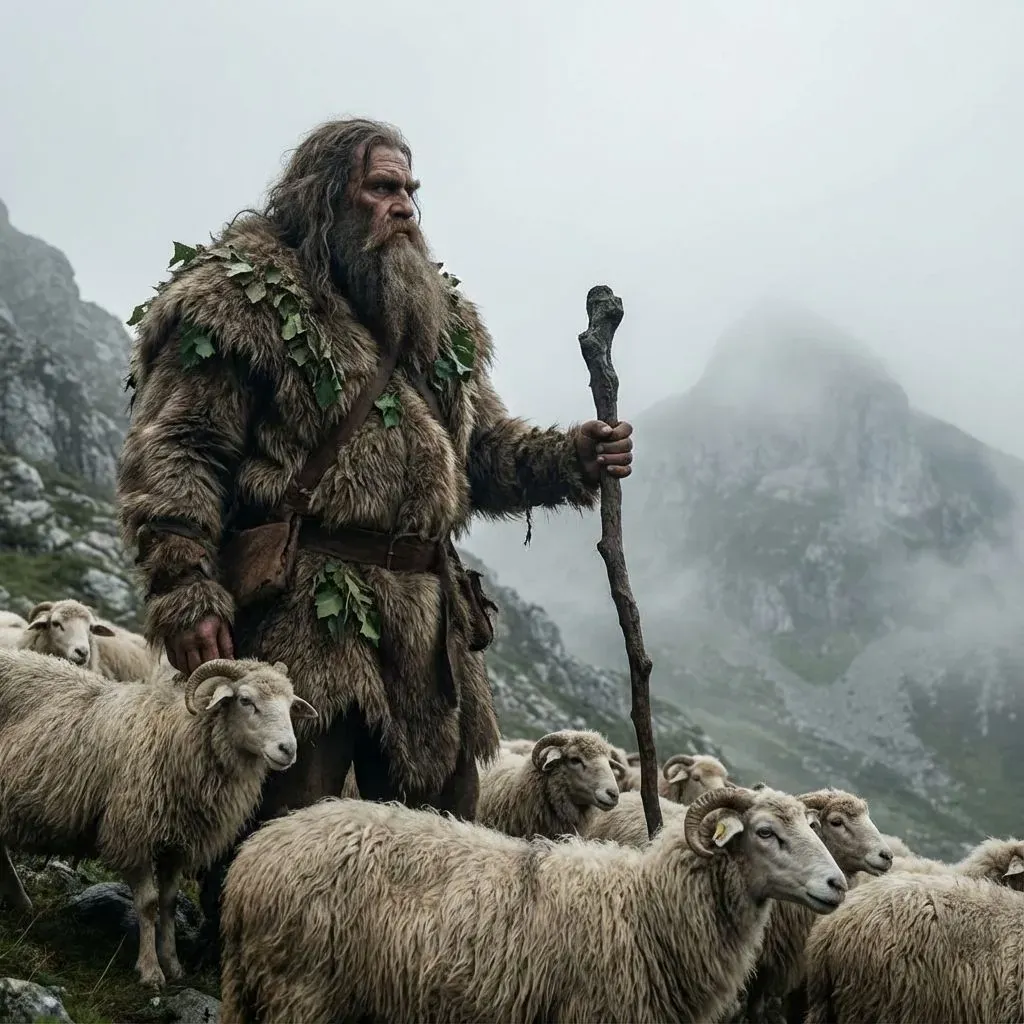
The shaggy giant who lives in the forests, protector of flocks and guardian of the secrets of agriculture and the forge.
Seductive nymphs who dwell in rivers and springs, recognisable by bird feet or fish tails, combing their hair with golden combs.
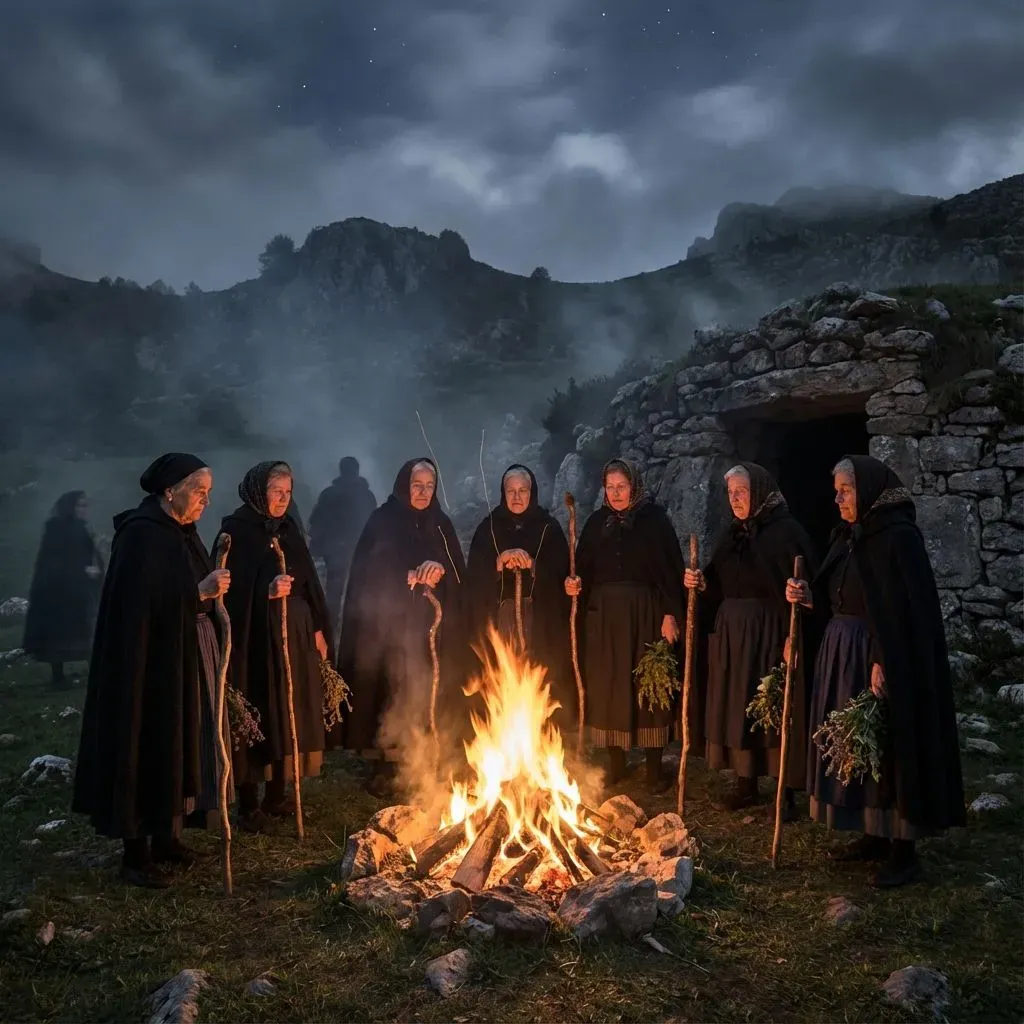
The Basque witches and wise women, priestesses of Mari who mastered potions, curses and the art of flying through the night sky.
Reaching 1,551 metres, the Aizkorri-Aratz massif is Gipuzkoa’s highest point and one of the most symbolically charged mountain landscapes in Euskal Herria. Its Basque name evokes scree or a land of sharp stone, an image any walker recognises on its limestone ridges and vertical cliffs, which abruptly break the soft green horizon of the surrounding valleys.
Oral tradition places several temporary dwellings of Mari, the great mother goddess of Basque mythology, on these summits and in the cavities of their slopes. According to accounts collected by Barandiarán in Aretxabaleta, Arrasate and Oñati, the goddess left Anboto in certain seasons to settle on Aizkorri. Her journeys between the peaks were always accompanied by storms and winds that shepherds learned to recognise over years of experience.
The hermitage of San Adrián, set in a natural cave that crosses the Aizkorri range from north to south, has for centuries been a much-used passage on the Way of St James through Basque territory. Pilgrims entered this natural tunnel feeling that it could be either a gateway to the afterlife or a providential shelter from a blizzard, depending on what each person needed to see at that moment.
Today the Aizkorri massif is a natural park and one of the Basque Country’s most valued hiking destinations. Its trails combine the geological spectacle of limestone pavements and sinkholes with the historical depth of dolmens and stone circles scattered across the upland pastures. Even for visitors unfamiliar with its legends, climbing Aizkorri leaves a feeling that is hard to name but easy to remember.