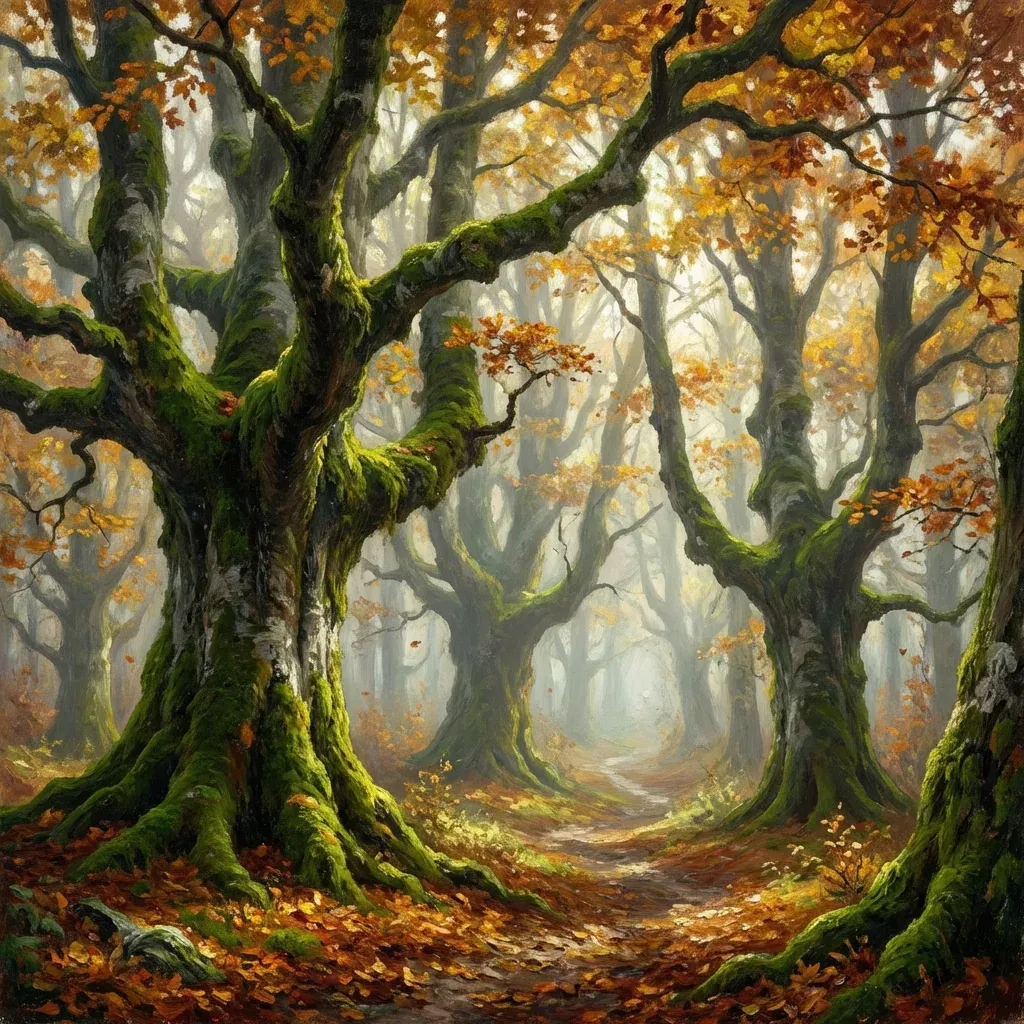
Teodosius of Goñi
The Navarrese knight who, deceived by the devil, committed parricide and wandered in chains until Saint Michael freed him at Aralar.
— Araba —
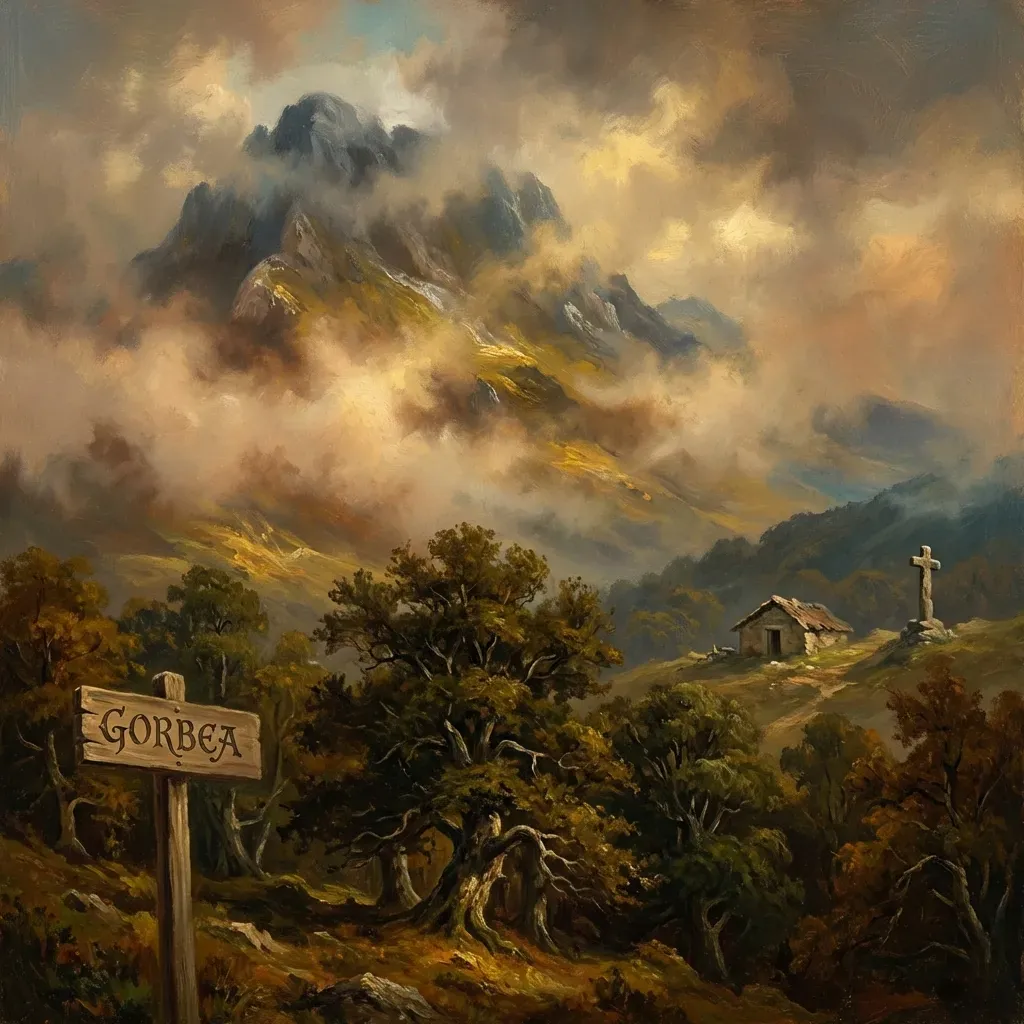
The Nervion Waterfall is the highest waterfall in the Iberian Peninsula, dropping more than two hundred metres from the edge of the Delika canyon to the valley floor below. This dramatic natural spectacle is one of the most powerful viewpoints in the mountains between Araba and Burgos.
The waterfall marks the beginning of the Nervion River, which from this point starts its long journey towards the estuary of Bilbao. Its flow changes enormously depending on the season: spectacular after heavy rains and almost absent in dry periods, which adds to the sense of rarity and dramatic expectation surrounding the site.
The surroundings of the waterfall are a place of extraordinary geological beauty. The Delika canyon, carved by erosion into Cretaceous limestone, forms vertical walls reaching up to three hundred metres, creating one of the great natural balconies of the southern Basque mountains.
A visit to the Nervion Waterfall can be combined with routes of different difficulty through the surrounding area, from the easy walk to the viewpoint to the demanding ascent to Monte Santiago or the descent to the base of the canyon. It is one of the most dramatic landscapes in inland Euskal Herria.
The Navarrese knight who, deceived by the devil, committed parricide and wandered in chains until Saint Michael freed him at Aralar.

The famous inquisitorial trial of 1610 against the Navarrese witches who held akelarres in the sacred cave.
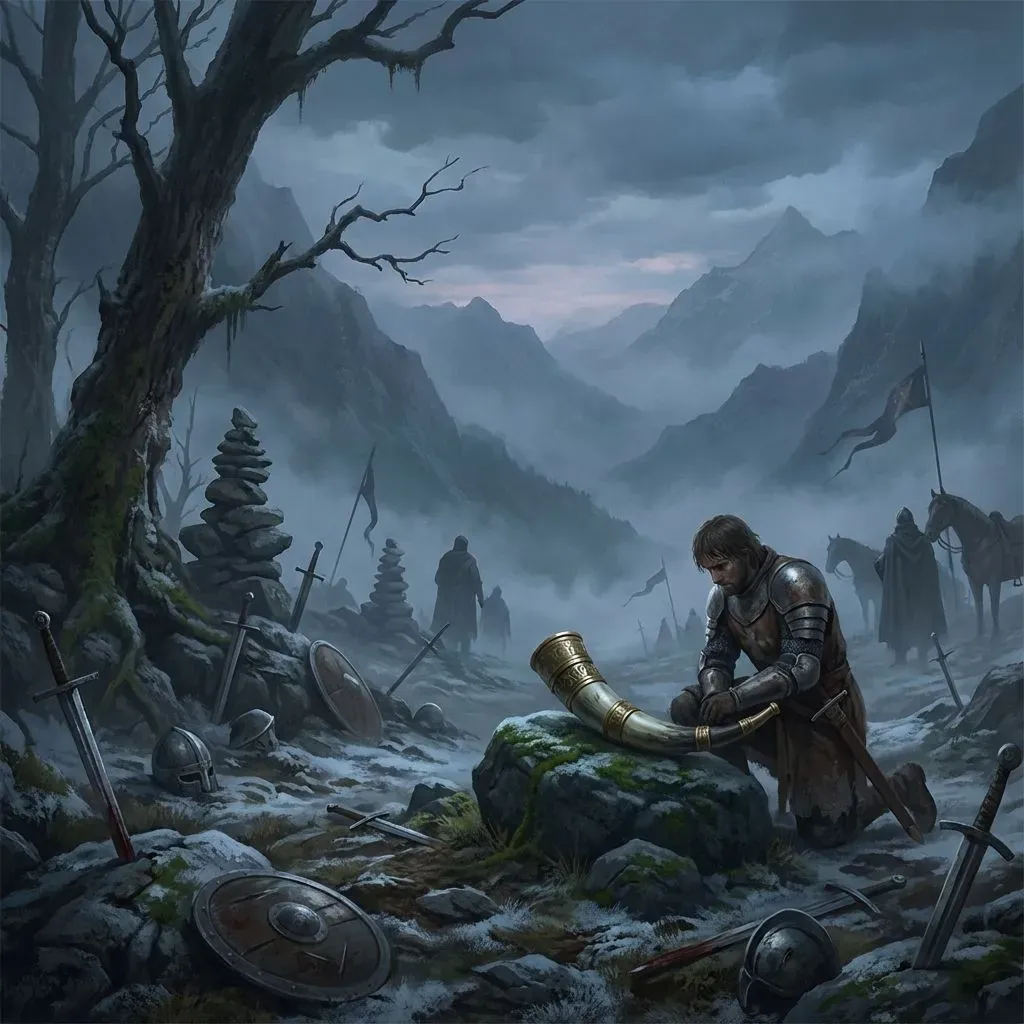
The Basque ambush against Charlemagne's army in the Pyrenean pass where the legendary Roland fell.

The shaggy giant who lives in the forests, protector of flocks and guardian of the secrets of agriculture and the forge.

Seductive nymphs who dwell in rivers and springs, recognisable by bird feet or fish tails, combing their hair with golden combs.
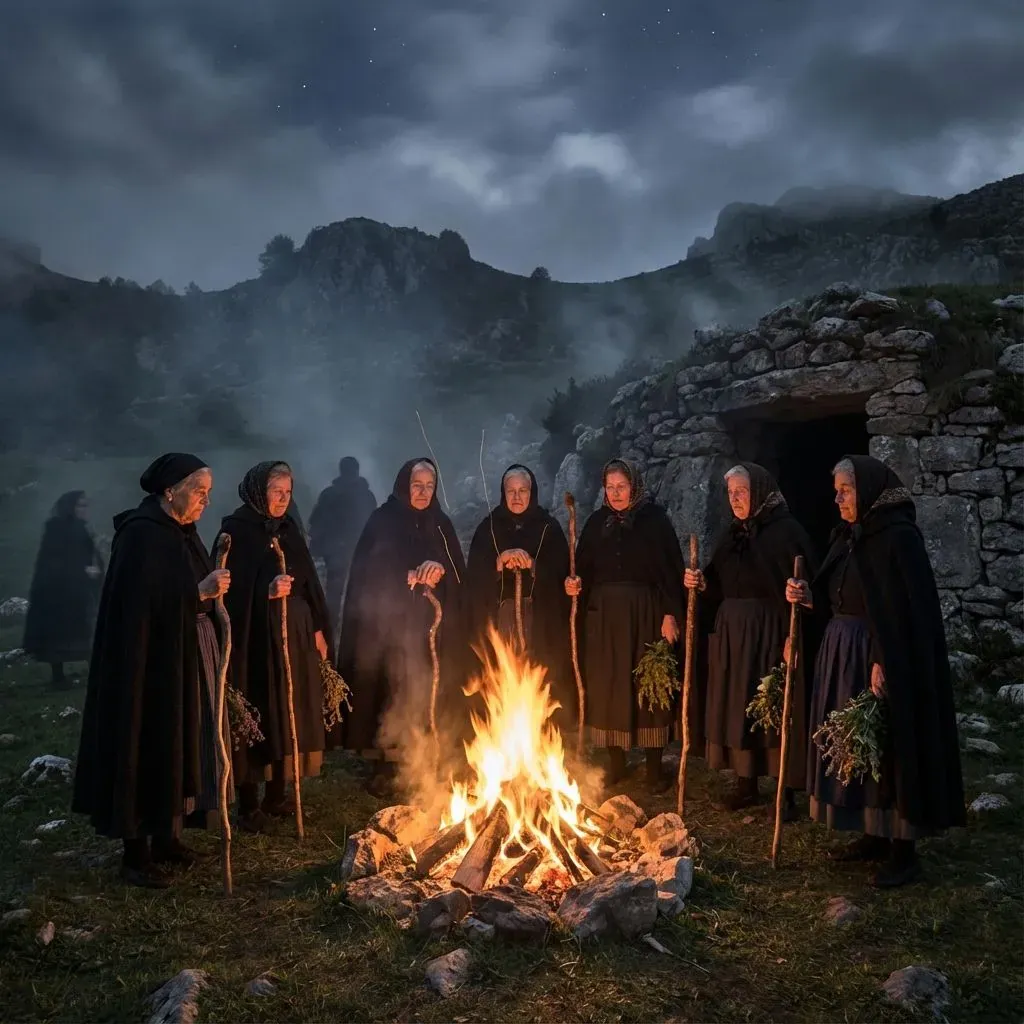
The Basque witches and wise women, priestesses of Mari who mastered potions, curses and the art of flying through the night sky.
The Nervión waterfall, on the boundary between Álava and Burgos in the Ordunte range, is described as the Iberian Peninsula’s highest, with almost three hundred metres of free fall. Water plunging over the cliff between the Burgos plateau and Atlantic Basque valleys creates a spectacle beyond any advance description.
The Nervión waterfall changes dramatically with the seasons. Winter and spring rain and snowmelt create a powerful continuous stream, audible from kilometres away, filling the gorge with mist and spray. In summer, especially after prolonged drought, it can shrink to a thread or disappear temporarily, leaving an immense wall of dry rock.
The Nervión waterfall stands within a natural landscape whose high point is Mount Santiago at 1,359 metres. From the cliff edge, green hills extend north towards the Bay of Biscay while dry ochre plains of Rioja and Burgos stretch south. The range’s division between these two worlds creates a striking Iberian contrast.
The circular walk taking in the Nervión waterfall, Santiago hermitage and cliff edge is a valued hiking route. It combines the falls, views of two climatic worlds and the quiet of a natural area that retains remarkable landscape quality despite its proximity to Vitoria.