Teodosius of Goñi
The Navarrese knight who, deceived by the devil, committed parricide and wandered in chains until Saint Michael freed him at Aralar.
— Araba —
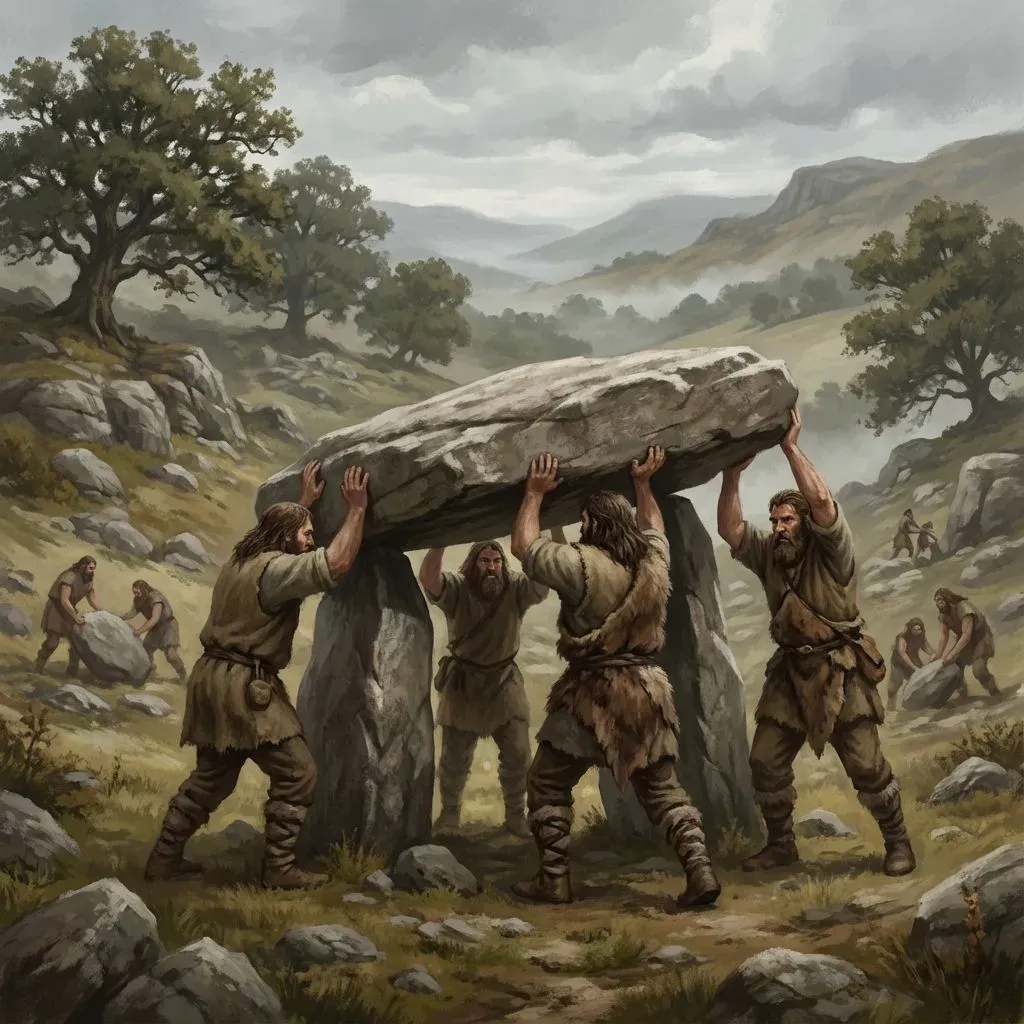
The dolmen of Sorginetxe, whose Basque name means House of the Witches, is one of the most impressive and best-preserved megalithic monuments in the Basque Country. Located in Arrizala, in the Alava plain, it stands as a powerful reminder of the prehistoric communities that shaped this landscape.
The structure consists of a funerary chamber formed by large limestone slabs and covered by a monumental capstone more than three metres long. Its popular name reflects the way later imagination connected these ancient stones with witches, giants and supernatural builders.
Dolmens like Sorginetxe were built by Neolithic communities that lived in these lands more than five thousand years ago. They served as collective tombs and places of memory, turning the monument into both an archaeological testimony and a focus of enduring legend.
Visiting Sorginetxe connects you with the earliest human occupation of Euskal Herria. Listed as a cultural heritage site, the dolmen stands alone among fields on the plain, evoking a mysterious past enriched by popular myths and legends.
The Navarrese knight who, deceived by the devil, committed parricide and wandered in chains until Saint Michael freed him at Aralar.
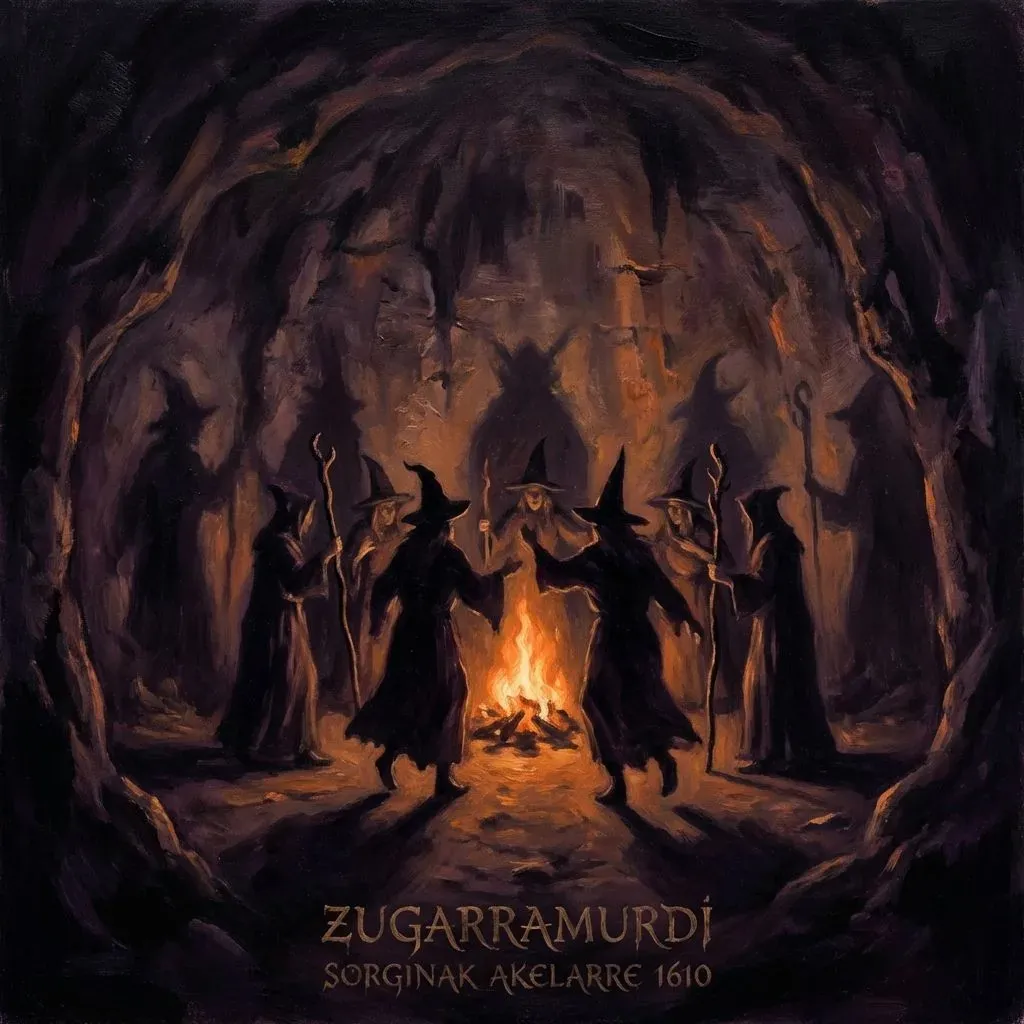
The famous inquisitorial trial of 1610 against the Navarrese witches who held akelarres in the sacred cave.
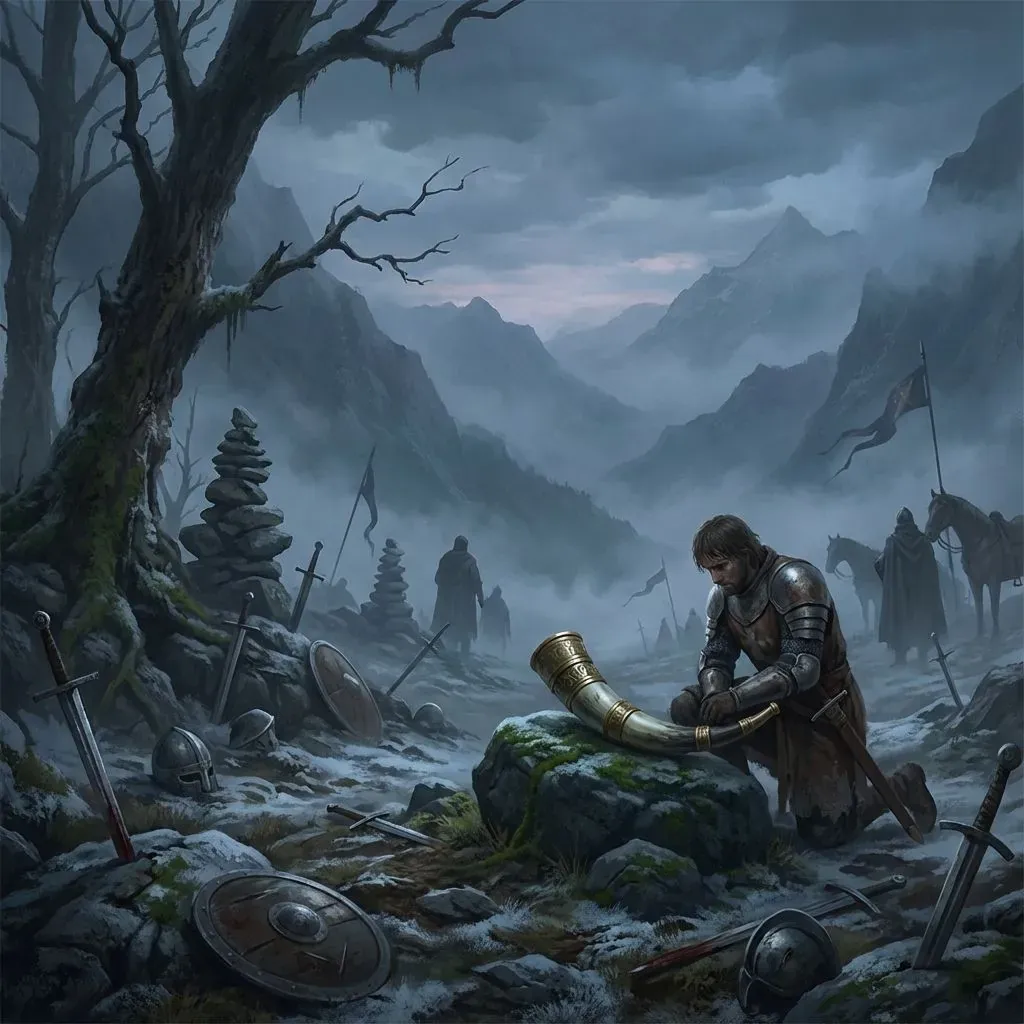
The Basque ambush against Charlemagne's army in the Pyrenean pass where the legendary Roland fell.

The shaggy giant who lives in the forests, protector of flocks and guardian of the secrets of agriculture and the forge.

Seductive nymphs who dwell in rivers and springs, recognisable by bird feet or fish tails, combing their hair with golden combs.
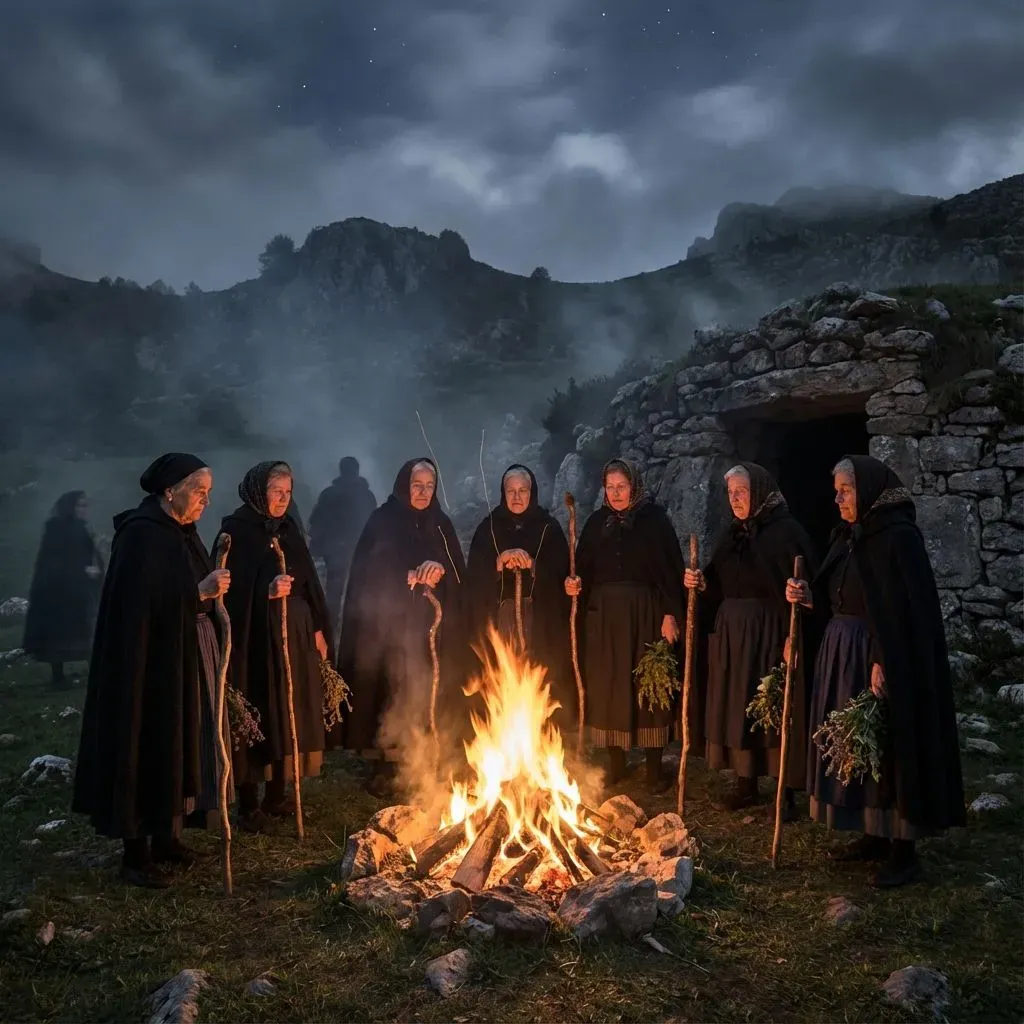
The Basque witches and wise women, priestesses of Mari who mastered potions, curses and the art of flying through the night sky.
Sorginetxe dolmen, whose Basque name literally means the witch’s house, is among Álava’s most impressive megalithic monuments and the best preserved in the northern Iberian Peninsula. Its six-metre length and uprights reaching over two metres give it a commanding presence without the need for any additional legend.
The name recorded in Álava’s oral tradition since at least the sixteenth century reveals how megalithic monuments were reinterpreted once their funerary purpose had been forgotten. The sorgin, a woman of special knowledge rather than an agent of evil in Basque tradition, was a plausible builder of a structure so large and mysterious.
Sorginetxe’s chamber faces east, towards the equinoctial sunrise, by design. Like builders of many northwestern European megaliths, its Neolithic creators incorporated the sun’s movement into their funerary architecture, seeing in its daily cycle a parallel to the life and death their monuments honoured.
Sorginetxe stands on a slight rise in the Álava plain with wide views in every direction, clearly chosen for its commanding position. Visiting at an equinox dawn, when sunlight enters along the chamber’s axis, offers a direct connection with its builders’ original intention through public archaeology.