Teodosius of Goñi
The Navarrese knight who, deceived by the devil, committed parricide and wandered in chains until Saint Michael freed him at Aralar.
— Nafarroa —
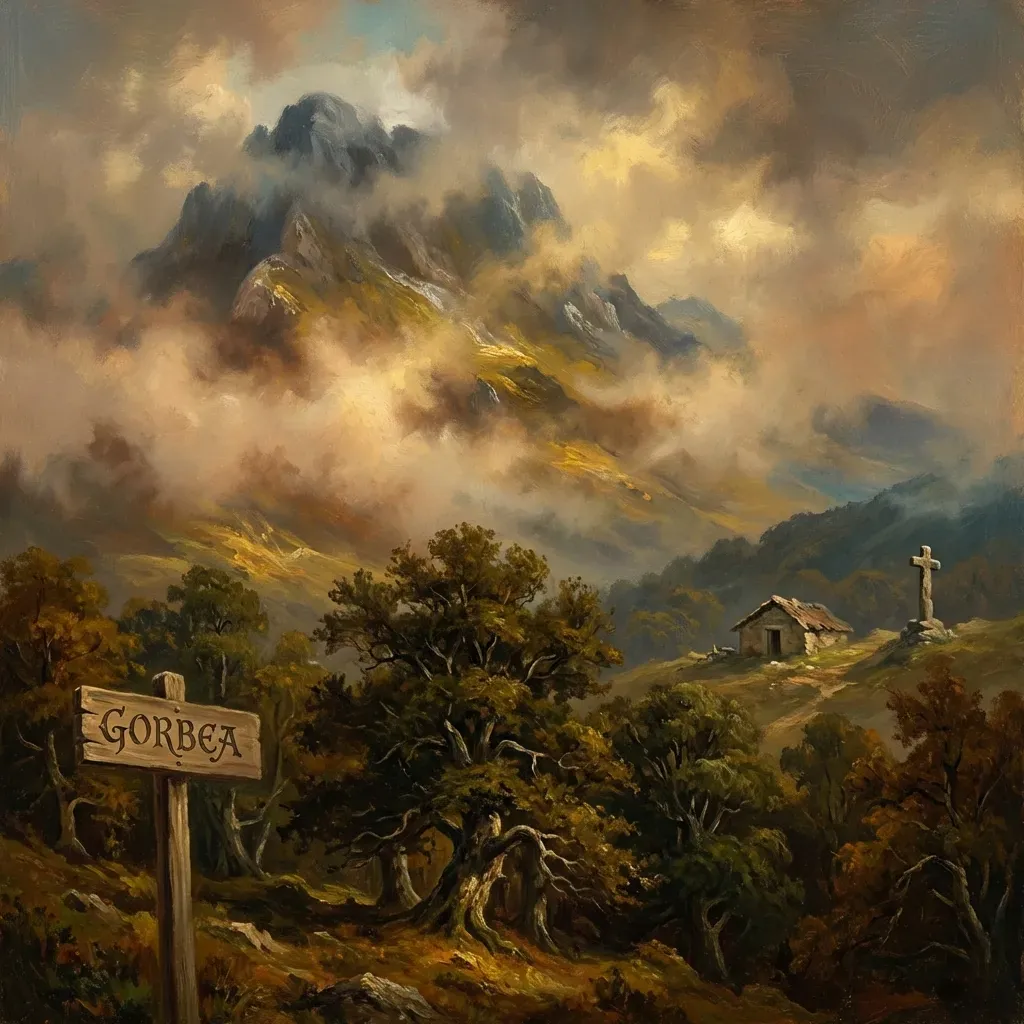
The sanctuary of San Miguel de Aralar is one of the oldest and most important spiritual centers in the Basque Country. Set high in the Aralar range, it combines mountain landscape, pilgrimage tradition and one of the most powerful legendary cycles of Navarre.
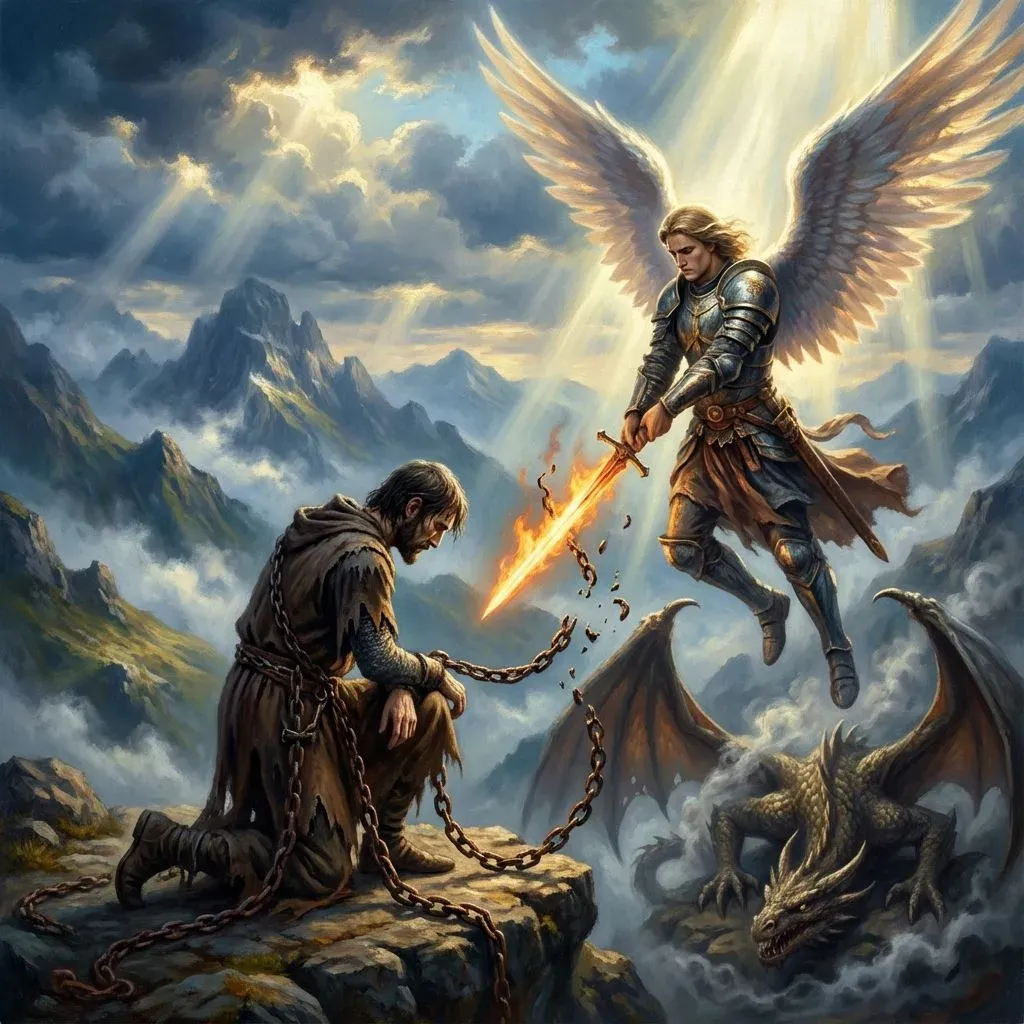
The founding legend of the sanctuary centres on Teodosius of Goñi, a Navarrese knight who, deceived by the devil, accidentally killed his parents. Condemned to wander in chains, he was finally freed when Saint Michael defeated the dragon that blocked his path, forever linking the shrine to the themes of penance and deliverance.
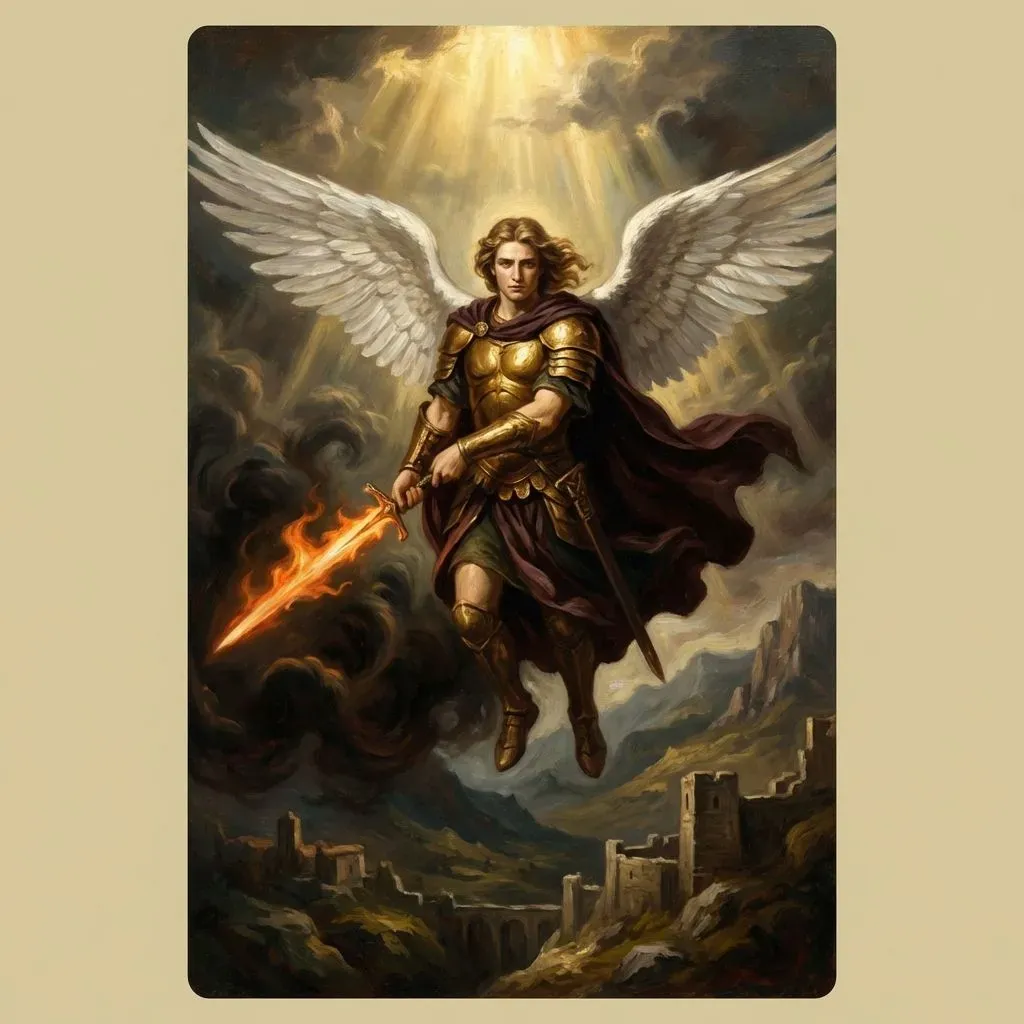
The church preserves a splendid twelfth-century enamelled Romanesque altar front, regarded as one of the jewels of medieval European art. The image of Saint Michael, carried in procession to many villages over the centuries, helped turn the sanctuary into a living symbol of protection and shared Basque devotion.
Beyond its spiritual and artistic value, the sanctuary offers extraordinary views over the surrounding valleys. The landscape of Aralar, with its mountain meadows, dolmens and sheep flocks, reinforces the sense of standing at a place where devotion, myth and pastoral life have long coexisted.
The Navarrese knight who, deceived by the devil, committed parricide and wandered in chains until Saint Michael freed him at Aralar.
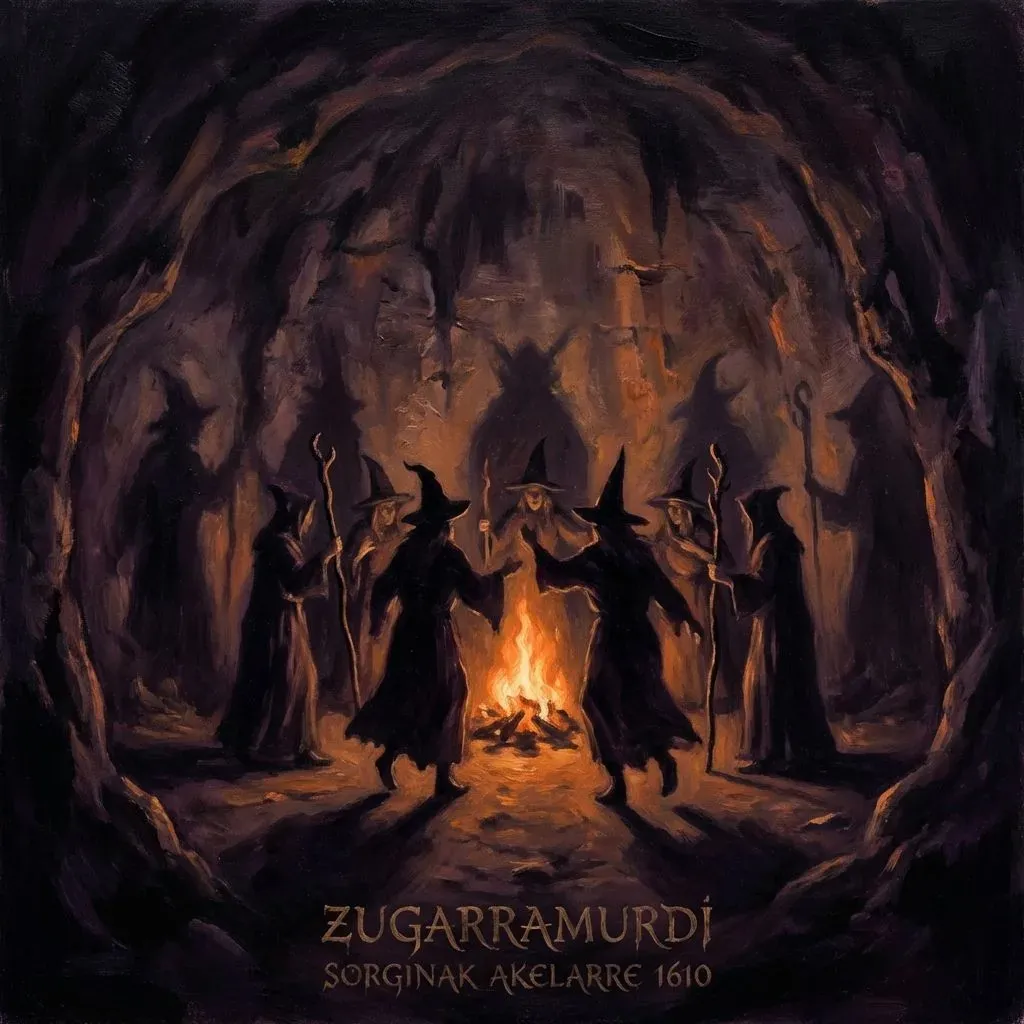
The famous inquisitorial trial of 1610 against the Navarrese witches who held akelarres in the sacred cave.
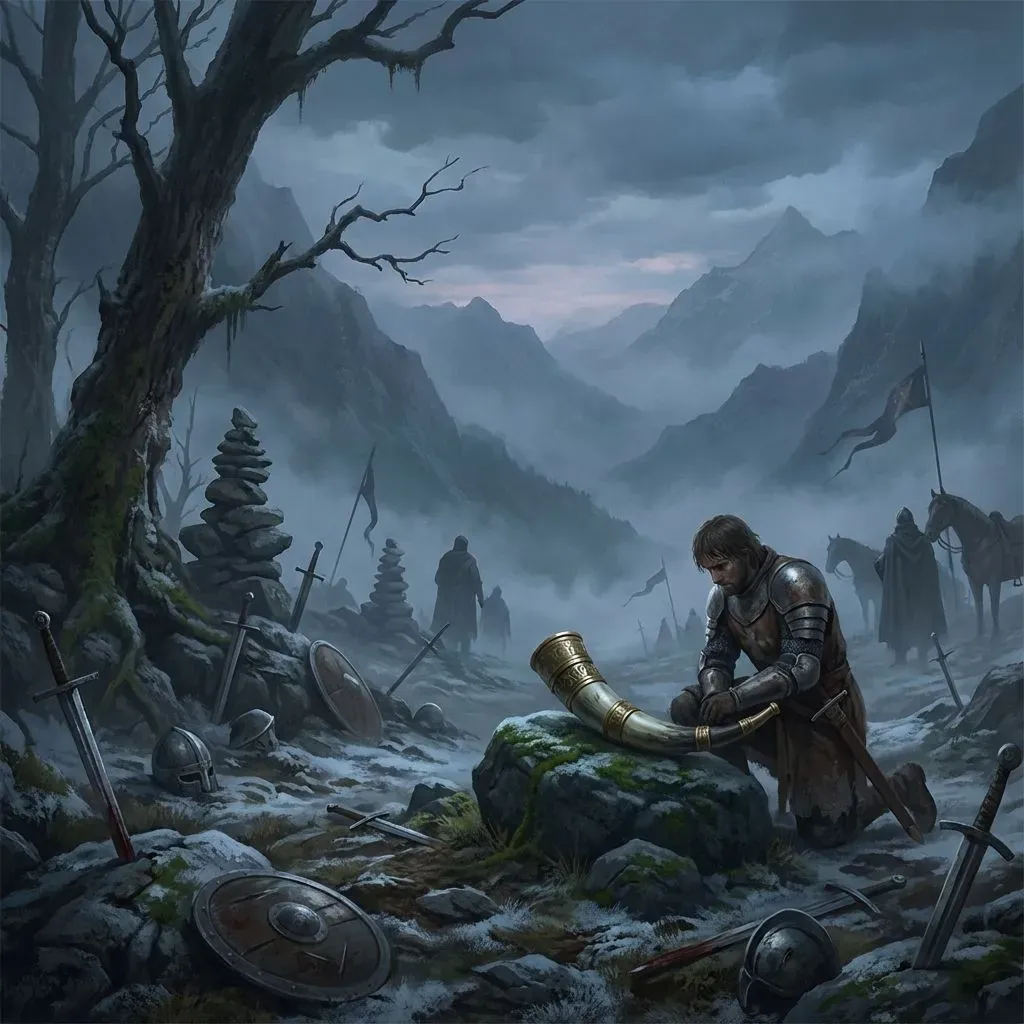
The Basque ambush against Charlemagne's army in the Pyrenean pass where the legendary Roland fell.
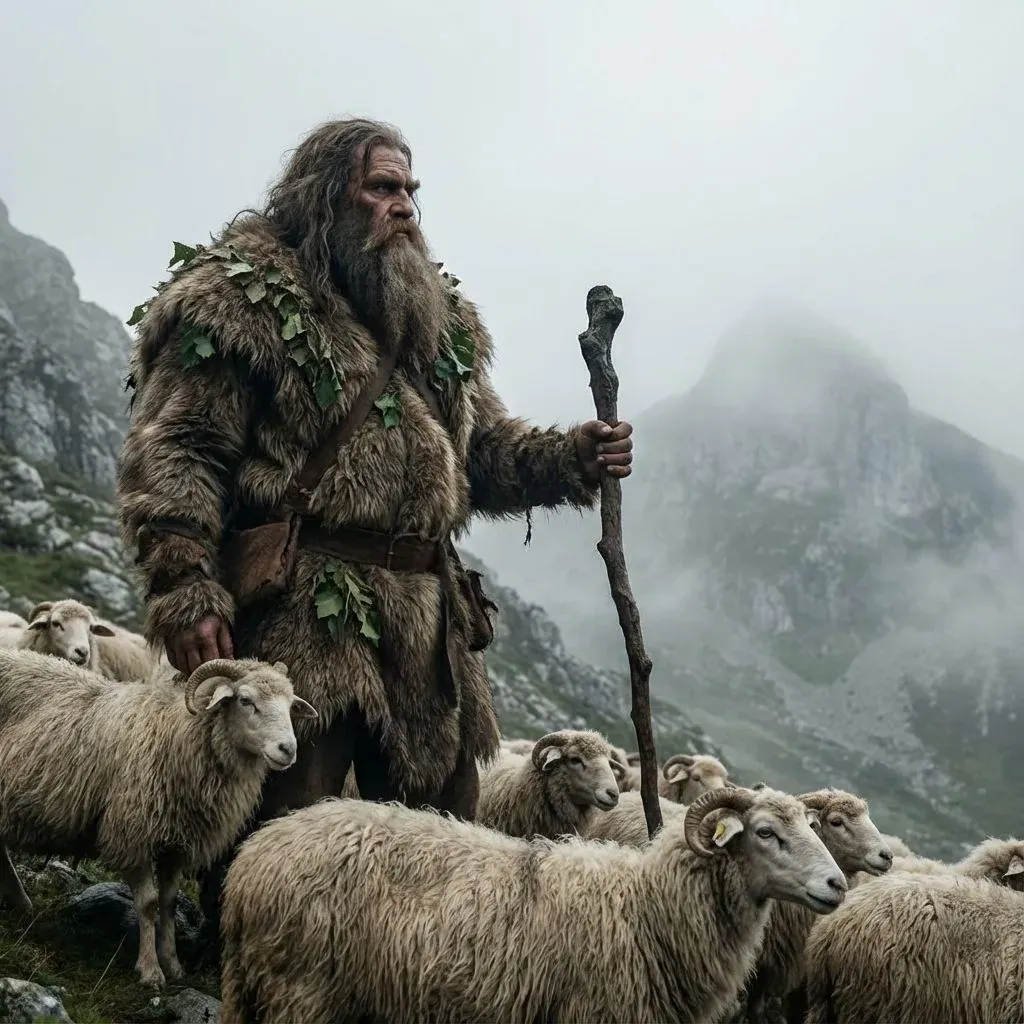
The shaggy giant who lives in the forests, protector of flocks and guardian of the secrets of agriculture and the forge.

Seductive nymphs who dwell in rivers and springs, recognisable by bird feet or fish tails, combing their hair with golden combs.
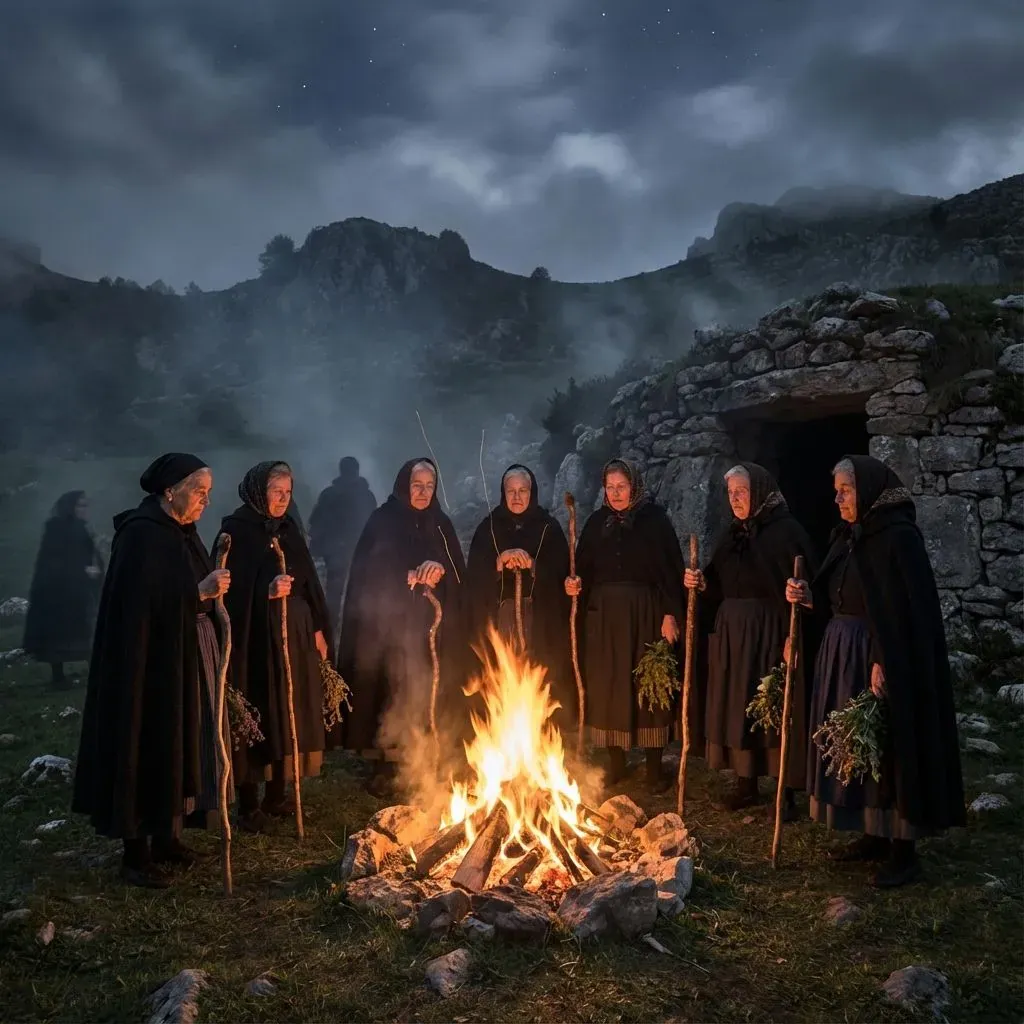
The Basque witches and wise women, priestesses of Mari who mastered potions, curses and the art of flying through the night sky.
San Miguel de Aralar sanctuary, set in a hollow of the Navarrese range at 1,220 metres, is a major Basque pilgrimage destination and significant Romanesque monument. Surrounded by upland pastures and prehistoric dolmens, its sacred character extends beyond its Christian history alone.
The sanctuary’s founding legend tells of Teodosio de Goñi, a Navarrese knight who accidentally killed his parents, wandered the mountains in chains as penance and was freed when Saint Michael slew the dragon threatening him. Pre-Roman mythological elements, including Herensuge and penitential chains, overlap with the Christian narrative of redemption through angelic intervention.
The sanctuary holds a Romanesque image of Saint Michael, among northern Spain’s oldest and most venerated depictions of the archangel. Votive offerings filling the side chapel record centuries of popular Basque devotion, from seventeenth-century wax figures to twentieth-century photographs and crutches left in thanks for miraculous interventions.
Visiting Aralar sanctuary is part of exploring the range. Trails lead from it towards nearby megaliths and summits, providing a natural context that helps explain both the site’s history and its enduring ability to draw believers from distant communities.