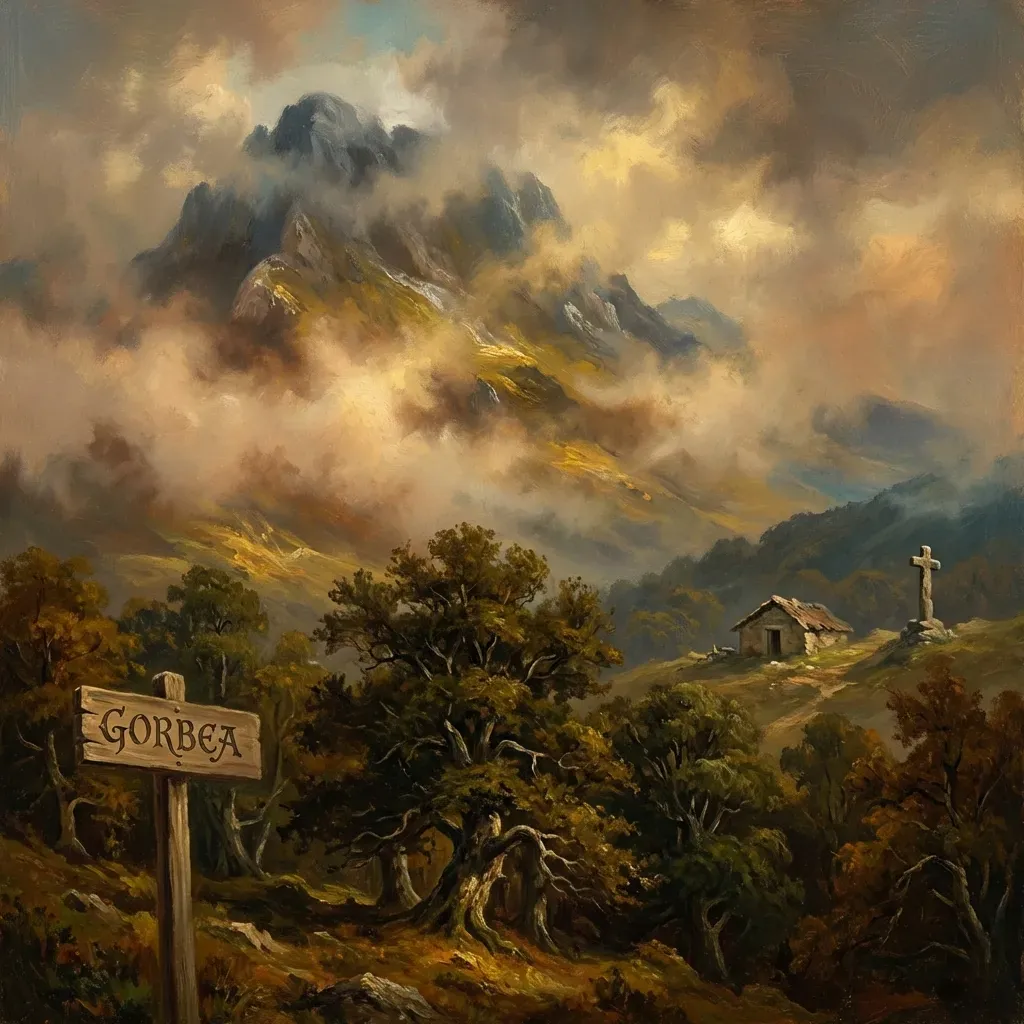
Mountain horizons
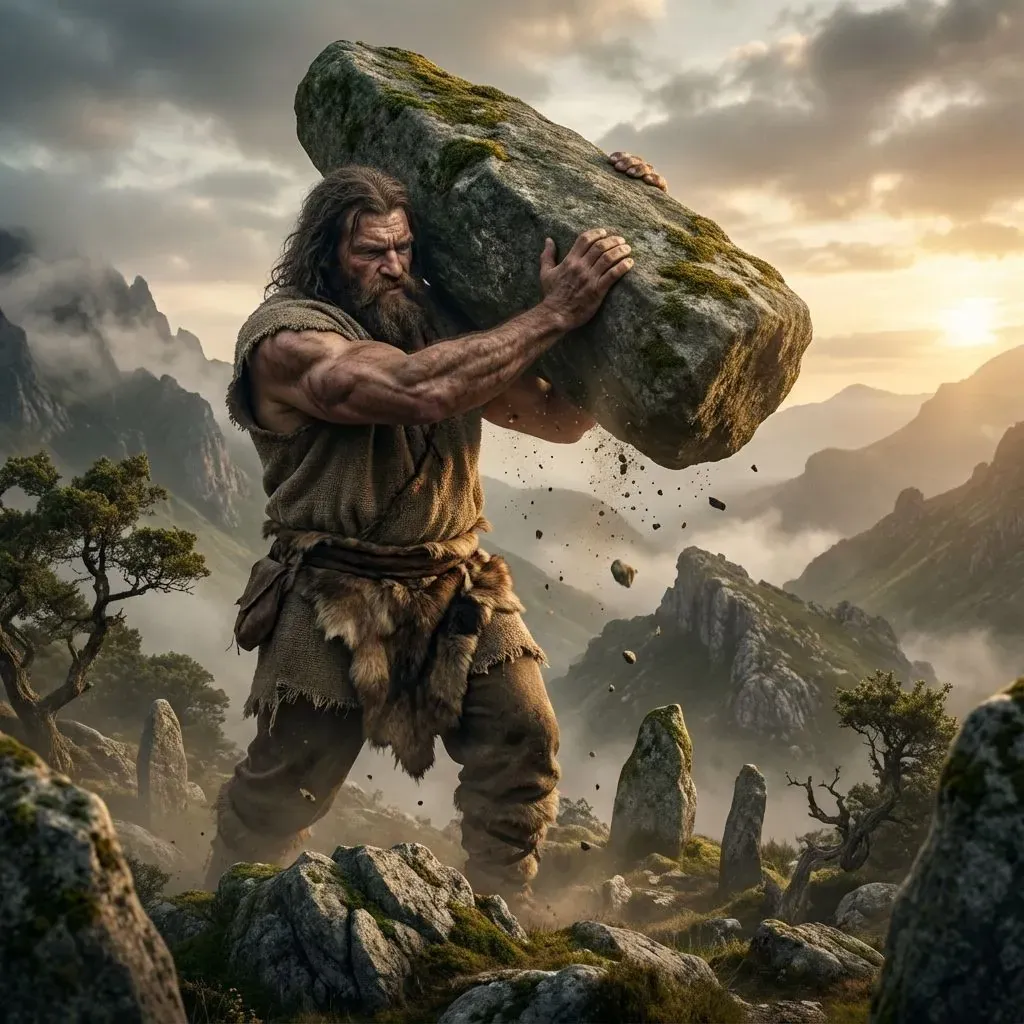
High places where the Jentilak watched the sky for the sign of change.
The final twilight of the giants before the new age
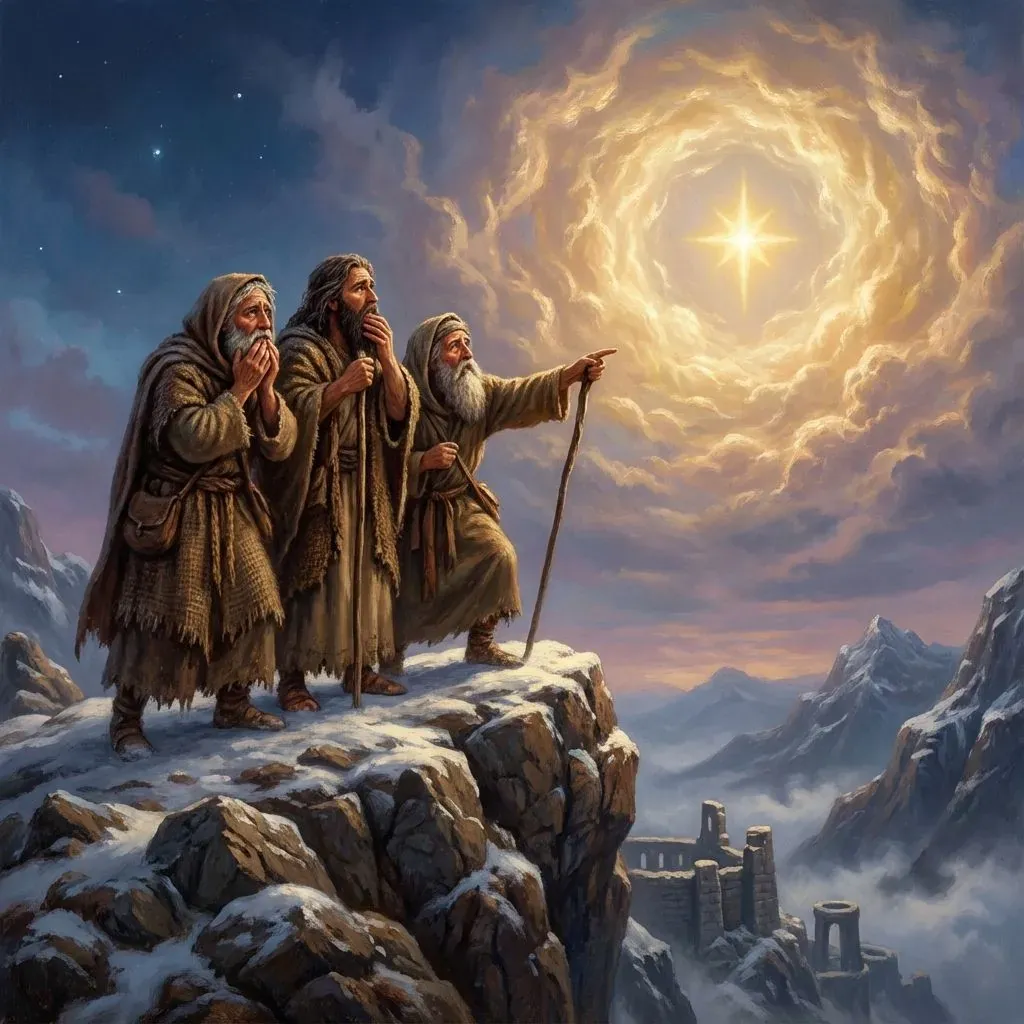
The arrival of Kixmi marks one of the great turning points in Basque mythic memory. The giants look to the sky, read the celestial sign, and understand that the age that sustained them is over.
Kixmi, identified in later retellings with Christ or the new sacred era, does not defeat the Jentilak through battle. His coming is enough to announce that another order now governs the world.
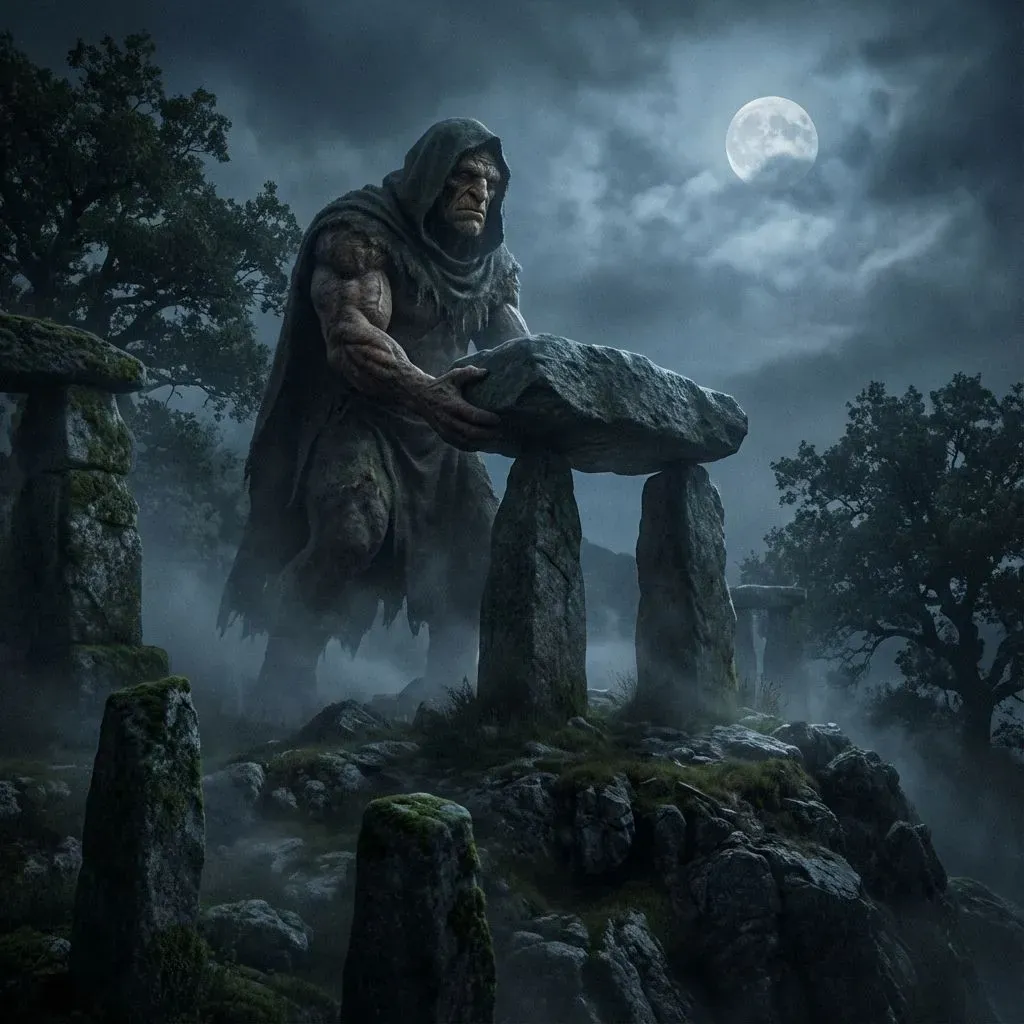
The giants accept the change with sorrow and gravity. Some legends say they hid beneath stones or within the earth; others that only Olentzero remained long enough to witness the passage fully.
The story preserves the memory of cultural replacement, but it does so with remarkable dignity: the old world does not rage blindly, it recognizes its own sunset.
High places where the Jentilak watched the sky for the sign of change.
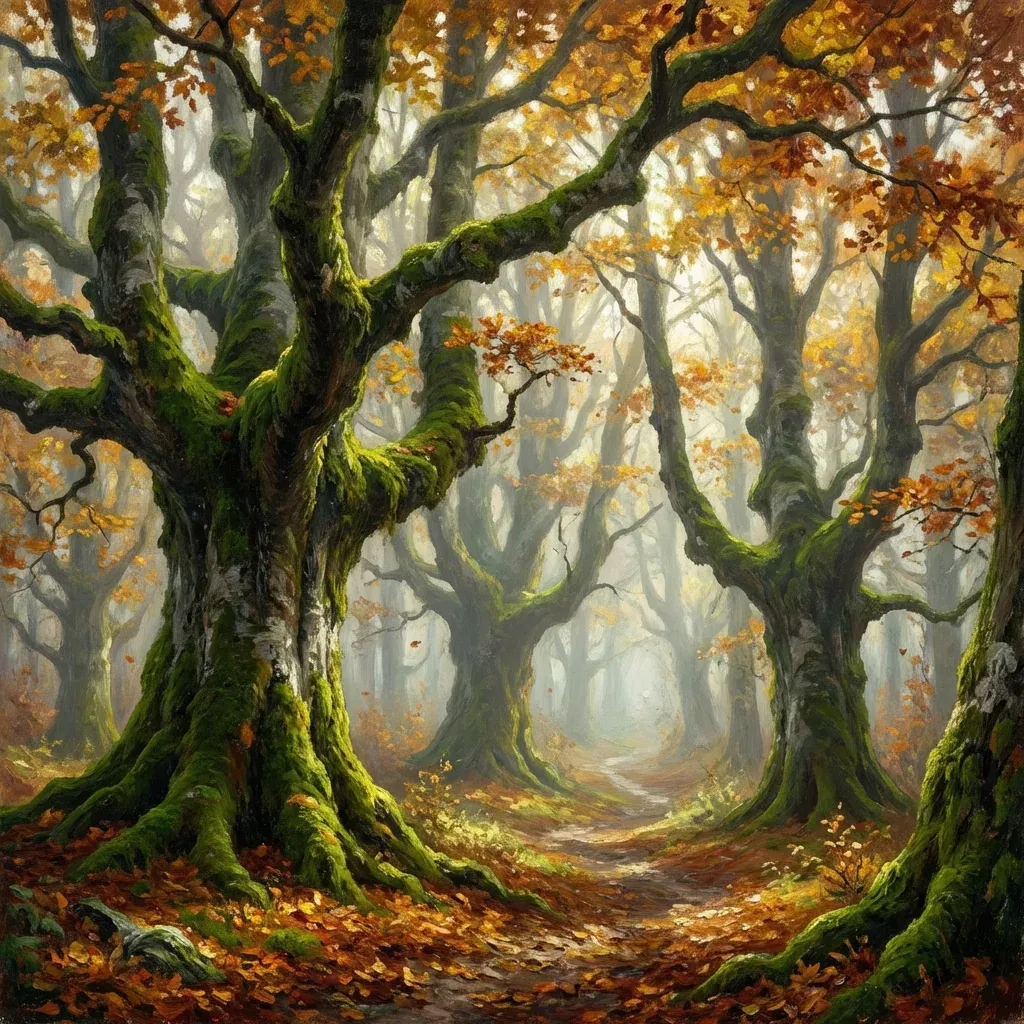
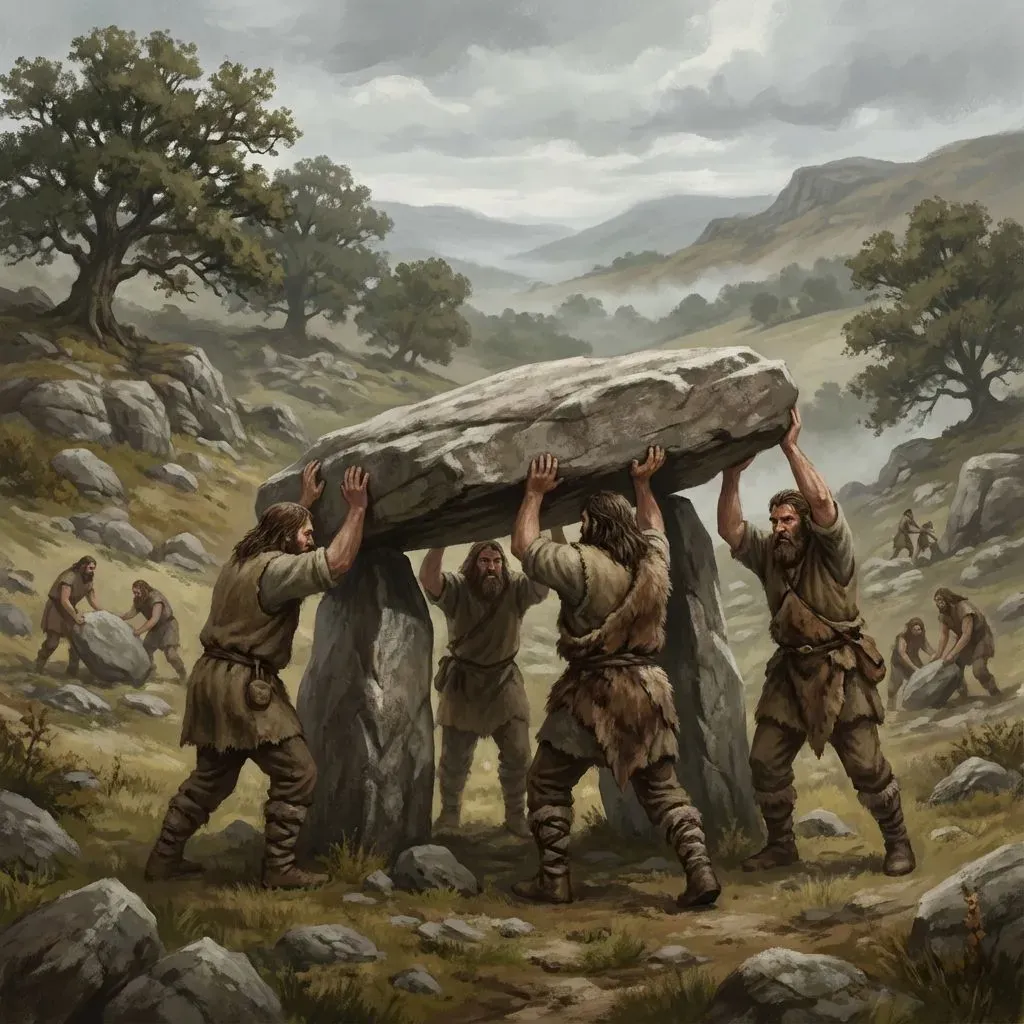
Stone landscapes tied to their disappearance and final memory.
This legend condenses a whole civilizational transition into one scene: giants watching the sky and recognizing that their age has come to an end.
Its power lies in the absence of combat. The new era does not need to crush the old physically; it simply arrives with enough symbolic weight to displace it.
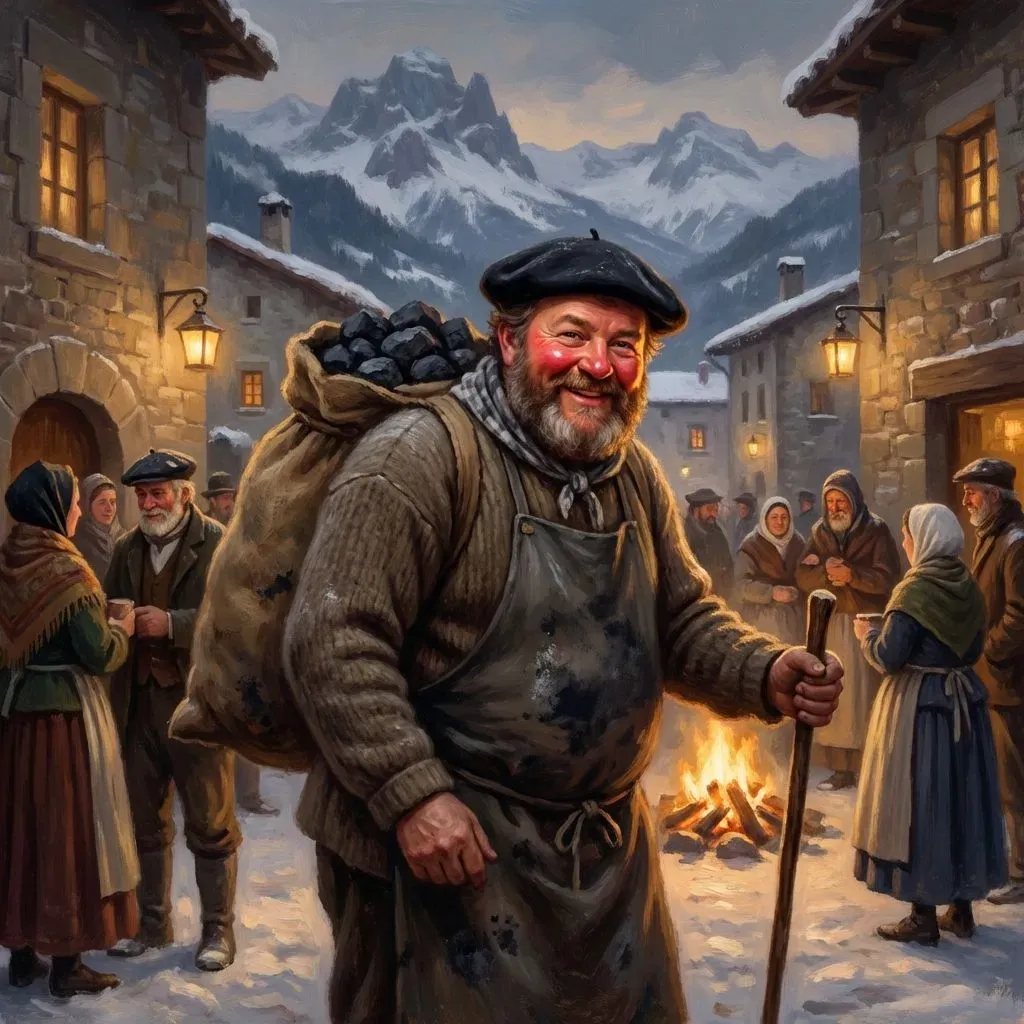
Olentzero's lingering presence gives the tale emotional complexity. He becomes a survivor of transition, bearing memory from one sacred order into another.
The myth endures because it offers a moving way to think about cultural succession: not as simple replacement, but as a twilight in which one world yields to the next.